
Inactive· since Mar 14, 2026
- 74
- days it ran
- 1
- relaunches
Ad copy
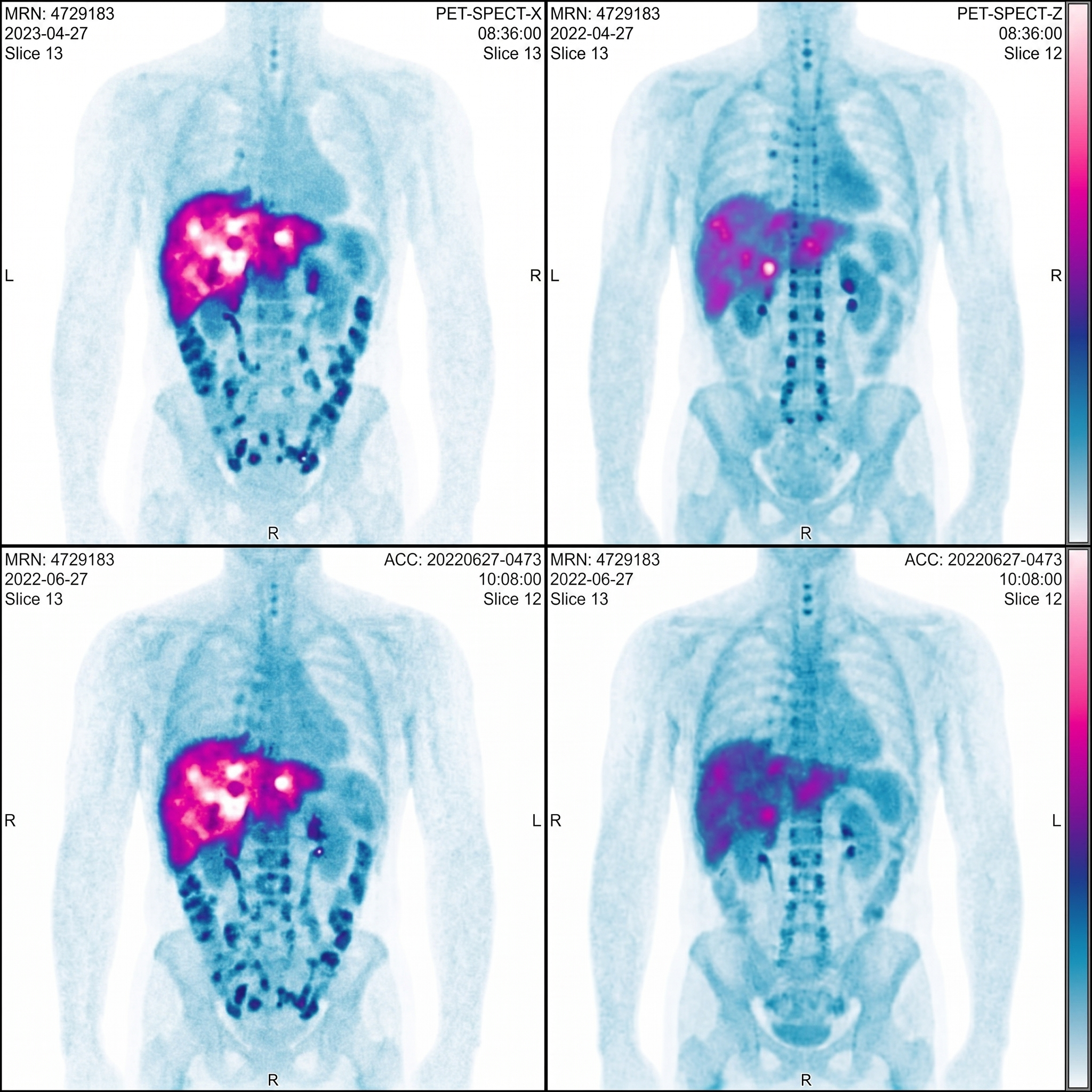
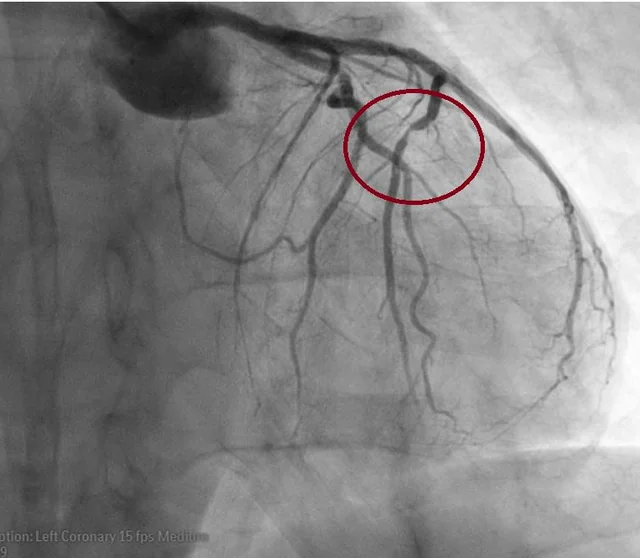
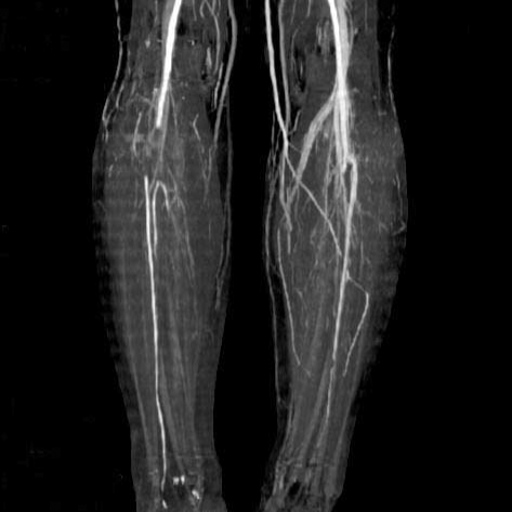
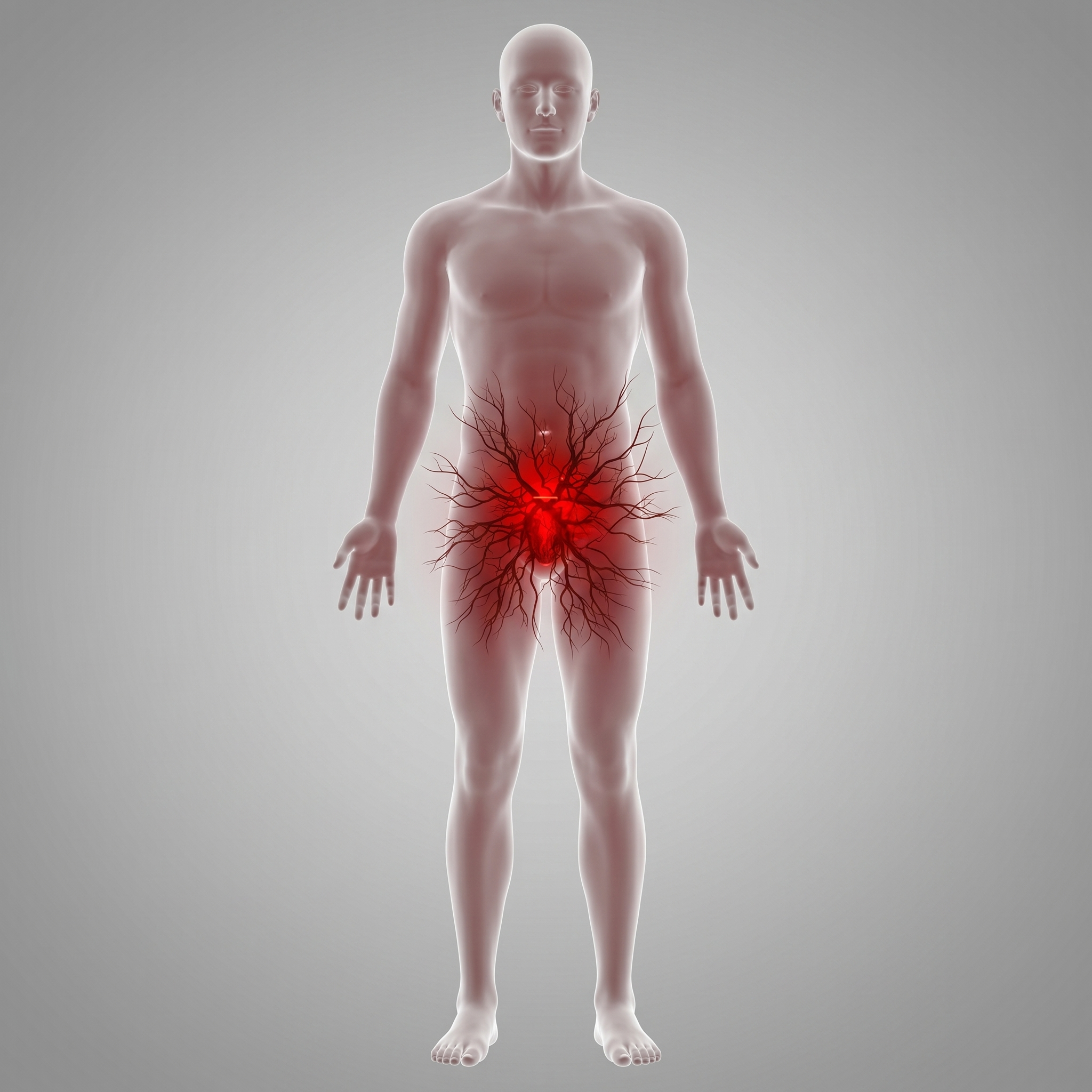
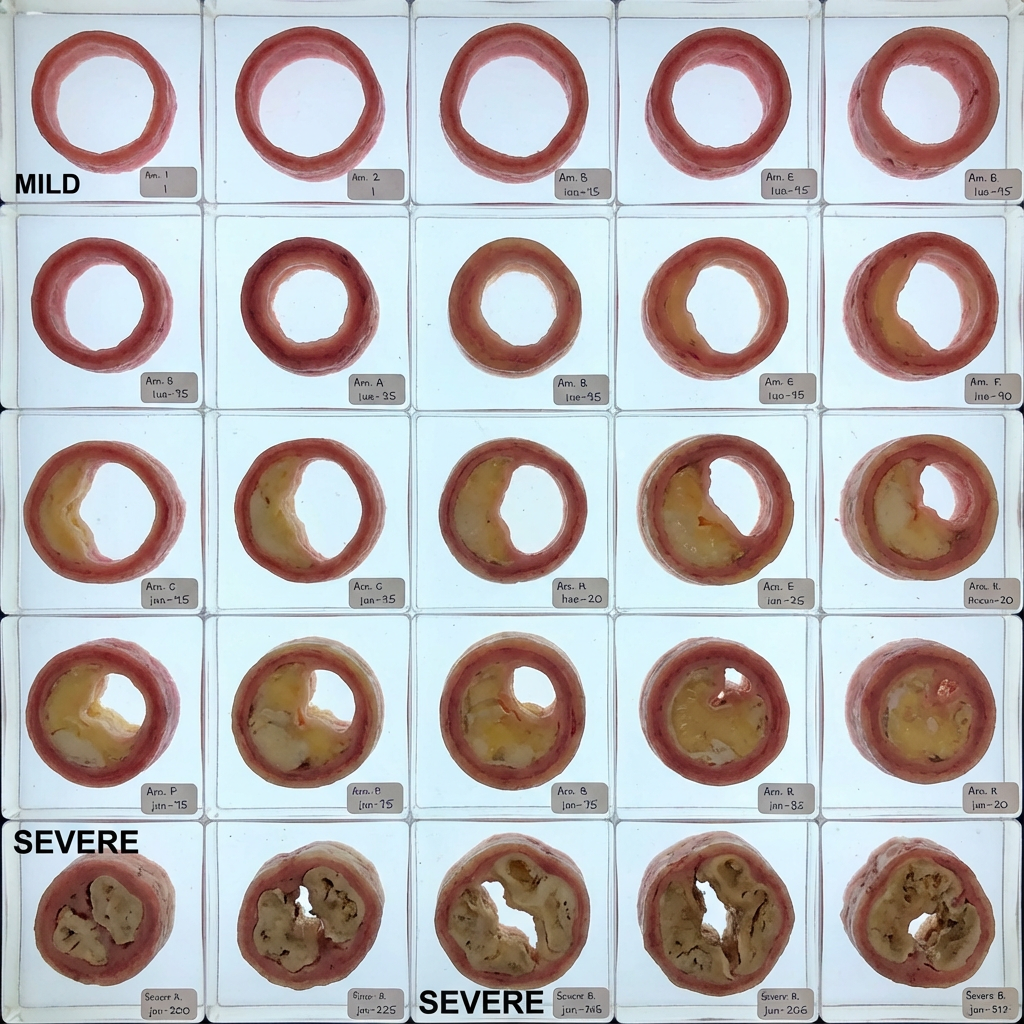
I've read too many cardiac scans to not share this with you. If you're dealing with ED and high blood pressure right now, I need to tell you something your doctor isn't connecting. I've read 4,200+ cardiac stress tests in 18 years as a cardiologist. And when a man walks into his doctor's office with high blood pressure and ED, I already know what his coronary angiogram will show 6-8 years before he ever feels chest pain. Advanced atherosclerotic plaque. The same damaged blood vessels causing his ED are the same ones his blood pressure medication is failing to protect. I'm Dr. Mike Harris. I'm a cardiologist specialising in preventive cardiology and endothelial dysfunction. And when my own ED started at 49 — alongside blood pressure that had been creeping up for three years — I knew something most men on blood pressure medication are never told. Your blood pressure medication is managing a number. It is not repairing the vessels that produced it. I've been reading cardiac imaging for 18 years. I've seen thousands of men with high blood pressure and ED. Thousands who got prescribed lisinopril or amlodipine for their blood pressure and sildenafil for their erections and thought both problems were solved. And I've seen the follow-up cardiac imaging that neither their GP nor their urologist ever orders. Because your GP sees your blood pressure reading drop on medication and considers the case managed. Your urologist sees your ED symptom and writes a prescription. Neither one orders a coronary calcium scan. Neither one asks what those two presentations — happening in the same man, at the same time — are actually telling you. But I do. Because I see what happens to those men 6-8 years later. The 54-year-old. Blood pressure "controlled" on ramipril for six years. ED started three years in. Went on sildenafil. Both problems "managed." Came to me with exertional chest pain. Coronary calcium score of 380. Three vessels. Bypass surgery. His blood pressure medication had been lowering the force against his artery walls for six years. It had not been removing the plaque those years of elevated pressure had already built inside them. The 51-year-old. "My numbers are fine, doc." Blood pressure 128/82 on medication. On sildenafil 100mg, working inconsistently. Calcium score of 290. Severe calcified deposits in his LAD and circumflex. His blood pressure had been "controlled" while his arteries quietly hardened around decades of accumulated damage. I see them in follow-up appointments. They're grateful I intervened. But I know what they lost. They had years to address what was actually happening inside their artery walls. Years when the damage was still in the early stages. Years when the endothelium could still repair itself. Their blood pressure medication lowered the pressure. It did nothing for the walls. Here is what nobody tells men on blood pressure medication. Elevated blood pressure damages your endothelium — the single-cell lining inside every blood vessel in your body — through mechanical force. Every beat of your heart at elevated pressure creates micro-tears in that lining. Those tears are exactly where cholesterol particles infiltrate. Where plaque begins to form. Where calcium hardens around the damage over years and decades. Your blood pressure medication reduces that mechanical force. That's important. But the tears that already formed? The cholesterol already embedded in those walls? The calcium already hardening around existing plaque? Your medication is not touching any of that. And here is the connection your GP has never made in a clinical conversation with you. Your penile arteries are 1-2 millimetres in diameter. Your coronary arteries are 3-4 millimetres. When endothelial damage and plaque accumulate system-wide — and in a man with years of elevated blood pressure, they have been accumulating system-wide — the smallest arteries reach critical narrowing first. ED symptoms appear 3-10 years before cardiac symptoms. Every time. In every scan I read. Your ED didn't start because you got older. It started because your smallest arteries crossed the threshold for restricted blood flow before your larger ones did. Your blood pressure was the upstream cause. The ED is the first downstream consequence. Your coronary arteries are the next downstream consequence. They just haven't crossed the threshold yet. And there is something else I need to tell you about sildenafil that nobody in a GP's office is going to say out loud. Men with high blood pressure who take sildenafil — particularly 90% of generic sildenafil manufactured in India with limited batch quality oversight — face a significantly increased risk of cardiovascular events compared to men without blood pressure issues. Published research has confirmed that combining sildenafil with antihypertensive medications creates unpredictable blood pressure drops that can be dangerous. Your GP prescribed both. The interaction between them is not something most GPs are tracking at follow-up appointments. You are managing two separate symptoms — elevated pressure and lost erections — with two separate drugs that interact with each other, neither of which is addressing the endothelial damage that produced both problems. That was almost exactly my situation. My own blood pressure had been climbing for three years. My GP had me on medication. Numbers were "controlled." And my ED started at 49 — quietly, gradually, the way it always starts. Morning wood disappearing first. Then unreliable function. Then the slow fade that men call stress and fatigue and age because the alternative explanation is too much to sit with. My GP colleague looked at my blood pressure readings and my ED symptoms and said what he says to every patient. "Standard protocol. Blood pressure is managed. For the ED, start sildenafil 50mg." I know it would work. That's not the point. I'm a cardiologist. I immediately ordered my own CT coronary angiogram and calcium scoring. Because I know what high blood pressure and ED appearing in the same man at the same time actually means on imaging. Coronary calcium score of 47. Early atherosclerotic changes. Endothelial dysfunction visible in my arterial function markers. The mechanical damage from years of elevated pressure had already opened the doors for cholesterol to infiltrate my artery walls. My blood pressure medication had been lowering the force. It had not been closing the doors already opened. My ED wasn't a bedroom problem. My blood pressure wasn't an isolated number problem. They were both symptoms of the same endothelial failure happening system-wide. And sildenafil interacting with my blood pressure medication would have masked the only early warning sign I had — while adding a cardiovascular interaction risk my GP had never mentioned. Here's what the research shows that most GPs and urologists are not trained to connect. Your endothelium produces nitric oxide through an enzyme called eNOS. Nitric oxide signals your arteries to dilate. When your endothelium is damaged — by years of elevated pressure, by cholesterol infiltration, by chronic inflammation — eNOS stops working properly. Nitric oxide production drops. Arteries stiffen. Blood pressure rises further because vessels can no longer dilate on demand. Plaque forms at the sites of endothelial damage. And the smallest arteries — the ones in your penis — show the blood flow restriction first. Blood pressure medication reduces the mechanical pressure. It does not restore eNOS function. Sildenafil blocks the enzyme that breaks nitric oxide down. It forces vasodilation for four to six hours. It does not restore eNOS function. Nothing in standard treatment for high blood pressure and ED is addressing the endothelium that caused both. That's the gap. And I sat with it at 11:47 PM on October 8th, reviewing cardiology journals after a late shift, unable to sleep, morning wood completely gone for eleven months, blood pressure "controlled" on paper while I stared at my own calcium score and knew exactly where the trajectory was heading. I was scrolling through research on endothelial dysfunction interventions. I found a study on capsaicin and nitric oxide release in endothelial cells. Capsaicin from cayenne pepper activates TRPV1 receptors directly on endothelial cells. These receptors trigger eNOS — the enzyme that produces nitric oxide. Not for four to six hours like sildenafil. Continuously. The way your endothelium was designed to work before the damage accumulated. But here is what stopped me cold at 11:47 PM. "Sustained capsaicin exposure reversed early atherosclerotic changes and improved endothelial function in 67% of subjects over 90 days." Not masked. Reversed. And in a separate finding that connected directly to my blood pressure situation: continuous nitric oxide production through TRPV1 activation reduces arterial stiffness — one of the primary mechanisms driving elevated blood pressure in men over 45. The same pathway restoring endothelial function was also addressing the upstream driver of the blood pressure problem. I sat there staring at the mechanism. Blood pressure medication manages the pressure reading. Sildenafil overrides the ED symptom temporarily. Capsaicin restores the eNOS function that caused both. One mechanism. Two symptoms. Both addressable at the root instead of the surface. At 12:03 AM I ordered pharmaceutical-grade cayenne extract softgels. 3mg capsaicin per serving. The exact therapeutic dose used in the TRPV1 receptor research. I started October 9th. Three softgels with meals. October 12th — 3 days in. Woke up with morning wood. 70% strength. First time in eleven months. Lay there completely still thinking it was psychological. It wasn't. The physiology was working. October 15th — 6 days in. Spontaneous response with my wife. Full strength. We hadn't had successful intimacy in eight months. She pulled back and looked at me. "Mike. What's different?" I hadn't told her I was taking anything. "Different approach," I said. "Whatever you're doing, keep doing it." October 21st — 12 days in. ED symptoms completely resolved. Morning wood every day. I felt 35 again. But I wanted system-wide proof. November 3rd. Blood pressure reading without medication adjustment: 118/74. Down from a medicated 134/86 three weeks earlier. My vessels were producing nitric oxide naturally again. The arterial stiffness that had been driving my elevated pressure was reducing as my endothelium repaired. December 4th — 8 weeks in. Follow-up CT coronary angiogram and calcium scoring. Coronary calcium score reduced from 47 to 31. 23% plaque reduction in 8 weeks. I pulled up the comparison images. The calcium deposits had visibly reduced. The arterial walls showed improved endothelial function markers. My blood pressure had normalised at a reading lower than it had been on medication alone. My ED was resolving because my endothelium was healing. My blood pressure was improving because my endothelium was healing. Not masked. Not managed. Healed. I printed both scans. Walked to my colleague Dr. Morrison's office. He looked at the images. Looked at me. Looked back at the scans. "Mike, what did you do? Plaque doesn't reverse this fast. And your blood pressure is lower than it's been in three years." I explained the TRPV1 receptor activation. The continuous nitric oxide pathway. The capsaicin mechanism addressing both endothelial dysfunction and arterial stiffness simultaneously. He studied the scans for another minute. "You're telling me the same mechanism that reversed your plaque also improved your blood pressure and resolved your ED." "Same endothelium. Same damage. Same repair signal." He was quiet. "I need to start ordering calcium scans on every hypertensive patient who presents with ED. We've been treating two symptoms of one disease as if they're two separate conditions." I'm not telling you this because I'm against blood pressure medication or sildenafil. Blood pressure medication reduces a genuine cardiovascular risk. Sildenafil restores function that matters to men and their marriages. Both have their place. But they don't repair your endothelium. They don't reduce plaque. They don't restore eNOS function. They don't address the upstream arterial damage that produced your elevated blood pressure and took your erections years before your coronary arteries will show the same damage on a stress test. And if you are taking sildenafil alongside blood pressure medication — understand that 90% of generic sildenafil is manufactured in India with limited batch quality controls, and that the cardiovascular interaction between sildenafil and antihypertensives in men with existing endothelial dysfunction carries risks that are not discussed at routine GP appointments. Your blood pressure and your ED are not two separate problems being managed by two separate drugs. They are two symptoms of one damaged endothelium. And every month you manage the symptoms without addressing the endothelium is another month the plaque advances toward the calcium score that changes your conversation from monitoring to intervention. I think about what I almost did. I almost started sildenafil alongside my blood pressure medication without anyone flagging the cardiovascular interaction risk. I almost accepted "controlled" numbers as evidence that the underlying damage was being addressed. I almost became the patient I see in my cath lab 6-8 years later, looking at a calcium score of 380, asking why nobody told them that their blood pressure and their ED were the same problem showing up in different places. Because once you need cardiac intervention, the damage is permanent. Once you have a heart attack, you don't get the years back that your blood pressure and your ED were trying to warn you about. Your elevated blood pressure cracked your endothelium open. Your ED is the first artery that ran out of blood flow. Your coronary arteries are on the same path. They're just larger. They haven't crossed the threshold yet. Eight weeks. That's how long it took my coronary calcium score to drop 23%. That's how long it took my blood pressure to normalise below its medicated reading. That's how long it took morning wood to return after eleven months of absence. Eight weeks of giving my endothelium the repair signal it needed instead of two separate drugs managing two separate symptoms of the same damage. I'm a cardiologist. I read the imaging. I know what both of these presentations mean together on a scan. And I chose to repair the endothelium before the calcium score that was already building toward my coronary arteries became the conversation I have with other men's families in my cath lab. Give your endothelium the chance to do what it was designed to do. Your blood pressure and your ED have been trying to tell you the same thing for years. Fix the circulation. Not just the numbers. — Dr. Mike Harris, MD, FACC Cardiologist, 18 years Board Certified in Cardiovascular Disease P.S. — The pharmaceutical-grade cayenne extract I used is Auri Cayenne Pepper Softgels. 3mg capsaicin per serving from cayenne pepper, specifically formulated to activate TRPV1 receptors for continuous nitric oxide release and endothelial repair. If you have high blood pressure and ED and you are taking sildenafil alongside antihypertensive medication — understand what that combination is and is not doing. Get baseline cardiac imaging. Try therapeutic capsaicin for 8-12 weeks alongside your current medications. Let your blood pressure reading, your morning wood, and your follow-up calcium score tell you what's actually happening in your arteries. You can always go back to managing symptoms. You cannot go back in time once the endothelial damage your blood pressure and your ED were both warning you about has hardened into the calcium score that changes everything.
Read this if you have high blood pressure and ED
Dr. Michael Harris reviews the popular Aurivita Cayenne Pepper softgels currently trending on social media
LEARN MORELike this ad? Make it yours.
Crush rebuilds this exact creative around your product — your brand, your colors, your offer — in about a minute.