
Inactive· since Feb 4, 2026
- 38
- days it ran
- 0
- relaunches
- 2,064
- EU reach
Ad copy
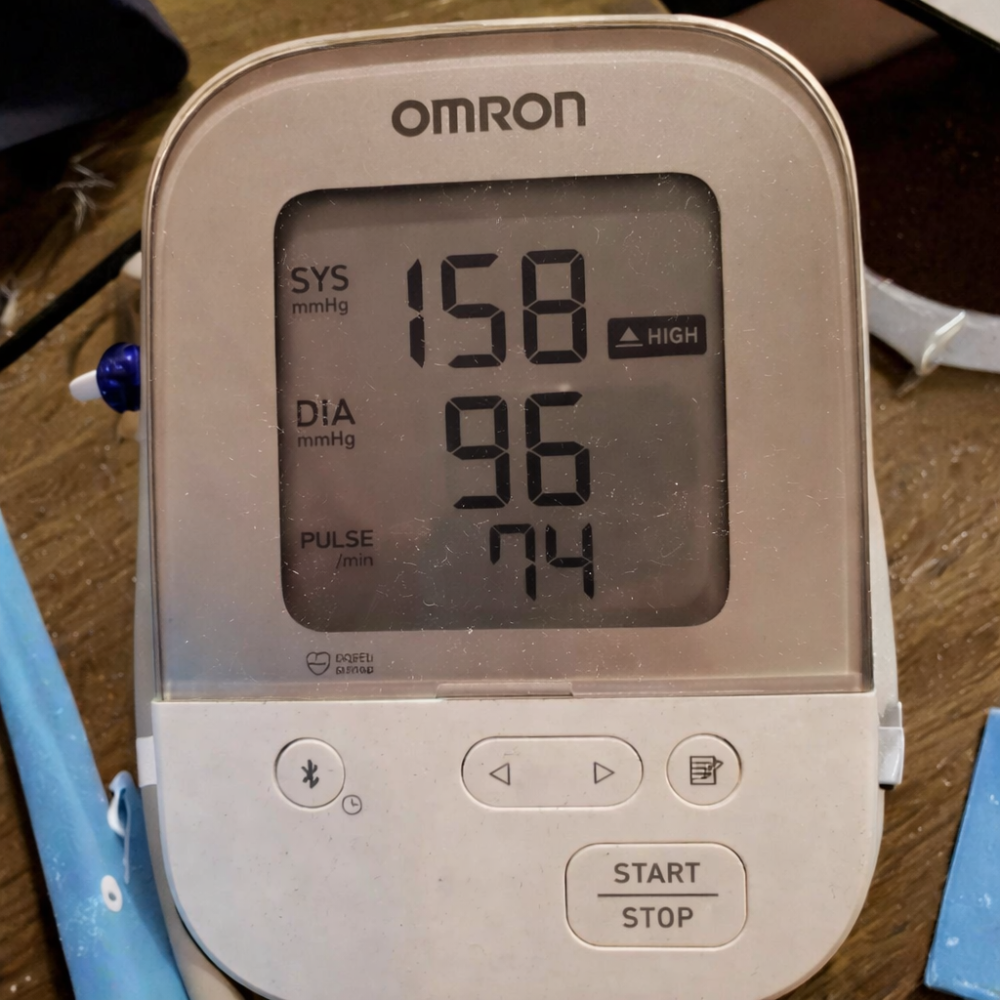
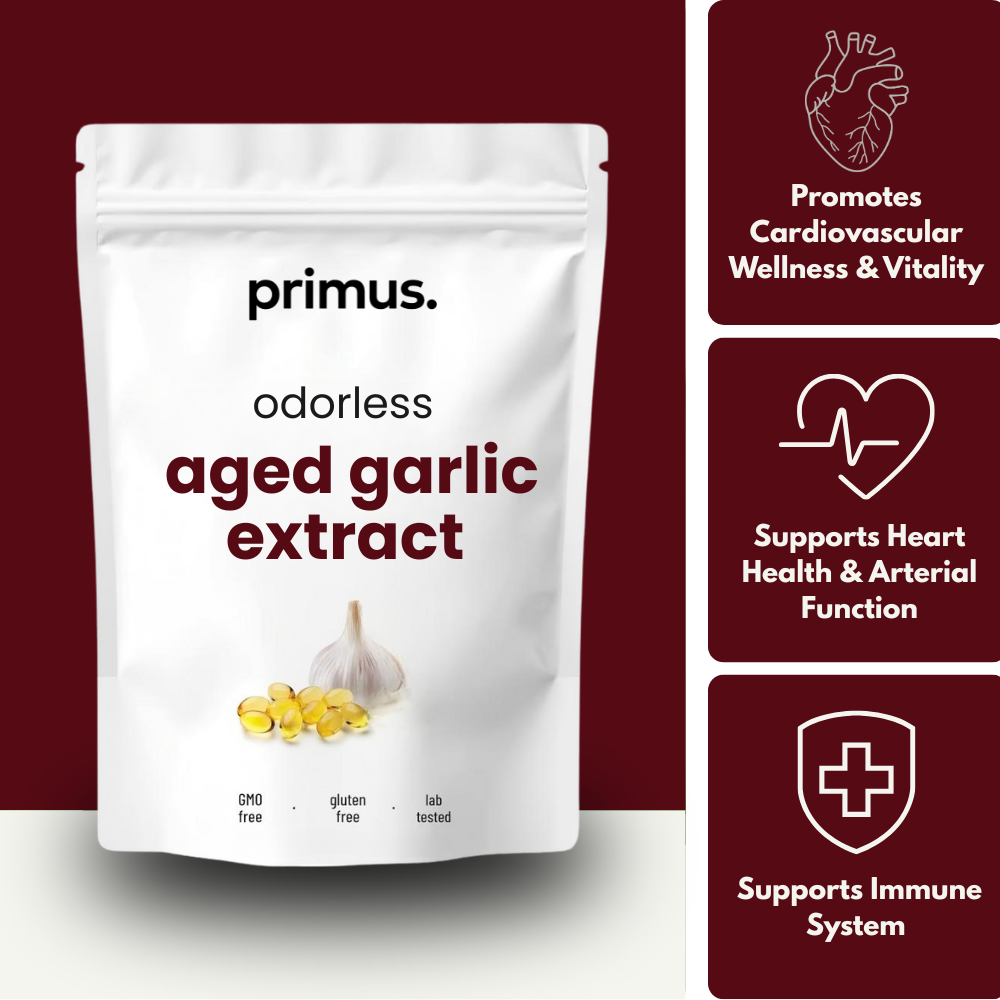
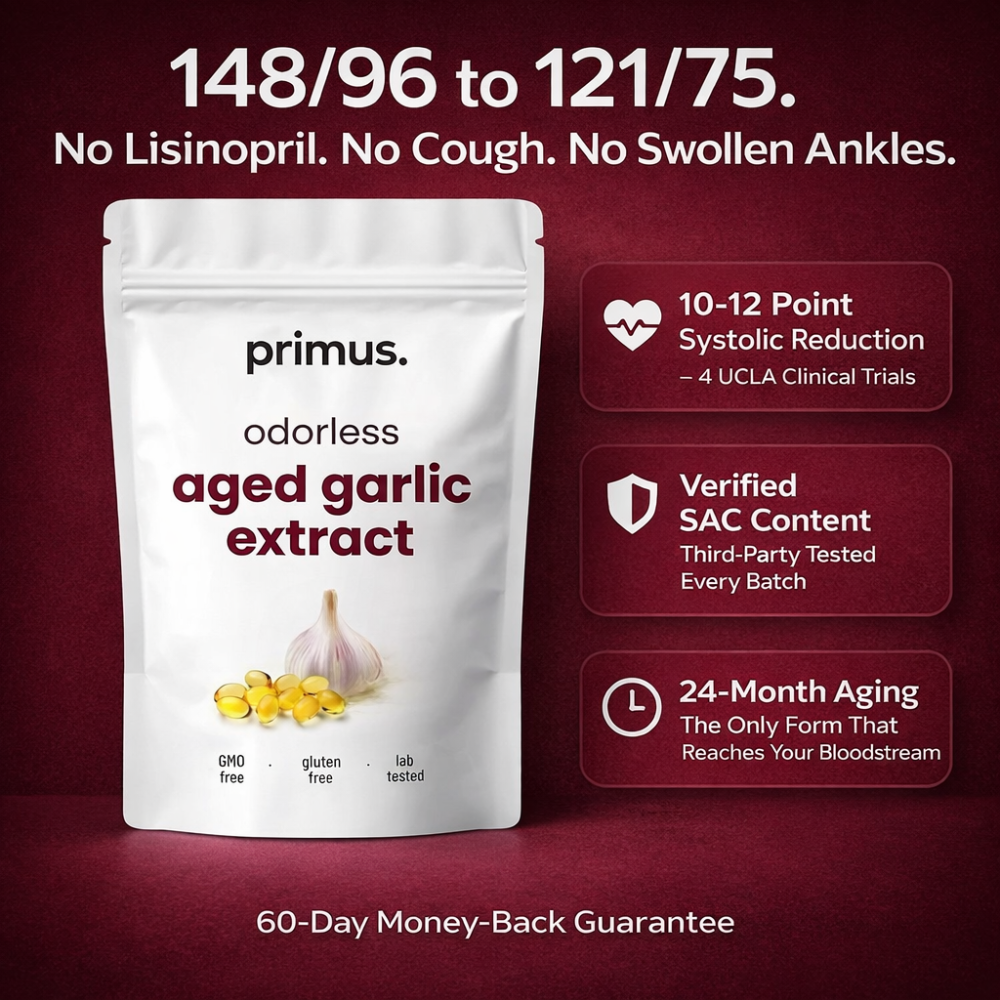
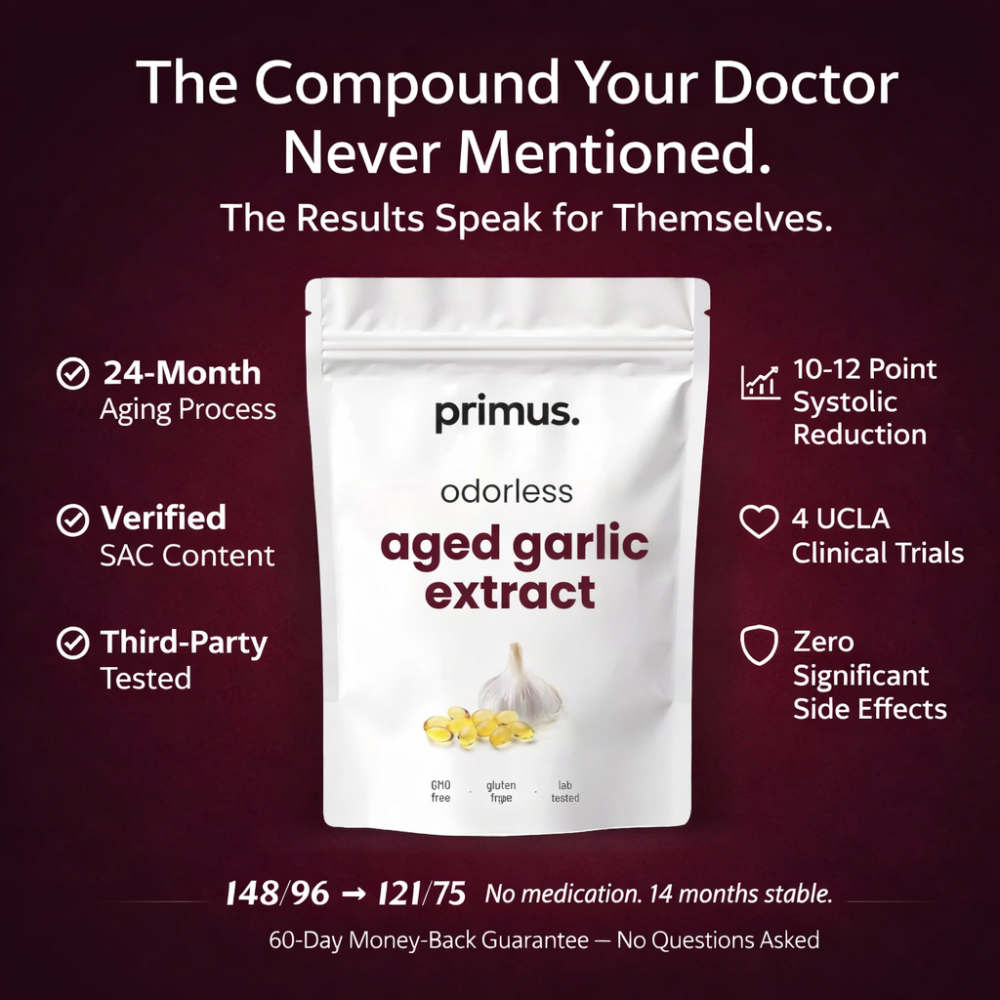
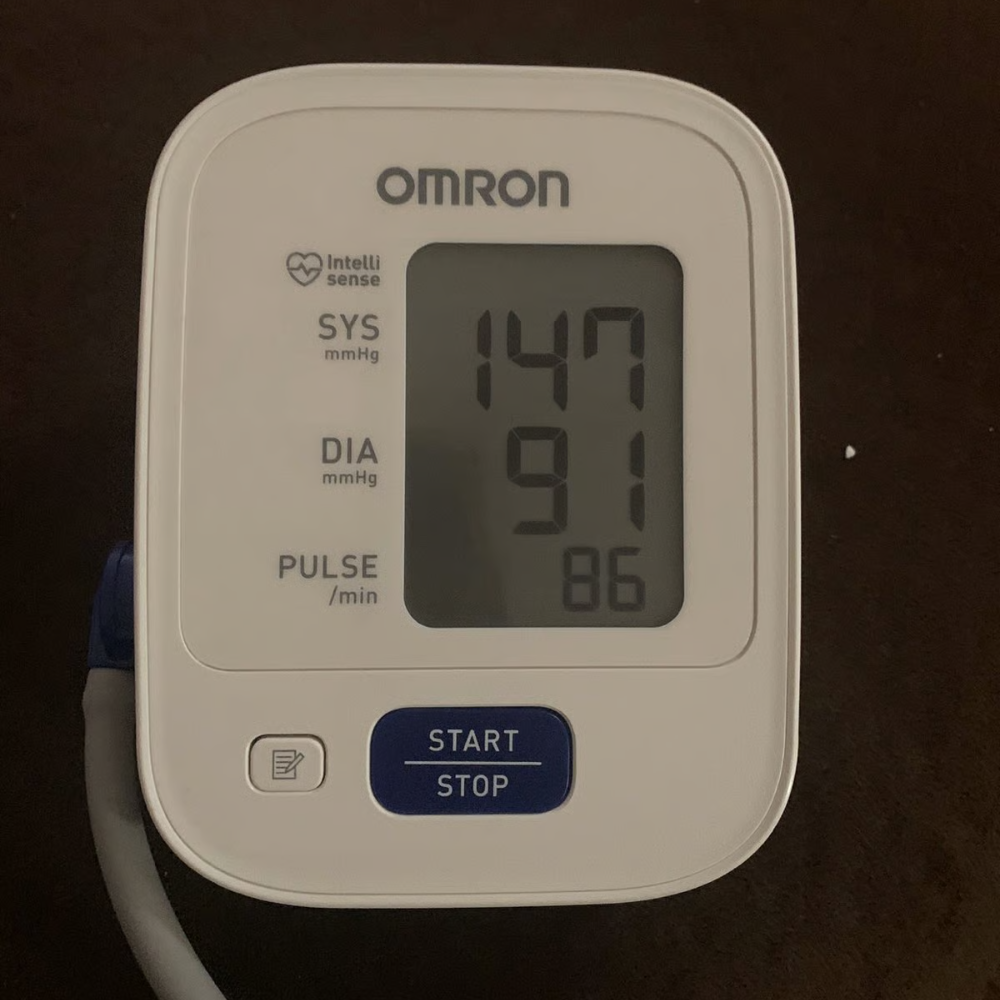
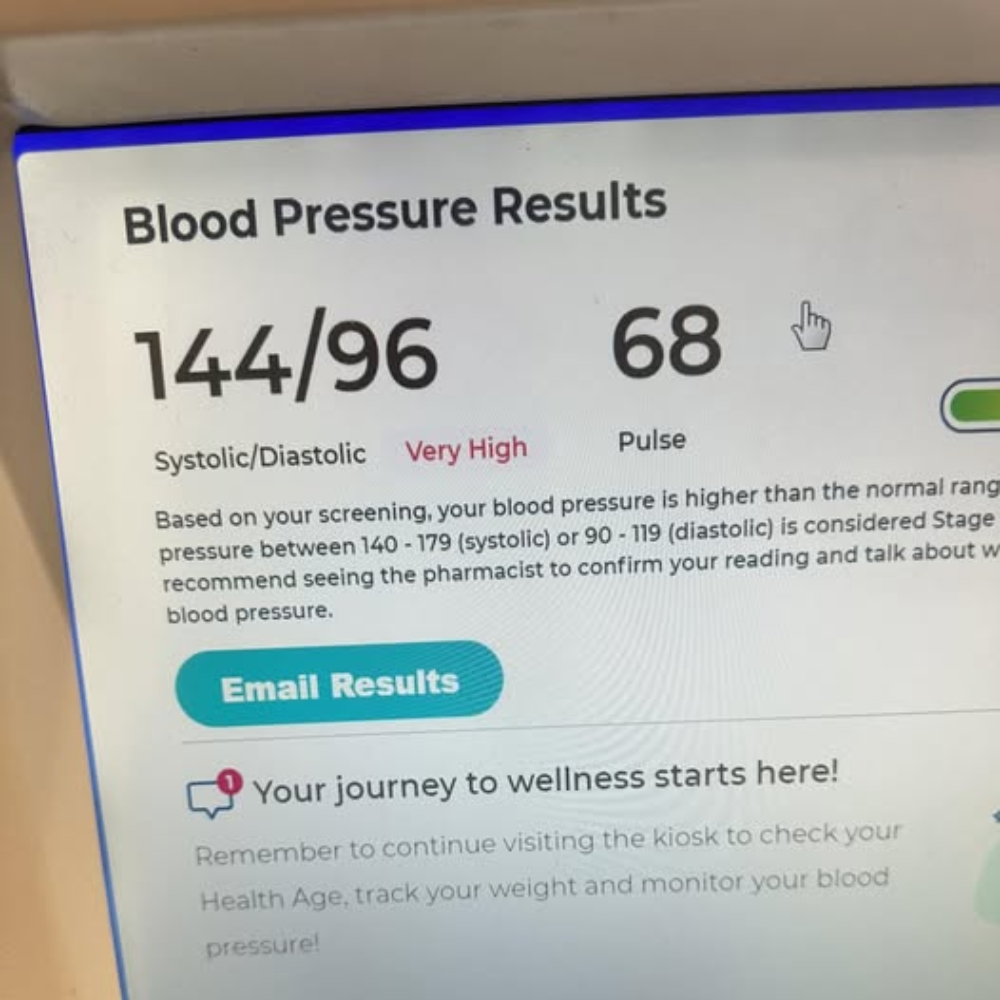
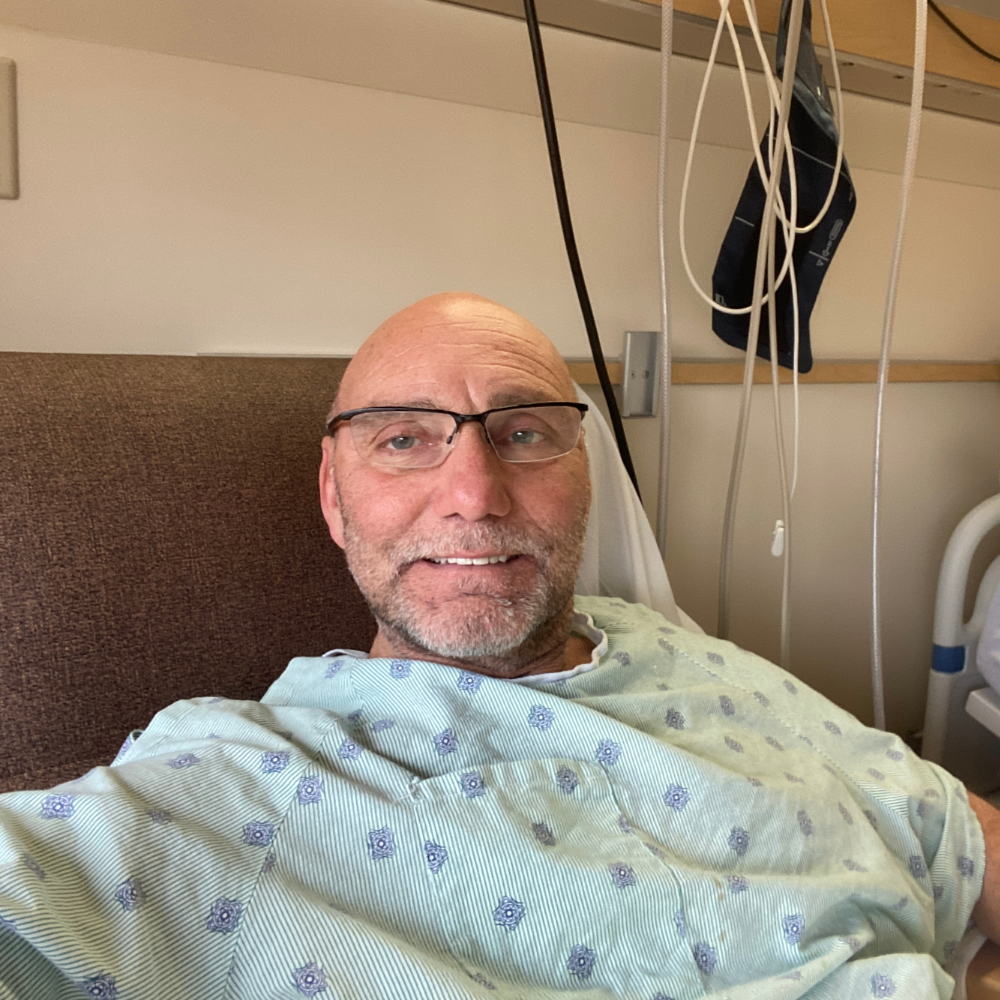
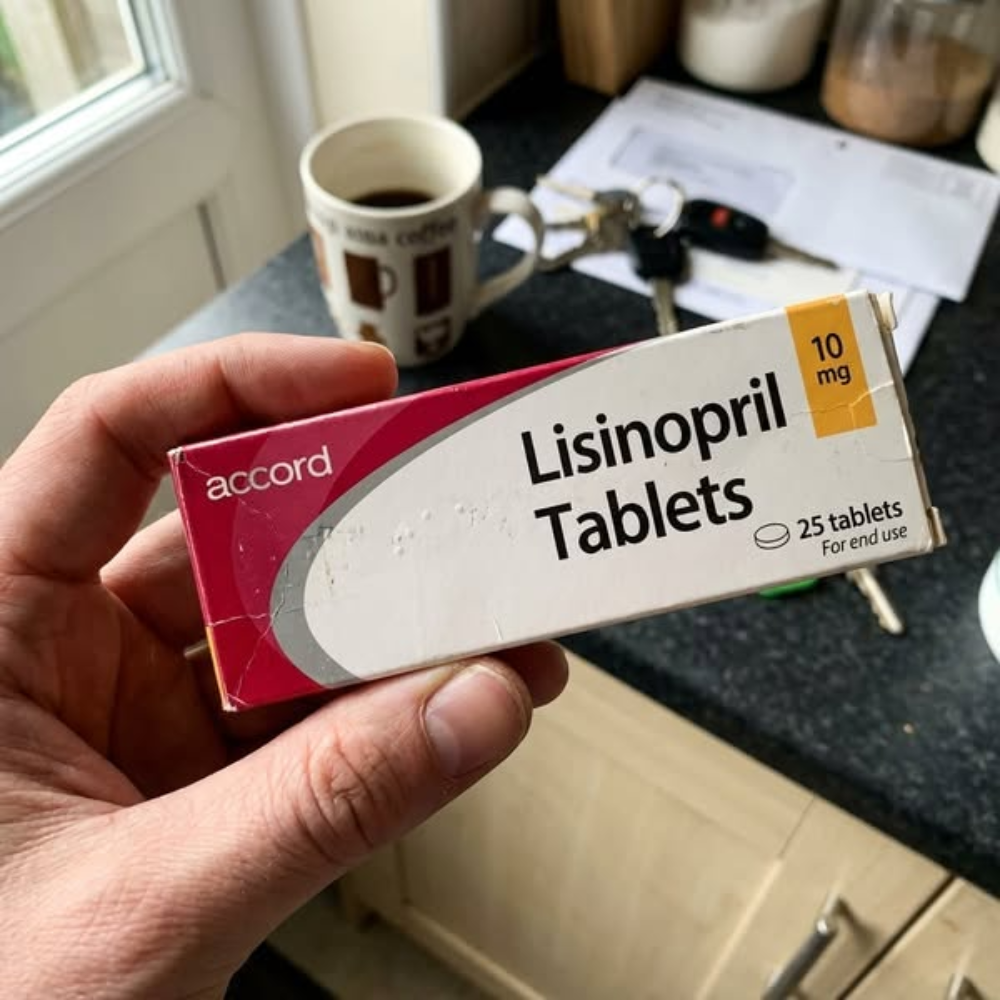
No alcohol. No salt. Daily exercise. Lost 14 pounds in 6 months. My blood pressure dropped 3 points. Three. My coworker eats pizza at his desk three times a week and his blood pressure is perfect. If that doesn't make you furious, what I'm about to tell you will. And by the end of this, you're gonna be pissed. Because there are three things happening right now: One — You're being told that diet and exercise are enough to fix your blood pressure, and for a lot of us, that's simply not true Two — The medical system's only backup plan when lifestyle changes fail is medication — pills that you'll take for the rest of your life Three — There's a biological mechanism that your doctor never explained to you that determines whether lifestyle changes will actually work So let me tell you exactly what happened. Because when you understand what I'm about to explain, you'll realize the system was never designed to give you a fair shot. Six months. That's how long I gave it. Not half-hearted attempts. Not "trying to eat a little better." Six months of the most disciplined lifestyle change I've ever undertaken. Let me be specific. Because I documented everything. Day 1: I threw out everything in the kitchen that had more than 200mg of sodium per serving. Chips. Pretzels. Canned soups. Frozen dinners. Deli meat. Soy sauce. Even the bread — 230mg per slice. Gone. I bought a kitchen scale. A food journal. And a blood pressure monitor that logs readings to my phone. Starting point: 154/98. Week 1 through Week 4: Zero alcohol. Not a glass of wine. Not a beer with the game on Sunday. Nothing. I walked 40 minutes every single morning. I measured my sodium intake like a pharmacist measuring a prescription — under 1,500mg per day, logged to the milligram. I started eating more potassium-rich foods because my doctor said that helps. Bananas. Sweet potatoes. Spinach. I ate so much spinach my wife joked I was turning into Popeye. Week 4 blood pressure: 152/97. Two points in four weeks. I wasn't discouraged yet. I figured it takes time. The body needs to adjust. So I pushed harder. Week 5 through Week 12: Added resistance training — pushups, bodyweight squats, resistance bands — three times a week. Cut out caffeine completely. No coffee, no tea, no energy drinks. Started meditating 15 minutes every morning using one of those apps. I lost 8 pounds in the first three months. My clothes were fitting better. I felt good physically. More energy. Sleeping better. Week 12 blood pressure: 152/96. Two more points. In three months. Total progress in 12 weeks of military-grade discipline: 154/98 down to 152/96. Two points systolic. Two points diastolic. I stared at that monitor and felt something crack inside my chest. Not a heart attack. Something worse. The feeling of knowing you're doing everything right and it's not working. Week 13 through Week 24: I doubled down. Added swimming twice a week. Started the DASH diet — the one specifically designed for blood pressure. Reduced sodium even further, under 1,200mg. Lost another 6 pounds for a total of 14. I was the healthiest I'd been in twenty years. My waistline was smaller. My energy was up. I could climb stairs without getting winded for the first time in a decade. Week 24 blood pressure: 151/96. One more point. In another three months. Six months of perfect discipline. 14 pounds lost. Zero alcohol. Under 1,200mg sodium daily. Exercise six days a week. The DASH diet. Meditation. Total blood pressure improvement: 154/98 to 151/96. Three points. Now here's the part that made me want to put my fist through a wall. My coworker Jeff sits two desks away from me. Jeff eats pizza at his desk three times a week. Pepperoni. Extra cheese. Jeff drinks beer every Friday. Jeff's idea of exercise is walking to the parking lot. Company health screening last month. Jeff's blood pressure? 118/76. Perfect. Absolutely perfect. No effort. No discipline. No sacrifice. Just genetics. And me? Six months of doing everything right. Still 151/96. That's when it hit me. This isn't about effort. This isn't about discipline. This isn't about how many milligrams of sodium you eat or how many minutes you walk. Some bodies regulate blood pressure naturally. And some don't. Not because you're broken. Not because you're not trying hard enough. Because of a specific biological mechanism that nobody explains to you. I went back to my doctor for the six-month check. She looked at my numbers. Looked at my food journal. Looked at the 14 pounds I'd lost. And she reached for her prescription pad. "Mark, I can see you've made significant lifestyle changes. Your weight is down, your cholesterol has improved. But your blood pressure isn't responding sufficiently. I think it's time we start Lisinopril." Significant lifestyle changes. Not responding sufficiently. Six months of my life summarized in two clinical phrases. "Can I have one more month?" I asked. "Please." She hesitated. Looked at my chart again. Frowned. "One month. But Mark, if these numbers haven't moved significantly by then, we need to start medication. The risk of leaving Stage 1 hypertension untreated outweighs the side effects of treatment." She handed me a lab order for bloodwork and circled the date four weeks from now on her calendar. I drove home with the prescription pad image burned into my brain. The way her hand moved toward it almost reflexively. Like it was the only tool she had. Like six months of my life meant nothing because the only solution that counted was a pill. That night, I couldn't sleep. Not because of anxiety this time. Because of rage. I kept thinking: WHY? Why could Jeff eat pizza and have perfect blood pressure while I sacrificed everything and got three points? What was different about our bodies at a fundamental level? And that question led me to research I'd never seen before. At 1 AM, sitting at my desk with my laptop, I found a paper that changed everything. It was from a cardiologist at UCLA named Dr. Matthew Budoff. Published in peer-reviewed journals. And it explained — in scientific terms — exactly why my lifestyle changes weren't enough. Here's what he found: As we age, our endothelium — the inner lining of our blood vessels — becomes less efficient at producing nitric oxide. Nitric oxide is the molecule that tells your blood vessels to relax and widen. It's the body's natural blood pressure regulator. When nitric oxide production declines, your arteries stiffen. They constrict. They lose flexibility. Blood has to push harder to get through. Pressure rises. Diet and exercise can help to a point. Losing weight reduces the load on your cardiovascular system. Reducing sodium decreases fluid retention. Exercise strengthens the heart. But NONE of those things directly restore nitric oxide production in arteries that have been stiffening for years. That's why Jeff has perfect blood pressure eating pizza. His endothelium still produces adequate nitric oxide. His arteries are still flexible. His genetics gave him a cardiovascular system that regulates itself without help. And that's why I had 151/96 after six months of perfect discipline. My endothelium isn't producing enough nitric oxide anymore. No amount of spinach or walking or sodium restriction can fix that. Because the problem isn't behavioral. It's vascular. I spent two years blaming myself. Two years thinking I wasn't trying hard enough. Two years feeling like a failure every time I checked my blood pressure. And the truth was: I was attacking the wrong problem. My blood pressure wasn't high because of what I ate or didn't eat. It was high because my blood vessels had lost the ability to regulate themselves. And diet and exercise can't restore that ability. But something else can. Dr. Budoff's research centered on a specific compound: S-allylcysteine. SAC. Found exclusively in garlic that has been aged for 20 to 24 months. SAC supports the endothelium to produce nitric oxide. It's what your blood vessels have been starving for. The thing that diet and exercise and sodium restriction and weight loss can't provide. Now here's why you probably haven't heard about this. You can't patent garlic. No pharmaceutical company can own it. There's no billion-dollar marketing campaign behind it. No sales reps walking into your doctor's office with samples. There IS a billion-dollar industry behind Lisinopril. Behind Amlodipine. Behind every blood pressure medication on the market. Every refill is revenue. Every side-effect follow-up is a billable visit. Every dose adjustment is another appointment. A compound that supports your body's natural blood pressure regulation? That's a patient who doesn't need medication. That's a customer they lose. So nobody tells you. Your doctor reaches for the prescription pad because that's the only solution she's been trained to offer after lifestyle changes fail. Not because medication is the only option. Because it's the only option anyone profits from. Now — here's the critical detail most people miss. Not all garlic supplements contain SAC. In fact, most contain ZERO. Regular garlic supplements contain allicin. Your stomach acid destroys allicin in under 60 seconds. It never reaches your bloodstream. Never reaches your arteries. Never does anything. That's why garlic supplements at CVS and Amazon have thousands of reviews saying "didn't work." Because the active compound literally gets annihilated before it can help you. Only garlic that has been aged for a minimum of 24 months contains significant S-allylcysteine. The aging process converts the unstable allicin into stable, acid-resistant SAC that actually survives digestion and enters your blood. Most companies claiming to sell "aged garlic" age for 6 months or less. The conversion barely starts. The SAC content is negligible. You're paying for a label, not a compound. I found this out the hard way. I tried Kyolic for three weeks. Nothing. Tried a Whole Foods brand for two weeks. Nothing. Still 150/95. Then I found Primus. Full 24-month aging. Verified S-allylcysteine content — not "garlic equivalent" marketing, actual measured SAC. Third-party tested. Certificate of Analysis published. The same form of aged garlic Dr. Budoff studied at UCLA. Four randomized clinical trials. 10-12 point systolic reductions. Improved arterial flexibility. No significant side effects. I had four weeks until my doctor's deadline. Nothing to lose except $30 and the last shred of my patience. I ordered it. Week 1: 149/93. Not much different. But I'd read the research. It takes time for SAC to support nitric oxide production. I kept going. Week 2: 143/89. Six points in a week. After six MONTHS of lifestyle changes only gave me three. I checked it again. 142/88. Again: 144/89. Something was happening. Something my diet and exercise alone never achieved. Week 3: 136/84. I stared at the monitor. 136. From 151 six weeks ago. Week 4 — the morning of my doctor's appointment: 132/82. Then 130/81. Then 131/80. I drove to the office feeling something I hadn't felt in six months. Calm. The nurse took my blood pressure. Did it twice — the way they always do when they don't believe the first reading. "129 over 79." My doctor walked in. Pulled up my chart. Saw six months of 151-154. Then saw today: 129. She looked at me. Genuinely puzzled. "Mark... what happened?" I told her everything. The research on nitric oxide. The SAC compound. The 24-month aging process. Dr. Budoff's UCLA trials. Why lifestyle changes alone can't restore endothelial function. She listened. Typed notes. Pulled up something on her computer — I think she was looking up the research herself. Then she leaned back. "Your numbers are excellent. Well within normal range. No medication necessary." She paused. "I have to be honest — I wasn't expecting this. Whatever you've found, it's working. Keep doing it. I want to see you again in three months." No medication. After six months of perfect discipline. After being three points away from failure. After watching my doctor reach for the prescription pad like my effort meant nothing. I found the thing my body was actually missing. And in four weeks, it did what six months of sacrifice couldn't. I called my wife from the parking lot. When I told her the number — 129 over 79 — she went quiet for a few seconds. "You did it," she said. "You actually did it." "Not me. The discipline wasn't enough. It was never going to be enough. I was missing something biological. Now I'm not." That was seven months ago. This morning: 124/78. Stable. Consistent. No medication. No side effects. Still eating healthy. Still exercising. But now my body has the support it always needed. Last weekend, Jeff and I went on a company hiking trip. I kept pace with him the entire trail — 4 miles uphill. He was huffing and puffing. I wasn't. He looked at me, surprised. "Dude, when did you get in such good shape?" I smiled. Because six months ago I was the guy who couldn't walk up a flight of stairs without checking his blood pressure afterward. And now I'm outpacing the guy with perfect genetics. If you're reading this, you already know the feeling. You've done the work. Cut the salt. Cut the alcohol. Exercised. Lost weight. Made sacrifices that nobody around you understands. And your blood pressure barely moved. And you're watching people who do nothing enjoy perfect numbers while you struggle. And your doctor's answer is medication. Pills. For life. I was there. I know how unfair it feels. But here's what I want you to know: it's NOT your fault. Your discipline isn't failing. Your body is missing a specific compound that diet and exercise can't replace. S-allylcysteine. From garlic aged for 24 months. Supported by four UCLA clinical trials. Available without a prescription. Here's why Primus is the one that worked: 24-Month Aging Process — not 6 months like cheaper brands. The full molecular transformation from allicin to SAC. Verified SAC Content — actual measured S-allylcysteine, not marketing numbers. Third-party tested and published. UCLA-Studied Mechanism — Dr. Matthew Budoff. Four randomized trials. Peer-reviewed results. This is real science, not supplement company claims. Try it for 60 days. Keep doing everything you're doing — the exercise, the diet, the discipline. But add what's been missing. Give your blood vessels the compound they need to actually relax. If you don't see improvement, full refund. No questions. You're at a crossroads. One path: Accept that lifestyle wasn't enough. Take the prescription. Start Lisinopril. Deal with the side effects — the cough, the dizziness, the fatigue, the kidney monitoring. Take pills every morning for the rest of your life while your blood pressure gets "controlled" but the underlying vascular problem keeps getting worse. Another path: Give your body what it's actually missing. Continue your healthy habits AND support your arteries with the compound that restores nitric oxide production. Walk into your next appointment with numbers that make your doctor's jaw drop. I did six months of lifestyle changes for 3 points. I did four weeks of Primus for 22 points. The lifestyle changes helped my overall health. But Primus is what fixed my blood pressure. Give your body what it needs. Stop blaming yourself for something that was never about discipline. P.S. — The irony: my healthy lifestyle actually helped Primus work BETTER. Diet and exercise reduce the load on your cardiovascular system. SAC restores nitric oxide production. Together they do what neither can do alone. Don't stop the healthy habits. Just add what's missing. P.P.S. — Every week that passes with elevated blood pressure causes arterial damage that becomes progressively harder to reverse. Your discipline bought you time. Don't waste it waiting for a prescription that doesn't fix the problem. Start now. 👉 https://primus-health.com/products/aged-garlic-extract-odorless-premed
6 Months of Perfect Discipline. No Alcohol. No Salt. Daily Exercise. 14 Pounds Lost. My Blood Pressure Dropped 3 Points. Then My Doctor Reached for the Prescription Pad. Here's What I Did Instead.
Aged garlic extract with verified S-allylcysteine — the compound diet and exercise can't replace. UCLA-studied. 60-day guarantee.
LEARN MORELike this ad? Make it yours.
Crush rebuilds this exact creative around your product — your brand, your colors, your offer — in about a minute.