
Inactive· since Jul 2, 2026
- 12
- days it ran
- 0
- relaunches
Ad copy
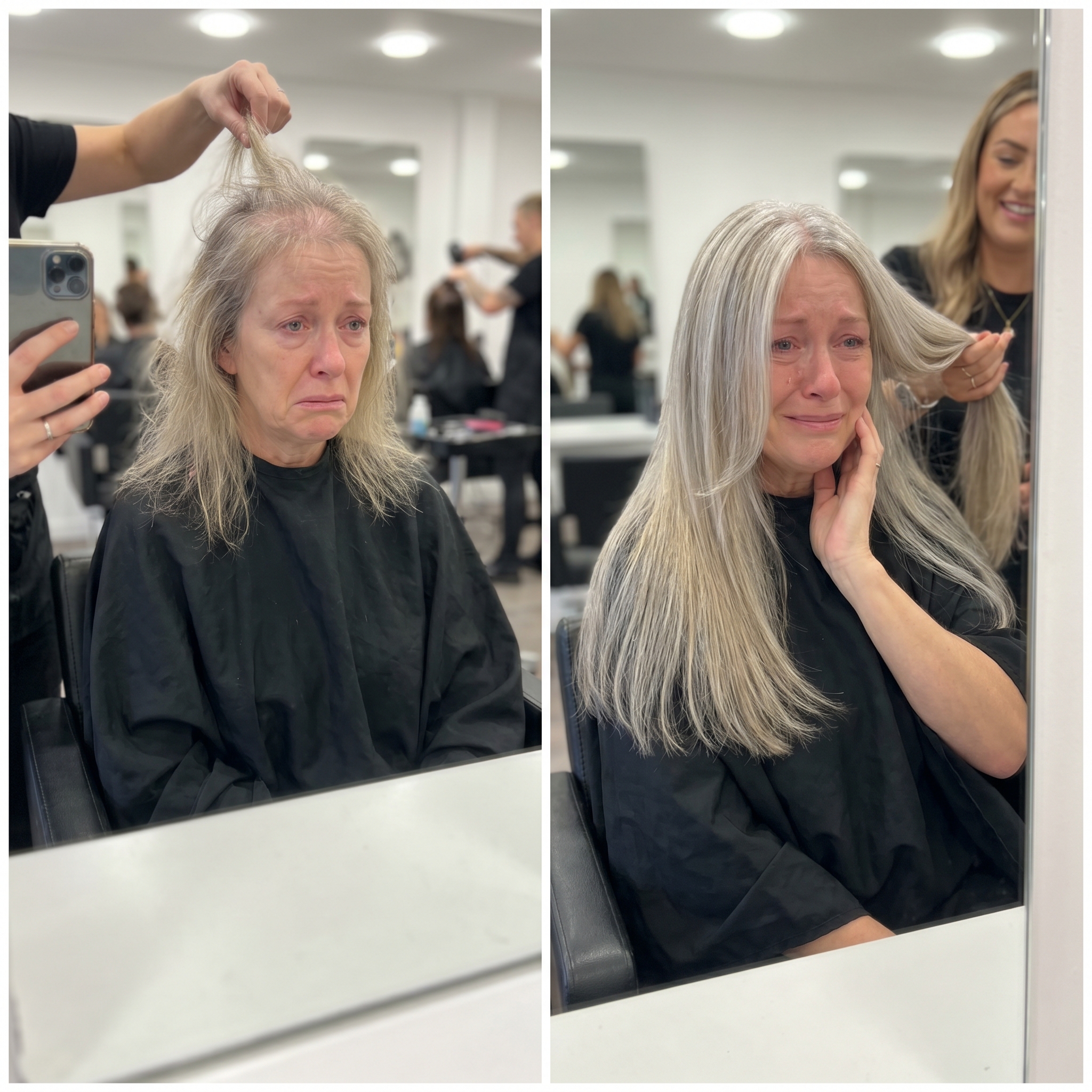
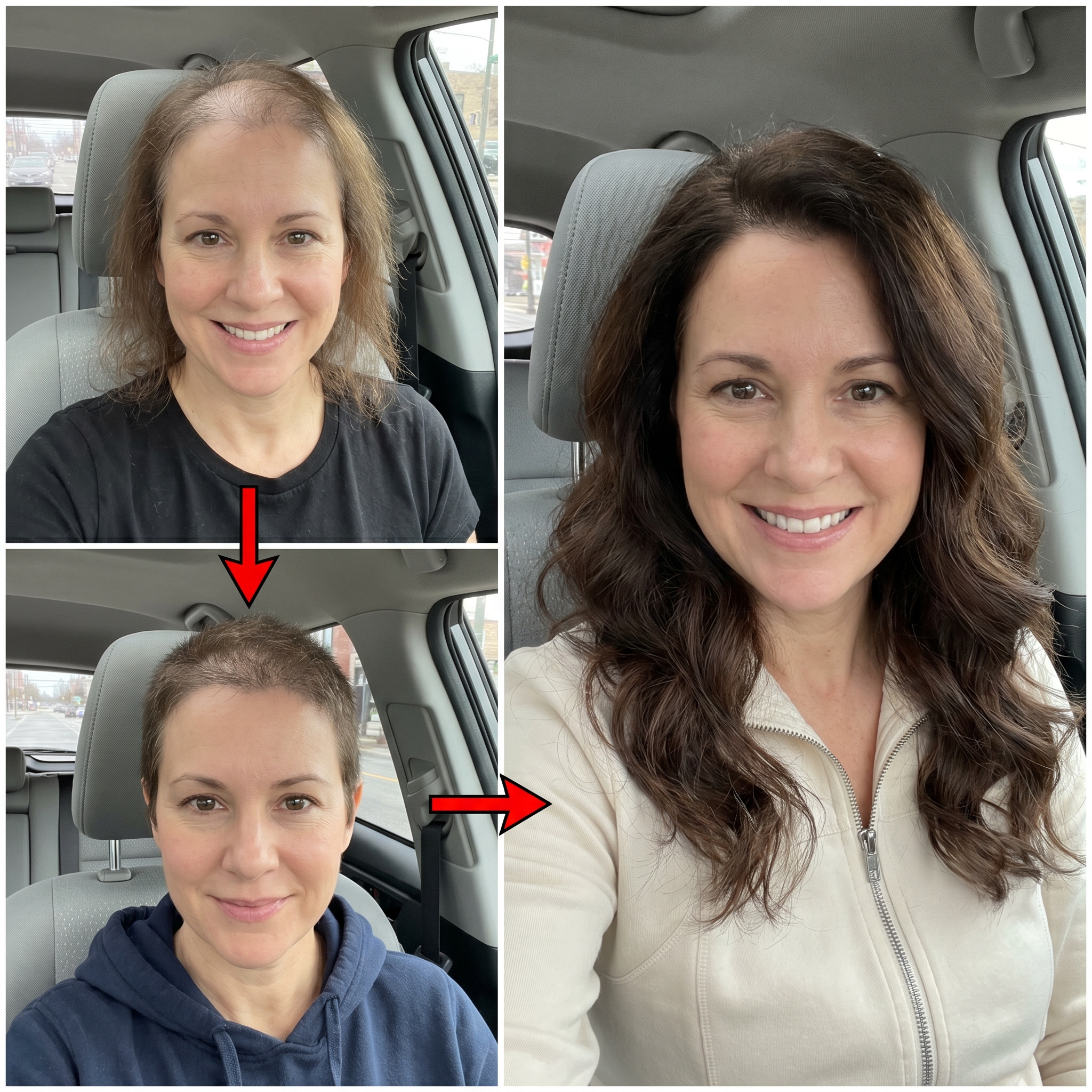
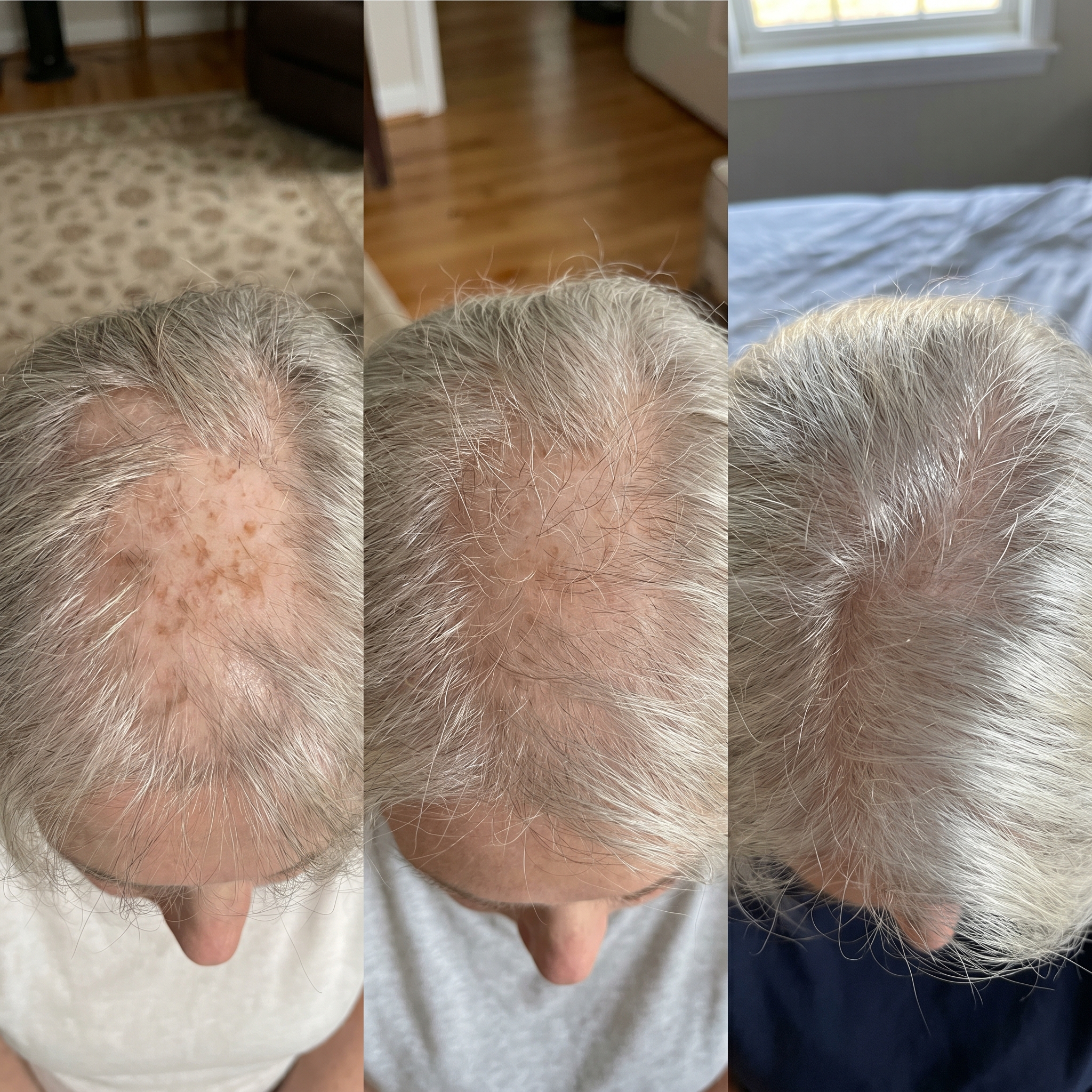
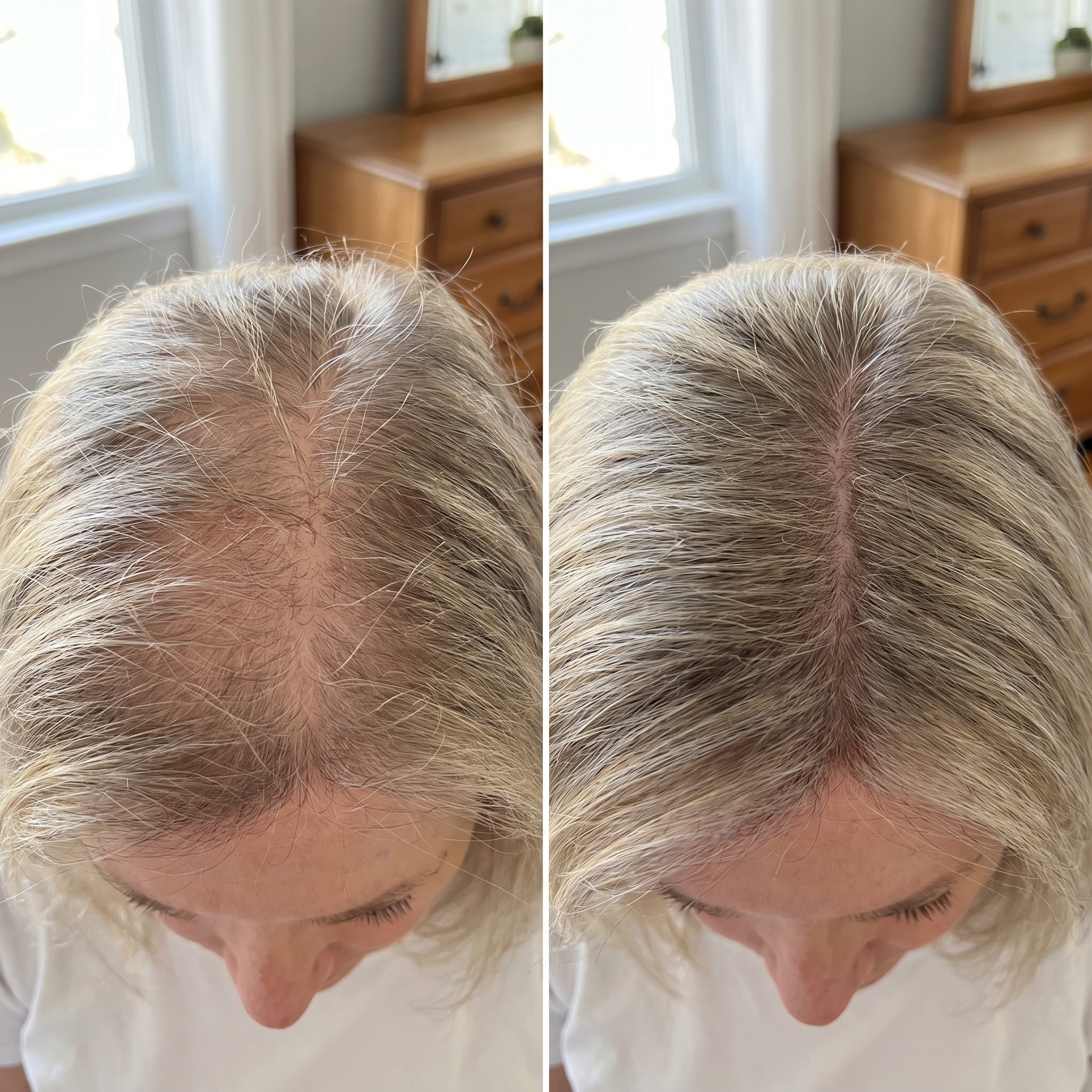
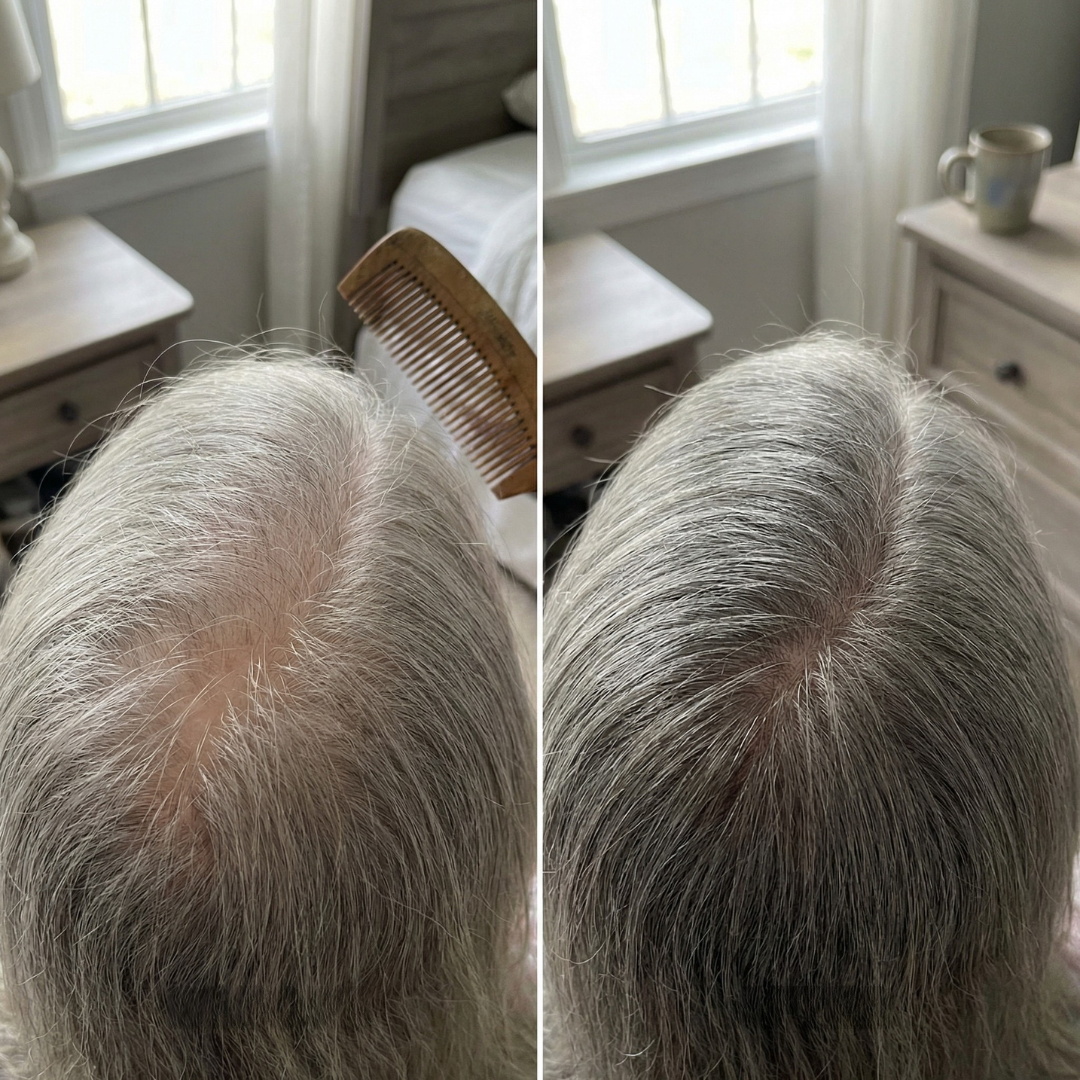
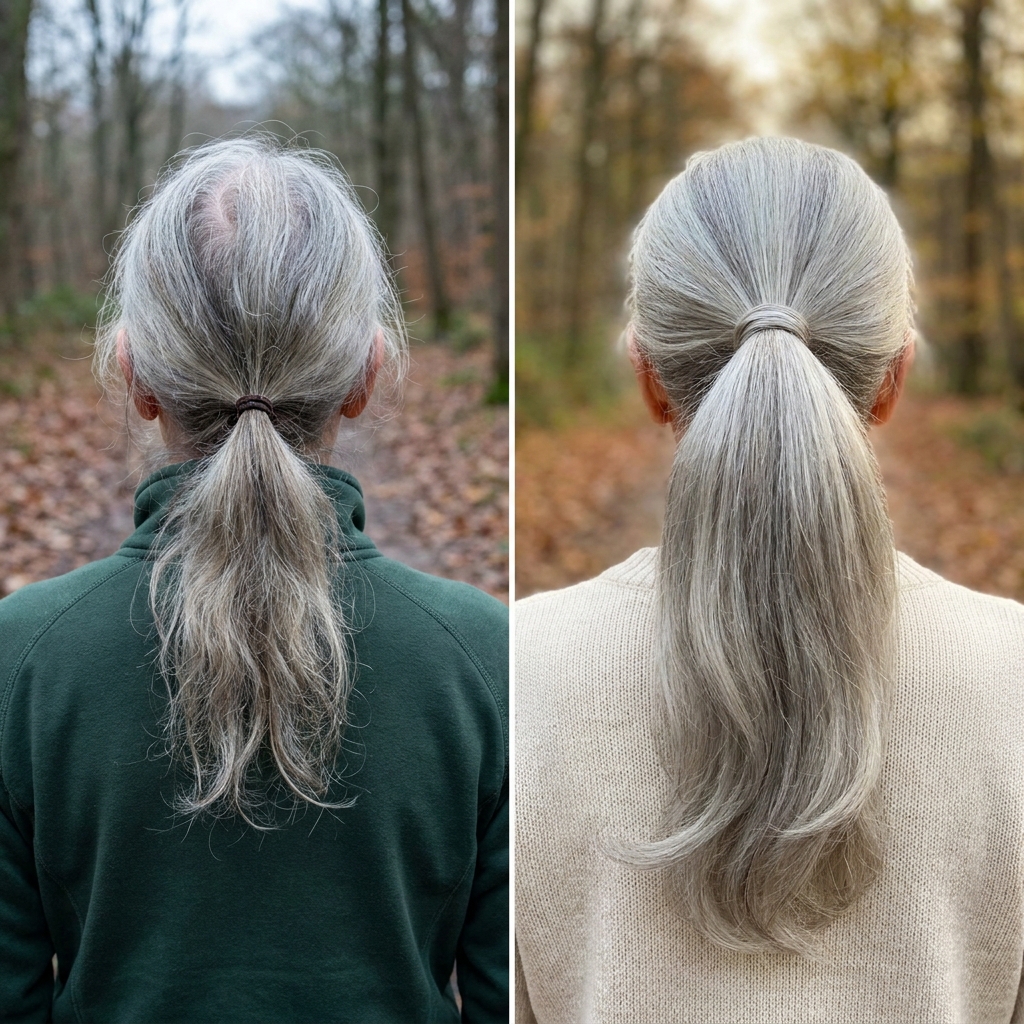
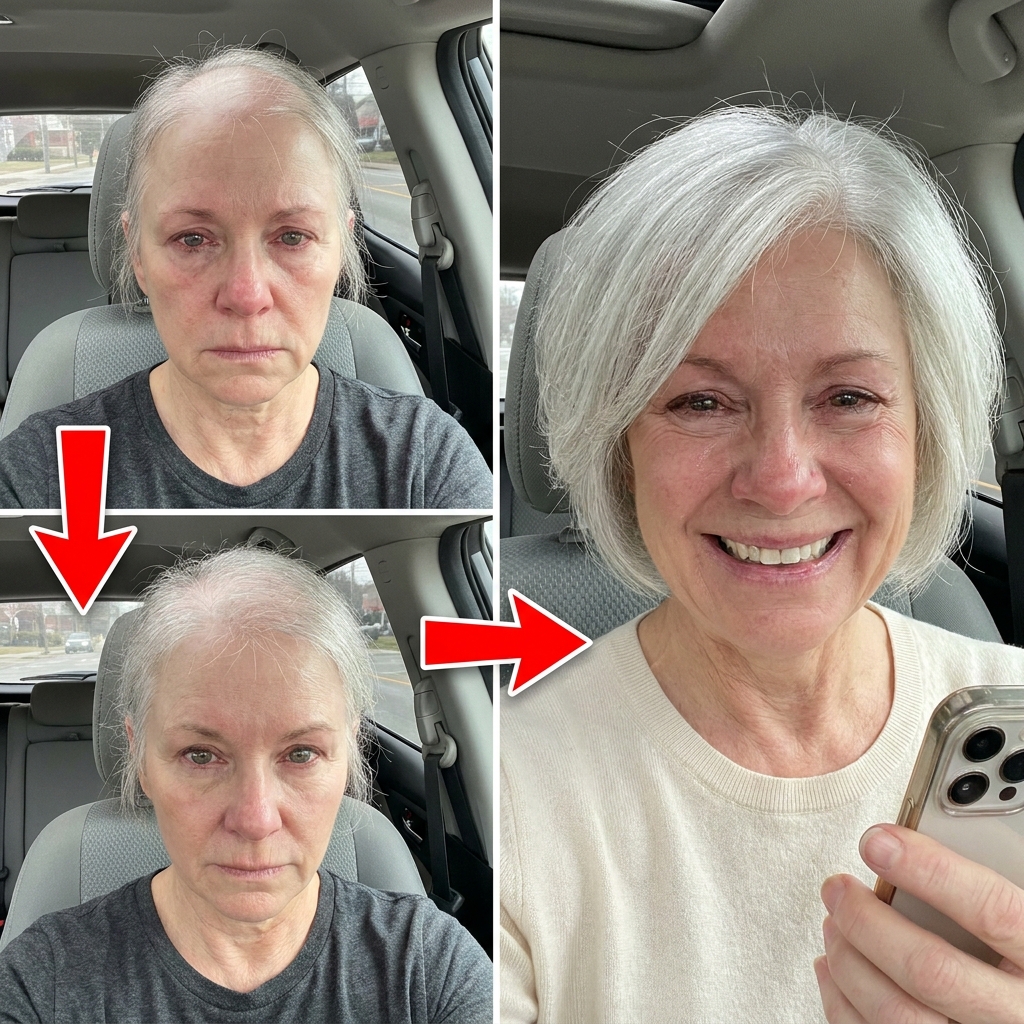
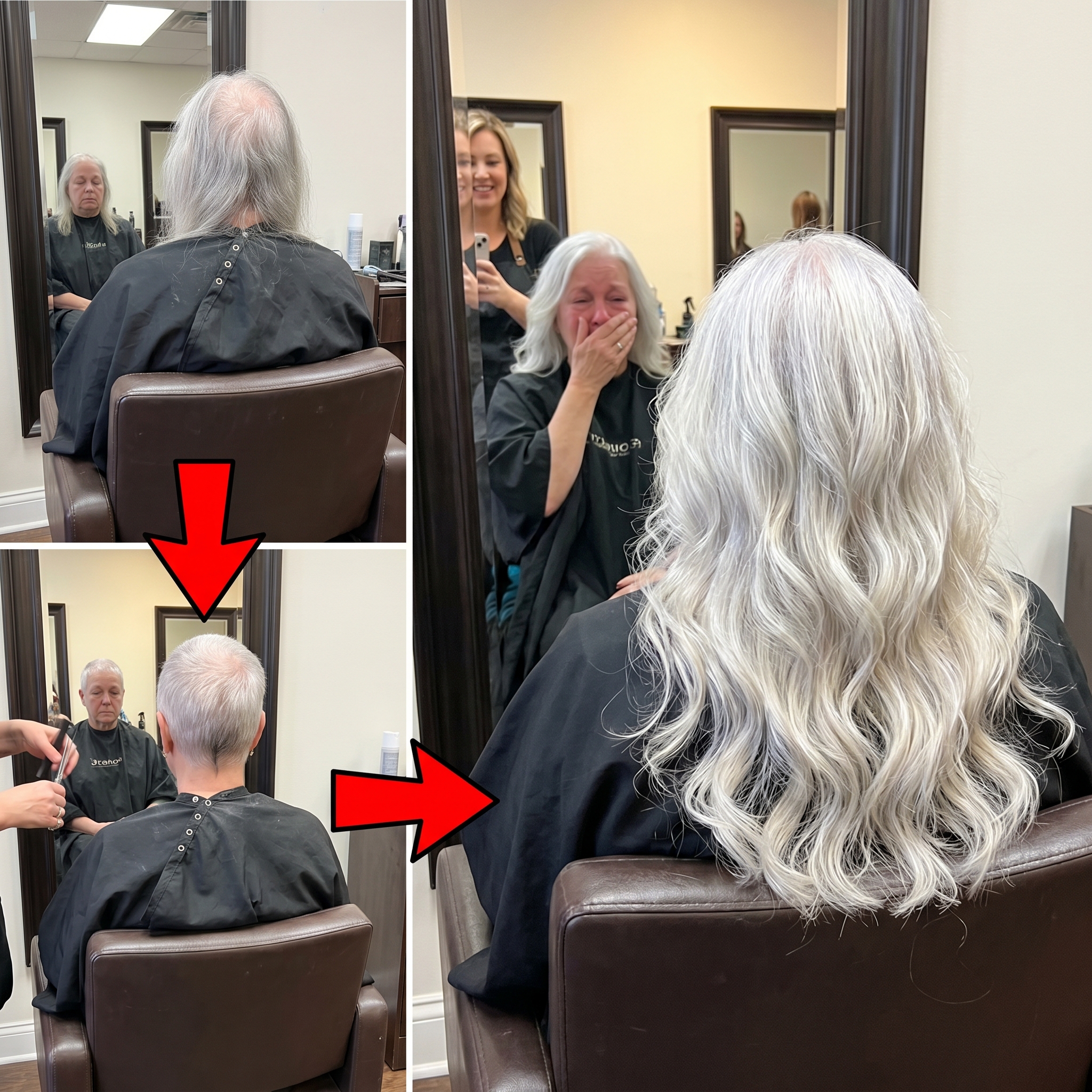
By the time you can see it at the parting, the growth cycle has been shortening quietly for a long while. What shows up in the mirror is not the start of the problem, only the part you finally notice. I am forty-nine, a care-home manager in Ipswich, and the first thing I should admit is the mistake that cost me two years. I judged every product I tried at the thirty-day mark. I would buy something, use it through a month, stand under the bathroom light, decide nothing had changed, and put it in the drawer with the others. I told myself I was being sensible. I was being impatient, and impatience, in this particular problem, is the most expensive habit there is. In the home I run, I am the person who reads the small print. I check the medication rounds, I audit the care plans, I notice when a resident's appetite shifts a week before anyone else does. So it is a strange thing to confess that with my own scalp I noticed nothing for a long time, and then noticed everything at once. The truth is closer to this: the thinning had been underway quietly for years, and I only saw it the day the overhead light in the dining room caught my parting in a way the wall mirrors at home never had. That is the thing nobody explains. Visibility is a late-stage symptom. The follicle does not announce itself when it first begins to struggle. It produces a slightly finer hair, then a slightly shorter one, and the difference at any given month is too small to see. A year of that change is invisible inside any single month of it. By the time the parting widens enough to show scalp under a strong light, the cycle has been shortening for a long time already. You are not catching it early. You are catching it late, and then blaming a product for not fixing in thirty days what took years to arrive. I started avoiding the rooms. That sounds dramatic written down, but it was very ordinary in practice. I would choose the table at the side of the restaurant, under the wall sconces, not the one in the middle under the pendant. At the home's summer fete I stood beneath the gazebo and told myself it was the sun. At my sister's house I sat with my back to the window. I stopped suggesting the brightly lit cafe on the corner and started suggesting the dim one two doors down, and nobody ever knew why. The map of my decline, if I am honest, was a map of rooms and their lighting. I knew which overhead lights were unkind and I arranged my life around avoiding them. What I had read, in the bits and pieces you find at eleven at night, was the language of permanence. Female-pattern thinning. Progressive miniaturisation. The quiet implication that the follicles were finished and the job now was to slow the loss with dignity. There was a piece of European dermatology research from 2011 that I came across much later, the kind of finding that should have changed how women my age are spoken to and somehow did not. I will come to it, because it was the thing that finally moved me. First, the list, because I want you to know I did not arrive here gullible. Minoxidil, the 5% foam, six weeks. Around £40. I stopped because of the shedding it warns you about and the itch it did not warn me about clearly enough. HRT, prescribed for the night sweats and the rest of it. It transformed almost everything. It did not touch my hair, which I had genuinely expected it to. Biotin from the chemist, three months, judged at thirty days each time and abandoned, then restarted, then abandoned again. Perhaps £30 across the false starts. A Nutrafol-style routine ordered online in a low moment, two months, near £140. The parting kept widening. A scalp serum from a department-store counter that smelled expensive and did nothing I could measure, £48. Thirty days, drawer. A laser comb bought in a January sale, used erratically because erratic is what thirty-day patience produces, £190 and mostly guilt. Somewhere past £450, and more than that, the slow erosion of the woman who used to do her hair in five minutes and not think about it again. What no one had told me — not the chemist, not the leaflets, not the counters — was that the mechanism behind all of this is specific, local, and addressable. The 2011 research, and the work that followed it, laid it out plainly once I finally read it properly. It goes like this. As estrogen drops through perimenopause, the local DHT activity at the scalp rises. DHT shortens the anagen phase — the growth phase — of the hair cycle. The follicle spends less time producing and more time dormant, and the hair it does make comes through finer and shorter, until it looks as though it has stopped altogether. But the follicle is not dead. It is silenced. The stem cells are still there. The blood supply is still there. And because the silencing happens at the scalp, the interruption has to happen at the scalp too. Topical caffeine has been studied for exactly this. Applied where the activity is, it blocks 5-alpha-reductase locally at the follicle and lets the anagen phase extend again. Given time, the follicle wakes and resumes producing. The reason it has to be topical is simply that the problem is local. You cannot solve a scalp event from anywhere but the scalp. Mellenza was the first thing I found built around that mechanism rather than around hope. A topical scalp serum. Caffeine to block 5-alpha-reductase at the follicle. Polygonum multiflorum root extract, drawn from Korean dermatology research on follicle proliferation. Arginine for microcirculation. Biotin to support the integrity of the new growth as it comes through. Ginger extract for anti-inflammatory scalp support. You spray it on the crown, the part and the temples at night. Not a shampoo. Not a volumiser. Not a supplement. A spray that goes onto the scalp, not into you, aimed at the exact place the silencing is happening. So I made myself one promise, and it was the hard one: twelve weeks before any verdict. No bathroom-light inquest at day thirty. The woman who audits care plans for a living knew, somewhere, that thirty days had always been the flaw, not the products. Week 4. Less hair gathering in the plughole and on the brush. I had been counting for two years without telling anyone. The count came down. Week 6. The lengths I still had stopped feeling like thread. They felt like the weight I remembered, the weight that holds a shape. Week 9. I took the comparison photograph — same bathroom, same morning light, same angle as the one I had hidden from myself in spring. The parting was narrower. Along the edge of it, fine new growth, short and soft, the kind I had quietly decided was gone for good. Month 4. One of my deputies, who has worked beside me for years and misses nothing, said only, "You look well." She did not say why. She did not need to. I knew which thing she had clocked and chosen not to name. Month 5. I went to a christening at the church hall down the road, the bright one with the long strip lights along the ceiling that I would have engineered my way out of a year before. I held the baby for the photographs under the worst light in the building and I did not once put my free hand to my parting. If you have been judging products at thirty days the way I did, I understand it completely, and I would ask you only to consider that the timescale was always the trap. The cycle that silenced your follicles took years and stayed invisible until late. The interruption is slow in the same way, and quiet, and it is topical, because the mechanism is local and there is nowhere else to meet it. The link is below. Mellenza ships from the UK with a 90-day money-back guarantee, a complimentary scalp massager and an ebook on the menopausal hair cycle. Give it the twelve weeks. The thirty-day mark is exactly where I went wrong, and I would rather you did not.
When the parting shows, you are already years late
Women's Health · Updated April 2026 Menopause · Hair Routine 7 Mistakes That Make Menopausal Hair Loss Worse, And the 30 Second Ritual 10,000 Women Used to See Regrowth in 8 Weeks Dr. Sarah Mitchell — Women's Health Writer. If you're standing in front of the mirror doing the 3-elastic ponytail t...
LEARN MORELike this ad? Make it yours.
Crush rebuilds this exact creative around your product — your brand, your colors, your offer — in about a minute.