
Inactive· since Aug 11, 2026
- 3
- days it ran
- 0
- relaunches
- 149
- EU reach
Ad copy
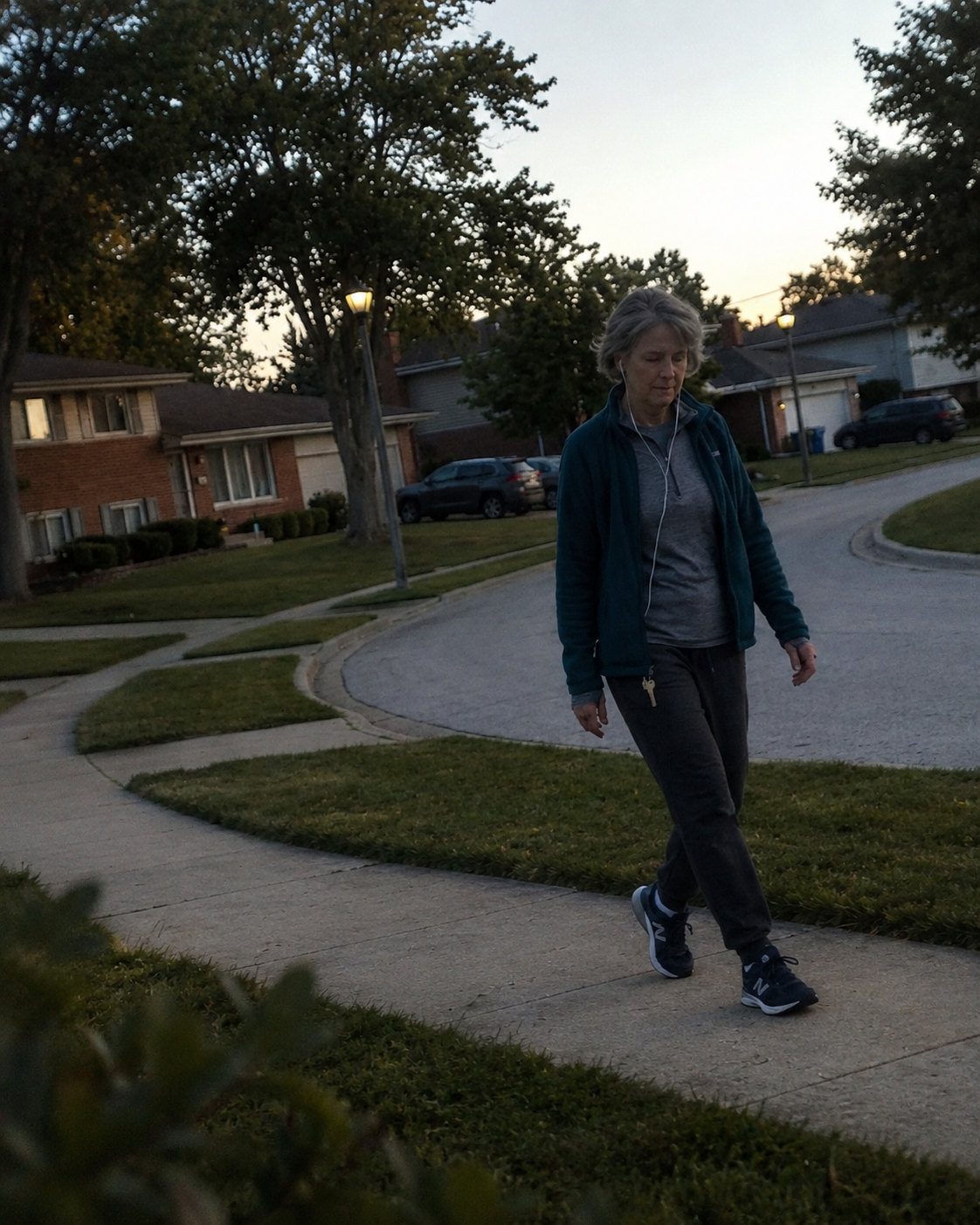
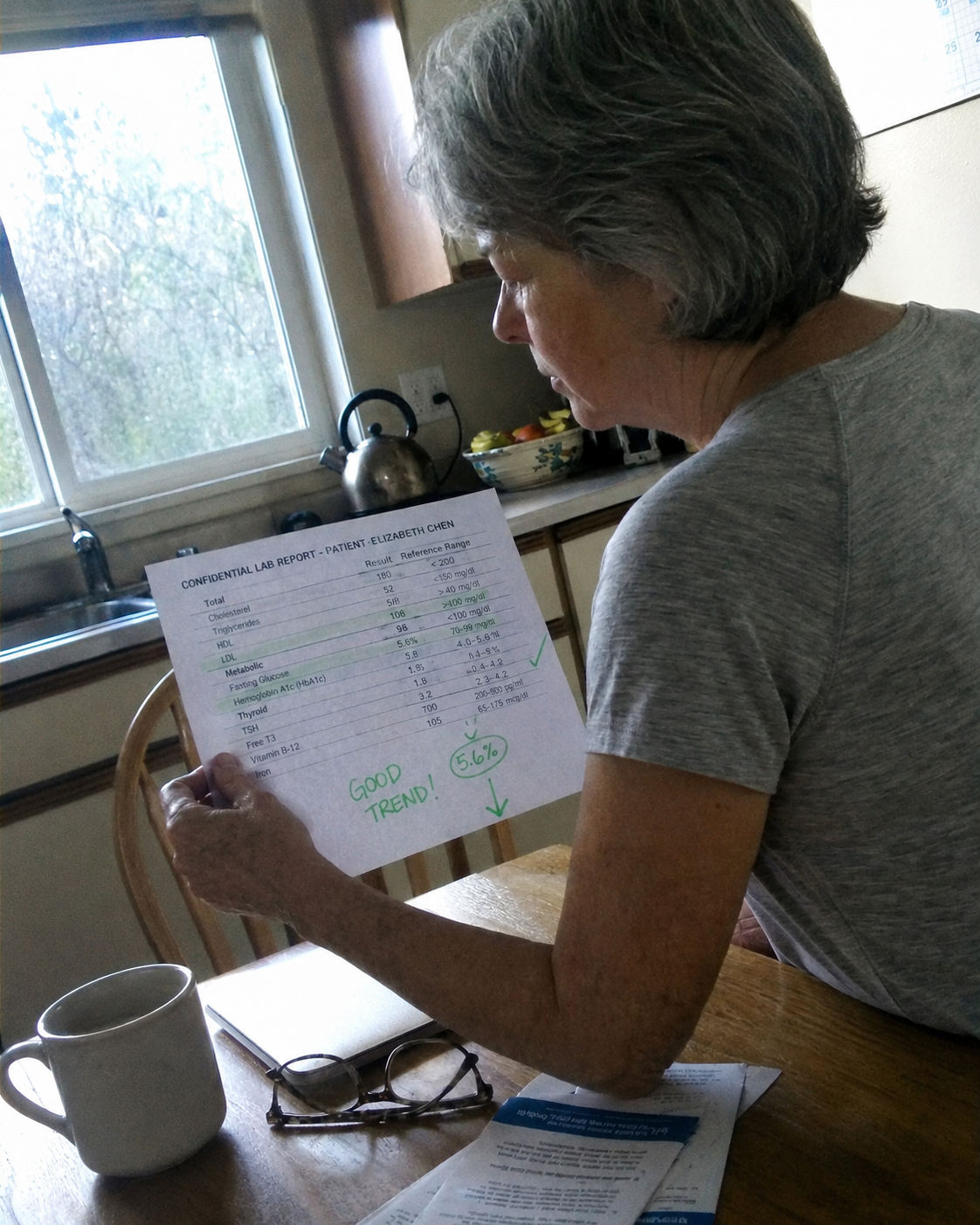
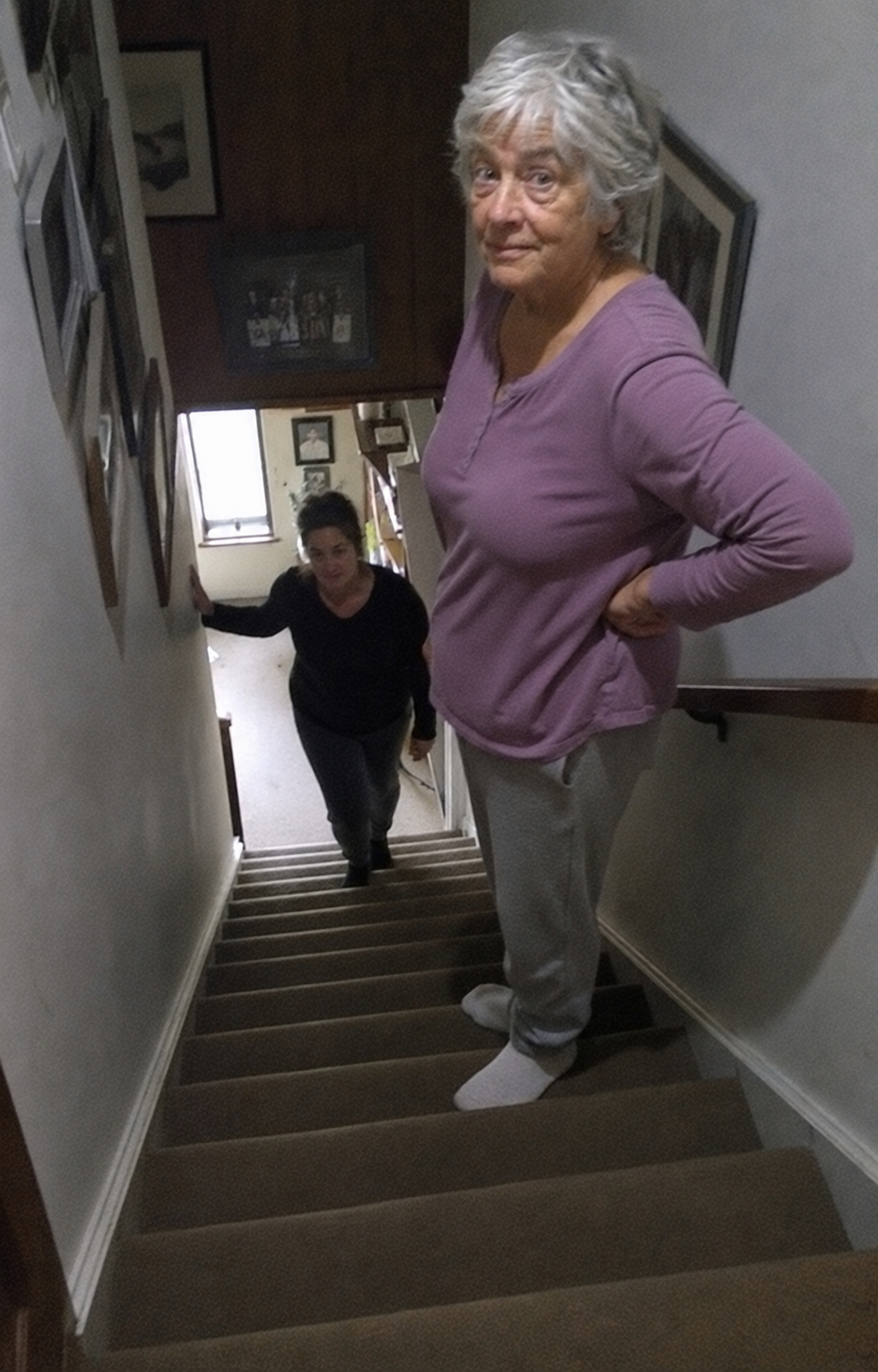
My mother outlived my father by twenty years. the day i realized she'd quietly started planning to "not be a burden," it broke something in me. She said it so casually. We were clearing out a closet and she handed me a folder — insurance, the deed, a list of passwords — and said, "It's all in here, for when the time comes. I don't want to be a burden to you kids." She's seventy-two. There was no "time" coming that I knew of. She wasn't sick. But something in how she said it — resigned, tired, already half-packing for an exit — told me my mother had quietly decided her good years were behind her. And I wasn't ready to let her believe that. My mother's name is Vivian. She's seventy-two. She lost my father young — she's been a widow for twenty years — and for most of those twenty years she was the most independent, capable woman I knew. She kept her own house, her own car, her own garden. She traveled with her widows' group — cruises, bus tours, a trip to Ireland that she talked about for a year. She volunteered at the library twice a week. She had a whole life, and she ran it herself. That's the Vivian I want you to picture before I tell you what the last few years did. Because over about three or four years, that independent woman started to shrink her own world. It came on so slowly we all kept explaining it away. The travel stopped — "too much for me now," she said. The library volunteering tapered off. The garden got smaller, then became just a few pots on the step. She got winded on stairs she used to climb easily. She'd press a hand to her chest sometimes — not pain, she insisted, just a flutter, just getting old. She sat more. Did less. By evening she was worn out. "I'm just tired, honey," she'd say. "I've had my good years." She said that — I've had my good years — and it chilled me every time. There was something underneath it, too, that I finally understood the day of the folder. My mother had started preparing to fade out. Not dramatically. Quietly. Winding down her own life, handing over the passwords, getting ready "not to be a burden." And the maddening thing was — she wasn't sick. There was nothing to point at. She'd just decided, somewhere in those tired years, that the independent Vivian was done, and what was left was a slow, careful wait. We went to her doctor about it. More than once. I went with her. Dr. Lassiter is thorough and kind. I told her what I'd been seeing, and the chest flutter Mom kept waving off, and she took it seriously and ran everything — the full panel, the blood pressure, the cholesterol, the heart, all of it. And it came back fine. "For seventy-two, Vivian, this is a good picture," she said. "A couple of these are at the higher end of where I'd like them — nothing alarming, nothing I'd medicate today. After menopause, this is the stage where it's wise to keep an eye on your heart health. Stay active, watch the salt, and we'll monitor it." Here's how that landed. It wasn't bad news. But it wasn't nothing either. A door had opened onto a hallway my mother had never had to walk down — the post-menopausal years where the heart-and-circulation she'd never thought about became the thing to watch. And "we'll monitor it" — watch and wait — only fed the thing I was most afraid of. Because my mother had already decided to watch and wait for the end. I didn't want us monitoring her decline. I wanted us doing something to support her, to give her a reason to unpack that exit bag. So I did what I do. I started reading. And what I found gave me something to put in front of her besides a folder of passwords. Not the wild stuff. I've got no patience for the cure-everything corners of the internet — the miracle-tonic, the buy-now nonsense. And my mother, sharp as a tack, would have dismissed snake oil on sight. But underneath all the noise, one plain thing kept surfacing the more I dug. Beetroot. I rolled my eyes the first time. It sounded like exactly the kind of fad Mom and I would both wave off. But I kept reading, because it wasn't what I expected. Beetroot turns out to be one of the most researched ingredients in the whole cardiovascular and wellness category. Decades of real study behind it. Not a fad somebody invented last year to sell. The reason it gets studied is a group of compounds called betalains. That deep red pigment — the stuff that stains the cutting board and turns your fingers pink. That's the active part. One of the more potent antioxidants in the food supply. The more I read, the more I stopped smirking. Here's the part I made very sure I understood, because I wasn't going to lie to my own mother. These compounds support things. That was the honest word in the honest sources, and it's the only one I'll use. They support cardiovascular wellness. They support healthy circulation. They support the body's natural antioxidant balance. They support healthy blood pressure and cholesterol that are already in the normal range. They support healthy energy. Support. Not treat. Not cure. There was nothing to treat — Mom was healthy, her own doctor said so. Not a replacement for one single thing her doctor recommends, now or down the road. Support for the layer underneath the numbers. The exact layer that starts asking for a little more attention once a woman's well past the change. The layer nobody at the appointment was really looking at, because the things they measure all came back fine. For the first time in three years, I'd found something to put in front of my mother that wasn't a folder of instructions for after she was gone. I learned one practical thing too. How the beets get processed matters, because betalains are heat-sensitive. The cheap, fast way runs them through high heat, and heat is hard on the active part. The cooked-out stuff goes brown. The slower, cooler way keeps more of it. You can almost see the difference — the real thing is a deep, dark crimson. So I went looking for the kind that's cold-pressed at low temperatures. And then, before I bought a thing or my mother swallowed a single capsule, I did the one thing I'd tell any son or daughter to do first. I called Dr. Lassiter's office. I told the nurse exactly what it was — organic beetroot, the dose, cold-pressed — and asked plainly whether it was alright to add to everything my mother was already doing and taking. She put me on hold. She came back a few minutes later and said it was a sensible thing to add, that she saw no concern alongside anything Vivian was on, and to mention it at her next visit so it could go in the chart. I wasn't going to guess with my mother's heart. I asked the people whose job it is to know. They said go ahead. Then I sat down with her at her kitchen table — the folder of passwords still sitting on the counter where she'd left it — and I told her. About the reading. About the betalains. About support, and the layer underneath the numbers, and how after the change this is just the part of a woman's health worth tending. About the nurse saying it was fine to add. She was skeptical. Of course she was. But then I said the thing I'd come to say. "Mom, you keep telling me you've had your good years. I don't believe that. I think you've got a lot of them left, and I'd like us to act like it. Will you just try this with me?" She looked at the folder on the counter. Then at me. And something shifted in her face. "I suppose I could try it," she said. "We lose nothing, I suppose." She started the next morning. Two capsules of cold-pressed beetroot. A tall glass of water. Right beside her coffee. Added to everything else. Nothing taken away. Just added on top. Now — I'm going to be honest about this part. Because I don't trust stories that promise the world, and I won't tell you one. I can't prove what did what. We added one thing and then we watched, and I genuinely cannot swear to you that what we saw was the beetroot and not the spring coming on, or my mother's own stubbornness once she decided to try, or plain wishful thinking on my part. I'm her daughter, not a scientist. And she was never sick to begin with — so there's nothing I can point to and say that got fixed. I'll just tell you what I watched, in order. You decide. The first thing was the phone calls. About three weeks in, my mother started calling me again the way she used to — the long calls, about the library and the neighbors and nothing in particular. For a couple of years the calls had gotten short. "I'm tired, honey, I'll talk to you tomorrow." And then one week they got long again. I didn't say anything. Didn't want to jinx it. The second thing was the stairs. A few weeks later we were out together and she climbed a long flight without stopping, without the hand pressed to her chest at the top, and turned around to wait for me. "Come on," she said. "You're dawdling." I could have cried right there on the staircase. The third thing I'll keep until I die. She called me in the early summer and said — and I had to sit down when she said it — "I've been thinking. The widows' group is doing a trip to the coast in the fall. I'd written it off. But I think... I think I'd like to go. Will you help me pack?" My mother was planning a trip. The woman who'd been quietly packing to leave was packing a suitcase to go somewhere instead. I stood in my kitchen holding the phone and cried the good kind, the kind you don't bother to hide. The small returns kept coming. Not all at once. One at a time, across the weeks. The chest flutter she used to wave off came up less and less. She went back to the library — just one day a week to start, but back. She put the garden in again — more than a few pots this time. And the folder of passwords got quietly put away in a drawer, where it belongs, for some far-off day that's no longer the thing she's organizing her life around. The independent Vivian came creeping back. And her heart health stayed exactly where her doctor wanted it, monitored the whole time, because we never touched that part. I'm not telling you my mother is fifty. She isn't. There's no magic here and I promised I wouldn't pretend there was. She's seventy-two. She still naps. Some days the fatigue still wins. And her heart health is still something her doctor keeps an eye on, exactly as before. But the independent woman — the traveler, the gardener, the one who ran her own whole life — she's been coming back to us in pieces. And there's a suitcase coming down from the closet for a coast trip in the fall. Mom had her follow-up with Dr. Lassiter a few months in. The doctor ran the panel again, everything she'd checked before. She looked it over, then looked at my mother — at the woman, not the chart — and said: "Vivian, a couple of these are sitting in a better spot than last time, and you've clearly got more energy than you did. Whatever you're doing, keep it up, and we'll keep monitoring." Mom told her about the beetroot. Said she hadn't changed anything else of substance — same routine, just added the one thing in the morning, with the office's okay. Dr. Lassiter nodded and made a note. "That's a sensible thing to add," she said. "There's good research on antioxidant support for cardiovascular wellness. No concerns with it alongside anything you're on. Keep at it." She didn't promise us it was the beetroot. She couldn't have, and she'd have been right not to. But my mother walked out of there standing taller, and that was enough for me. In the car she reached over and patted my hand — that small thing she'd done my whole childhood — and said, "Thank you for not letting me give up, sweetheart. I'd talked myself into thinking it was all behind me. You wouldn't have it." I kept my eyes on the road so she wouldn't see what my face was doing. I'm telling you all of this because there's a fair chance you've got a Vivian in your life. A mother — a woman past the change — who's quietly decided her good years are behind her. Shrinking her own world. Winded on the stairs, a flutter she waves off, getting her affairs in order "not to be a burden," settling in to watch and wait. Her chart "fine, but," her doctor saying it's the stage to keep an eye on her heart — while the independent woman you knew quietly packs for an exit, and everyone calls it her age. And if you're the woman feeling it yourself — through the change, the heart now something you're told to watch, your own world getting smaller — I'd listen to that quiet voice that says I am not done yet. The doctor's been reading the chart. You've been living in the body, or watching it. On the things the chart doesn't measure, you might be closer to the truth than the chart is. I went looking for one thing my mother could add. Not a cure — there was nothing to cure. Not a replacement for anything her doctor recommends. One thing, with real research behind it, that might support the layer the chart wasn't measuring — cardiovascular wellness, healthy circulation, the body's natural antioxidant balance, healthy blood pressure and cholesterol already in the normal range, healthy energy. What I found was beetroot. The brand I added to my mother's morning is Rosabella. 1,300 milligrams of organic beetroot per serving, cold-pressed at low temperatures so the betalains stay intact — that deep dark crimson, not the cooked-out brown. Two capsules with a glass of water in the morning. Added to everything her doctor already knew about, in place of none of it. Talk to your doctor or pharmacist before you add any new supplement to existing care — especially with heart health and any medication in the picture, so please don't skip it. That one phone call is what let me do this with a clear conscience. It's the first thing I'd tell any son or daughter to do. That's the whole story. My mother handed me a folder of passwords and told me she'd had her good years, I refused to believe it, a nurse said it was fine, and a few months later she asked me to help her pack a suitcase for the coast. P.S. If you're watching a woman past the change quietly decide her good years are behind her — shrinking her world, getting her affairs in order, while every test says she's fine — you're not imagining it, and you're not being dramatic. A "fine, but" chart and a woman packing for an exit can be the same woman. And if it's you — you're not a hypochondriac and you're not overreacting; this genuinely is the stage to start tending your heart health, and it is absolutely not the stage to give up. I needed a folder of passwords to make me refuse to let my mother fade out quietly. I'm telling you now so you don't have to wait for your own folder. It's worth tending now, while there's the most life still ahead to tend it for. P.P.S. The part people skip and shouldn't: whatever your doctor recommends or has you on, that stays. If there's heart or blood-pressure care in the picture, it keeps doing its job, exactly as set. Anything you add goes on top of it, with the doctor's okay — never in place of it. That's not fine print. That's the whole rule, and it matters most of all where the heart's concerned. P.P.P.S. Here's exactly what I'd tell you to do, in order. First: check with the doctor or pharmacist — this matters most with heart health or any medication in the picture, so don't skip it. Second: once they've said it's a sensible addition, two capsules with a tall glass of water in the morning. Third: don't change anything else, and don't touch existing care. Just add this on top. Fourth: give it a couple of weeks, at minimum, before deciding anything. Some women notice something shift early — easier stairs, a little more energy, the wanting-to-go-places coming back. Others take much longer. Some don't notice much. Bodies are genuinely different, and anyone who promises you a timeline is selling you something. Be patient with hers, or with yours. P.P.P.P.S. Rosabella has a 90-day money-back guarantee. If you're not satisfied for any reason at all, every penny comes back, no questions asked. It's a sensible policy for a supplement — it means the only thing you're really risking is a few weeks and a little patience. You get plenty of time to see for yourself before you've committed. P.P.P.P.P.S. Rosabella is a small operation. They harvest and bottle on their own schedule, so my mother keeps an extra bottle in the cupboard just in case. She takes hers every morning with her coffee, and I started taking it myself too — I'm my mother's daughter, and if I'm honest, watching her almost talk herself out of her own good years scared me into tending mine now, while it's still working. The day of that folder taught me the truest thing I know: the time to support what's still working is while it's still working, and the worst thing you can do with good years left is decide they're already behind you. It's summer as I write this, and there's a suitcase open on my mother's bed and a list of what to pack for the coast in her good handwriting on the dresser. She just called. A long call, about whether to bring the green cardigan or the blue. The noise of her, coming back. That's where it starts again, sometimes. A long phone call about a cardigan. A suitcase packed to go somewhere instead of to leave. Two capsules and a glass of water beside the morning coffee. Individual experiences vary. These statements have not been evaluated by the FDA. This product is not intended to diagnose, treat, cure, or prevent any disease.
Support stamina and heart health every day
LEARN MORELike this ad? Make it yours.
Crush rebuilds this exact creative around your product — your brand, your colors, your offer — in about a minute.