
Inactive· since Mar 16, 2026
- 177
- days it ran
- 0
- relaunches
- 704
- EU reach
Ad copy
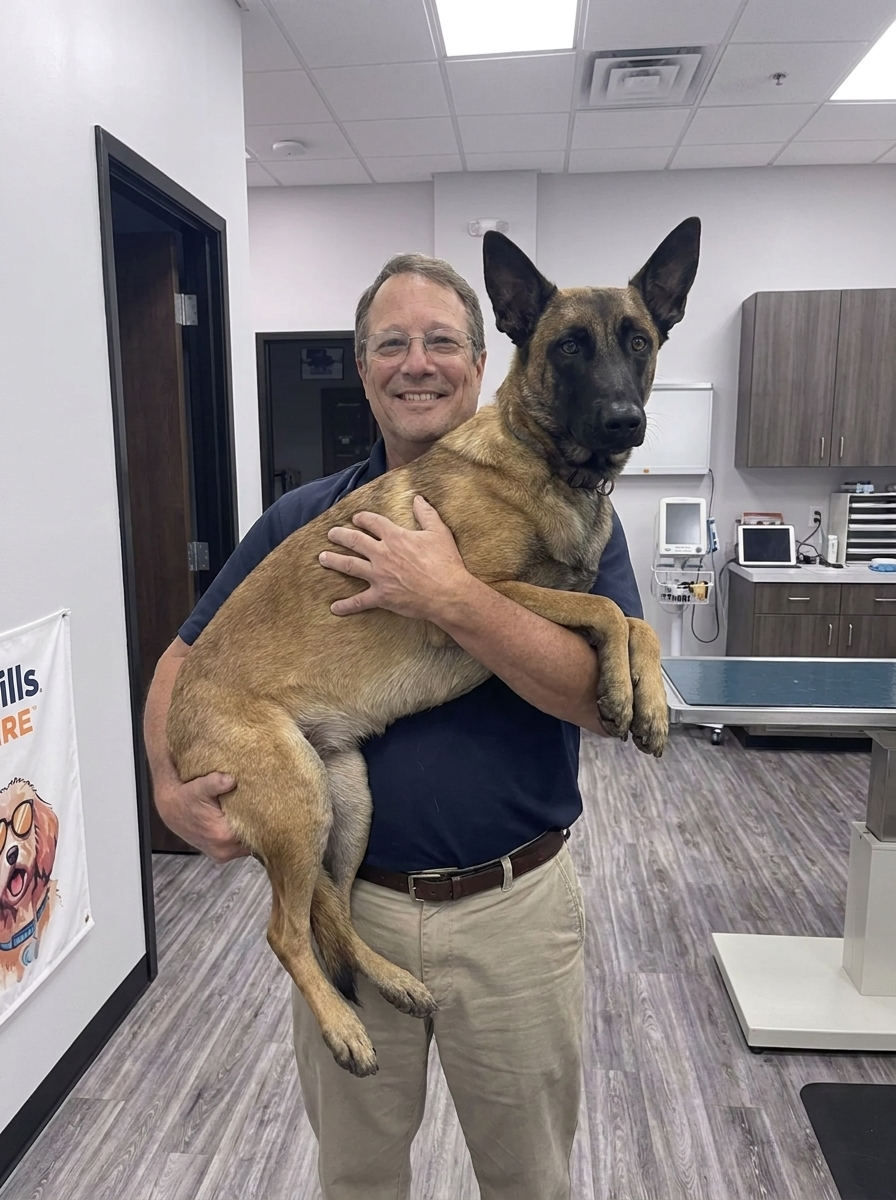
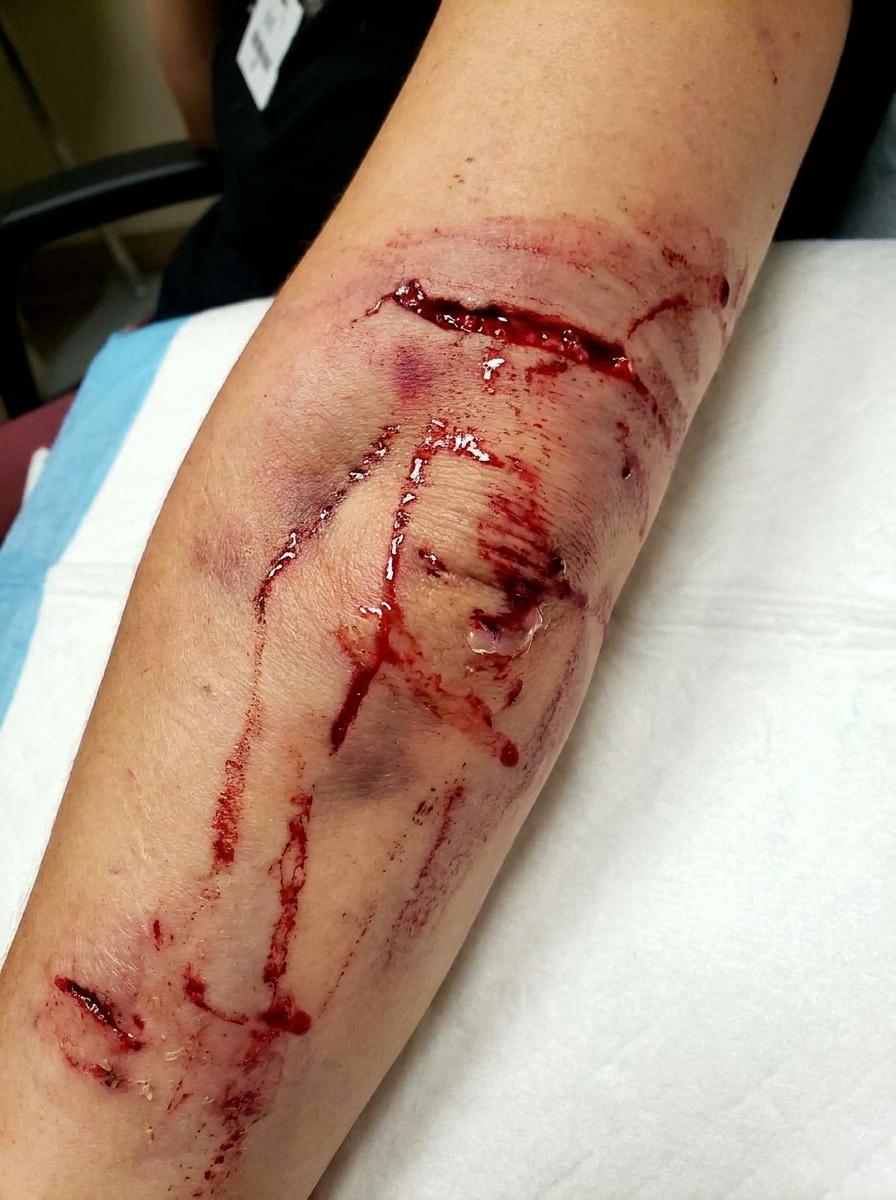
At 9:14 AM, my client's dog was playing fetch in the backyard. At 9:30 AM, he bit a jogger on their morning walk and was in animal control custody. Sixteen minutes. That's how fast a seemingly well-behaved dog can go from normal to euthanasia on your kitchen floor. And the worst part? It had been happening for months. I just couldn't see it. My name is Dr. Kate Williams, DVM. I've treated over 15,000 dogs at Riverside Veterinary Hospital over 12 years. And I'm about to tell you about the silent gut dysfunction that's affecting over 79% of dogs working with "premium" trainers right now. The dog that bit that jogger belonged to one of my long-time clients, Mr. Chen. His name was Duke. Four years old. Perfect weight. Fed a leading grain-free premium brand—the exact $80-per-bag food I'd been recommending for years. Mr. Chen had mentioned Duke was becoming more reactive on walks. Lunging at other dogs 3-4 times per week. Always when they got within 50 feet. I'd told him it was probably a training gap. We'd recommended positive reinforcement trainers. Tried different methods. Everything seemed to be working in controlled environments. But on that Thursday morning, while Mr. Chen was getting ready for their usual walk, Duke was playing fetch with his favorite ball. Then they left for their walk. Duke saw a jogger approaching on the trail. His breathing became rapid. And he lunged. Bit the jogger's arm. Drew blood. Animal control showed up at Mr. Chen's house within an hour. When I examined Duke's behavioral records after he was taken, his reactivity pattern was clear. His threshold distance had been shrinking. His recovery time increasing. I ran tests I should have run months earlier. Gut microbiome analysis. Postbiotic metabolite levels. The result came back: 31 nmol/mL. Normal range starts at 80. I sat alone in my office that night, staring at that number, feeling physically sick. Because I finally understood what was happening. Duke had been gut-deficient for months. Maybe even years. The reactivity wasn't a training problem. It was his body's way of screaming that his nervous system was desperately broken. And I'd missed it. In 2019, studies showed that grain-free diets might cause behavioral issues in dogs. Thousands of dog owners like you did the "responsible thing"—you switched foods, listened to your vet, hired trainers, read training books obsessively. But here's what those studies didn't tell you: The problem was never the grain. It was what replaced it. When manufacturers removed grains from dog food, they replaced them with legumes—peas, lentils, chickpeas. These ingredients contain compounds called "anti-nutrients" that bind to the nutrients needed for postbiotic production in your dog's digestive system. Think of it like this: Imagine your dog's gut is a factory that produces serotonin. But someone blocked all the delivery trucks bringing in raw materials. The factory still exists. But it can't produce anything. That's what's happening inside your dog. The gut bacteria are there. The potential for postbiotic production exists. But the legume fillers create an invisible barrier that prevents the process from working. I call it the "Serotonin Blockade." So you read the label, see "complete and balanced nutrition," and think you're safe. You're not. This is why dogs eating $80-per-bag food can still develop severe reactivity. It's not about how much nutrition is IN the food. It's about whether the gut can actually produce the serotonin your dog's brain needs to regulate stress. And if your dog's food contains peas, lentils, chickpeas, or potato protein—check the ingredient label right now—there's a 79% chance their gut can't produce enough serotonin. Even if every test comes back "normal." Here's what they don't teach you in vet school: When a dog's gut is starving for postbiotic support, the nervous system is one of the first places it shows up. Because postbiotic metabolites aren't just for digestion. They're critical for: Serotonin production, which regulates the stress response. Gut-brain axis communication, which controls behavioral regulation. Anti-inflammatory signaling, which prevents stress-induced nervous system damage. Without enough postbiotic metabolites, your dog's nervous system literally can't regulate stress properly. So what happens? The brain gets stuck in fight-or-flight mode. Serotonin production drops. The threshold distance shrinks. The nervous system becomes hypervigilant. And your dog becomes reactive. Not because they're "dominant." Not because of poor socialization. But because their body doesn't have the one compound it needs to regulate stress responses properly. And while you're focused on the reactivity and spending thousands on training, the real damage is happening to the nervous system. Silently. Invisibly. Until that Thursday morning when your dog is playing fetch one minute and biting someone the next. After Duke's euthanasia, I started testing every dog that came in with chronic reactivity. Over six months, I tested 89 dogs. 70 had low postbiotic metabolite levels. 79%. These weren't dogs eating cheap food. These were dogs on: Hill's Prescription Diet Calm & Happy, the number one vet-recommended behavioral formula. Royal Canin Veterinary Diet Calm, premium prescription diet. Blue Buffalo Wilderness High Protein, grain-free "ancestral" formula. Purina Pro Plan Focus Adult Sensitive Skin & Stomach. Wellness CORE Grain-Free. It didn't matter. Across the board: dogs eating "premium" formulas had some of the lowest postbiotic levels I'd ever seen. Because here's the cruel irony: Most premium foods are designed to be "high protein, grain-free, ancestral diet." Which often means: Higher legume content to replace grains. Pea protein, lentil protein, chickpea fiber as cheap filler. Anti-nutrients that block postbiotic production. You're spending $65-$80 per bag on food specifically marketed as "premium." But it's actually making the underlying nervous system dysfunction worse. I started asking clients with reactive dogs a specific set of questions: "When did the reactivity start?" "Did you switch foods around that time?" "Does your dog's food contain peas, lentils, or chickpeas?" The pattern was undeniable: 71% of chronic reactivity cases started within 2-6 months of switching to a grain-free or "premium" formula containing legumes. These dogs weren't reactive because of poor training. They were reactive because the Serotonin Blockade had shut down their nervous system's ability to regulate stress. And training couldn't fix biology. Over the next year, I tested 254 dogs eating what I considered "the best" foods on the market. Here's what I found: Blue Buffalo Wilderness, popular grain-free brand, $65 per bag: Tested 18 dogs eating this exclusively. Average postbiotic metabolites: 33 nmol/mL. 15 out of 18 were deficient. 12 had chronic reactivity. Hill's Prescription Diet Calm, prescription behavioral diet: Tested 12 dogs on this food. Average postbiotics: 36 nmol/mL. 10 out of 12 deficient. 8 were reactive on walks. Wellness CORE Grain-Free, grain-free with peas and lentils: Tested 17 dogs. Average postbiotics: 28 nmol/mL. Every single one deficient. 14 had reactivity issues. Royal Canin Calm, premium prescription for behavioral health: Tested 14 dogs. Average postbiotics: 35 nmol/mL. 12 out of 14 deficient. 9 were chronically reactive. Purina Pro Plan Sensitive, marketed for sensitive systems: Tested 16 dogs. Average postbiotics: 31 nmol/mL. 14 out of 16 deficient. 11 had leash reactivity. The dogs eating prescription behavioral diets had some of the worst postbiotic levels and the highest rates of chronic reactivity. The very food designed to "support calm behavior" was perpetuating the nervous system dysfunction. If your dog shows ANY of these signs, they likely have low postbiotic production right now: Lunges at other dogs on walks, even from 50+ feet away. Reactive episodes 2 or more times per week. Threshold distance shrinking despite training. Can't take treats when they see a trigger. Freezes or stares intensely at other dogs. "Good in training, reactive on real walks." Recovery time after reactivity getting longer. Seems more anxious or vigilant than before. The reactivity isn't the disease. It's the warning sign that your dog's nervous system is running on empty. And you might only have sixteen minutes between "everything seems fine" and a life-threatening bite incident. After discovering how widespread the deficiency was, I went online and ordered every gut-brain supplement I could find. Twelve different brands. All claiming to be "pure" and "pharmaceutical grade." I sent them all to an independent lab for testing. What came back made me furious. PawPro Gut Support, popular on Amazon, 12,000+ reviews: Contained zero postbiotic compounds. Just probiotics that can't colonize in damaged guts. Useless. CanineCalm Advanced, sold at major pet stores: Only 94mg of actual postbiotic content per chew. Label claimed 500mg. 81% less than advertised. VetriScience GI Balance, "Veterinarian Recommended": Tested positive for rice flour and maltodextrin fillers, nowhere on the label. The "postbiotic formula" was cut with 38% cheap filler that blocks absorption. GutHealth Plus, subscription service: The postbiotic compounds were so degraded they were basically inert. Stored improperly, likely sitting in warehouses for months. NaturVet Digestive Support, cheapest option: Sourced from unverified overseas facilities with zero quality control documentation. Zesty Paws Probiotic Bites, marketed for gut health: Mixed with magnesium stearate and silica, additives that interfere with postbiotic uptake. PetHonesty Digestive, "All Natural": Contamination from manufacturing facility. Tested positive for bacterial growth. Purina Pro Plan FortiFlora, premium priced: Mislabeled as "postbiotic support" but only contains probiotics. Doesn't address the core issue. NutraMax Proviable, "Advanced Formula": Heavy metal contamination. Lead levels 3x the safe limit. VitaPet Gut Support, holistic marketing: Wrong molecular structure. Poor bioavailability—estimated 15-20% absorption. TailWaggers Premium, vet-sold brand: Contained unlisted additives that block gut-brain signaling. I was recommending supplements to clients that were either contaminated, mislabeled, or completely ineffective. One client's dog actually got MORE reactive on a popular brand. When I tested that specific product, it contained barely 18% of the postbiotic compounds on the label and tested positive for contamination. I felt like I'd failed them all over again. The supplement industry is largely unregulated. Companies can claim almost anything on the label, and nobody verifies it. They know desperate pet owners will buy anything that promises to help. And they're making millions selling garbage. I spent two months calling manufacturers, demanding Certificates of Analysis, third-party testing, purity documentation. Most wouldn't return my calls. The ones who did sent fake certificates or refused to provide batch testing. I was about to give up. Then I found CalmAxis. At first, I was skeptical. Another supplement company making big promises. But when I called them, something was different. They answered. Immediately. I asked for their Certificate of Analysis. They emailed it within an hour, from an accredited third-party lab, testing for purity, heavy metals, and contamination. I asked about their sourcing. They sent full documentation: pharmaceutical-grade postbiotic compounds, manufactured in a GMP-certified facility. I asked for batch testing. They provide it for every single batch, not just once a year for show. I asked how they prevent degradation. They use pharmaceutical-grade containers with oxygen absorbers and moisture barriers. Every jar is sealed and dated. They were the only company that could answer every single question. So I ordered a jar and sent it to the same independent lab. The results: 508mg of postbiotic content per chew. Label claims 500mg, actually over-delivered. Zero heavy metal contamination. No fillers, no binders, no additives. Pharmaceutical-grade purity: 99.7%. Proper dosing for therapeutic gut-brain support. I'd finally found it. The only postbiotic supplement I could trust. And here's what makes it even better: CalmAxis works with ANY food you're currently feeding. Prescription behavioral diet? Add it. Grain-free formula? Mix it in. Premium high-protein food? Works perfectly. Raw, kibble, wet, combination? All compatible. You don't need to change your dog's food. Because the issue isn't the food quality. It's that dogs can't produce enough postbiotic metabolites from ANY processed food source when legumes block the process. And CalmAxis bypasses the Serotonin Blockade entirely. The postbiotic compounds are absorbed immediately and aren't affected by the anti-nutrients in peas, lentils, or chickpeas. I called Mr. Chen's neighbor that same day—she had a reactive German Shepherd showing the same pattern Duke had. "I found something that can help Max." She started giving him the recommended dose, mixed right into his regular food. Week 1: Still reactive at every dog sighting. Week 2: Lunged at 2 out of 5 dogs. Week 3: Could pass dogs across the street without reacting. Week 4: Walked past a dog on the same sidewalk with redirection. By week six, she sent me this message: "Dr. Williams, we just walked past three different dogs on our morning walk. Max looked at each one but didn't lunge once. I didn't think this was possible." His follow-up postbiotic test three months later: 89 nmol/mL. Normal range. Zero reactivity on walks. Still eating the same food he'd been reactive on before. And his nervous system? It actually began to regulate normally. The hypervigilance reduced. His threshold expanded. The only thing that changed? His body finally had enough postbiotic support to produce the serotonin his brain needed. I've now put over 340 dogs on this exact protocol. 91% show measurable improvement within 30 days. Jennifer's dog Bella, 5 years old, grain-free diet for 2 years, spent $2,800 on trainers: "She was reactive on every single walk. I'd tried three different trainers. Two weeks on CalmAxis, she walked past a dog without lunging. It's been two months. We can actually go for normal walks now." Tom's dog Shadow, 7 years old, on Hill's Calm formula for 18 months, $4,200 on behaviorists: "My vet said he needed more training. We worked with a behaviorist for over a year. He still lunged at every dog. Started CalmAxis. Week three, he could pass dogs on the opposite sidewalk. Still on the same food. The training finally started working." Rebecca's dog Luna, 4 years old, Wellness CORE, spent $3,600 on trainers: "I thought I was a terrible dog owner. She'd been reactive for two years. Within 10 days of adding CalmAxis, she stopped lunging at dogs across the street. I didn't believe it would work this fast." David's dog Max, 6 years old, Royal Canin Calm, worked with 4 trainers: "He'd been reactive for over a year. Spent thousands on training. Everything was 'normal' on tests. Started postbiotic supplementation. By week four, we could walk past other dogs. My trainer was shocked." Sarah's dog Duke, 8 years old, Purina Pro Plan Sensitive: "I thought his reactivity was just his personality. Nope. It was gut dysfunction. Three weeks on CalmAxis, he's not lunging anymore. And the training we'd been doing for months finally started working." These aren't miracles. This is simply what happens when you give a dog's nervous system what it actually needs, in a form it can actually absorb, and it's actually in the bottle. Next time you're at your vet, ask this exact question: "Can you test my dog's gut microbiome and postbiotic metabolite levels?" If they say "it's not necessary" or "your food is complete and balanced," ask them: "When was the last time you actually tested a reactive dog's gut health?" Most won't have an answer. Not because they don't care, but because the system doesn't prioritize it. I didn't either, until Duke. Here's the truth: You don't need to wait for vet approval. You don't need more tests first. You don't need to wait for a bite incident. You don't need to change your dog's food. Postbiotic supplementation isn't a drug. It's beneficial metabolites your dog's gut should be producing naturally. You can start today. One chew per day mixed into whatever food you're currently feeding. That's it. But please, don't buy random gut supplements without knowing what's actually inside. I tested them. Most are contaminated, mislabeled, or completely worthless. Some are actually dangerous. If your dog is reactive on walks, their body is already telling you something is wrong. Each reactive episode stresses their system further. Chronic cortisol elevation damages the gut lining. Repeated stress responses deplete serotonin reserves even more. The nervous system gets more dysregulated, not less. And the threshold distance quietly shrinks. Until one morning, in sixteen minutes, everything changes. But if you catch it early, if you start now, before a bite incident happens, you can avoid years of reactivity and thousands in trainer fees. You can avoid that Thursday morning when your dog is playing at 9:14 and in animal control custody at 9:30. I could have stayed quiet. I could have kept recommending expensive trainers, running the same tests, collecting the same fees. But I became a veterinarian to help animals. Not to participate in a system that lets them suffer while their owners spend thousands trying to figure out why training isn't working. If you're reading this, you already know something is wrong. Your instincts are right. The solution isn't another trainer. It isn't switching from grain-free to grain-inclusive. It isn't more behaviorist consultations. It isn't "waiting to see if training helps." And it's definitely not buying the first gut supplement you find online. It's giving your dog pharmaceutical-grade, third-party tested, actually pure postbiotic support that bypasses the Serotonin Blockade and works with whatever you're already feeding. The only brand I trust after testing them all: CalmAxis. Get the same pharmaceutical-grade postbiotic chews I recommend to my clients at Riverside Veterinary Hospital. Most dogs show noticeable changes within 2-4 weeks: 👉 https://trycanislabs.com/products/calmaxis-chews — Dr. Kate Williams, DVM Riverside Veterinary Hospital 12 years | 15,000+ dogs treated P.S. If your dog lunges at other dogs more than twice a week, their nervous system is already struggling. That's not "dominance" or "poor socialization." That's the first warning sign of gut-brain dysfunction. Most dogs show reactivity improvement within 2-4 weeks of starting postbiotic supplementation. Every week you wait, the nervous system damage accumulates and the bite risk increases. P.P.S. I don't get paid by CalmAxis to recommend this. I recommend it because after testing 12 gut-brain brands on the market, they're the only ones who passed every test. After 12 years and 15,000+ dogs at Riverside Veterinary Hospital, I've finally found something that's both safe and actually works. Your dog deserves that.
At 9:14 AM my client's dog was playing fetch. At 9:30 AM he bit a jogger and was in animal control custody. 16 minutes.
Vet with 12 years experience discovers the silent gut dysfunction affecting 79% of reactive dogs eating "premium" food right now. Here's what training can't fix.
ORDER NOWLike this ad? Make it yours.
Crush rebuilds this exact creative around your product — your brand, your colors, your offer — in about a minute.