
Inactive· since Mar 8, 2026
- 68
- days it ran
- 0
- relaunches
Ad copy
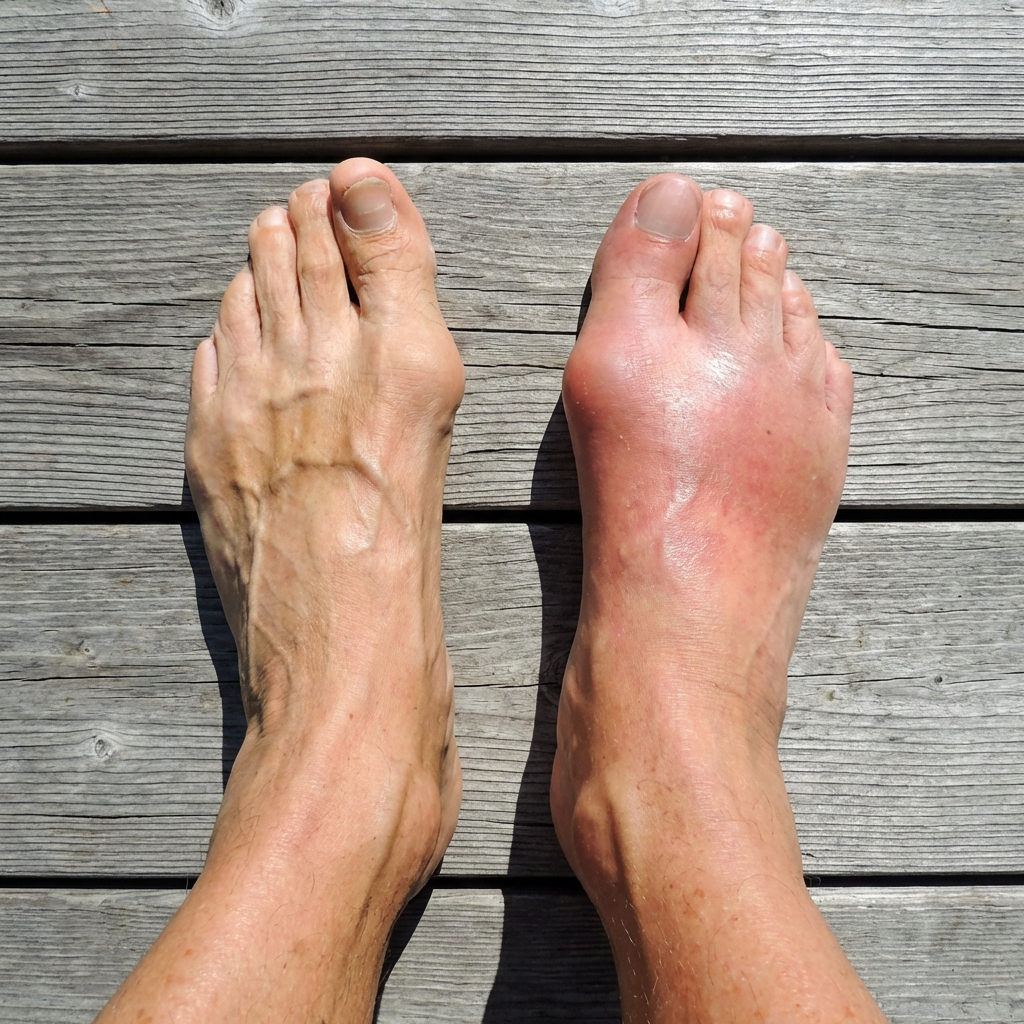
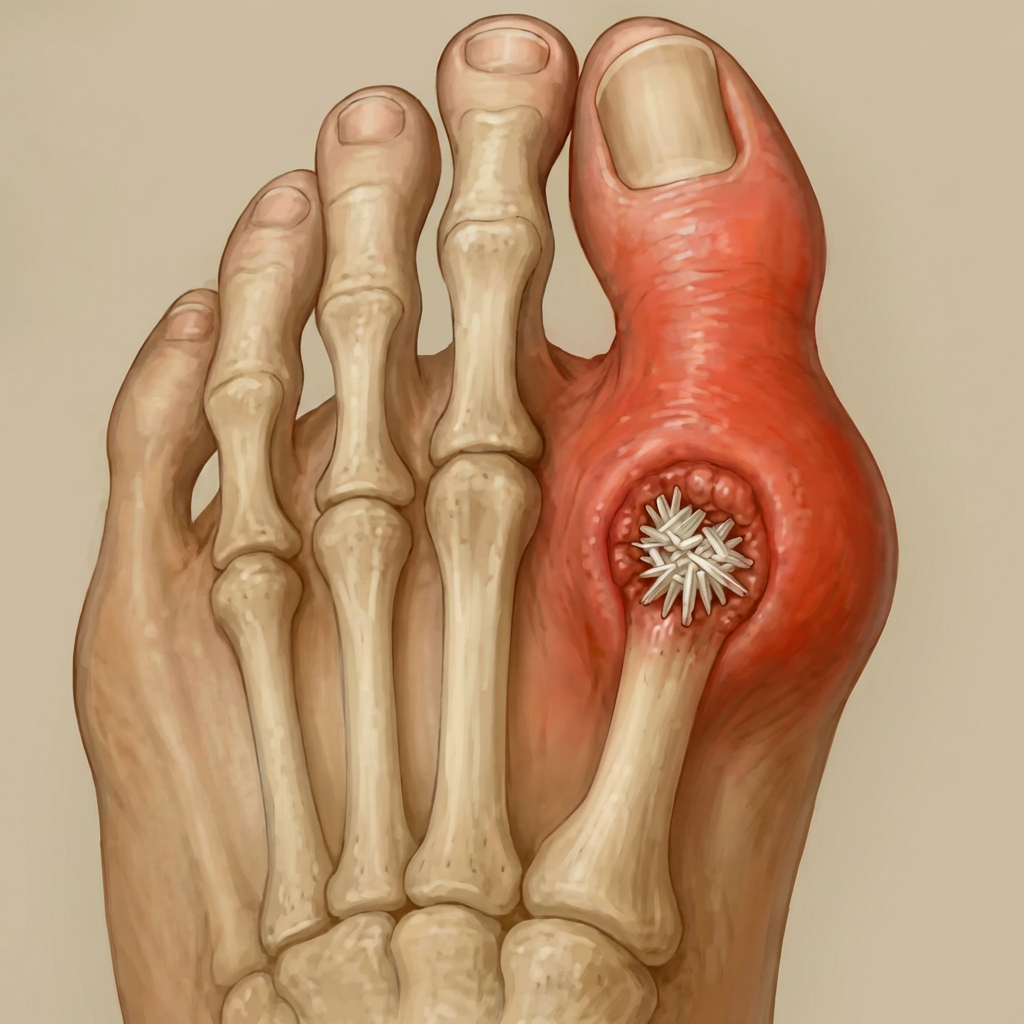
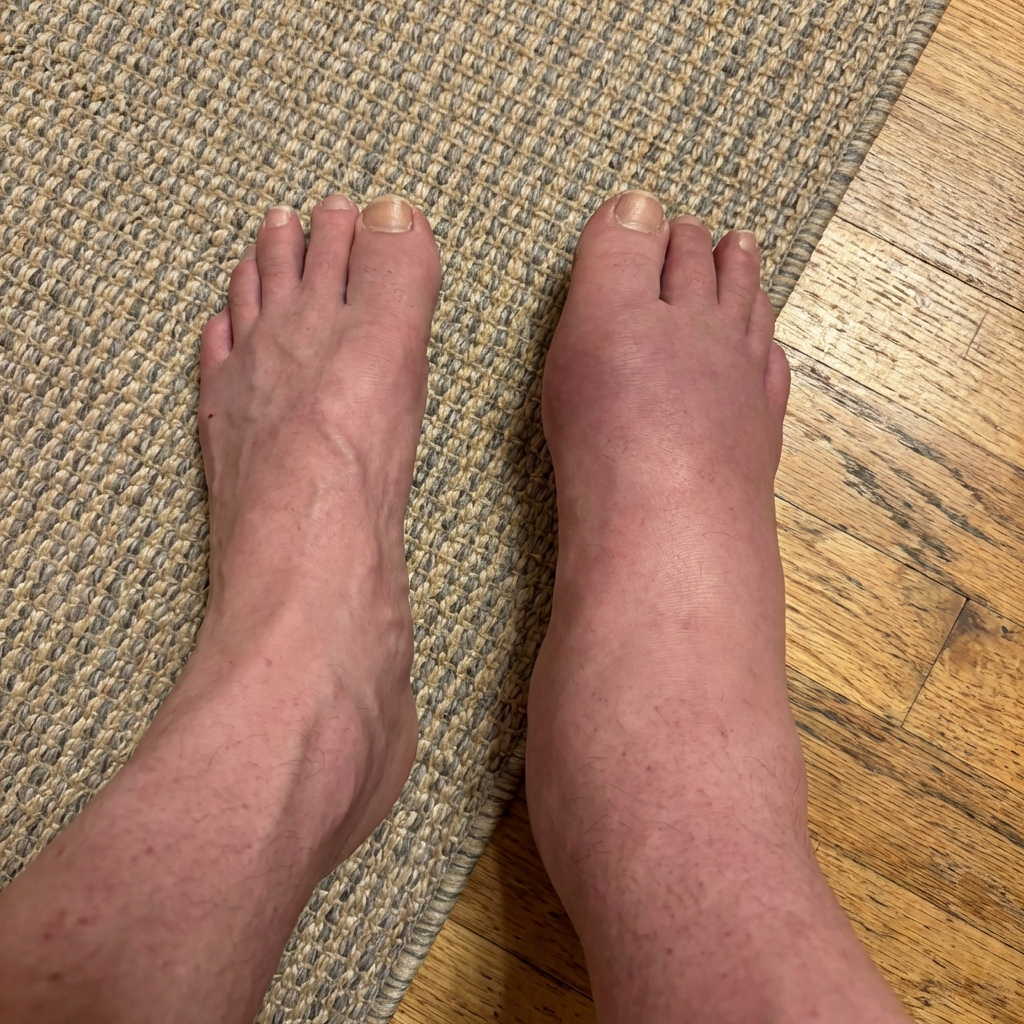
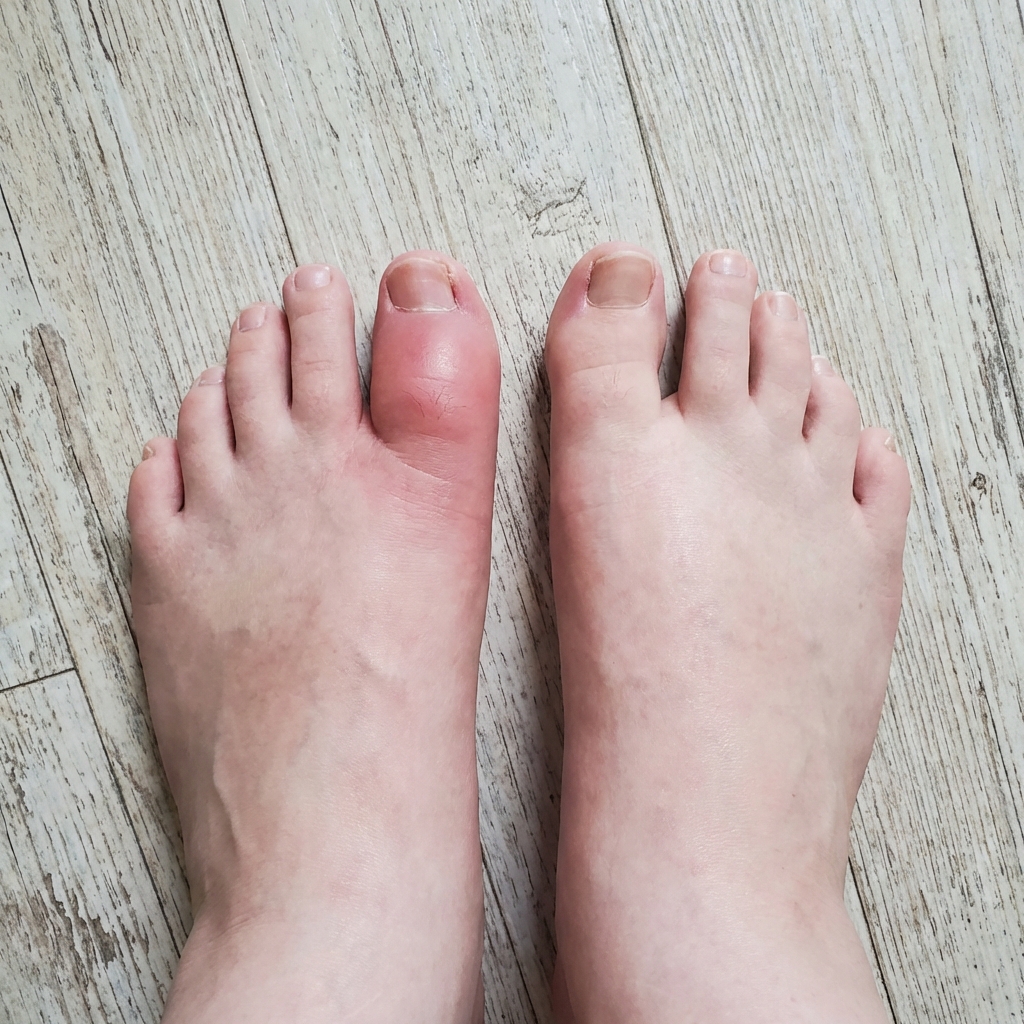
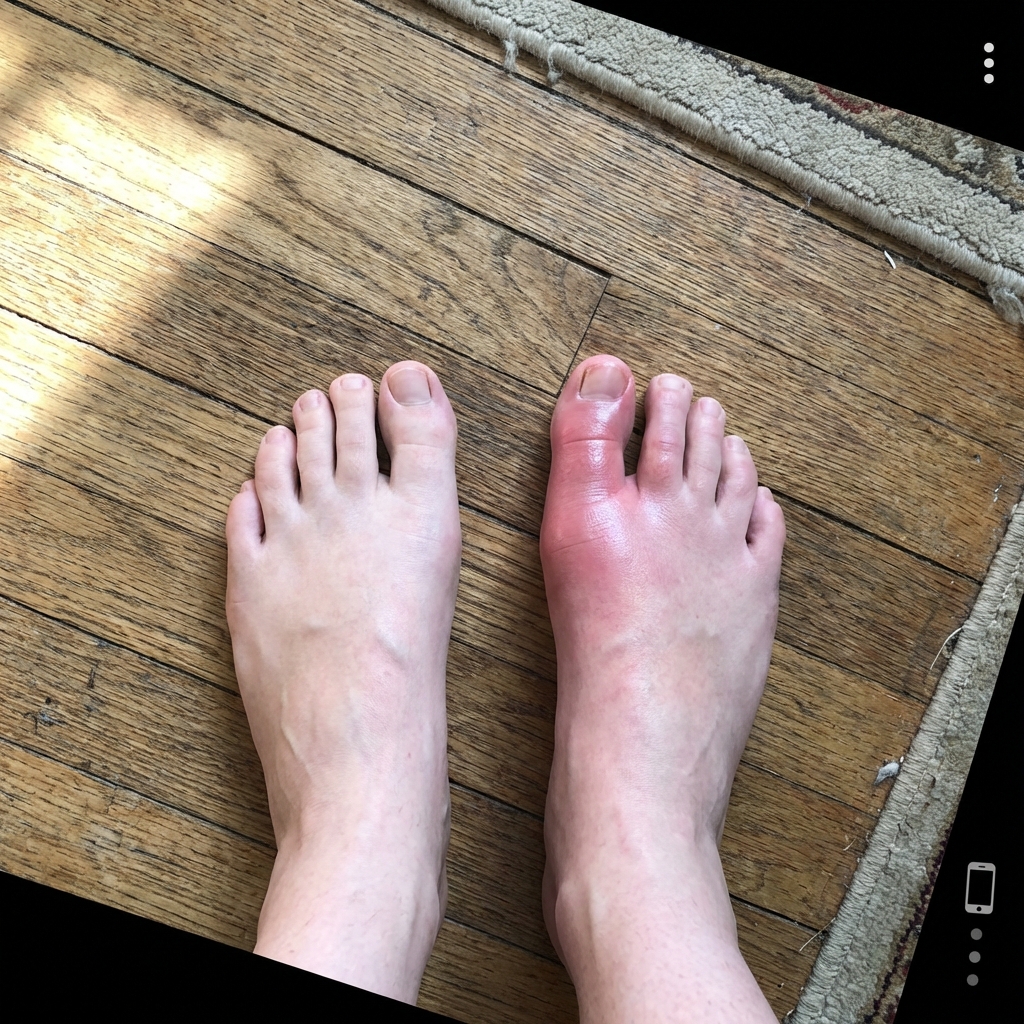
If you've cut out the beer, the shellfish, the red meat — and you're still getting gout flares — there's a reason. And it's not your diet. Because what I'm about to tell you is going to make you furious. Here's what's happening right now: One — The sacrifices you're making are real. But they're only addressing half the problem. And nobody told you there was another half. Two — When you tell your doctor the flares are still coming despite everything you've given up, they're going to offer you a daily medication on top of all of it. And three — There's a reason the flares keep coming no matter how clean you eat. And a reason nobody is telling you how to actually stop them. Let me tell you about my father. He got his first gout attack at 52. His doctor gave him a list. No beer. No shellfish. No organ meats. Limit red meat. Cut the sugary drinks. He did every single thing on the list. And the flares kept coming. I watched him turn down food at family gatherings for years. Watched him sit across from me at restaurants quietly picking the "safe" option off the menu while everyone else ordered what they wanted. "I'm managing it," he'd say. But the flares still came. Less predictable now, which was almost worse — at least before he knew what caused them. Eventually his doctor said what he'd been dreading: "Diet alone isn't enough. We need to put you on Allopurinol." A daily medication. For life. So he started. His numbers came down. His doctor was satisfied. But the flares kept coming anyway. What none of us understood at the time was what was happening inside his joints while everyone stayed focused on his diet and his lab numbers. Years of crystals building up. Inflammation that had become its own self-sustaining cycle. A problem that the right foods couldn't fix and a medication designed only to lower a number couldn't reach. He spent the next decade managing. Never fixed. I got my first attack at 49. The same list. No beer, no shellfish, no red meat. I followed it exactly. Stricter than I needed to, probably. Because I'd watched my father and I did not want to end up where he ended up. Six months in, I had a flare that put me on the couch for three days. I brought it up at my next appointment. "Are you sticking to the dietary guidelines?" my doctor asked. "Completely." "Any alcohol?" "None." She nodded slowly. Looked at her screen. "Sometimes dietary management alone isn't sufficient. We should talk about putting you on Allopurinol." I sat there staring at her. I've already given up everything, and your answer is to add a daily medication on top of it? She pulled out her prescription pad. "It's the standard of care. Very well-tolerated. You'd likely be on it long-term." Long-term. For life. On top of every sacrifice I was already making. I asked: "Is there something that addresses why the flares keep happening despite the diet changes? Something that actually gets at the root of it?" She looked at me like I'd asked a stupid question. "The medication will handle it. That's what it's for." Handle it. Not fix it. Handle it. I left that office with a prescription I didn't want and this sick feeling I couldn't shake. Because I'd just watched my father spend years on that same path. Gave up everything he enjoyed eating. Then added the daily medication on top of it. And still spent a decade managing instead of living. They don't want to fix anything. They want to manage you. With more restrictions. More pills. Forever. So I started digging. Not how to manage this. How to understand what was actually happening. And here's what I found. Dietary changes reduce how much new uric acid your body produces. That's real. That's worth doing. But here's what nobody tells you. If you've had gout for any length of time, you already have microscopic uric acid crystals sitting in the tissue around your joints. Physically there. Built up over years. Cutting out beer and shellfish cannot touch them. And here's the problem. When your immune system detects those crystals, it mounts an attack. That immune response — not what you ate for dinner, but your body reacting to crystals already lodged in the joint — is what a gout flare actually is. The right diet reduces what's coming in. It does nothing to clear what's already there. And it does nothing to quiet the inflammatory response those crystals keep triggering. That's the half of the problem nobody had ever explained to me. The half that no list of foods to avoid can fix. So I kept reading. What actually quiets that inflammatory response? What helps the body clear those crystals and break the flare cycle? I kept coming back to a specific family of compounds called anthocyanins. Found in certain deeply pigmented fruits. And the research on them is specific — they inhibit the exact inflammatory pathway that fires when your immune system detects uric acid crystals in the joints. Study after study. Reduced attacks. The flare cycle breaking. The inflammation coming down. And the richest natural source of anthocyanins? Tart cherry. I ordered the best-reviewed tart cherry supplement I could find. Over eight thousand reviews on Amazon. Seven weeks. Not a single missed dose. Nothing I could feel. Nothing I could measure. I tried a second brand from the health food store. "Clinical strength" printed right on the label. Eight weeks straight. Still nothing. I went back to the research and read it again. More carefully. The way you read something when you know you've missed something important. And there it was. The studies that got real results didn't just use "tart cherry extract." They used extract with confirmed, high anthocyanin levels — made with a careful, low-temperature process that kept those compounds intact. I picked up my Amazon bottle and read every word on the label. Tart Cherry Extract. 480mg. No anthocyanin content listed. No mention of processing. Second bottle. Same. Third bottle. Same. So I looked into how these supplements are actually made. The standard process uses high heat. Cheap and fast. And it destroys up to 80% of the anthocyanins before the capsule is ever sealed. The label still says "tart cherry extract." Technically true. But the part that showed up in every study? Gone before the bottle ever reached the shelf. I'd been taking the same depleted product in three different bottles. For months. I emailed four companies and asked for their anthocyanin levels and how they processed their extract. Two didn't respond. One sent a brochure with no actual numbers. One told me it was proprietary. Proprietary. They wouldn't tell me what was in the thing they were selling me to put in my body. I was ready to call my doctor and tell her to phone in the prescription. Then I found a forum thread where someone had gone through the same process I had. Same failed Amazon brands. Same dead ends. Same frustration. But he'd found one company that did things differently. Cold-extracted — so the anthocyanins that show up in the research are still present and active when you open the bottle. And they published their full Certificate of Analysis from an independent lab. Not a label claim. The actual tested results. Exact anthocyanin levels. Heavy metal screening. Microbial testing. Everything visible. Nothing hidden. He posted their name. GoodGrove. I ordered it that night. Didn't expect much. I'd been disappointed too many times. Day three — I got up and walked to the kitchen and halfway there realized I hadn't done my check. That automatic scan of the joint before trusting it with weight. I'd been doing it every morning for over a year without noticing. I noticed its absence. Week two — the twinges that used to arrive every few days had gone quiet. The morning stiffness that used to take forty minutes was clearing in ten. Week three — I went for a long walk. Came home and realized I hadn't thought about my feet once. If you've had gout long enough to lose that, you know exactly what that means. Week six — follow-up with my doctor. She looked at my chart. Looked at me. "How are the flares?" "None in six weeks." She paused. "What changed?" I told her. GoodGrove. Cold-extracted tart cherry with independently verified anthocyanin levels — tested by an outside lab, not just claimed on a label. She sat back. "Let's hold off on the Allopurinol for now and recheck in eight weeks." I drove home thinking about my father. Years of giving up everything he enjoyed. Then the medication on top of it. And still a decade of managing instead of living. Because the diet did its job — and the medication did its job — and nobody ever addressed what neither of them could reach. That was fourteen months ago. The flares have not come back. Last Friday I had a beer with my son after his game. First one in almost two years. He raised his glass. "Welcome back." "I'm not going anywhere," I told him. "I finally fixed the part the diet was never going to fix." Here's what I need you to understand. If you've cleaned up your diet and the flares keep coming — you're not doing it wrong. You're not missing a trigger food. You're experiencing exactly what happens when one part of the problem is addressed and the other is left completely untouched. The crystals already in your joints aren't going to respond to a cleaner diet. They need something that actually reduces the inflammation they cause. Every month those crystals sit there, the flare cycle compounds. Every flare is another reminder that the list of things to avoid only goes so far. I put the link below. Try GoodGrove for 90 days. Track your flares. Track your mornings. Track whether the twinges keep coming. If you don't see a difference — full refund. No questions asked. You risk nothing. You don't have to keep giving things up and waiting for it to be enough. Go get it. https://trygoodgrove.com/tart-cherry
Like this ad? Make it yours.
Crush rebuilds this exact creative around your product — your brand, your colors, your offer — in about a minute.