
Inactive· since Jun 15, 2026
- 61
- days it ran
- 0
- relaunches
Ad copy
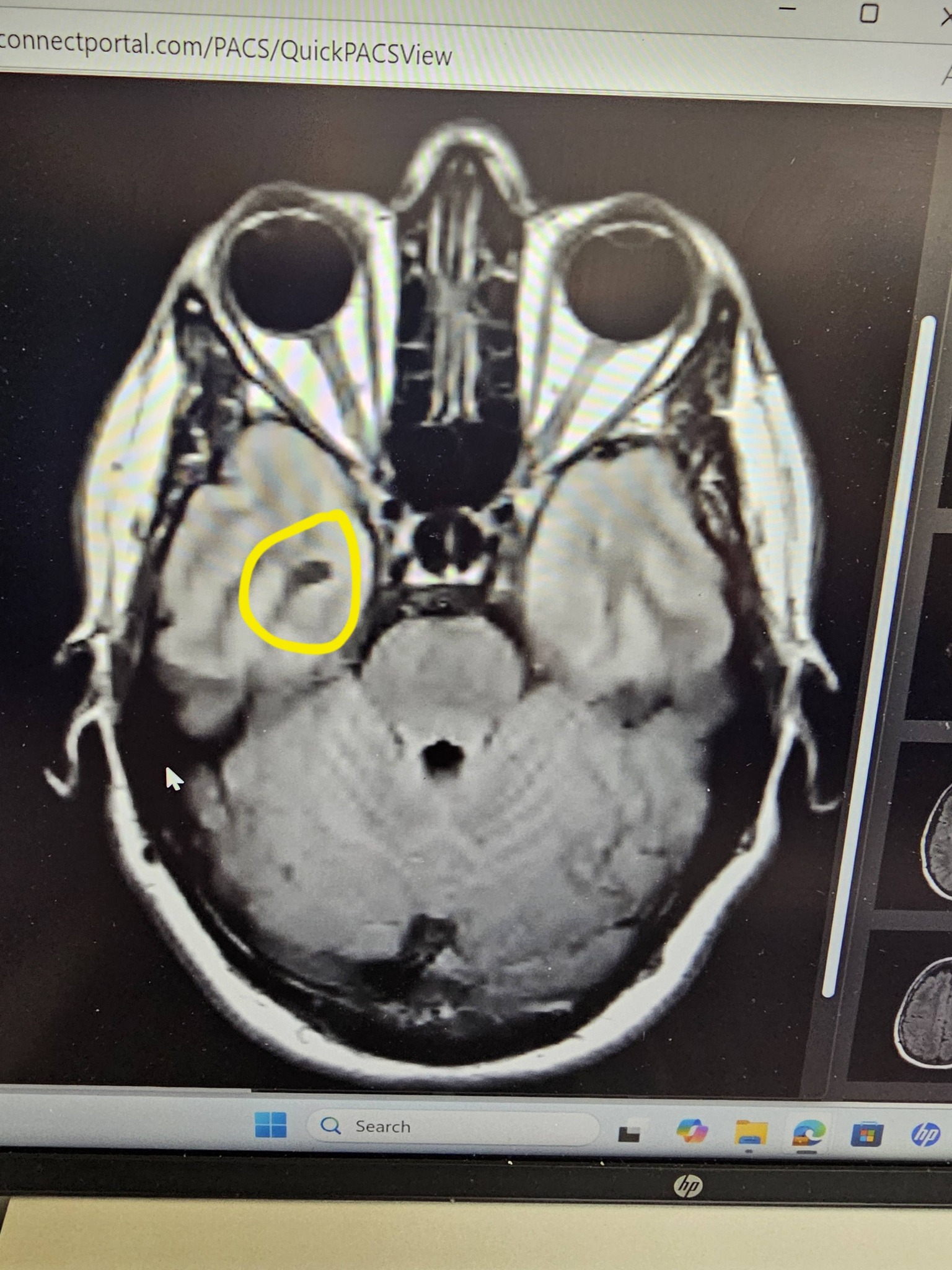
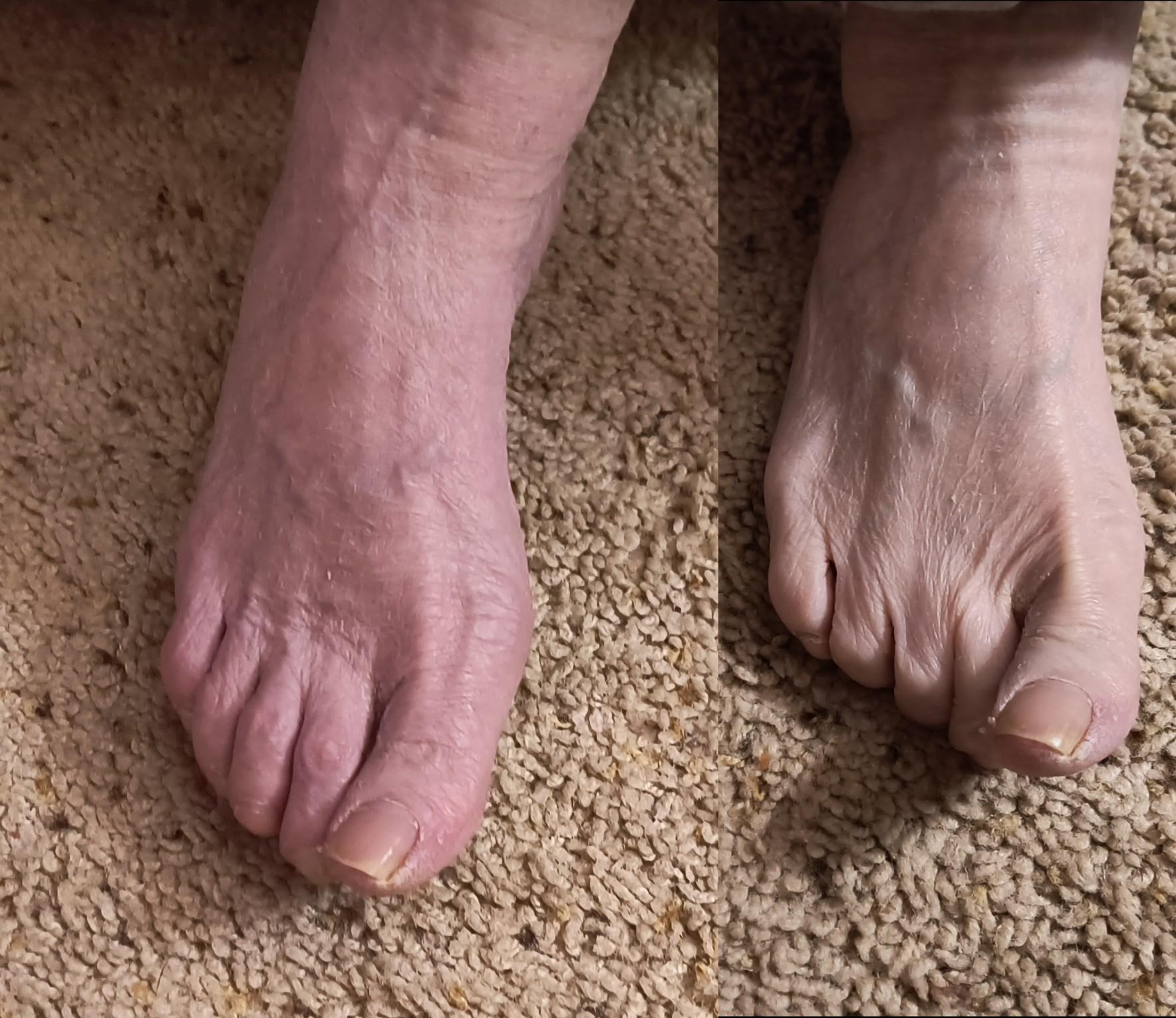
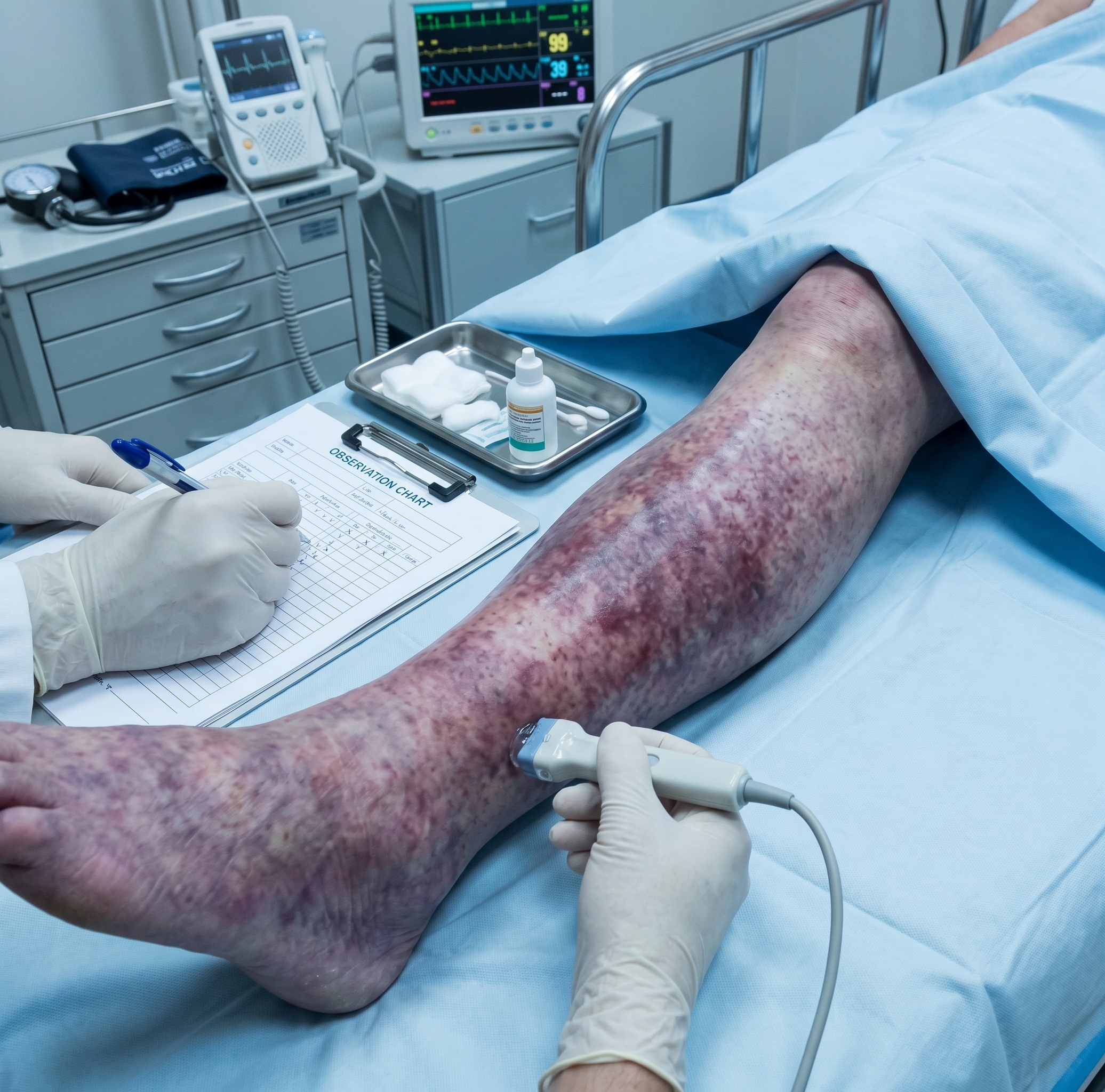
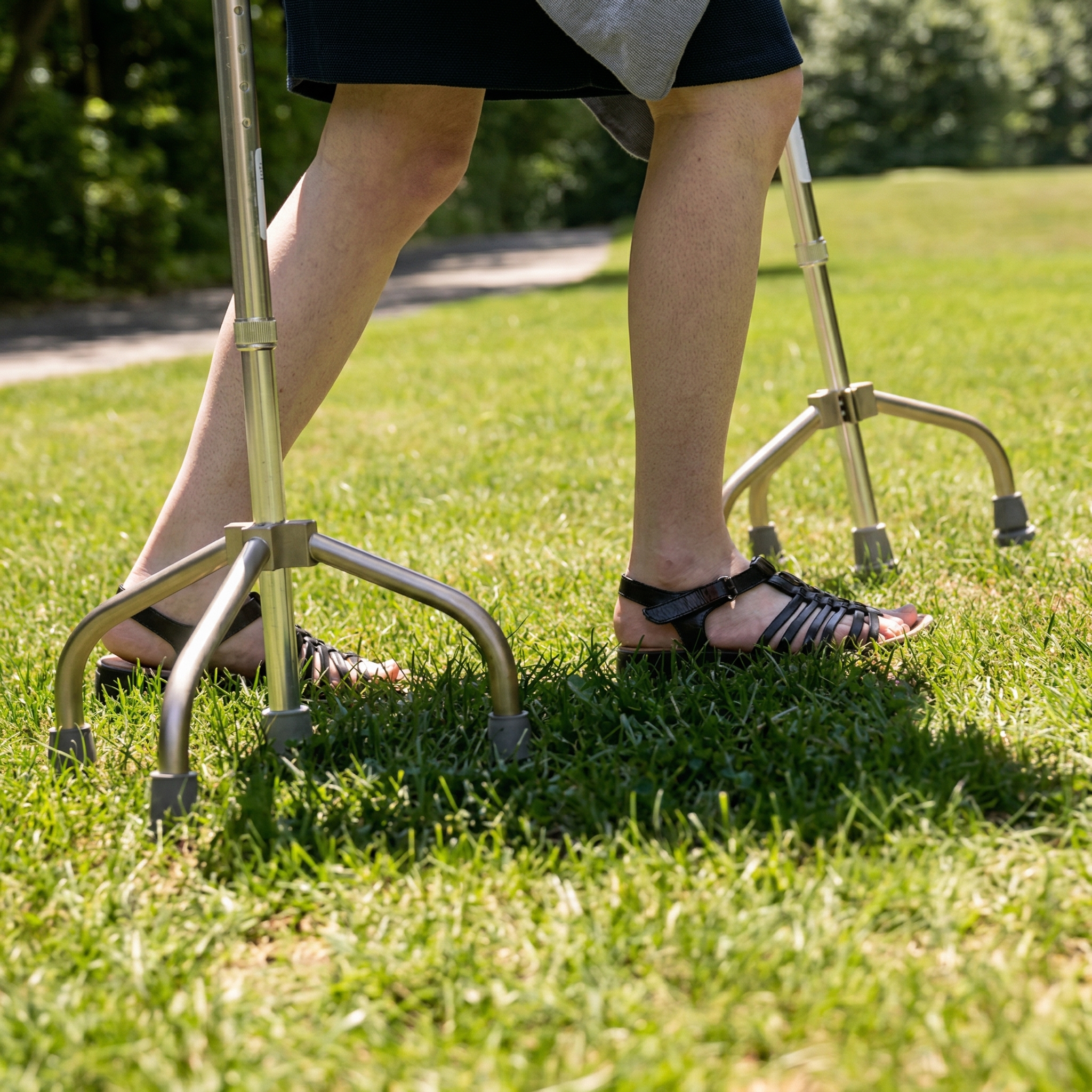
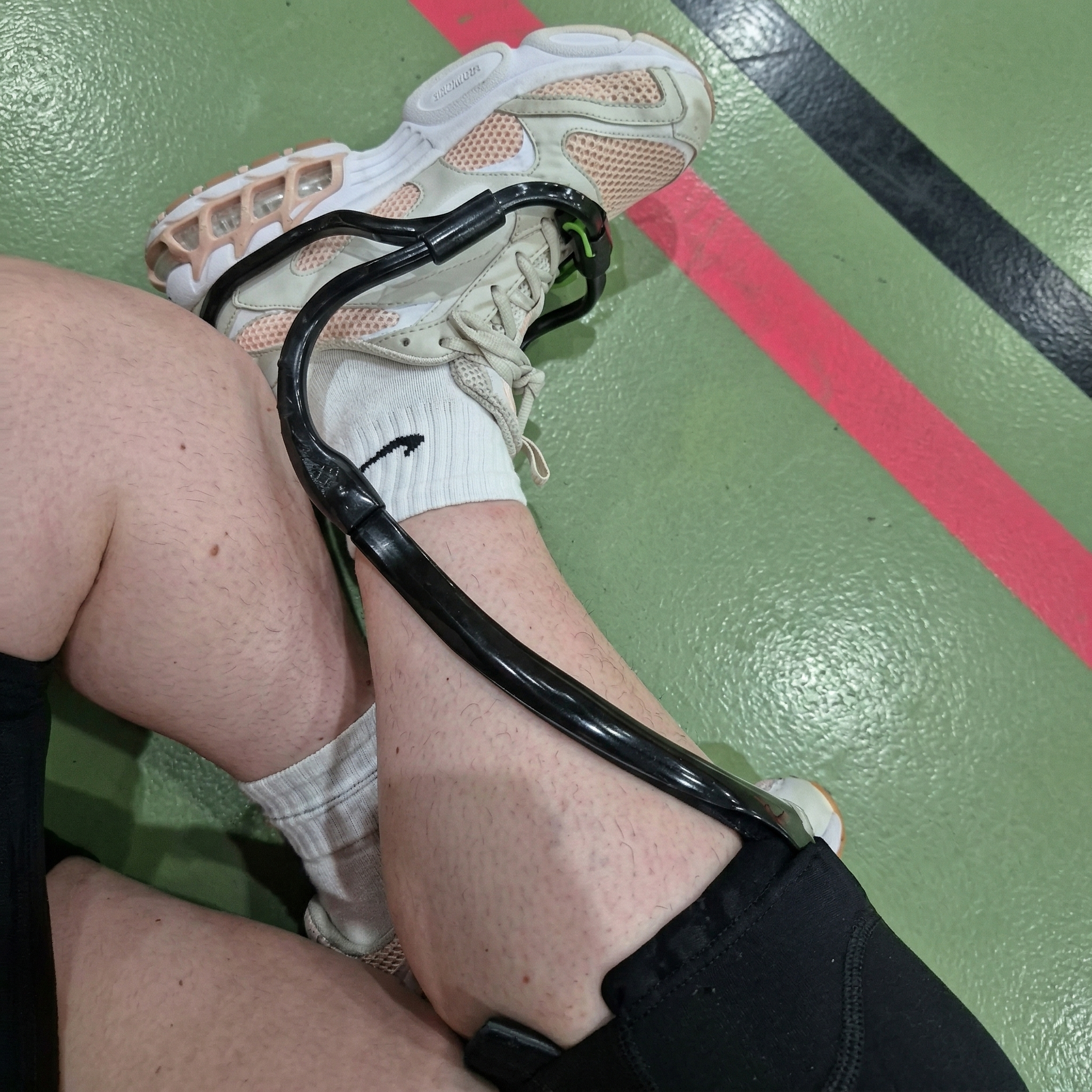
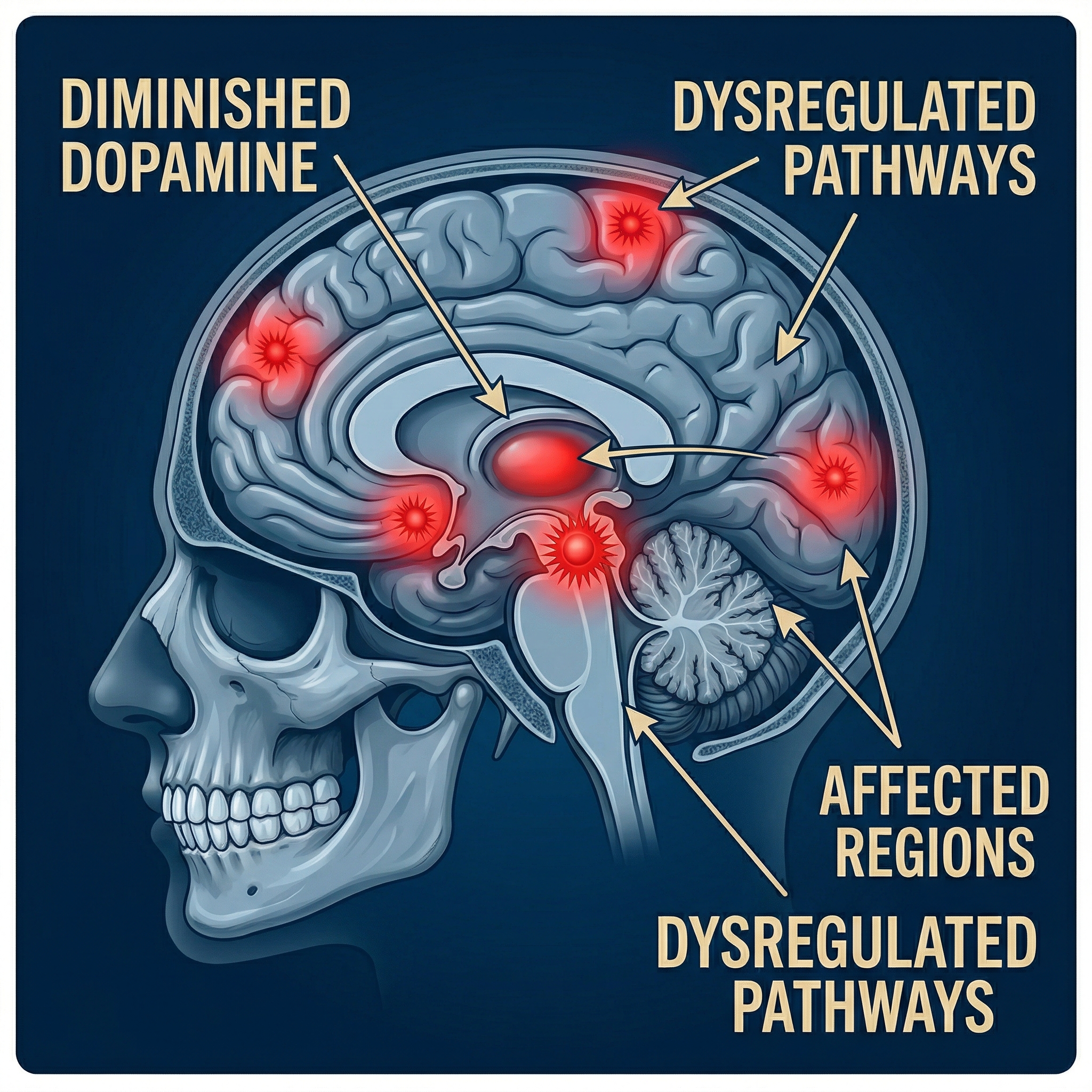
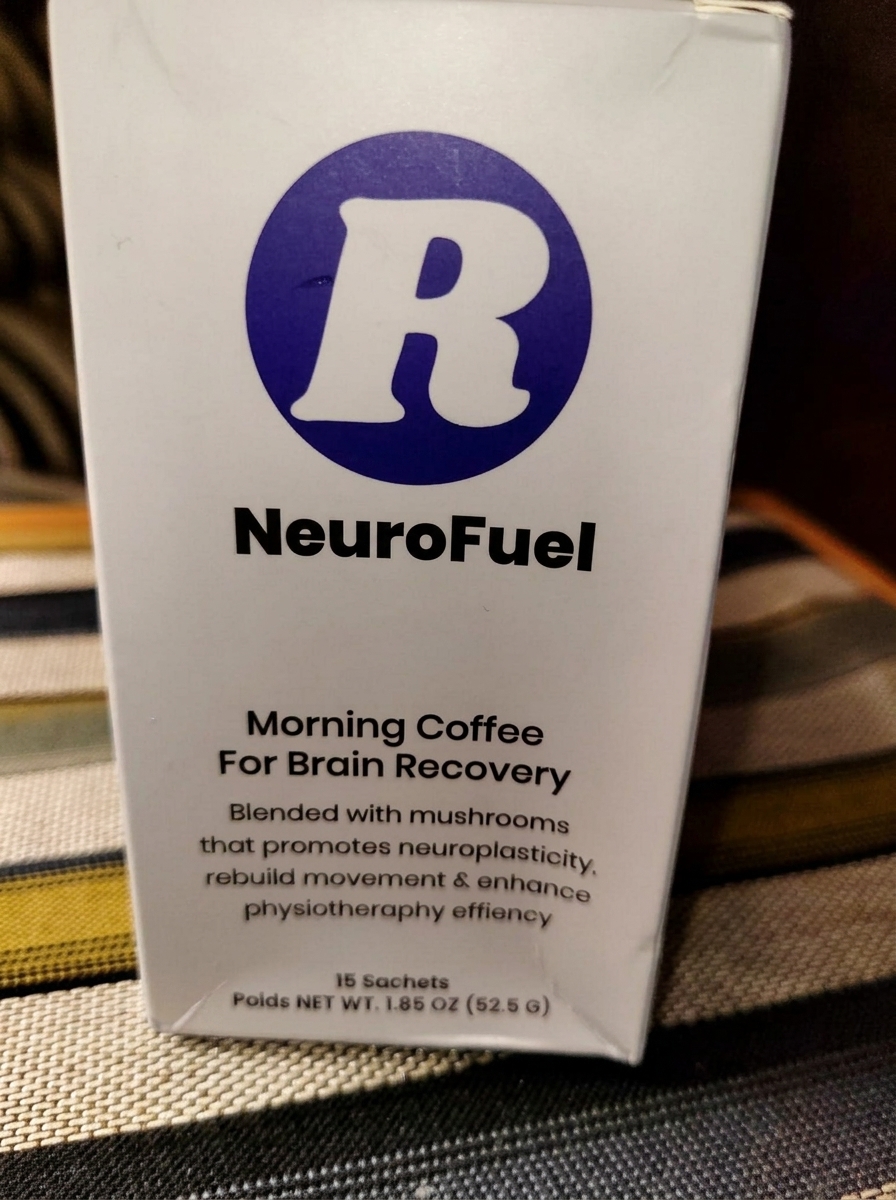
I had a patient who showed up to every appointment for nine years and lost the ability to walk to her own kitchen. Not because she wasn't trying. Not because her neurologist was incompetent. Not because her medication stopped working. She was on Ocrevus. Every infusion, on schedule, for three years straight. Her scans looked good. Her flare-ups had slowed down. By every measure her doctors used, her treatment was doing its job. And her right leg kept dragging further behind her with every passing month. I've been a neurological rehabilitation specialist for nineteen years. Over two thousand MS patients. And for the last seven years I've been trying to answer one question that none of my training prepared me for: why do some MS patients hold onto their movement while most keep losing it, even when both groups are doing everything their doctor tells them to do? The answer changed how I practice. And it will probably change how you think about everything you're currently doing. Let me start with her. Her name was Karen. Forty-four years old when she was referred to me. Diagnosed with MS five years earlier. She had been on Ocrevus for three years at that point. Her neurologist was genuinely pleased. Her flare-ups had slowed dramatically. Her last two scans showed no new damage. But Karen could not walk to the end of her driveway without holding onto something. Her right leg dragged. Her hands shook when she reached for a mug. She had dropped the same mug so many times that her husband bought her a sippy cup as a joke. She told me that part quietly, like it embarrassed her. Neither of them had laughed. The kind of detail patients share when they want you to understand how bad it actually is, not just what the chart says. She had been to physical therapy twice a week for eighteen months. $14,000 over two years. She had a custom leg brace that cost $2,400. She was on baclofen for the muscle stiffness and gabapentin for the nerve pain. She had spent $200 a month on supplements that made no difference. Her neurologist kept telling her the medication was working because her flare-ups were under control. Her daughter had started researching motorised wheelchairs. Karen was forty-four years old. I had seen this pattern enough times by then that I had stopped being surprised by it. But I had not yet understood why it kept happening to the patients who were doing everything right. That changed when I started looking more carefully at the patients who were holding steady. Not recovering. Not cured. Just not losing ground the way most patients do. The ones who, three years in, still had the same walking speed they had at diagnosis. The ones whose grip hadn't gotten weaker in two years. The ones whose physiotherapist reported the same baseline instead of a slow, steady decline. I went through their files. Compared everything I could measure. Same medications, same doses, same therapy schedules across the board. There was one consistent difference I kept finding. Not genetics. Not age at diagnosis. Not where the MS had damaged their nervous system. The patients holding steady were all doing something — usually by accident — that addressed what their medication was never designed to address. Let me explain what I mean by that. MS medication does one job. It dials down the immune system's attack on the protective coating around your nerve fibres. It does that job. Most of the time it does it reasonably well. And it is essential. I tell every patient to keep taking it. But here is the problem that nobody explained clearly enough when you started treatment. The medication slows the attack. It does not repair the damage that has already been done. Every MS patient has nerve fibres where that protective coating has been stripped away. Those damaged fibres are the reason your signals arrive late, or weak, or not at all. The reason you think "lift your foot" and your foot drags anyway. The reason you reach for a glass and your hand closes half a second after your brain gave the order. The reason you can think "move" but the signal leaks out somewhere along the way, and by the time it arrives, the mug is already falling. Your brain has repair cells that can rebuild that protective coating. They are ready to work. They have everything they need — except the raw materials. And your medication provides none of those raw materials. Not one. Here is what those repair cells actually need. First, a signal called Nerve Growth Factor. This is the protein that tells your brain's repair cells to start rebuilding. Without it, those cells just sit there. Ready but waiting, with no instructions to begin. Not a single MS medication on the market triggers this signal. Not Ocrevus. Not Kesimpta. Not Tecfidera. Slowing the attack and triggering the repair are two completely separate things, and the medication only handles one of them. You are paying $90,000 a year for half the job. Second, the inflammation has to come down around the damaged areas. Even when the repair signal is present, the ongoing inflammation around the damaged nerve fibres creates an environment where new repair work cannot hold. Think of it this way: your brain has a repair crew ready to re-insulate the damaged wiring, but the site is still on fire. You cannot lay new insulation on a burning cable. The medication reduces the main immune attack, but it does not calm the lower-level inflammation that stays behind around the existing damage. That inflammation keeps blocking the repair from finishing. Third, the surviving nerve tissue needs protection from ongoing damage. The inflammation process produces harmful particles that attack healthy nerve tissue. Your brain is being worn down faster than it can repair itself. Without the right antioxidant support, the rebuild is always losing ground. More damage accumulates. The gap between where you are and where you could be gets wider every month. Three things. None of them provided by your medication. All of them required before your brain's repair system can actually do its job. When I finally understood this, I went back and looked at Karen's treatment with fresh eyes. We had given her Ocrevus to slow the immune attack. We had given her baclofen to manage the muscle stiffness. We had given her gabapentin to manage the nerve pain. We had sent her to physiotherapy to maintain the movement she had left. Every single treatment was managing a symptom. Not one of them had given her brain what it needed to actually repair the nerve damage causing those symptoms. We were treating the smoke while the fire kept burning. Strengthening muscles while the wiring controlling them stayed broken. Quieting the pain signal while the nerve damage causing it went untouched. The treatment list looked thorough. The actual repair was not happening. And I had been one of the specialists signing off on it. So I went back through the files of every patient who had held steady. Same finding every time. The patients who weren't declining as fast had, almost always by accident, added something to their routine that covered at least one of those three missing pieces. A spouse found an article about Lion's Mane and nerve growth factor and ordered it from a health food shop. A patient started Chaga extract after a naturopath suggested it for inflammation. Someone started Reishi for sleep and noticed their grip strength had stopped declining. None of them were covering all three gaps at once. None of their neurologists had suggested any of it. But even accidentally covering one or two of the things their medication couldn't reach was producing noticeably better outcomes than patients on the same drugs who had nothing. That is when I started testing properly. I tried generic Lion's Mane capsules from Amazon first. Too weak, poorly made, no change in any patient who tried them over six weeks. The active compounds in Lion's Mane that actually reach the brain and trigger nerve growth factor — the ones the research is based on — are only present in meaningful amounts in properly concentrated extracts made from the mushroom fruiting body. Most products on Amazon use low-grade powder from the root structure grown on grain. The label says Lion's Mane. The product doesn't deliver what the research shows works. I tried a "brain health" supplement blend a colleague was recommending. Twelve capsules a day on top of everything they were already taking. Karen looked at the pile and said she already took enough pills to fill a small pharmacy. She was right. She tried it for three weeks. The bottle sat untouched on the counter after that. A supplement nobody keeps taking does nothing. I tested six different products over five months. Every one of them failed on at least one thing: the right ingredients at real working doses, coverage of all three gaps at once, and a format people would actually keep using. The keeping-using problem eliminated most of them. These are patients already managing infusion schedules, specialist appointments, physiotherapy sessions, and multiple daily medications. Adding another pile of capsules to an already full routine is the fastest way to ensure a product ends up forgotten in a drawer — which is exactly where Karen's last supplement attempt had ended up. Until I found NeuroFuel. A four-mushroom coffee combining Chaga, Lion's Mane, Reishi, and Cordyceps in properly concentrated extract form, blended into premium Blue Mountain coffee. One cup in the morning. Replaces the coffee you are already drinking. LION'S MANE triggers the nerve repair signal. It contains the specific active compounds that cross into the brain and stimulate the nerve growth factor your repair cells need to start rebuilding. This is the signal your medication never sends. Your medication slows the damage. Lion's Mane tells your brain to start fixing it. CHAGA clears the environment blocking the repair. It has among the strongest natural anti-inflammatory properties of any mushroom studied, reaches the brain directly, and works against the ongoing inflammation that has built up around your damaged nerve fibres. The overactive immune activity that has been preventing your repair cells from doing their job. Chaga calms that environment so the repair your brain has been trying to run can actually proceed. REISHI supports your immune system and your sleep. It helps keep the immune response balanced, reduces the low-grade stress that accelerates MS activity, and supports the deep sleep where your brain does most of its overnight repair work. Most MS patients sleep badly. When sleep is poor, the repair work the brain started during the day never gets consolidated. Reishi helps protect that overnight progress from being lost. CORDYCEPS gives your body the energy to keep moving. It improves how your cells use oxygen and helps fight the exhaustion that pins MS patients to the couch by early evening. Recovery requires repetition. Repetition requires energy. Cordyceps gives your body what it needs to keep doing the movement your brain needs to rebuild. And all four delivered in a morning coffee instead of a pill bottle. That is not a small thing. These are patients already managing complex daily routines built around their illness. The single biggest factor in whether a supplement actually works is whether anyone keeps taking it past the first couple of weeks. A coffee you look forward to every morning gets used. A capsule stack gets abandoned. The format is the whole game. I started Karen on it first. Told her not to expect anything dramatic quickly because that is not how nerve repair works. The process is gradual. The environment shifts slowly as the compounds build up. I told her to give it three weeks before deciding anything, and to keep taking everything else exactly as before. Week one: sleep shifted first. Not longer, but more solid. Less broken. She said she woke up feeling less like she had been fighting all night. The leg dragging was unchanged. The hand tremor was unchanged. But something in her baseline energy was different enough that she noticed it without being prompted. Week two: her husband noticed before she said anything. He said she had walked down the hallway to the kitchen twice without touching the wall. She hadn't done that in eight months. She had picked up her coffee mug with her right hand and not dropped it. She said it didn't feel like the careful, deliberate effort that gripping things usually required. Her hand had just closed around it. Week three: her physiotherapist called me. Karen's balance had improved more in two weeks than in the previous three months of sessions combined. She asked what had changed. When I told her, she said she had two other MS patients she wanted to start on the same thing immediately. Week four: Karen walked the full length of a supermarket without stopping to rest. She said it was the first time in over a year. She carried the groceries from the car to the kitchen with her right hand. Her daughter called. Karen told her to stop the wheelchair research. She was not done yet. I started the rest of my MS patients on it after that. One patient — a 52-year-old woman whose grip had been getting steadily worse despite no new damage showing on her scans — had been a pianist who stopped playing because her left hand could no longer find the keys reliably. By week three her grip had recovered enough that she sat down at the piano for the first time in fourteen months. She didn't play well. But she played. A 47-year-old man who had been using a cane for three years. He had accepted it completely, rearranged his whole life around it, and told me at our first session he was done chasing things. He had been let down too many times. He agreed to try NeuroFuel only because it didn't require him to change anything except his morning coffee. Six weeks later he walked into my office without the cane. He sat down and said nothing for a moment. Then he said "I forgot what that felt like." A 39-year-old woman whose main problem was not her walking but her hands. Buttons she couldn't do. A pen she couldn't control. Her handwriting had gotten so bad she had stopped writing by hand entirely and told herself it was just easier to type. By week four her grip was steady enough that she signed her name at a restaurant for the first time in two years. Her husband kept the receipt. The pattern across every patient was consistent. Tiredness shifted first, usually by the end of the first week. Balance and walking stability followed in week two. Hand strength and fine motor control came last, in weeks three and four. And almost every one of them said the same thing around week three. "I didn't realise how much I had quietly stopped doing until I started being able to do it again." That is the most important thing I want you to understand about MS movement loss. It doesn't happen all at once. It shrinks your world one small step at a time. You stop walking to the corner and start driving. You stop carrying the shopping bags and start asking someone else. You stop wearing shirts with buttons and tell yourself you prefer zip-fronts. And somewhere along the way the smaller world becomes normal, because you stopped noticing the original one. But it is not normal. And it is not permanent. And it is not the unavoidable result of having MS. It is what happens when your brain's repair cells spend years without what they need to work — while the medication only addresses the immune attack and nothing underneath it. Your medication slows the damage. Keep taking it. But it does not send the signal your repair cells need to start rebuilding. It does not clear the inflammation blocking that repair. It does not protect the surviving nerve tissue from the ongoing damage building up every month. Those three gaps are why your scans can look stable while your legs keep getting heavier. Here is what matters about timing. The longer your brain goes without proper repair support, the more the environment around the damaged areas accumulates scar tissue and inflammation. The further the repair falls behind. The patients I start early — in the first two years after diagnosis — respond faster and get more back. The earlier your repair cells get what they need, the more there is to work with and the less the environment has turned against the process. Karen was five years in. She still responded meaningfully. But her window was narrower than it needed to be, because for five years every specialist she saw — including me — had been treating her symptoms while the root cause went completely unaddressed. If the medication you have been on was going to give you your movement back, it would have done it by now. NeuroFuel is $1.35 per cup. One cup in the morning, in place of the coffee you are already making. Not another pill. Not another appointment. Just a morning coffee that gives your brain the three things your treatment has been missing since you started it. It works alongside your medication. Your medication handles the immune attack. NeuroFuel gives your brain what it needs to repair the damage the attack has already caused. Two different jobs. Neither one replaces the other. There is a 90-day money-back guarantee. Less than 0.5% of customers across the last 10,000 orders have asked for a refund. If nothing changes in three weeks, send it back. Full refund, no questions. But if the pattern holds the way it has for 89% of users who reported measurable improvements in movement, balance, and physical confidence — three weeks from now something will start shifting. The tiredness eases first. Then the balance. Then, gradually, the things you quietly stopped doing start to feel possible again. Not because you found a miracle. Because for the first time, your brain's repair system has what it needs to actually work. Karen walked to the kitchen without holding the wall. She carried the groceries with the hand that used to drop the mug. She told her daughter to stop the research. $1.35 a day is what it cost her to stop losing ground. Don't wait until your world is smaller than it needs to be.
Like this ad? Make it yours.
Crush rebuilds this exact creative around your product — your brand, your colors, your offer — in about a minute.