
Inactive· since Apr 26, 2026
- 24
- days it ran
- 1
- relaunches
Ad copy
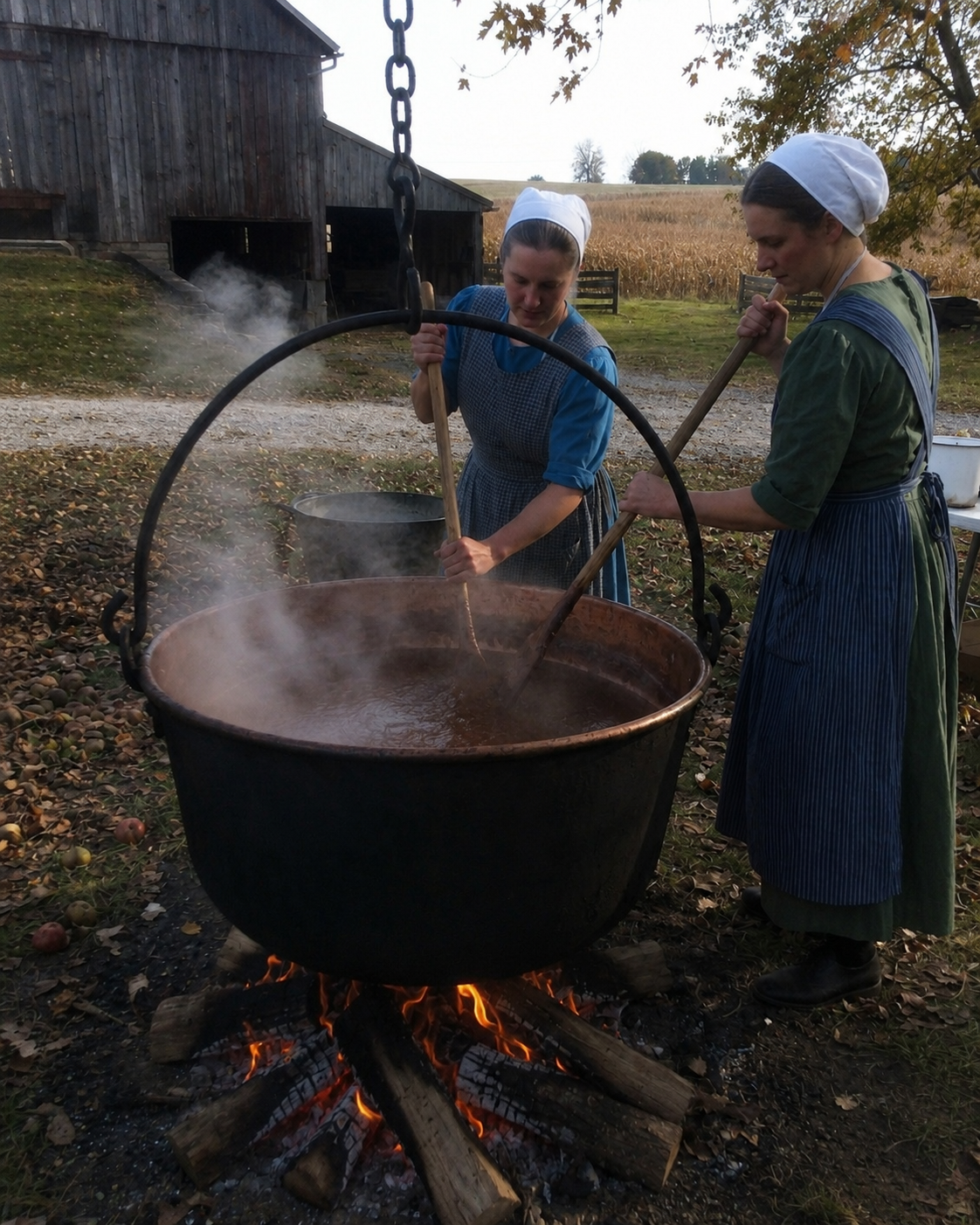
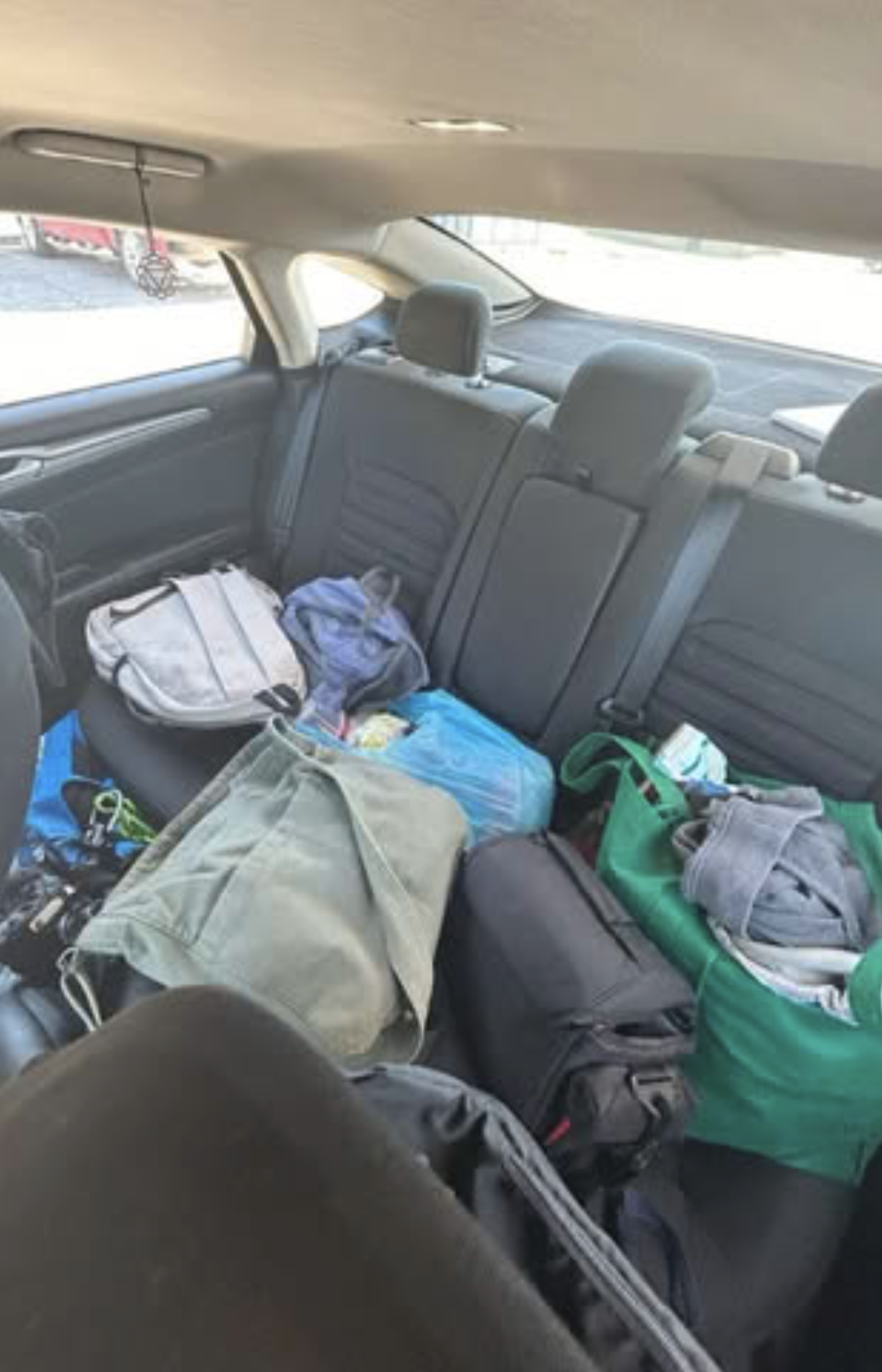
I was in line at the grocery store buying chicken and a bag of salad when the man in front of me asked the cashier if they were hiring. He didn't ask casually. He asked the way you ask when you've been asking the same question at every cash register, every gas station, every counter you've stood in front of for two months. His voice was steady but his hand was gripping the plastic card reader a little too tight. Like he was bracing for the answer before it came. The cashier — a kid maybe nineteen years old — looked up from her screen. "We're always hiring. Apply online. Link's on the receipt." He nodded. Said "thank you, ma'am." Even though she was half his age. Paid for his groceries in cash — exact change, which is the kind of thing you do when the cash in your pocket is the cash you have, not the cash you can spare. A package of ramen noodles. A jar of the cheapest peanut butter on the shelf — the store brand, the one nobody picks unless they're adding up every cent. A loaf of white bread. Bananas. That was it. That was his grocery run. He walked out of the store and I stood there with my chicken and my bag of salad and something tugged at me. The way he'd asked the question. The way he'd said "thank you, ma'am." The way the cash came out of his pocket like it meant something. I told the cashier I'd be right back. Left my groceries at the register and walked out the automatic doors. He was in the parking lot three rows over, loading his bag into the back seat of a dusty gray sedan. I slowed down before he saw me. Not to be weird. Just to look. The back seat of his car wasn't a back seat anymore. It was a life. A folded blanket. A pillow with no pillowcase. A duffel bag. A few paperback books stacked on the floorboard. A phone charger coiled on the center console. A toothbrush in a ziplock bag sitting on the dashboard. He was living in it. I'm going to be honest with you about what I did next because I want you to understand the kind of person I am — which is not a hero. I'm not someone who rescues people. I'm not someone who follows strangers into parking lots. I'm a woman who works part-time at a dentist's office and does crossword puzzles at the kitchen table and calls her daughter too often. I'm ordinary. But I stood in that parking lot and I thought about my own son. My son is 31. Same age as this man looked. And I thought: if my son ever ended up sleeping in his car, I would want somebody — anybody — to see him. Really see him. Not look away. Not pretend they didn't notice. Not tell themselves "it's not my problem." Somebody had to see him. I walked over. "Excuse me — sir?" He turned. Surprised. Defensive for half a second, then reading my face and softening. "Yes ma'am?" "I heard you ask the cashier if they were hiring. I don't mean to get in your business. But are you looking for work?" He paused. I could see him deciding whether to give me the polite answer or the real one. He went with the real one. "Yes ma'am. Been looking for two months. I've put in probably a hundred applications. Warehouses, grocery stores, construction, moving companies. Anything physical. I'll do anything." "What's your background?" "I worked in a warehouse down in Tennessee for seven years. Forklift certified. Shipping and receiving. I can run a dock. I can drive a truck. I'm not picky — I just need a shot at something." "What brought you up here?" He looked at the ground for a second. I could tell he wasn't used to anyone asking. Most of the time when you're in his situation people ask "are you hiring" and you answer and everyone moves on. Nobody wants to hear the why. "My grandpa. He raised me. He's 79 — lives alone about twenty minutes from here. He fell a couple years ago and never really recovered. I was down in Tennessee working and he'd call me and everything sounded fine but I could tell it wasn't. The voice gets smaller. You know?" I did know. I've watched it happen to my mother. "I called him on a Sunday a couple months back and he didn't pick up. Called again an hour later. Nothing. I got in my car and drove eight hours straight. Found him sitting in his recliner — he'd been sitting there since Friday night. Hadn't eaten. Hadn't been to the bathroom properly. He'd just... stopped moving. Said he was fine. He wasn't fine." His voice didn't crack but it thinned out. The way a voice does when a man is working hard to keep it steady. "I went back to Tennessee, gave two weeks' notice, packed up my apartment, and drove back here. Moved in with him. But his place is small — it's a one-bedroom trailer — and he's proud. He doesn't want me sleeping on his couch feeling like a burden. So I told him I got an apartment nearby. That's not exactly true. My apartment is this car. It's temporary. I just need a job and I can get a room somewhere." He looked at me and gave me a small embarrassed smile, like he was apologizing for telling me the truth. "I'm not a sob story, ma'am. I'm just a guy who needs a break. I'm working on it." I stood there looking at him and I thought about my husband. David is 64 years old. He's going to retire in two weeks. Not because he wants to. Because three weeks ago his cardiologist sat him down and said "you can't keep doing the physical work. Your body can't handle it anymore. It's time to slow down." David came home from that appointment and didn't speak for three hours. That night he told me he was going to announce his retirement at the end of the month. David owns a wholesale furniture business. Has for 35 years. He built it from one box truck and a rented storage unit. He was the guy who could lift a loveseat by himself. The guy who could load a moving truck in 90 minutes. The guy whose employees loved him because he worked harder than any of them — and he still shows up at 6 AM every day even now, even at 64, even with everything his body has been doing to him. But his body isn't cooperating anymore. His grip is gone. His energy is gone. He comes home so tired he falls asleep in his chair before dinner some nights. His foreman — a man named Hector who's been with him for 22 years — has been quietly covering for him for the last year. They both pretend I don't know. I know. And David was about to retire. Give up the thing he built. Walk away from the business and the men who depended on him and the warehouse that smelled like oak and cedar and hard work. Not because he chose to. Because his body forced him to. Unless. Unless somebody strong could do the physical work for him. Somebody young. Somebody who could lift and load and drive a forklift. Somebody who could let David stay involved without killing him. I looked at this man standing in the parking lot next to his car full of blankets and books. "What's your name?" "Marcus, ma'am. Marcus Wheeler." "Marcus, my husband owns a wholesale furniture business. He's announcing his retirement in two weeks because his health isn't letting him do the physical work anymore. But if he had somebody strong he could train — somebody he could trust with the loading and the deliveries — he might not have to retire the way he thinks he does. He might just have to change what his day looks like." Marcus stared at me like he wasn't sure I was real. "Ma'am —" "Let me give you my number. Call me tomorrow morning. I want to talk to my husband about you first — prepare the ground, tell him who you are, make sure this isn't just a cold call that gets lost. I want you to have a real shot at this. When you call tomorrow I'll give you his number and he'll be expecting you." I took a pen out of my purse and wrote my number on the back of a receipt. Handed it to him. He took it with both hands. Like it was something fragile. "Ma'am, I — I don't know what to say. I've handed out a hundred applications and nobody has even called me back. You just — you just walked up to me." "I walked up to you because I have a son your age. And because my husband needs someone like you as much as you need a job. This isn't charity. This is two people helping each other." He shook my hand. His grip was strong. The kind of grip David used to have before the statin started taking it from him. I didn't tell David about Marcus that night. Not because I was hiding it — because I wanted to see what David would do with the information when it came as a phone call instead of a suggestion from his wife. David is a proud man. He doesn't like being handed things. He likes finding things himself. If Marcus called him and sounded like a good fit, David would believe he'd discovered him. And that would matter. I went to bed that night thinking about the blanket in the back seat of that car. The next morning at 8:47 AM, Marcus called me. Right on time. "Ma'am, it's Marcus. From yesterday. I didn't want to call too early." I gave him David's number. Told him to call in 20 minutes. Said I'd call David first and give him the heads up. Then I called David at the warehouse. "David, a young man is going to call you in about 20 minutes. His name is Marcus. I met him yesterday at the grocery store. I want you to hear him out." "Jan, what — " "Just listen to him on the phone. If he sounds like the real thing, bring him in. That's all I'm asking." Twenty minutes later David called me back. "Jan. I'll call you after he leaves." Marcus showed up at the warehouse at 1:45 PM. Fifteen minutes early. Wearing the cleanest clothes he owned — I found this out later from David. A collared shirt that had been washed so many times the collar was soft. Jeans. Work boots. He brought his forklift certification in a manila folder. David called me at 3:30. "I hired him." "What?" "I hired him. He's starting Monday. I had him run the forklift, load a half-truck, and walk me through an inventory count. He didn't slow down once. He asked good questions. He's the real thing." "David, he's sleeping in his car." "I know. I offered him an advance on his first two weeks' pay so he could get into a room. He said he'd pay it back out of his first check. I told him that's fine." A pause. "Jan. This kid walked into my warehouse and showed me I might not have to retire. He can do the lifting. I can do the rest. I don't have to quit." I sat at the kitchen table and cried. Not because I was sad. Because for the first time in three years I felt like my husband's life wasn't slipping through our fingers. David had been planning to announce his retirement that Friday. Instead, on Monday morning, he showed up at the warehouse with Marcus and started training him. Marcus started on Monday. By Friday he'd loaded 14 trucks by himself and learned David's entire inventory system. By the end of the second week, David was walking back into our kitchen at 6 PM instead of crawling in at 8 PM. He was eating dinner instead of falling asleep in his chair. He had energy to actually talk to me. He was laughing again at the stupid shows I watch at night. Marcus got a room in a boarding house three blocks from the warehouse. Paid his first month out of his first paycheck. David bought him a set of his own work gloves because Marcus was using beat-up ones that were falling apart. Marcus brought David a coffee every morning from the place on the corner because he said nobody had bought him coffee in a long time before David did and he wanted to pass it on. The two of them became something I didn't expect. Not just coworkers. Not just boss and employee. Something closer to father and son — a bond that filled a hole in both of them I hadn't realized was there. David's own father died when David was 19. Marcus's father left when Marcus was 6. Two men with matching wounds, working side by side, neither one saying anything about it, both of them feeling it. Three weeks in, Marcus came to our house for dinner for the first time. I made pot roast. He ate three servings and apologized for it and I told him to have a fourth. He insisted on washing the dishes afterward. While he was at the sink I sat at the kitchen table with him and I asked about his grandfather. And that's when Marcus told me the story that changed everything. "Grandpa's name is Earl. He's 79. He raised me after my mom couldn't anymore — she had a lot of problems, she's been sober now for a while but there were years when I lived with Grandpa because it wasn't safe at home. He was a mechanic. Had his own shop for forty years. The kind of mechanic who could listen to an engine and tell you which cylinder was misfiring. His hands were... I don't know how to describe them. They were like tools themselves. He could rebuild a carburetor blindfolded. I watched him do it once for a bet." He smiled at the memory. His back was to me but I could hear the smile. "He started getting tired around the time he turned 71. Nothing dramatic at first. Just slower. The kind of thing you'd tell yourself is normal. Doctor put him on Lipitor because his cholesterol was high. Told him it would protect his heart. Grandpa took it every single night for eight years. Never missed a dose." He turned around. Dried his hands on a dish towel. Sat back down at the table. "By year three he was sleeping twelve hours a night and still tired. By year five his hands started cramping — this man who could grip a wrench for eight hours straight couldn't open a pickle jar. By year six the brain fog hit. He'd be telling me a story about a car he worked on in 1987 and he'd stop mid-sentence and look at me and say 'what was I talking about?' Not as a joke. He genuinely couldn't find his way back to what he was saying." My chest was getting tight. I knew where this story was going because I'd been living a version of it in my own house for the last three years. "He told his doctor about all of it. Every single time. The doctor would run bloodwork and say 'your cholesterol is excellent, Earl. LDL is 98. Some of this is just aging.' Aging. Grandpa was 74 and the man who could rebuild a transmission blindfolded couldn't remember what he had for breakfast. But the NUMBERS were great. The numbers were the only thing that mattered to anyone in a white coat." Marcus's voice hardened. "The fall happened two years ago. He was trying to get up from his recliner to use the bathroom. His legs gave out. Not buckled — just gave out. Like the muscles forgot how to work. He went down hard. Hit his hip on the edge of the coffee table. Couldn't get up. Laid there for about four hours until a neighbor came by to return a socket wrench he'd borrowed the week before." "After the fall he was never the same. Not because of the injury — the injury healed. Because the fall showed him what his body was doing. He stopped going to the shop. Stopped fixing things. Stopped wanting to leave the house. Lost 30 pounds in six months. His brain got foggier. He started forgetting my birthday, which — he never forgot my birthday. Not once in 30 years. Then last year he forgot it was March and showed up at my cousin's house thinking it was Thanksgiving." He paused. Looked at his hands on the table. "That's when I knew I had to come back. I couldn't let him die alone in that trailer while his doctor told him everything looked fine on a lab report." "Marcus — David is on the same drug." It came out of my mouth before I could stop it. He looked up at me. Really looked at me. His eyes narrowed the way a man's eyes narrow when he's connecting two things that should have been connected already. "Atorvastatin?" "Yes. Eight years. His cardiologist keeps telling him his numbers are excellent. His body is falling apart. The grip is gone. The energy is gone. The brain fog has been creeping in. I've been writing it off as aging. That's what his doctor calls it. But Marcus — what you just described? That's David. That's exactly David. Year by year, symptom by symptom." Marcus didn't say anything for a long moment. Then he reached into his work bag — the beat-up canvas bag he carries to and from the warehouse every day — and pulled out a folder. Not a fancy folder. A plain manila folder, dog-eared and soft from being handled. "Ma'am. After Grandpa fell, I started reading. Not blogs. Not health websites. Actual research. I'd go to the public library twice a week after work because Grandpa's internet was spotty and I couldn't afford my own. I'd print out the studies I could find and read them at the kitchen table. I didn't understand half the words at first — I had to look them up. But I kept going because I needed to know why a drug that was supposed to save him was taking him from me one piece at a time." He opened the folder. I could see printed pages inside. Some of them had notes written in the margins in pencil. "Can I tell you what I found?" I nodded. I couldn't trust my voice. "The doctor has been watching the wrong number the whole time. For Grandpa and for David." He slid one of the printouts toward me. "Cholesterol isn't what causes heart attacks. OXIDIZED cholesterol is. There's a difference. Regular LDL — the number your doctor is obsessed with — isn't inherently dangerous. Your body makes it on purpose. Your brain is 60% cholesterol. Your cells need it. But when LDL gets attacked by free radicals — from stress, pollution, processed food, just the normal wear and tear of being alive — it becomes oxidized. And oxidized LDL is a different substance. It embeds in arterial walls. Triggers inflammation. Forms plaque. Causes the rupture that causes the heart attack." "Statins lower the NUMBER. All of it. The harmful kind. The useful kind. The kind your brain needs to function. But they don't do anything about the oxidation process. That's why people on statins still have heart attacks. Their number looks great and the plaque keeps building because nobody is addressing what's actually happening." He pulled out another printout. "And here's the part that explained Grandpa's hands. And David's grip. And the brain fog. All of it." "Statins block the same biochemical pathway that produces CoQ10. Coenzyme Q10 — the energy molecule your mitochondria use to power every cell in your body. Your heart needs it to beat 100,000 times a day. Your muscles need it to grip and lift and move. Your brain needs it to think. And statins can reduce your body's CoQ10 production by up to 40%." "Ma'am — that's not a side effect. That's the mechanism. That's what the drug DOES as part of how it works. Every night for eight years, David has been taking a pill that drains the cellular fuel his muscles need to function. And his doctor is calling it aging." I thought about David flexing his fingers on the edge of the bed at 5:30 AM. For three years. Every single morning. And his doctor calling it aging. I stared at the printouts on the table. At Marcus's handwritten notes in the margins. At a man who was loading furniture trucks for a living and had taught himself clinical research at a public library because he was losing the only father he'd ever known and nobody was willing to help him understand why. "Marcus — what did you do? For your grandfather?" He smiled. For the first time in the conversation. "I found something. Something I almost didn't try because I'd read about a hundred supplements by that point and I was exhausted from hoping things would work. But this one was different. It wasn't another antioxidant pill. It wasn't another fish oil. It was something that addressed the oxidation upstream — at the source — using a compound that the body was actually designed to use." He pulled out a third printout. The header said "Cardiovascular Mortality — Lancaster County, PA." "There's a Reddit thread I found at 2 AM one night with over 3,000 comments. The title was 'Why don't Amish people die from heart attacks?' I almost scrolled past. But I clicked. And what I found pulled me down a hole that took me three months to climb back out of." "Lancaster County, Pennsylvania. Cardiovascular death rate seventy-four percent lower than the rest of the state. Not ten. Not thirty. Seventy-four. Same American food supply, same air, same water as the rest of Pennsylvania. The difference was what they were eating off their own farms." "I started digging. Eight different studies. The compound that kept showing up was something called betalains. Powerful antioxidants — but not the kind that carpet-bomb everything in your bloodstream. Selective. They neutralize the exact free radicals that oxidize LDL cholesterol. Stop the damage before it starts." "Ma'am — your body needs antioxidants to protect cholesterol from being attacked. Beets are one of the richest sources of betalains in nature. The Amish have been eating heirloom beets out of living soil for six generations. Their cholesterol oxidation rates are a fraction of ours. That's why their heart attack rate is seventy-four percent lower. Not magic. Chemistry." He pulled out another printout. This one had a hand-drawn diagram in the margin — two beets side by side, one labeled "grocery," one labeled "heirloom." "And here's what I found out about beets that nobody tells you. The beets you buy at the grocery store have had the medicine bred out of them. For the last 130 years, English farmers selected beets for sweetness, for size, for that bright red color, for how long they'd last on a shelf. They never measured the betalains. They didn't even know what betalains were. They bred for candy and they got candy. Modern grocery beets are about ten percent sugar. Might as well be eating fruit punch." "The Amish have been planting the same seed line since the 1800s. Their great-grandfathers brought the seeds from the old country. They call them Blutwurzel. Blood root. Dark purple, almost black, all the way through. Ten times the betalain concentration of grocery store beets. That's why the supplements you've probably tried didn't work. Most beetroot supplements on the market are dried grocery beets. Red dust. The medicine was never in there to begin with." He paused. Took a breath. "There's only one company I found that's doing it properly. They source the heirloom seed line from an Amish farming family in Pennsylvania. They shade-dry the beets instead of using the high-heat spray drying everyone else uses — because heat above a certain point destroys the betalains. Standard manufacturing cooks the medicine right out. This company takes longer. Costs more. But the betalains stay intact. They reach the bloodstream. They actually work." "The product is called Rosabella Beetroot. 1300 milligrams per serving. Heirloom seed line, six-generation Amish farming, shade-dried, third-party tested with a published Certificate of Analysis. Every batch. They publish the betalain concentration. They publish the heavy metal screening. Everything." He pulled out one last printout. A clinical summary on betalain supplementation. "And here's the piece that made me actually believe it could help Grandpa. When you address oxidative stress at the cellular level, the body stops overproducing cholesterol as a defense response. The vicious cycle breaks. You're not blocking enzymes. You're not depleting CoQ10. You're not draining the cellular fuel his muscles need. You're giving the body the antioxidant it was designed to use to protect itself." "In one of the studies — twenty-four weeks, real randomized trial — concentrated betalain supplementation lowered total cholesterol significantly while also improving the protective HDL cholesterol. Not by suppressing production. By stopping the oxidation that was driving the body to overproduce in the first place." He closed the folder. "I started giving it to Grandpa six weeks ago. I didn't ask him. I just put a capsule on the kitchen table next to his coffee every morning and said 'take this for me.' He took it because he trusts me. He doesn't ask questions when I ask him to do something. He'd walked through fire for me when I was a kid and he still would." "Day six, he got out of his recliner without using his hands to push himself up. I watched him do it from the kitchen. I stood there holding a plate and I didn't breathe until he was fully standing. I hadn't seen him stand up like that in two years." "Week two, he asked me where his tools were. Not to use them. Just to know. He'd been gone from his shop for so long he couldn't remember where the big toolbox was. I took him out to the garage and showed him. He ran his hand along the top of the box. Didn't say anything. Just stood there touching it." "Last weekend, for the first time in a year and a half, he went out to the shop. He didn't work on anything. He just stood there. Held a wrench. Turned it over in his hand. Set it down. Picked it up again. His hand wasn't shaking, ma'am. His hand wasn't shaking for the first time I could remember." Marcus looked at me across my kitchen table. "I bought two bottles when I ordered. One for Grandpa. One as a backup because I was scared of running out. I want you to take the backup. I want you to give it to David." He reached back into his work bag and pulled out a bottle. "Ma'am — you found me in a parking lot sleeping in my car. You made one phone call and gave me my life back. Your husband gave me a job when nobody else would even return my applications. He trusts me with his business. He's teaching me things I didn't know I needed to learn. I'm sitting at your kitchen table eating pot roast and being treated like family for the first time since I left Tennessee." "Taking this bottle and giving it to you is the smallest thing I can do. Please. Don't say no." He pushed the bottle across the table. I didn't say no. That night, after Marcus left, I sat with the bottle for a long time. I read the label. I read the third-party Certificate of Analysis printed on the back. I thought about Marcus at a public library printing out clinical research because the man who raised him was disappearing and nobody else would help him understand why. In the morning, before David came downstairs, I set the bottle on the kitchen table next to his coffee mug. Took one capsule out and laid it on the napkin beside it. David came downstairs in his work clothes. Kissed the top of my head the way he always does. Sat down. Looked at the capsule. "What's this?" "Something new. Just take it. For me." "What is it?" "David. Just take it. Please." He looked at me. Looked at the capsule. Looked back at me. He's been married to me for 36 years. He knows when I'm asking him something that matters. He took it. About seventeen minutes later he was halfway through his second cup of coffee when he stopped and looked at the wall. Just sat there for a second. Then he turned to me. "Jan — I don't know how to describe this. It's like somebody opened a window in my head." I didn't say anything. I just nodded and kept buttering my toast and tried not to cry into the butter dish. Day five — a Friday — David swung his legs out of bed without sitting on the edge first. I was already awake. I'd been awake watching him for 20 minutes the way I've been watching him for three years, holding my breath every morning, waiting to see how bad it would be today. He sat up. Stood up. Walked to the bathroom. No pause. No flexing of fingers. No groan. Just stood up like a man who trusts his body to do what he tells it to do. I lay there staring at the ceiling. I didn't tell him I saw it. I didn't want to break whatever was happening. Week two, the tiredness was different. Not gone — shifted. He was staying up until 9:30 instead of falling asleep in his chair at 7:45. He had the energy to actually watch a movie with me instead of nodding off through the opening credits. One night he asked me what I'd done that day and listened to the answer. Small things. Small things that used to be normal that had stopped being normal years ago. Week three, David came home from the warehouse at 5:45 PM instead of 8. He walked into the kitchen and said "Jan, I think I want to go for a walk before dinner." We haven't taken an evening walk together in four years. Four years. I put on my shoes so fast I laced them wrong. Week five, David was at the warehouse on a Saturday morning. He didn't have to be there. He chose to be there. When he came home at noon he was covered in dust from moving a delivery of dresser sets and he had a stupid grin on his face and he said "Hector didn't even have to help me unload. I did the whole thing by myself. Felt like I was 45 again." He said that line in the kitchen and I had to turn away because I was about to cry and I didn't want him to think something was wrong. Week seven, David's cardiologist appointment. He'd gotten bloodwork the week before. David hadn't told the doctor he'd tapered his Atorvastatin — we decided together that he'd go in, get the results, and then tell the doctor what he'd been doing. Full honesty but after the numbers were in. The cardiologist walked into the exam room with the chart. Sat down. Studied it for a while. Total cholesterol: 198. Down from 214. LDL: 114. Up from 108 — six points higher, but still well within range. HDL: 58. Up from 41. Seventeen points higher. The protective cholesterol. The one that eight years of Atorvastatin had never moved a single point in a decade of "excellent numbers." Triglycerides: 122. Down from 189. The cardiologist set the chart down. "David. Your numbers are better than they've been in years. Your HDL especially — I don't see HDL jumps like this. What have you been doing?" David told him. Everything. The tapering. The research. Marcus. The Lancaster County study. The heirloom Amish beets. The shade-drying. The betalains. The oxidized cholesterol mechanism. The CoQ10 depletion. All of it. The cardiologist listened without interrupting. When David finished, the doctor was quiet for a long moment. Then he said: "I'll be honest with you, David. Two weeks ago I was planning to tell you to stop all physical work. I'm not going to tell you that today. Whatever you're doing — I want to see your numbers again in three months." David walked out of that office and called me from the parking lot. He didn't say anything at first. Just breathed. Then he said: "Jan. I don't have to retire. I don't have to stop being who I am. I don't have to give it up." I was standing in our kitchen. I slid down against the cabinet until I was sitting on the floor. I cried the kind of cry you cry when something you thought was gone comes back. Not sad crying. The other kind. Three months later I drove out to the warehouse on a Saturday afternoon to drop off lunch. David had told me he and Marcus were loading a big order for a customer who needed it Monday. I parked in the side lot and walked around to the open bay doors. I stood in the doorway for a minute before they saw me. I just watched. David was on the forklift, backing a pallet of dining chairs toward the truck. Marcus was at the loading dock directing him, calling out clearances, laughing about something. The sun was coming through the bay doors at an angle that made everything look golden. Two men working together. Moving fast. Moving strong. I thought about what I'd said in my head three weeks earlier — two men with matching wounds. They didn't look wounded anymore. Or maybe they still were. But they weren't carrying it alone. David saw me and waved. Hopped down from the forklift. Walked over. He was sweating and covered in dust and his hair was sticking up and he looked — I can only describe it as alive. The way he looked twenty years ago. The way I'd stopped expecting him to ever look again. "You brought lunch?" "I brought lunch." Marcus walked over. He'd put on ten pounds since I first met him in the grocery store parking lot. Good weight. The kind you put on when you're eating regular meals and sleeping in a real bed. He wiped his hands on a rag and took the lunch bag from me. "Thank you, ma'am. This is really nice of you." "How's your grandfather this week?" Marcus smiled. "He rebuilt a carburetor last Sunday. First time in two years. Took him most of the afternoon and he had to sit down a few times. But he did it. He set it on the workbench when he was done and he stood there looking at it like he couldn't believe his own hands made it. I couldn't believe it either." I drove home that day and I thought about how close everything had come to going differently. If I had paid for my groceries and gone home instead of following Marcus into the parking lot. If I had told myself it wasn't my business. If David had retired before Marcus walked into his warehouse. If Marcus hadn't spent his nights at a public library printing out clinical research because the man who raised him was disappearing. If I had said no to the bottle Marcus pushed across my kitchen table. Every one of those decisions was a hinge. A place where it could have gone the other way. A place where David would be sitting at home right now, retired against his will, body continuing to decline, numbers looking excellent on a chart while the man attached to them faded the way Marcus's grandfather faded. And none of it would have happened without a young man in a grocery store asking if they were hiring. And an older woman behind him in line who decided to see him. I'm telling you this because I think you might be where I was three months ago. Watching someone you love slip away in small pieces. Watching their doctor celebrate a number while the person you married disappears. Blaming aging. Blaming stress. Blaming everything except the one thing you've been trained to trust completely. If your husband is on a statin and his grip is weaker than it used to be — if his energy is gone by 7 PM — if his brain forgets things it shouldn't forget — if his doctor says "everything looks great" while everything clearly doesn't — the numbers might not be the whole story. They weren't David's whole story. They weren't Earl's. If you're on a statin yourself and something inside you knows this isn't right — that the fatigue shouldn't be this deep, the aches shouldn't be this bad, the fog shouldn't be this thick — trust that feeling. I sat across from a man who spent nights at a library reading clinical research because nobody would tell him why his grandfather was disappearing. What he found is the reason my husband isn't retiring this month. Rosabella Beetroot. One capsule. Heirloom Amish seed line, six-generation farming, shade-dried so the betalains survive, 1300 milligrams per serving, third-party tested with a published Certificate of Analysis on every batch. The betalains neutralize the free radicals that oxidize cholesterol — addressing the damage the statin lowers the number for but does nothing to stop. No CoQ10 depletion. No muscle wasting. No brain fog. No man quietly giving up the life he built because his body betrayed him. Marcus's grandfather rebuilt a carburetor last Sunday. David is loading furniture trucks on Saturdays and laughing again. I'm writing this at my kitchen table while my husband is out in the garage building a bookshelf for our daughter. None of that was possible three months ago. All of it is possible now. P.S. — If you're the wife reading this and your husband is on a statin and something in him has been dimming for years — you're not imagining it. You're not being dramatic. You're not overreacting. You've been watching something real. You've been watching what I watched. Trust what your eyes have been seeing. The doctor has been watching the chart. You've been watching the man. You're closer to the truth than the chart is. P.P.S. — Marcus moved out of the boarding house last month. He rented a small two-bedroom about ten minutes from his grandfather's trailer. The second bedroom is for Earl when he wants to stay over — which has been more and more often lately because Earl feels good enough to actually leave his house now. Marcus sent me a photo last week of the two of them at a hardware store. Earl was holding a pack of drill bits and grinning like a kid. Marcus's caption was "grandpa wants to finish the engine." Earl has been off Lipitor for two months. His most recent bloodwork: total cholesterol 191, LDL 118, HDL 62. His cardiologist asked him what happened. Earl said "my grandson knows things my doctors don't." P.P.P.S. — Here's what I'd tell you to do: take one capsule with a glass of water in the morning. Set a timer for seventeen minutes. Sit with your coffee. You're going to feel something shift — a clarity, a lightness, like someone adjusted the focus on a camera you didn't know was blurry. David felt it on the first morning. Earl felt it. Marcus felt it. I felt it. Almost everyone does. That's not placebo. That's the betalains hitting your bloodstream and the antioxidant defense your body has been starving for finally arriving. The cholesterol improvement takes weeks to show up on bloodwork. But that first-day clarity? That's your body telling you: finally — something that actually reaches where the damage is happening. P.P.P.P.S. — Rosabella has a 90-day money-back guarantee. If the numbers don't improve, every penny back. No questions asked. The statin David was on for eight years didn't come with a money-back guarantee. Neither did the Lipitor that took pieces of Earl for a decade. Neither does the drug your doctor is pushing right now. Think about what that tells you about who's confident in their product and who's just confident in their subscription model. P.P.P.P.P.S. — Rosabella is small. They source from one Amish farming family who plant the same seed line every year and harvest the beets after the first frost when the betalain content is at its peak. There's no rushing that. They shade-dry — which takes longer than the cheap heat-spray drying everyone else uses. They've sold out twice since Marcus started ordering. I keep two bottles in the house now because of it. If your husband's next bloodwork is in 30 to 60 days — or yours is — and you want to walk into that appointment with real numbers instead of the same frustrating conversation, check availability now. Not next week. Now. Every day on the statin is another day of CoQ10 depletion. Every day without addressing the oxidation is another day the vicious cycle spins. David almost retired last month. Marcus almost lost his grandfather. Don't wait for your almost. P.P.P.P.P.P.S. — Do not forget about the 90-day money-back guarantee.
Support stamina and heart health every day
"Best customer support ever. My issue was resolved quickly and professionally. I so love how the beetroot capsules are helping manage my blood pressure."
LEARN MORELike this ad? Make it yours.
Crush rebuilds this exact creative around your product — your brand, your colors, your offer — in about a minute.