Health Insider
Health Insider Facebook ad: “We Lost 6 Cats In One Year. All Kidney Failure. All…”
Ran for 2 days, from August 13 to August 15, 2026, the last day Crush saw it.
Run by Health Insider on Facebook. Crush is not the advertiser and does not verify its claims. See this ad in Meta's Ad Library(opens in a new tab)
Want an ad like this for your product?
Crush makes new ad images for your product from this ad: your logo, your product photo, your offer.
Trials from $19.95 USD, then $79.95 USD a month. Cancel anytime.
About this ad
- Meta Ad Library ID
- 938007938550047
- Platforms
- Facebook, Instagram, Audience Network, Messenger and Threads
- Relaunches
- 0
- Niche
- Pets
Ad text
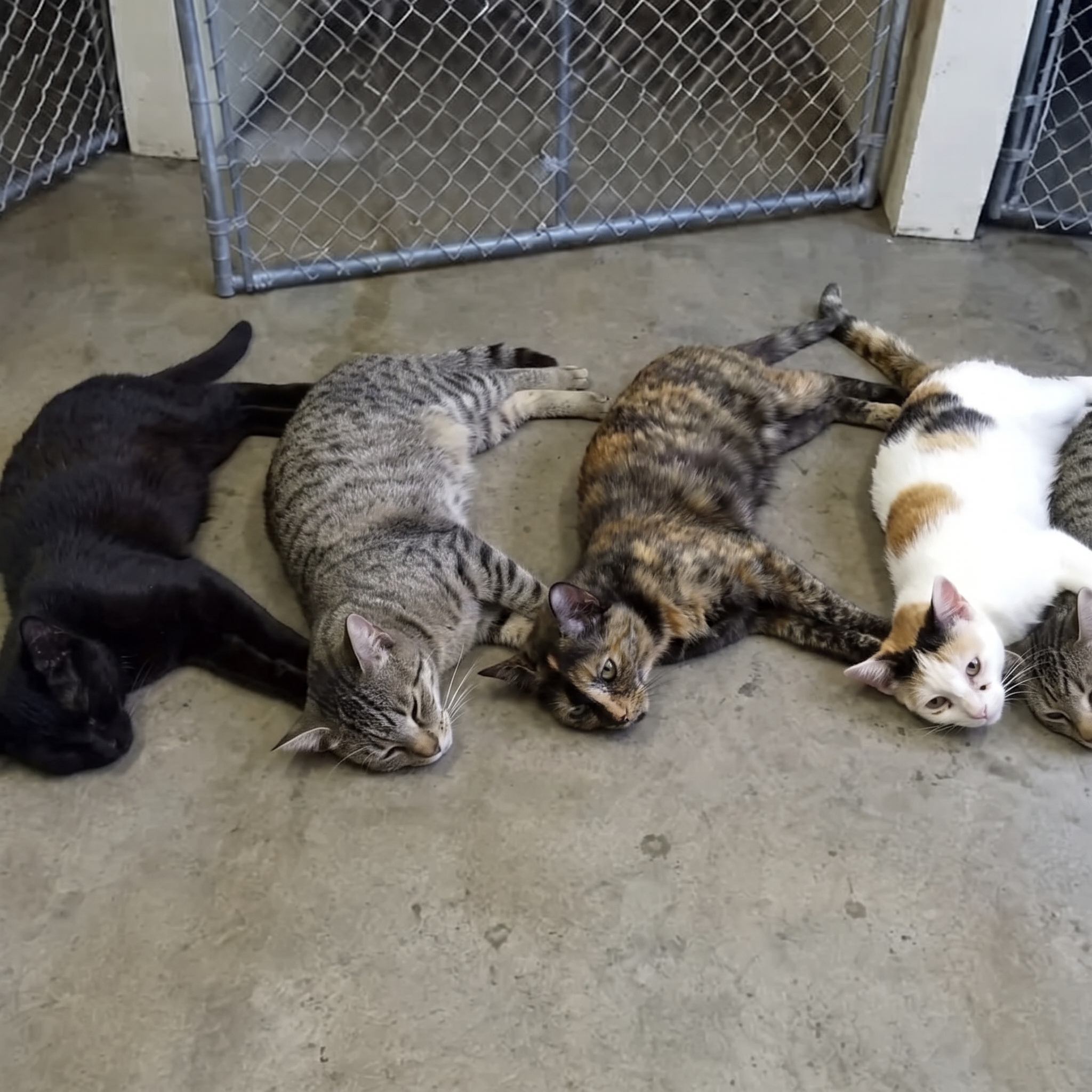
We spent $23,000 at the emergency vet last year because we thought scrubbing our water bowls every day was enough. I've run a cat rescue for 16 years. Fed over 2,000 cats whatever food got donated that week. Fancy Feast when we got lucky. Dollar store bags when we didn't. We take the cats nobody wants. Owner surrenders. Strays. Cats pulled from kill shelters with hours left on their clock. 30 kennels. 4 staff members. A budget held together with duct tape and prayer. In 16 years, I thought I'd seen everything. Then we lost 6 cats to kidney failure in 11 months. Six. Cats who came to us healthy. Cats with perfect bloodwork on intake. Cats who should have lived another five, six, seven years. Gone. One after another after another. The last one was Penny. I found her behind her water bowl at 9pm on a Tuesday. Barely breathing. Seven-year-old tortoiseshell with golden eyes and a brown patch over her left ear. The kind of cat who pressed her whole body against the kennel door whenever anyone walked by. Purring like crazy. Pick me, pick me, pick me. She'd been with us four months. Healthy the whole time. Now she was lying on cold concrete, too weak to lift her head. I scooped her up and drove to the emergency vet, talking to her the whole way. "Stay with me, Penny. Stay with me, sweet girl." She died at 2:47am. Kidney failure. Like the others. I sat in the parking lot and sobbed until the sun came up. Because I didn't understand. We weren't doing anything wrong. We scrubbed those water bowls every single day. Fresh water every morning. Clean stainless steel. The nice bowls. The expensive kind I'd fundraised for specifically because I'd read plastic was bad. We did everything right. So why were my cats dying? It started with Duke. Nine-year-old black cat. Big round face. Would headbutt your hand so hard when you pet him he'd almost knock you over. He came to us when his owner went into a nursing home. Healthy. Happy. The kind of cat who made everyone smile. Six months later, he started slowing down. Sleeping more. Eating less. Not as interested in playing. I thought it was depression. Some cats struggle with shelter life. They miss their families. They get sad. "He'll adjust," I told my staff. "Give him time." 8 weeks later, Duke collapsed in his kennel. Emergency vet. Bloodwork. The diagnosis hit like a punch to the gut. Kidney failure. Stage 4. Nothing they could do. I held him while they put him to sleep. "I'm so sorry, buddy. I'm so sorry." Then it happened again. Rosie. 6-year-old calico. Came in as a stray, skinny but healthy. Sweetest girl. Would roll onto her back purring the second you walked into her kennel. 3 months after intake, she stopped eating. Kidney failure. Then Max. A tabby. 8 years old. Then Bella. A Siamese. 6 years old. Then Cooper. A Maine Coon. 7 years old. Then Penny. 6 cats. 11 months. All kidney failure. All healthy when they came to us. All dead. I stopped sleeping. Every night I'd lie awake running through possibilities. Was it the food? We'd been feeding the same donated food for years. Nothing had changed. Was it the water? Same municipal water every home in the county used. Was it something in the building? Lead paint? Mold? Something toxic in the walls? I called our regular vet. Dr. Patterson ran every test she could think of. Water samples. Food samples. Air quality tests. Everything came back normal. "Sometimes these things just happen," she said. "Kidney disease isn't always explainable." Six cats in one year, Dr. Patterson. That's not "sometimes." That's a pattern. I started watching the cats obsessively. Checking on them at midnight. Monitoring every meal. Tracking who slept where. And I noticed something I'd never paid attention to before. The cats weren't drinking. Not completely. They'd drink a little. But not nearly enough. I'd watch them walk up to their water bowls, sniff, and walk away. Over and over. Bowl after bowl. Sniff. Pause. Walk away. Some of them would only drink when we cleaned the kennels with the hose. They'd lick the wet floor frantically. Then ignore their bowls for the rest of the day. I mentioned it to Marcus, my kennel manager. He'd been with me for 8 years. "Cats are weird about water," he said. "Some are just picky." "All of them? At the same time?" He shrugged. "Shelter stress. New environment. They'll drink when they're thirsty enough." But cats don't work that way. They're desert animals. Their thirst drive is suppressed by design. They don't just drink when they're thirsty enough. They quietly dehydrate while a full bowl sits untouched. I wanted to believe him. But I kept thinking about Penny. The day before she collapsed, I'd watched her walk to her water bowl three times. Sniff. Walk away. Sniff. Walk away. Sniff. Walk away. I'd written it off as her being quirky. 24 hours later she was dead. 3 weeks after Penny died, I got an email from a woman named Dr. Linda Chen. She was a veterinary nephrologist from the state university. Kidneys were her specialty. She was researching kidney disease in shelter animals and wanted to tour facilities in our region. I almost said no. I was ashamed. 6 dead cats. A mystery I couldn't solve. I felt like a failure. But something told me to say yes. Dr. Chen showed up on a Thursday morning. Small woman. Gray hair pulled back. Quiet. The kind of person who listens more than she talks. She walked through our shelter slowly. Looking at everything. The kennels. The food storage. The outdoor catios. The cleaning supplies. She didn't say much. Then she stopped in front of our water station. 12 stainless steel bowls lined up against the wall. Gleaming. Spotless. We scrubbed them every morning. She crouched down and looked at one for a long time. Then she asked me a question that changed everything. "How long has the water been sitting in these bowls?" I didn't understand what she meant. "We fill them every morning. Fresh water every day." "That's not what I asked." She picked up one of the bowls and turned it over in her hands. "I asked how long the water sits before the cats drink it." "I don't know. A few hours? Some cats drink right away. Some wait until afternoon. Some..." I stopped. Some barely drink at all. She nodded like I'd just confirmed something she already knew. "Come with me." Dr. Chen walked to her car and came back with a small black case. She filled one of our bowls with fresh water. Crystal clear. Perfectly clean. Then she pulled out what looked like a small flashlight and shined it on the water. "This is UV light. It shows bacterial contamination invisible to the naked eye." She held it over the bowl. The water looked fine. Clear. Normal. "Now watch." She pulled out a bowl from her case. Same size. Same stainless steel. "This bowl has been sitting with water in it for 36 hours." She shined the UV light on it. My stomach turned. The entire inside of the bowl glowed. Not the water. The bowl itself. Coated in something. A film I couldn't see in normal light but was everywhere under UV. "What is that?" "Biofilm. It's a layer of bacteria that forms on any surface in contact with standing water. Starts colonizing within 24 to 48 hours. Sometimes faster." "But that bowl looks clean in regular light." "Exactly. You can't see it. You can't smell it. But your cats can." She set the bowl down. "Cats have roughly 200 million scent receptors. They can detect bacterial contamination at levels we can't even measure. When a cat walks up to a water bowl, sniffs it, and walks away, that's not pickiness. That's survival instinct. They're trying to avoid water that their body recognizes as dangerous." I thought about all the cats sniffing and walking away. The cats licking the wet floor. The cats we called "picky." "They weren't being picky," I said slowly. "They were trying to tell us something was wrong." "Yes." "But we scrub the bowls. Every single day. Sometimes twice." Dr. Chen shook her head. "You scrub the surface. But biofilm doesn't just sit on top. It embeds in microscopic scratches and grooves in the bowl material. Every bowl has them. Stainless steel. Ceramic. Plastic is the worst, but they all have them. Once biofilm establishes in those tiny grooves, you can scrub all day and never fully remove it. It reforms within hours of filling the bowl." I stared at our row of gleaming, spotless bowls. "So every single bowl..." "Is contaminated. Probably within a few hours of filling. And every time a cat drinks from it, their kidneys have to filter that bacterial load. Day after day. Week after week. Month after month." "Until their kidneys can't keep up." "Until their kidneys fail." I felt like I was going to be sick. Six cats. Six healthy cats who came to us with perfect bloodwork. Dead. Because of water bowls. I stood there staring at those bowls for a long time. 12 stainless steel bowls. The nice kind. The expensive kind. I'd fundraised for months to replace our old plastic bowls because I'd read that plastic was bad for cats. I was so proud of those bowls. And they'd been killing my cats the whole time. "Why doesn't anyone know about this?" My voice was shaking. "Why don't vets tell people? Why isn't this everywhere?" Dr. Chen sighed. "Because the pet industry makes money selling bowls. And the veterinary industry makes money treating kidney disease. Prescription diets. Monthly bloodwork. Medications. Specialist referrals. Subcutaneous fluids. A cat with kidney disease generates thousands of dollars in revenue over their remaining lifetime. A healthy cat comes in once a year for a checkup." "That's disgusting." "That's the business of pets." I wanted to scream. "What about fountains? Those water fountain things people buy? Don't those help?" She almost laughed. Not a happy laugh. "Most of them are worse than bowls. Plastic reservoirs that scratch instantly. Pumps that sit in the water growing slime. The water might be moving, but it's moving through contaminated parts. And nothing is killing the bacteria in the water itself. People think they're solving the problem. They're not." "So what actually works? What should we be using?" She pulled a card from her pocket and wrote something on the back. "This is the only system I recommend to the shelters I work with. Same design principles we use in veterinary hospitals. 316 surgical-grade stainless steel with an antibacterial coating. No microscopic grooves for bacteria to hide in. Triple-stage hospital-grade filtration. Built-in UV sterilization that kills bacteria in the water itself before colonies can form. Continuous circulation so the water never sits still long enough for biofilm to establish." I looked at the card. Selvela. "Get rid of every bowl in this shelter," she said. "Install these. And then watch what happens." Two weeks later, our bowls were gone. Every single one. I couldn't even look at them anymore. We donated them to a metal recycling program. We installed Selvela fountains in every kennel section. 316 surgical-grade stainless steel with antibacterial coating. UV sterilization glowing faint blue. Water flowing constantly. Never sitting. Never still. We didn't have the money for it. I put it on my personal credit card. I didn't care. If there was even a chance this would stop the dying, it was worth it. Day one, I stood in the kennel and watched. A three-year-old tabby named Buster approached the fountain cautiously. He'd been with us for two months. Classic water-avoider. Would only drink from the wet floor after cleaning. Never touched his bowl. He sniffed the fountain. I held my breath. He drank. Not a little sip. A long, deep, steady drink. His whole body relaxed. He started purring while he drank. When he finished, he looked at me, rubbed against the edge of the kennel, and drank again. I started crying right there in the middle of the shelter. Marcus found me ten minutes later, still crying, watching cats drink. "You okay?" "They're drinking. Look at them. They're actually drinking." By week two, the change was undeniable. Cats who'd barely touched their water bowls were drinking multiple times a day. Cats who'd been lethargic were playing again. A senior grey cat named Ghost who we all thought was just "old and tired" suddenly had energy. Zooming through the kennel. Batting toys. Jumping to the top shelf of his kennel, which he hadn't done since arrival. He wasn't old and tired. He'd been chronically dehydrated for months. Maybe years. We just couldn't see it. By month three, I pulled our medical records. Zero new kidney disease cases. Zero. After 6 deaths in the previous year. By month six, I ran the numbers again. Cats who came in with early-stage kidney issues were stabilizing instead of declining. Our overall kidney disease rate dropped by 91%. From changing one thing. A year later, a woman named Sarah walked into our shelter with a cat I recognized. Her name was Maple. Tortoiseshell. One gold eye, one green. We'd adopted her out 8 months earlier to Sarah and her husband. But the cat standing in our lobby didn't look like the Maple I remembered. Thin. Dull coat. Moving slow. Eyes that used to sparkle now looked flat and tired. My stomach dropped. "What happened?" Sarah's eyes filled with tears. "Kidney disease. Stage 2. The vet says it's manageable but she keeps getting worse. She barely drinks anymore. We've tried everything." "What does she drink from at home?" "A bowl. Stainless steel. We fill it fresh every morning. We clean it all the time. We do everything right." I closed my eyes. Everything right. "When did she stop drinking?" "Maybe four or five months ago? She got picky. Started sniffing the bowl and walking away. We tried adding tuna water. It worked for a while. Then it stopped working. Now she'll only drink from the bathroom faucet if we leave it dripping." Maple was leaning against Sarah's leg. Barely had the energy to stand. Eight months ago, she'd left our shelter healthy and happy. Eight months in a loving home with fresh water and clean bowls and owners who adored her. And now she was dying. Because she'd gone from our circulating fountains back to a standing water bowl. I sat Sarah down in my office. I told her everything. The biofilm. Dr. Chen's research. What had happened at our shelter. The six cats we'd lost. The UV light test that made me sick to my stomach. The 91% drop in kidney disease after we switched. Everything. Sarah just stared at me. "So her bowl... this whole time..." "Was contaminated within hours of you filling it. Every single day." "I was killing her." Her voice broke. "I was trying so hard and I was killing her." "You weren't killing her. You were doing exactly what everyone tells you to do. What the pet store tells you. What the internet tells you. What your vet tells you. You didn't know. I didn't know either. That's why six of my cats are dead." I went to our supply closet and pulled out one of the extra Selvela fountains we keep for exactly this situation. "Take this home. Get rid of the bowl. See what happens." Sarah texted me four days later. "She's drinking." That was the whole message. But I knew exactly what it meant. A week later she sent a video. Maple chasing a feather toy across the living room. Something Sarah said she hadn't done in months. Three weeks later, another text: "She followed me around the house today. Room to room. Like she used to. I forgot what that felt like." Six weeks later, Sarah sent me Maple's bloodwork. Her kidney values had stabilized. One marker had actually improved. The vet was confused. "This doesn't usually happen with kidney disease." But we knew exactly what happened. For the first time in 8 months, Maple was actually hydrated. Her kidneys finally had a chance to recover instead of fighting for survival every single day. That was 2 years ago. Maple is still alive. Still playing. Still following Sarah room to room. She visits us every few months. Sarah brings her by to say hi and donate supplies. Every time I see Maple's mismatched eyes looking up at me, I think about Penny. I think about what would have happened if Dr. Chen had visited a year earlier. I think about Duke and Rosie and Max and Bella and Cooper. Six cats I could have saved. If I'd known. Here's why I'm telling you this. Your cat is doing what our cats were doing. The sniffing and walking away from the water bowl. The "picky" drinking habits. The sudden interest in the bathroom faucet or the shower floor or your water glass. The sleeping more than usual. The "slowing down" you're blaming on age. That's not picky behavior. That's not aging. That's your cat trying to tell you something is wrong with their water. Penny tried to tell me. Three times in one day she walked to that bowl and walked away. I thought she was being quirky. She was trying to survive. And I didn't listen. The fountain we use at the shelter is called Selvela. It's the one Dr. Chen wrote on that card 3 years ago. The only one she's ever recommended. 316 surgical-grade stainless steel with an antibacterial coating. The grade used in medical implants. Bacteria can't embed because there are no microscopic scratches to hide in. Built-in UV sterilization that kills bacteria in the water itself before colonies can form. Triple-stage hospital-grade filtration that catches contaminants before they reach your cat. Constant circulation so biofilm never has stillness to establish. Whisper-quiet. Dishwasher-safe. Every cat who gets adopted from us now goes home with a recommendation to get one. It's printed in our adoption packet. Right between "feeding schedule" and "vaccination records." Because I'm never watching another cat come back to us in kidney failure. I'm never watching another owner cry about doing everything right. I'm never losing another Penny. If your cat has been drinking less lately... If they sniff their bowl and walk away... If they only drink when you add tuna water... If you catch them sitting at the faucet or licking the shower floor... If they've been "slowing down" and you figured it was just age... Please listen to what they're trying to tell you. I didn't listen. Six cats paid for my ignorance. 👉 https://selvela.com/products/selvela-cat-water-fountain $89.99. Starter filters included. 30-day money-back guarantee — cat doesn't drink more, full refund. Don't wait until you find your cat behind their water bowl, too weak to lift their head. Please. P.S. I still have one of those stainless steel bowls on my desk. The same kind Penny drank from. The same kind I was so proud of buying. I keep it there to remind me. It looks perfectly clean. Shiny. Spotless. You'd never know by looking. That's the whole point. P.P.S. The Selvela fountain costs less than one emergency vet visit. Less than one month of prescription kidney food. Less than one round of the bloodwork you'll be running when things go wrong. We spent $23,000 on emergency vet bills trying to save cats who should never have gotten sick in the first place. Don't learn this the way I did. 👉 https://selvela.com/products/selvela-cat-water-fountain
Where the ad sends people
selvela.com
We Lost 6 Cats In One Year. All Kidney Failure. All Preventable.
Selvela
Shop now: selvela.com(opens in a new tab)