
Inactive· since Aug 6, 2026
- 16
- days it ran
- 2
- relaunches
- 7,799
- EU reach
Ad copy
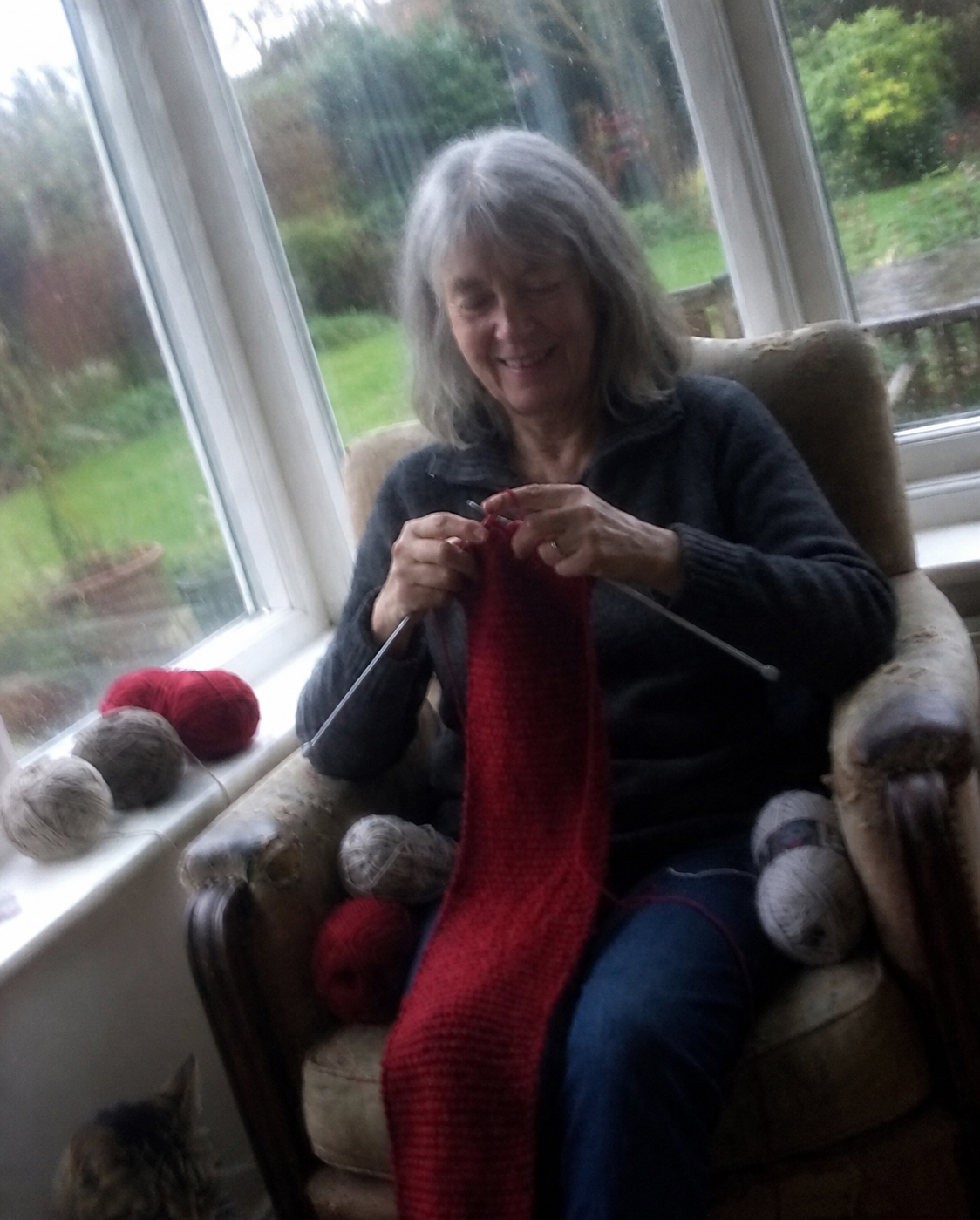
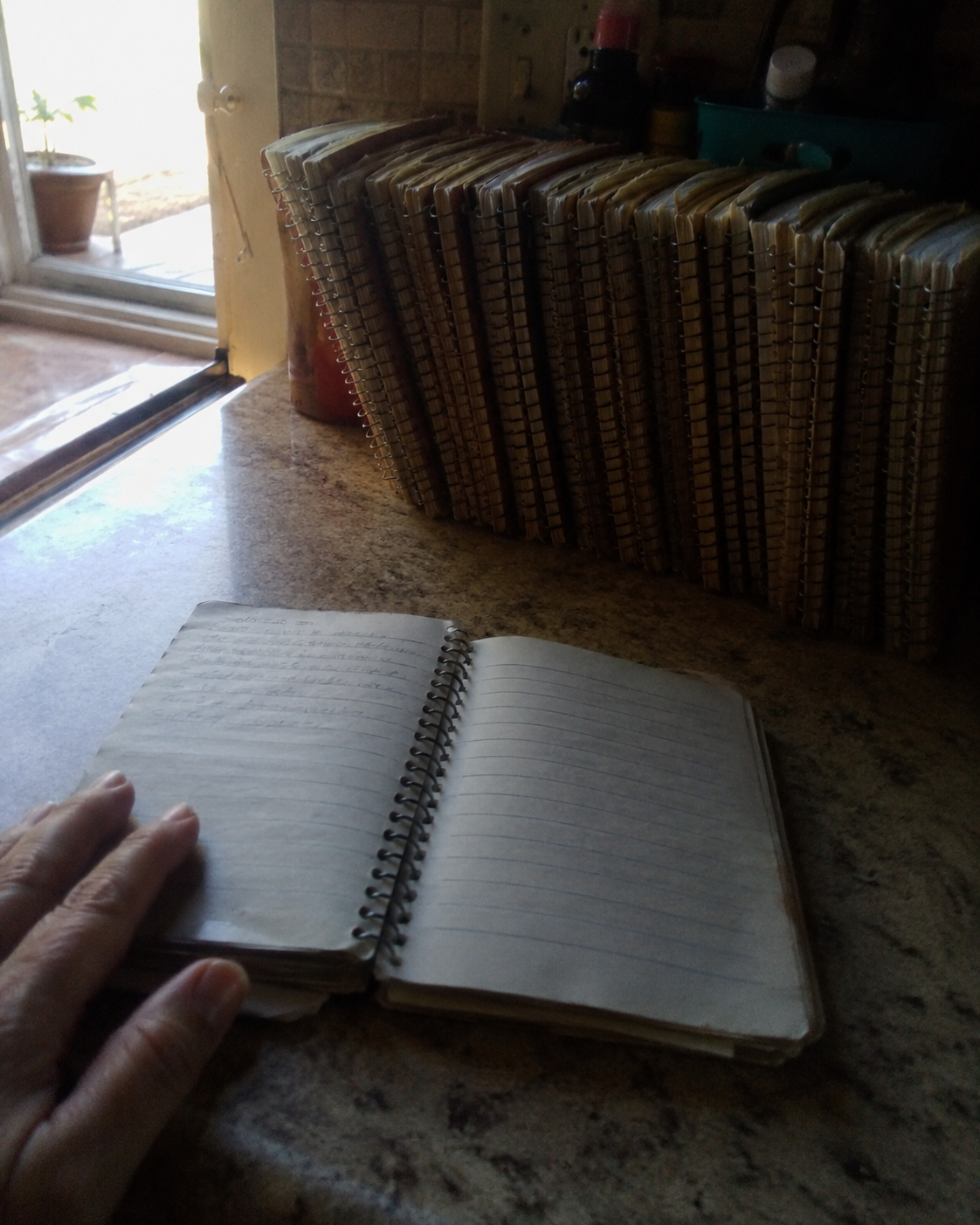
My mother kept a walking log for thirty years. The day she stopped filling it in, I finally paid attention. It was a little spiral notebook she kept by the back door. Date. Distance. A one-word note on the weather. Thirty years of them, lined up on a shelf in the mudroom like a library. I went over one Tuesday and the current one was open on the counter, and the last entry was from eleven days before. Eleven blank days. From a woman who hadn't missed logging a walk since I was in middle school. I stood there in her kitchen with that notebook and felt the floor tilt a little, because I knew — the way you know a thing you've been working hard not to know — that something was wrong with my mother that none of us were seeing. My mother's name is Eileen. She's seventy-six. And I need you to understand something about her before I tell you the rest, because it's the whole reason this story made me so angry. My mother did everything right. I mean everything. For as long as I've been alive. She walked every single morning. Rain, snow, heat — out the back door at six-thirty, and into the spiral notebook when she got home. She ate the way they tell you to eat, decades before it was fashionable. Fish and vegetables and olive oil. She grew half of it herself. She never smoked a day in her life. She barely drank. She did the crossword every morning to keep her mind sharp, in pen, and she finished it. She kept her weight where it had been at forty. She got her checkups. She took her vitamins. She slept eight hours. If you'd drawn up a blueprint for how to age well — how to earn a strong, sharp, vital old age — you'd have drawn my mother. She did everything right. And she was the one who started fading anyway. That was the part I couldn't make sense of. Still can't, fully. Her friend Lois smoked for fifty years and was sharp as a tack at eighty. The man down her street ate fried everything and still drove himself to the casino twice a week, cackling. And my mother — who'd done it all by the book — was the one losing her shine. It felt like a cruel joke. Like she'd paid the premiums her whole life and the policy didn't pay out. The fading came in so slowly that I keep going back over the last few years trying to find the day it started, and I can't. The walks got shorter. Then less frequent. The notebook entries thinned out before they stopped. The crossword started taking her all morning. Then she started leaving it half-done. Then it stopped appearing on the counter at all. She got quieter at family dinners. She'd be right there at the table and somehow not all the way there. I'd catch her looking at the middle distance while the grandkids talked over each other. She stopped hosting. My mother, who'd hosted every holiday of my entire life, started asking if we could do it at my place "just this year." And then every year. The tiredness was the thing she'd actually mention. "I'm just so tired lately," she'd say. "I don't know what's gotten into me." Lately. She said "lately" for about three years. And here's what made it so maddening, the thing that connects to everything I just told you: she was still doing the things. Still trying to walk. Still eating right. Still taking the vitamins. She was doing everything that's supposed to give you energy, and she had none. The inputs were all correct and the output was a tired woman fading at her own dinner table. We took her to her doctor about it. More than once. I went with her. Dr. Tran is excellent. Young, thorough, genuinely kind, runs everything. And everything came back beautiful. Bloodwork, thyroid, iron, B12, vitamin D, blood sugar, the heart, all of it. The full workup, more than once. "Eileen," Dr. Tran said, scrolling through it, "I have to tell you, you're the healthiest seventy-six-year-old in my practice. Your numbers are better than people twenty years younger. Whatever you've been doing your whole life, it worked. There's nothing here. Some of this is just the body getting older. Keep doing exactly what you're doing." And there it was. The loneliest good news there is. Nothing's wrong. You're perfectly healthy. Keep doing what you're doing. I watched my mother's face when the doctor said it, and I saw something in it crumple a little. Because "keep doing what you're doing" was the cruelest possible sentence. She had been doing everything. Doing everything was how she'd ended up here. And now the reward for a lifetime of discipline was to be told the discipline was all there was, and the fading was just the deal, and there was nothing to be done. In the car afterward she was quiet a long time. Then she said, "I followed all the rules, Bridget. I don't understand what I did wrong." "You didn't do anything wrong, Mom," I said. But I didn't have anything to put after that. And that empty space after it is what sent me looking. Because I couldn't accept it. I'm her daughter. I watched her earn a good old age for sixty years, and I was not going to sit there and watch her get cheated out of it while everyone told us the chart was perfect. The chart said she was a model of health. The woman was fading off the front of her own life. And there's no line on a chart for a walking log gone blank. So I started reading. At night, after my own family was asleep, the way you do when something won't let you rest. Not the wild stuff. I've got no patience for the cure-everything corners of the internet, and my mother would have laughed me out of the house if I'd shown up with snake oil. But underneath the nonsense there was something steadier, and the more I read the more one thing kept surfacing. Beetroot. I rolled my eyes too. I want you to know that. It sounded like exactly the kind of fad my mother and I would both dismiss. But it isn't a fad. That's what kept me reading. Beetroot is one of the most researched ingredients in the whole cardiovascular and wellness category. Decades of real study behind it. Not something somebody invented last year to sell on the internet. The reason it gets studied is a group of compounds called betalains. That deep red pigment — the stuff that stains the cutting board and turns your fingers pink. That's the active part. One of the more potent antioxidants in the food supply. Here's the part I made very sure I understood, because I wasn't going to lie to my own mother. These compounds support things. That was the honest word in the honest sources, and it's the only one I'll use. They support healthy energy. They support the body's natural antioxidant balance. They support healthy circulation. They support the cellular energy that quietly winds down as we age — the engine-room layer, underneath everything. Support. Not treat. Not cure. There was nothing to treat — she was healthy, every test said so. Not a replacement for one single thing she was already doing right. It was support for the layer underneath the numbers. The exact layer that seemed to be running low on her while every panel came back flawless. The layer nobody at the appointment was even looking at, because it doesn't show up on the bloodwork. For the first time in three years, I'd found a description of what I'd been watching. I learned one practical thing too. How the beets are processed matters, because betalains are heat-sensitive. The cheap, fast way runs them through high heat, and heat is hard on the active part. The cooked-out stuff goes brown. The slower, cooler way preserves more of it. You can almost see the difference — the good stuff is a deep, dark crimson. So I went looking for something cold-pressed at low temperatures. And then, before I bought a thing or my mother swallowed a single capsule, I did the one thing I'd tell any son or daughter to do first. I called Dr. Tran's office. I told the nurse exactly what it was — organic beetroot, the dose, cold-pressed — and asked plainly whether it was alright to add to everything my mother was already doing and taking. She put me on hold. She came back a few minutes later and said it was a sensible thing to add, that she saw no concern alongside anything Eileen was on, and to mention it at her next visit so it could go in the chart. I wasn't going to guess with my mother. I asked the people whose job it is to know, and they said go ahead. Then I sat down with her at her kitchen table — the spiral notebook still sitting there with its blank pages — and I told her. About the reading. About the betalains. About support, and the layer underneath the numbers. About the nurse saying it was fine to add. She was skeptical. Of course she was. She's a sharp woman who's heard every health fad of the last fifty years come and go. But then she looked at the open notebook between us, at the eleven blank days, and something shifted in her face. "I used to walk five miles and not feel it," she said. Quiet. Almost to the notebook, not to me. "I'd give a great deal to feel like that again. To want to." "Then let's just try it, Mom," I said. "Two capsules and a glass of water. The doctor's office says it's fine. Tell me what we lose." "Nothing, I suppose," she said. "We lose nothing." She started the next morning. Two capsules of cold-pressed beetroot, a tall glass of water, right beside her coffee. Added to everything else she'd done right for sixty years. Nothing taken away. Just added on top. Now — I'm going to be honest about this part, because I don't trust stories that promise the world, and I won't tell you one. I can't prove what did what. We added one thing and then we watched, and I genuinely cannot swear to you that what we saw was the beetroot and not the spring coming on or my mother's own stubbornness or plain wishful thinking on my part. I'm her daughter, not a scientist. So I'll just tell you what I watched, in order. You decide. The first thing was the notebook. About three weeks in, I went over and the spiral notebook was on the counter, open, and there was an entry in it. That day's date. A distance. Cool, clear, in her small neat hand. I stood there and read those four words like they were scripture. It wasn't every day yet. But the blank stretch had ended. My mother was filling in the log again. I didn't say anything. I didn't want to jinx it. The second thing was the crossword. A few weeks after that I came by mid-morning and she was at the table with the paper, pen in hand, and the puzzle was finished. In pen. The way she used to. "It took me a while," she said, a little embarrassed, like she'd been caught at something. "Mom," I said. "It's done. In pen." She looked at it like she was surprised at it herself. "It is, isn't it." The third thing I will keep for the rest of my life. It was a family dinner at my place. The whole loud crowd of us, the grandkids talking over each other the way they do. And my mother — who'd spent three years of dinners looking at the middle distance — was in it. Telling a story. Laughing at the right places and the wrong places. Arguing with my brother about something that didn't matter. All the way there. Present. Lit. I was carrying a dish in from the kitchen and I had to stop in the doorway, because there was my mother, back at the table, back in the room, back in her own family after three years away. My daughter caught my eye across the table. She'd noticed too. She didn't say anything. She just smiled at me with her eyes a little wet. The small returns kept coming after that. Never all at once. One at a time, across the weeks. She got her walks back up — not five miles, but back out the back door at six-thirty most mornings, into the notebook when she got home. She offered to host Thanksgiving. Offered. I nearly dropped the phone. She started wanting things again — wanting to take the grandkids to the museum, wanting to plan a little trip, wanting. That low appetite for her own life that had gone quiet for three years and came creeping back. I'm not telling you my mother is forty. She isn't. She's seventy-six. She still naps. She still has flat days where the engine won't quite turn over. There's no magic here and I promised you I wouldn't pretend there was. But the woman who did everything right — the sharp one, the walker, the host, the one who's all the way there — she's been coming back to us in pieces. And the spiral notebook is filling up again. I cannot tell you what it does to me to see her handwriting in it. Mom had her follow-up with Dr. Tran a few months in. Dr. Tran ran the usual. Everything was excellent, the way it had always been — that was never the problem. But she looked at my mother, at the woman and not the chart, and she said: "Eileen, you seem more like yourself than I've seen you in a couple of years. More energy. More spark. Whatever you're doing, keep doing it." My mother told her about the beetroot. Told her she hadn't changed anything else of substance — same walking, same eating, same everything, just added the one thing in the morning, with the office's okay. Dr. Tran nodded and made a note. "That's a sensible thing to add," she said. "There's good research on antioxidant support. No concerns with it at all. Keep doing what's working." She didn't promise us it was the beetroot. She couldn't have, and she'd have been wrong to. But my mother walked out of that office standing a little straighter, and that was enough for me. In the car she reached over and patted my hand — that small automatic thing she'd done my whole childhood and hadn't done in years — and said, "Thank you for not letting it go, Bridget. Everyone else was ready to call it old age. You weren't." I kept my eyes on the road so she wouldn't see what my face was doing. I'm telling you all of this because I think there's a fair chance you've got an Eileen in your life. A parent who did everything right. Who walked and ate well and never smoked and kept their mind sharp — who earned a good old age by every rule there is — and who's fading anyway, while the people who broke all the rules sail on. And going to the doctor and getting the loneliest good news there is: nothing's wrong, they're perfectly healthy, it's just age, keep doing what you're doing — while you sit there watching the most capable person you know dim at their own dinner table. And if you're the one who did everything right and still feels off — if you've kept your own version of the walking log for decades and can't understand why you feel like this when you've earned better — I'd listen to the quiet voice that says this is more than just age. The doctor's been reading the chart. You've been living the life, or watching someone you love live it. On the things the chart shrugs off, you might be closer to the truth than the chart is. I went looking for one thing my mother could add. Not a cure — there was nothing to cure. Not a replacement for anything she was already doing right. One thing, with real research behind it, that might support the layer the perfect chart wasn't measuring — healthy energy, the body's natural antioxidant balance, healthy circulation, the cellular energy that quietly runs low as we age. What I found was beetroot. The brand I added to my mother's morning is Rosabella. 1,300 milligrams of organic beetroot per serving, cold-pressed at low temperatures so the betalains stay intact — that deep dark crimson, not the cooked-out brown. Two capsules with a glass of water in the morning. Added to everything she'd been doing right for sixty years, in place of none of it. Talk to your doctor or pharmacist before you add any new supplement to existing care — especially if there's medication in the picture. That one phone call is what let me do this with a clear conscience. It's the first thing I'd tell any son or daughter to do. That's the whole story. A walking log went blank, I refused to call it old age, a nurse said it was fine, and a few months later my mother filled in the notebook again and hosted Thanksgiving. P.S. If you're watching a parent who did everything right fade anyway, while every test says they're fine and everyone around you is ready to call it old age — you're not imagining it, and you're not being dramatic. A flawless chart and a fading person can be the same person. I needed a blank walking log to make me stop accepting "it's just her age." I'm telling you now, plainly, so you don't have to wait for your own blank notebook. Don't let it go. I almost did. P.P.S. Here's the honesty I owe you. I can't prove the beetroot brought my mother back. We added one thing and she improved over a few months and the two might be connected or might not. What I can tell you: it's genuinely well-researched, her doctor had zero concerns, and the downside of trying was small. That's the calculation I made, with clear eyes. I'm laying it out so you can make your own. P.P.P.S. Here's exactly what I'd tell you to do, in order. First: check with the doctor or pharmacist — this matters most if there's any other medication in the picture, so don't skip it. Second: once they've said it's a sensible addition, two capsules with a tall glass of water in the morning. Third: don't change anything else they're doing right. Just add this on top. Fourth: give it a couple of weeks, at minimum, before deciding anything. Some people notice something shift early — a clearer morning, a little more energy, the wanting coming back. Others take much longer. Some don't notice much. Bodies are genuinely different, and anyone who promises you a timeline is selling you something. Be patient with theirs, or with yours. P.P.P.P.S. Rosabella has a 90-day money-back guarantee. If you're not satisfied for any reason at all, every penny comes back, no questions asked. It's a sensible policy for a supplement — it means the only thing you're really risking is a few weeks and a little patience. You get plenty of time to see for yourself before you've committed. P.P.P.P.P.S. Rosabella is a small operation. They harvest and bottle on their own schedule, so I keep an extra bottle at my mother's house just in case. I started taking it myself, too — I figured I'm my mother's daughter, and if doing everything right wasn't quite enough for her, I'd rather support what's still working in me now, while it's still working, than wait for my own walking log to go blank. She's out walking right now, as I write this. Six-thirty on the dot. The notebook's by the back door, waiting for her to fill in the distance and the weather when she gets home. That's where it starts again, sometimes. A woman back out the door at six-thirty. A crossword finished in pen. A name in a notebook that had gone blank. Individual experiences vary. These statements have not been evaluated by the FDA. This product is not intended to diagnose, treat, cure, or prevent any disease.
Support stamina and heart health every day
LEARN MORELike this ad? Make it yours.
Crush rebuilds this exact creative around your product — your brand, your colors, your offer — in about a minute.