
Inactive· since May 17, 2026
- 64
- days it ran
- 0
- relaunches
Ad copy
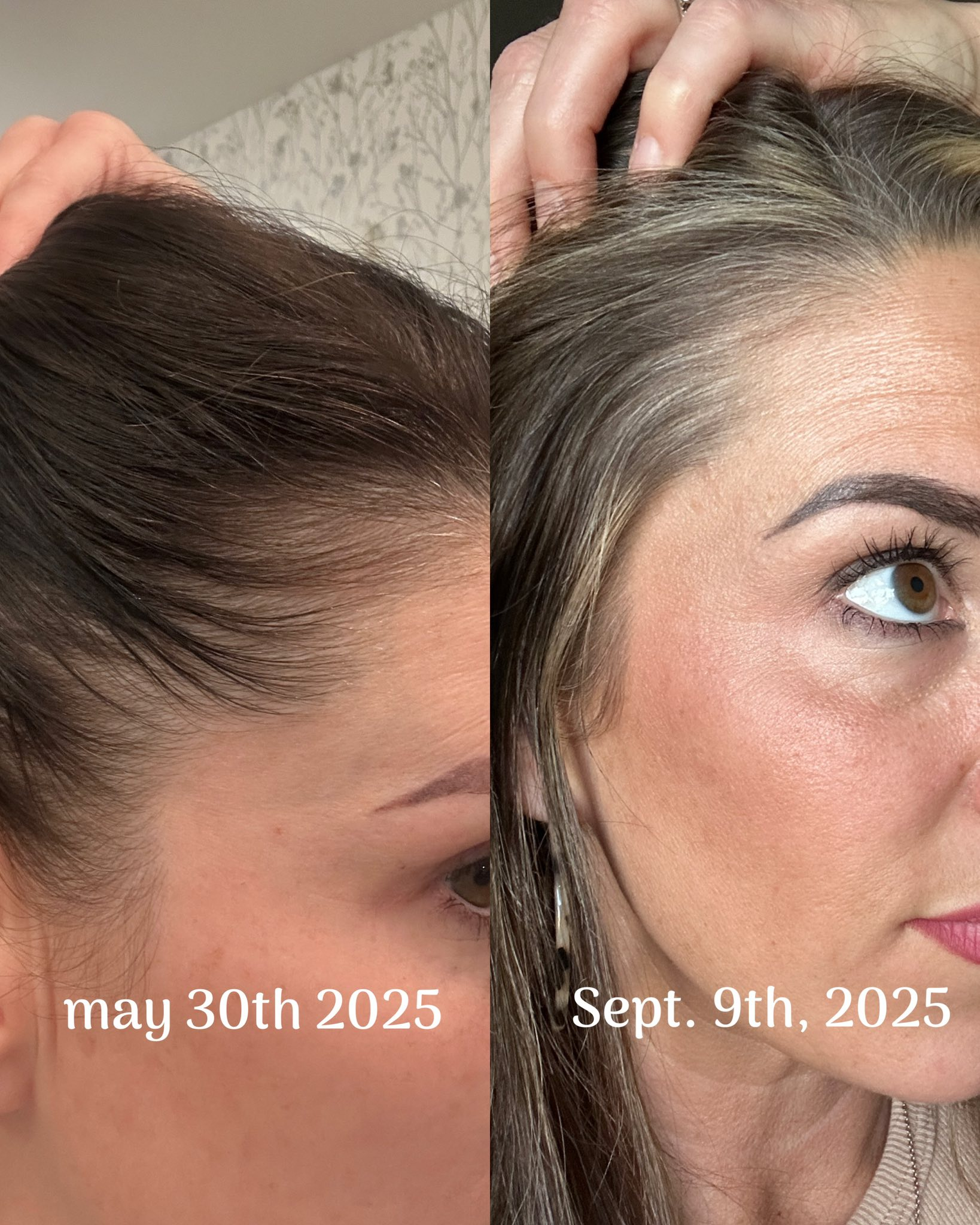
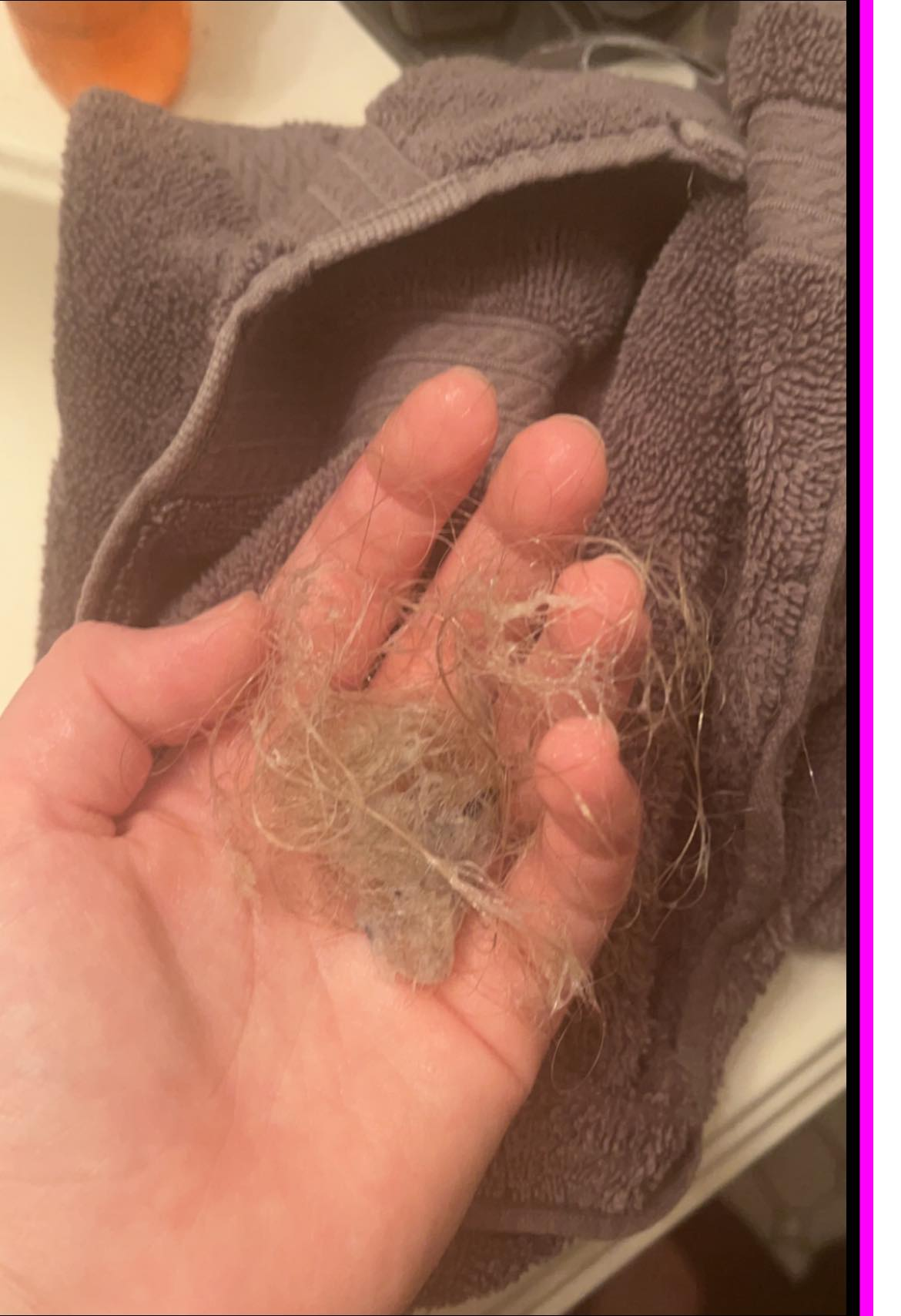
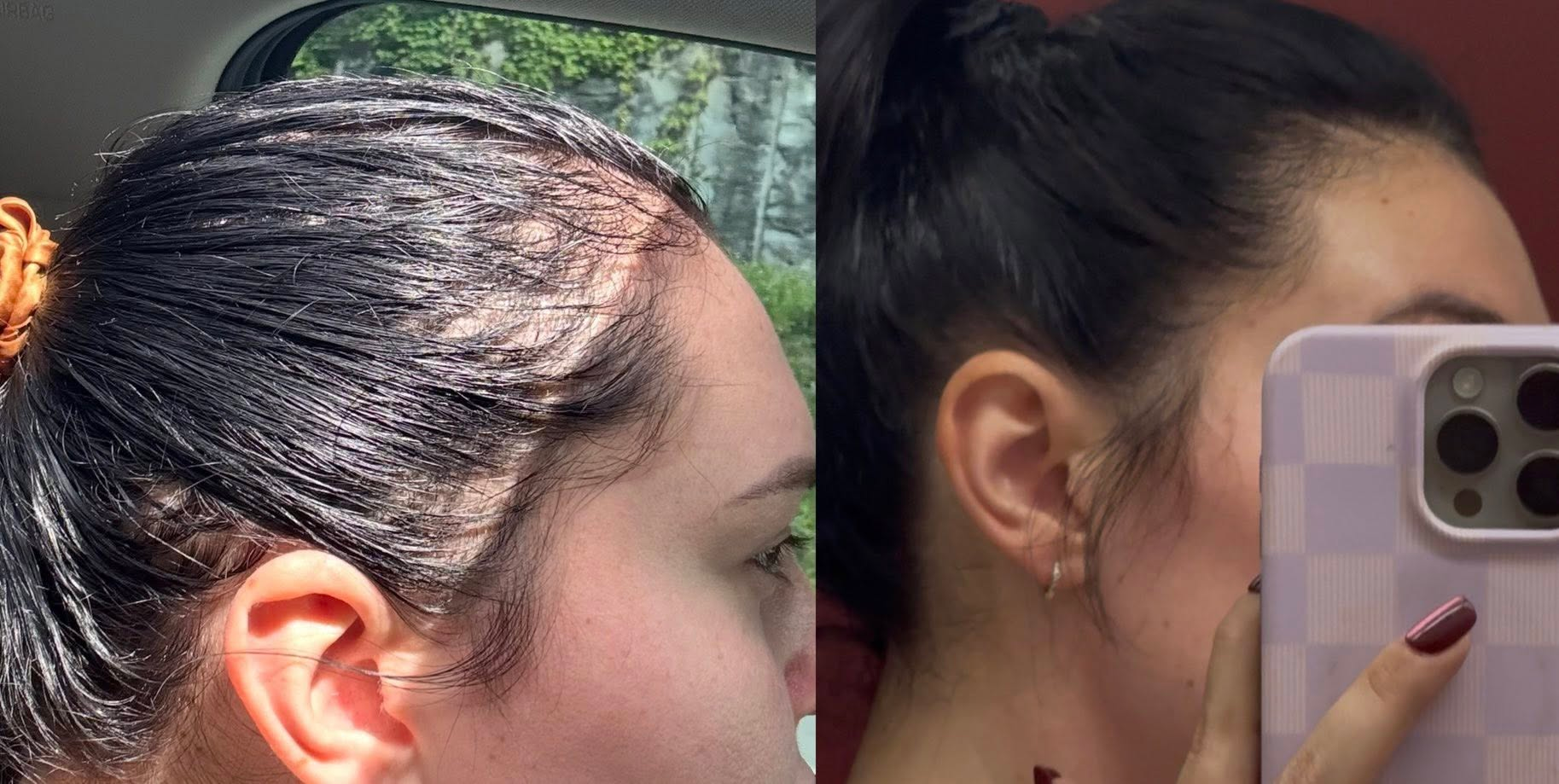
I'm an Austrian dermatologist who moved to America three years ago. Within six weeks, I saw something that made me question everything I thought I knew about how American doctors treat hair loss in women. Not the treatments. Not the technology. The one hormone they never test for in women who are "just aging." My name is Dr. Katrin Hofer. I've been a dermatologist and trichologist for 19 years. The first 16, I practiced in Graz — the capital of Styria, a region in Austria known for one thing above almost anything else. I'll come back to that. I moved to the United States when my husband accepted a research position at Johns Hopkins. I joined a dermatology group in Baltimore. Good practice. Excellent doctors. And in my first six weeks, I started seeing a pattern that I couldn't look away from. Women in their late 40s, 50s, 60s coming in for routine skin checks. But they'd always ask, at the very end — almost like they were embarrassed — about their hair. "It's probably nothing. It's probably just my age. But I've noticed it thinning." Every single one of them said some version of the same thing. "My doctor says it's normal." Normal. I'd look at these women and see something their doctors never checked. The 52-year-old school teacher who started wearing headbands because she could see her scalp through her part for the first time in her life. "My gynecologist said it's just menopause." The 61-year-old grandmother who stopped letting her grandchildren sit on her lap facing her because she didn't want them to see the top of her head. "My doctor said hair thins with age. Nothing to worry about." The 58-year-old executive who spent $340 a month on volumizing products, concealers, and thickening sprays — building an entire cosmetic architecture on top of her head every morning just to look like she had hair. "My dermatologist in Arlington said my bloodwork looks fine." In Austria, I would have caught what was happening to these women on their first visit. Because in Austria, we stopped blaming "aging" for female hair loss over a decade ago. We measure DHT. That's the test. The one American dermatology almost never runs on women. And the reason it matters is the difference between a doctor shrugging and saying "it's your age" and actually understanding what is happening at the root of every hair follicle on your head. Your body produces testosterone. Yes, even women. Your ovaries and adrenal glands produce it. It's essential — it supports bone density, muscle tone, energy, mood. There is nothing wrong with testosterone. But your body also produces an enzyme called 5-alpha reductase. This enzyme converts your testosterone into a far more potent hormone called dihydrotestosterone — DHT. And DHT is what is killing your hair. Not aging. Not stress. Not the shower water. Not your shampoo. Not genetics — although genetics determine how sensitive your follicles are to the damage. DHT binds to receptor sites on your hair follicles. When it binds, it triggers a process called follicular miniaturization. The follicle shrinks. The hair it produces gets thinner, lighter, shorter with each growth cycle. Eventually the follicle produces a hair so fine it's invisible. Then it stops producing entirely. That is not aging. That is a hormonal process with a specific mechanism, a measurable biomarker, and — as European research demonstrated over fifteen years ago — a targeted intervention. In Graz, this was standard teaching by 2009. Every dermatologist I trained with measured DHT levels in women with thinning hair as a matter of course. It was part of the workup. Part of the conversation with the patient. In America, in three years of practice, I have seen exactly two female patients who had been tested for DHT before coming to me. Two. Which means a woman can sit in her doctor's office — watching her hair fall out in the shower, finding it on her pillow, seeing her scalp in photos for the first time — and be told "it's normal for your age" while the hormone that is actively destroying her follicles goes completely unmeasured. I've seen this pattern now in over four hundred American women in my practice. "Normal aging." Advancing follicular damage. Nobody connecting the two. Because the one hormone that would connect them is the one hormone nobody measures in women. I want to be honest about everything your doctor has probably suggested — and everything you've probably tried on your own. Because most of my American patients had been losing hair for years. And the ones who knew something was wrong had usually tried everything before walking into my office. Biotin. I hear it constantly. "I've been taking biotin for two years." Biotin is a B vitamin that supports keratin production. But if your follicles are being miniaturized by DHT, you can flood your body with keratin precursors and it won't matter. You're feeding a factory that's being shut down. The raw materials aren't the problem. The shutdown signal is. Minoxidil. This is the one that frustrates me the most. Minoxidil is a vasodilator. It widens blood vessels around the follicle and extends the growth phase of the hair cycle. It can produce visible results. But it does not address DHT. The moment you stop applying it, the follicles resume miniaturizing. Because the hormone that was shrinking them was never blocked. You were running the engine harder while the fuel line was being crimped. Collagen supplements. I've had patients bring me the bottles. Collagen provides amino acids that can support hair structure. But collagen does not cross the cell membrane of the hair follicle. It does not interact with androgen receptors. It does not inhibit 5-alpha reductase. It is a structural protein. It cannot stop a hormonal process. Different category entirely. Expensive shampoos and topicals. This one breaks my heart. Women spending $50, $80, $120 per bottle on products that sit on the surface of the scalp for three minutes before being rinsed away. The DHT binding that destroys your follicles happens inside the follicle, at the dermal papilla, beneath the surface of the skin. No shampoo reaches it. No topical serum penetrates to that depth in a three-minute wash cycle. You are treating the outside of a problem that exists on the inside. Prescription anti-androgens. Spironolactone, finasteride — drugs that reduce DHT or block androgen receptors. They can work. But the side effects in women include irregular menstruation, breast tenderness, dizziness, fatigue, and in the case of finasteride, severe birth defect risk if a woman of childbearing age becomes pregnant. Most American doctors won't prescribe finasteride to women at all. And spironolactone requires regular blood monitoring. Platelet-rich plasma (PRP) injections. $800 to $2,000 per session. Three to four sessions needed. No guarantee. And again — they stimulate the follicle without addressing the hormone that is destroying it. Expensive stimulation of a follicle that continues to shrink. Every one of these approaches addresses the problem at the surface, from the outside, or downstream of the actual cause. None of them blocks the enzyme that converts testosterone into the DHT that is miniaturizing your follicles in the first place. And here is what makes the standard approach actively dangerous — not just insufficient. When DHT is left unchecked, follicular miniaturization is progressive. Each hair cycle — and your hair goes through a full cycle roughly every 2 to 6 years — each cycle that passes with elevated DHT produces a thinner, weaker hair. Until the follicle exhausts itself entirely. Once a follicle is fully miniaturized and enters a dormant state, it becomes exponentially harder to reactivate. Every month that passes without addressing DHT is a month of irreversible advancement. The women I see who catch it early — at the widening part, at the first sign of see-through temples — they respond beautifully. The women I see who were told "it's normal" for eight years and treated with biotin and volumizing shampoo — those are the cases that keep me up at night. Because by the time someone finally measured their DHT, the damage had a decade's head start. "Normal aging" is not a diagnosis. It is a failure to investigate. Now — why I moved to Graz and why it matters for your hair. Graz is the capital of Styria. Styria is the pumpkin seed oil region of Europe. They've been pressing oil from a specific variety of hull-less pumpkin seed — Cucurbita pepo var. styriaca — for over 300 years. It's not a supplement there. It's a staple. It's on their tables the way olive oil is on tables in Tuscany. And Styrian researchers were among the first in the world to identify why women in their region had significantly lower rates of hormonal hair loss than women in neighboring countries with similar genetics and diet. The answer was in the oil. Pumpkin seed oil contains a class of compounds called phytosterols — specifically beta-sitosterol, delta-7-sterol, and a suite of related plant sterols — that directly inhibit the enzyme 5-alpha reductase. The same enzyme that converts testosterone into DHT. The same enzyme that prescription drugs like finasteride target. But unlike finasteride, these phytosterols do not disrupt estrogen metabolism. They do not cause the hormonal side effects that make prescription anti-androgens dangerous for many women. They work precisely, at the enzymatic level, blocking the conversion pathway that produces the hair-killing hormone. Not in the bloodstream. At the follicle. A 24-week randomized, double-blind, placebo-controlled clinical trial — the gold standard of medical evidence — demonstrated that participants taking pumpkin seed oil experienced a 40% increase in hair count compared to the placebo group. Forty percent. In six months. Not from stimulating the follicle. Not from widening blood vessels. From blocking the hormone that was destroying the follicle in the first place. When I read that research in Graz twelve years ago, I changed my practice. When I arrived in America and saw that most dermatologists here had never read it, I understood why their patients were still losing their hair while being told it was "normal." But I need to warn you about quality. Because this is where most women who try pumpkin seed oil get failed results and give up. Not all pumpkin seed oil is the same. Most of what's on the American market — what you've probably seen on Amazon, at the drugstore, in the supplement aisle — is refined, processed, and stripped. Commercial pumpkin seed oil is extracted at high temperatures using chemical solvents. Heat and solvents destroy the phytosterols — the beta-sitosterol that is the active compound. The very thing that makes pumpkin seed oil work is destroyed by the very process most companies use to produce it. By the time it's in a capsule on a shelf, the medicine is gone. You're swallowing fat. Plant fat with the color of pumpkin seed oil and none of the function. This is why women tell me they "tried pumpkin seed oil" and nothing happened. They didn't try pumpkin seed oil. They tried what was left of it after the active compounds were cooked out. The pumpkin seed oil that actually works has to be cold-pressed. Slowly, at low temperatures, the way Styrian oil houses have done it for centuries. The phytosterols must remain intact. And it must be concentrated — standardized to deliver a clinically meaningful dose of beta-sitosterol per serving. You can often tell the difference before you even open the bottle. Real cold-pressed pumpkin seed oil has a deep, dark emerald-green color — almost black in certain light. The processed versions are a pale yellow or light green. That color difference is the phytosterols. If the oil is pale, the medicine is gone. I want to tell you about one patient. Because her results are what I see when the right product, at the right concentration, is used to address the right problem. She was 54. She'd been losing hair since she was 47. Seven years. Three dermatologists. Two had told her it was "age-related female pattern thinning" — which is technically accurate and practically useless, because it describes the symptom without identifying the cause. The third put her on minoxidil. She used it for 14 months. It slowed the loss but didn't stop it. And her scalp itched constantly. Her sister sent her to me. She sat in my chair and said — and I'll never forget the way she said it — "I know you probably can't help me either. But my sister said you'd at least tell me why." I ran bloodwork her previous dermatologists had never ordered. Standard hormone panel: normal range. Estrogen, progesterone, thyroid — all within limits. Every number that her previous doctors had checked looked fine. DHT: elevated. Significantly. Her free testosterone was being converted into DHT at a rate that was actively destroying her follicles — and had been for seven years — while her standard bloodwork looked "perfect." Seven years of "normal aging." Seven years of the wrong treatment. And the hormone that was causing all of it was the one hormone nobody measured. I showed her the results. She stared at the number for a long time. "So this whole time — it wasn't my age." "It was never your age." She put her hands over her face. I recommended a 90-day protocol. Two softgels of cold-pressed pumpkin seed oil daily — standardized to clinical phytosterol concentration — taken with food in the morning. She was skeptical. Why would pumpkin seed oil change what years of minoxidil and biotin hadn't? I told her: your minoxidil opens the blood vessels. It doesn't block the hormone. You've been stepping on the gas and wondering why the car keeps stalling. The engine isn't the problem. Something is cutting the fuel line. We need to stop the cut. She agreed to try. I want to be clear: I did not tell her to stop minoxidil. That is between a patient and her prescribing physician. What I told her was that minoxidil was addressing one variable — blood flow to the follicle — while leaving the more destructive variable — DHT binding at the follicular receptor — completely unaddressed. Week 3: She called my office. "I don't know if I'm imagining this, but the shedding slowed down. I used to pull out 15 or 20 hairs in the shower. This morning it was five." That early reduction in shedding is consistent with what I see clinically — the 5-alpha reductase inhibition begins reducing DHT production within the first few weeks, before visible regrowth appears. Week 6: She came in for a follow-up. Her part line — which I'd photographed at her first visit — was measurably narrower. Not dramatically. Measurably. New vellus hairs — the fine, short hairs that indicate a follicle coming back online — were visible along her hairline and temples. Week 10: She sent me a photo from her daughter's wedding. She wasn't wearing a headband. She wasn't wearing a hat. Her hair was down. She'd worn it down at a public event for the first time in four years. Week 14: I ran the full panel again. Standard hormone panel: still normal. DHT: reduced by 34%. From significantly elevated to within normal range for the first time in at least seven years. Her follicles were no longer under hormonal assault. The miniaturization process had slowed. New growth was visible. The hair she'd been losing since 47 was coming back at 54. She sat in my chair and said: "I spent seven years thinking I was just getting old. I spent seven years blaming myself. I spent seven years being told this was normal." She paused. "It wasn't normal. It was a hormone nobody tested." Seven years of biotin. Seven years of minoxidil. Seven years of $120 shampoo. Ninety days of addressing the actual mechanism. I share this because I spent three years quietly frustrated by what I saw here. Women who came to me after years of being told their hair loss was "just aging" — while a measurable, treatable hormonal process advanced unchecked. Women who thought they were failing. Who thought their bodies were betraying them. Who stopped looking in mirrors. Who stopped going to the salon. Who stopped wearing their hair down. They weren't failing. The protocol was failing them. American dermatology training focuses on topical treatments and cosmetic approaches to female hair loss. DHT testing in women, targeted phytosterol intervention, the role of 5-alpha reductase in female pattern thinning — these aren't part of standard training here. Most American dermatologists graduated before this research was widely applied to female patients. They practice what they were taught. That's not a criticism. It's just where the knowledge gap sits. But the research exists. Published in the Journal of Evidence-Based Complementary & Alternative Medicine, replicated across European and Asian clinical settings. Available for any dermatologist to read. And you don't have to wait for your doctor to find it. If your hair has been thinning for months or years — if the part is wider, if the temples are see-through, if you find it on your pillow, in the drain, on your brush — and your doctor keeps telling you it's "normal for your age" — it might not be your age at all. The answer isn't more biotin. It isn't another volumizing shampoo. It isn't more of what hasn't been working. The answer is to address what was never addressed — the enzyme that converts your testosterone into the hormone that is shrinking every follicle on your head. The product I recommend to my own patients is called Everly Pumpkin Seed Oil Softgels. It's cold-pressed pumpkin seed oil — concentrated in easy-to-take softgel form, delivering a clinical dose of beta-sitosterol and the full spectrum of phytosterols that inhibit 5-alpha reductase. Two softgels taken with food in the morning. The phytosterols are preserved intact through low-temperature cold-pressing — the only method that delivers them in a form that actually reaches the follicular cells where the DHT binding occurs. You can see the difference before you even open the bottle. Real cold-pressed pumpkin seed oil softgels are a deep, dark green — not the pale yellow of the heat-processed versions. That color is the phytosterols. If the softgel is pale, the medicine is gone. Every batch is tested for purity and potency. What's on the label is what's in the softgel. I've reviewed phytosterol concentration data across multiple commercial pumpkin seed oil products. Everly was consistently delivering what the research requires. The reason this matters: every biotin, every collagen, every volumizing product — treating the surface while the hormonal destruction advances underneath. Everly addresses it directly, where the enzyme converts testosterone to DHT, with the compounds the clinical research validated. DHT shrinking your follicles on one side. Years of "normal aging" masking the real cause on the other. Both problems. Two softgels. One mechanism. I have no financial relationship with this company. I recommend it because the mechanism is sound, the research supports it, and I've seen the results in my own patients. You've spent years being told this is normal. It's time to address what you were never told. 👉 https://try.shopeverly.shop/esl P.S. — The woman I described — the 54-year-old who sat in my chair and said "I know you probably can't help me either" — she emailed me two months ago. She attached a photo from her granddaughter's birthday party. Her hair was down. Full. She wrote: "My daughter asked me what I'd been doing differently. I told her the truth — I stopped treating the symptom and started treating the cause. She's taking them now too." I read that email in my office in Baltimore and thought about every woman I'd treated in Graz who never had to lose seven years to a hormone nobody thought to measure. That's why I'm writing this. Not because I sell anything. Because the gap between what European research proved over a decade ago and what American women are living through today is something I can no longer watch in silence. P.P.S. — You'll often notice a reduction in shedding within the first two to three weeks. Not the regrowth — that takes eight to twelve weeks to become visible. But the shedding. The shower drain. The hairbrush. The pillow. That slows first because the DHT production is being reduced at the enzymatic level — something no topical treatment has ever done from the outside. If you've tried supplements before and felt nothing, it's because they never reached the enzyme that was causing the damage. This is different. You'll notice the shedding difference within the first few weeks. P.P.P.S. — What most women don't realize is that pumpkin seed oil does something else that the clinical research confirmed — it supports bladder function. The same phytosterols that block 5-alpha reductase also support smooth muscle tone in the pelvic floor. If you've been getting up two or three times a night, if you've been dealing with urgency or leakage that you chalked up to "getting older" — you may notice that improving as well. Multiple patients have reported this before I even asked about it. It's the same compound addressing the same enzymatic pathway. The hair is what brings women in. The bladder improvement is what makes them say "why didn't anyone tell me about this sooner?" P.P.P.P.S. — For the women reading this who have also been told their kidney numbers are "something to watch" — EGFR, creatinine, foamy urine — pumpkin seed oil has been studied for its renal-protective antioxidant properties. Multiple patients in my broader network have reported improvements in kidney markers alongside the hair and bladder benefits. This is not a coincidence. The phytosterols and fatty acid profile of cold-pressed pumpkin seed oil have documented anti-inflammatory effects that support kidney function. One product. Multiple systems. Because the body is connected in ways that a specialist who only looks at one thing will never tell you. P.P.P.P.P.S. — Everly is a small operation and they move through inventory quickly. Cold-pressed, phytosterol-intact pumpkin seed oil at this concentration level is not mass-produced. If you have a dermatology appointment, a check-up, or bloodwork coming up in the next 30 to 60 days and you want to walk in with less shedding and visible new growth along your hairline — start now. Every week the DHT goes unchecked is another cycle of follicular miniaturization that didn't need to happen. P.P.P.P.P.P.S. — Do not forget — this works identically in men. The DHT mechanism doesn't differentiate by gender. If your husband's hairline is receding, if he's dealing with prostate concerns, if he's getting up at night — the same compound addresses the same enzyme. Hand him the bottle when you're done taking your two. 👉 https://try.shopeverly.shop/esl
The "Triple Relief" Solution No One Talks About
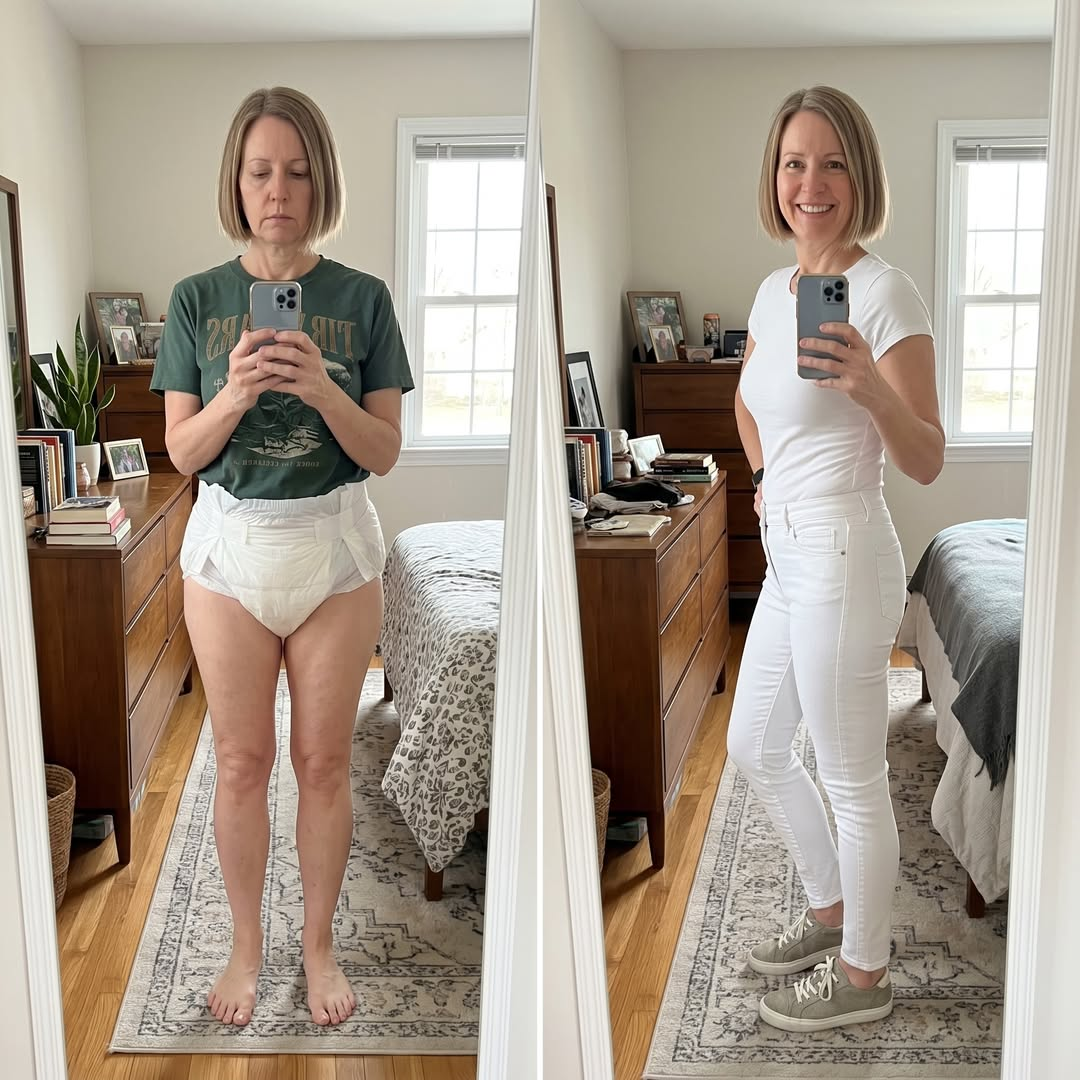
“I’ve been feeling stronger and more balanced since taking Everly Pumpkin Seed Oil. My bladder feels so much calmer, I’m sleeping through the night again, and my hair feels thicker than it has in years. I love how natural it feels — just pure support for my body.”
LEARN MORELike this ad? Make it yours.
Crush rebuilds this exact creative around your product — your brand, your colors, your offer — in about a minute.