
Inactive· since May 25, 2026
- 88
- days it ran
- 1
- relaunches
- 37,569
- EU reach
Ad copy
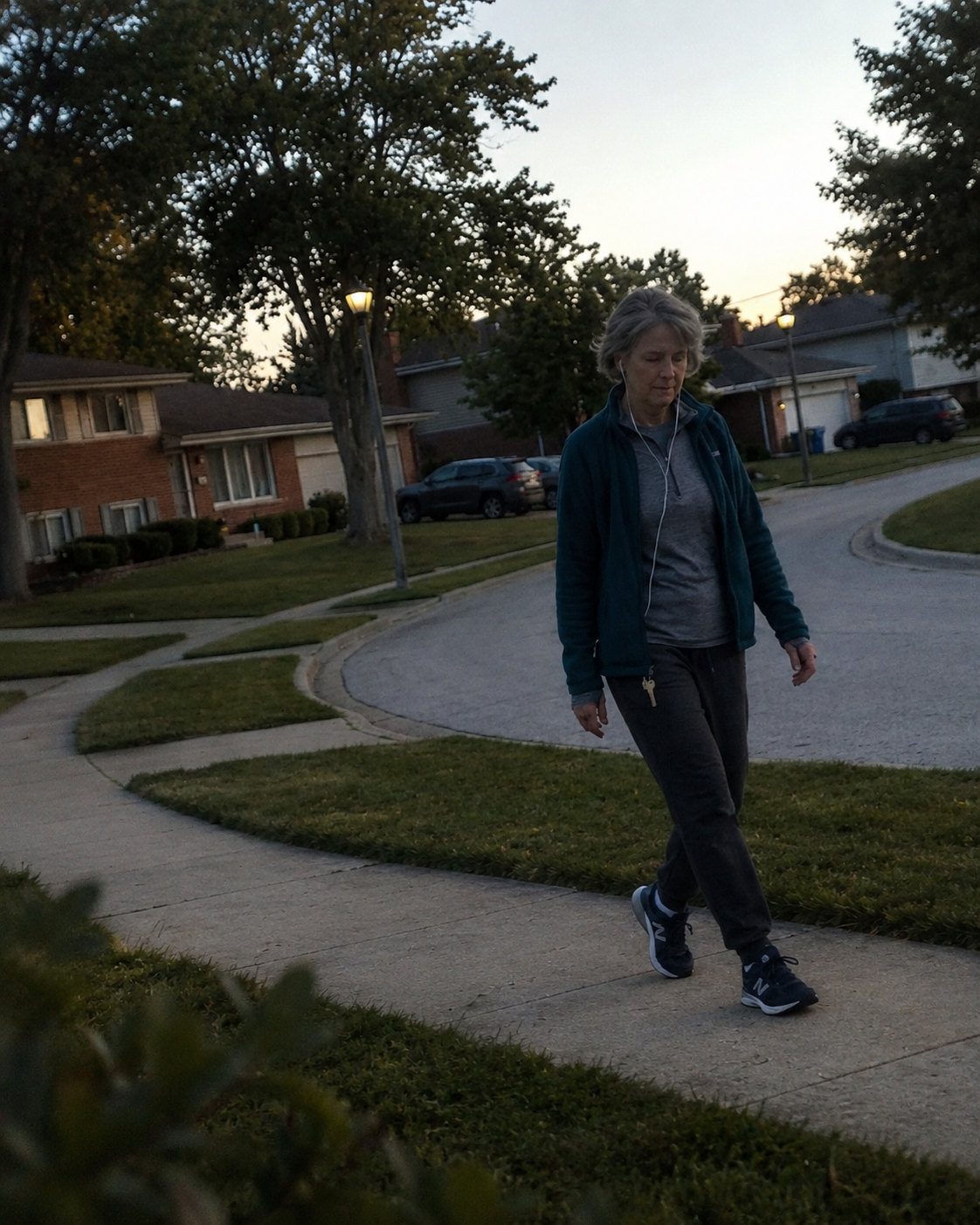
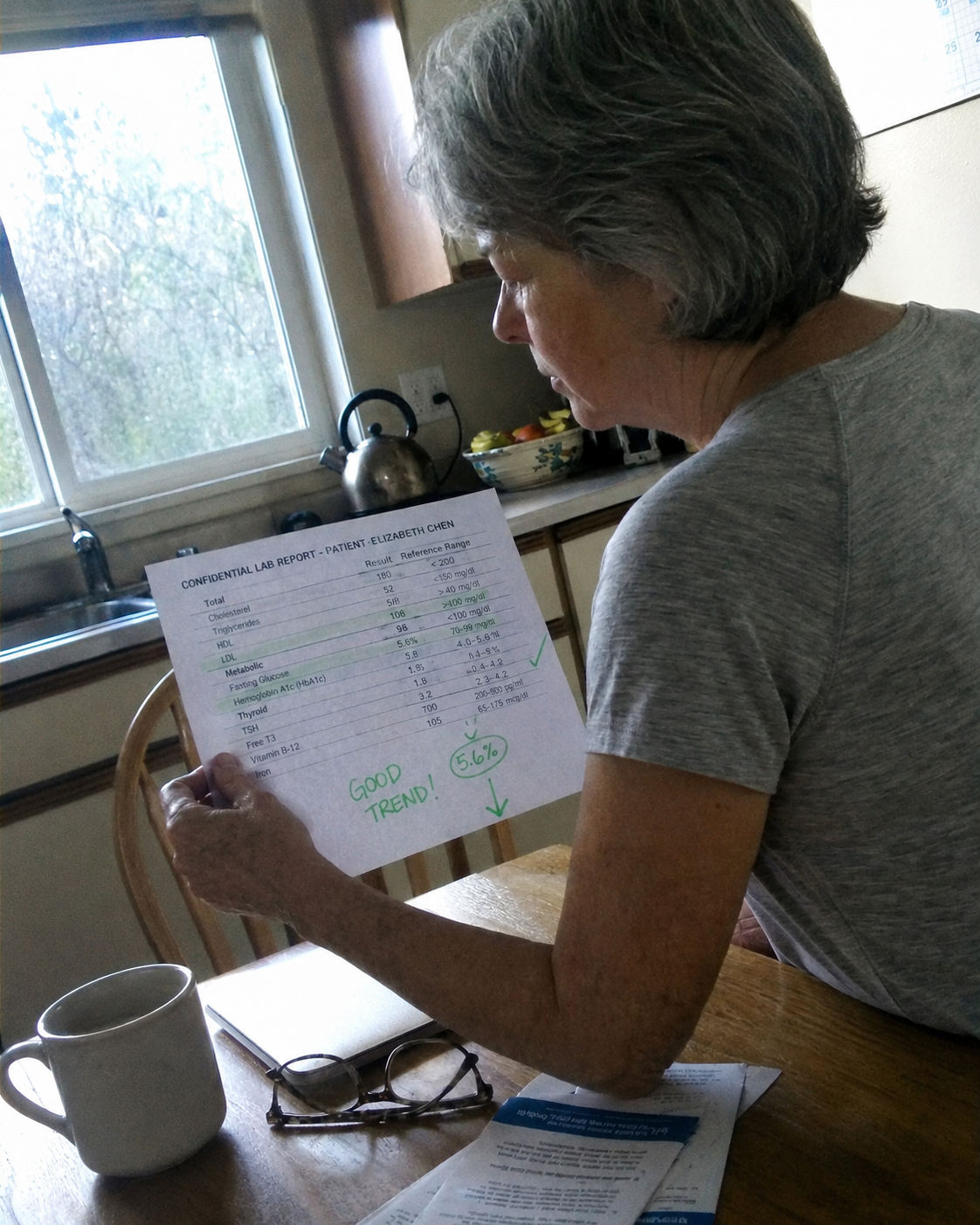
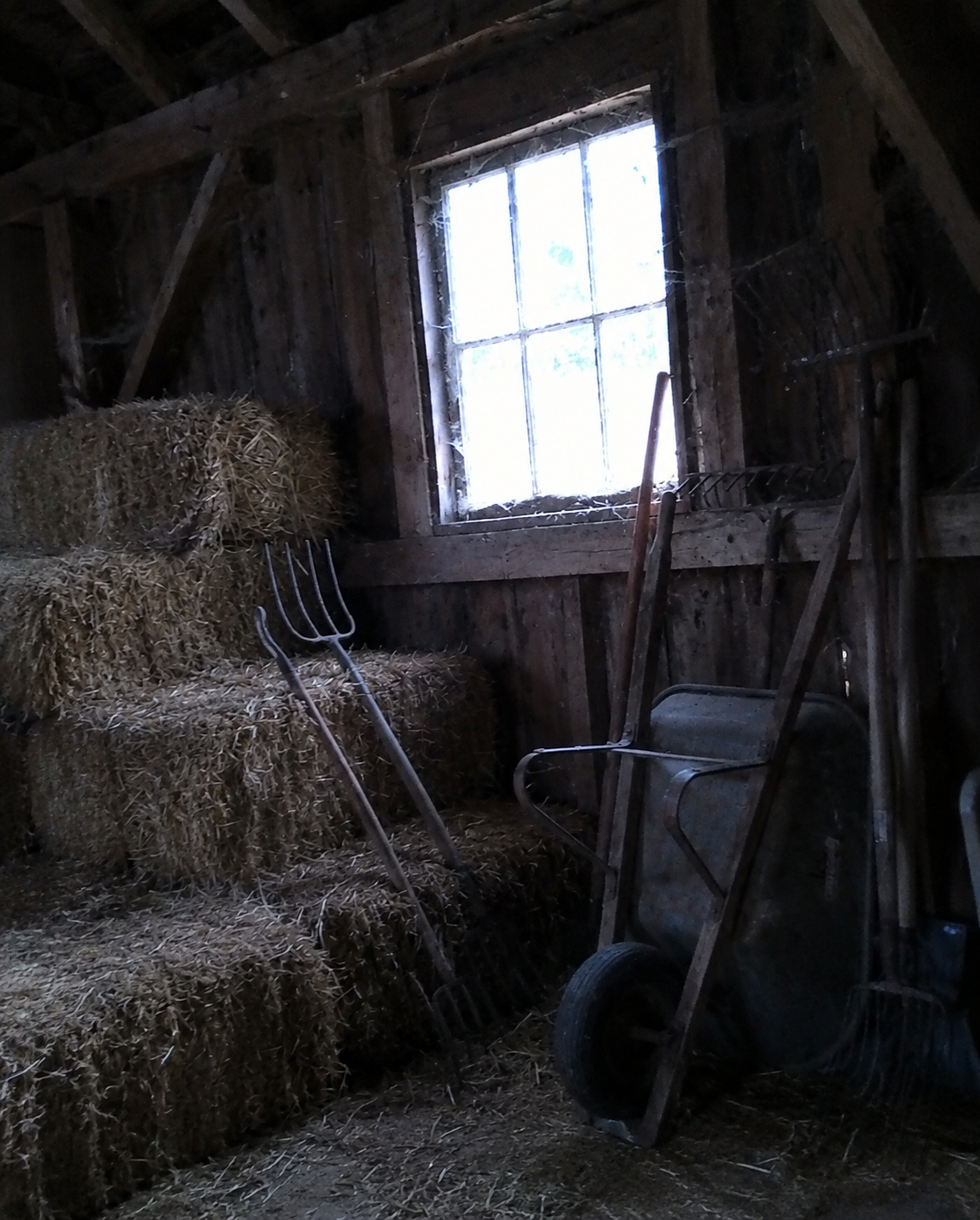
My Husband Came Home from a Routine Physical with a Folded Piece of Paper in His Pocket. He Didn't Open It Until Sunday. By Then I'd Already Decided. I'm 58. My husband Paul is 61. He went in for his physical on a Wednesday in April. I know it was Wednesday because I'd reminded him on Tuesday night that he had it, and he'd said "thanks, hon, I'd forgotten." He came home around four in the afternoon. He went into the kitchen and put a folded piece of paper on the counter under the salt shaker — the way he puts mail he isn't ready to look at — and he poured himself a glass of water and went out to the garage to finish what he'd been working on before he left. He didn't say anything about the appointment. I didn't ask. I was raised by a woman who'd been married to my father for fifty-one years, and one of the things she taught me — without ever saying it — was that you don't ask a man about his doctor's appointment the second he walks in the door. You wait. I waited. I waited Wednesday night. I waited Thursday. I waited Friday. Friday night at dinner I said, "How did the appointment go on Wednesday?" Paul said, "Fine." I said, "Did Dr. Mitchell say anything?" Paul said, "He said we should talk." I said, "About what?" Paul said, "About the bloodwork." I said, "When?" Paul said, "After the weekend." I let it go. We finished dinner. We watched a show. We went to bed. Saturday I watched him. I watched him on Saturday the way I haven't watched him in a long time. I watched him push his eggs around his plate at breakfast. I watched him put his coffee down halfway through and forget it on the porch railing. I watched him stand in the garage doorway at three in the afternoon staring at a piece of plywood he'd been planning to cut for twenty minutes without picking up the saw. He was carrying something. Sunday afternoon he came into the kitchen. He'd had the folded piece of paper in his back pocket all weekend — I'd seen him take it out and put it back maybe four times. He sat down at the kitchen table. He unfolded the paper. He flattened it with the heel of his hand. He looked at it for a long minute. Then he said: "Sarah. I think we have a problem." I'm going to back up and tell you about Paul because if I just tell you about the paper it's not going to make sense. Paul is a tool-and-die maker. Has been since 1986. He runs his own shop now — has six guys working for him. He's six foot two. He was 215 pounds the day we got married in 1988. He is 248 pounds today. The weight came on in his forties and forties-something and he never lost it. He has never been "sick" a day in his life. He had a kidney stone in 2009. He had a fall off a ladder in 2014 that bruised three ribs. He had cataract surgery on one eye in 2022. That's the medical history. He eats whatever's on the plate. He drinks two beers on Friday nights and one on Sundays during football. He's never smoked. He sleeps like a log. He's outlived all four of his grandparents and both of his parents, the youngest of whom died at 78. He is a healthy man. Which is part of why what was on the paper hit him the way it did. I'm not going to tell you exactly what was on the paper because I don't think that's the point. What I'll tell you is that Dr. Mitchell — who has been Paul's doctor since 2003 — had circled three numbers and written next to them, in his own handwriting: "Paul. Let's have a real conversation about this." The three circled numbers were cholesterol-related. Dr. Mitchell is not a doctor who circles things lightly. He's the kind of doctor who writes you a six-line birthday card every December. He's been to two of our holiday parties. He's a friend, the way your family doctor sometimes is, in a small town. For Dr. Mitchell to circle three numbers and write "let's have a real conversation" in his own handwriting meant: Paul, this is the year we talk about medication. Paul knew that. I knew that. We sat at the kitchen table that Sunday afternoon for about two hours. We didn't yell. We didn't cry. We're not a yelling family. We're a sitting-at-the-kitchen-table family. What we did was add up the cost. His father had gone on cholesterol medication at sixty. He had been on it for the last eighteen years of his life. The medication had done what medication does — kept the numbers in line — but Paul had watched what those eighteen years had cost his father. The slow drift down. The energy that never came back. The garage that stopped being a garage and became a place his father went to sit in a chair near tools he didn't pick up anymore. The way his father had stopped finishing books in his sixties. The way his father had stopped wanting to go anywhere. Paul had looked at his father in 2018 — three months before his father died — and his father had said, in that flat voice his father had developed in his late seventies, "Paul, don't get old." Paul had told me about that conversation that night. He told me he didn't know how he was going to do it differently. He told me his father had done everything the doctors had told him to and had still ended up sitting in a chair next to his tools. That conversation was six years ago. The folded piece of paper on Sunday was the day Paul thought he might be starting down his father's road. I want to be honest about what I did next, because what I did next is the part of this story that surprised me about myself. I asked Paul if he'd be willing to drive to Lancaster County with me for a weekend before he made any decisions about medication. He looked at me like I'd asked him to fly to Mars. He said: "Why." I said: "Because my friend Carol — the one I had lunch with last month — said she'd met somebody there I want you to meet." He said: "Met somebody where?" I said: "It's complicated. Trust me." He looked at me for a second. Then he said: "Okay." That's a thing about a thirty-six-year marriage. Sometimes you say "trust me" and the answer is just "okay." I should explain Carol. Carol has been my best friend since 1979. We met our freshman year of college and we never stopped being best friends. She lives an hour away from me now. We have lunch about once a month. The last lunch — three weeks before Paul's appointment — Carol had told me about her cousin. Carol's cousin Doris is sixty-six. Doris had moved to Lancaster County in her forties to teach at a small private school. She married a man named David. David's older sister — Becky — had married into an Old Order Amish family in her twenties and become Amish herself, which is rare but it does happen. Becky is sixty-eight now. She lives on a farm forty-five minutes from Doris and David, in a house with no electricity, with her husband Aaron and his extended family. Carol had visited Doris in March. While she was there, Doris had taken her out to Becky's farm for a Saturday afternoon. Carol had told me about the afternoon at our lunch. She'd told me about Becky's husband Aaron. Aaron is seventy-one. He'd been having "circulation worries" for about three years — the language Becky used, because she doesn't talk about her husband's health the way English wives do. But Aaron had been having those worries. And then about a year ago, he'd stopped having them. Or, Carol said, that wasn't quite right. He'd had them less. He looked different. He moved different. He worked his fields again, all summer, the way a seventy-one-year-old Amish farmer who'd been "having worries" wasn't supposed to be working. Carol had asked Becky what had changed. Becky had said: "His niece. The one who left." Carol had asked what that meant. Becky had told her: her husband's niece — a young woman named Hannah, who had left the Amish community at nineteen, who lived in Philadelphia now, who came home twice a year to see her family — had brought Aaron a supplement the previous summer. A beetroot supplement. From a small company. Made by a family three farms over. Aaron had taken it. Aaron had felt different. Aaron had told three other men in the community about it. The three other men had asked their nieces and daughters-in-law in town to get it for them. By the time Carol visited in March, Becky said, four households on her side of the lane had a bottle on the kitchen counter. I'd listened to Carol tell me about it. I'd put it away in the part of my brain where I keep things I don't think I'll ever need. Then Paul had brought home the folded piece of paper. And I'd pulled it back out. We drove to Lancaster County two weeks after that Sunday at the kitchen table. It was the first Saturday in May. We left at 6:30 in the morning. Paul drove. I'd called Doris on Monday and asked if she could set something up — and Doris, bless her, had called Becky on the party line they share and Becky had said yes. We met Doris and David at their farmhouse outside Lancaster at 9:45. We had coffee for half an hour. Then we got in their car and drove forty-five minutes out into the country. We pulled up at Becky and Aaron's farm at 11:20. I want to tell you what the farm looked like, because I think the farm is part of the story. The farm sits at the end of a gravel lane about two miles off the main road. The house is white. The barn is red. There's a long covered porch on the south side of the house with eight rocking chairs on it. There were two horses in the field next to the barn and a buggy parked under the eave. Becky met us on the porch. She's a small woman. She was wearing a dark blue dress and an apron and a white prayer covering. Her hair was pulled back. She had hands that looked like she'd used them. She brought us into the kitchen. The kitchen was the size of my entire downstairs. There was a long wooden table that could seat twelve. There was no electricity — but it was midday and the windows ran the length of the room and the light was beautiful. Aaron was at the table. He stood up to meet us. Paul shook his hand. I watched them shake hands. There's a thing men do when they meet each other in middle age — the way they size each other up, the way they decide in the first three seconds whether the other man is somebody they can talk to. Paul and Aaron decided in the first three seconds. Aaron sat back down. Paul sat down across from him. Becky brought us coffee in plain white mugs and a plate of bread that her sister-in-law had baked that morning. The conversation started slow. Aaron asked Paul what he did. Paul told him. Paul asked Aaron about his fields. Aaron told him. They talked for about twenty minutes about machinery. About lathes. About what a tool-and-die shop does. About what farming forty-three acres with horses involves. About broken hand-tools and how Aaron's people fix them. Doris and David and I and Becky sat around the table and mostly listened. Then Aaron said — and I want to write this exactly the way he said it, because the way he said it is important — He said: "Paul. Your wife and Doris told my wife that you came here because of something the doctor said." Paul said: "Yes." Aaron said: "Your wife wants you to know about the supplement." Paul said: "Yes." Aaron said: "I'll tell you about it. But first I want to tell you what I think the supplement is and what I think it isn't." He took a sip of his coffee. He said: "I'm seventy-one years old. I've been a farmer my whole life. I've watched men my age slow down. I've watched men my age get put on pills. I've watched the pills work and not work. I am not a doctor and I am not telling you what to do." He said: "The supplement is a small thing. It is two capsules with water in the morning. It is made from beets that are grown by a family three farms over. The man who runs the family — his name is Samuel, he's seventy-nine — does it the slow way. He doesn't dry the beets with heat. He cold-presses them at low temperatures." He said: "The reason that matters — and I had to have my niece explain this to me three times — is that the part of the beet that is supposed to do the work is sensitive to heat. If you cook the beet to dry it, you lose the part that does the work. Samuel does it slow because the slow way preserves what the beet is carrying." He said: "What the beet is carrying is a compound that supports the body's natural antioxidant balance. That's the language my niece used. I trust her on the language." He said: "I am not telling you the supplement is medicine. I am telling you that what I think happened, in my own body, is that I started supporting something my body was already doing — and the something my body was already doing got a little stronger." He said: "I am also telling you that you should listen to your doctor. My niece said the supplement is the kind of thing a person should mention to their doctor before adding. Do that. Don't add anything because a stranger told you to. Add it because your doctor said it was alright." Paul nodded. He said: "Aaron. What does it feel like." Aaron looked at him for a second. Then he said: "It doesn't feel like anything for a while. Then one morning you notice you walked out to the barn without thinking about your chest. Then you notice you slept through the night. Then your wife says you look different. Then your sons say you look different. Then you look at yourself in the side mirror of the buggy one Sunday going to church and you don't recognize the man you'd been a year ago." He said: "That's what it feels like. Mostly: not much. Until eventually, much." Paul was quiet for a long minute. Then Paul said: "How much does it cost." Aaron laughed. Aaron said: "Paul. You are talking like a man who knows the price of brass." Paul laughed. Paul said: "I am a man who knows the price of brass." Aaron said: "Less than a doctor's visit. More than a coffee. A reasonable price for what it is." Paul nodded. After about another hour at the table, Becky took me out to her garden. The garden was the size of my backyard. There were rows of beets — I noticed because of the leaves — and tomato cages going in, and rhubarb at one end, and an herb bed by the kitchen door. I asked Becky if she took the supplement too. Becky said: "No. I'm a woman, and women carry the inflammation in our bodies differently than men do. I've been thinking about it. I haven't decided." I said: "How long has Aaron been taking it?" Becky said: "A year in July." I said: "And he's different." Becky said: "He's different." She said it the way an Amish woman says things she doesn't say lightly. Then she said something that has stayed with me for a year. She said: "Sarah. When my husband was struggling, the doctor was who we asked first. He's a good man. He runs the clinic the community uses. He told us what the next steps would be. We thought about them carefully." She said: "We also thought about whether there was a way to support my husband's body that came from the same soil his body had been living on for seventy years. The beets are grown three farms over. Samuel grows them in dirt that's been in his family for six generations." She said: "I'm not telling you the soil is magic. I am telling you that there's something to a man eating what his neighbors grow." She said: "We supplement the doctor's care. We don't replace it. Aaron sees the clinic doctor four times a year. The clinic doctor is happy." I said: "Becky. What does happy look like, on the doctor." Becky said: "His numbers are in better shape than they were a year ago. The doctor was honest with us about what he expected and about what he didn't expect. He didn't expect this." She said: "But he's a good doctor and he's happy and he's said: Keep doing what you're doing." She bent down and pulled three young weeds out of the bed without breaking her sentence. She said: "Paul should ask his doctor before adding anything. That's the part I want you to hear. Not just from me — Aaron said it too. The doctor first. Always the doctor first." I said: "I hear you." She stood up. She brushed the dirt off her hands. She said: "I'm glad you came. Tell Carol thank you. We don't have a way to call her." I said: "I will." We drove home on Sunday afternoon. Paul drove. We were quiet for the first hour. We're a quiet-driving couple. We don't fill the silence in the car. We never have. About halfway home, Paul said: "I'm going to call Dr. Mitchell on Monday." I said: "Okay." He said: "I'm going to tell him about Aaron." I said: "Okay." He said: "I'm going to ask him whether — before we talk about medication — I can try the supplement for ninety days alongside the basics he's been recommending. The diet. The walking. The weight. Real this time." I said: "Real this time?" He said: "Real this time." I didn't push him on it. The reality of what "real this time" meant, after eighteen years of "I'll start Monday" — I let it sit. He said: "If Dr. Mitchell says no, I'll go on the medication." I said: "Okay." He said: "But if he says yes — let me try ninety days. Let me try the way Aaron tried." I said: "Okay." We drove the rest of the way home in the silence we drive in. Paul called Dr. Mitchell's office on Monday at 8:15 a.m. He spoke to the nurse — Maddie, who's been with the practice for eleven years. He told her what he wanted to ask. He told her about the supplement. He gave her the name. He told her about Aaron. He didn't say "an Amish man." He just said: "A man I met this weekend who's seventy-one and has been taking it for a year." Maddie said: "Let me talk to Dr. Mitchell. I'll call you back today." She called back at 2:40 p.m. She said: "Paul. Dr. Mitchell looked at it. He says it's a food-based supplement, well-studied for antioxidant support and cardiovascular wellness. He's fine with you adding it." She said: "He said something else, though, and I want to relay it carefully." She said: "He said: 'Tell Paul I appreciate that he wants to try this. I'll be honest with him about my view. The numbers we talked about on Wednesday are real. The medication would address them more directly than the supplement will. But I also know Paul, and I know that what he's responding to right now is his father's story. I respect that. So here's what I propose. Take the supplement. Do the diet and the walks for real. Lose the twenty pounds we've been talking about for eight years. Come back in ninety days. We'll re-run the bloodwork. If the numbers are in better shape, we keep doing what we're doing. If they're not, we have the medication conversation again. Either way, I'm here.'" She said: "He said: 'Tell Paul I'm rooting for him. And tell him I want a real ninety days, not the version where Paul knows he's going to lose the weight on day eighty-five.'" Paul laughed at his desk when she said that. He said: "Maddie, tell him I hear him. Real ninety days." Maddie said: "I'll tell him." We ordered the bottle that afternoon. I want to compress what happened next because I want to respect your time. Paul started the bottle on Thursday. He started the walks on Friday. Three miles, every morning, before work. He hasn't missed one. He cut the beer to one a week. Sundays only. He cut his portions. He stopped finishing what I'd cooked and started leaving a quarter of his plate. He started eating fish twice a week. He stopped the bread he loved that was basically pastry pretending to be bread. For the first three weeks, nothing. Around week four he told me one morning at breakfast: "I slept seven hours last night without waking up. I haven't done that in six years." Around week six he said: "I'm not as tired at three o'clock anymore. I used to need a coffee at three. I haven't had one in a week." Week eight he came home from the shop on a Tuesday and said: "I lifted a transmission housing today by myself. I hadn't lifted one by myself in two years. The guys looked at me like I was thirty-five." Week ten he stepped on the scale and looked at me and said: "Sarah. I'm down sixteen." Week twelve he had his appointment with Dr. Mitchell. Dr. Mitchell ran the bloodwork. The numbers were in better shape than they'd been in April. I'm not going to give you specific numbers because they were Paul's numbers, not mine. What I'll tell you is what Dr. Mitchell said when he sat down with Paul. He said: "Paul. I'm not going to put words in your mouth about what happened. I'm going to give you the medical version, and then I'm going to give you the human version." He said: "The medical version is that you lost weight, you walked, you ate better, and a 12-week diet-and-exercise intervention is sometimes capable of producing what we just saw on your panel. I cannot tell you the supplement did anything. I also cannot tell you it didn't. The medication conversation can wait. Let's recheck in six months." He said: "The human version is that you came back in here a man who wasn't carrying the same weight he was carrying in April. And not just the literal weight. Whatever you did this summer — keep doing it." Paul has been doing it. It's been eleven months since the appointment. He's down thirty-one pounds now. He looks fifty-three. He walks every morning. He hasn't missed a day in nine months. He sees Dr. Mitchell every six months. The numbers have stayed in the new range. We have not yet had the medication conversation again. I do not know whether we will. I hope not. We may. We will deal with it when and if it comes. I want to tell you about Aaron one more time. We drove back to Lancaster County in October. The leaves were turning. Paul wanted to go. We had lunch with Aaron and Becky at their kitchen table again. This time Paul didn't ask questions. This time Paul listened to Aaron talk about his pumpkins. After lunch, Aaron and Paul went out to the barn to look at a hand-plow Aaron had been repairing. I sat with Becky in the kitchen. Becky watched Paul walk across the yard with Aaron. She said: "He moves differently." I said: "He does." She said: "How is the doctor." I said: "The doctor is happy." She said: "That's the right kind of doctor. The kind who can be happy when his patient surprises him." I said: "Yes. It is." She poured me more coffee. She said: "Sarah. When you go home — please remember. The supplement is a small part. The walks are a bigger part. The food is a bigger part. The fact that your husband decided to do it real this time is the biggest part." She said: "We trust the soil here. But we also trust a man who decides. Your husband decided." She said: "Stay with him while he's deciding. That's the part wives do." I want to be careful about what I'm claiming. Paul added the supplement to a real lifestyle change — three miles a day, diet for the first time in his life, weight loss, less beer. I cannot tell you which part did what. What I can tell you is that the version of Paul that drove us home from Lancaster County in May is a different man than the man who'd been carrying the folded piece of paper in his pocket all weekend. If anything in this story sounds familiar — if your husband has a folded piece of paper in his pocket and is sitting at a kitchen table looking at it — the only thing I'd encourage you to do is what I did. Call somebody who's been through it. Or call your doctor first, if you don't have a somebody. Paul went to his doctor before he added anything. He did the basics for real, alongside the supplement. He did not replace the medication conversation with the supplement — he asked his doctor for ninety days to try a different version of the basics, with a real check-in at the end. His doctor said yes. Your doctor might say something different. Either way, the asking is what matters. I'm not a doctor. I'm not in healthcare. I'm a 58-year-old retired payroll administrator from a small town in central Pennsylvania who watched my husband look at a piece of paper for two days and decided I wasn't going to lose him to his father's road. If you're the wife of one of those men — start by sitting at the kitchen table with him. If you don't know what to do after that, drive to Lancaster County. Or find your own version of Lancaster County. The point isn't the place. The point is that some answers don't come from inside the house we've been living in. ~ Sarah K. P.S. — Rosabella has a 90-day money-back guarantee. If you're not satisfied for any reason, every penny back, no questions asked. That's a sensible policy. Give it at least six weeks before you decide anything. The first three weeks Paul felt nothing. The change came slow. P.P.S. — Aaron is seventy-two now. He's still in his fields. We drove down for Becky's birthday in March. He's not the man he was at seventy. He's not pretending to be. But he is the man who can still walk his own fields, and he says that's what he asked for and that's what he got. He said something else at the birthday lunch I want to write down. He said: "The body is not a machine you can keep new. It is a place you live. The work is to keep the place livable." He raised his glass — water, not wine, the way the Amish raise glasses — and he said: "To livable places." We all drank to livable places. Paul has said it twice to me since. Once at our own kitchen table in May, on his sixty-second birthday. Once last week when our daughter Anna called to say she's pregnant. Paul is going to be a grandfather in September. He's going to be a livable grandfather. That's the part Aaron gave him. P.P.P.S. — Rosabella is a small operation. Their farms — including, I now know, Samuel's three farms over from Aaron — harvest on their own schedule. I waited twelve days for our second bottle because they were between bottlings. I keep an extra one in the cupboard now. If you decide to try it, that's worth knowing. P.P.P.P.S. — Carol called me last month. She said: "Sarah. How is Paul." I said: "Paul is good." She said: "I knew when I told you about Becky and Aaron that the conversation might land somewhere. I didn't know it would land where it did." I said: "Neither did I." She said: "Aaron asked Becky to write to me last week." I said: "What did the letter say." Carol read it to me. The letter said: "Tell your friend Sarah that we are glad she came. Tell her to tell her husband that the man in the buggy and the man in the truck are not so different. We are both trying to keep the place livable." I cried at my kitchen table. It's a thing I do now. I never used to. I think it's what comes of being a woman who has watched her husband climb back up out of a folded piece of paper. The crying is the receipt. P.P.P.P.P.S. — One thing I want to say to other wives, if any are reading this. The piece of paper is not the end of the story. The piece of paper is the start of the story. Most of the men we're married to are going to bring home a piece of paper at some point. Some have already. Some have a few in a drawer. When the piece of paper comes — sit at the kitchen table. Don't yell. Don't cry yet. Don't fix it. Sit with him. The first thing he needs is for somebody to be in the room with him while he looks at it. Once he's looked at it, ask him what he wants to do. If he says he wants to go on the medication, support him. If he says he wants to try something else first — and his doctor agrees — support him there too. If he says he doesn't know what he wants to do — go for a drive. Go to Lancaster County. Go to a coast. Go to a mountain. Go anywhere that isn't the kitchen table he's been looking at the paper on. Sometimes the answer is in the kitchen. Sometimes the answer is in someone else's kitchen, three states away, on a farm with no electricity, at a long wooden table with a plate of bread. You don't know until you go. We went. I'm glad we went. https://track.tryrosabella.com/cdc16426-3e48-40a7-9fad-21098084f6cf Individual experiences vary. These statements have not been evaluated by the FDA. This product is not intended to diagnose, treat, cure, or prevent any disease.
Support stamina and heart health every day
LEARN MORELike this ad? Make it yours.
Crush rebuilds this exact creative around your product — your brand, your colors, your offer — in about a minute.