The Health Haven
 Facebook ad: “Support stamina and heart health every day”
Ran for 11 days, from September 10 to September 21, 2026, the last day Crush saw it.
Run by The Health Haven on Facebook. Crush is not the advertiser and does not verify its claims. See this ad in Meta's Ad Library(opens in a new tab)
Make your own version of this ad
Crush makes it, launches it in your own Meta ad account, scales the winners and pauses the losers.
About this ad
- Meta Ad Library ID
- 965008073305580
- Platforms
- Facebook, Instagram, Audience Network, WhatsApp and Threads
- Relaunches
- 1
Ad text
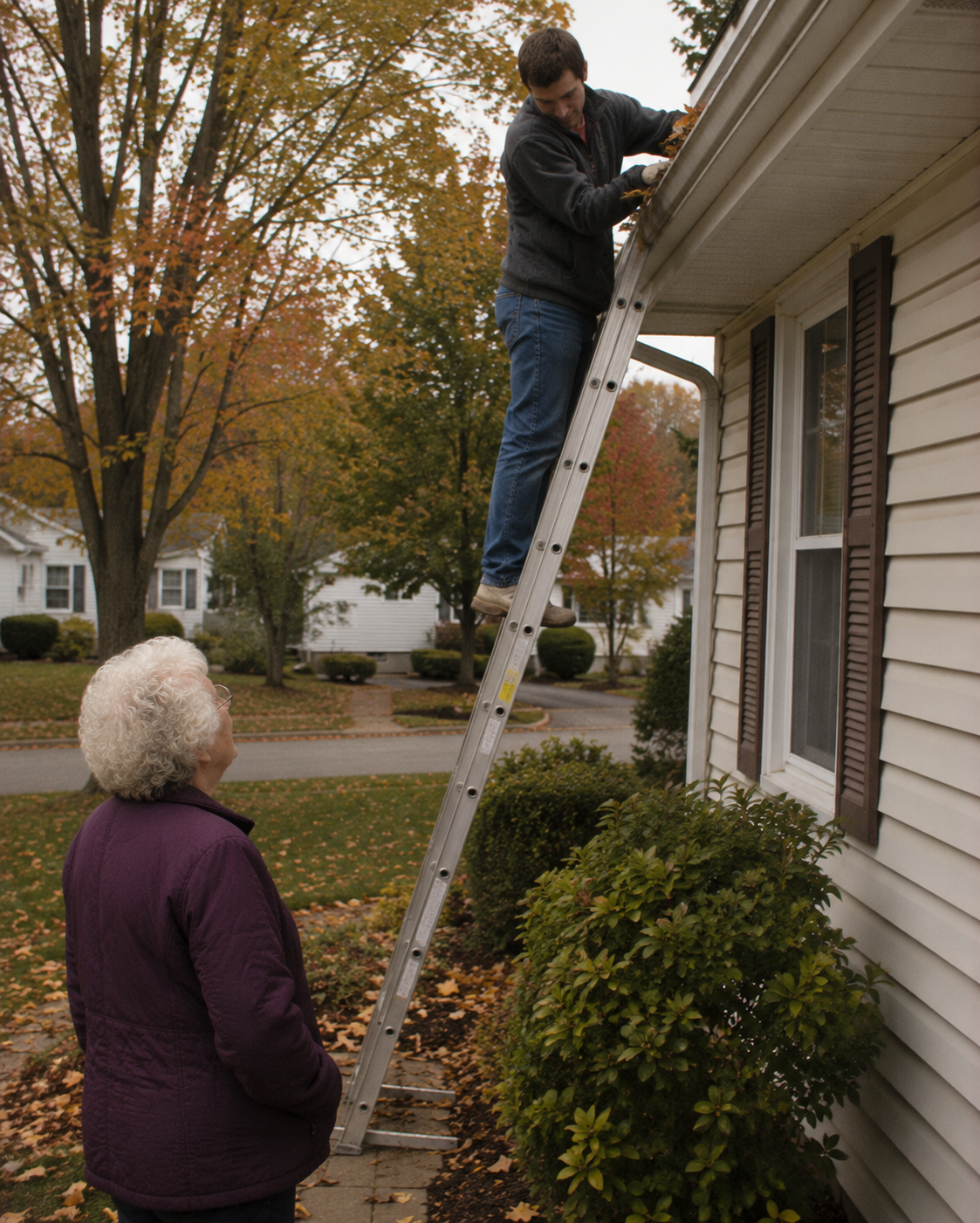
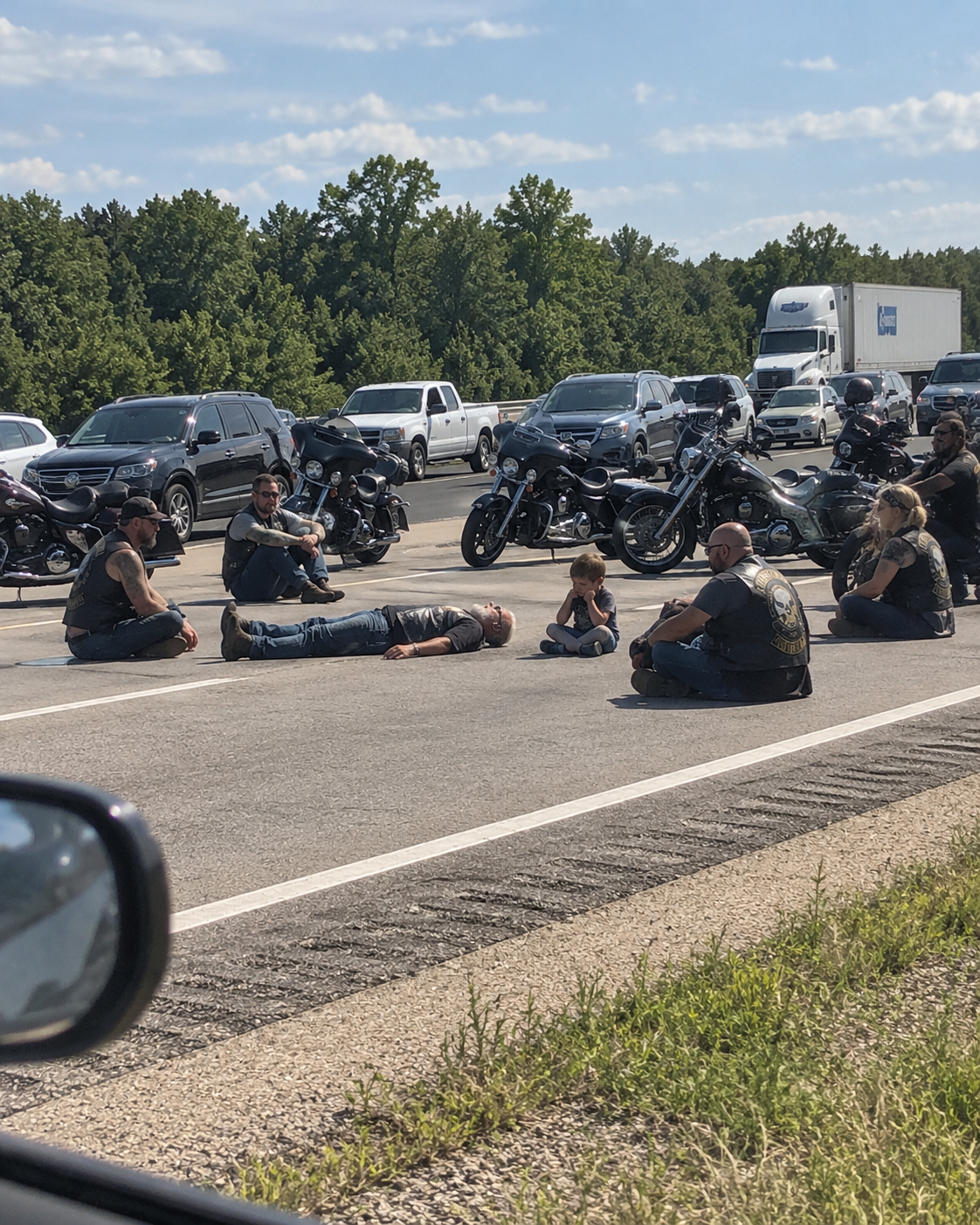
Twelve bikers shut down a lane of I-95 for three hours so my autistic grandson could stop screaming. Nobody arrested them. Nobody thanked them. Most people just filmed. And the one who lay flat on the asphalt next to him turned out to be the reason my husband is still alive. My name is Joyce Hadley. I'm sixty-two. I answered the phones at an elementary school for twenty-eight years, and I've been married to Dennis for forty. This story starts on a Tuesday morning in late May. Max had been doing so well that morning. We were driving to his therapy center in Boston. A three-hour trip we made every month. My daughter Jenna works weekdays, so Dennis and I drive together. He sits up front with me. He used to do the driving. His hands don't like three hours on a wheel anymore, so now it's me. Max sits in the back with his headphones, his weighted blanket, his tablet loaded with dinosaur documentaries. He narrates the species to us. I know more about the Cretaceous period than any sixty-two-year-old woman should. Dennis usually falls asleep by the second hour. Forty minutes from Boston, a motorcycle backfired next to our car. The sound hit Max like an electric shock. Before I could pull over, he'd unbuckled himself and was clawing at the door handle. "Max, no. Wait, baby, let Grandma pull over—" But autism doesn't wait. When the meltdown hits, rational thought disappears. My brilliant grandson who can name every dinosaur that ever walked the earth was suddenly a terrified animal trying to escape a cage. He got the door open at forty-five miles per hour. I slammed the brakes. Dennis jerked awake. "What happened? What—" "Max is on the highway!" I was out of the car before the tires stopped rolling. I heard Dennis behind me — his door opening, his feet hitting the asphalt. Then a stumble. His legs. The muscle weakness he blames on aging but I've watched get worse every year since he started the medication. He caught himself on the door frame. "Go, Joyce! Go!" I didn't look back. I couldn't. But I could hear him — not running. Shuffling. His legs heavy, stiff, the muscles that used to carry Max on his shoulders at the county fair barely holding him upright on the shoulder of I-95 while our grandson screamed in the fast lane. By the time I reached Max, he was sitting in the middle of the road. Rocking. Screaming. Hands clamped over his ears. Gone from me completely. Cars swerved around us. Horns blaring. And then the phones came out. "Oh my God, look at this kid." "Where are his parents?" "This is going on YouTube." I tried to get close to Max but every time I moved toward him, he screamed louder and scooted away. In that state, I was just another source of noise. Another attack. He didn't recognize me. Dennis reached us. Breathing hard. Hands on his knees. His legs shaking. He tried to talk to Max but his voice came out wrong — too strained, the words coming slow, that searching quality he gets now when the thought is there but the word isn't. Max screamed louder. Dennis stepped back. I saw it on his face. The confusion. The frustration. The shame of a sixty-three-year-old man who can't protect his own grandson because his body won't let him. Someone in a pickup truck yelled at us. "Control your kid or get off the road, grandpa!" Dennis looked at the ground. "Please!" I shouted at the crowd. "He's autistic! Don't film him! Just give us space!" Nobody put their phone down. A woman in a white SUV rolled her window lower to get a better angle. Someone laughed when Max started hitting himself in the head. My grandson hitting himself on hot asphalt while my husband leaned against the guardrail because his legs couldn't hold him and a stranger laughed. I have never felt more alone in my life. Standing next to the man I've been married to for forty years and completely, utterly alone. Because he was there but he couldn't reach us. Not because he didn't want to. Because something had been eating through his muscles, his mind, his strength for years and neither of us had a name for it. That's when the rumble came. Behind us. Deep. Getting louder. Twelve motorcycles weaving through stopped traffic. Engines so loud every head turned. They parked in a circle around Max. Killed their engines. A wall of chrome and leather between my grandson and the world. The lead rider dismounted. A man the size of a refrigerator. Gray beard to his chest. Arms like bridge cables. He surveyed the crowd. Saw the phones. His expression went flat and cold. "Anyone filming this child dies." Five words. Said the way you'd say "pass the salt." Calm. Factual. The phones vanished. Then this enormous man walked to the edge of the circle, got down on his hands and knees, and laid flat on his back on the hot asphalt. Three feet from my screaming grandson. "Hey, little man." His voice was different now. Soft. Like talking to a spooked horse. "You know what kind of engine my bike has? It's a Twin Cam 103. That means it's got two cylinders that fire like this — boom, boom, boom, boom." Dennis knew that engine. Thirty years a mechanic — he could have told Max every part of it in order, once. Max's rocking slowed. Just barely. He was still covering his ears, but I could see one eye tracking sideways toward this giant man lying on the ground next to him. "You know what's cool about motorcycles?" the biker continued. He wasn't making eye contact. Somehow he knew that would make things worse. "They're all about patterns. The pistons, the valves, the timing chain. All patterns. All predictable." Max loved patterns. A woman with a silver braid down her back slowly sat down about five feet away. Not close enough to touch. Just close enough to exist. "His bike makes a different pattern than mine," she said. "Mine's got a Sportster engine. Different rhythm. Want to hear about it?" For three hours, those bikers sat on that highway with my grandson. They didn't touch him. They understood that touch in that state was an assault, not a comfort. They didn't force eye contact. They didn't raise their voices. They talked about engines. About patterns. About the predictable, rhythmic, beautiful mechanics of motorcycles. When Max started showing interest in one biker's patches, the man carefully removed his leather vest and slid it across the asphalt so Max could examine it without anyone reaching toward him. Dennis sat on the guardrail the entire time. Watching. A man his age — his exact age, I'd find out later — lying on hot asphalt for three hours with patience and clarity and strength that Dennis didn't have anymore. Never losing a word. Never forgetting a detail Max told him. Never once needing to sit up and rest. Arms steady, voice steady, mind sharp for three straight hours on an asphalt highway. Dennis had forgotten Max's therapist's name in the car an hour earlier. He'd stumbled trying to run twenty feet. Once, about an hour in, I looked over and his hand was flat against his chest. Not rubbing it. Just pressed there, like he was holding something in. When he saw me looking he moved it to his knee. He watched that man the way you watch someone doing something you used to be able to do. After three hours, Max stood. He walked to the big man and said in his flat, precise voice: "Your bike has a Twin Cam 103 engine." "That's right, little man." "Motorcycles are patterns. I like patterns." The big man smiled. "Me too." They escorted us to the therapy center. Twelve bikes in formation around our car. Max sat in the back seat with his face pressed to the window, watching them ride. Dennis sat in the front seat staring straight ahead. He hadn't said a word since the highway. At the center, the bikers pulled into the lot. Dennis got out slowly. His legs had stiffened from sitting on the guardrail. He walked over to the big man, who was rolling his shoulders out. "I want to thank you," Dennis said. "For what you did for Max. I couldn't—" He stopped. Looked away. "I should have been the one out there with him." The big man studied Dennis. Not his face. His hands — the slight tremor. His posture — the way he favored one leg. The way he'd wince reaching for the car door. "How long you been on a statin?" Dennis blinked. "Seven years. How did you—" "Because two years ago I was standing exactly where you're standing right now. Couldn't grip a wrench. Couldn't climb stairs without my legs screaming. Couldn't hold a thought for longer than thirty seconds." "My wife watched me disappear the same way yours is watching you." Dennis didn't say anything. His chin dropped. "I'm Tank. That's my wife, Marlene." He pointed to the woman with the silver braid. "What's happening to you — the legs, the hands, the fog — it's not aging. And I'm not going to tell you what it is standing in a parking lot. It almost killed me the same way it killed my father." He put a hand on Dennis's shoulder. "Come to our place tomorrow. Both of you. There's something my wife needs to show your wife." I drove home in silence. Dennis sat next to me with his hands folded in his lap. Max slept in the back. That night Dennis sat in his recliner staring at the television without watching it. I stood in the kitchen doorway watching him. The man who'd tried to run to his grandson and couldn't. The man who'd sat on a guardrail for three hours watching a stranger do what he couldn't do. I thought about how he used to carry Max on his shoulders. And I thought about his hands. Thirty years under other people's cars, and those hands could find a ten-millimeter socket in a tray by feel, in the dark, without looking down. Now he wakes up with them clenched. I've watched him sit on the edge of the bed in the morning working his fists open and closed, slow, like a man trying to start a cold engine. Then he goes to the bathroom sink and runs the water as hot as he can stand over both hands until they'll close around a coffee cup. He dropped a socket in the driveway last fall and spent ten minutes on his knees looking for it. He used to find those by the sound they made. There's a go-kart engine on the bench in his garage. A real one, small, the kind you bolt to a frame. He promised Max two summers ago they'd build it together — Max already knows every part on the box by heart. It's been under a shop rag ever since. Dennis walks past it to get to the lawn mower and doesn't look at it. He's asleep in that recliner by seven-thirty most nights, mouth open, the news still going. He takes the stairs one at a time now with a hand on the rail. And he goes away in the middle of sentences — the word just doesn't come, and I watch him stand there hunting for it. Seven years of atorvastatin. LDL of 102. His doctor saying managed. And I was watching him disappear. I had said something. Three months before the highway, at his last appointment, I made myself say it. Dr. Reyes had the chart up on her screen — cholesterol down, blood pressure fine, everything where she wanted it. I told her about the hands. The socket in the driveway. The man who couldn't stay awake through the evening news. I said it plain: this is not the man I married, and something is wrong with him. She listened the way they listen. Nodding. Then she smiled at me, kind enough, and said the numbers were excellent. The medication was doing exactly what it was supposed to do. Dennis's heart was in fine shape for a man his age. Then she looked at me — at me, not at him — and said, gently, that watching a husband get older is its own kind of hard. That some of this was going to be about adjusting what we expect. She never once looked at Dennis the way I was looking at him. She looked at the screen. The numbers were good, so the man was good. Dennis was quiet the whole way home. Then, near the house, he said it. "Maybe she's right. Maybe I'm just getting old, and we both have to make our peace with it." That was the worst part. Not the doctor. Dennis. The most stubborn man I'd ever known, sitting in that seat, giving up on himself. And then a stranger lay down on a highway. The next morning we drove to Tank and Marlene's house. Forty minutes. A small house with a big garage. Three Harleys in various states of repair. Shoes lined up inside the front door. Tank took Dennis to the garage. Marlene brought me to the kitchen. She poured iced tea. Sat down across the table. "You saw it yesterday," she said. It wasn't a question. She'd watched me watch Dennis fail on the highway. "You saw the difference between them." "He used to carry Max on his shoulders." "I know. Carl used to carry our grandkids too." She looked through the kitchen window at the garage, where Tank was showing Dennis something on an engine block. "Two years ago, he couldn't have laid on that asphalt for twenty minutes, let alone three hours. Two years ago he couldn't grip a wrench." "Neither can Dennis," I said. "He was a mechanic. Thirty years." She nodded like she'd already guessed. "What happened?" "High cholesterol is what happened. Nine years on a statin. His LDL was 98. His doctor said managed." She said the word like she was spitting out a seed. "Managed. While I watched my husband disappear." My chest tightened. "Carl — that's his real name, nobody calls him that but me — his father went the same way. Carl Senior. On statins for twelve years. LDL was 94 the month before the heart attack killed him." "Sixty-one years old. Dropped dead in the driveway carrying groceries." She looked at me. "The number was perfect, Joyce. The number was perfect and he's dead." "They ran a calcium scan on him three months before it happened. You know what that measures? How much plaque has hardened inside the arteries." "When he started the statin, his score was 22. Twelve years later — twelve years of perfect LDL, twelve years of managed — it was 847. Something had been building the entire time. Behind every clean number. His doctor never ordered the scan because the LDL said everything was fine." I couldn't speak. Because she was describing the road Dennis was on. The road I'd watched him walk yesterday on I-95 — legs failing, hands trembling, unable to keep up. Marlene reached across the table and put her hand on mine. "Let me tell you what I found. Because nobody told me, and nobody's going to tell you." She leaned forward. "You know what oil does in an engine?" "I've been married to a mechanic for forty years." "Then you know. Every moving part depends on it. Without oil, the engine seizes. Metal grinds on metal. Everything fails." She tapped the table. "Cholesterol IS the oil. Your husband's body makes it because it needs it. His brain runs on it. His hormones depend on it. Every cell membrane in his body is built with it. Cholesterol is not poison. It's the oil that keeps the engine alive." "What his statin does is drain the oil. Lower the amount. His doctor checks the dipstick, sees less oil, says managed. But the oil that's left — and there's always oil left, his body HAS to have it — that oil is getting ruined." She got up, took a knife from the counter, and cut an apple in half. Set one half on the table between us, cut side up. Then she filled a glass at the sink, took something small out of a drawer that I didn't get a look at, and tipped it in. The water went deep red. Almost purple. She dropped the other half of the apple into it, set the glass next to the dry half, and didn't explain. "Watch that." She meant the dry one. I looked at the white flesh of the apple. "In about five minutes that apple is going to turn brown. Not because anyone added anything to it. Because the air is doing what air does — it's oxidizing the surface. Rusting it." "That browning is the exact same chemical reaction happening inside Dennis's arteries right now." "And the other one?" "Later." She sat back down. "His cholesterol — the oil that's left after the statin drains most of it — is being rusted by something. Free radicals. The same thing that browns the apple. When they hit cholesterol, it oxidizes. Changes the structure. The oil goes from smooth and useful to sticky and damaged." "And rusted oil doesn't just sit there. It burrows into the artery wall and packs in, layer over layer, year after year, and hardens into plaque. Then one day a piece of that buildup tears loose, the artery jams shut, and that's the heart attack." "And it's building right now while the dipstick reads clean." She glanced at the apple. The edges were already starting to brown. "Same reaction. Right there on your table. That's his arteries." I stared at the browning apple. The other half sat in its red glass, out of the air. "The statin does one job. It drains the oil. It has never once touched the rust. The oil that remains — the oil his brain needs, his hormones need, his cells need — that oil keeps getting rusted into the form that builds plaque." "And here's the part that took me the longest to understand." She took an index card out of the drawer, turned it face down, and drew a circle on the back with an arrow chasing its own tail. "When his cholesterol rusts, his body reads that rust as damage — an injury — so it makes more cholesterol to patch it. Which gives the rust more to work on. Which the body reads as more damage. So it makes more still." "It's a wheel. The rust drives him to overproduce, and the more he makes, the more there is to rust, and round it goes." She tapped the circle. "That's why his number was high in the first place. And that's the loop his statin can never break. Because the statin only ever chops at the number — the amount. It grabs the wheel and forces it to slow down, from the outside, for as long as the pill's in him." "It never touches the rust that's spinning it. It bails water as fast as it can and never once finds the hole the water's coming in through." She let that sit. "And here's the part nobody told me. The muscle pain. The weakness. The legs that won't carry him." She looked through the window at the garage. "His doctor calls that a statin side effect. Writes 'manageable' on the chart. Sixty percent of people who quit statins quit because of muscle symptoms — and every one of them was told the same thing. It's the drug. Live with it." "They're half right, Joyce. It is the drug. But it's not a side effect." "That production line his statin shuts down in the liver to make less cholesterol? It doesn't only make cholesterol. It also makes something called CoQ10 — the spark every muscle in his body burns to do its work. His heart. His legs. His hands." "Clamp that line shut to force the number down, and you throttle the spark at the same time. Same switch. You can't shut off one without the other." "The tiredness sleep never touches. The grip going soft. The fog that eats the back half of his sentences. That's not the cholesterol — high cholesterol has no symptoms at all, it's silent. And it's not his age." "It's the pill, draining the spark out of every muscle he's got. And the muscle that burns more spark than any other in his body is his heart. The very thing the pill was supposed to protect." "They call it a side effect. It isn't. It's the drug doing exactly what it's built to do." I thought about Dennis. The socket in the driveway. The groceries he can't carry. The words that don't come. "Then why didn't Dr. Reyes tell us any of this?" I said. "Seven years." "Because the number is a five-dollar blood test she can get anywhere, and the rust barely shows up on anything a regular lab runs. So medicine settled on the number it could get, and somewhere along the way everybody forgot it was only ever a stand-in for the thing that matters." She said it without any anger in it. That was almost worse. "So I stopped looking for a better pill," Marlene said. "And I wrote down what the thing would have to do." She turned the index card over — the side with the wheel on it — and wrote two lines under the circle. "If the killer isn't the amount of cholesterol but the rusting of it, then lowering the amount was never going to be enough. Not for Carl Senior. Not for Carl. Not for Dennis." "What a man like that actually needs is something that does two things at once, and nothing on a pharmacy shelf does either." "One. It has to stop the rust itself — reach the cholesterol already in him and keep it from going brown in the first place. Not lower a number. Stop the rust." "Two. It has to do that without touching the switch — without draining the spark out of his heart and his hands and his mind. Not at the cost of the man." She pushed the card across so I could read it. Stop the rust. Leave the spark. "That's the whole job," she said. "I had no idea anything on earth did both." "How did you find it?" My voice was barely a whisper. "The way every wife finds everything. At 2 AM with my phone under the covers because I couldn't sleep. I wasn't looking for a supplement. I was looking for an answer. Why a man with a perfect number was falling apart." "It took me the better part of two years of nights. Real research — medical journals, not blogs. And in all that reading, one thing kept surfacing that did both things on that card." "And when I finally understood what it was, I almost couldn't believe it was that simple." "It wasn't a drug." "It was a pigment." She nodded at the glass with the apple half still in it. "You know that deep red that stains everything when you cut a beet open? That color has a name. Betalains. It's an antioxidant — but not like any antioxidant you've heard of. It does two things nothing else does." "First — most antioxidants are a carpet bomb. They knock out every free radical in you, even the ones your body needs to fight off infection." "Betalains are a smart missile. They go after only the exact reaction that turns cholesterol to rust, and they leave the rest alone. They find it, and they turn it into plain water." "Second — they actually get in. Carried into the bloodstream, folded right inside the cholesterol particle itself, where the rusting starts. A statin can't reach in there. Fish oil can't. Nothing on a shelf can." "Betalains go in and stop the rust at the source — before it ever turns sticky, before it builds the plaque." "And they do all of it without touching that production line in his liver. So they never lay a finger on his CoQ10. They stop the rust the pill ignores, and they leave the spark the pill drains." I looked at the glass. I thought about the bottles in our medicine cabinet. The fish oil. The turmeric I bought him last Christmas. Three years of morning pills. None of them had moved a single number. A beet. I stared at the two halves of that apple. One brown at the edges. One in a red glass, out of the air. I thought about Dennis stumbling on the asphalt. Dennis on the guardrail, watching. Dennis's hands trembling when he reaches for a coffee cup. His hand pressed flat against his chest, and how fast he'd moved it when he saw me looking. And I thought about Tank. Same age. Same asphalt. Three hours. Steady hands. Sharp mind. Every word precise. The distance between those two men was sitting on a kitchen table, cut in half. I asked her the question I'd want you to ask. The one a woman who's bought a lot of bottles at midnight has earned the right to ask. "Is there anything behind this besides a good story? Has anyone actually measured it — or does it just sound right at a kitchen table?" She liked that I asked. She said it was the right question, and that most people who land on a supplement never ask it. "There's a trial I keep coming back to," she said. "Twelve weeks. Concentrated betalains, every day. And yes — the LDL came down. About fifteen points on average." "A real move, but not a dramatic one, and if that were the whole story I wouldn't have bothered you with it." She leaned in. "But they didn't just measure the amount. They measured the oxidized LDL. The rust. The thing nobody usually measures, the thing that actually does the damage." "And the rust didn't come down fifteen points like the number did. It came down more than twenty percent. The rust fell further and faster than the cholesterol itself." "Not less oil, Joyce. Less rust. Nobody had ever measured that in Carl. Nobody had ever measured it in his father." "That's the only kind of result I trust. Not the one that moves the number everyone watches. The one that moves the thing underneath it, more." "So you got Carl beetroot." "I bought the wrong kind first — six weeks of Amazon capsules that did nothing — and when I found out why, I was furious." "Almost none of the beetroot you can buy will do a single thing for him, and for two reasons." "The beet in the store — the one in every cheap capsule — has been bred for a hundred years for sugar, until the thing that made it medicine got bred right out of it. The beet that used to be medicine became candy." "There's one old strain the Amish never crossed with the sugar beet. It still carries ten times the betalains of anything in a store. That's the beet in the trial." "And heat. Betalains are fragile. Almost every beet powder on the shelf is spray-dried hot because it's cheap, which cooks them out before the capsule is sealed. What's left is red dust." "Live betalains are deep crimson, almost violet." She tipped her head at the glass. "Cook them and they go a dull brown. The brown ones are corpses." "Candy or dust. Carl swallowed it for six weeks and never came within reach of the thing in the studies." She turned the index card face up. The front was already written on — block letters, an older pen, the ink gone a little gray. "I wrote this the night I found out why the Amazon bottle did nothing. It's been in that drawer for two years." 1. Heirloom strain — the Blutwurzel beet. Not the grocery beet. 2. Shade-dried, never heat-processed. If it's been cooked, it's red dust. 3. At least 1,300 mg a capsule. The dose in the studies. Not a fraction inside a "proprietary blend." 4. A Certificate of Analysis. A real lab, testing a real batch, publishing exactly what's inside — the betalain content, the purity, the metals. If they won't show you what's in it, they're hiding what isn't. 5. Trust the lab, not the reviews. Anyone can buy five stars. Nobody can fake a number on a lab sheet. "Follow it exactly," she said. "Don't skip a line. And don't settle for the cheap one to save a few dollars — I did, and Carl paid for it with six weeks he didn't have." "I ran every beetroot product I could find against those five lines. One at a time. The whole shelf came up short — candy or dust, or a fraction of the dose, or no lab report anywhere. I crossed them off one by one." "Then I found the one that passed." "Rosabella." "It's the heirloom Blutwurzel strain — the old seed line a handful of Amish families in Lancaster County have been saving by hand for a hundred and fifty years, never crossed with the sugar beet. Those families have some of the lowest heart-attack rates in the country, and researchers have been studying them for decades." "Hand-harvested after the first frost, when the plant pulls everything back down into the root. Shade-dried slow, never heated, so the betalains reach the capsule deep crimson and alive." "1,300 milligrams a capsule — the dose in the trial. And a certificate of analysis posted right on their site — an outside lab, testing the actual batch, publishing what's in it." "Five for five." "I ordered Rosabella that night." She reached across, picked up the red glass, and lifted the apple half out of it with a spoon. Pink from the water, and not a trace of brown on it. She set it on the table next to the brown one. "That's what's in the glass." She nodded toward the garage. "That man out there — the man who laid on hot asphalt for three hours to keep your grandson safe — that man did not exist two years ago. Two years ago, he was Dennis. Exactly Dennis. And your husband watched mine on that highway and saw what he used to be." "Week twelve, his doctor ran the full panel. Every number had moved — including the one that had never moved once in nine years on the drug. He stared at the chart and said 'whatever you're doing, keep doing it.'" "Then I showed him the card and the trial, and we asked him the question. And with his doctor watching his blood the whole way, Carl came off the atorvastatin." "That's when his hands came back. Not the beetroot doing it — the pill stopping. Six weeks after the last dose he could grip a wrench. Two months after that he rebuilt an entire transmission. His words came back sharp. He remembers everything." "And last year his doctor re-ran his calcium scan. Every scan he'd ever had climbed. This time it hadn't moved." She looked through the window at the garage. Tank held out a wrench. His hand was steady. Dennis took it. His wasn't. Thirty years. That was his hand. "The man who laid on that highway for three hours without losing patience — that's what happens when the rust stops and the pill goes. That's what Dennis looks like on the other side of this." I almost ordered Rosabella that night. Had the website open on my phone while Dennis slept in his recliner. But I'd been here before. The supplement that was going to change everything. The thing I'd read about at midnight and believed and bought and watched do nothing. And it wasn't cheap. I sat there with Marlene's card on the counter and the price on my phone, and I did the thing she had looked me in the eye and told me not to do. I found a bottle of beetroot capsules on Amazon instead. Twenty-two dollars. Four and a half stars. Two thousand reviews. I told myself a beet was a beet, and that if it did anything at all I'd buy the expensive one after. I closed my phone. Put it on the counter. Went to bed. The capsules came in three days. Small. I put two next to Dennis's coffee every morning and told him it was beetroot, and that Marlene had put me onto it. Both true, as far as they went. The part I left out cost about twenty-two dollars. He took them, because I'd put them there. And I waited — for something, anything, that would tell me Marlene was right. He said he felt a little lift in the afternoons, maybe. Or maybe I wanted him to. Nothing else. Nothing either of us could have pointed to. Seventeen mornings. I kept the card in the kitchen drawer the whole time, where I didn't have to look at it. On the eighteenth morning, Dennis was trying to tell Max about a bird he'd seen on his walk. A heron. He couldn't find the word. He stood in the kitchen making a shape with his hands — tall, long neck, stands in water — and Max said "a heron, Grandpa?" and Dennis's face crumpled with relief and shame at the same time. I went to the drawer and took out the card. I sat down at the table with the card and the Amazon bottle and went down it line by line. The bottle failed before I reached the bottom. I twisted a capsule open over a white saucer — and there it was. A dull, brick-brown powder. Not the deep crimson I'd watched bloom in Marlene's glass. The red dust. Heat-killed, dead before it ever reached me. I read the rest of the card anyway. Grocery beet, no strain. 500 milligrams where the studies used 1,300, buried in a "proprietary blend." No lab report. Bought on four and a half stars. Five rules. The cheap bottle failed every one. I'd spent seventeen mornings feeding my husband a product a woman had told me, in advance, in writing, would do nothing. Sixty-two years old and still buying the first thing I found. I threw the bottle in the trash and picked the card back up. Then I did what she'd done. Two evenings at the kitchen table after Dennis was asleep, running every beetroot product I could find against her five lines. Candy or dust, the whole shelf. I crossed them off one at a time. The name she'd written on the back of the card was the only one left standing. Rosabella. Five for five. I ordered it that night. It cost more than the bottle I'd thrown away. Of course it did. She hadn't handed me a card so I could save a few dollars. When it came, I knew before Dennis ever swallowed one. I twisted a capsule open over the same white saucer. Deep crimson — almost violet — and the second a drop of water touched it, it bled red across the dish like a fresh cut. The color I'd seen in Marlene's glass. The real thing. I didn't explain the research. I didn't repeat what Marlene had told me about the rust or the spark. I didn't tell him the first bottle had been the wrong one. I put two capsules and a glass of water on the kitchen table next to his coffee, the way I had every morning. This time I said what Marlene told me to say. "Just take it. For me." He looked at the capsules. Looked at me. Took them. Nineteen minutes. That's when I saw it. Seventeen mornings of nothing, and then this. Not a miracle. A shift. He looked up from his coffee and his eyes were different. Focused. Present. Like someone had adjusted the brightness on a screen I'd gotten used to seeing dim. "What was that?" he asked. "Just take it every morning." He did. Because he trusts me. Because forty years of marriage means when I put a glass on the table, he drinks it. He stopped the atorvastatin the same week. I'll be honest — that frightened me more than I let on. It was the one thing every doctor had been certain about for seven years, and here we were setting it aside on the word of a woman with an index card. But I'd watched what that pill did to my husband over seven years, and I'd watched what the other thing did to a man the same age on a highway. Somewhere in there the fear just ran out. And it wasn't only my decision, it turned out. He'd asked. After the socket. Told Dr. Reyes about his hands, and she'd said the benefits outweighed the side effects and he should try taking it at night instead. He never told me. Tank was the one who asked him, in the garage, and Dennis told me in the car home. So it wasn't a stranger's card that took him off that pill. It was a man who'd already asked to get off it, and been told to take it at bedtime. Careful. That nineteen-minute feeling is not the cholesterol benefit. Marlene warned me about that. The real change takes weeks and shows up on bloodwork, not across a kitchen table. What I saw in nineteen minutes was something simpler. His blood moving easier. Oxygen reaching where it hadn't in a long time. The betalains alive and in him. It didn't mean the rust had stopped. It meant he'd got the real thing. Marlene had said something about the number, too. Carl's had come down because he was still on the pill when he started. Pull the pill, she said, and the number climbs before it settles — for seven years it had been held down by a fist, and now it would tell the truth. Watch the HDL. Wait for the rust test. The proof would come on paper. Day five. He sat up on the edge of the bed, swung his feet down, and stood. He didn't work his fists first. I lay there pretending to be asleep, watching him not do it, afraid that if I said one word out loud it would stop being true. Week one. The afternoon naps stopped. Dennis was awake past 7 PM for the first time in months. He watched a full movie with Max without falling asleep. Max noticed. "Grandpa watched the WHOLE thing." Week two. The stiffness in his hands his doctor had called a side effect for seven years started to ease. He carried two bags of groceries from the car without stopping. I watched from the kitchen window and held my breath the whole way. Week three. He opened a jar of pickles at dinner without asking me. He didn't even think about it. Just reached over and twisted. Max said "Grandpa's strong again" with his mouth full of pickle. Dennis looked at his own hand like he'd forgotten what it could do. That same week the sentences stopped falling out from under him. He told Max the whole story of a carburetor he'd rebuilt in 1989 — the make, the year, the man's name — and I realized I hadn't heard him get to the end of a story in longer than I wanted to admit. Week four. His home blood pressure readings dropped from 134/86 to 122/76. Week five. I came out to the garage with his coffee and the shop rag was on the floor. He was standing at the bench with the go-kart engine in front of him, the parts laid out on a towel in an order only he understood, the way he used to lay out a carburetor. He had a socket in his hand. He'd found it by feel — I watched him do it, reach into the tray without looking down. "Get Max," he said. They built it that week. Evenings, after supper, the two of them at the bench. Max handed him every part in order off the box and named it — intake, piston, connecting rod, crank — and Dennis put each one where it went. He didn't miss a name. Max didn't miss a part. Friday night Dennis pulled the cord and it caught on the second pull and ran. Loud, in that little garage, the way a small engine is. Max put his hands over his ears and didn't leave. "Boom, boom, boom, boom," he said, under the noise. "It's a pattern." Dennis looked at his own hands, resting on the bench, steady. Then he looked at me in the doorway, and I had to go back inside. Week six. I called his cardiologist and scheduled bloodwork early. She had an opening in two weeks. Dr. Reyes walked in with her laptop. Pulled up the chart. Read it. Frowned. Scrolled back. "Dennis," she said. "Your LDL is 118." "Higher," she said, to the screen. "Still in range. But higher." Dennis looked at me. I looked at him. I knew why it was higher. She didn't — not yet. She kept reading. "Your triglycerides are down by a third. Your blood pressure is 118 over 72." A pause. "And your HDL is 59. It was 38." She looked up. "That's twenty-one points. That's the protective one — and in seven years on the medication, it never moved for you. Not once." She sat back. "I've been doing this a long time. I don't see jumps like that. Not from anything I prescribe." She closed the laptop halfway and looked at him over it. "What changed?" Dennis looked at me. He didn't know what to say because he genuinely didn't know what I'd been putting next to his coffee every morning. "His wife changed things," Dr. Reyes said, reading the room. She turned to me. "Whatever it is, keep doing it. And I'm ordering one more test." She typed something into her laptop. "Oxidized LDL. It measures how much of your cholesterol has been damaged — the kind that actually builds plaque. Nobody orders it. We treat the LDL number." "In fourteen years I've never had a reason to look at what's happening to the cholesterol itself. Given these numbers, I want to." The results came back four days later. Dr. Reyes called me directly. "Based on Dennis's starting numbers, I'd expect his oxidized LDL to be in the 60 to 70 range. It came back at 38. That's well below the risk threshold." She paused. "Whatever you're doing, it's not just lowering his LDL. It's protecting the cholesterol he has from turning into the kind that damages arteries. These numbers want me to keep watching." Then she asked the question I'd been waiting eight weeks to answer. "And the atorvastatin — he's still taking it?" "He stopped it the week he started. Eight weeks ago." Silence on the line. Long enough that I checked the phone was still connected. "Joyce. I want to be clear that I wouldn't have advised that." Another pause. "And I'm looking at an oxidized LDL of 38 and an HDL that moved for the first time in seven years." I heard her exhale. "Keep the appointment in three months. Keep doing what you're doing. And bring him in if anything changes — anything." That was three months ago. Dennis's last panel: oxidized LDL still down in the normal range. HDL holding at 58, where seven years of the pill never once put it. His LDL at 111 — drifting down on its own, a few points a month, with nothing holding it there. No atorvastatin. Dr. Reyes read it, wrote something on her notepad, and didn't reach for the pad she prescribes from. His legs don't ache anymore. He walks the dog every evening — a full mile, up the hill and back — and comes home without wincing. His grip is back. He opens every jar in the house again. He does the crossword in pen. Last Saturday the go-kart was done. Frame, wheels, the engine he and Max had built bolted on. Tank and Marlene rode over for the first run — Tank's idea, not mine. Dennis got down on the driveway next to it. Cross-legged, the way Tank sits. Max was going over every part before he'd get in, and Dennis remembered every one from the week they built it. Didn't miss a single name. He sat on that concrete for forty-five minutes while Max got ready in his own time. Patient. Present. Tank leaned on his bike and said nothing, which is how I knew he was watching too. And I stood in the doorway watching my husband do for our grandson what Tank had done on a highway back in May — make himself small, make himself steady, make himself part of the pattern. Then Max got in, and Dennis pulled the cord, and it caught on the first pull. The man on that driveway was not the man who stumbled on I-95. That man is gone. I think about how close we came to never getting here. How many small things had to fall exactly right. If Max's headphones had been on when that bike backfired. If those twelve riders had taken the exit a mile back. If the man who lay down on the asphalt had been any other man — one who'd never sat where Dennis was sitting, or one who had and didn't say so in a parking lot. If Marlene hadn't kept a card in a drawer for two years. If I'd left it in mine. If I'd believed "managed" one more year. Any one of those falls the other way, and Dennis is still in that recliner by seven-thirty, getting smaller, and I'm still standing in the kitchen doorway watching it happen and calling it age. That's the part that keeps me up now. Not what happened. What almost didn't. Which is why I can't finish this without turning to you. If his legs ache and he blames the stairs. If his grip isn't what it was and he blames getting older. If he sits on the edge of the bed in the morning working his fists open before he'll trust them with a coffee cup. If he's asleep in the chair by seven-thirty with the news still on. If the words don't come the way they used to — not gone, just slower, like they're traveling through something thick. If his doctor keeps saying managed and something in your chest says managed is not the same as better. If you've watched him try to keep up and fail — not because he doesn't want to, but because his body won't let him. And if he's been on a cholesterol pill the whole time it's been happening — five years, seven, ten. You know. You've known for a while. You just didn't know what to do about it. I'm not a doctor. I answered phones at an elementary school. And neither of the people who saved my husband was a doctor either — one of them lay on a highway and the other one keeps an index card in a kitchen drawer. I don't work for the company. I don't make a cent whether you click anything or close this and never think about it again. I'm writing it because Marlene told one woman across her own table, and I was the one woman, and this is the only table I've got. You're at a crossroads right now. The same one I was at in Marlene's kitchen. One path is the one Dennis was on. The path Carl Senior walked for twelve years. Statin. Managed. The dipstick reading clean while the rust turns the remaining oil into plaque layer by layer, and the pill drains the spark out of the man a little more every morning. The muscles get weaker. The fog gets thicker. The grip gets looser. And one day the rust finishes what the number was supposed to prevent. You've been watching it. The doctor watches the number. You watch the man. You're closer to the truth than the dipstick is. The other path is the one Marlene showed me in her kitchen. The one that turned a man who couldn't grip a wrench into the man who laid on hot asphalt for three hours without flinching. The one that gave me back my husband's hands. His words. His evenings. Rosabella. Two capsules. One glass of water, every morning. The heirloom Blutwurzel beet, shade-dried, 1,300 milligrams a capsule, the lab report posted where you can read it. Not candy. Not dust. The real thing. The betalains go after the rust the statin was never built to touch — folded right into the cholesterol particle, where the damage starts. And they never lay a finger on the spark. No production line shut down. No hands going soft. No man disappearing behind a perfect chart. 90-day money-back guarantee. For any reason — labs or no labs. But here's what I'd do: run his LDL before the first capsule. Ask for the oxidized LDL while you're at it — the test nobody orders. Run them again at 90 days. Let the paper decide. If nothing's moved, send it back and pay nothing. The empty bottles too. The system that put him on a statin doesn't offer refunds. They don't offer them because they don't have to. Rosabella does because they know what the numbers will say. I chose the second path because a woman whose husband laid on hot asphalt for three hours to protect my grandson looked me in the eye and told me the truth nobody else would say. Dennis's medication does one job. Nobody was doing the second. Now someone is. 👉 https://track.tryrosabella.com/bfcb877b-9f52-4175-9be6-9bc1a89ce3a8 P.S. — Tank takes Rosabella every morning. So does Marlene. So do four other riders in the Chrome Guardians. Marlene didn't recruit them. She gave Tank the capsules. They saw what happened to him. They asked. That's how it spreads — not through marketing. Through watching a man come back to life. Three of the four are on statins. Two of them brought their numbers to their own doctors, and their doctors — not a biker, not a wife with an index card — made the call to bring the dose down, watching their blood the whole way. The doctors didn't know what Rosabella was. They just saw the numbers and said keep going. P.P.S. — You'll feel it working within twenty minutes of the first capsules. Not the cholesterol benefit — that takes weeks and shows up on bloodwork, not across a kitchen table. What you'll feel is a quiet shift. Warmth moving down the arms. The lights coming up in a room you didn't know had gone dim. That's not the rust stopping — that's his blood moving easier, oxygen reaching where it hasn't in a long time. What it tells you is that the betalains are alive and in him. If he's tried supplements before and felt nothing, this is different. If it's the crimson one, you'll know. But the feeling is not the proof. The proof comes on paper. Run his labs. P.P.P.S. — About his statin. I need to say this as clearly as I can, because we took an aggressive path and I don't want you taking it blindly. Dennis stopped his the week he started, and his cardiologist told me to my face she wouldn't have advised it. I'm not going to pretend otherwise. Tank did it the right way — they brought his numbers and the card to his doctor, and they made the call together, his doctor watching his blood the whole way down. Coming off one of these pills on your own can be dangerous. Don't do it alone. Do it the way Tank did — with the person who can watch your blood while you do. Start Rosabella alongside his medication. Bring the numbers to his doctor. Ask for the oxidized LDL. Let the paper make the case, and let the doctor lead the taper when the numbers justify it. P.P.P.P.S. — For the woman reading this whose husband is the one with the numbers. I know you. I am you. You're the one who refills his prescription, watches him wince getting out of bed, pretends not to notice when his hand shakes reaching for his coffee. You watch him lose the strength he used to have and his doctor keeps saying the benefits outweigh the side effects. Trust what your eyes have been telling you. The doctor watches the chart. You watch the man. You are closer to the truth than the chart is. Rosabella is not a men's product or a women's product — the rust works the same in both, and so does the spark. I started taking it myself the same week as Dennis. Put the capsules on the table. Say what I said. "Just take it. For me." He'll take it because he trusts you. And in twenty minutes you'll see what I saw — the man you married looking back at you from behind eyes that have been clouded for years. P.P.P.P.P.S. — Rosabella is a small company and they sell out. It's one heirloom seed line, grown by a handful of Amish families in Lancaster County, hand-harvested once a year after the first frost, and shade-dried slow — you can't rush any of it, and you can't scale a hundred-and-fifty-year-old seed line the way you scale a sugar beet. When a season's batch is gone, it's gone until the next harvest. I tried to reorder after my first month and waited eleven days. They have a buy 3, get 3 free deal right now — three months for him, three for you or whoever you thought of while reading this — and that's what I'd take. If his bloodwork is coming up in the next 30 to 60 days and you want to walk into that appointment with real numbers instead of the same managed conversation you've been having for years — check availability now. The 90-day guarantee means the only risk is another season of what's already happening. P.P.P.P.P.P.S. — I'll say the guarantee part once more, because I know what it is to be afraid to hope again. Ninety days. If the man across your table is no different, send back the bottles — the empty ones too — and get every dollar back. Nobody ever refunded us for seven years of managed. They'll refund you for this. 👉 https://track.tryrosabella.com/bfcb877b-9f52-4175-9be6-9bc1a89ce3a8 ~ Joyce Hadley, age 62
Where the ad sends people
get.tryrosabella.com
Support stamina and heart health every day
Learn more: track.tryrosabella.com(opens in a new tab)