Dr Barbara Carol
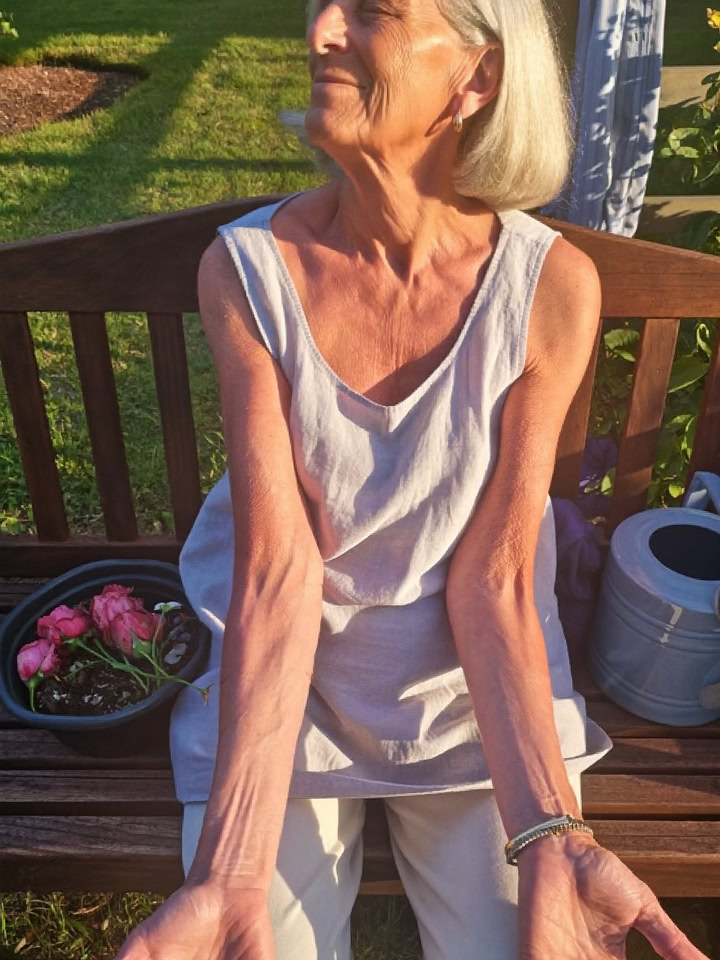
Dr Barbara Carol Facebook ad: “French Wisdom in a bottle.”
Ran for 9 days, from August 12 to August 21, 2026, the last day Crush saw it.
Run by Dr Barbara Carol on Facebook. Crush is not the advertiser and does not verify its claims. See this ad in Meta's Ad Library(opens in a new tab)
Want an ad like this for your product?
Crush makes new ad images for your product from this ad: your logo, your product photo, your offer.
Trials from $19.95 USD, then $79.95 USD a month. Cancel anytime.
About this ad
- Meta Ad Library ID
- 967483856352850
- Platforms
- Facebook, Instagram, Audience Network, Messenger and Threads
- Relaunches
- 0
- Niche
- Skincare & Beauty
Ad text
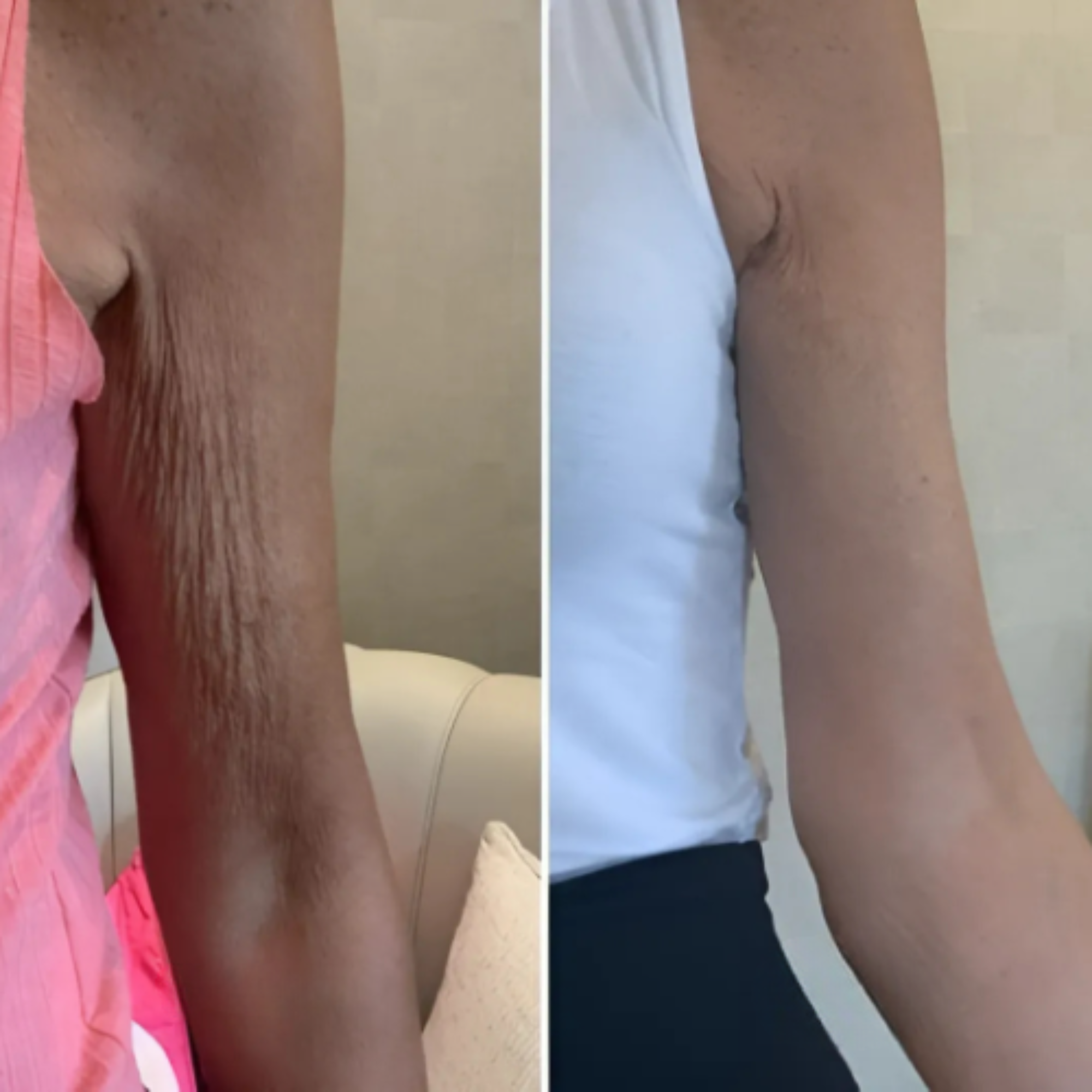
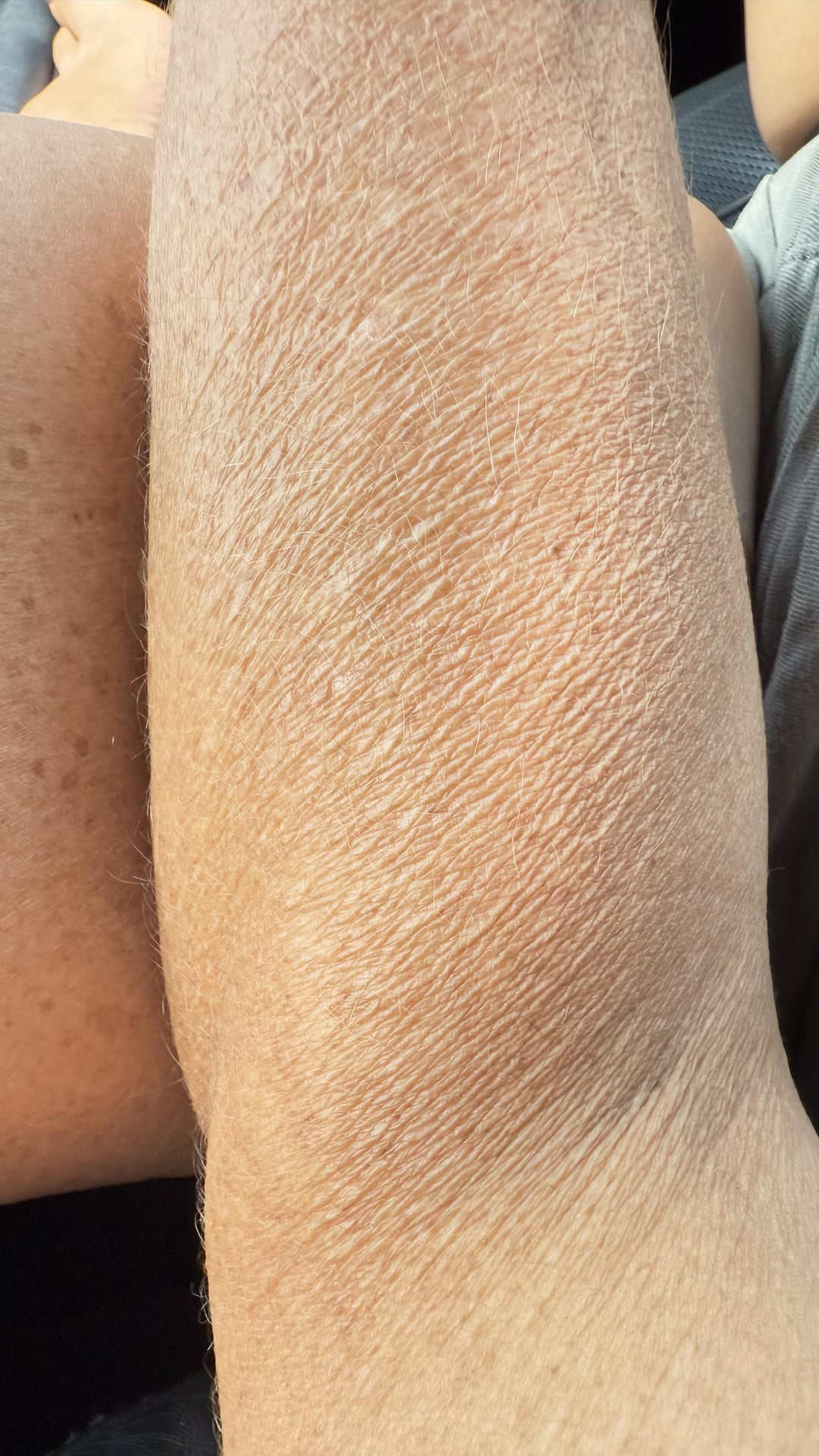
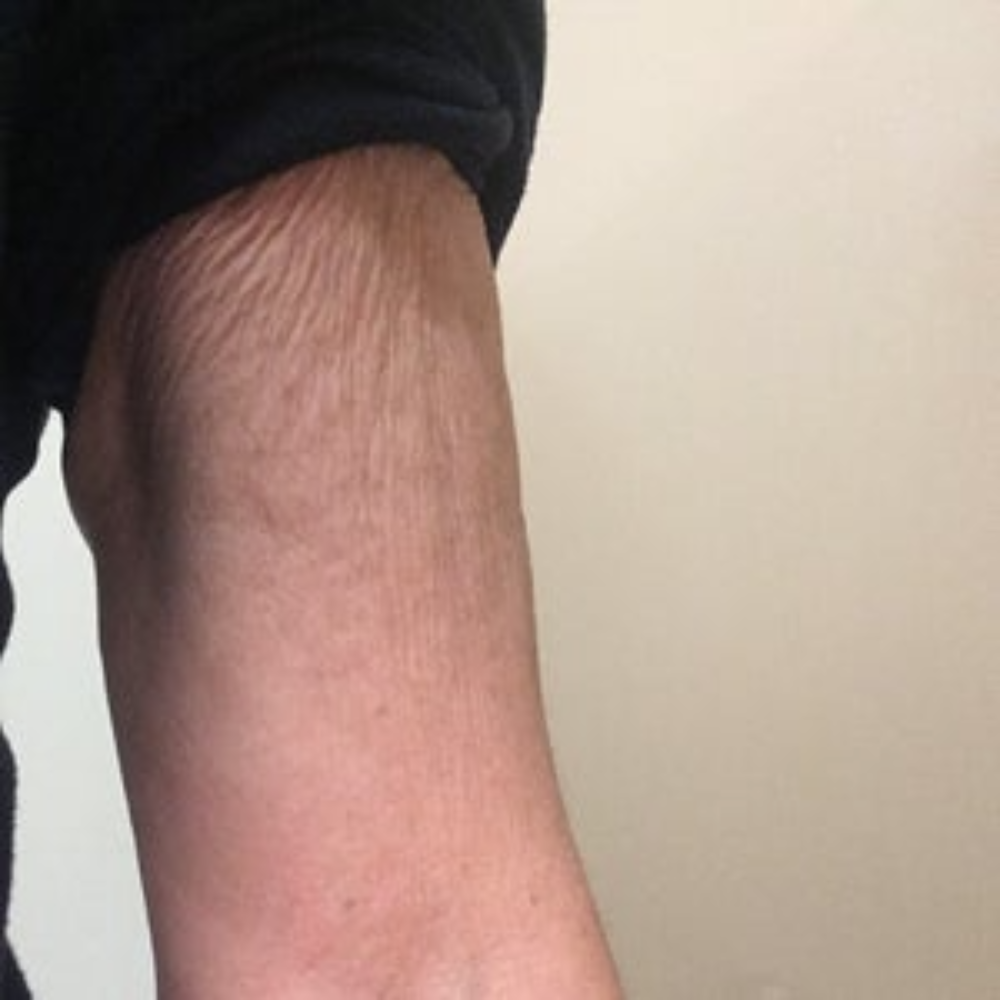
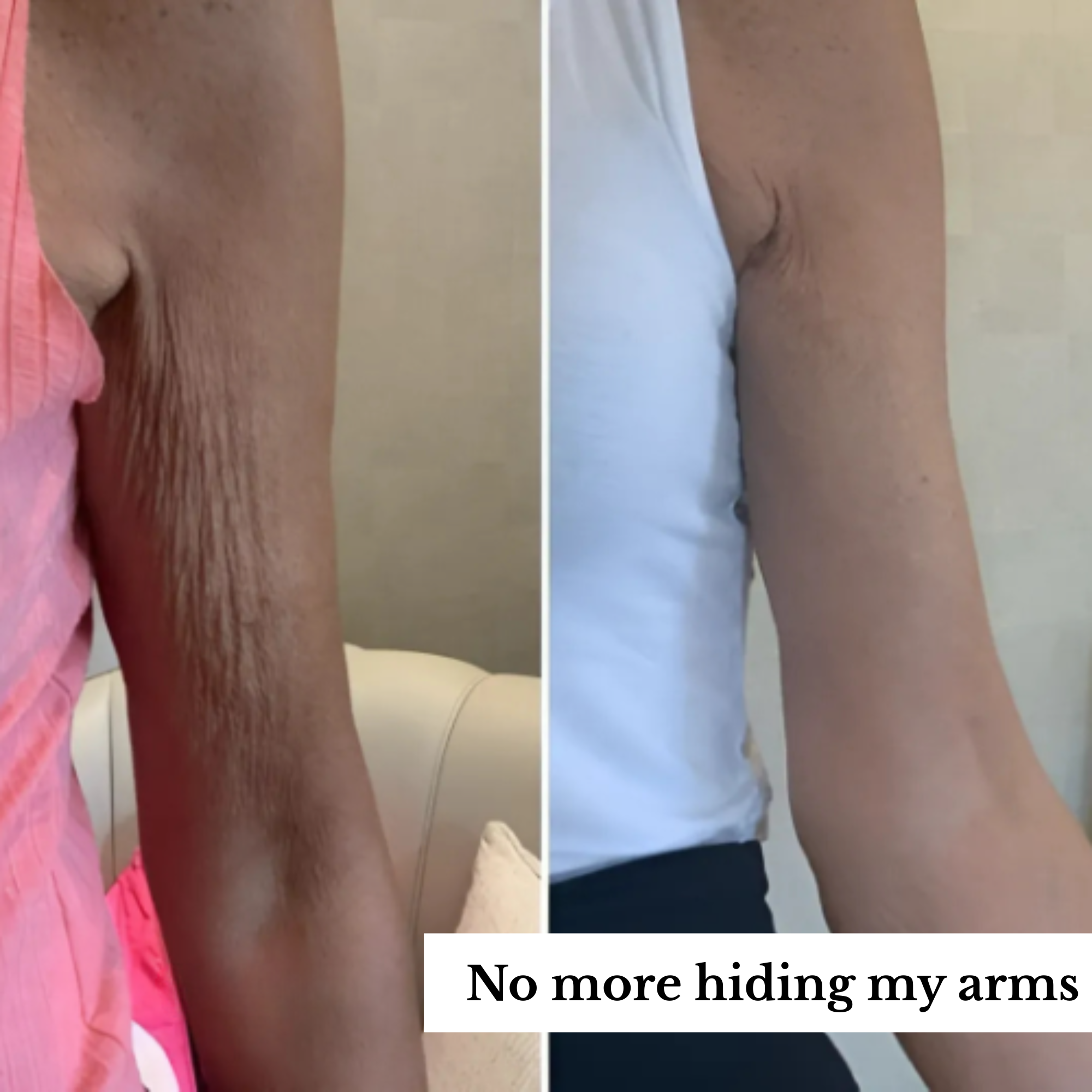
I'm 62 and I love the feeling of the sun on my skin. Now I only bare my arms in the garden and cover them the second anyone else is around. I got brushed off so badly by my dermatologist that I flew to France to get answers! Let me explain, because I know how that sounds. I'm 62, and I have been a sun person my whole life. First coffee of spring outside in March, jacket on, face up. Freckled shoulders every summer since I was nine. I garden the way some people go to church — bare arms, big hat, hands in the dirt, sun on my skin. My arms lived outside from April to October for six decades. Then, about fifteen months ago, practically overnight, the skin on my upper arms went from smooth to crepey. Not gradually. All at once. Like someone replaced my skin while I slept. And my world started shrinking, one witness at a time. First I stopped baring my arms at the farmers market. Then the front porch — too visible from the street. Then anywhere my husband's friends might turn up. Until the only place my arms still existed in sunlight was the garden behind our fence. And even there, I wasn't safe. There is a long-sleeve shirt hanging on the fence post by my garden gate. It hangs there permanently. It has one job. When the gate clicks — a neighbor, a delivery, anyone — I can have it on in four seconds. I've gotten that fast. Sixty-two years old, and I'd built myself a country with a border and one citizen. I went to my dermatologist. She glanced at my arms and said, "Well, this is sun damage. You garden, you said? Decades of exposure. Skin ages." I said it happened in ONE YEAR. I'd had these same sun habits for sixty of them and normal arms for fifty-nine. Sun doesn't work on a deadline. She shrugged. "It catches up with you." Appointment over. Eleven minutes, $45 co-pay. Do you understand what she did in that sentence? She didn't just dismiss me. She convicted the thing I love most. She sent me home believing the sun — my sun — had done this to me. That I'd done it to myself, one happy afternoon at a time. I didn't accept it. Because women my age — sun-lovers, gardeners, women OLDER than me — still had normal arms. So it couldn't be sixty years of sun arriving all at once, on schedule, in twelve months. Something else had happened. And my dermatologist either didn't know or didn't care what it was. ======== I became an expert in things that don't work. The $95 "intensive" firming cream from Nordstrom that promised visible results in 28 days. Twice daily, ten weeks, religiously. My arms felt moisturized. They looked identical. Prescription tretinoin — $78 every eight weeks. And here's the part that stung: the leaflet said avoid sun exposure. So the treatment for my arms was to give up the sun. I did it. I gardened in long sleeves at 7 a.m. like a fugitive, all summer. My arms got dry, flaky, irritated. The crepey texture got more pronounced, not less. I'd traded the sun for nothing. A $240 series of microneedling treatments. Three sessions. The aesthetician was confident it would "restart collagen production." It restarted nothing. Body firming serum with "peptides and stem cells" — $120 a bottle, two bottles. The marketing promised everything. The results delivered nothing. Collagen powder — $54 a month, six months. My hair looked shinier. My arms? Still crepey. Eleven months. Fourteen different products and treatments. $3,500. Every one promised to firm, restore, reverse. Every one failed. What I didn't know then was that every month I spent on surface treatments, the structure underneath was continuing to break down. I wasn't just wasting money. I was wasting time I might not get back. ======== Here's where I did the thing my husband still teases me about. One night, deep in a forum at 1 a.m., I read a comment from a woman who said French pharmacists had taken her skin questions more seriously in ten minutes than her doctors had in ten years. I had airline miles sitting unused. I booked five nights in Paris. I told my husband I was going to get an answer if I had to knock on every pharmacy door in the city. He said, "You know how this sounds." I said, "Yes. And I'm going." Because here's what nobody tells you about being dismissed: it doesn't make you give up. It makes you furious enough to fly across an ocean. ======== The first pharmacy was polite and sold me a cream. The second pharmacy was polite and sold me a better cream. At the third, an older pharmacist looked at my arms for a long moment, shook her head, and said, "Madame, creams will not help what you are describing." Then she took my receipt, turned it over, and wrote a name on the back. "Anne. She has done post-menopausal skin for forty years. Tuesday mornings she is at the covered market. Go early." I still have that receipt. ======== Tuesday morning, at a covered market between a cheese stall and a flower seller, a woman named Anne — mid-70s, with this quiet elegance — had a small table with a device on it. She pressed it against my inner forearm. It suctioned slightly and measured how fast my skin bounced back. She looked at the reading. Then at me. "When did this start?" "Fifteen months ago," I said. "Fast. My dermatologist says it's sun damage. I garden. I love the sun. She made it sound like I did this to my—" "May I see your upper arms?" I pulled up my sleeve, in the middle of a Paris market. She gently pressed her thumb into the skin on my upper arm. The indent stayed there. Four full seconds before slowly creeping back. Then she said the sentence I flew four thousand miles for. "The sun did not do this in one year. Sun is slow. This was fast. This isn't sun damage — this is cushion collapse. Madame, you have been blaming your favorite thing for a crime it didn't commit." I stood there in a food market and felt my eyes fill. For a year, every warm afternoon had come with a side of guilt. ======== Anne had been an esthetician in Paris for 40 years, specializing in post-menopausal skin changes. She walked me to a café around the corner, ordered two coffees, and showed me before-and-after photos from her practice. The before photos looked exactly like my arms. The after photos looked like my arms from two years ago. She pulled a pen and a napkin toward her and drew three layers. "Between your muscle and the surface of your skin there is a living cushion — collagen, and the lipids that feed and protect it. Most women lose it slowly. About 1% a year after menopause. Gradual. Sun exposure plays its part there — slowly, over decades. You'd barely notice for a decade." "But some women experience sudden-onset collapse. A hormonal shift triggers rapid breakdown — two or three years' worth of that cushion, gone in months. That is your one year. No summer on earth works that fast." "Your dermatologist is right that you're aging. She's wrong about the cause of the speed. And she's wrong that nothing can be done." She pressed my arm again. Four-second indent. "The good news? Unlike gradual aging, sudden-onset collapse responds very well to intervention — if you catch it in the window. Your fibroblasts haven't shut down. They're dormant. Shocked. Not dead." ======== Then she said something that made the whole trip worth it — and made me sick all over again. "You have maybe 24 months from onset where the structure can fully rebuild. After that, the fibroblasts essentially go dormant permanently. Even the best treatments can only slow decline, not reverse it." She looked at me seriously. "You're at fifteen months. You have maybe nine months left in your optimal reversal window." I had spent one of those months gardening at dawn in long sleeves, hiding from the thing that was never guilty. "What actually works?" I asked. ======== "Women who reversed sudden-onset collapse," she said, writing on the napkin, "did three things at once." Wake the dormant cells — there's a plant extract that does what retinol does to collagen production, without the irritation and sun sensitivity that shocked skin can't tolerate Give the skin back its own barrier — after the hormonal shift, your skin stops producing the oil that kept it sealed. It needs a lipid so close to its own that it recognizes it — not a cream that sits on the surface Rebuild the raw material — two structural fatty acids that menopausal skin can no longer make in quantity. Without them, new collagen has nothing to build with "All three simultaneously," she said, circling where they overlapped. "Creams can't reach where this is happening. Supplements can't target it. This is structural work." When she said the first one — the retinol effect without the sun sensitivity — I made her repeat it. After the tretinoin summer, I'd assumed waking skin cells and loving the sun were enemies for life. I asked her what to buy. She smiled and said, "I don't sell anything, madame. Now you know what to look for. Most products do one of the three. Almost none do all three." I folded the napkin into my purse next to the receipt. ======== I flew home with an answer and a deadline. Furious that I'd spent eleven months and $3,500 on surface treatments — and a whole summer hiding at dawn — while the clock ticked. Terrified because I had nine months left. I started searching Facebook groups for women with sudden arm skin changes. Not gradual aging — sudden onset. Patricia, 59: "Arms went from normal to crepey in four months. Week eight with this, elasticity test went from 4.3 seconds to 1.9. My arms are coming back." Sandra, 62: "Sudden onset after hormone changes. Skin fold measured 8mm, down from 15mm in ten weeks. Wearing sleeveless again." Michelle, 57: "My dermatologist said 'just aging.' Then I found this and realized she was wrong. Three months in, I've gotten my arms back." They kept mentioning Eraé Queen Oil. ======== I took out the napkin and checked it against Anne's three requirements: ✓ Wake the dormant cells: Bakuchiol — does what retinol does to collagen turnover, with none of the irritation or photosensitivity. Read that again. None of the photosensitivity. A gardener can use it. ✓ The barrier the skin recognizes: Camellia Japonica seed oil — the closest botanical match to skin's own sebum. The skin doesn't fight it. It absorbs it like its own. ✓ Rebuild the structure: Sea Buckthorn + Evening Primrose — Omega-7 and GLA, the two structural lipids menopausal skin stops making All three. In one bottle. Exactly what Anne drew on that napkin in the café. Most reviews were from women 55-68 who'd experienced sudden changes, not gradual aging. Women in my exact situation. They offered a 30-day guarantee, which meant I could try it without risking anything if my window had already closed. I ordered that night. ======== The bottle arrived in substantial glass. It smelled green and bright — cypress, a little citrus. Like a garden in the south of France. Appropriate, I thought. Real oil. Absorbed in 30 seconds. Not sitting on the surface. Sinking in where the collapse happened. Day five: Pinch test on my upper arm lasted 3.4 seconds. Down from over four. Measurable. Day twelve: I was folding laundry and noticed my forearm in the light. The crepey texture looked... less deep. Like someone was filling it in from underneath. Week two: Skin fold measurement on my upper arm: 11mm. Down from 14mm when I started. (Yes, I bought the $22 calipers. When you've flown to Paris for your arms, calipers are nothing.) The collapsed cushion was rebuilding. The dormant fibroblasts were waking up. ======== Week three. This is the part I need you to picture. I was deadheading the roses, sleeves off, sun on my shoulders — my usual stolen privacy. And the gate clicked. My neighbor, with a bowl of her extra tomatoes. My hand went for the fence post. Four-second reflex, fifteen months old. And then I stopped. And left the shirt on the post. And took the tomatoes with bare arms. She didn't look at my arms. She looked at my roses. That's when I understood: the border I'd been defending for over a year had only ever had one guard. Week five: Elasticity test read 2.4 seconds. My skin was bouncing back like it had structure under it again. And one warm afternoon I sat down on the garden bench, closed my eyes, and turned my palms up. Sun on both arms. The inside of my arms — I'd forgotten the sun could reach the inside of my arms. I didn't just get my skin back. I got my favorite feeling in the world back. Guilt-free. ======== Ten weeks in, I emailed Anne. Timings and measurements, like a good student. Pinch test: 2.1 seconds, down from over four. Skin fold: 8 millimeters, down from 14. She wrote back: "More than half of what you lost, regained. Your fibroblasts responded. The collapse is reversing." Then she asked me for the website — to pass along to the women who come to her market table with arms like mine. I flew to France to get an answer from her. Now she sends women to me. ======== My neighbor — the tomato one — started using it seven weeks ago. She'd been hiding the same thing for over a year. Turns out her cardigans were her fence post. Last week she texted: "I wore a sleeveless dress to a wedding. First time in 14 months. I forgot what that confidence felt like. Thank you." Her elasticity test went from 4.1 seconds to 2.3 in seven weeks. Her skin fold from 16mm to 10mm. "Why didn't my dermatologist tell me this?" she asked. Because dermatologists are trained in gradual-aging protocols. Not acute collapse. They see crepey skin on a gardener and reach for the easy story: the sun did it, you did it, nothing to be done. Mine gave me eleven minutes and a guilty verdict. A woman at a market table gave me an acquittal, for free. ======== If you're reading this because your arms only exist in private now — if there's a shirt hanging somewhere in your life with one job — if a doctor blamed the thing you love and sent you home carrying it — understand this: You're not aging normally. And you probably didn't do this to yourself. You're experiencing sudden-onset collapse. Normal aging = 1% collagen loss per year. Sudden onset = 2-3 years' worth in months. No summer works that fast. They require completely different approaches. Surface creams address gradual decline. You need structural rebuilding. And no — you don't need to fly to France. I did that part for you. The answer fit on a napkin. ======== You have a window. In sudden-onset cases, that window is 18-24 months from onset for optimal reversal. Your dormant fibroblasts can still be reactivated. Your collapsed cushion can still be rebuilt. But only while the cells are still responsive. Every month you spend on surface treatments is another month closer to permanent dormancy. Another season bordered by a fence and a four-second reflex. I spent eleven months and $3,500 on the wrong answers, and one week in Paris on the right one. The only part I regret is the eleven months. I don't want you to waste yours. ======== Eraé Queen Oil does what Anne said was necessary for sudden-onset collapse: ✓ Wakes the dormant cells (bakuchiol — retinol's effect, none of its irritation, none of its photosensitivity) ✓ Restores the barrier with a lipid the skin recognizes as its own (camellia japonica) ✓ Rebuilds the structural fats menopause strips out (sea buckthorn + evening primrose) All three. Simultaneously. Every application. The only product I found that matched all three requirements on that napkin. ======== Every day you wait is another day your reversal window shrinks. Every week is another week closer to permanent dormancy. Anne was clear: after 24 months, even emergency intervention faces exponentially harder odds. I almost learned that too late, four thousand miles from home. Now you know. You have a window. It's still open. But it won't stay open forever. ======== P.S. Ten weeks in, fifth bottle. About $300 total. The plane ticket to Paris cost more than a year of this oil. The eleven-minute appointment that convicted the sun cost $45. Do that math. The napkin is in my jewelry box. The receipt with Anne's name is under a magnet on my fridge. And the shirt? It still hangs on the fence post, actually. It's useful on frost mornings. But it's a shirt now. It used to be a wall. P.P.S. My dermatologist saw me last month for a mole check. She looked at my arms and said, "Whatever you're using is working. I should start recommending it." I told her about Anne. About cushion collapse. About the reversal window. About waking dormant fibroblasts instead of moisturizing over them. I may have also mentioned, gently, that the sun had an alibi. She wrote it all down. Said she had other patients with sudden changes and no protocol to offer them. Sometimes medical training is ten years behind what a woman at a market table already knows. This morning I had my coffee in the garden. Bare arms, face up, gate unlocked.
Where the ad sends people
erae-paris.com
French Wisdom in a bottle.
Free shipping over $70
Learn more: erae-paris.com(opens in a new tab)