
Inactive· since Apr 21, 2026
- 124
- days it ran
- 4
- relaunches
Ad copy
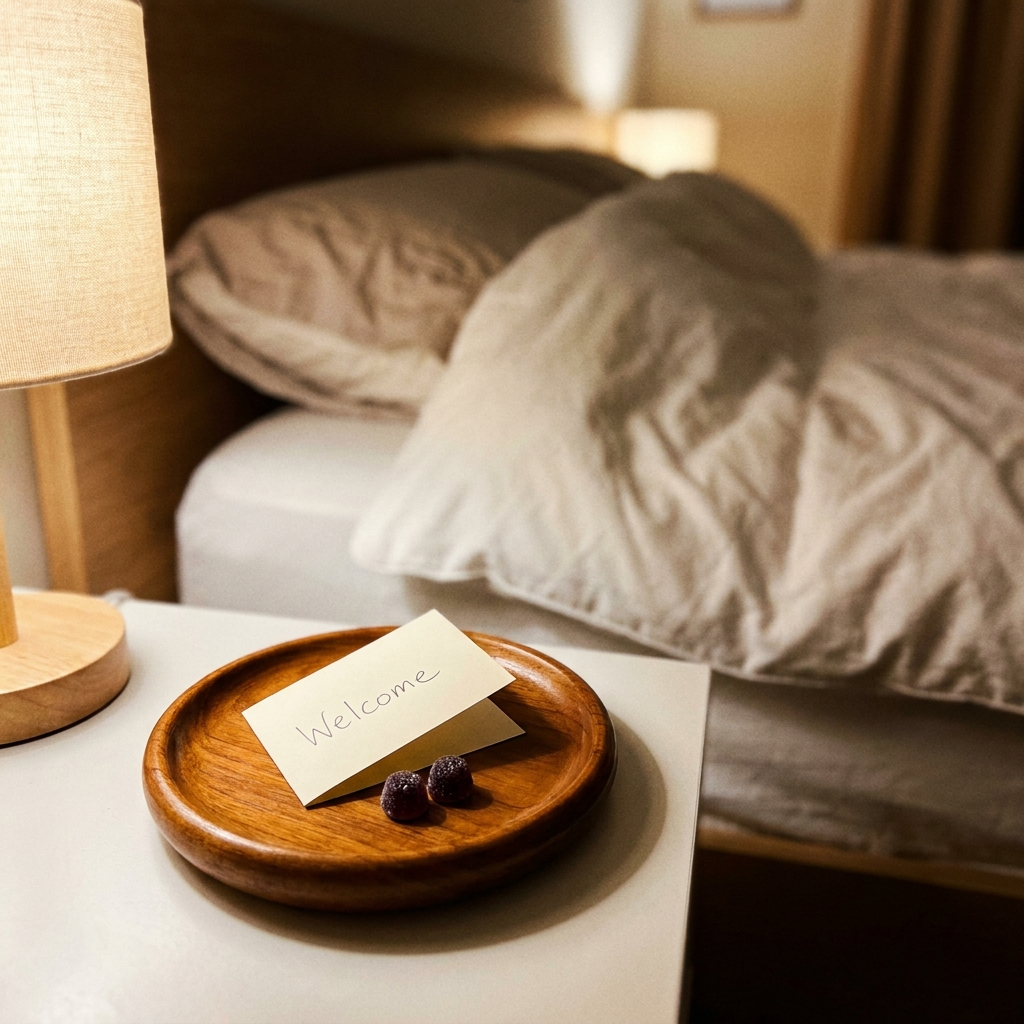
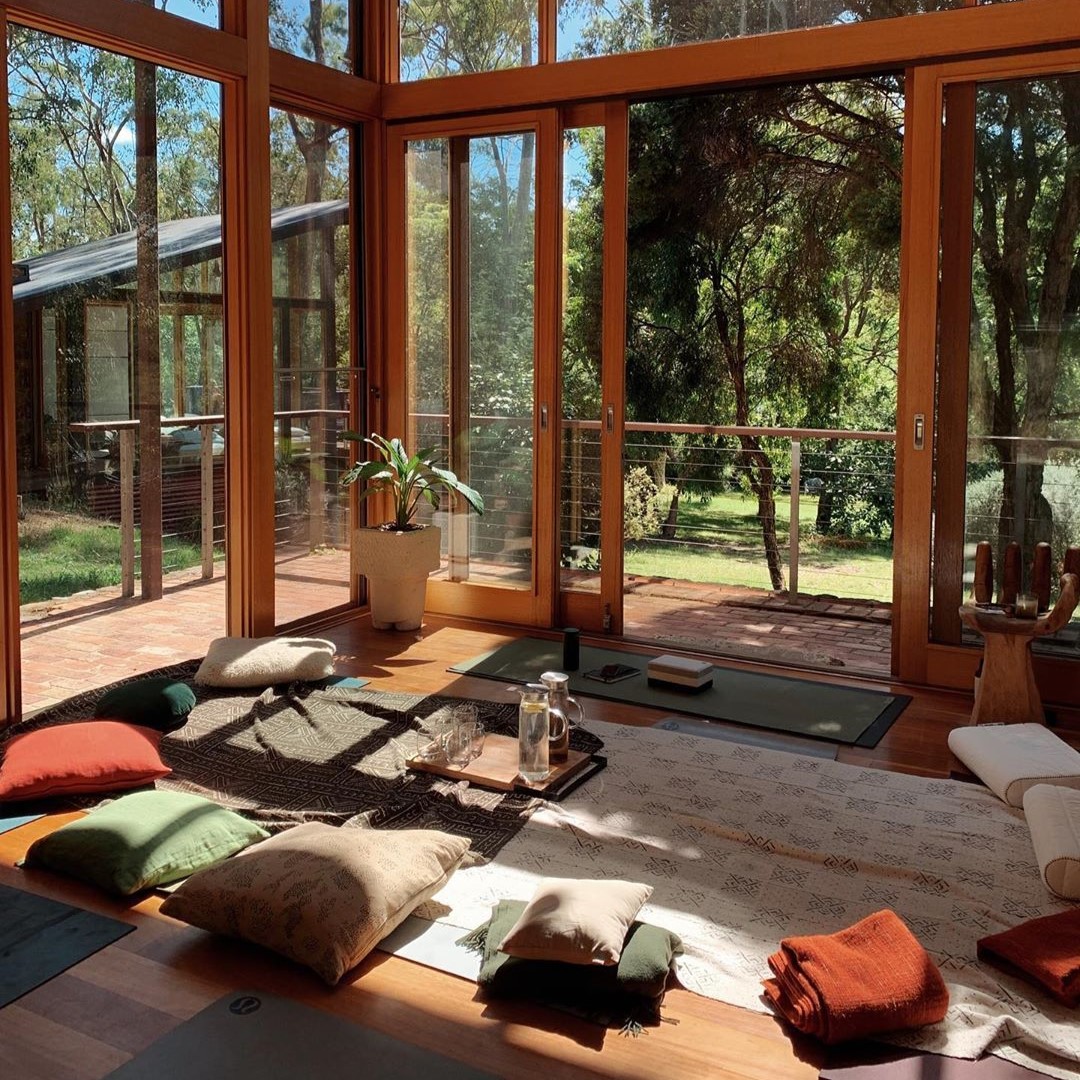
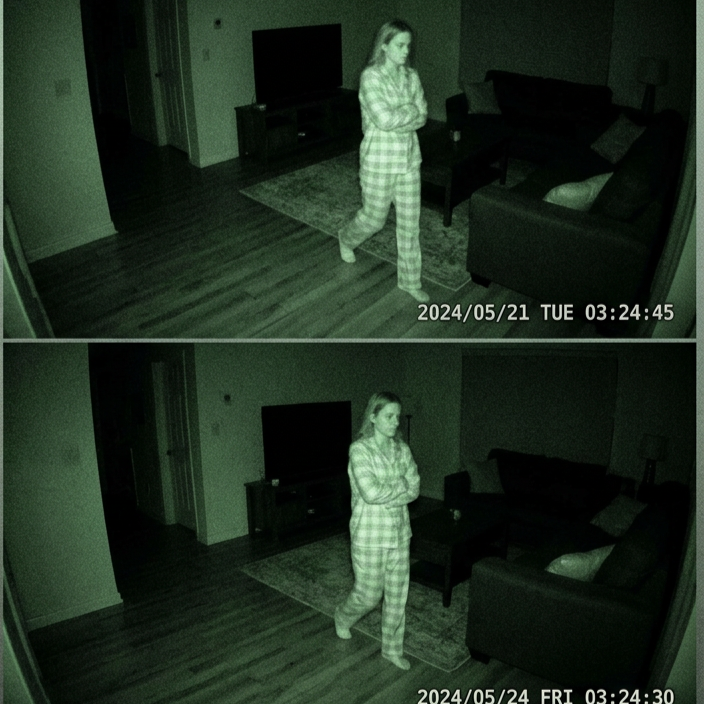
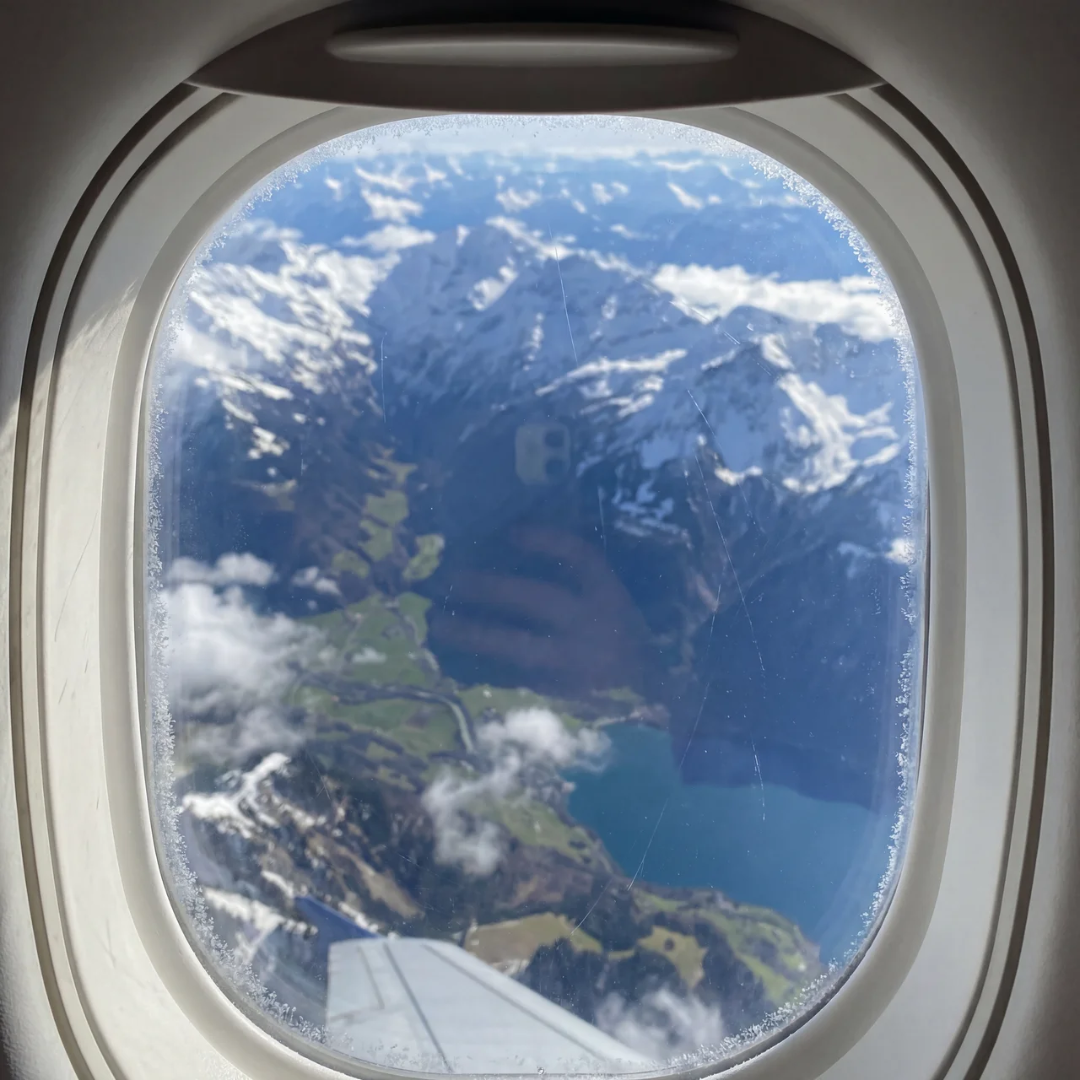
I just spent $6,800 on a sleep clinic in the Swiss Alps. Five nights. And the thing that actually fixed my sleep had nothing to do with the doctors or the brain scans or the mountain air. I need to back up because this is going to sound ridiculous. I've been dealing with sleep issues for about eight years. Not the kind where you can't fall asleep. I fall asleep fine. I'm so exhausted by 10PM that I'm out before my head hits the pillow. But then 3AM comes and my eyes snap open. Brain immediately running. Work. Kids. That thing I said at lunch last week that nobody remembers but my brain won't let go of. Just this low buzzing dread in my chest that shows up every single night like clockwork. I've tried everything. Melatonin in every dose from 1mg all the way up to 10. Helped me fall asleep but did nothing for the 3AM thing. Ambien for a while which scared me. Trazodone which made me a zombie the next day. CBD gummies. Weighted blanket. Meditation app. Sound machine. Blue light glasses. I even paid $400 for an online sleep program that told me to keep a "worry journal" before bed. I journaled my worries. Still woke up at 3AM. And the jaw clenching. God the jaw clenching. Every single morning I wake up with my temples sore and my jaw so tight it aches until lunch. My dentist made me a $500 night guard. I still clench right through it. Eight years of this. You stop telling people about it after a while. You just drink more coffee and put on more concealer and hope nobody asks why you look so tired all the time. So when my friend Karen told me she was going to a sleep clinic in Switzerland I thought she was joking. She said no. A real clinic. In the Alps. Run by actual sleep physicians. They do brain monitoring. Sleep studies. Bloodwork. Light therapy. Temperature-controlled rooms. Everything calibrated to reset your circadian rhythm in five days. She said it's where executives and burned-out professionals go when nothing else has worked. The last resort for people who've tried everything. $6,800 for five nights. Not a spa. Not a retreat. A medical sleep facility with mountain views and a price tag that made my stomach hurt. But eight years. I'd already spent thousands on things that didn't work. What was one more. I flew into Zurich and took a train into the Alps. The clinic was in a small village at about 4,000 feet. Clean air. Dead quiet. Snow on the peaks even in late spring. The building looked like a cross between a hospital and a luxury hotel. White walls. Enormous windows. Everything felt precise and calm in that very Swiss way. Day one they ran every test you can think of. Blood panel. Sleep questionnaire. Heart rate variability. They put sensors on my head and tracked my brainwaves while I napped. They measured my cortisol. My melatonin curve. My core body temperature rhythm. They mapped my entire sleep architecture like it was an engineering problem. That night they put me in a temperature-controlled room. 65 degrees exactly. Blackout blinds. No screens after 7PM. A special amber light that was supposed to trigger melatonin production. White noise calibrated to my brainwave patterns from the nap test. I thought okay this is serious. This is science. This is going to work. I slept okay. Woke up at 3AM as usual. Laid there for an hour. Fell back asleep around 4. Woke up at 6:30 feeling the same as always. I wasn't surprised. Day one is always just day one. Day two something shifted. I woke up at 5:45. Not 3AM. 5:45. And my jaw wasn't clenched. If you grind your teeth you know how big this is. Every morning for years your face just hurts. Your temples are sore. Your jaw feels like you've been chewing rocks in your sleep. You don't even realize how tense you are until one morning you're not. That was day two. I woke up and my face was relaxed. I touched my jaw and it was soft. I almost didn't trust it. I figured it was the room. The temperature control. The altitude. The air in the Alps is different. Thinner. Cleaner. Everyone says you sleep better at altitude. I thought maybe my body was finally responding to a clinically optimized environment. Day three I slept through the night. The whole night. Went to bed at 9:30. Woke up at 6:15 with pale morning light coming through the blinds. I laid there for a minute because I could not figure out what was different. Then I realized I never woke up. Not once. Not at 3AM. Not at all. I just slept and then it was morning. I thought this is it. The science works. The brainwave monitoring. The temperature room. The altitude. The clinical approach. This is what I needed. A real facility with real doctors solving sleep like the medical problem it is. But then at breakfast on day three I was sitting next to a woman named Diane. Late 50s. CFO of a tech company in London. She looked like someone who had been running on fumes for years and had finally been allowed to stop. She leaned over and said "Can I ask you something? Are you sleeping here? Actually sleeping?" I said "Last night was the first time I've slept through the night in eight years." She closed her eyes for a second like she was relieved she wasn't imagining things. She said "Six years. Six years I haven't slept through. I've done sleep studies at home. I've seen three neurologists. I've been to a sleep clinic in London that cost me £4,000. Nothing worked. And I've slept through three nights in a row here." She said "I assumed it was the altitude. The temperature rooms. The monitoring. But I'm starting to wonder if it's something else because this feels different from anything clinical I've ever done. This feels like my body changed. Not my environment." I got chills because I'd been thinking the exact same thing. We started comparing notes right there at breakfast. Both of us sleeping through for the first time in years. Both of us with the jaw thing gone. Both of us feeling this calm that didn't match how we normally felt. Like someone turned down the volume on everything. Diane said "Maybe it's the altitude. Thinner air. Less oxygen. Forces deeper sleep." I said "I've been to the mountains before and I never slept like this." She said "The temperature rooms?" I said "Maybe? But I keep my bedroom at 65 degrees at home and it never did this." We couldn't figure it out. That afternoon I went back to my room to rest and I noticed something I hadn't really paid attention to. On the nightstand there was a small tray. It had been there every night since I arrived. A glass of water. A small card from the clinical team. And two gummies. I'd been taking them every night without thinking about it. They were just part of the evening protocol. The nurse came in each night to set the room temperature and check the light settings and the tray was just there when I got into bed. I'd take the gummies and drink the water and go to sleep. Didn't read the card. Didn't think about what they were. They were part of the routine. Like everything else in this place. I picked up the card. It said "Evening Protocol — Magnesium Bisglycinate. Administered as part of your sleep restoration program." I stared at it. Magnesium. I almost laughed. Because I've taken magnesium. I took magnesium for three years and it never did a single thing for my sleep. Not once. I went to find the clinic's director. His name was Dr. Kessler. He had a corner office on the second floor with floor-to-ceiling windows looking out at the Alps. I told him what was happening. The sleep. The jaw. The calm. And that I just found out about the gummies on the nightstand. He smiled like he'd had this conversation a hundred times. He said "Every patient. Every single one. They come here expecting the technology to fix them. The brainwave monitoring. The temperature rooms. The light therapy. The altitude. And those things matter. But they're maybe 20% of what's happening." He said "The gummies are doing 80% of the work." I said "But I've taken magnesium. For three years. It did nothing." He said "What form?" I told him. Magnesium glycinate capsules from Amazon. Good reviews. Nice label. He said "Go to your room. Pull that product up on your phone. Don't look at the front of the bottle. Look at the supplement facts on the back. Read the actual ingredients. Tell me if it says magnesium glycinate AND magnesium oxide." I went straight back to my room and pulled it up. And there it was. "Magnesium from magnesium glycinate AND magnesium oxide." And. That word just sitting there. Not telling you the ratio. Not telling you it's mostly the cheap stuff. Just "and." Like it doesn't matter. Three years. I took this every single night for three years telling myself magnesium doesn't work for me. And it was mostly oxide. The form your body absorbs at maybe 4%. I was getting almost nothing from it. Three years of expensive chalk. I went back to Dr. Kessler the next morning. He sat me down and explained. He said "I am a sleep physician. I have spent my career studying why people don't sleep. I have every tool available. Brainwave monitoring. Cortisol mapping. Light therapy. Temperature science. All of it." He said "And the single most effective intervention in this entire clinic is two gummies on a nightstand." He said "Magnesium is what tells your nervous system to power down. It's the off switch. Without enough of it your body stays stuck in stress mode. Fight or flight. All day. All night. That's the 3AM wake-up. Your cortisol spikes because there's nothing keeping it in balance. That's the jaw clenching. Your muscles can't release because they don't have the mineral that tells them to let go. That's the anxiety that feels like it comes from nowhere. Your nervous system is screaming and it doesn't have the one thing it needs to stop." He said "Most patients who come to this clinic have tried magnesium. And most of them were taking oxide without knowing it. The front of the bottle says glycinate or complex in big letters and the back has oxide hiding in the ingredients. Your body barely absorbs oxide. So you take it for years and feel nothing and you decide magnesium doesn't work for you. And then you fly to Switzerland and spend $6,800 to find out you were taking the wrong form." He said "The form I use here is bisglycinate. It's magnesium bonded to two glycine molecules. It means your body recognizes it as an amino acid instead of a mineral. So it's gentle on your stomach and crosses the blood-brain barrier and goes directly to your nervous system. Once it's there it does two things. First it activates your GABA receptors. Those are the off switches in your brain. Your thoughts slow down. Your muscles start to relax. Second it triggers your brain to produce its own melatonin. Your brain starts making the sleep hormone on its own again and your natural sleep cycle resets. That's why two nights of gummies on a nightstand are doing more for you than three years of the stuff you bought on Amazon." He said "I build it into the evening protocol because if I just told patients to take bisglycinate they'd say they already take magnesium and it doesn't work. Patients don't believe me. They want the brain scans and the temperature rooms and the science. So I give them all of that. And I put the gummies on the nightstand. By day two they're sleeping through. By day three they think the technology fixed them." He paused and looked out the window at the mountains. He said "I have a $6,800 clinical sleep program. I have monitoring equipment that costs more than most cars. And the most important thing in this entire building is a $1 gummy on a nightstand. That's either the funniest thing in medicine or the saddest. I haven't decided." I sat there in a sleep clinic in the Swiss Alps realizing that eight years of my life just got explained in five minutes. By a doctor surrounded by millions of dollars of equipment pointing at a gummy. When I got home I threw away the bottle I'd been taking for three years. The nice label. The good reviews. The word glycinate on the front hiding the oxide on the back. I found the brand Dr. Kessler uses at the clinic. Pure bisglycinate gummies. No oxide. No filler. No sneaky "and" on the label. Ordered them the night I landed. That was seven weeks ago. I sleep through the night now. Every night. I go to bed and I wake up in the morning and there's nothing in between. No 3AM. No brain running. No laying there for hours doing the sleep math. My jaw doesn't hurt in the morning. That buzzing dread I used to carry around in my chest all day is just not there anymore. I keep waiting for it to come back and it doesn't. My husband noticed in the first week. He said "You're not thrashing around at night anymore. You just sleep." He said "You seem like you again." My therapist said "Something changed. You seem regulated." I told her about the magnesium and she said she recommends bisglycinate to clients all the time but most of them buy the wrong form and then tell her it doesn't work. I told Diane. She ordered them the day she flew back to London. She texted me a week later and said "I'm furious. I have spent over £20,000 on sleep specialists and clinics in six years. Twenty thousand pounds. And this is what I needed? Gummies that were sitting on my nightstand?" Yeah. Same. I found this article that explains the whole magnesium label thing way better than I can. Which forms your body actually absorbs and which ones are basically nothing. And the brand Dr. Kessler uses at the clinic is in there too. I've sent it to basically everyone I know because I'm still angry nobody told me this years ago. 👇 Here's the article. It's what I wish someone had sent me before I spent $6,800 and flew to Switzerland to find out the answer was sitting on my nightstand the whole time.
Like this ad? Make it yours.
Crush rebuilds this exact creative around your product — your brand, your colors, your offer — in about a minute.