
Inactive· since Jul 2, 2026
- 12
- days it ran
- 0
- relaunches
Ad copy
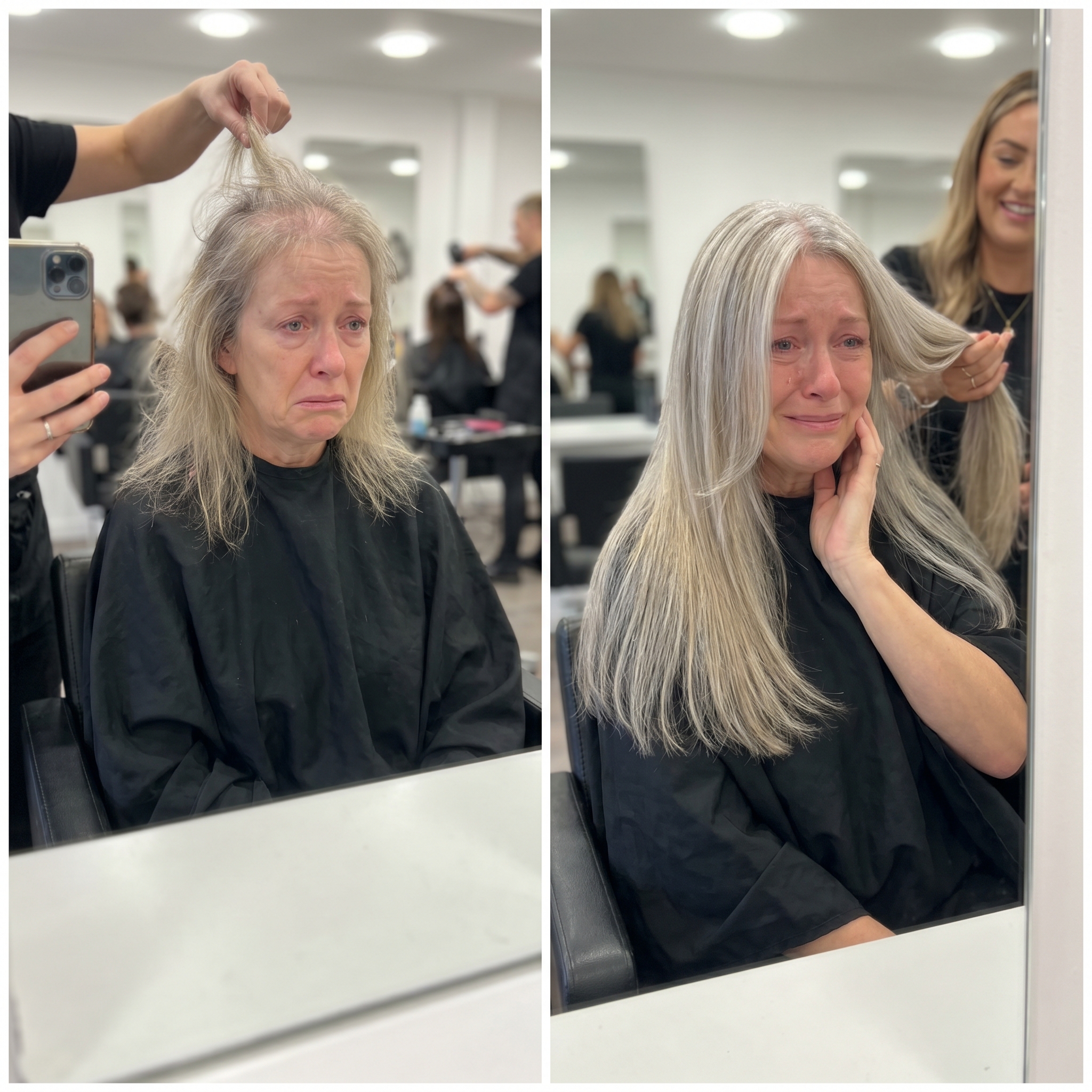
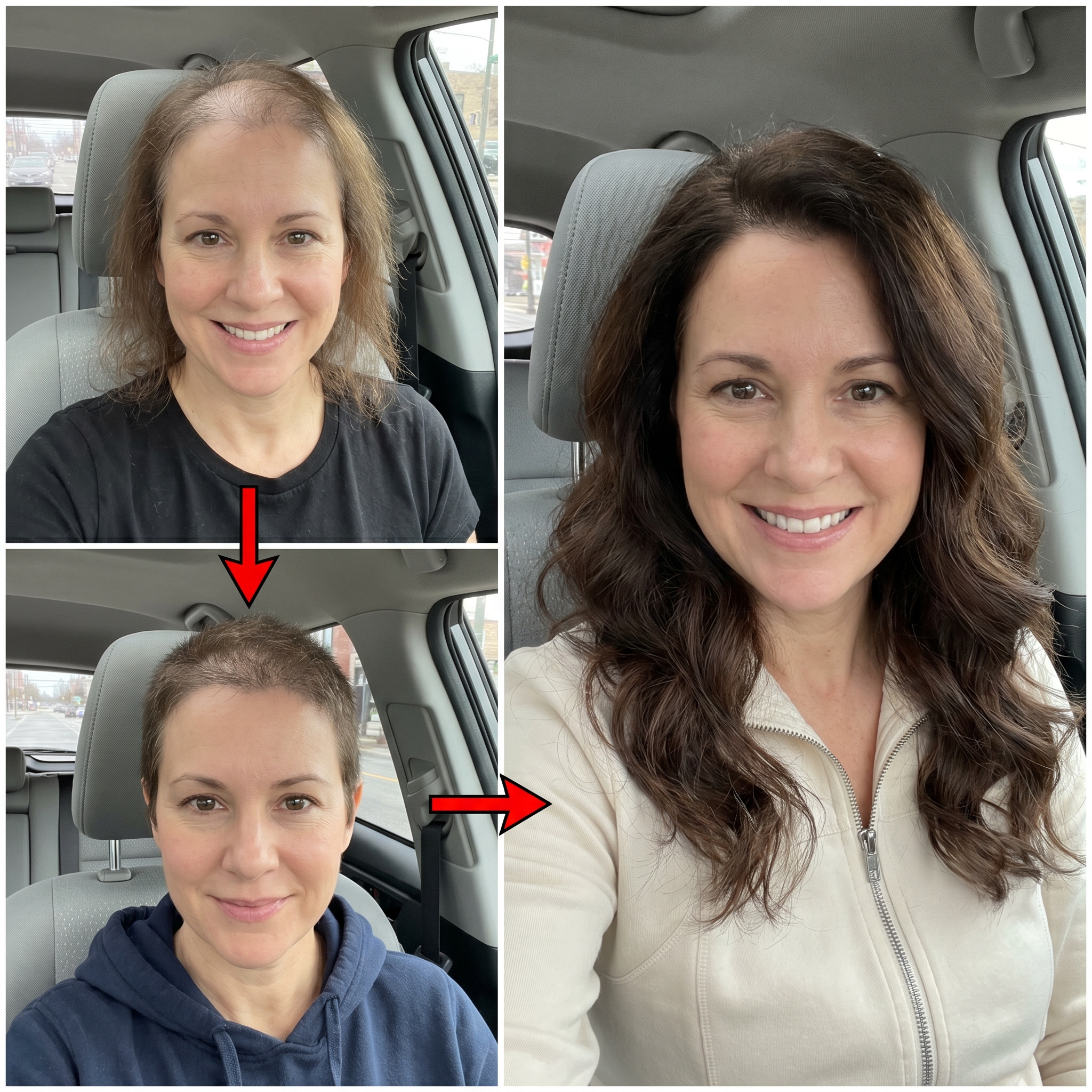
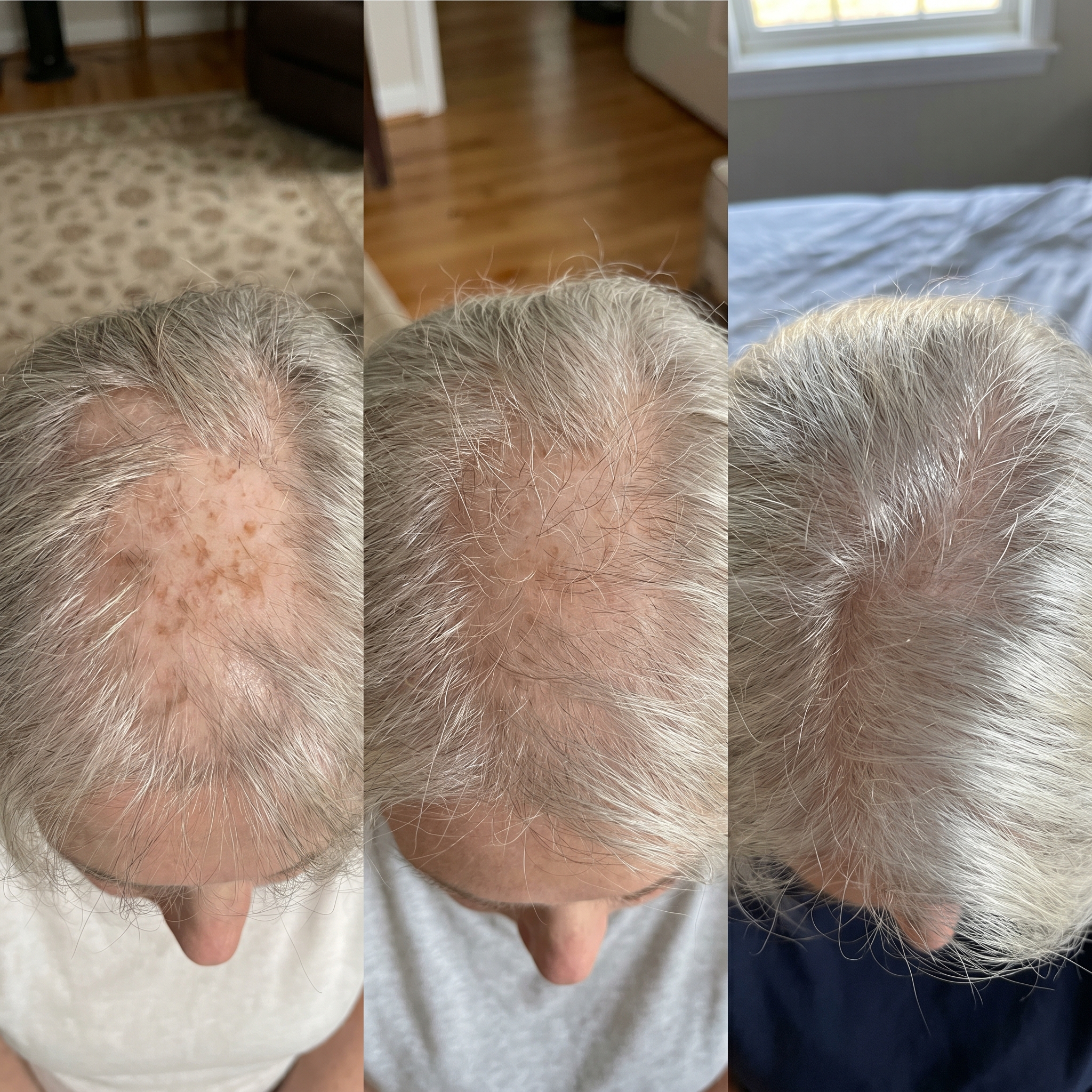
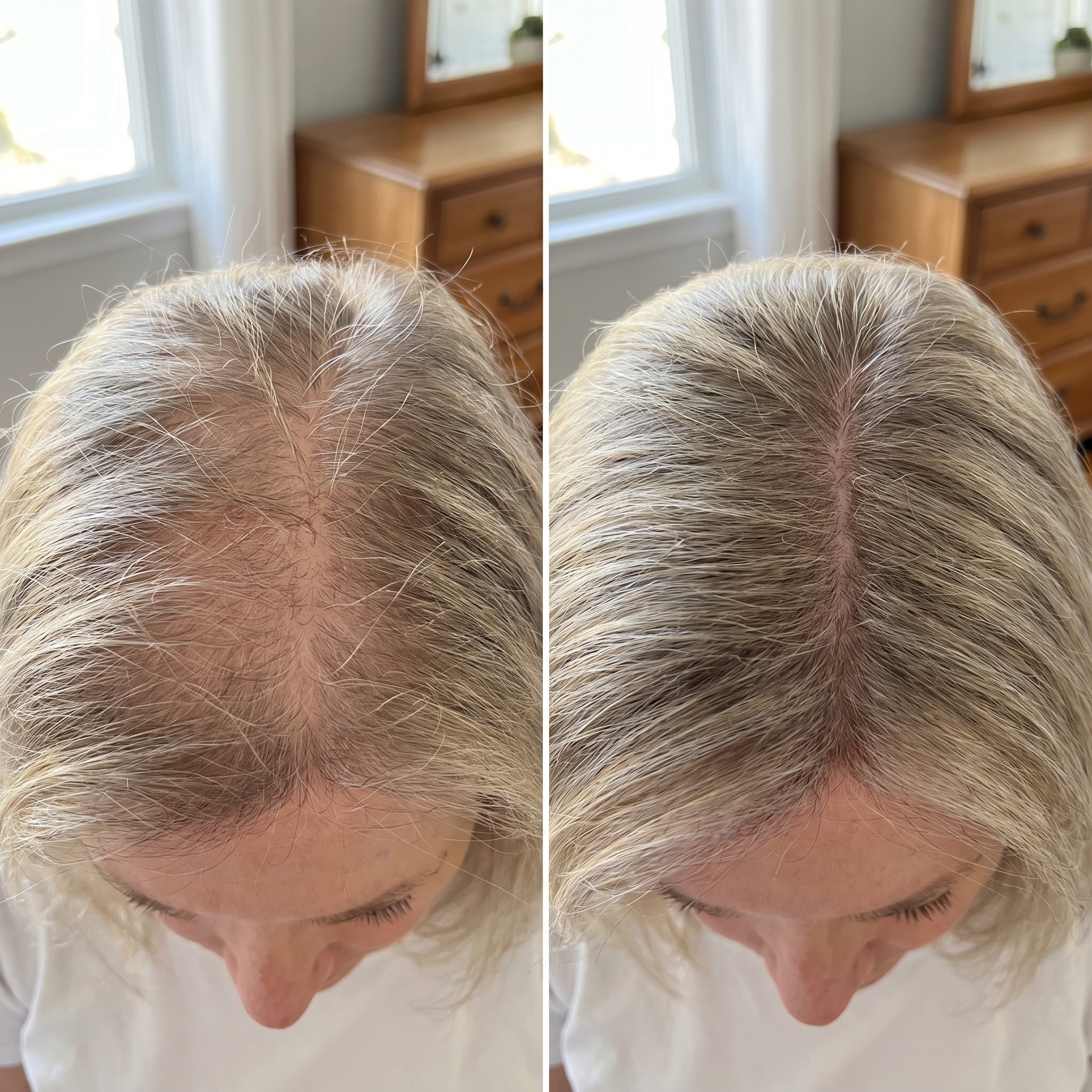
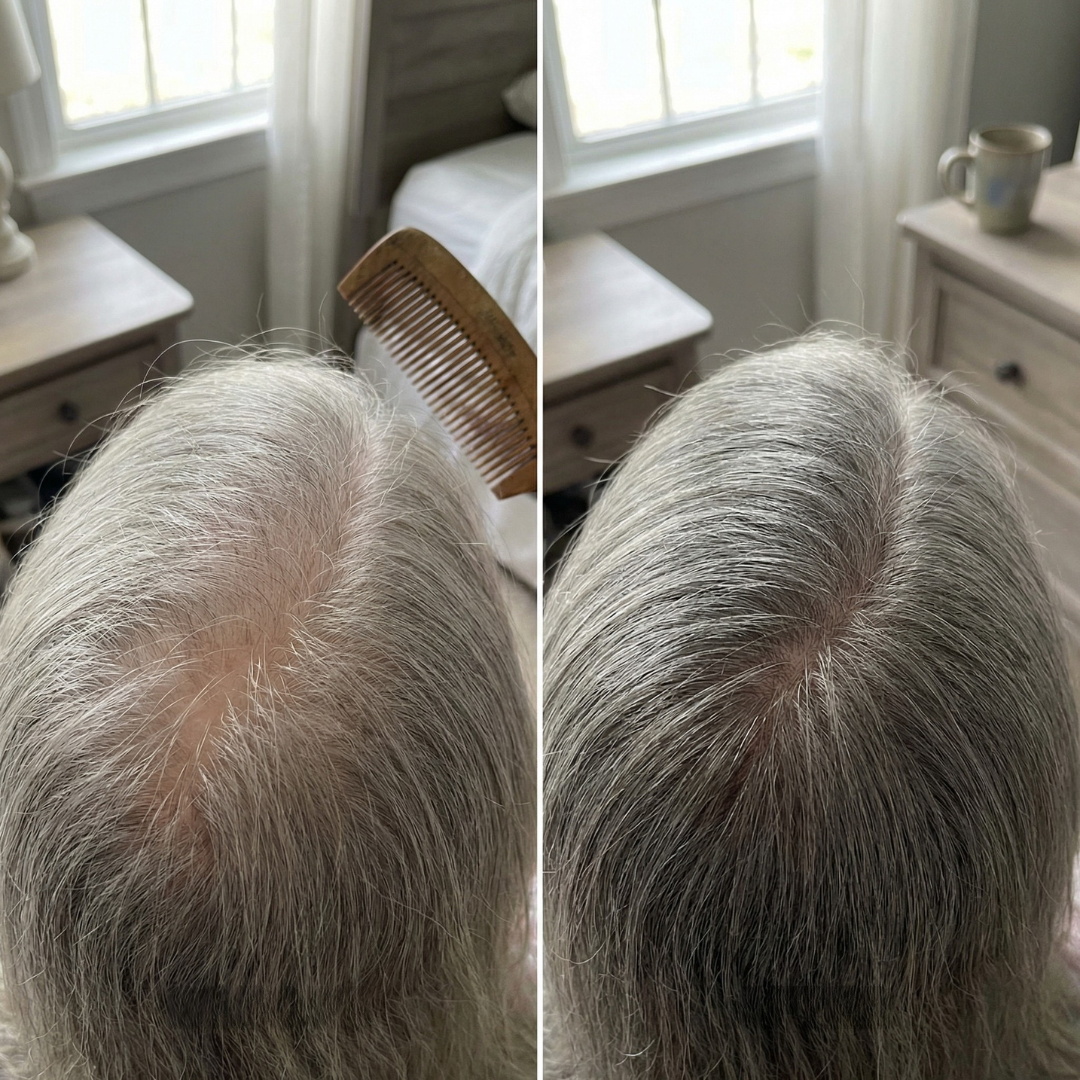
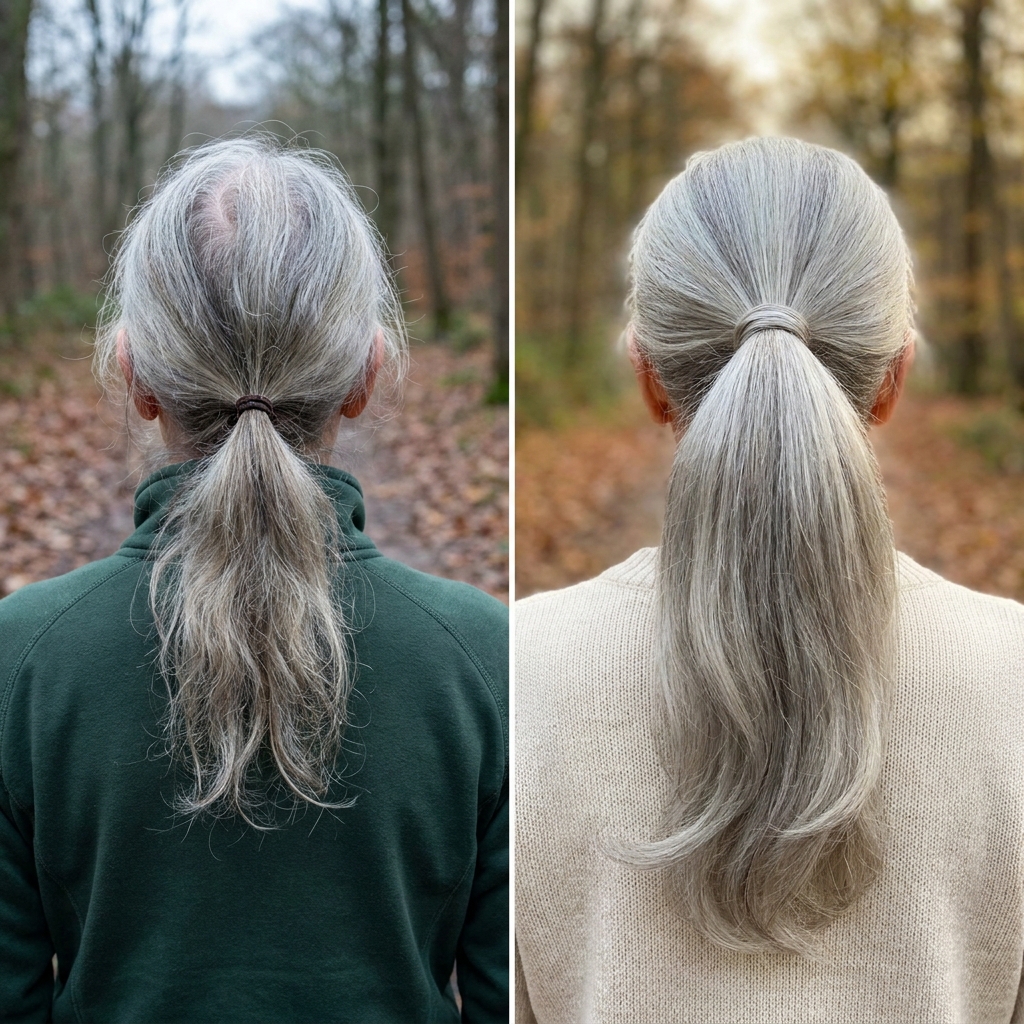
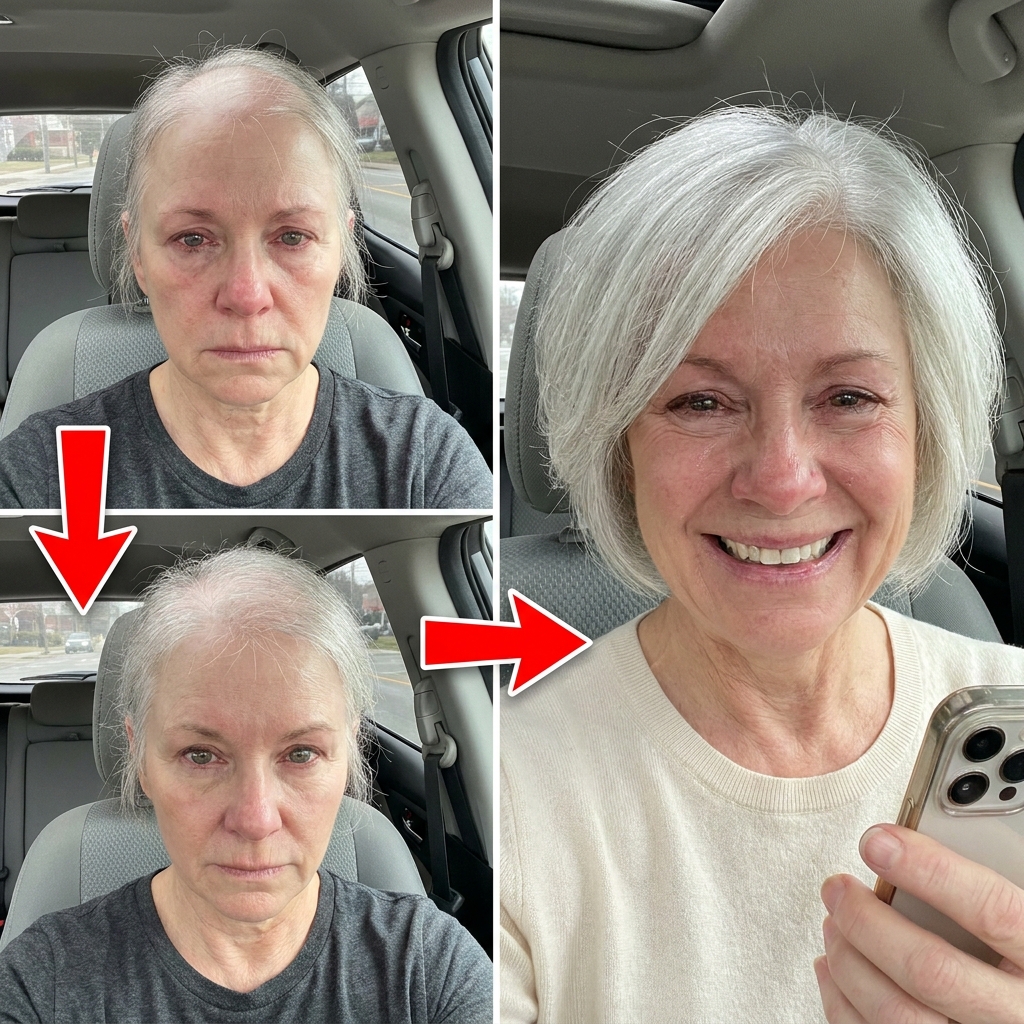
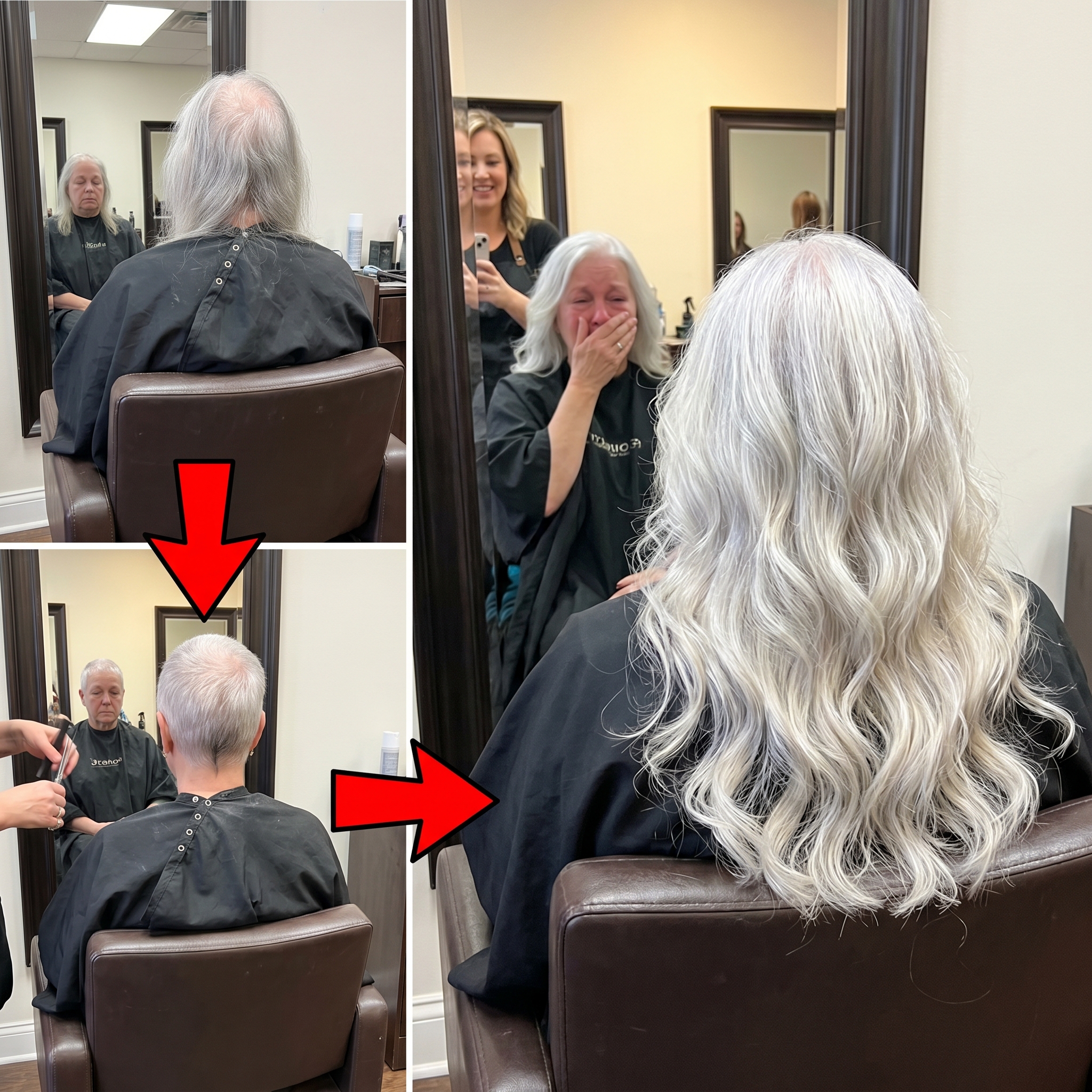
If your parting keeps widening no matter how many shampoos, volumisers, and thickening sprays you buy, you have been shopping in the wrong aisle. The problem starts at the follicle, under the scalp, where none of those products reach. I am fifty-three, and I manage a library in Derby. I am, by trade, a person who knows where things are filed, which is why it bothered me for so long that I could not work out where this particular problem was meant to sit. It was not on any shelf I could find. I should explain how I came to be looking. For about eighteen months I had been turning down invitations to anything held in a bright room. A retirement do for a colleague, held under the strip lights of the staff canteen. A friend's sixtieth in a function room with spotlights set into the ceiling. I would find a reason, every time, that sounded like a reason and was not. The truth was that overhead light fell straight down through the crown and showed the scalp underneath, and I had begun to dread photographs in a way I could not say out loud to anyone. It had started at the part, sometime after fifty-two. I noticed it the way you notice these things, which is all at once after a long time of not letting yourself notice. The line of scalp down the middle had gone from a pale thread to something wider, and the hair either side of it had lost the body it used to have. I had always thought of my hair as ordinary, nothing special, and only once it was thinning did I understand how much of myself I had quietly hung on it. So I did what most women do. I went shopping for it. And here is the part I want to be honest about, because it is the part that cost me. I bought a thickening shampoo and conditioner set the chemist recommended, twenty-four pounds, and used it for three months. The hair felt coated and looked briefly fuller on the day I washed it and exactly the same by the evening. I bought a root-lift volumiser, eighteen pounds, which lifted the hair away from the scalp and, in doing so, made the gap easier to see. I bought a bottle of rosemary-and-caffeine "growth oil" from a wellness shop, twenty-two pounds, and a boar-bristle brush the assistant promised would stimulate the roots, fifteen pounds. I bought a powder you shake into the part to colour the scalp so it reads as less bare, eleven pounds, which I still keep in a drawer and am not proud of. None of it worked because none of it was aimed at the right place. I added it up one evening, somewhere near ninety pounds, not counting the brush, and realised every single thing I had bought treated the hair I could see and not the follicle producing it. A shampoo cannot stay long enough to do anything. A volumiser only lifts what is already there. The growth oil smelled of rosemary and did nothing the bottle had implied. I had been, in my own professional language, looking under the wrong subject heading for two years, while the catalogue entry I actually needed sat in a section I did not know existed. What turned it around was not another product at first. It was understanding the mechanism, which nobody selling me shampoo had any reason to explain. Here is what I eventually pieced together, and once it was laid out plainly it was almost insulting how simple it was. As oestrogen falls through the menopause, the balance at the scalp shifts and local DHT activity rises. DHT shortens the anagen phase, which is the growth phase of the hair cycle. The follicle spends less time producing hair and more time dormant, so each strand it makes comes through finer and shorter, until it looks as though it has given up. But it has not given up. The follicle is not dead. It has been chemically silenced. The stem cells are still there and the blood supply is still intact, which is why this can change at all. And because the silencing happens locally, at the scalp, the only thing that can interrupt it is something applied locally, at the scalp. This is the whole reason the aisle I had been shopping in was the wrong one. A shampoo rinses off. A volumiser sits on the shaft. Nothing I had bought stayed where the actual problem was. Topical caffeine has been studied for exactly this since the early 2010s. Applied directly to the scalp, it blocks 5-alpha-reductase at the follicle and extends the anagen phase, and the follicle, given enough weeks, can begin producing properly again. Mellenza was the first thing I found that had been built around this rather than around the shaft. It is a topical scalp serum, sprayed onto the part and the crown and the temples at night. Caffeine to block 5-alpha-reductase at the follicle. Polygonum multiflorum root extract, from Korean research on follicle proliferation. Arginine for microcirculation. Biotin to support the integrity of new growth. Ginger extract for anti-inflammatory scalp support. Not a shampoo. Not a volumiser. Not a thickening spray that wears off by teatime. A topical serum aimed at follicles that have been silenced for years, not at the hair you have left. I gave it twelve weeks, because by then I had read enough to know that anything judged at thirty days is being judged before it has had a chance to say anything at all. I sprayed it at night and rubbed it in with my fingertips and went to bed, and for the first month I told nobody, because I had been disappointed too often to want witnesses. Week 4. There was less hair on the pillow and less wound around the plughole. I had been pulling it out of the drain by hand for so long that the smaller amount registered before anything else did. Week 6. The lengths I already had stopped feeling like thread. There was a weight back in them when I ran my hand down, a body the volumiser had only ever faked. Week 9. I took a photograph in the bathroom, the same place and the same morning light I had been quietly using to track the decline. The part was a narrower line than it had been. Along the edge of it there was short, fine new hair, soft strands standing up where for two years there had been only scalp. I looked at it for a long time without saying anything. Month 4. A woman I work the desk with said, without my mentioning any of it, that my hair was looking really well lately, and asked what I had changed. I told her I had finally got some decent sleep, which was not true, and changed the subject, because the real answer was still too tender to hand over at a counter. Month 5. There was a fortieth-anniversary dinner I had agreed to months earlier and had been quietly dreading, held in a hotel room with low pendant lights hanging right over the long table, the exact lighting I had been arranging my whole life to avoid. I went. I sat in the middle of the table under the worst of the light. When the photographs were taken at the end I stayed where I was instead of drifting to the back, and the next morning, when they came through on my phone, I looked at the one of all of us and did not flinch. That is the part I would not have believed eighteen months earlier, when I was still buying powder to shake into my parting. It was never about the hair on the shaft. It was about the follicle, and the follicle had only ever needed the right thing reaching it. If you have a drawer like mine, full of shampoos and sprays and oils that treated everything except the place the problem actually lives, that is the wrong aisle reporting in. The mechanism is real. The silencing is local, and so is the interruption. The link is below. Mellenza ships from the UK with a 90-day money-back guarantee, a complimentary scalp massager, and an ebook on the menopausal hair cycle. Give it the full twelve weeks. Thirty days will tell you nothing. Week 9 told me everything.
You have been treating the hair, not the follicle
Women's Health · Updated April 2026 Menopause · Hair Routine 7 Mistakes That Make Menopausal Hair Loss Worse, And the 30 Second Ritual 10,000 Women Used to See Regrowth in 8 Weeks Dr. Sarah Mitchell — Women's Health Writer. If you're standing in front of the mirror doing the 3-elastic ponytail t...
LEARN MORELike this ad? Make it yours.
Crush rebuilds this exact creative around your product — your brand, your colors, your offer — in about a minute.