
Active· since Jun 12, 2026
- 97
- days running
- 0
- relaunches
- 5,506
- EU reach
Ad copy
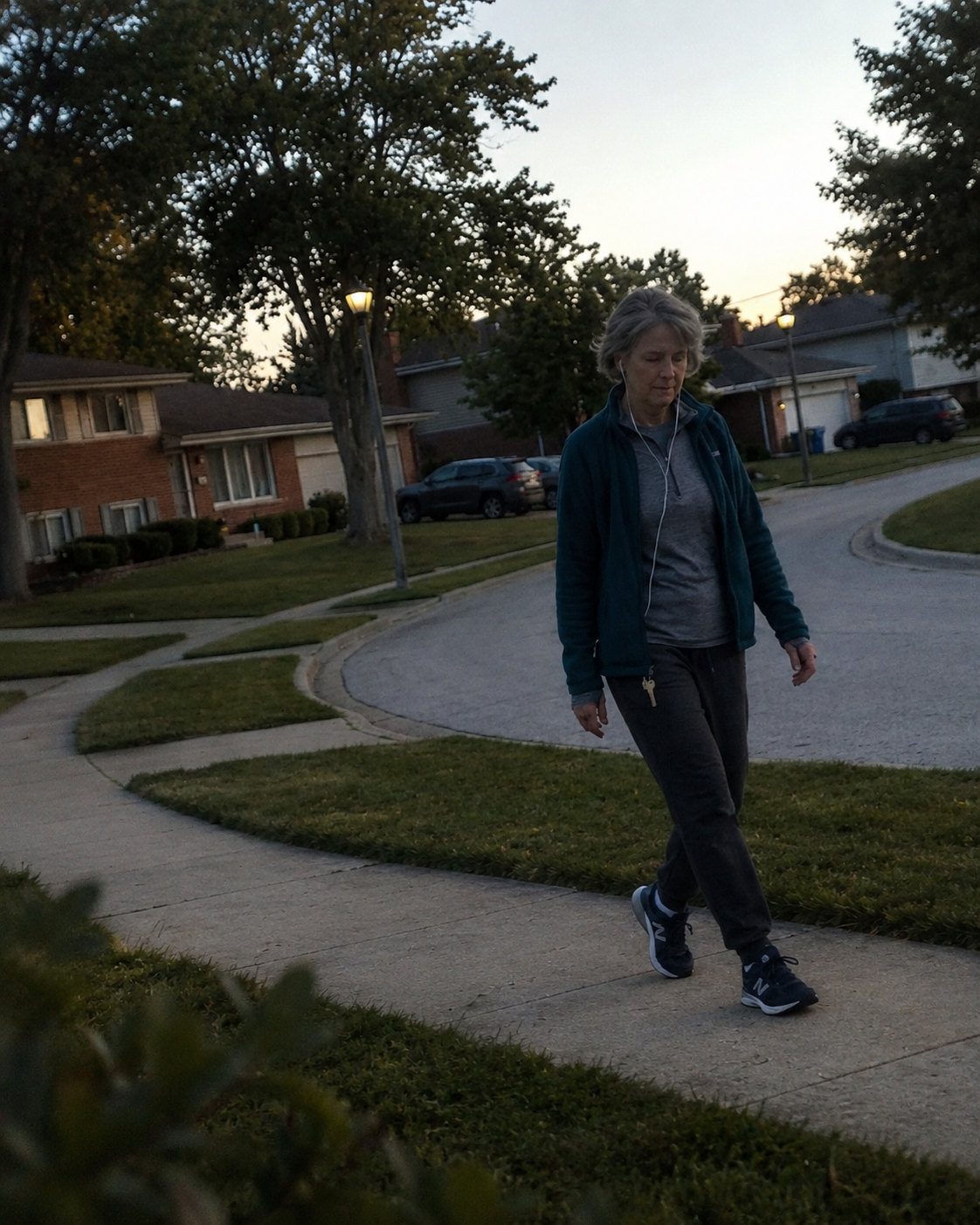
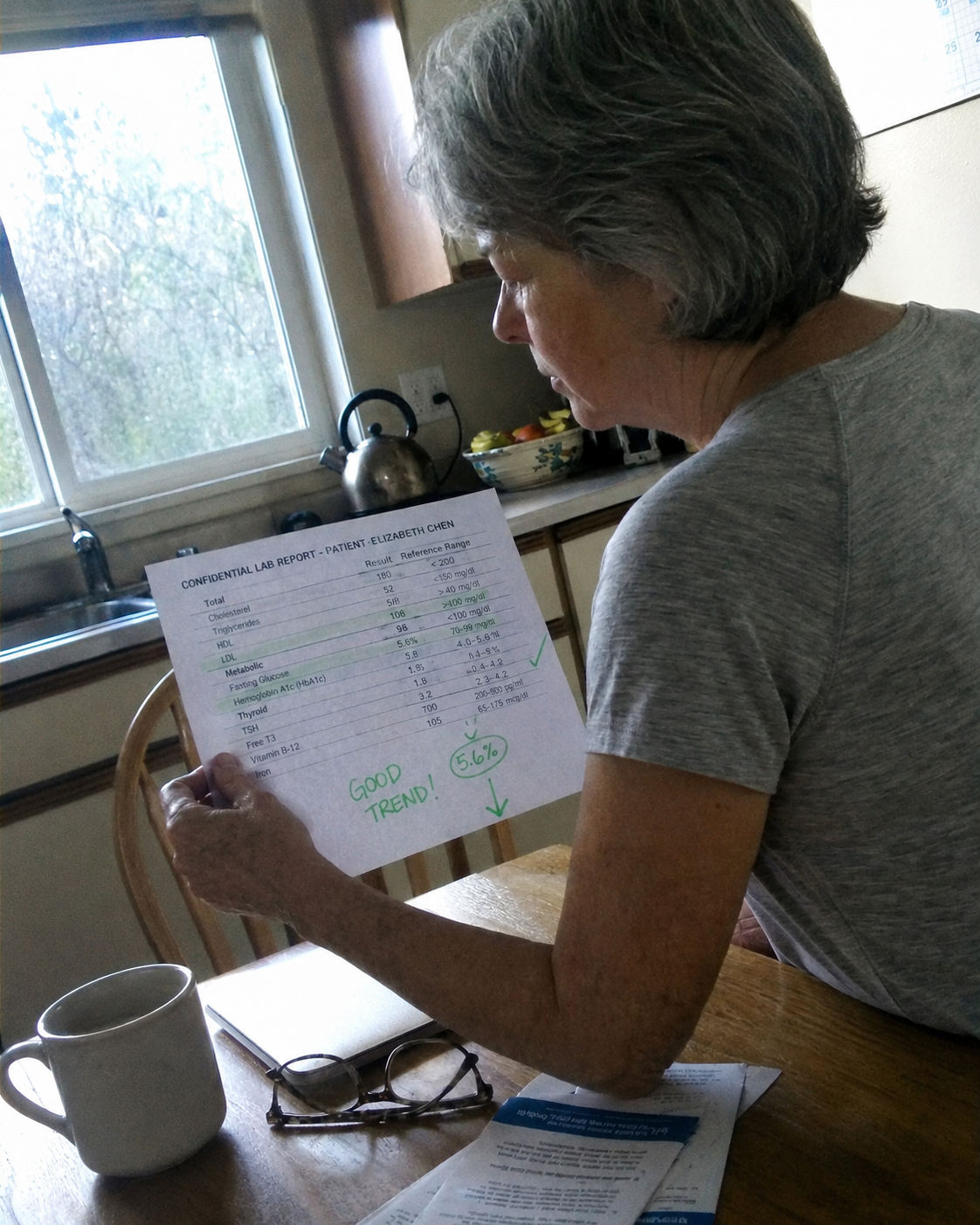
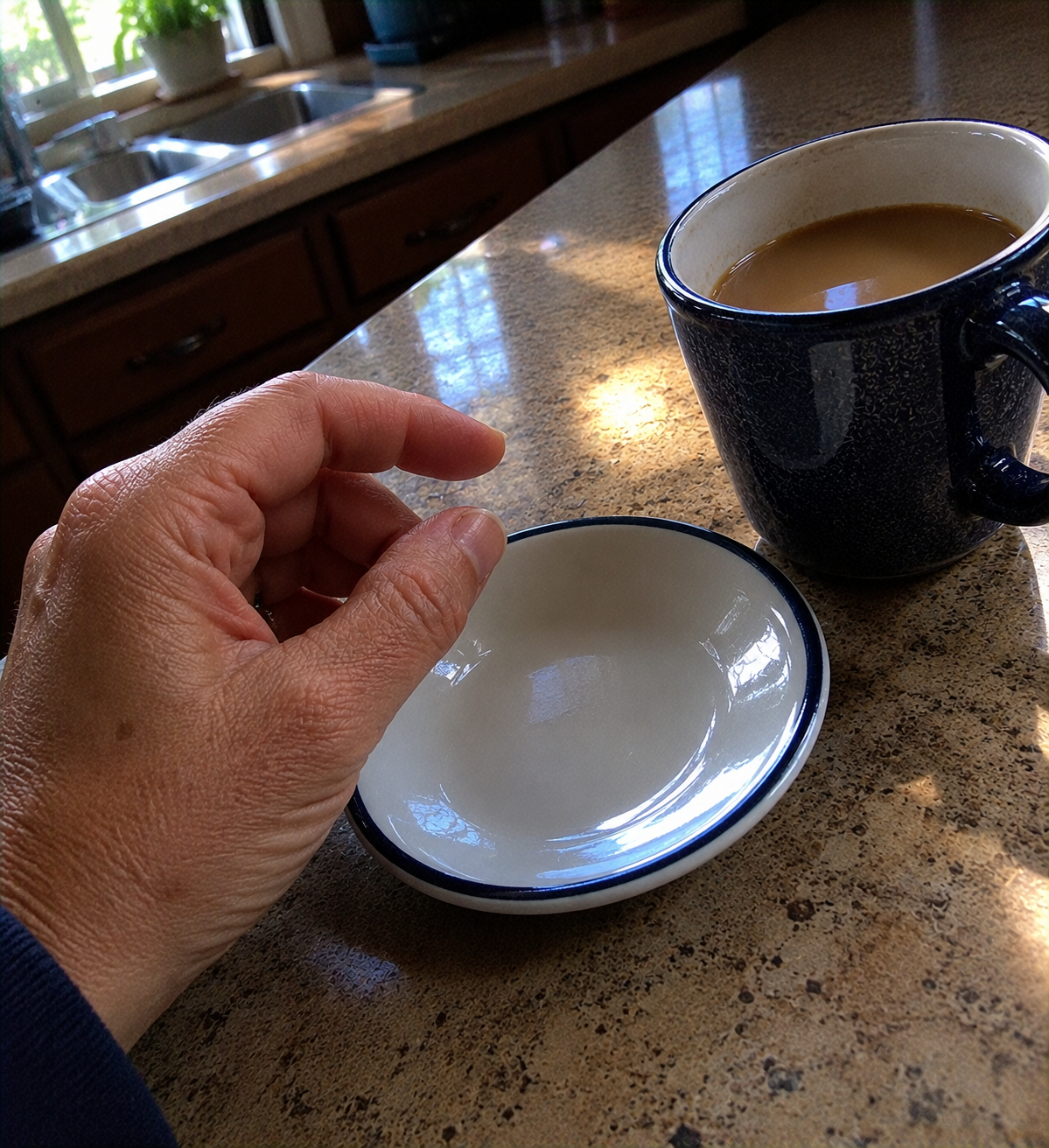
I Drove to My Mother's House to Help Her Hang a Picture. She'd Been Holding the Hammer for Twenty Minutes. This is about my mother, Eleanor. She's 74. She lives by herself in the house I grew up in — a small ranch on the edge of a town in central Pennsylvania, about an hour and fifteen minutes from where I live now. My father died seven years ago. My mother stayed in the house. She wanted to. She's that kind of woman. She's lived in that house since 1971. She raised three kids in it. She buried a husband from it. She wasn't going to leave it because of a number on her driver's license. I respect that about her. I also worry about her. My name is Diane. I'm 49. I'm a paralegal at a small firm in our county seat. I'm her middle child and her only daughter. My older brother lives in Colorado. My younger brother lives outside Boston. They love her and they call her on Sundays and they fly in for Christmas. The day-to-day is mine. I drive out to her house most Saturdays. I bring her groceries, I check on the furnace filter, I sit at her kitchen table with her and we have coffee and we talk about the same eight things we've been talking about for years. She's good company. She always has been. I want to tell you what's been happening over the last two years or so. It started small. It always does. The first thing I noticed was that she stopped going to her quilting group on Thursdays. She'd been going to that quilting group at the Methodist church for almost twenty years. She told me she was just tired of it. I believed her. Then she stopped driving to the grocery store in the next town over — the bigger one she liked because it had a better produce section — and started going to the small one a block from her house. She said gas prices. I believed her. Then she stopped having my Aunt Marge over for lunch on Tuesdays. She said Marge talked too much. That one I didn't quite believe. Marge has always talked too much. That had never bothered my mother before. About a year ago, I started noticing other things. The newspaper would still be on the porch when I came over on Saturdays at noon. She hadn't been out to get it. The bird feeder in the back yard — the one my father built her in 1989 and the one she'd kept full for thirty-some years — was empty. She said the squirrels had been getting into it and she'd given up. I refilled it. A week later it was empty again, and a month after that it was still empty. She wasn't refilling it. The little garden bed by the front walk where she grew zinnias every summer didn't get planted last year. She said her back had been bothering her. She'd never mentioned her back before. She'd stopped baking. My mother baked something every week of her adult life. Bread on Mondays, cookies on Wednesdays, a pie on Sunday for after dinner. When I asked her about it, she said she'd lost the taste for it. I let it go. I didn't want to push. I told myself she was 73 and then 74 and these were the things that happened. In March of this year, I drove out on a Saturday morning to help her hang a picture in the hallway. It was a framed photograph of all the grandkids from our family reunion the previous summer. She'd asked me three times over the phone if I'd come help her hang it. She didn't usually ask for help with small things like that. I drove out with my drill and my level in the passenger seat. I let myself in. The house was quiet. I called her name. She answered from the hallway. I walked back and there she was, standing in the middle of the hall, holding the hammer in her right hand and the picture in her left. She was just standing there. Looking at the wall. I said: "Mom, you okay?" She turned and looked at me and she had this expression I'm not going to forget. A little embarrassed. A little defeated. A little lost. She said: "I've been standing here for twenty minutes, Diane. I can't figure out where to put it." I want to tell you what hit me when she said that. It wasn't the not being able to figure out where to put the picture. It was the twenty minutes. My mother had been standing in her own hallway, in the house she'd lived in for 54 years, holding a hammer in her right hand and a picture in her left hand, for twenty minutes. Not because she couldn't decide. Because she couldn't summon the energy to decide. She'd run out of something I didn't have a name for. I took the hammer out of her hand and set it on the hall table. I took the picture and propped it against the wall. I said: "Let's have coffee first. We'll do the picture in a few minutes." She looked relieved. I made coffee in her kitchen the way I'd been making coffee in her kitchen since I was sixteen years old. I sat across from her at the table. She wrapped both hands around her mug. I said: "Mom, can I ask you something honest?" She nodded. I said: "When was the last day you felt good? Like, really yourself?" She thought about it for a long time. Then she said: "I don't know, Diane. I don't remember. It's been a while." I sat there. I didn't say anything for a minute. She added: "I've been telling myself this is just what 74 feels like." I want to be careful here. I'm not a doctor. I have never been to medical school. I don't have a degree in nutrition or geriatrics or anything else that qualifies me to know what was happening to my mother. But I am her daughter, and I had been watching her quietly slip down a staircase for two years, and I had been telling myself the same thing she was telling herself. That this was just what 74 felt like. What hit me at the kitchen table that Saturday was that I didn't actually know whether that was true. I'd never been 74. My mother had been 64 once. She'd been 54. She'd been 44. She'd been a woman who'd raised three kids and held down a job at the elementary school cafeteria for 28 years and refinished her own kitchen cabinets at 61. Maybe what she was experiencing now was just normal aging. Maybe. But maybe some of it wasn't. Maybe some of it was something I could do something about. That afternoon, after I hung the picture for her and we ate the sandwich I made and she fell asleep in the recliner at 2:30, I drove home and I called my older brother in Colorado. I told him what I'd seen. The hammer. The hallway. The twenty minutes. The empty bird feeder. The garden that hadn't been planted. The baking that had stopped. I told him I was scared. He was quiet for a long time on the phone. Then he said: "Diane, what do you want to do?" I said: "I want to take her to her doctor. I want to make sure nothing's medically wrong. And then I want to figure out what I can actually help with." He said: "Okay. I'll fly out next month and help you." I felt my shoulders come down for the first time in a week. I scheduled the appointment with her doctor for two weeks later. Her doctor — Dr. Lindgren — has been her doctor for about eight years. He took over the practice from the man who'd been her doctor for the previous twenty. He's careful and patient and he listens. I drove out and picked her up and drove her to the appointment. I went in with her. She didn't argue. Dr. Lindgren spent almost an hour with her. He ran bloodwork — a full panel. He checked her thyroid. He checked her vitamin D. He checked her iron. He checked her blood sugar. He asked her dozens of questions about how she'd been sleeping, what she'd been eating, what she'd been doing with her days. When he was done he said the same thing I'd been afraid he was going to say. He said: "Eleanor, your numbers look good. Your thyroid is fine. Your iron is fine. Your blood sugar is fine. There's nothing on these labs that explains what you're describing." He paused. He said: "Some of what you're describing is consistent with what we see in aging. Cells slow down. Energy drops. Recovery takes longer. It's not a disease. It's not something we treat with a prescription. It's something we manage with movement, with sleep, with social connection, and sometimes with thoughtful additions to what you're already doing." He turned to me. He said: "Diane, the biggest thing you can do for your mother is what you're already doing. Be here. Drive out on Saturdays. Get her out of the house. Help her find some movement she can stick with. Sleep, food, sunlight, people. That's the foundation." I asked him if there was anything else. Anything I should be looking at. He said: "There's a category of nutrients that can support what the body's natural systems are doing as we age — antioxidants in particular. Nothing miraculous. Nothing that replaces movement or sleep. But if you wanted to add one thoughtful thing to her morning, I wouldn't argue with it. Call the office first if you're thinking about a specific supplement, and we'll make sure it doesn't interact with anything she's on." My mother takes two medications. A blood pressure pill she's been on for about fifteen years. A low-dose thyroid medication she's been on for about ten. That's it. She's never had a heart attack or a stroke or a hospitalization. By every measurable thing, she's doing well. She just isn't, anymore. I drove home from that appointment thinking about what Dr. Lindgren had said. The foundation. Sleep, food, sunlight, people, movement. I knew I could help with all of that. I started driving out two days a week instead of one. I started taking her on short walks on Saturday mornings — not far, just down the block and back, then down two blocks and back, then around the small park near her house. I started bringing my laptop on Wednesdays and working from her kitchen table so she had company. I called Aunt Marge and asked her to come back for lunch on Tuesdays. Marge cried on the phone. She'd thought my mother didn't want to see her anymore. She'd been heartbroken about it for months and hadn't told anyone. About a month into all of that, I was sitting in the waiting room at my dentist's office and I picked up a magazine I would never normally read. There was an article in it about a small farming community in Lancaster County, Pennsylvania, that grew beets and made a supplement from them. I read the whole article. Then I read it again. I tore the page out and put it in my purse — I asked the receptionist if I could keep it and she laughed and said of course. That night I went home and did some reading online. What I learned was that beetroot has been studied for decades for cardiovascular wellness and cellular energy support. The active compound is something called betalains — that deep crimson red pigment that stains your cutting board when you slice a beet. Betalains are one of the more potent antioxidants in the food supply. They support the body's natural antioxidant balance. They support healthy circulation. They support the cellular-level systems that tend to slow down as we age. Beetroot is a structure-function ingredient, not a medication. It supports healthy cholesterol levels already within the normal range. It supports healthy circulation. It doesn't replace anything else a person is doing — it works alongside it. That last part is what made me comfortable thinking about it for my mother. I wasn't going to ask her to come off either of her medications. I wasn't going to second-guess Dr. Lindgren. I was thinking about adding one thoughtful thing to her morning — the way he'd said I could. Before I ordered anything, I called Dr. Lindgren's office. I spoke to his nurse. I told her exactly what I was thinking. Told her about the brand — Rosabella. Told her my mother's two medications and the doses. Asked if there was any reason she shouldn't add it. The nurse talked to Dr. Lindgren and called me back the next day. He said it was a sensible thing to add. No interactions with either of her medications. Have my mother mention it at her next appointment so it gets in the chart. I ordered the bottle. I drove it out to my mother on a Saturday. I sat at her kitchen table and I told her the truth. I told her about the magazine. About calling Dr. Lindgren's office. About what the nurse had said. I told her I wanted to put one capsule on the saucer next to her coffee every morning and have her take it with her first sip. I told her I wasn't asking her to change anything else. She listened. She said: "Diane, you're a good daughter." I said: "I'm trying." She took the bottle and she put it on her kitchen counter next to the coffeemaker. The next morning she called me at 7:30. She said: "I took it. Tasted like nothing. Just like a vitamin." I laughed. She laughed. That was the start. I'm not going to tell you my mother was different in seventeen minutes. I don't think these things work like a switch flipping. But over the next couple of months, something started to shift. It wasn't dramatic. It was a series of very small things. The first one I noticed was that she answered the phone when I called. She hadn't been letting calls go to the answering machine on purpose — she'd just been napping a lot of afternoons. The napping started to ease up. The second one was the bird feeder. I drove out one Saturday in May and she'd refilled it. I didn't make a big deal about it. I just noticed. The third one was that she made banana bread one Saturday when I came over. She didn't tell me she was going to make it. I walked into the kitchen and the loaf was cooling on the counter and the kitchen smelled the way her kitchen had smelled my entire childhood. I stood there for a second and didn't say anything because I didn't trust my voice. She said: "I felt like baking." I said: "I'm glad." About four months in, my mother went back to her quilting group. She drove herself. She told me about it on the phone afterward. She said: "They were happy to see me." I said: "I bet." She said: "I missed them. I didn't realize how much I missed them." I sat in my car in the parking lot of my office after that phone call and cried for about three minutes. Then I went back inside and finished my workday. At my mother's next appointment with Dr. Lindgren, her numbers were the same as they'd been before. Good. Where they should be. He didn't change her blood pressure medication. Didn't change her thyroid medication. Didn't take her off either of them. He asked her how she'd been feeling. She told him. The walks. The quilting group. Aunt Marge on Tuesdays. The baking. She mentioned the beetroot. He nodded. He said it sounded like a reasonable addition and he was glad I'd called the office before we started it. He said: "Eleanor, whatever you and your daughter have been doing, keep doing it." That was about two months ago. I want to be careful about what I'm claiming here. I don't know how much of my mother's coming back is the walks. I don't know how much is Aunt Marge on Tuesdays. I don't know how much is the quilting group, or the baking starting up again, or me being at her kitchen table two days a week instead of one. I don't know how much is the beetroot. It's probably all of it together. Bodies are different and lives are different and I can't tell you that what worked for my mother would work for yours. What I can tell you is what I did. I sat across from my mother at her kitchen table and I asked her an honest question. I took her to her doctor and I went into the appointment with her. I made a list of the things he said the body needs as it ages — sleep, food, sunlight, people, movement — and I started showing up for those things. I called my mother's doctor's office before I added anything new to her morning. I waited for the doctor to call back. When he said it was a sensible thing to add, I ordered the bottle. My mother never came off either of her medications. She never reduced a dose. She never went against her doctor's recommendations. She added one thing to what she was already doing — alongside everything else we changed together. Talk to your mother's doctor or pharmacist before adding any new supplement to her existing care, especially if she's on medication for blood pressure or thyroid or cardiovascular health. That one phone call is what made me comfortable. It's what I'd tell anyone else to do first. The brand I added to my mother's morning is Rosabella. 1,300 milligrams per capsule, cold-pressed at low temperatures, grown in Lancaster County. One capsule with a glass of water in the morning. That's the whole thing. P.S. Aunt Marge called me last week. She'd been at my mother's for lunch on Tuesday. She said: "Diane, your mother is back." I asked her what she meant. She said: "She laughed at one of my stories. She hasn't laughed at one of my stories in two years and I'd convinced myself I'd just stopped being funny." I told her she hadn't stopped being funny. She said: "I know that now." P.P.S. Rosabella has a 90-day money-back guarantee. If you're not satisfied for any reason, every penny back. No questions asked. I think that's a sensible policy for a supplement — it gives you time to actually see whether it does anything. I'd give it a few weeks at minimum. Bodies are different. Some people notice something within the first week or two. Others take longer. P.P.P.S. I keep an extra bottle at my own house just in case. They're a small operation and the harvest is once a year, so the bottling can run on its own schedule. P.P.P.P.S. Here's what I'd tell you to do if you're in a similar place with your own mother. Call her doctor's office first. Tell the nurse exactly what you're thinking and exactly what your mother is on. Wait for the doctor to call back. If the doctor approves, put one capsule on the saucer next to her morning coffee mug. Don't change anything else without your doctor's input. Just put it there. Let her take it quietly. Give it a few weeks before you decide anything. And in the meantime — drive over. Pick up the phone. Walk her around the block. Be there. That's the part the bottle doesn't do. P.P.P.P.P.S. My mother planted zinnias along the front walk last week. She called me to tell me. I drove out the next Saturday to see them. They were just little seedlings in fresh dirt, the kind you have to lean down to see. But they were there. She'd put them in the ground with her own hands. We sat on the front step and drank coffee and watched a cardinal at the refilled bird feeder my father built her in 1989. Some things you almost lose. Some things, with luck and effort and a doctor who listens, come back. https://track.tryrosabella.com/cdc16426-3e48-40a7-9fad-21098084f6cf Individual experiences vary. These statements have not been evaluated by the FDA. This product is not intended to diagnose, treat, cure, or prevent any disease.
Support stamina and heart health every day
LEARN MORELike this ad? Make it yours.
Crush rebuilds this exact creative around your product — your brand, your colors, your offer — in about a minute.