
Inactive· since May 9, 2026
- 46
- days it ran
- 0
- relaunches
Ad copy
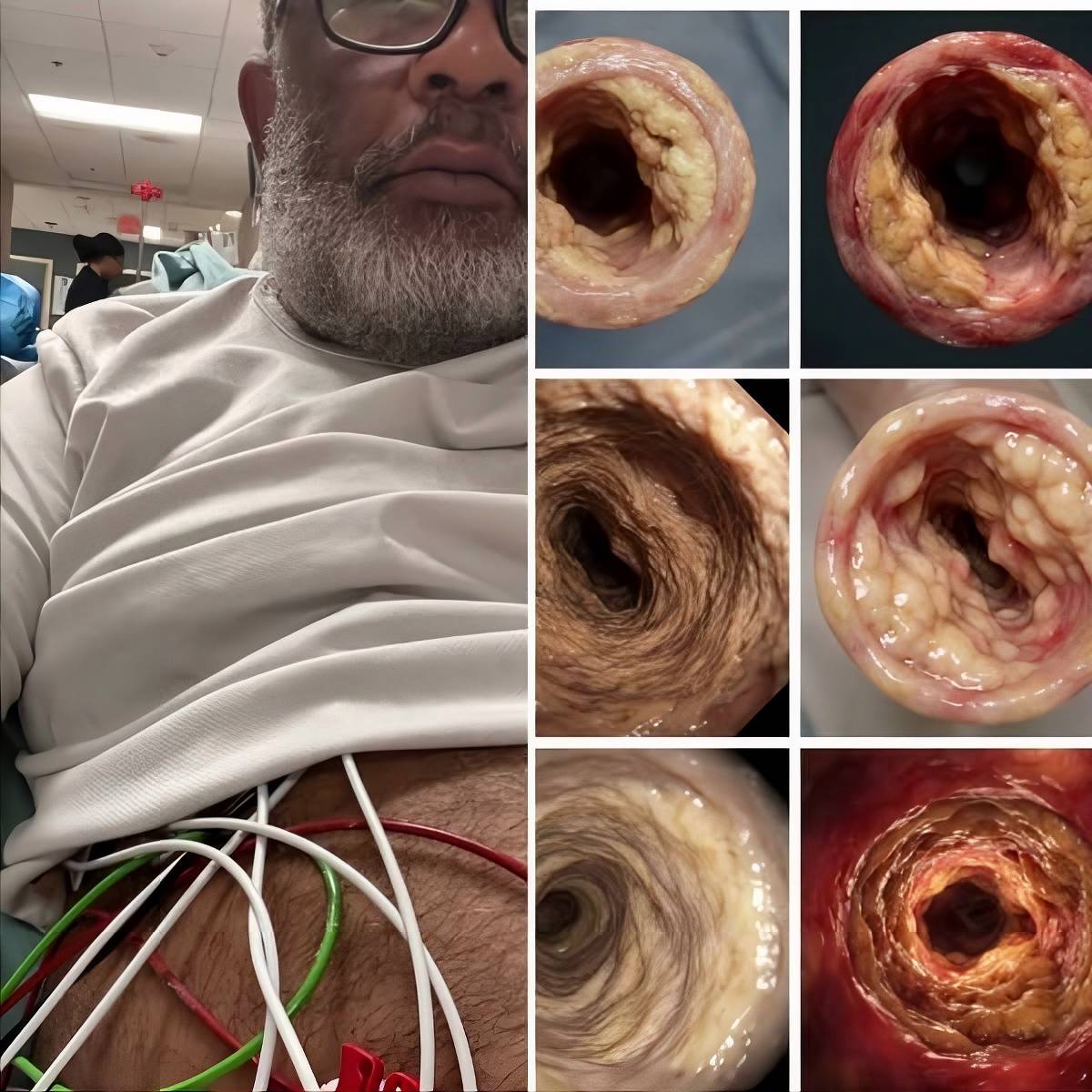
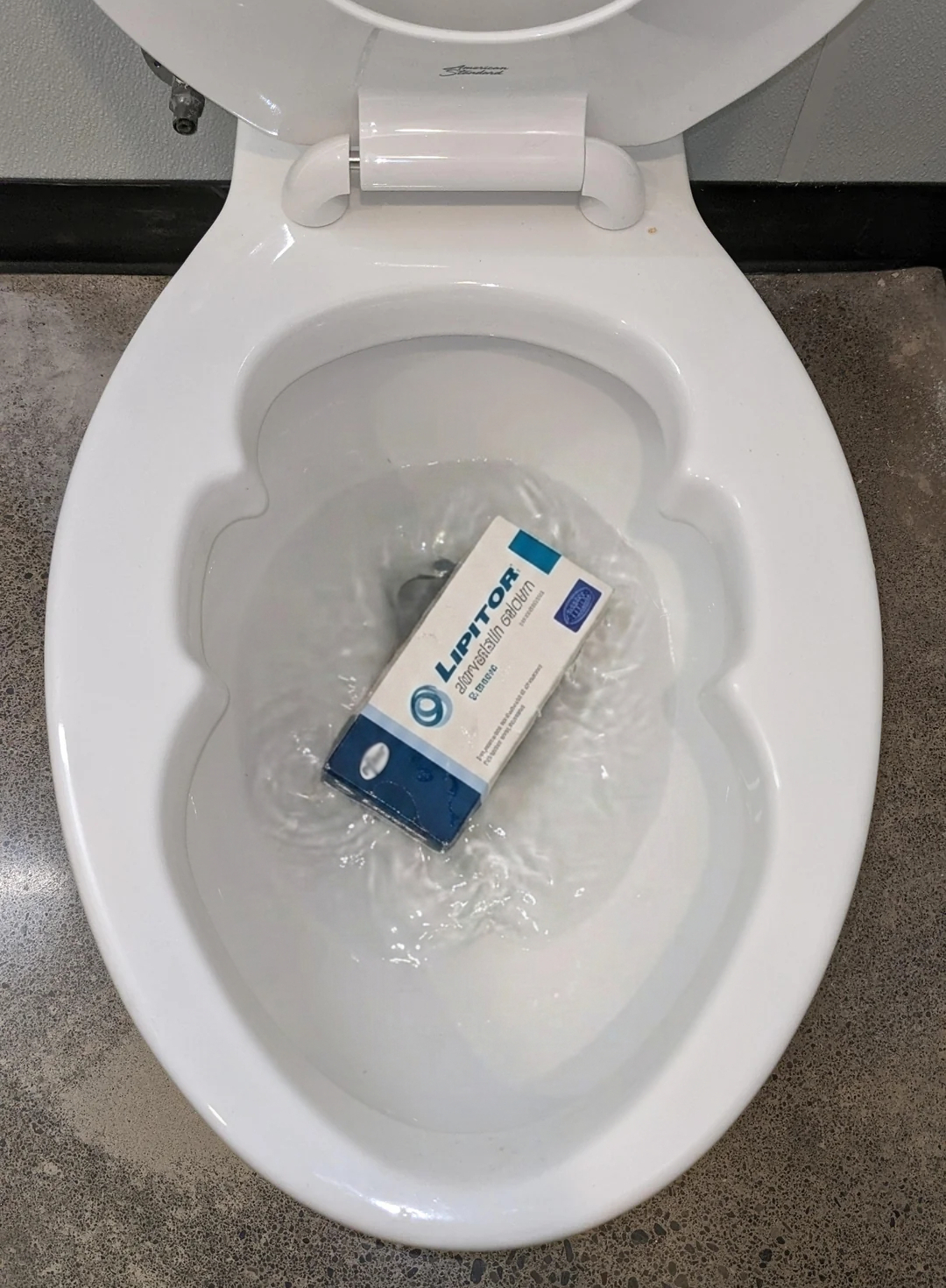
My father was on Atorvastatin for 16 years. The muscle pain that never stopped. The brain fog that turned conversations into struggles. The exhaustion that hollowed out the man I grew up with. Last year, I saw his exact LDL number on my own bloodwork. I refused to follow his path. And by the end of this, you're gonna be pissed. Because there are three things happening right now. One. Your cholesterol is climbing toward the same numbers your father had before they put him on a statin. Two. The medical system has exactly one solution. A pill for the rest of your life that lowers a number on a chart but never fixes what's actually causing the damage. Three. There's research showing another approach. A clinical trial that went head to head with one of the most prescribed statins in the world. And nobody in that system will ever mention it to you. Let me tell you about my father. Because his story is why I spent six months researching cholesterol instead of just filling the prescription. My father was on Atorvastatin for 16 years. It started when he was 54. Doctor said his LDL was "in dangerous territory." 168. Wrote him a prescription. Said it was "safe and effective." Said he'd probably be on it for life but that was "normal for someone his age." Within three months, the muscle pain started. Not normal soreness. A deep, aching, relentless pain in his thighs and shoulders that came out of nowhere. Climbing stairs. Getting out of his chair. Lifting his grandson. It never stopped. My mother said it was like living with someone who hurt all the time and never complained about it because he didn't want to scare anyone. His doctor said it was "a common side effect" and "most patients adjust." He didn't adjust. He just got quieter about it. Then the brain fog came. My father used to do crossword puzzles in pen. Sunday New York Times. Finished by lunch. A year into Atorvastatin, he stopped doing them. He'd sit there with the pen hovering over the page and the words just wouldn't come. He started forgetting names. Stories. Whether he'd locked the back door. He was 56 years old. I asked his doctor about it once. The doctor said it was "age-related cognitive change" and "unrelated to the medication." Even though my father had been sharper than anyone I knew until the day he started that pill. The exhaustion came next. My father used to coach my Little League team. He'd throw batting practice for an hour, then take us all for ice cream. Energy for days. On the medication? He'd come home from work at 6 PM and be asleep by 7:30. Couldn't stay awake through a movie. Couldn't make it through dinner without yawning. My mother said it was like watching the man she married slowly disappear. His grip went too. He was a finish carpenter. Hands that could hold a chisel steady for 30 years. By 60, he couldn't open a jar of pasta sauce without my mother helping. He'd run hot water over his fingers in the morning trying to make them work. The doctors called it "statin-associated muscle symptoms." Said it was "manageable." Said the cardiovascular protection was worth it. And his cholesterol? "Excellent." LDL sitting at 92. Not fixed. Forced down. For 16 years, my father took that pill every morning. For 16 years, he dealt with side effects that erased who he was. For 16 years, not one single doctor ever said, "Let's look at what's actually causing your cholesterol to be high instead of just shutting down production forever." He died at 70. Heart attack. On the driveway, getting the mail. His LDL was 89 the morning he died. "Perfect." I was 51 when we buried him. And I made myself a promise standing at his grave. I will not go down that path. I will not spend the last decades of my life aching, foggy, and exhausted while a number on a chart looks "perfect." I will find another way. Three years later, I was sitting in my own doctor's office. She slid the lab report across the desk. Watched me read it. "LDL 174. Total cholesterol 248. Triglycerides 198." She gave me that look. The same look my father's doctor probably gave him 20 years ago. "Your numbers are concerning. We should talk about starting a statin." I felt my chest tighten. "What statin?" "Atorvastatin is usually where we start. It's well-tolerated by most patients." Atorvastatin. The same drug that took my father's hands. His mind. His energy. And then, in the end, his life. "Are there other options? Before medication?" She nodded. "Diet and exercise. Cut saturated fat. Lose some weight. Cardio four times a week. We can try that for three months and see if your numbers improve." I did everything she said. Cut red meat completely. Oatmeal every morning. Walked five miles a day. Lost 14 pounds. Ate more leafy greens in three months than I had in the previous ten years combined. Three months later. LDL 168. Six points. She pulled out her prescription pad. "I think it's time we start the Atorvastatin." I looked at that pad and I felt rage building in my chest. Not at her. She was doing her job. Following her training. At the system. The system that put my father on that pill for 16 years and never once tried to fix the actual problem. The system that watched him deteriorate and called it "controlled." The system that was about to do the same thing to me. "I want more time," I said. She wasn't happy. Gave me a speech about "the risks of high LDL" and "cardiovascular events." Said we were "playing with fire." But she agreed. Three more months. That night I started researching. Not "how to lower cholesterol naturally." I'd already read all of that. Oatmeal, fish oil, plant sterols. I'd done it. It wasn't enough. I searched something different. "Why do people on statins still have heart attacks." That's where I fell down the rabbit hole. And I didn't come back up the same person. Most results were the usual noise. Same generic advice. Same recycled talking points. But then I found something that stopped me cold. A clinical trial. People with high cholesterol. Twelve weeks. They tested a standardized extract of an ancient superfruit head to head with Atorvastatin. The same drug they wanted to put me on. The fruit performed in the same range. LDL came down significantly. HDL went up. Triglycerides dropped. Inflammation markers fell. All without depleting CoQ10. Without muscle pain. Without brain fog. Without any of the side effects that erased my father. I sat at my kitchen table at 11 PM staring at the screen. A superfruit. Going head to head with the same class of drug that killed my father. In a controlled clinical setting. And matching it. How had I never heard of this. I kept reading. The fruit is called Amla. A gooseberry. Grows in the foothills of the Himalayas. Healers there used it for over five thousand years. They called it "the nurse." The remedy they reached for when someone's body was breaking down from the inside. But the research wasn't about the fruit. Not really. It was about specific compounds inside the fruit called emblicanins. When scientists test the antioxidant strength of foods, Amla ranks at the very top. Higher than blueberries. Higher than turmeric. Higher than green tea. And it's not even close. Then I read the explanation that made me put my head in my hands. I had been wrong about cholesterol my entire life. So had my father. So had my doctor. The number on the chart isn't the actual problem. Here's what's really happening. Your liver makes cholesterol every day. It's supposed to. Cholesterol builds your cells, protects your brain, keeps your organs running. Your body sends it out through your bloodstream like a delivery route. But your blood is full of unstable molecules called free radicals. Stress, processed food, sugar, pollution, just getting older. They attack your cholesterol while it's traveling through your bloodstream. They damage it. And damaged cholesterol does something normal cholesterol never does. It sticks. It sticks to the walls of your arteries. And once it's stuck, it stays stuck. More damaged cholesterol comes along and sticks right next to it. Layer after layer. That's plaque. That's the blockage. That's the heart attack. Now here's the part that explains why my father's numbers stayed "controlled" while plaque was building silently inside him. All that cholesterol stuck to the artery walls. Your body doesn't know it's stuck. It just knows it sent cholesterol out and it never came back. So your body does what any system does when a delivery doesn't arrive. It sends more. Your body keeps manufacturing replacement cholesterol to make up for what it's losing to the buildup. More gets damaged. More gets stuck. More gets replaced. A cycle that feeds itself. And the longer it runs, the higher your number climbs. Now read this carefully. A statin doesn't stop the damage. A statin forces your liver to stop producing cholesterol. The number drops on the chart. Your doctor says "great." But the cholesterol still in your blood. Still getting damaged. Still sticking. Still building up. The drug lowered the amount. It never stopped the cause. That's why people on statins still have heart attacks. That's why my father had a "perfect" LDL the morning he died on the driveway. The number was forced down. The damage was never addressed. The plaque kept building underneath. He was watching the smoke alarm. Nobody was checking for the fire. And the way Atorvastatin shuts down cholesterol production. By blocking a pathway in the liver called HMG-CoA reductase. That same pathway also produces CoQ10. The molecule your heart needs to beat 100,000 times a day. The molecule your muscles need to fire. The molecule your brain needs to think. That's the muscle pain. That's the brain fog. That's the exhaustion. That's not aging. That's the drug. For 16 years, my father's body was being drained of the energy molecule it needed to function. So a number on a chart could look "perfect." While the actual damage. The oxidation. The sticking. The plaque. Kept building. Until his heart finally gave out on a Tuesday morning getting the mail. I had to step away from my laptop. I went outside. Sat on my back porch in the dark. And I cried for the first time since the funeral. Because there had been an answer the entire time. Something that addressed the actual cause. Something that didn't strip the body of what it needs to live. Something that worked with biology instead of against it. And nobody told him. Nobody told him. The research focused on what emblicanins actually do. They help protect your cholesterol from getting damaged. They go after the free radicals in your blood. The ones attacking your cholesterol and turning it into the sticky kind. And they help neutralize them before the damage takes hold. Not downstream in your gut like oatmeal. Not on the surface like fish oil. Not by forcing your liver to shut down like a statin. In your bloodstream. Where the damage is actually happening. When your cholesterol is better protected from damage, less of it sticks to your artery walls. When less sticks, your body isn't forced to keep overproducing replacements. The cycle starts to ease. Your cholesterol can come down. Not because something forced your liver to shut down. Because your body doesn't need to keep making more. It was so simple I sat there blinking at the screen. Stop the damage. The cycle breaks. The body does the rest. I'd never heard of this. In all my father's years on Atorvastatin, no doctor ever mentioned it. Why. Because you can't patent a fruit. No pharmaceutical company makes money from Amla. No drug rep brings samples to doctors' offices. No medical conference features presentations on something that doesn't generate revenue. There IS money in Atorvastatin. In Lipitor. In Crestor. In Simvastatin. In every statin on the market. Every refill is revenue. Every follow-up to monitor liver enzymes is billable. Every additional medication when the muscle pain hits is more profit. My father was a customer for 16 years. The system doesn't want to fix you. It wants to manage you. For life. I started looking for Amla supplements that night. And I found out most of them are useless. Most of what you find online is cheap fruit powder. Ground up scraps with no standardization. Some are contaminated with heavy metals. Some are cut with fillers. Most use heat during processing, which destroys the very emblicanins that make Amla work in the first place. The difference between raw Amla powder and a properly standardized extract is like the difference between chewing on willow bark and taking an aspirin. One is a plant. The other is the precise, concentrated compound that actually produces results. I tried a generic Amla powder from Amazon first. Three weeks. LDL 167. Nothing. I tried a "premium" capsule from a vitamin shop. Two weeks. LDL 165. Two points. I was about to give up. Figured maybe the research only worked in controlled clinical settings with the exact extract they used. Then I found a small thread where someone laid out exactly what to look for. Standardized extract, not raw powder. No heat processing. Third party tested. Made in the USA. Organic. And they mentioned Alevia. Organic Amla Superfruit Extract. Standardized. Third party tested for purity and potency. Made in the USA. Small batch production with no heat to preserve the active emblicanins. No fillers. The same form of Amla that the clinical trials were built around. I ordered it that night. They sell out regularly because of small batch production. I was lucky to get a bottle before they ran out. Two capsules every morning with water. I want to be honest about the first week. There was no caffeine jolt. No dramatic shift. Amla isn't a stimulant. It's quiet. Week 2 I noticed the brain fog I'd been blaming on age was lifting. I finished a Sunday crossword. In pen. Like my father used to. Week 4 I went in for bloodwork. LDL 152. Sixteen points down. In four weeks. After three months of "diet and exercise" had only moved me six. Week 8. LDL 138. Week 12. LDL 124. Triglycerides came down. HDL went up. My total cholesterol dropped from 248 to 196. I went back to my doctor. She looked at the lab report. Looked at my chart. Looked back at me. "What did you do." I told her. The clinical trial. The Simvastatin comparison. The emblicanins. Why other Amla products don't work. The Alevia extract. She listened. Asked questions. Wrote things down. Then she leaned back. "Your numbers are excellent. I don't see any need for a statin at this point." She closed my chart. "Whatever you've found, keep doing it. I want to see you in three months to confirm this holds." No Atorvastatin. No muscle pain. No brain fog. No CoQ10 depletion. No exhaustion. No following my father's path. That was 14 months ago. My LDL this morning. 118. HDL 64. Triglycerides 132. Total 208. Stable. Consistent. No statin. No side effects. Last month I coached my nephew's Little League team for a day when his regular coach was sick. Threw batting practice for an hour. Took the kids for ice cream after. I thought about my father. How he used to do the same thing with me. Before the pill turned him into someone who couldn't stay awake past 7:30. Couldn't open a jar. Couldn't finish a crossword. I'm not going to become him. Not because I refused treatment. Because I found the right treatment. If you're reading this, you're probably where I was. Your cholesterol is climbing. Your doctor is talking about a statin. You've watched someone you love disappear over years on these pills while their numbers looked "perfect" on the chart. And you're terrified of going down that same path. You don't have to. Here's what I learned. Standardization is everything. Most Amla products are raw fruit powder. Inconsistent. Degraded. Heat-processed. The active emblicanins are destroyed before the capsule ever reaches your mouth. Alevia uses a standardized extract. No heat processing. The active compounds are preserved. Third party testing matters. Ayurvedic supplements have a known reputation for heavy metal contamination. You don't want the cheap Amazon generic. You want the one that publishes purity testing. Alevia is third party tested. Organic. Made in the USA. No fillers. This is real research. Not supplement marketing. A 60-patient clinical trial against Simvastatin. LDL reductions up to 40 percent. HDL up. Triglycerides down. Inflammation markers down. Without the muscle pain. Without the brain fog. Without the CoQ10 depletion. And Alevia stands behind it with a 90-day money back guarantee. Full refund. No questions asked. Try it for 90 days. Track your bloodwork. If you don't see improvement. If you're not satisfied for any reason. Full refund. You risk nothing except staying on the path to a statin. You're at a crossroads. One path. Fill the prescription. Start the statin. Accept the muscle pain as "normal." Accept the brain fog as "aging." Accept the exhaustion as "what happens after 50." Become a managed patient for life. Watch your quality of life slowly drain away the same way you watched it happen to your father. Another path. Address the actual cause. Stop the oxidation. Let your body break the cycle on its own. Give it the same compound that healers used for five thousand years before anyone invented the word "statin." I watched my father suffer for 16 years. He died with "perfect" numbers anyway. I refused to follow him. My LDL went from 174 to 118. No statin. No muscle pain. No brain fog. No exhaustion. You don't have to become your father. You don't have to follow that path. 👉 https://alevia.com/amla/17 P.S. My father's doctor never once mentioned anything about LDL oxidation, or emblicanins, or the cycle that drives cholesterol production up in the first place. Not in 16 years. The system isn't designed to fix you. It's designed to manage you. You have to find the answers yourself. P.P.S. Every month you wait with elevated LDL is another month of damaged cholesterol sticking to your artery walls and building plaque that becomes harder to clear. I almost waited too long. I almost filled that prescription. Don't make the same mistake. And one more thing. Alevia produces in small batches to preserve potency, which means they sell out regularly. If you wait, you may have to wait again for the next batch. 👉 https://alevia.com/amla/17
Like this ad? Make it yours.
Crush rebuilds this exact creative around your product — your brand, your colors, your offer — in about a minute.