
Inactive· since Apr 23, 2026
- 82
- days it ran
- 0
- relaunches
Ad copy
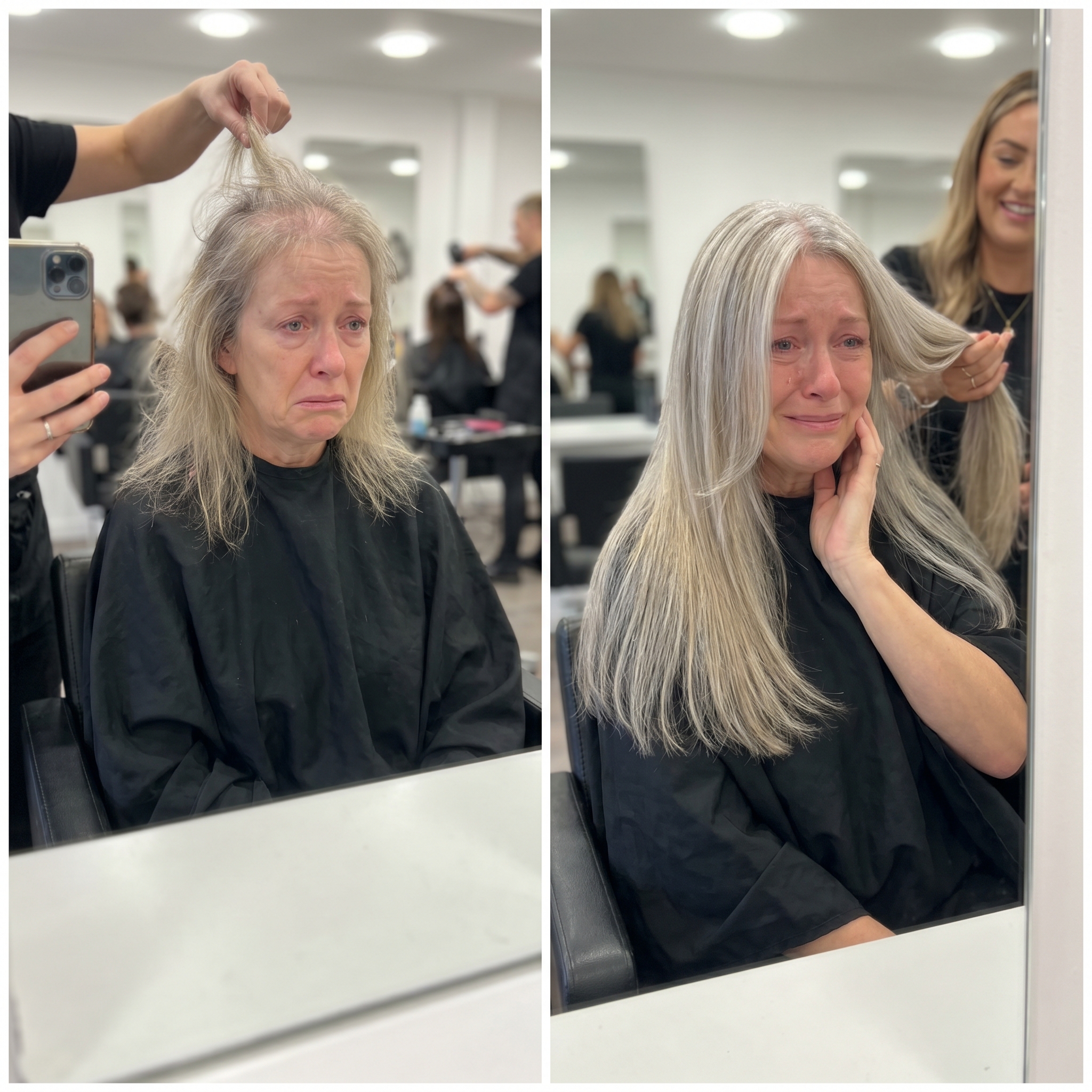
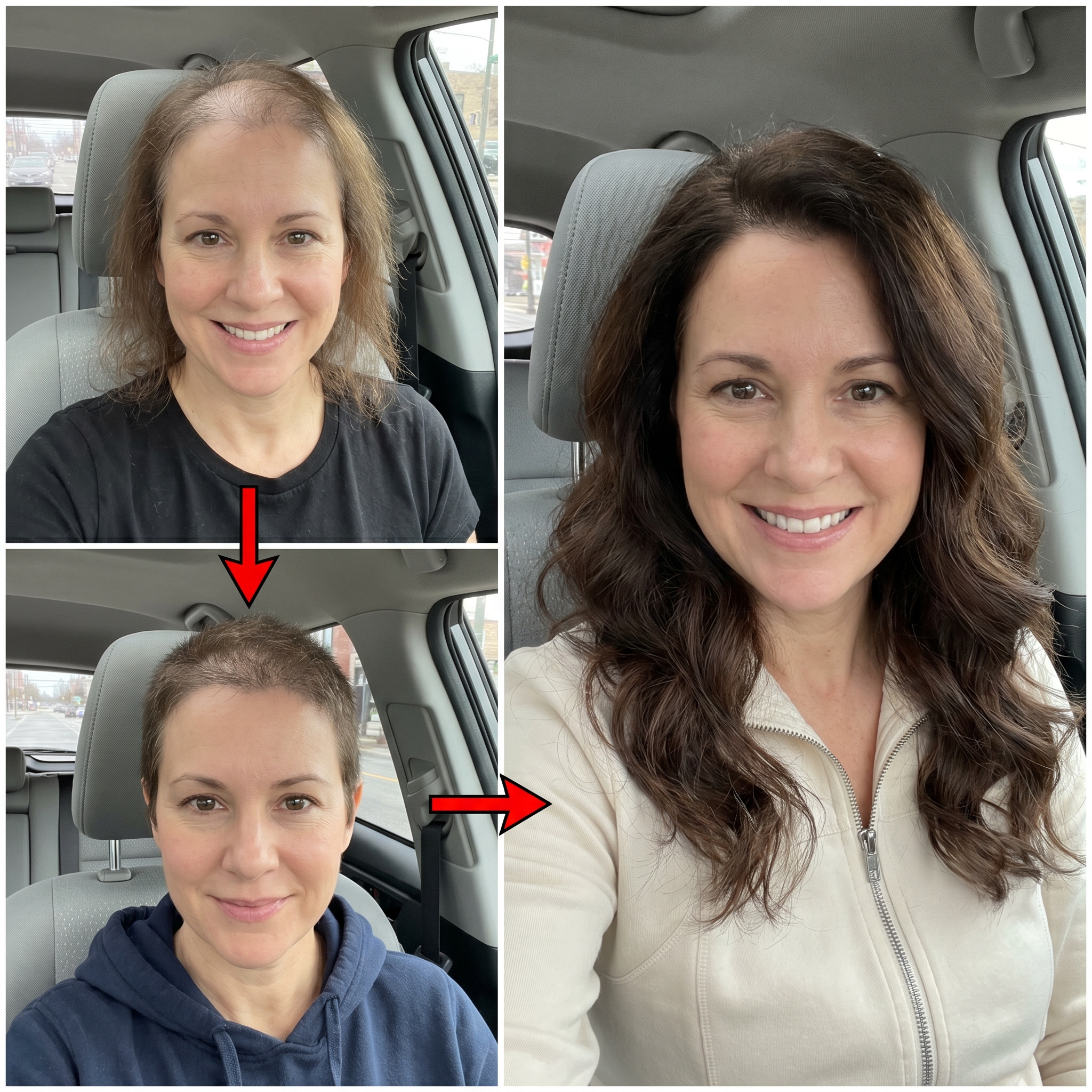
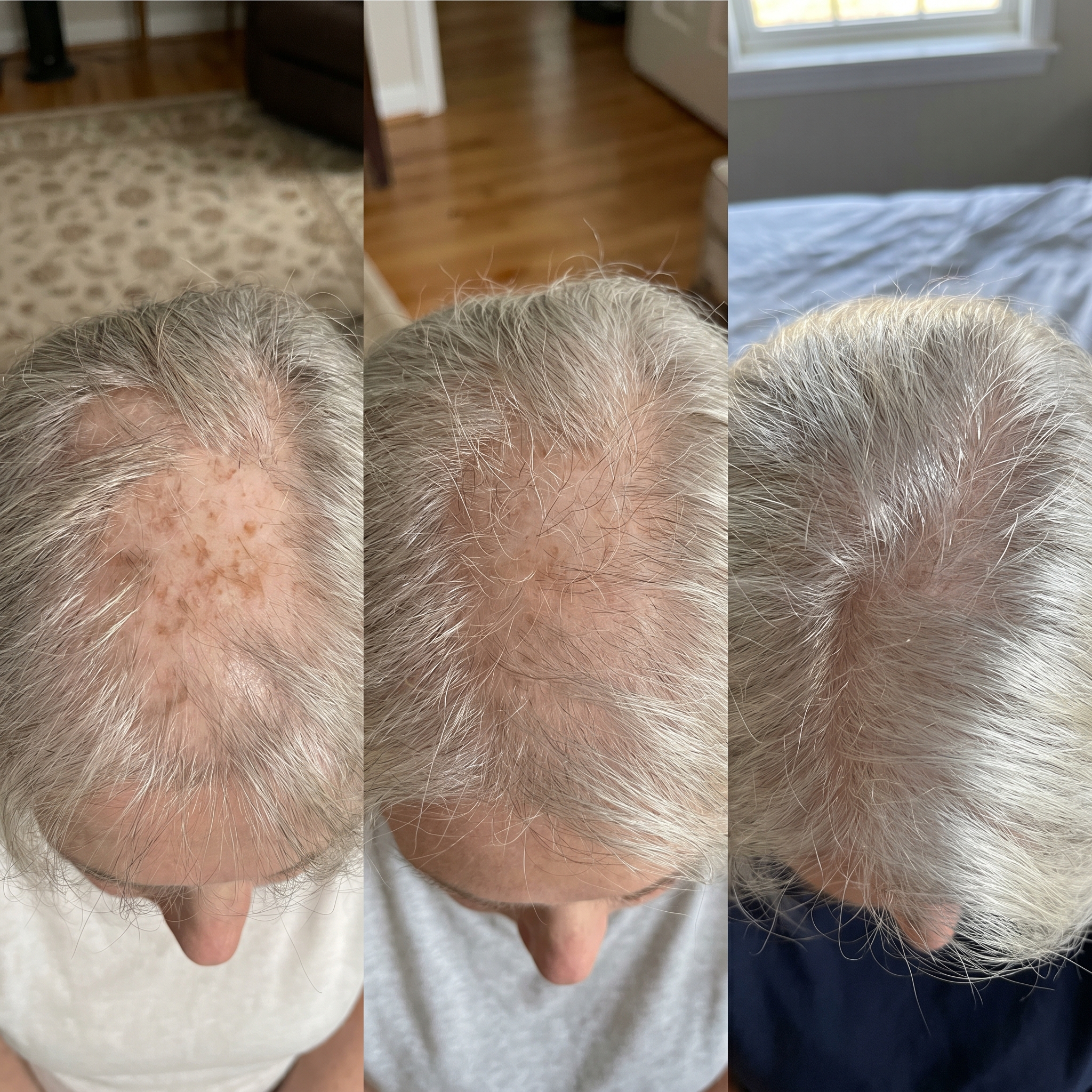
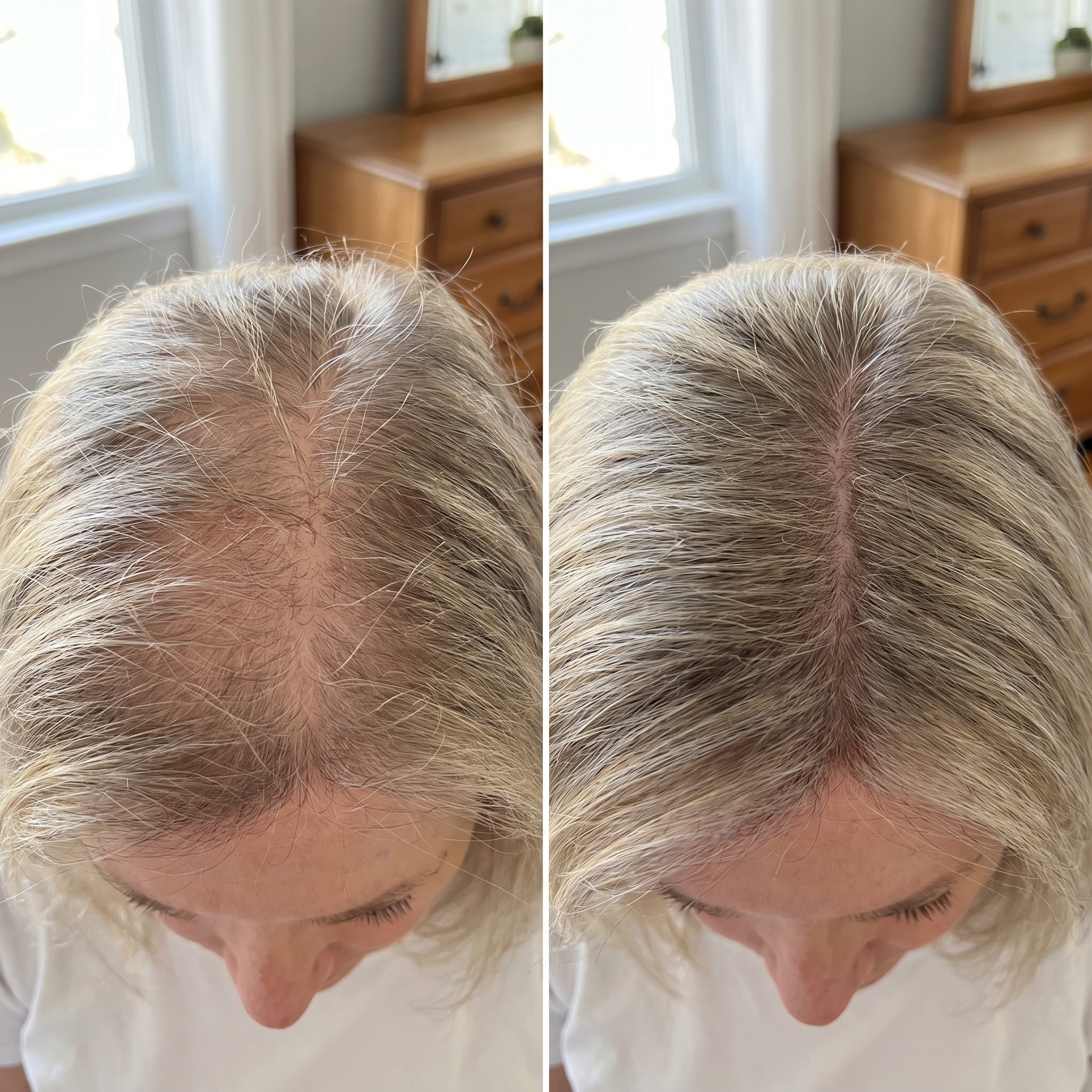
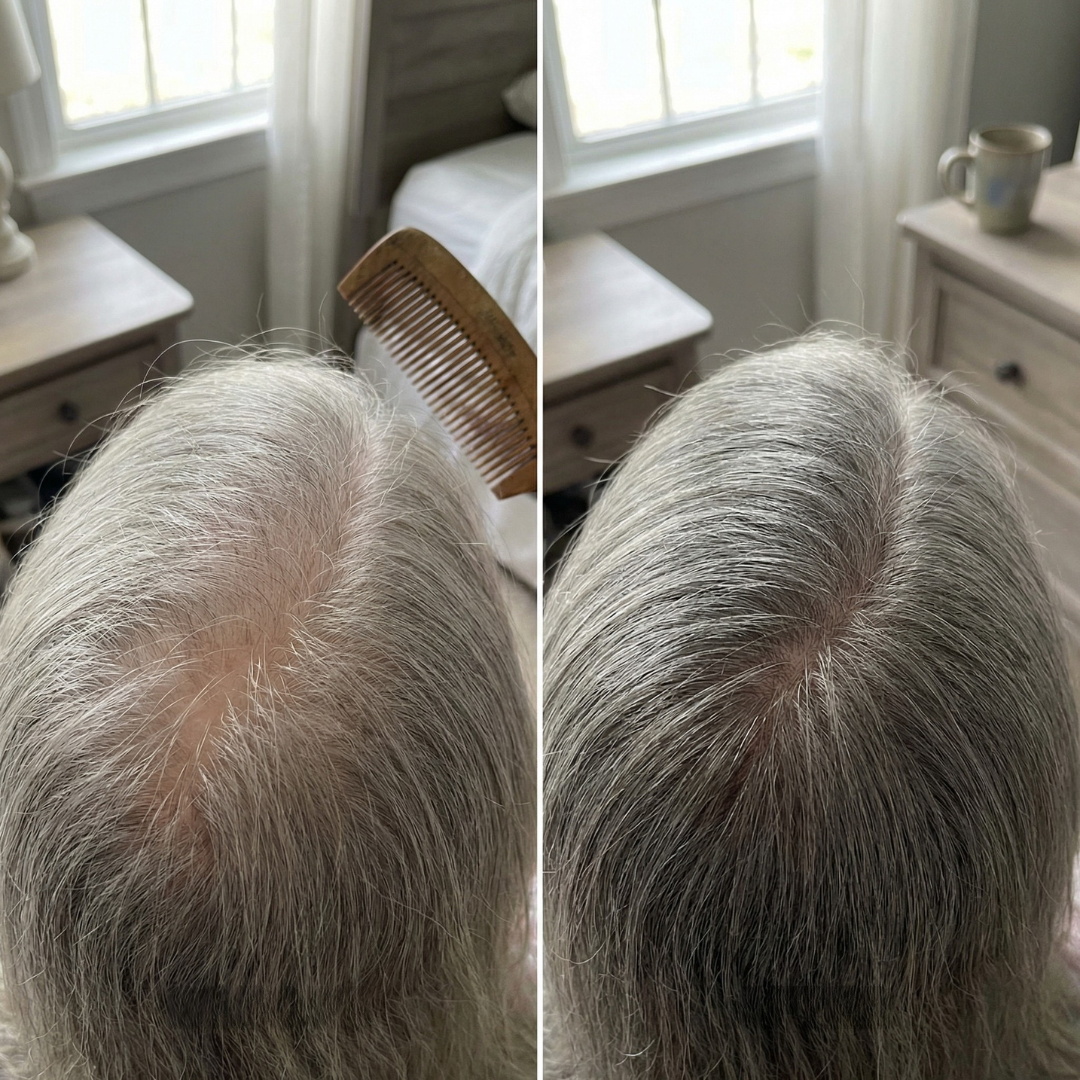
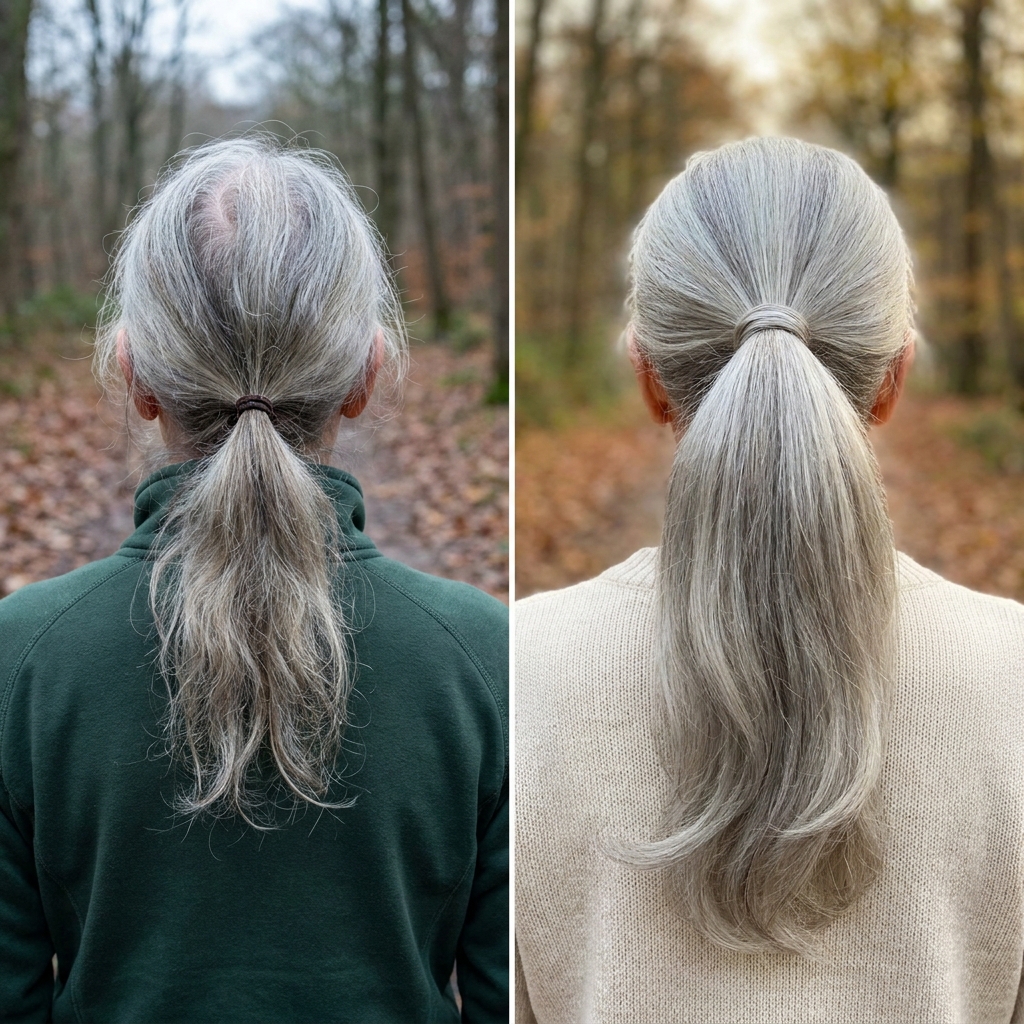
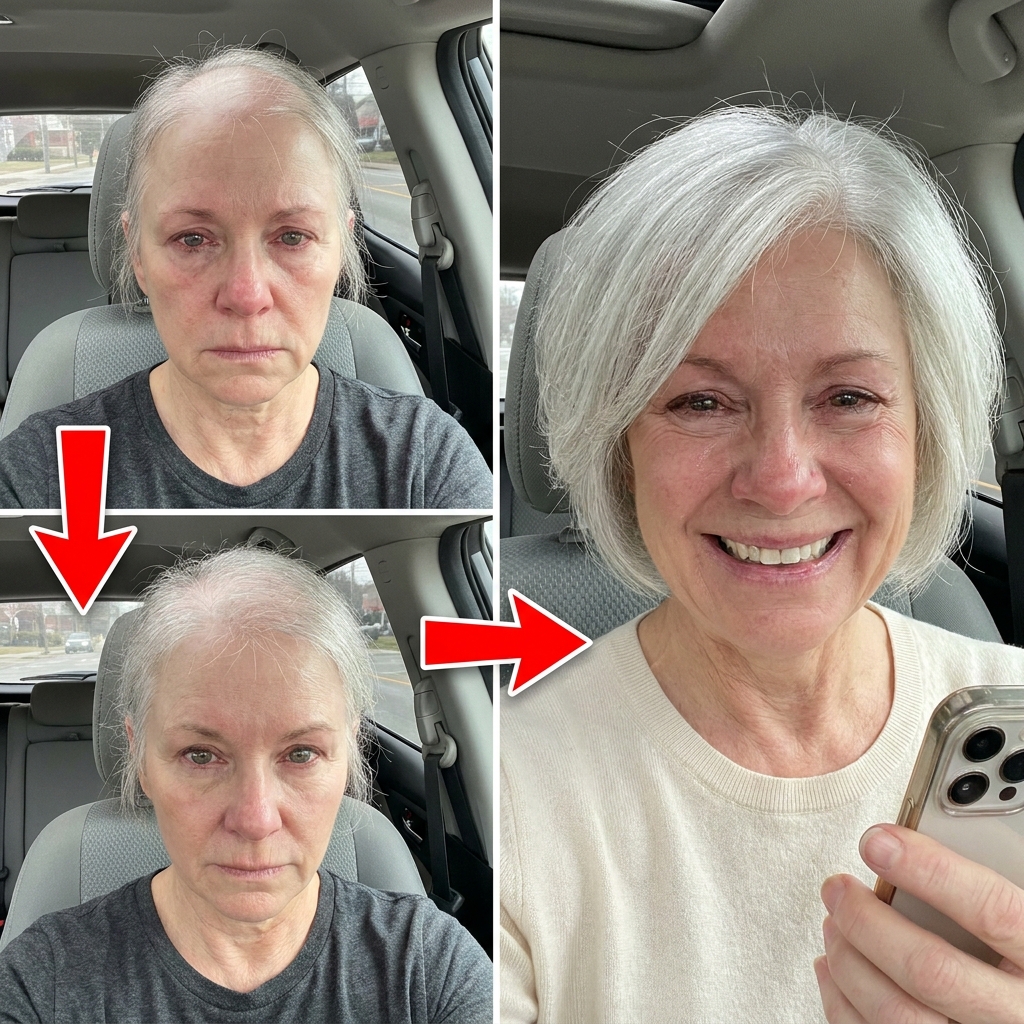
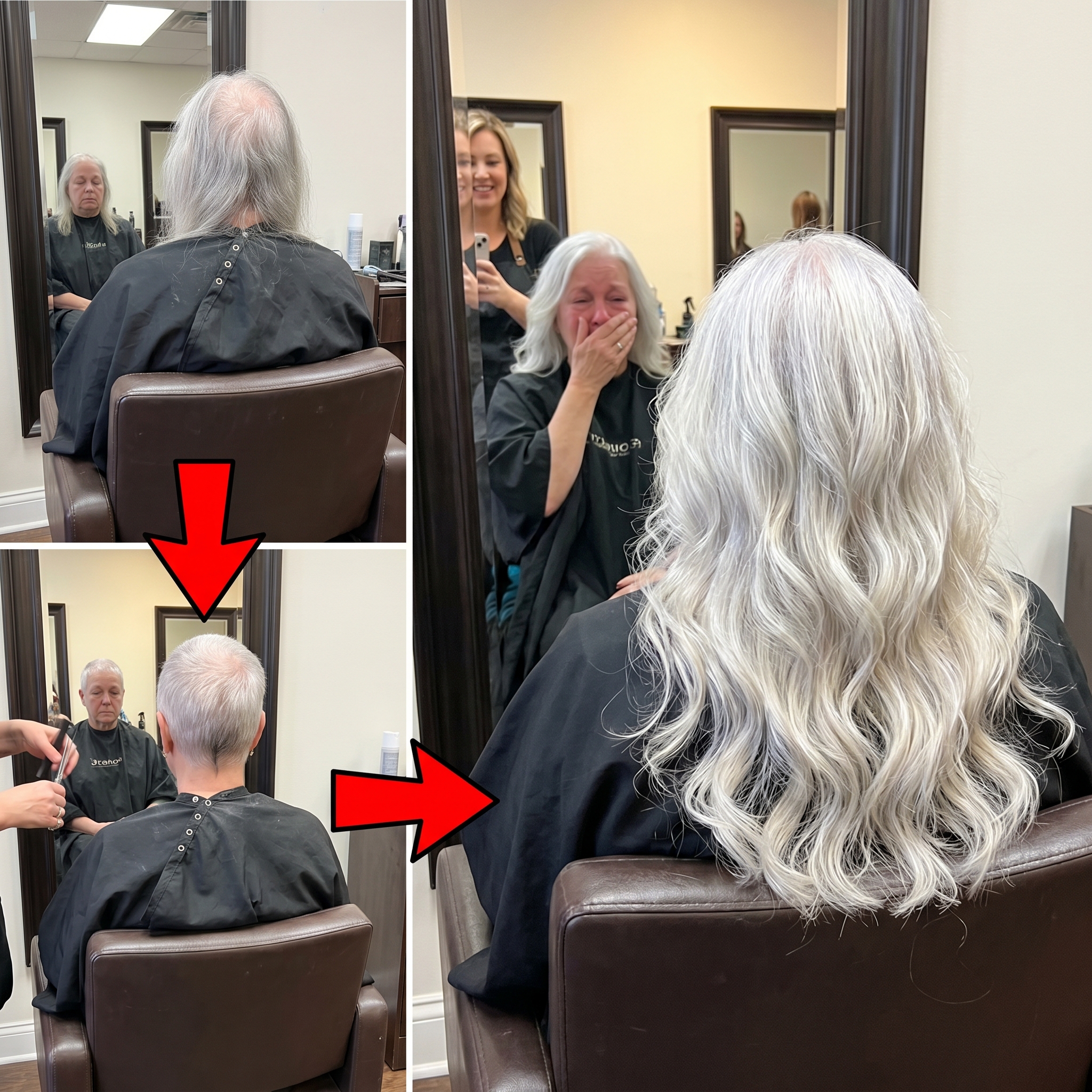
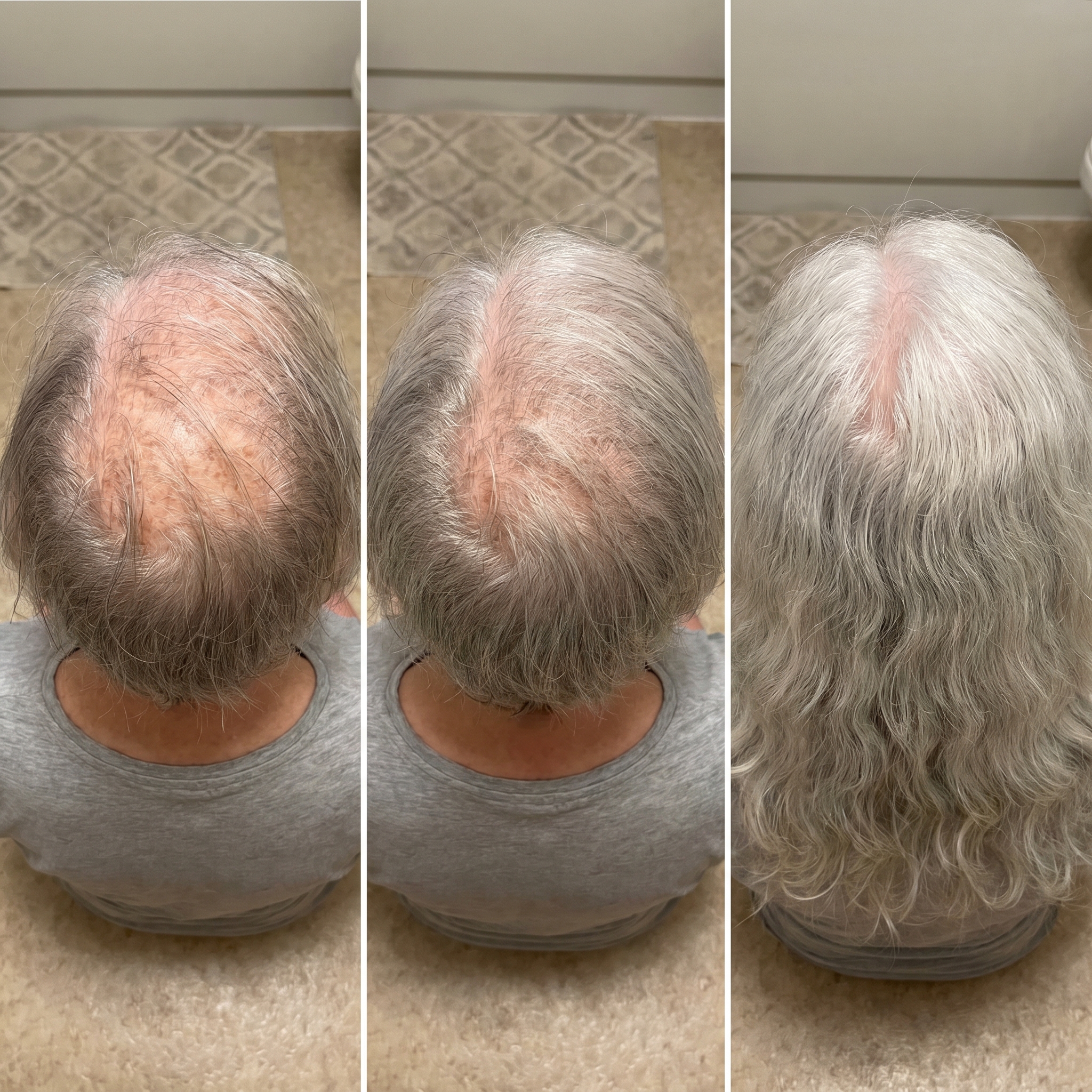
In 2007, a team of Korean dermatologists published a study on a plant extract that had been used in East Asian hair medicine for a thousand years — and finally explained, in modern molecular terms, why it worked. For decades, Western dermatology had treated female pattern hair loss as a condition that needed either a pharmaceutical drug (minoxidil, prescription spironolactone, systemic finasteride) or an oral supplement (biotin, Nutrafol, various "clinically formulated" multivitamins). The idea that there were plant-derived compounds, specifically formulated for topical application to the scalp, that could interrupt the local DHT mechanism at the follicle — this was either dismissed, overlooked, or categorised as "traditional medicine" and kept out of Western consultation rooms. The 2007 Seoul research, and the substantial body of follow-up work from Korean and Japanese laboratories over the following fifteen years, demonstrated something the Western dermatology establishment had been largely indifferent to: polygonum multiflorum root extract — known traditionally as He Shou Wu — contains compounds that, when applied topically to the scalp, stimulate follicle proliferation, extend the anagen phase of the hair cycle, and demonstrate measurable anti-DHT effects at the follicle itself. The researchers knew this in 2007. Nineteen years later, I had to find it on my own, at 11:40 PM on a Tuesday, after eighteen months of being told by two GPs and one private dermatologist that my options for menopausal crown thinning were minoxidil, HRT, or acceptance. I know because I was one of them. I went through the entire British-standard-of-care pathway first. My hair started thinning at 51. It started at the part. I noticed the part widening in a work photograph taken from slightly above — the kind of photograph you don't normally see of yourself. Over the following three months the widening became undeniable, and one morning I stood in my bathroom and took a deliberate photo from directly overhead, and I sat down on the edge of the bath and looked at it for a long time. The crown was visibly sparser than the rest of my scalp. The part had widened into a clear stripe. The hair around it had the fragile, wispy quality that I had been politely ignoring in other women my age for the last ten years and that I had never imagined applying to me. I deleted the photo. Then I booked a GP appointment. The GP ran the standard panel. Thyroid, ferritin, B12. Everything "within range." She told me that menopausal thinning was common and that minoxidil was available over the counter if I wanted to try something. I asked whether there was anything else. She said HRT might help. I saw a private dermatologist next. She spent ten minutes with me, called it androgenic alopecia, prescribed minoxidil, and said my hormones were probably driving it and I could discuss HRT with my GP. What she did not say — what I have since learned she almost certainly knew, because the research has been in the English-language dermatology literature for nearly two decades — was that DHT attacks the follicle locally. That there is an entire category of plant-derived compounds, extensively studied in Korea and Japan, that inhibit the local DHT process when applied directly to the scalp. That the reason minoxidil alone often disappoints is not that it doesn't work — it does, partially — but that it doesn't address the underlying DHT. It addresses blood flow. It is incomplete by design. Instead, I was handed a minoxidil recommendation, a private prescription, and an invoice for £155. Over the following fourteen months I tried the credible things. Minoxidil partially worked, with the dread shed and the indefinite commitment to daily application that came with it. HRT — which I started for many reasons — transformed my sleep, my mood, my joints, my mind. I will never come off it. But my crown continued to thin at eight months, at twelve months, at sixteen months. The dermatology literature my dermatologist didn't share with me was consistent on this point. HRT raises your systemic estrogen. It does not block DHT at the follicle. Nutrafol. Biotin at heroic doses. A £90 collagen supplement I took for nine months. Nioxin. A laser cap. A trichology consultation that ended with the trichologist telling me gently that I should accept that my hair would continue to thin and investigate hair toppers. I left the trichology consultation and sat in my car for almost half an hour. That is when I did the research I should have done at month one. Here is the mechanism, explained the way my dermatologist should have explained it. DHT attacks the follicle locally. The enzyme that produces it sits in the follicle. The receptor it binds to is in the follicle. The miniaturisation — the progressive shrinking of the follicle until it produces finer and finer hair and eventually no hair — happens in the follicle. The damage is geographic. It is happening at the top of your head, in specific structures, through specific local chemistry. That means the solution can be geographic too. You don't have to swallow something and hope a fraction of it reaches your scalp. You can apply something directly to the place where the damage is occurring. This is what the Korean and Japanese dermatology literature has been exploring for decades. Polygonum multiflorum — applied topically — stimulates follicle activity and has demonstrated anti-androgenic effects at the follicle itself. Caffeine inhibits 5-alpha-reductase at the follicle when applied to the scalp. Arginine increases nitric oxide production at the local tissue, improving microcirculation around the follicle. Ginger extract has centuries of traditional use and emerging research on anagen support. Biotin, delivered topically, strengthens the hair that grows in. None of this had been mentioned to me once in eighteen months of British medical care. Mellenza was the first product I found whose formulation reflected the research. A topical scalp serum, not a capsule. Polygonum multiflorum root extract at meaningful concentration. Caffeine. Arginine. Biotin. Ginger. Applied nightly, massaged into the part, the crown, and the edges of my temples. Not a shampoo. Not a volumiser. Not something to swallow and hope. An application built for the local mechanism. I committed to twelve weeks. Week 4: Clearly less hair in the drain. I had been measuring — the ritual of scraping what came out of the drain into a small pile and weighing it on my kitchen scales. The weight dropped. Meaningfully. Week 6: The texture of my hair began to shift. The fragile snap was softening into something more like weight. Week 9: I took the photo again. Same bedroom, same light, same angle directly overhead. I found the baseline photo from three months earlier in the hidden folder. The part was narrower. The crown was less visible. New growth was visible along the edges of the part. I held the two photos on my phone side by side and cried, quietly, on the edge of the bed. Month 4: My hairdresser — who for over a year had kindly avoided saying anything — held the mirror up at the end of my cut and said she could see clear regrowth at the crown. Month 5: I started wearing my hair parted the way I used to. My hair is not what it was at 45. I don't know if it will be. What I know is that the direction has reversed, and I finally understand why nothing before had worked. The compound my dermatologist never mentioned has been studied in Seoul and Tokyo laboratories for nearly two decades. It was sitting in a library I was never directed to, in a tradition of medicine my GP had been trained to dismiss. The researchers knew what caused this, and what could interrupt it, nineteen years ago. You deserve to know it now. The link is below.
In Seoul, dermatologists have been studying this for 19 years. My British GP had never heard of the plant.
Women's Health · Updated April 2026 Menopause · Hair Routine 7 Mistakes That Make Menopausal Hair Loss Worse, And the 30 Second Ritual 10,000 Women Used to See Regrowth in 8 Weeks Dr. Sarah Mitchell — Women's Health Writer. If you're standing in front of the mirror doing the 3-elastic ponytail t...
LEARN MORELike this ad? Make it yours.
Crush rebuilds this exact creative around your product — your brand, your colors, your offer — in about a minute.