
Inactive· since Jul 29, 2026
- 22
- days it ran
- 1
- relaunches
- 2,065
- EU reach
Ad copy
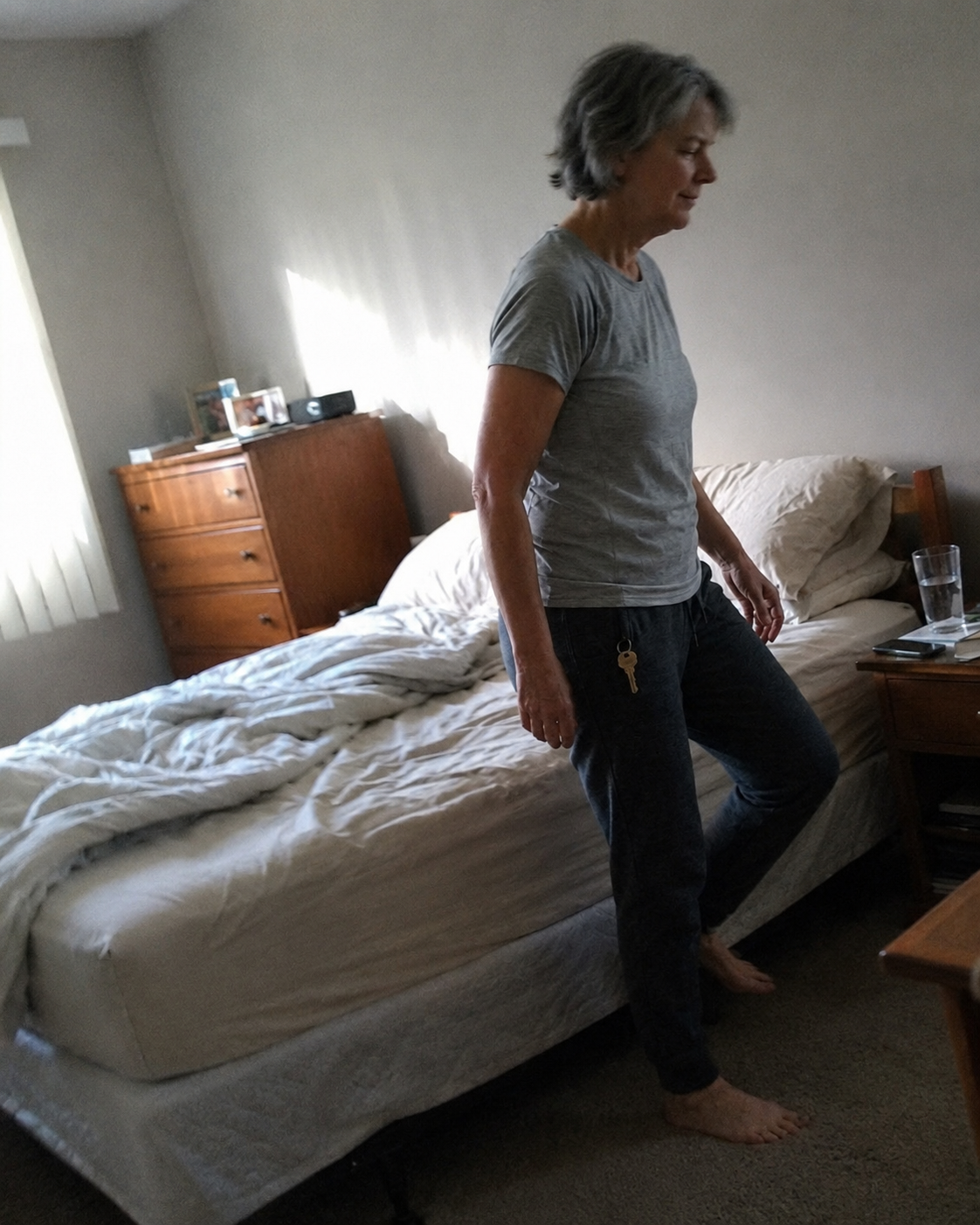
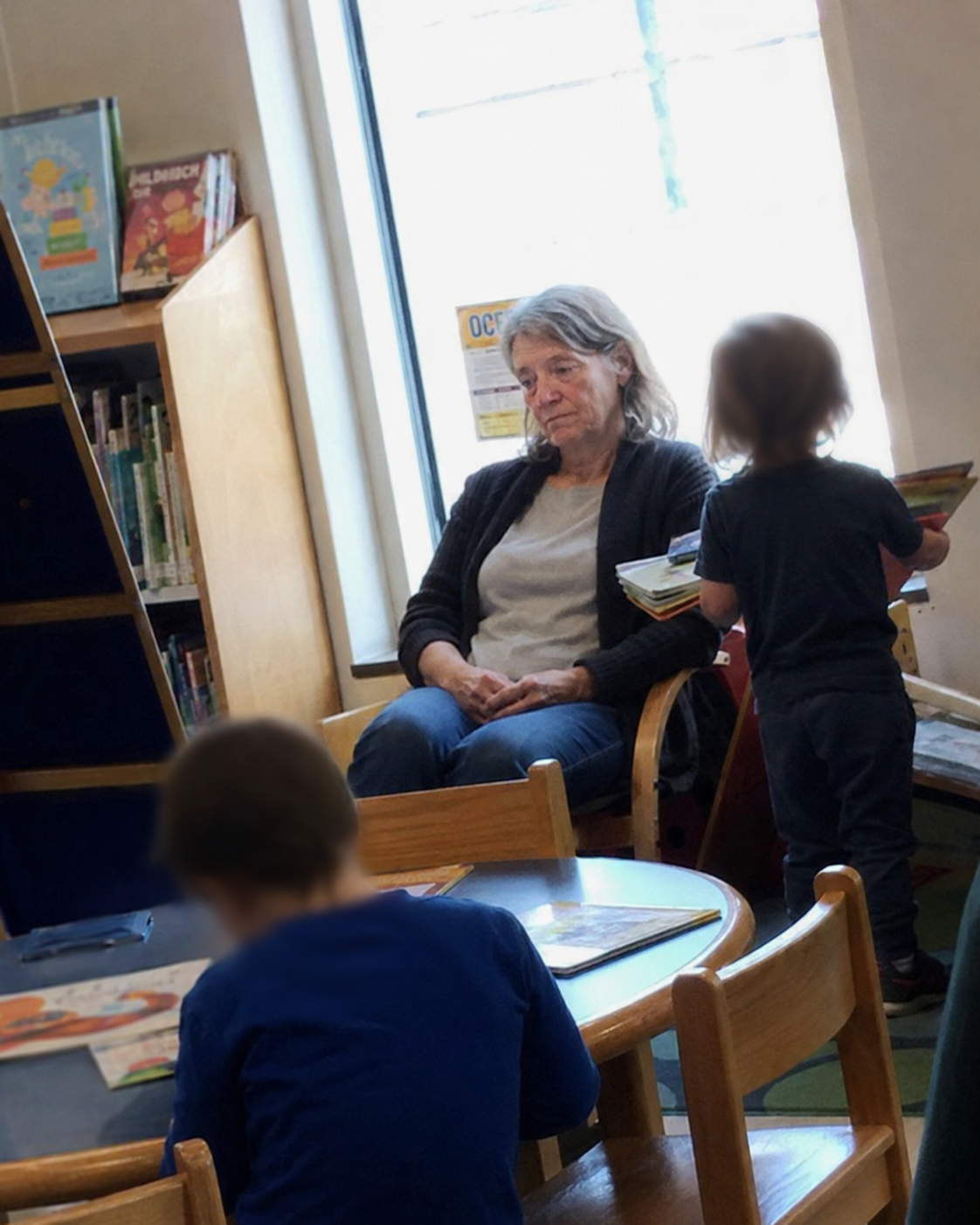
My Two Granddaughters Asked Me Why I Had Stopped Coming to Saturday Mornings. I Did Not Have an Answer. I am writing this because Beverly, who came to my grief support group for the first time at the end of February, called her doctor on the Wednesday after I had told her something at the back of the small church hall where the group meets. She had been wanting to tell me something for two months before she finally did. She has been at the grief group every Tuesday morning since. She has been going back to work in April as planned. I am writing this for her. For my younger granddaughter Grace, who asked me a question at the library on a Saturday morning last September that I did not have an answer to. For my older granddaughter Lily. For my sister Patricia. For the next sixty-something woman who has been quietly handing off the parts of her life that had been the parts that made her who she was, and who has not been telling anyone. I am Marjorie. I am sixty-four years old. I retired three years ago after twenty-eight years as a hospice nurse at the same hospice care organization in our county. I am married to my husband Walter for thirty-nine years. He is sixty-six. He retired six years ago after thirty-four years as an insurance claims adjuster. We have one grown daughter, Emily. She is thirty-eight. She lives twenty minutes from us. She is a high school guidance counselor. She is married to a man named Mark who is an electrician. They have two daughters. Lily is ten. Grace is eight. I have one younger sister, Patricia. She is sixty-one. She lives in the same town. She is married to her husband Bill, who has been retired for two years. I want to tell you about Saturday mornings. Because Saturday mornings are what I had been doing with my granddaughters for six years before I had been quietly not doing them for the year and a half before September. I have to back up first and tell you who I had been for the twenty-eight years before I retired. I had been a hospice nurse. I want to tell you what hospice nursing is, because the work is what built my body into a body that could do the work, and the work is what makes the rest of this story make sense. Hospice nursing is the nursing care of people who are dying. The patients are usually in the last six months of their lives. The work happens in the patients' homes, in nursing homes, and sometimes in a small in-patient hospice unit at the regional hospital. The work is mostly about managing pain and managing the family. The nurse is in the patient's bedroom at all hours. The work is awake at three in the morning. The work is patient through long final hours. The work is the steady physical and emotional presence the patient and the family need when nothing else can be done. I had been doing this work for twenty-eight years. I had built a body that could be in a patient's bedroom at three in the morning and be patient. I had also built a professional voice that had been telling family members, for twenty-eight years, that the body says what the body says, and the family's job is to listen. I had been saying that exact sentence to family members for twenty-eight years. I had not been listening to my own body in the year and a half before September. I want to tell you what I had been quietly handing off. When I retired three years ago, I had built a small set of practices that were going to be my retirement. The first was the grief support group at the small church hall in our town. The group is for people who have lost a spouse, a parent, a sibling, or a close friend. I had been a volunteer at the group for the five years before I retired and the two years after. The group meets Tuesday mornings from nine to ten thirty. The second was a Wednesday afternoon walking-and-meditation group at the small park near our house. About eight women in their sixties and seventies. We walked a two-mile loop for forty-five minutes and then sat at a small pavilion for thirty minutes of guided meditation. I had been a regular at the group for two years post-retirement. The third was the Saturday morning trips to the library with my granddaughters. The Saturday mornings had started when Lily was four. Emily had been working full-time. I had been newly retired. The practice had been simple: I picked up the girls at nine. I drove them to the library. I helped them pick out books in the children's section. I sat in one of the small adult chairs by the windows while the girls read at the small tables. I took them to the small coffee shop next door for hot chocolate at ten thirty. I brought them home to Emily by eleven. For six years, every Saturday. The fourth was my sister Patricia. Patricia and Bill had been coming to my house every Sunday afternoon for forty years. Patricia and I had built the practice in our thirties. Patricia would arrive at eleven. We would have coffee in the kitchen for an hour. We would have lunch in my dining room at twelve thirty. We would sit in my living room and talk until five or six. For forty years, almost every Sunday. These four practices had been my retirement. About a year and a half ago, I had started losing my grip on all four of them. The first one to go had been the grief support group. I had been at the group every Tuesday morning at nine for seven years. About sixteen months ago, on a Monday evening, I had called the group leader. Her name is Lorraine. She is in her seventies. She had been the group leader for ten years. I had told her I needed to take a break. I had told her I was a little burned out and I would be back in a few weeks. Lorraine had said: "Marjorie. Take what you need. Your seat will be here." I had not gone back to the group for fourteen months. Lorraine had been keeping my seat. She had not pushed me to come back. She had texted me once a month for the fourteen months. The texts had been short. "Thinking of you. Seat is here." I had not always texted back. The second one to go had been the Wednesday afternoon walking group. I had stopped going about eleven months ago. I had not even called. I had just stopped showing up. One of the women in the group — a woman named Carol who is seventy-one and is a retired postmaster — had called me on a Wednesday evening about a month after I had stopped going. She had asked if I was okay. I had told her I had been a little tired. She had said: "Marjorie. We are here when you are ready." I had not been ready. The third one to go had been the Saturday mornings with the girls. This one I had not stopped all at once. I had been managing it for a year. The eight thirty wake-up alarm had started feeling like work. The drive to Emily's to pick up the girls had started feeling like a longer drive than it had been. The hour in the library had started feeling like more than an hour. About six months ago, I had started skipping Saturday mornings. I had been calling Emily on Friday nights and telling her I did not feel up to Saturday morning. I had been asking her to take the girls herself. I had skipped about one Saturday a month at first. Then two. Then three. By August, I had been skipping most Saturdays. Emily had not pushed me. Emily had been the daughter who knew when not to push. She had been taking the girls herself on the Saturdays I had been skipping. She had not been asking me why. The fourth one I had not stopped completely. I had still been having Patricia and Bill over on Sunday afternoons. I had been making it through the eleven AM coffee. I had been making lunch in the dining room. About five months ago, I had started cutting the afternoons short. I had been telling Patricia at three thirty that I was going to lie down. I had been going up to bed. Patricia and Bill had been letting themselves out around four. In May, I had called Patricia on a Sunday morning at ten. I had asked her to stay home that Sunday. I had told her I had not been feeling up to it. Patricia had said: "Margie. I will come anyway." I had said: "Patricia. Please not today." She had stayed home. I had been telling her some version of "please not today" for most of the Sundays since. I had been quietly handing off four practices that had been my retirement. I had not been telling Walter. I had not been telling Patricia. I had not been telling Emily. I had not been telling Dr. Nordstrom. I had been telling myself I was sixty-four and sixty-four was tired. In early September, on a Wednesday evening, Emily called me. She said: "Mom. I have a work commitment Saturday morning. Dad is going fishing. Will you take the girls to the library?" I said: "Emily. Yes. I will pick them up at nine." She said: "Mom. Are you sure?" I said: "Emily. I am sure." She said: "Mom. Thank you." She hung up. I sat at the kitchen table. I had been telling myself for six months that the next Saturday I had to take the girls, I would. I had been telling Emily yes on the Saturday she had asked me about for two weeks. I had managed to say yes on the phone. I went to bed at nine on Friday night. I set the alarm for eight thirty. I picked the girls up at nine. I drove to the library. I helped them pick out books in the children's section. I sat in the small adult chair by the windows. I was more tired than usual. I had been tired for the drive over. I had been tired for the parking-lot walk. I had been tired for the helping-them-pick-books part. The small adult chair had felt like the most comfortable thing I had sat in in a month. Grace, my eight-year-old granddaughter, came over to my chair with her stack of books. She set the books down on the small table next to my chair. She said: "Nana. Why have you been not coming on Saturday mornings?" I had not had an answer. I said: "Sweetheart. Nana has been a little tired. I am here today." She looked at me for a moment. She said: "Nana. Tired from what?" I had not had an answer to that either. I said: "Sweetheart. Nana does not know." She nodded. She took her stack of books to the small table where Lily had been reading. She did not push. She is eight years old. She had asked the question that nobody else in my life had asked me in a year and a half because nobody else in my life had felt entitled to ask it without me first inviting the question. An eight-year-old does not need an invitation. I sat in the small adult chair for the rest of the hour with my hands in my lap. I watched my two granddaughters read. I did not pick up a book myself. I took the girls to the coffee shop next door at ten thirty. I bought them their hot chocolates. I bought myself a coffee I did not drink. I drove the girls home to Emily's at eleven. I drove home to my own house. I sat in my driveway for twenty minutes. I walked into my house. Walter had already left for fishing. The house was empty. I sat at the kitchen table for the rest of the morning with my hands wrapped around a fresh mug of coffee I did not drink. I thought about Grace's question. I had been telling family members of hospice patients for twenty-eight years that the body says what the body says and the family's job is to listen. I had not been listening to my own body for a year and a half. I had been quietly handing off everything that had been my retirement. I had not been calling my doctor. I called Dr. Nordstrom's office on Monday morning at nine. The receptionist gave me an appointment for Wednesday afternoon at two. I went in by myself. I had not told Walter I was going. I had wanted to do this one alone. Dr. Nordstrom is in her late fifties. She has been a primary care doctor for thirty-two years. She had been my doctor for eleven years. She had cleared my bloodwork at every annual physical for eleven years. I had been at my last annual physical eight months earlier. Everything had come back clean. I had not told her about the tired. I went in on Wednesday afternoon. I told her about the year and a half. I told her about the grief support group. About the walking group. About the Saturday mornings. About Patricia and Bill on Sundays. I told her about Grace's question on Saturday. Dr. Nordstrom listened. When I was done, she said: "Marjorie. I am going to run a deeper panel than your standard annual. I want bloodwork including thyroid, ferritin, vitamin D, B12, an inflammation marker, a fasting insulin, an A1C. I want an EKG. I want to refer you for an echocardiogram. I want to be thorough." I did everything over the next two weeks. Everything came back clean. Dr. Nordstrom called me back in. She said: "Marjorie. The deeper panel is clean. The structural workup is clean. There is nothing I would put you on a medication for today." She paused. She said: "What you have been describing is real. It does not show up on the panel. What I see in a lot of retired healthcare workers in their sixties is a layer of cardiovascular and cellular wellness that the standard panel is not built to capture. The body's natural antioxidant balance. The body's natural circulation. The body's natural cellular function. The layer underneath the lifestyle layer. That layer is what the lifestyle layer rests on. It quietly thins with age. It is especially common to see the thinning in retired healthcare workers who have come off decades of high-intensity caregiving and have not built a new physical practice to replace the demand." She said: "Marjorie. Twenty-eight years of hospice nursing built your body's capacity to a high level. The gap between your former working life and your retirement is the kind of gap that often shows up in the wellness layer in retired healthcare workers. It is real. It is what you have been feeling." She gave me the standard advice. Walk in the mornings. Eat well. Sleep. Find a physical practice to replace some of the demand of the old job. She paused. She said: "Marjorie. I want to ask you something. Have you read about supplements?" I said: "No. I have been a nurse for twenty-eight years. I have been wary of supplements my whole professional life." Dr. Nordstrom said: "Marjorie. I know. I have been wary of recommending them my whole career too. I have been recommending one thing for about four years for the wellness-layer question specifically. It is a cold-pressed beetroot supplement called Rosabella." She continued: "The research on beetroot for cardiovascular wellness is decent. The active compound — the betalains, the deep red pigment in the root — is delicate. Most processing methods damage it. This company cold-presses at low temperatures, which preserves the pigment. The capsules in the bottle are a deep, dark crimson when you open it." She said: "I am not recommending it as a treatment for what you have been feeling. I am recommending it as support for the wellness layer underneath. It would be additive to the standard lifestyle advice. Take it for six months. Come back. Tell me what you noticed." I said: "Dr. Nordstrom. I will think about it." She said: "Marjorie. Think about it. Read for a while. Come back to me with questions." I drove home. I told Walter that evening at the kitchen table. I told him everything. I told him about the year and a half. About handing off the four practices. About Grace's question. About Dr. Nordstrom. Walter did not say anything for a long time. Then he said: "Margie. I have known. I have been waiting for you to tell me." I said: "Walter. I am sorry." He said: "Margie. Do not be sorry. Be here." He hugged me at the kitchen table. I did not start the supplement that week. I did not start it the next week. I read for three weeks at my kitchen table. I read everything I could find about beetroot. I read about the betalains. I read about cold-pressing at low temperatures. I read about the research on cardiovascular wellness. I read about the company. I also did the standard lifestyle advice. I started walking in the mornings for thirty minutes. I started at twenty minutes the first week. I added five minutes a week. I started going to bed at a reasonable hour. I had been letting myself stay up until eleven thirty for the past year. I started going up to bed at ten. I started eating breakfast again. I had been skipping breakfast for about a year. I started having oatmeal with a piece of fruit at seven thirty most mornings. I had been feeling slightly better by the end of October. Not noticeably. Slightly. I ordered my first bottle of Rosabella in late October from the website. It arrived three days later. I started the first Monday in November. Two capsules with a glass of water in the morning. I had not changed anything else from the standard advice I had been already doing. I want to tell you what I noticed over the next twelve weeks. I am not going to make a claim about what caused what. I had been doing the standard lifestyle changes for three weeks before I started the supplement. I had been feeling slightly better from those changes already. I am going to tell you what I noticed after I started the supplement, in the order it happened. The first thing was the alarm. About three weeks in, on a Tuesday morning, I woke up at seven. The alarm had been set for seven thirty. I had not woken up before the alarm in over a year. I got up. I made coffee. I sat at the kitchen table. I had been sitting at the kitchen table at seven on weekday mornings for most of my adult life. I had not been doing it for over a year. That Tuesday I did it. Walter came down at seven thirty. He saw me at the table. He said: "Margie. You are up early." I said: "Walter. I am." He poured himself coffee. He sat across from me at the table. We had coffee together for forty-five minutes. We had not had a forty-five-minute coffee together at the kitchen table on a weekday morning in over a year. About five weeks in, on a Friday afternoon, I called Emily. I said: "Emily. I want to take the girls Saturday morning." She said: "Mom. Are you sure?" I said: "Emily. I am sure." She said: "Mom. Thank you. I will tell them when I pick them up from school." I picked the girls up at nine on Saturday. I drove them to the library. I helped them pick out books. I sat in the small adult chair by the windows. I was tired at the end of the hour. The good tired. Not the bad tired. I took them to the coffee shop next door at ten thirty. I bought their hot chocolates. I bought myself a coffee. I drank the coffee. I drove them home to Emily's at eleven. I drove myself home. I sat in my driveway for ten minutes. I did not need the twenty. I went inside. Walter was at the kitchen table. He said: "Margie. How was the library?" I said: "Walter. It was the library." About seven weeks in, on a Friday afternoon, I called my sister Patricia. I said: "Patricia. I want to do Sunday afternoon. Come at eleven." She was quiet on the phone for a moment. She said: "Margie. Are you sure?" I said: "Patricia. I am sure." She said: "Margie. We will be there." She and Bill came over at eleven on Sunday. We had coffee in the kitchen at the kitchen table. We had lunch in the dining room at twelve thirty. Patricia was quiet at the dining room table for the first ten minutes. I asked her if she was okay. She said: "Margie. You are back." I said: "Patricia. I am back." She did not say anything else for a moment. She wiped a corner of her eye with her napkin. She said: "Margie. Bill and I have been holding the Sundays open every week for the last five months. We have been not going anywhere on Sundays. We had been waiting." I said: "Patricia. I did not know that." She said: "Margie. You did not need to know that. We were going to be here whenever you called. I am glad you called yesterday." We sat in the living room from one to five thirty. We talked about the kids. About Mom and Dad, who have been gone for many years. About a movie Bill had seen. About a recipe Patricia had been thinking about trying. Patricia and Bill left at five thirty. We have had Sunday afternoons since. About nine weeks in, I went back to the Wednesday afternoon walking-and-meditation group. I called Carol the night before. Carol is the woman who had called me on a Wednesday evening eleven months ago. I told her I wanted to come back. Carol said: "Marjorie. We will be at the trailhead at one." I drove to the small park at twelve forty-five on Wednesday. The seven other women were at the trailhead. Carol hugged me at the trailhead. She said: "Marjorie. Welcome back." I said: "Carol. Thank you." We walked the two-mile loop. I was tired at the end. The good tired. We sat at the small pavilion for thirty minutes of guided meditation. I have been at every Wednesday afternoon walk since. About eleven weeks in, I called Lorraine. Lorraine had been keeping my seat at the grief support group for fourteen months. I said: "Lorraine. I want to come back. Will you let me lead a session?" Lorraine said: "Marjorie. Yes. Take next Tuesday." I led the session the following Tuesday. I told the group, in the small church hall, about the year and a half. About Grace's question. About Dr. Nordstrom. About the walking. About the supplement. I told them I had been wary of supplements my whole career. I told them I had been more wary of being unable to take the girls to the library. I told them the body says what the body says. I told them I had spent twenty-eight years saying that to them and to people like them, and I had not been listening to my own body for a year and a half. I told them I was sorry I had been gone for fourteen months. The fifteen members of the group at that session listened. Lorraine sat in the back. At the end of the session, Lorraine came up to the front. She hugged me. She said: "Marjorie. Welcome back." I said: "Lorraine. Thank you for keeping my seat." She said: "Marjorie. That is the work." I went back to Dr. Nordstrom for my six-month follow-up in May. She ran the bloodwork. Took my blood pressure. Listened to me describe the previous six months. She sat back in her chair. She said: "Marjorie. Your numbers are in the best place they have been in years. Whatever you have been doing, keep doing it." I told her about the Saturday mornings. About Patricia. About the walking group. About leading the session at the grief group. She smiled. She said: "Marjorie. I am so glad." She did not say anything else. She did not need to. In early March, I was at the library on a Saturday morning with the girls. I had been doing every Saturday since I had taken them in November. Lily, the ten-year-old, came over to my chair by the windows with a book she had just picked. She said: "Nana. Do you want to read this with me?" I said: "Lily. Yes." We sat at the small table by the window together. Lily read aloud. I read along with her in my head. We read for thirty minutes. After the reading, on the drive to the coffee shop next door, Grace said from the back seat: "Nana. Are you still tired?" I said: "Sweetheart. Not the way I was in September." Grace said: "Nana. Good." She did not say anything else. I drove them to the coffee shop. I bought their hot chocolates. I bought myself a coffee. I drank the coffee. I want to be careful here. I am not a doctor. I am a retired hospice nurse. I am one sixty-four-year-old woman who had been quietly handing off four practices that had been her retirement for over a year and a half before her eight-year-old granddaughter asked her a five-word question at the library. I do not know for certain that the Rosabella was responsible for what changed. I changed a lot of things at the same time. I started walking. I started sleeping. I started eating breakfast. I started the supplement. I called my sister. I called my granddaughters back. I went back to the walking group. I went back to the grief group. I cannot tell you which one was the thing. I know all of them together happened. I know what I have been doing on Saturday mornings and Sunday afternoons and Tuesday mornings and Wednesday afternoons for the last seven months. I know the timing. I also know I am sixty-four and I am going to keep aging, and there will come a day when no supplement and no walking group and no Sunday afternoon with Patricia will hold back the slow turning of the years. There will come a day when I will not be at the library on Saturday mornings. I am at peace with that day coming when it actually comes. I am not at peace with my body pretending it had already come for a year and a half when it had not. What I am telling you is what I tried. What I noticed. What my doctor said about it. That is all. If you are a woman somewhere in your sixties who has been quietly handing off the parts of her life that had been the parts that made her who she was, and you have been telling yourself it is just being sixty-something, and your last annual physical came back clean, here is what I would say. Stop pretending. Tell your husband. Tell your sister. Tell your daughter. Tell someone. Call your doctor. Ask for a deeper panel than the standard annual. Thyroid. Ferritin. Vitamin D. B12. Inflammation markers. Fasting insulin. An EKG and an echocardiogram if your doctor agrees. Rule things out at depth. If everything comes back clean and the standard answer is to keep walking and keep sleeping and find a physical practice to replace the demand of the old job, do that. If your doctor agrees that adding a supplement in the additive layer is sensible, add it. Do not subtract anything. Do not change anything else. Be patient with the lifestyle changes. They take a few weeks before they start to land. Give the supplement a few weeks too before you decide anything. Bodies are different. Some women notice something within the first week or two. For me, the first thing I noticed was waking up before the alarm at seven on a Tuesday morning around the start of week three. That is the whole story. P.S. Beverly came to my grief support group for the first time at the end of February. She is sixty-one. Her husband had died of cancer eight months ago. She had been the primary caregiver. She had taken twelve months of family leave from her job as a school district administrator before her husband had died. She had been a hospice administrator earlier in her career, before she had moved into school district administration about ten years ago. She had been planning to go back to work in April. After the meeting on her first Tuesday, she came up to me at the back of the small church hall. She said: "Marjorie. The group leader said you used to volunteer here. She said you came back recently after some time away. Can I ask you something?" I said: "Beverly. Yes." She said: "Marjorie. I have been tired in a way I have not been able to name. I had been telling myself it was the caregiving. My husband died eight months ago. The tired has been getting worse, not better. I had been telling myself I had been grieving. I had been a hospice administrator before I went into school administration. I know what grief tired looks like. This is not grief tired." I told her about my own year and a half. About Grace's question at the library. About Dr. Nordstrom. About the three weeks of standard lifestyle changes before the supplement. I told her: "Beverly. Call your doctor. Get the workup. Tell the doctor the truth about how long it has been. If your doctor wants you to add something around the standard advice, add it. The supplement is not the thing. The conversation with your doctor is the thing. The lifestyle changes are the work. The supplement is the additive layer." Beverly called her doctor that Wednesday. Her doctor ran the workup. Everything came back clean. Her doctor gave her the wellness-layer framing. She approved the supplement around it. Beverly started in early March. She has been at the grief support group every Tuesday since. She has been going back to work in April as planned. She told me at the back of the small church hall last Tuesday that she had been able to sit through a forty-five-minute meeting with her superintendent last week without needing to leave the room. She said: "Marjorie. I had not been able to sit through a forty-five-minute meeting for six months. I had not told anyone." I said: "Beverly. You are telling me now." She said: "Marjorie. I am." That is how this works. A hospice nurse retires after twenty-eight years. She quietly hands off four practices that had been her retirement over the course of a year and a half. She does not tell her husband. She does not tell her sister. She does not tell her daughter. She does not tell her doctor. Her eight-year-old granddaughter asks her a five-word question at the library on a Saturday morning in September. She does not have an answer. She calls her doctor Monday morning. The doctor runs the deeper panel. The doctor gives her the wellness-layer framing and recommends a supplement. She reads for three weeks. She does the standard lifestyle changes for three weeks. She starts the supplement. Six months later she is on the Saturday mornings, the Sunday afternoons, the Wednesday afternoons, and the Tuesday mornings. A new woman comes to her Tuesday morning grief support group at the end of February. She tells the new woman about her own year and a half. The new woman calls her own doctor. The new woman starts the supplement. The new woman is back at work in April. The grief support group keeps going. The library keeps going. The Sunday afternoons keep going. The walking group keeps going. The seat is kept open. P.P.S. Here is what I would tell you to do if you are thinking about trying it. Check with your doctor or pharmacist first. That is the most important step. Ask for a deeper panel than the standard annual. Then do the standard lifestyle changes first if you can. Walk. Sleep. Eat breakfast. Find a physical practice to replace some of the demand of the old job. Give the lifestyle changes a few weeks. They land. Then, if your doctor agrees the supplement is sensible to add, take two capsules with a glass of water in the morning. Do not change anything else. Just add this. Give it a few weeks before you decide anything. Some women notice something within the first week or two — waking up before the alarm at seven on a Tuesday morning, picking up two granddaughters at nine on a Saturday morning, hosting a sister and her husband on a Sunday afternoon at the dining room table from eleven to five thirty. Others take longer. Be patient with your body. P.P.P.S. Rosabella has a 90-day money-back guarantee. If you are not satisfied for any reason, every penny back. No questions asked. That is a sensible policy for a supplement. It gives you time to actually see whether it helps. P.P.P.P.S. Rosabella is a small operation. They harvest and bottle on their own schedule. I keep an extra bottle in the house just in case. Walter started the supplement about two months after I did. He called his own doctor first. His doctor said the same thing Dr. Nordstrom said. Sensible thing to add. He is sixty-six. He has been going up to the small workshop in our garage on Saturday afternoons for the last three months for the first time in two years. He had been telling me his shoulder. It had not been his shoulder. Patricia started the supplement about a month after I told her about it on a Sunday afternoon at my dining room table. She had been carrying her own version of what I had been carrying. She had not been telling me. She and Bill come over every Sunday at eleven now. She is at the dining room table by twelve thirty. She is in the living room by one. She stays until five thirty. She does not leave at three thirty anymore. I have been making oatmeal on Tuesday mornings before the grief support group. I have been eating it at the kitchen table at seven. Walter has been eating it with me. The small adult chair by the window in the library is the chair I sat in on the Saturday in September when Grace asked me the question. I sit in it on most Saturdays now. Grace sits at the small table next to it. Lily sits at the small table across the room. Both of them know which chair is Nana's. That is what I want to tell you about. The supplement is one thing. The deeper panel that Dr. Nordstrom ran is another thing. The standard lifestyle changes are a third thing. An eight-year-old granddaughter at a small library on a Saturday morning in September with a five-word question is a fourth thing. It is the thing I had not known I had been waiting for someone to ask me. It is the thing that turned everything around. https://track.tryrosabella.com/cdc16426-3e48-40a7-9fad-21098084f6cf Individual experiences vary. These statements have not been evaluated by the FDA. This product is not intended to diagnose, treat, cure, or prevent any disease.
Support stamina and heart health every day
LEARN MORELike this ad? Make it yours.
Crush rebuilds this exact creative around your product — your brand, your colors, your offer — in about a minute.