
Inactive· since Aug 13, 2026
- 27
- days it ran
- 0
- relaunches
Ad copy
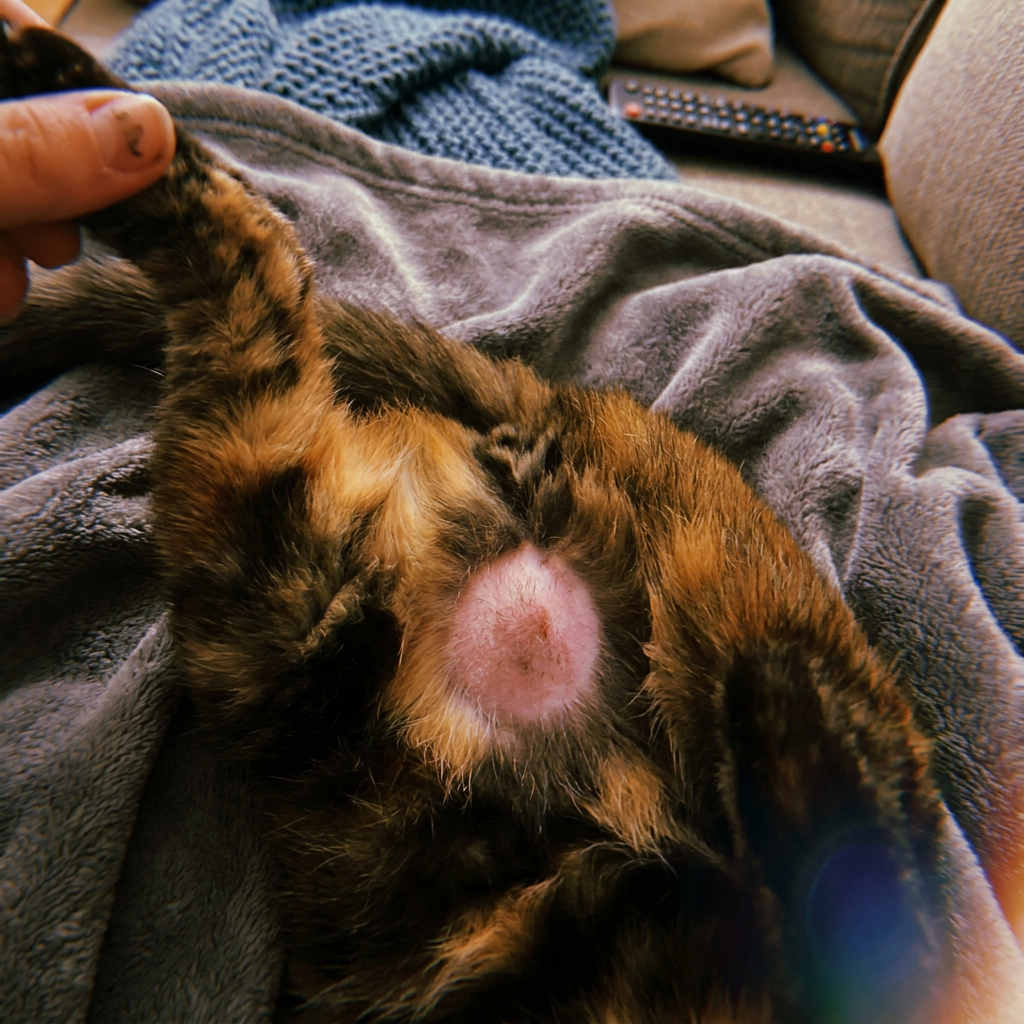
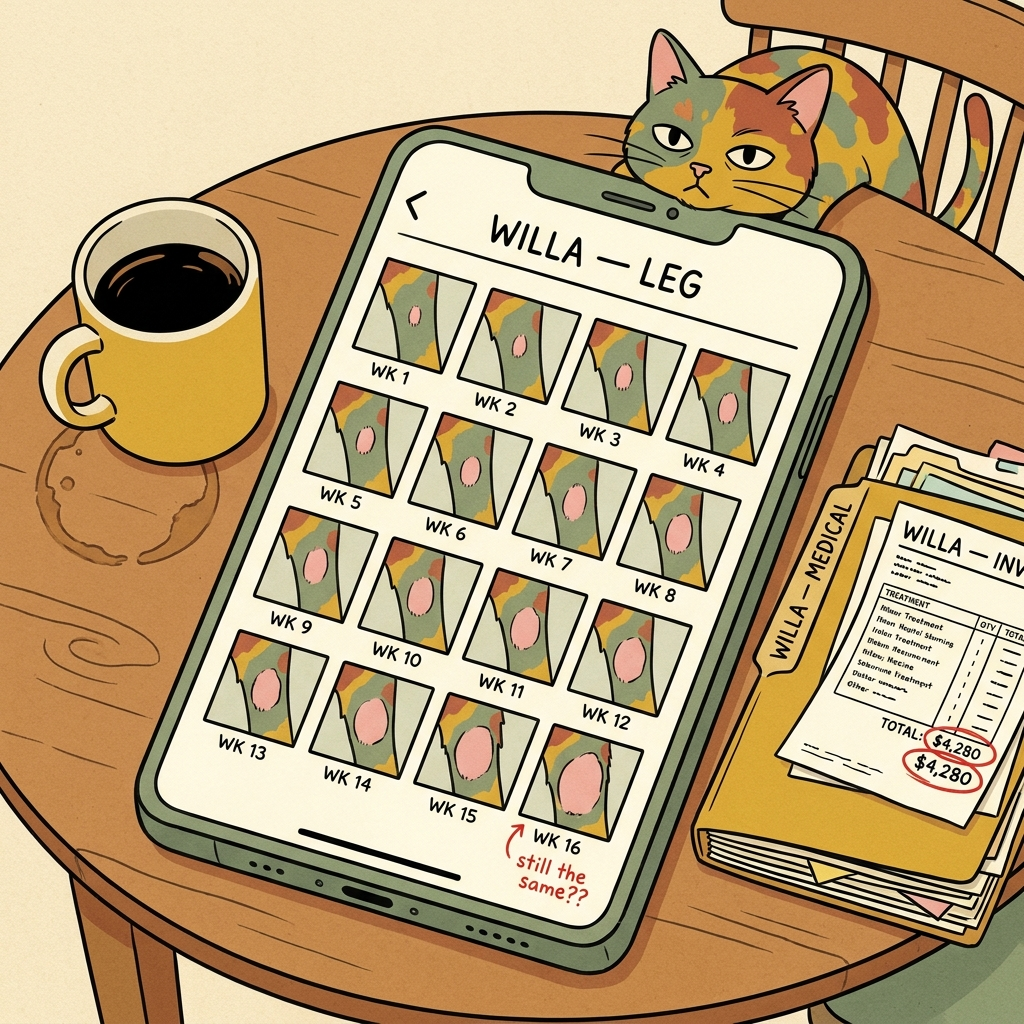
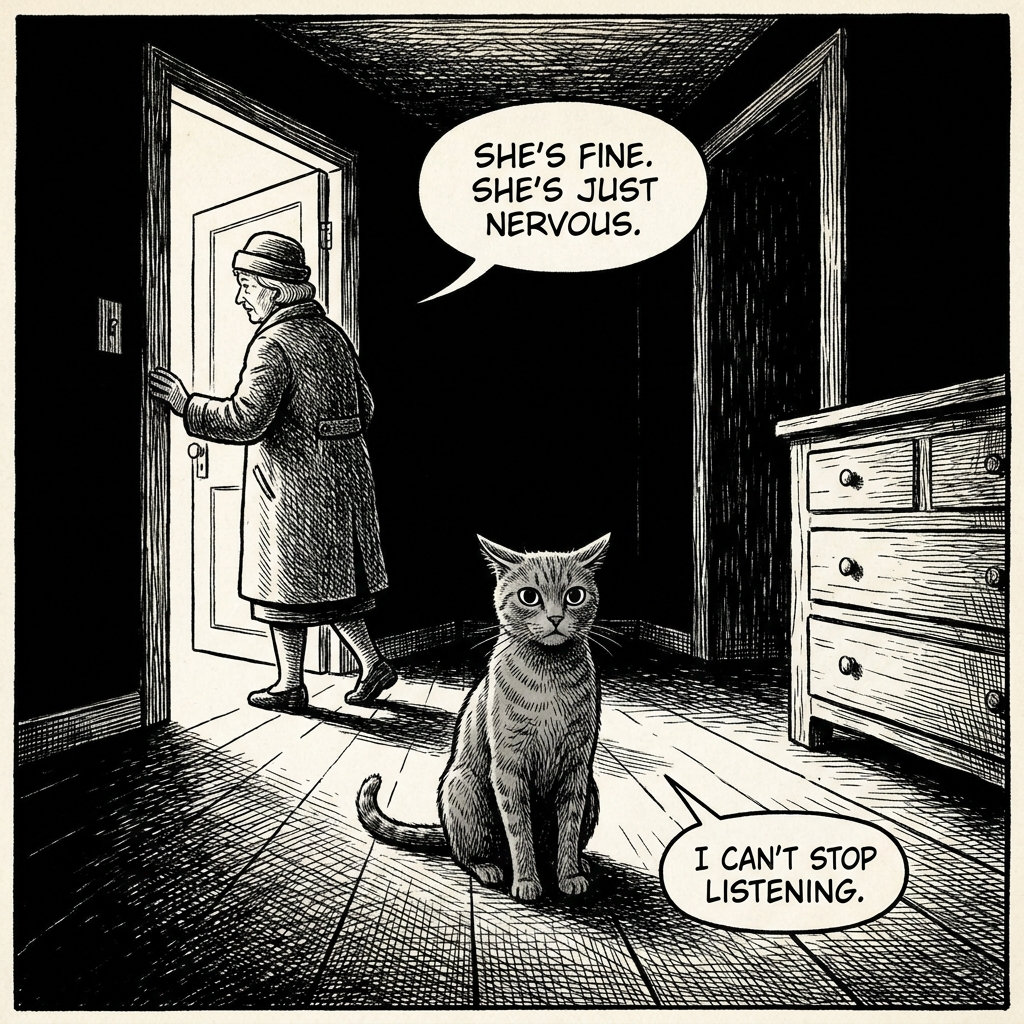
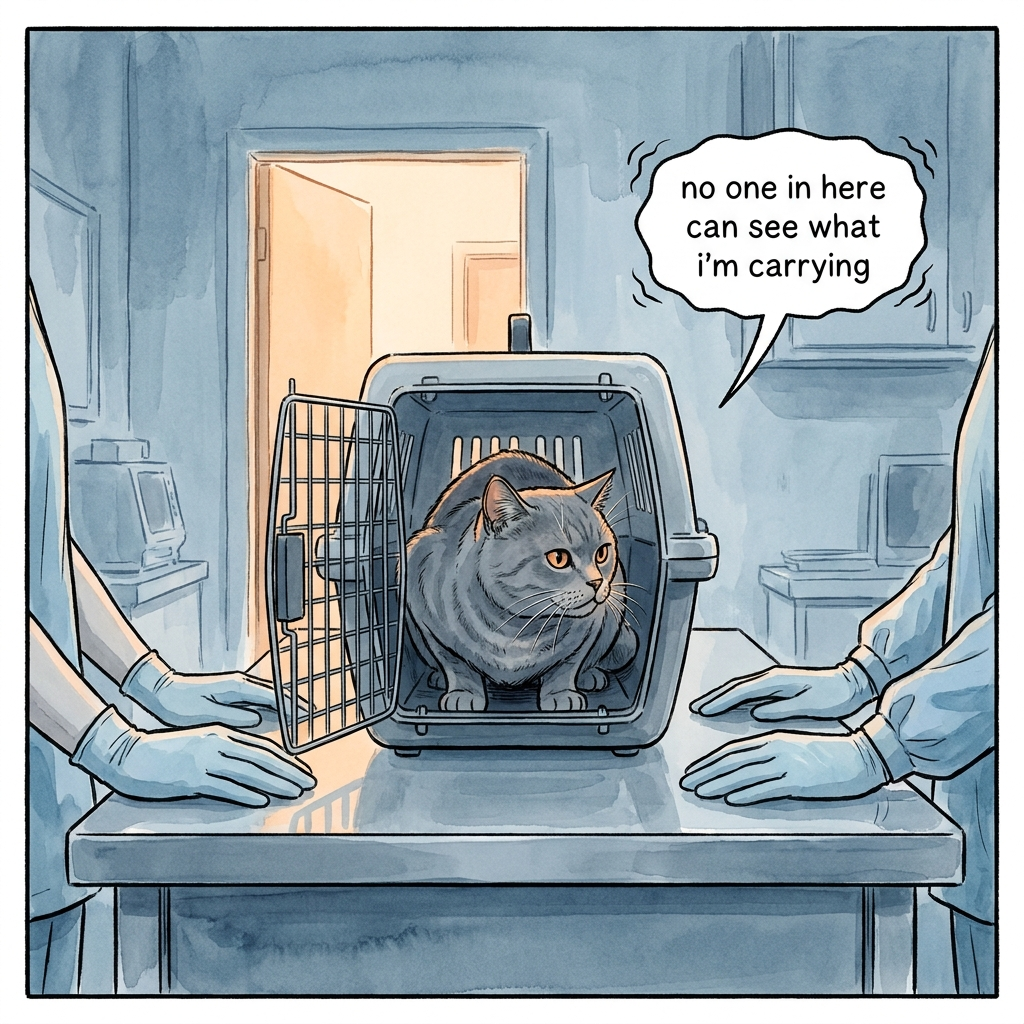
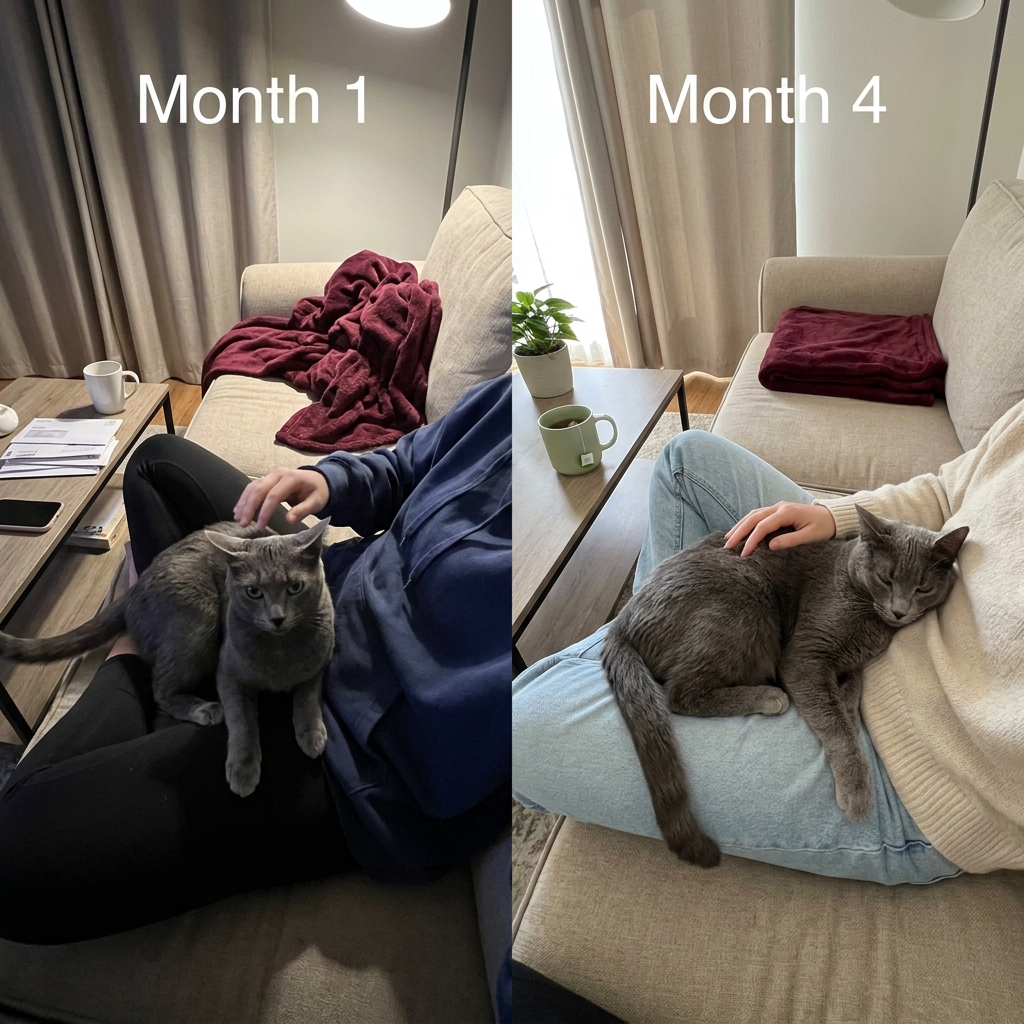
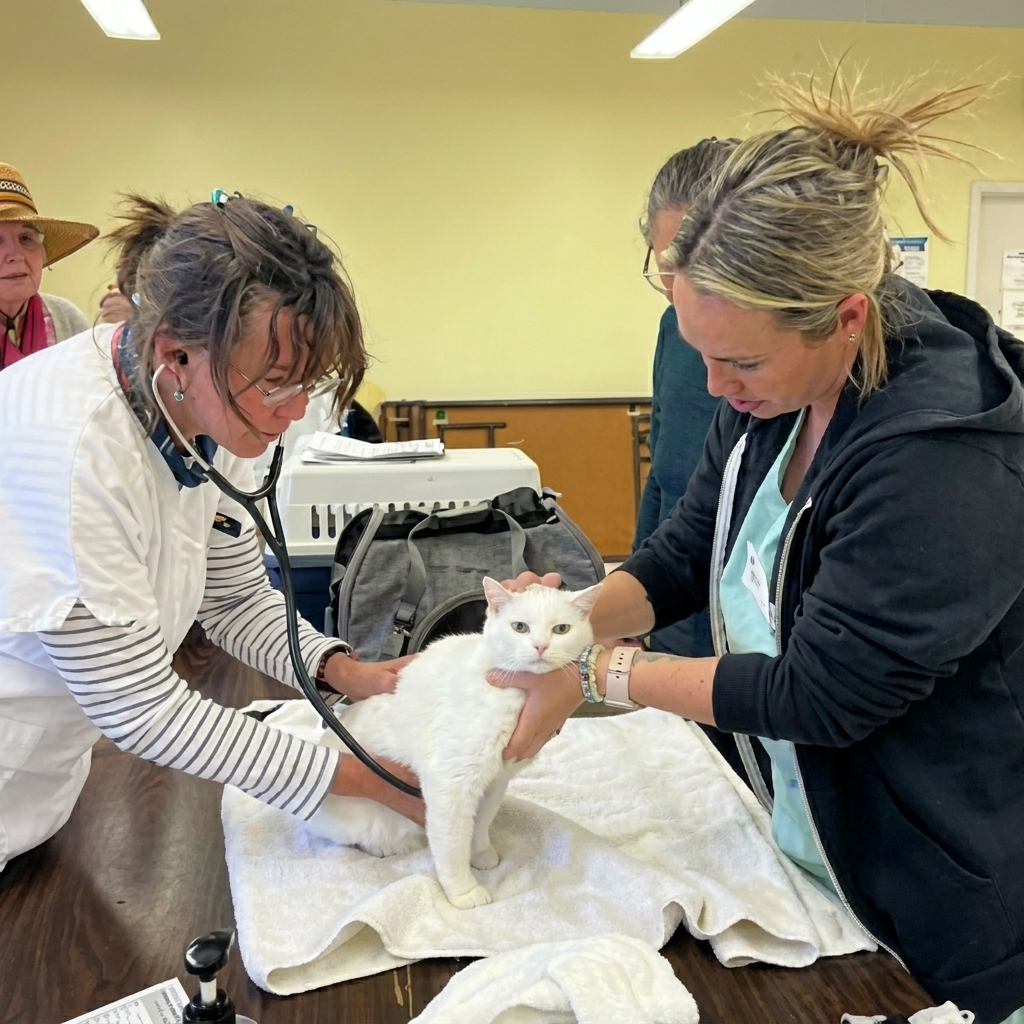
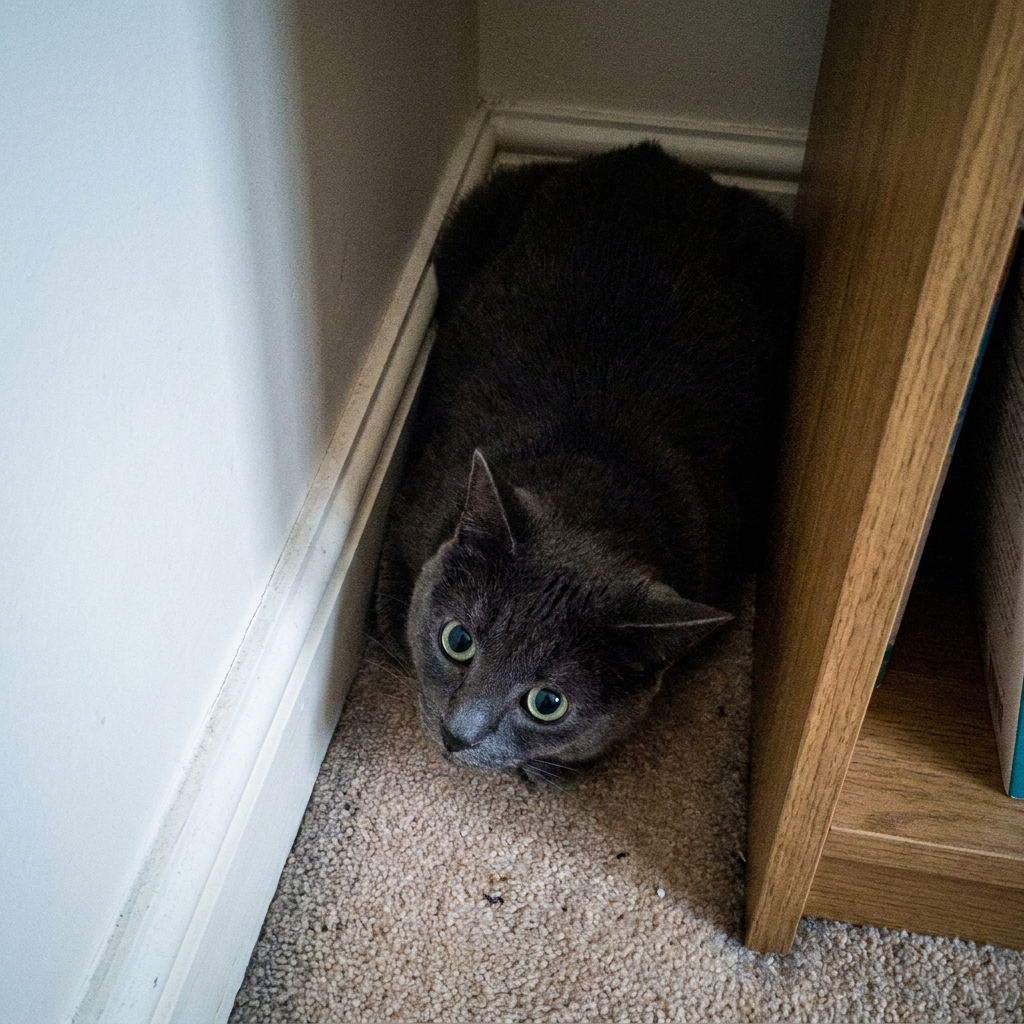
I'm going to lose my mind if one more person posts "my cat's been on fluoxetine for four months and she's calmer but she's not really HER anymore — is that normal?" and gets forty replies saying give it time and that's just the adjustment period and my vet said the same thing. IT IS NOT NORMAL. AND IT IS NOT THE DOSE. Her stress system is still running exactly as hard as it was the day you filled that script. The drug didn't switch it off. It sat between her and her own reactions and turned the volume down on the output — which is why she stopped spraying and also stopped greeting you at the door. Same dial. Both things on it. My name is Dr. Demitro. I've been a small-animal veterinarian for twenty-two years, northern Colorado. And I need to tell you something about behavioural prescriptions that is going to change what you do next. Because for twelve years, I watched the same conversation repeat itself. Someone brings in a cat. Spraying, or yowling at three in the morning, or a bald stripe licked onto her belly. We work it up. Bloods, thyroid, kidneys, urinalysis, blood pressure. Skin scrape and a food trial if it's the fur. Clean. "There's no medical cause here. It's behavioural. Probably stress." "Okay — so what do I do?" And I'd say: reduce stress at home, try a diffuser, plug it in near where she sleeps. Two weeks later: still spraying. "Try the chews." Still spraying. "Add a second litter box. And a third." Still spraying. "Try a pheromone collar." Still spraying. That conversation happened so many times I stopped hearing myself have it. And at the end of every single one of them, when the owner had run out of things to buy and I had run out of things to suggest, there was one move left. I'd reach for the pad. Because that's what we're taught. Behaviour problem, medical causes excluded, environmental modification failed — escalate to pharmacology. And it worked. That's the part nobody says out loud. The spraying stopped. The yowling stopped. The owner slept. Except three months later I'd get the call I never had an answer for. "She's calmer. But she's not really her. Is that normal?" And I would say some version of give it time, or that's the adjustment, or let's look at the dose. I said that for twelve years. Four years ago I did something I'd never bothered to do. I went back through my own records. Not a study. I want to be precise about that, because I'm about to tell you what I found and you should know exactly what it is and isn't. I pulled every behavioural case I'd prescribed for where the workup had come back clean, and I looked at what actually happened to those cats afterward. Almost all of them had improved on the target behaviour. That's real and I'm not going to pretend otherwise. But that wasn't what stopped me. What stopped me was the recheck notes. My own handwriting, appointment after appointment, and the same phrases turning up in cases that had nothing else in common. Owner reports sleeping more. Owner reports less interactive. Owner reports "not herself." Owner reports flat. I'd written those words down dozens of times and filed them under adjustment. Under settling. Under the cat being calmer, which was the point. So I started calling owners and asking a question I had never once asked in an exam room. Not is she calmer. Is she still there? And the answers came back immediately. Nobody had to think about it. She doesn't come to the door anymore. She used to sit on the arm of the sofa and stare at me until I said her name. She doesn't do that. She sleeps eighteen hours. She never used to. She's fine. She's just not — she's not in the room, if that makes sense. Not one of them said she's exactly like she was, just without the spraying. Not one. I had been solving the complaint and losing the cat, and I had been writing it down in my own notes for over a decade without reading it. Here's the mechanism, and it's simpler than twelve years of missing it suggests. Her nervous system is running hot. That's the actual problem — a stress response that spikes and never properly stands down, so she sits braced, permanently, at a low level. That braced state produces two categories of output. The first category is what you brought her in for. Spraying. Yowling. Licking. Hiding. The second category is everything else she does. Greeting you. Sitting on the arm of the sofa. Complaining when you're late. Coming to find you in another room. The specific way she is a person. Those are not two separate systems. They come off the same arousal, through the same responsiveness. One is that responsiveness pointed at something you don't want. The other is it pointed at you. A behavioural medication doesn't distinguish between them. It cannot. It works on how strongly she responds — not on what she's responding to. So the load stays exactly where it was. The house is still generating it. The signal underneath her skin has not changed by one unit. She just answers less. Less spraying. And less coming to the door. Same dial, turned once, and everything on it moved together. That's why the complaint resolves and the cat goes quiet at the same time. It isn't a side effect. It's the same effect, seen from two directions. And the pressure underneath never gets touched. That's the part that makes me angriest at myself. I muted the output and left the input running, and then I told people that was treatment. Now let me be extremely clear about something, because this is where these posts usually go wrong and I'm not going to do it. I am not telling you these drugs are bad. I am not telling you to stop them. They are legitimate medications with real evidence behind them. There are cats — genuinely dangerous aggression, severe self-mutilation, animals about to be surrendered or euthanised — where medication is the correct call and the only thing standing between that cat and a very short life. I have prescribed for those cats. I would do it again this afternoon. And if your cat is on one now: do not stop it. Not tomorrow, not because of anything in this post. Stopping abruptly can cause real problems. Any change happens with your vet, tapered, over weeks. What I'm telling you is narrower and I think it's more useful. The prescription is the last option in a sequence, and for most cats the sequence has a gap in it. We go: rule out medical → environmental modification → single-ingredient calming products, one at a time → and then, when all of that fails, pharmacology. Look at what's missing. Every step before the prescription is aimed at one thing at a time. A diffuser is one signal. A chew is one ingredient, given before a trigger that already happened. And the cat in front of you is not out in one place. She's out in four. She's scanning a room where nothing's happening. Her day-night rhythm has been quietly flattened by years of indoor light. Her stress load has been climbing for a year. And she physically cannot settle — cannot lie down and stay down. Four things, holding each other up. You kick one leg and the structure stands. So the owner tries a single-ingredient product, gets a fraction of a result, concludes nothing works, and we escalate to the one thing that does move everything. Except it moves everything by muting all of it, including her. There was never a step in that sequence aimed at the whole load, daily, without turning her down. So we skipped from not enough straight to too much, and I did it for twelve years, and I'd have told you the sequence was correct. I know what you're thinking, because I've heard it in the room a thousand times. My vet ran everything and said it was stress. Mine did too, when it happened in my own house. And she was right. The problem is that "it's stress" is where the conversation ends and it should be where it starts. There's no test for this. Nothing on a panel measures how long a cat has been braced or what her arousal load actually is. There's no number to hand you. So the workup comes back clean — genuinely good news that does not feel like good news — and you're handed advice you've already exhausted, or the pad. You did not fail her. You did the diffusers. The chews she wouldn't eat. The third litter box, the fourth, the cat tree in the good window. You did the panel and then you did it again. You have probably got photographs on your phone comparing a bald patch week to week, which is more careful than most of what I see. And then you were offered the only remaining option by someone you trust, and you took it, because what else was there. And now she's quiet and you feel something you can't say out loud, which is that you liked her better before. That's not ingratitude. That's you noticing something real. She isn't calm. She's turned down. And you can tell the difference because you know her. So the question stops being how do I stop the spraying and becomes how do I lower the load without lowering her. Which is what I spent two years building, after it happened to my own cat and I discovered I couldn't fix her either. Four ingredients. One for each leg. Ashwagandha, KSM-66 extract, the form with the most published research behind it. Works on the stress axis and brings the underlying load down. That's the pressure leg, and it's slow on purpose — it took a year to climb, it doesn't come down in a fortnight. L-theanine, the green tea molecule. Takes the edge off hypervigilance without sedating. That's the trigger leg. A bag on the floor or the other cat crossing the hall stops registering as something she has to answer. Valerian root, which supports the transition from alert into actual rest. The sleep leg. A cat who doesn't sleep arrives at tomorrow with today's arousal still loaded. Melatonin, low, daily — restoring the light-dark rhythm indoor living quietly flattens. Four levers, gentle doses, every day rather than before a trigger. And here is the distinction that matters more than any of the individual ingredients. None of these suppress the central nervous system. They lower the load she's carrying. They don't sit between her and her own reactions. Which means the responsiveness stays. She still comes to the door. She still complains when you're late. She's just not answering a room that isn't asking her anything. That's the whole difference, and it's the reason I built it. Turning down the pressure and turning down the cat are not the same operation, and for twelve years I only had access to the second one. I'll be straight about what I can't tell you, because you should expect that from anyone selling you something for your animal. Most of the mechanistic work on these compounds comes from human and rodent research. It's solid science, but the feline-specific literature is thinner than I'd like and thinnest of all for ashwagandha. That's why the doses sit well below any threshold associated with reported adverse effects in companion animals, and why the full dosing rationale ships in the booklet. Email us and we'll send the formulation document to your vet's office directly. And it's drops, not a chew. My own cat wouldn't eat a chew — wouldn't approach one — and a great many won't. A formula she refuses is a formula at zero dose regardless of what's in it. These go into the food she already eats, wet or dry, suspended in MCT oil from coconut that's nearly odourless to a cat. She tastes her dinner. Not the drops. Here's what to watch for, and in what order. Sleep first. Usually week one. Deeper, longer, less waking. That's the arousal coming down and it's the earliest visible thing. Then the behaviour thins before it stops. Four times a week becomes one. Don't wait for a clean zero to decide it's working. Then she comes back. This is the one, and it's the opposite of what you've been watching for over the last few months. Not quieter. More present. In the room. Out during dinner. On the arm of the sofa, staring at you until you say her name. That's the sign. If she gets calmer and less present, that isn't this working. The fur is last, if that's your version — six to twelve weeks, stubble before you can see it. Don't judge by the patch or you'll quit at week three while it's working. Full effect on the underlying load lands around week four. That's how long the ashwagandha needs. Anyone promising faster doesn't understand what's being moved. In a survey of 1,283 verified Kitly customers after 30 days of daily use: 94% stopped considering a prescription. 89% showed less stress behaviour by week four. 82% reported their cat sleeping through the night by week three. I read the posts every week. These are close to verbatim. "Four months on fluoxetine. The spraying stopped. She also stopped coming when I call and I don't know if those are related." "Vet says the flatness is normal. Is it normal?" "She sleeps all day now. Everyone tells me she's just relaxed." "I got what I asked for and I hate it." "I want my cat back but I'm scared that if I take her off it we go back to where we were." That last one is the one I'd answer first, because it's the real fear and nobody addresses it. You don't have to choose between the two versions of her you've seen. Those aren't the only options. They're just the only two anyone offered you. If your cat hasn't had a full workup, do that first. Bloods, thyroid, kidneys, urinalysis, blood pressure. Skin scrape and food trial if it's the fur. It is more often medical than the internet believes, and a treatable medical problem is a much better outcome than this one. And if she's on a prescription now — talk to your vet before you change anything. Bring this. Ask about running the drops alongside for a few weeks and then tapering slowly, with supervision, while the load comes down underneath. Plenty of our customers have done exactly that. Nobody should be doing it alone in their kitchen. One dropper. Into the food she already eats. Once or twice a day. That's the whole change. Nothing else moves. Give it 90 days. If she isn't calmer, sleeping better, more herself — email [email protected] and we send every dollar back. No returning the bottle. No form. No proving anything. Within 48 hours. $34.95. Less than the workup. Less than a year of refills. Not Amazon, not Chewy. We don't license third-party sellers, so anything on those platforms claiming to be Kitly wasn't formulated by me and wasn't tested in our facility. P.S. Valerian and melatonin can interact with sedative and psychiatric medications, and a lot of the cats this is aimed at are on one. That's a real consideration, not a disclaimer. Which is exactly why the conversation with your vet isn't optional and isn't me covering myself — it's the actual first step. Same answer for diagnosed liver or kidney conditions, for pregnancy, and no for kittens under twelve weeks. P.P.S. Here's the question I'd hand my past self, and it takes about ten seconds. Not is she calmer. Is she still there? Does she come to the door. Does she complain when you're late. Does she do the specific thing she does — the one you'd struggle to describe to anyone who hasn't met her. If the answer is she's calmer but she's not really her, you already have your answer and you've had it for months. You've just been told it's the adjustment period. It isn't the adjustment period. The load is still there. Everything you were trying to quiet is still running underneath, exactly as hard, all day, every day. You just can't see it anymore, because the thing that was showing it to you was her. I asked hundreds of owners that question after twelve years of never asking it once. Almost all of them knew the answer immediately. Ask yourself tonight.
Like this ad? Make it yours.
Crush rebuilds this exact creative around your product — your brand, your colors, your offer — in about a minute.