
Active· since Apr 18, 2026
- 148
- days running
- 1
- relaunches
Ad copy
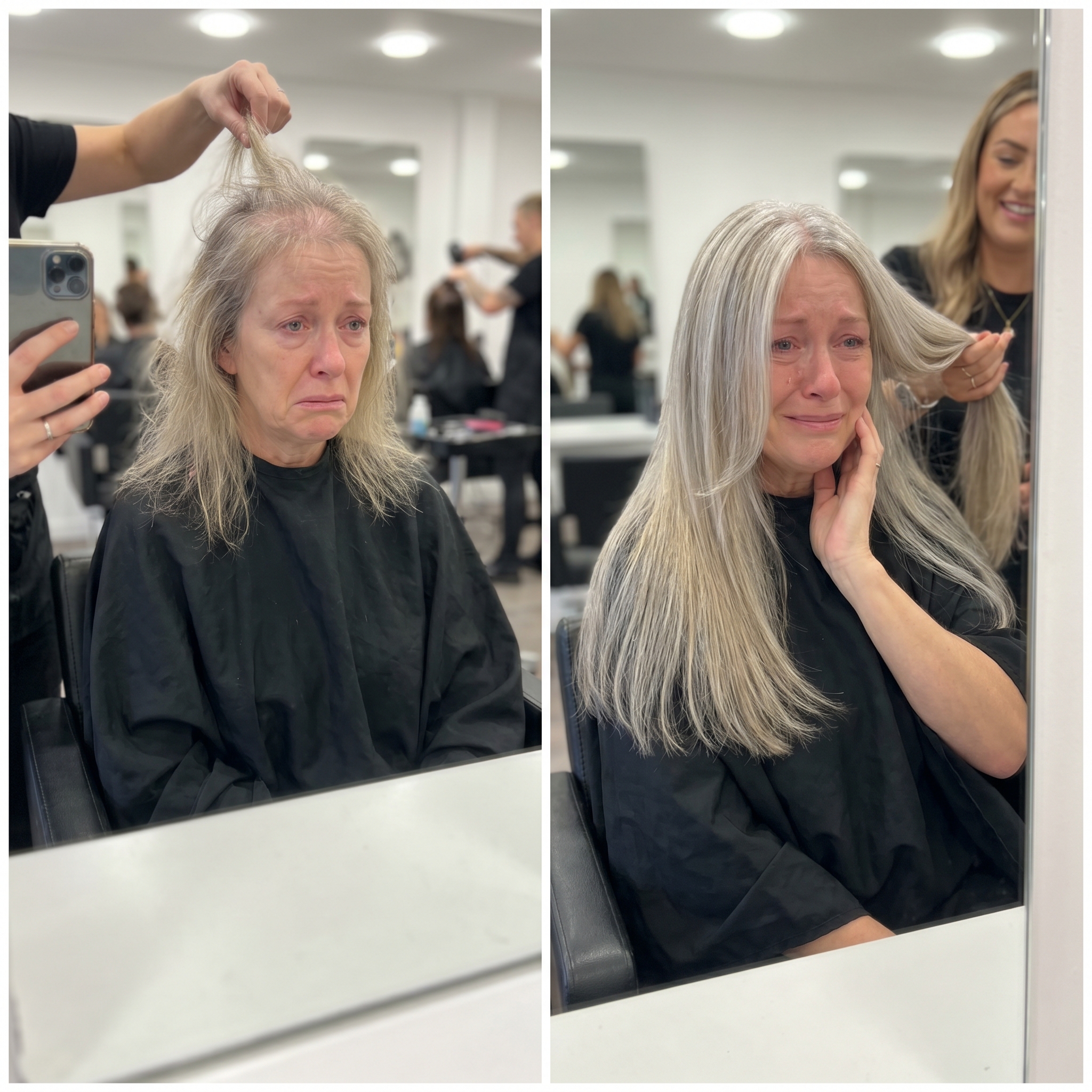
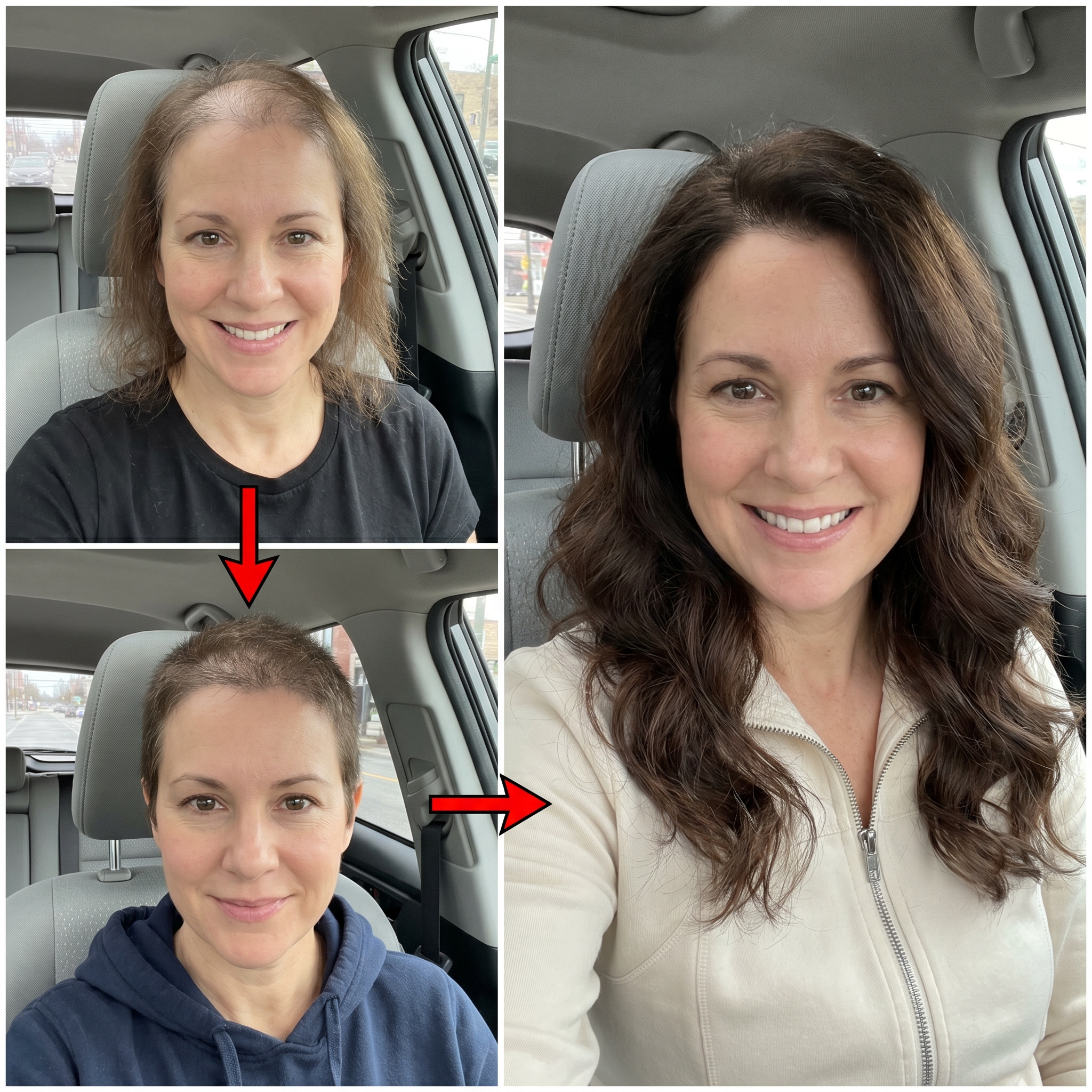
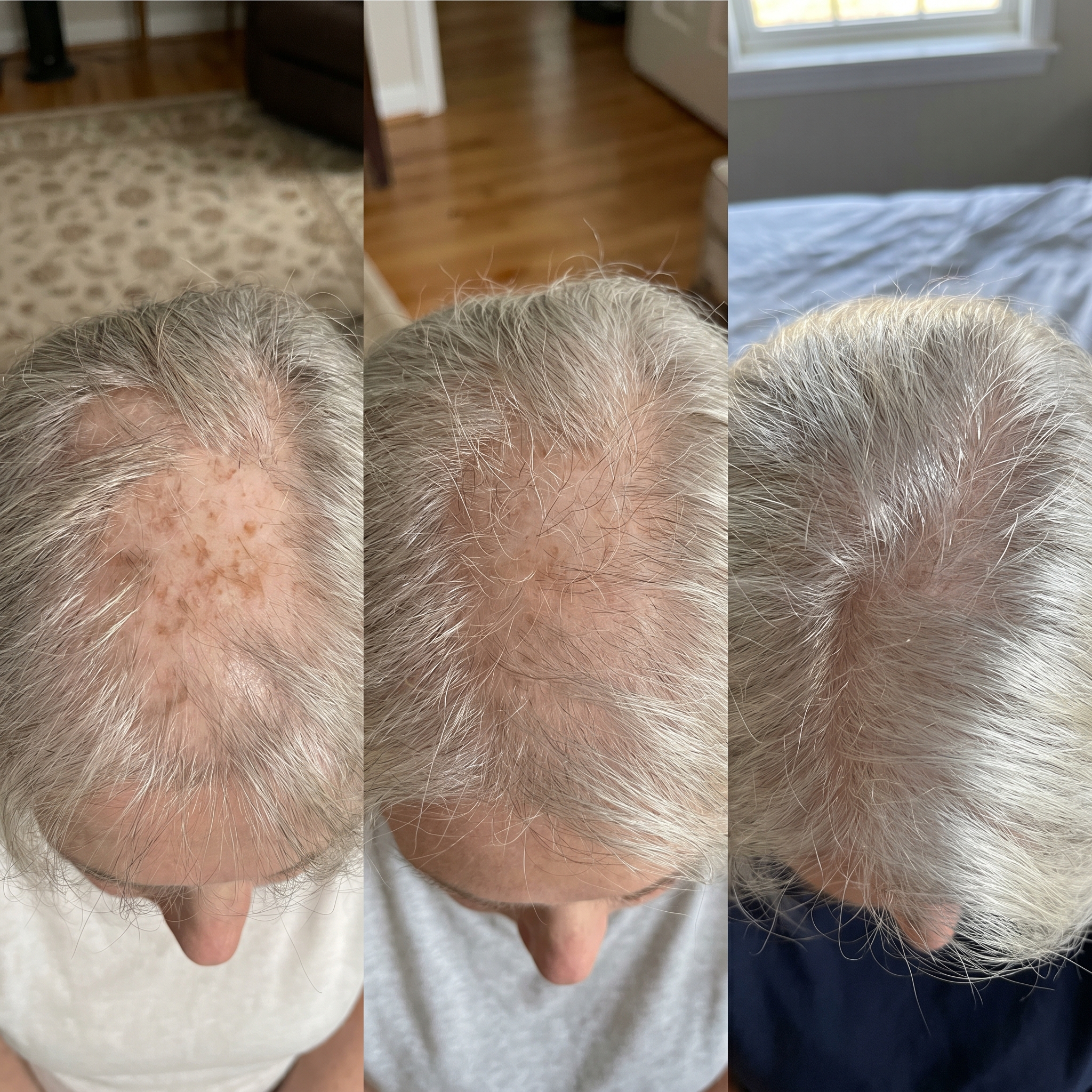
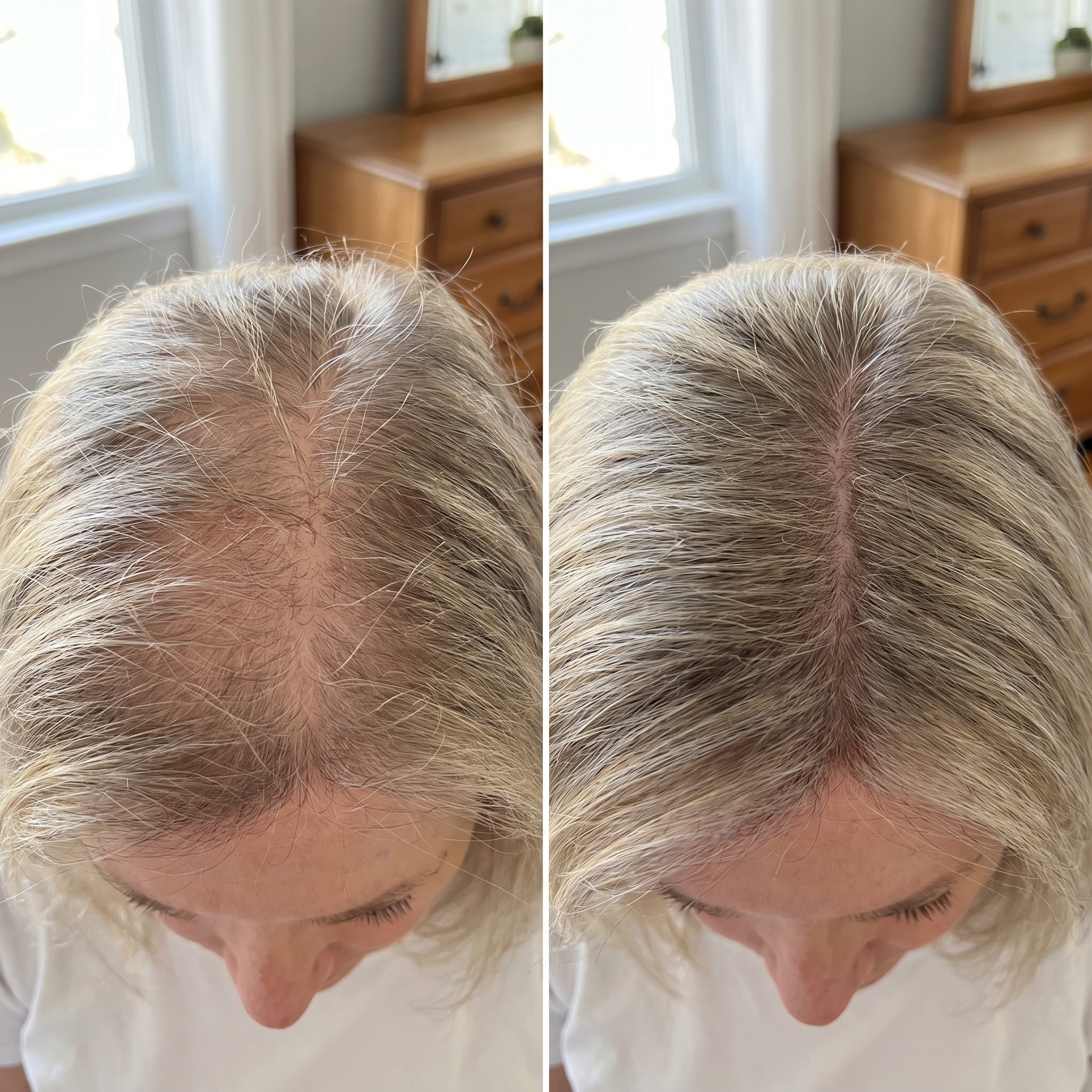
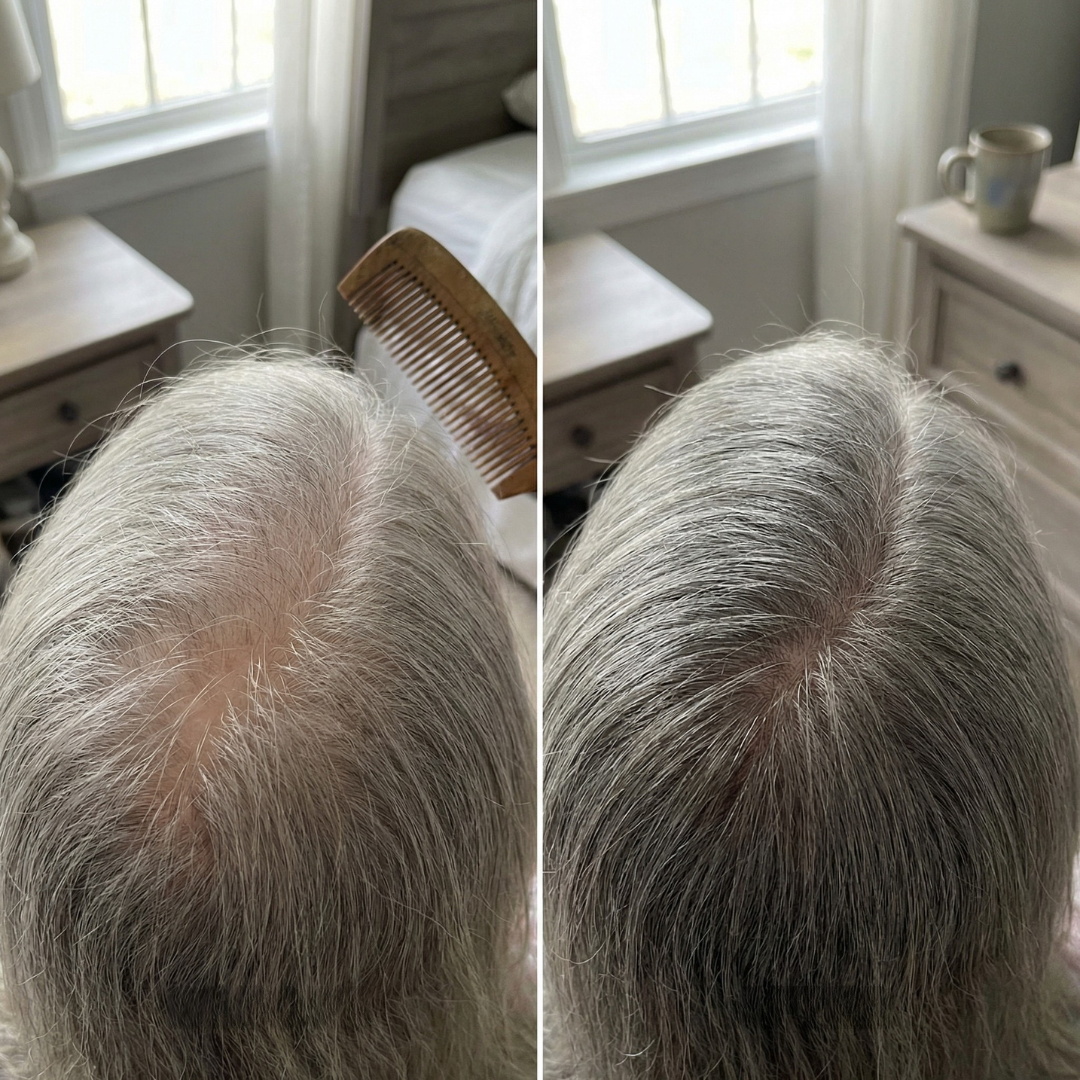
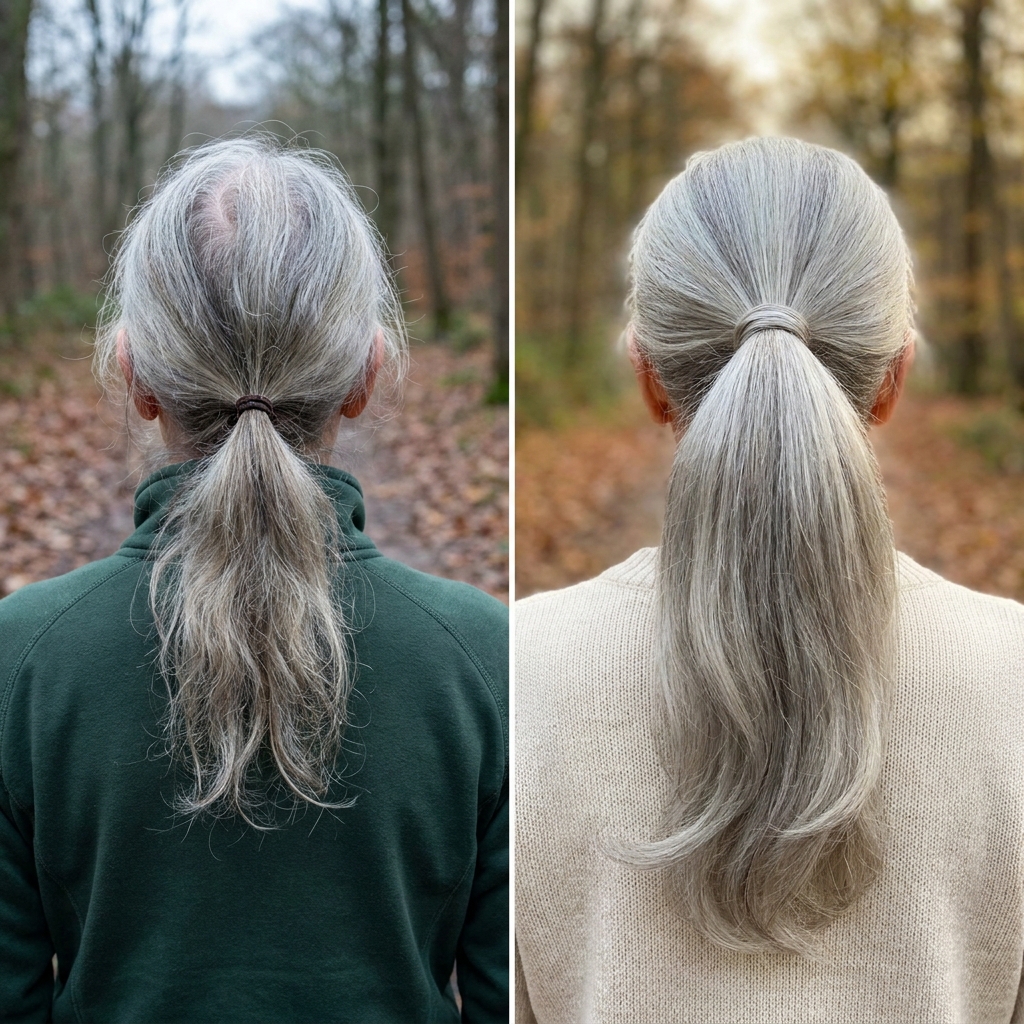
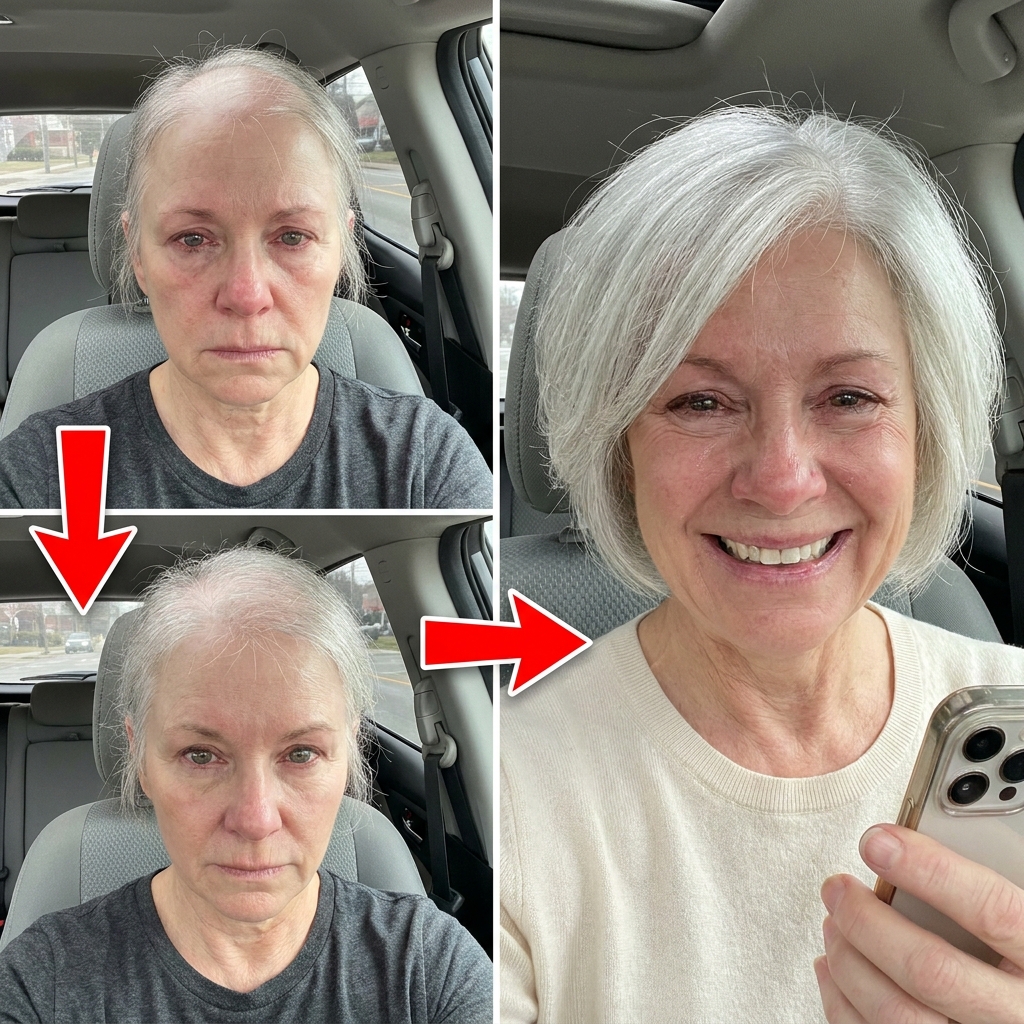
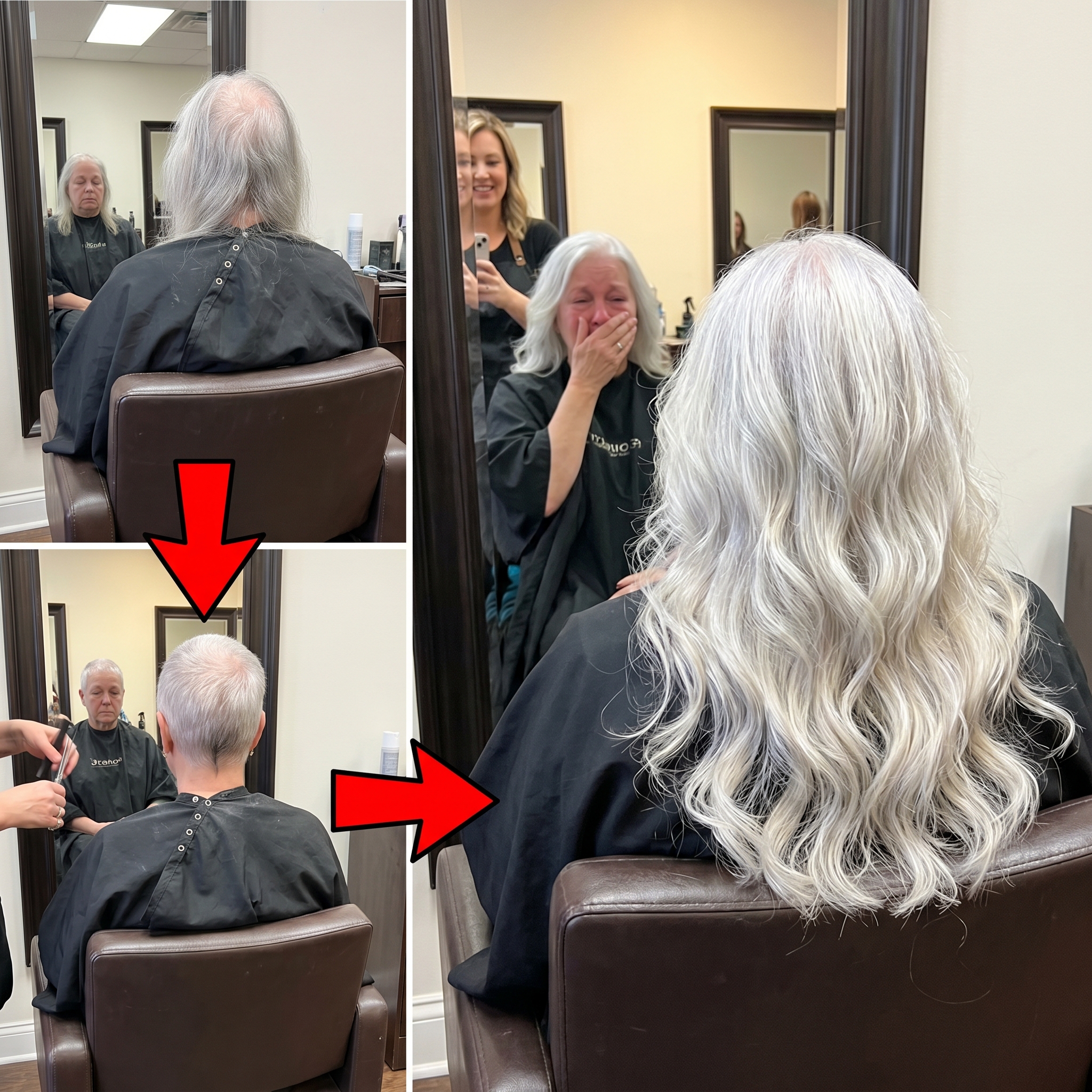
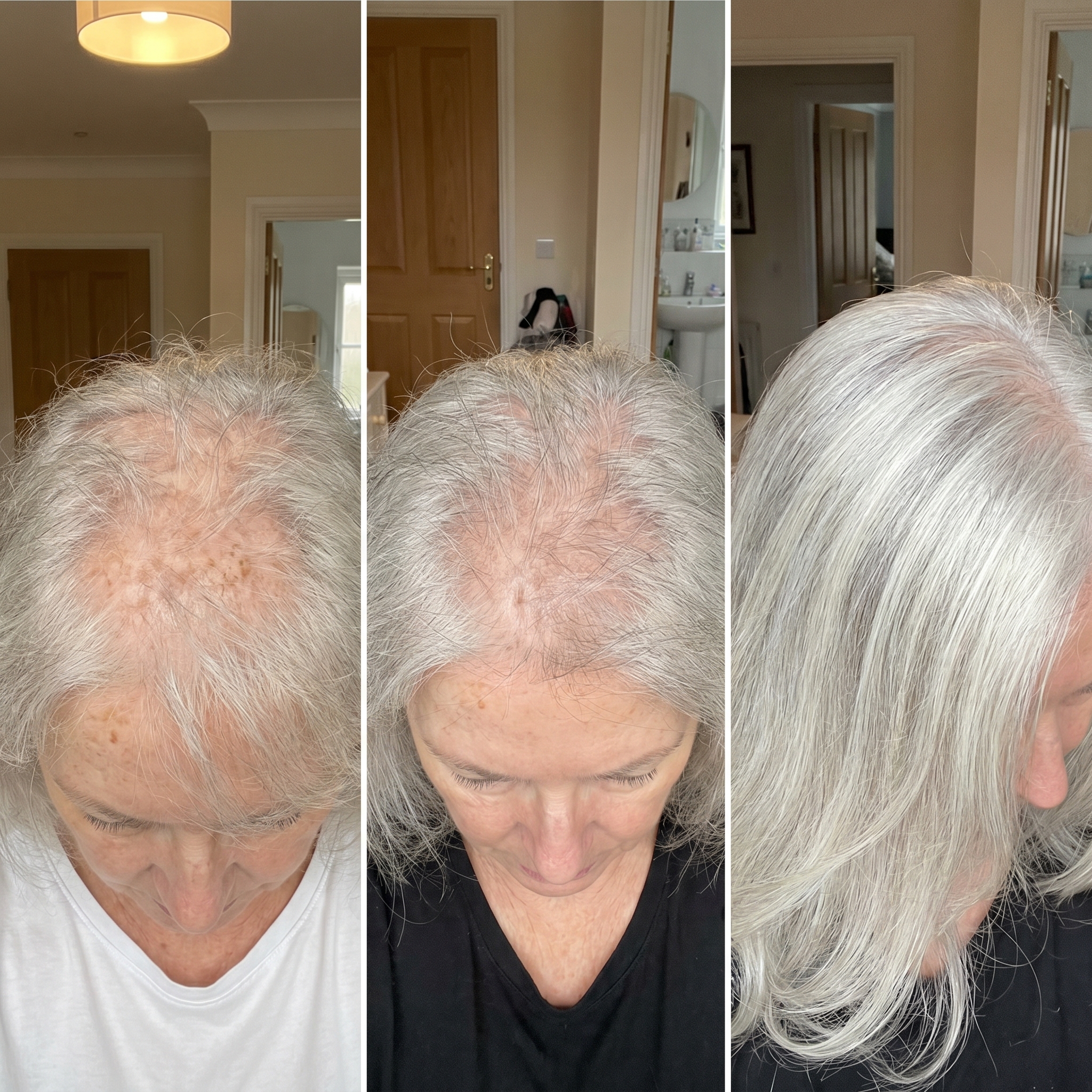
In 1989, an American dermatology research group mapped something about the female scalp that should have reshaped how menopausal hair loss is treated — and, in the thirty-seven years since, has not. For decades, the reason menopausal women lose hair specifically at the crown and along the part had been categorised as "just how it happens." The reassurance, in consultation rooms, was usually that this was a normal hormonal change and that women should try a volumising shampoo and accept it. When pressed, dermatologists might mention DHT in vague terms, prescribe minoxidil, and move on. What the 1989 research, and the follow-up work that extended through the 1990s and 2000s, demonstrated was not that DHT causes hair loss in women — everyone knew that. It was that the androgen receptors on the human scalp are not evenly distributed. The crown and vertex of the scalp — the top of the head, where menopausal thinning concentrates — contain dramatically more androgen receptors than the occipital scalp at the back of the head. The ratio, in some studies, approached seven to one. This density is why, when estrogen withdraws and DHT begins binding, the damage appears first and most visibly at the top of the head. It's not random. It's geography. The researchers knew this in 1989. Thirty-seven years later, the majority of women experiencing menopausal hair thinning at the crown are still being prescribed a systemic solution — HRT, oral supplements, biotin — for a problem that is fundamentally geographic. Fundamentally local. Fundamentally sitting on an inch-and-a-half of scalp at the top of their heads. I know because I was one of them. I spent two years following the advice before I understood why it wasn't working. My hair started thinning at 52. I noticed it in the usual ways — the brush, the shower, the photograph that catches you from above. One morning the bathroom light hit my head at a particular angle and I saw my scalp at the crown, and I understood that the thinning I had been half-noticing for months was no longer something I could pretend away. I stood there for a moment. Then I picked up my phone and took a photo from above. I needed to see what I was seeing. The photo was worse than the mirror had been. The crown was sparse — clearly, undeniably sparse. The part had widened. The hair around it had that fine, fragile quality that I had been noticing in small amounts for a year and that was now impossible to ignore. I deleted the photo. Then I booked a GP appointment. Thyroid fine. Iron "within range." B12 normal. She referred me to a private dermatologist. The dermatologist spent nine minutes with me, noted the crown-and-part pattern, called it androgenetic alopecia, and prescribed minoxidil. When I asked what was causing it, she said my hormones were the underlying factor. When I asked what to do about that, she said HRT might help. What she did not say — what I have since learned is basic dermatology knowledge that has been in the textbooks since the 1990s — was the geography of the problem. She did not say: "The reason this is appearing at your crown rather than your hairline or the back of your head is that the crown has many times more androgen receptors than the rest of your scalp. This is not a systemic hormonal storm. It is a local concentration of receptor activity at the top of your head. And that means the most effective interventions are ones that act on that specific location. The minoxidil I'm recommending will improve blood flow at the crown, which is why it helps partially — but it won't block the DHT that's binding to all those receptors. For that, you need something that acts topically on the crown itself." Instead I went home with a minoxidil prescription and a vague suggestion about HRT, having paid £165 for the consultation. Over the following eighteen months I tried what seemed credible. Minoxidil, partially — the dread shed, the indefinite commitment, the knowledge that I was treating the symptom and not the cause. HRT, which changed my life in every way except the one I had most hoped. The sleep came back. The cognition. The joints. The hot flashes disappeared. My crown kept thinning. Biotin, Nutrafol, a collagen powder, Nioxin, two salon treatments that cost more than I want to admit. None of it addressed the local receptor density at the crown. None of it was ever going to, because none of it was specifically designed to act at that location against the DHT that was binding there. Here is the mechanism, explained the way it should have been explained. DHT is manufactured in the follicle. The enzyme that makes it — 5-alpha-reductase — sits in the follicle. The receptor it binds to is in the follicle. At the crown and vertex, the receptor density is higher than anywhere else on the scalp. The pattern of your thinning is a direct consequence of where the receptors are concentrated. To interrupt this, you need a compound that inhibits 5-alpha-reductase at the follicle, applied directly to the crown. Prescription topical finasteride does this pharmaceutically. It is rarely prescribed to women in the UK. There are also topical botanicals — studied for decades in European and East Asian dermatology research — that achieve a similar effect through different routes. Topical caffeine inhibits 5-alpha-reductase at the follicle and extends the anagen phase. Polygonum multiflorum root extract, the East Asian herb with centuries of traditional use and now modern laboratory research, stimulates follicle proliferation and shows anti-androgenic activity at the follicle. Arginine raises local nitric oxide, improving microcirculation around the follicle. Biotin, delivered topically, supports the structural integrity of the new growth. Ginger extract supports anagen. The 1989 research identified where the problem was. The research since has identified how to target that location specifically. Almost none of the mainstream hair loss products sold to menopausal women are actually formulated around this knowledge — either the geography, or the topical application it implies. Mellenza was the first product I found whose formulation reflected it. A topical scalp serum. Caffeine. Polygonum multiflorum. Arginine. Biotin. Ginger. Applied nightly, massaged specifically into the crown and along the part — into the areas where the androgen receptor density is highest, where the DHT is binding, where the damage has been happening. Not a shampoo. Not a volumiser. Not a capsule. A topical tool for a local problem. I committed to twelve weeks before forming a judgement. Week 4: Measurably less hair in the shower. I had been counting. Week 6: The texture changed. My hair felt less fragile between my fingers. Week 9: I took the photo from directly above, in the same bedroom light, from the same angle, and I held it next to the one I had saved in a hidden folder from three months earlier. The part was narrower. The crown was less visible. Hair was coming back in at the edges of the part. I sat on the edge of my bed and felt, for the first time in two years, like the direction had changed. Month 4: My hairdresser — who had been carefully not mentioning my thinning for eighteen months — held up the mirror at the end of my appointment and said, without prompting, that she could see real regrowth at the crown. Month 5: I stopped dreading the photo from above. I want to be careful about what I'm promising you, because I was promised things that didn't deliver and I won't do that. My hair is not what it was at 45. I don't know if it will be. But the part is the narrowest it has been in three years. The crown is covered. The mechanism — the geographic mechanism my dermatologist knew about and didn't explain — is finally being addressed at the specific location where it has been happening. The researchers understood thirty-seven years ago that female pattern hair loss concentrates at the crown because that is where the receptors are densest. The implication — that you need a topical solution acting at the crown, not a systemic one acting on your whole body — has been sitting in the literature for almost four decades. You deserve to know it now. The link is below.
The 1989 dermatology finding that explains why menopausal thinning always hits the crown first, and why the standard treatment misses it entirely...
Women's Health · Updated April 2026 Menopause · Hair Routine 7 Mistakes That Make Menopausal Hair Loss Worse, And the 30 Second Ritual 10,000 Women Used to See Regrowth in 8 Weeks Dr. Sarah Mitchell — Women's Health Writer. If you're standing in front of the mirror doing the 3-elastic ponytail t...
LEARN MORELike this ad? Make it yours.
Crush rebuilds this exact creative around your product — your brand, your colors, your offer — in about a minute.