
Active· since Jul 3, 2026
- 72
- days running
- 0
- relaunches
Ad copy
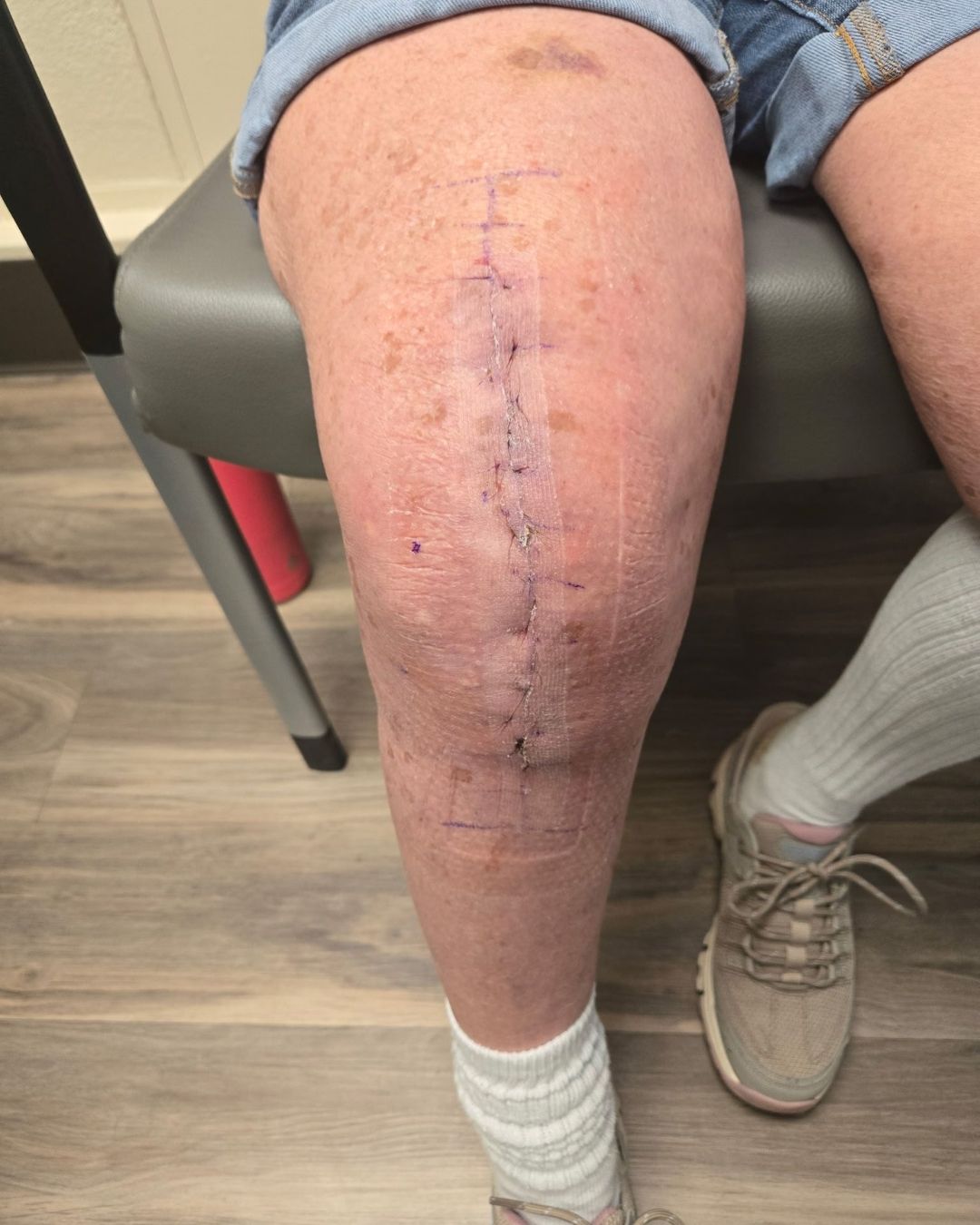
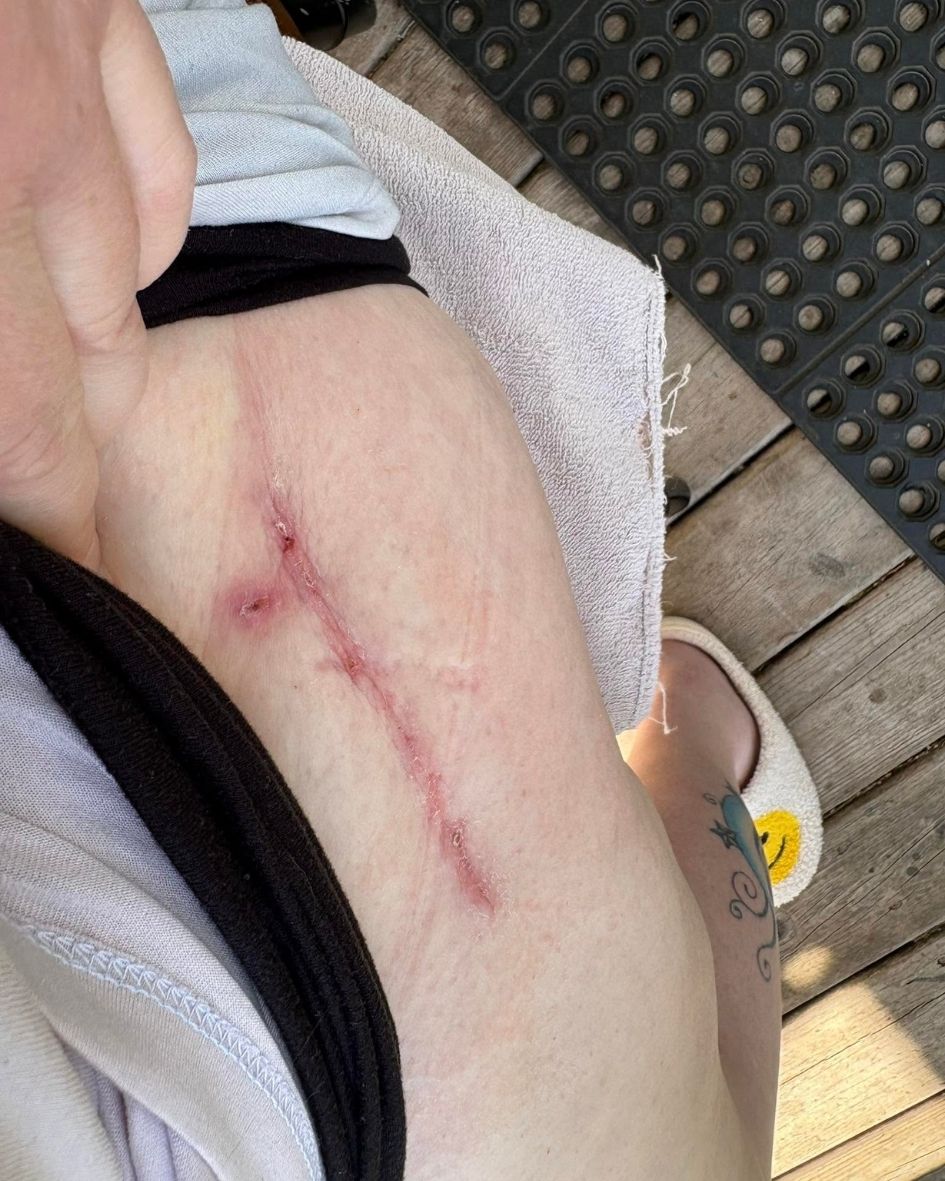
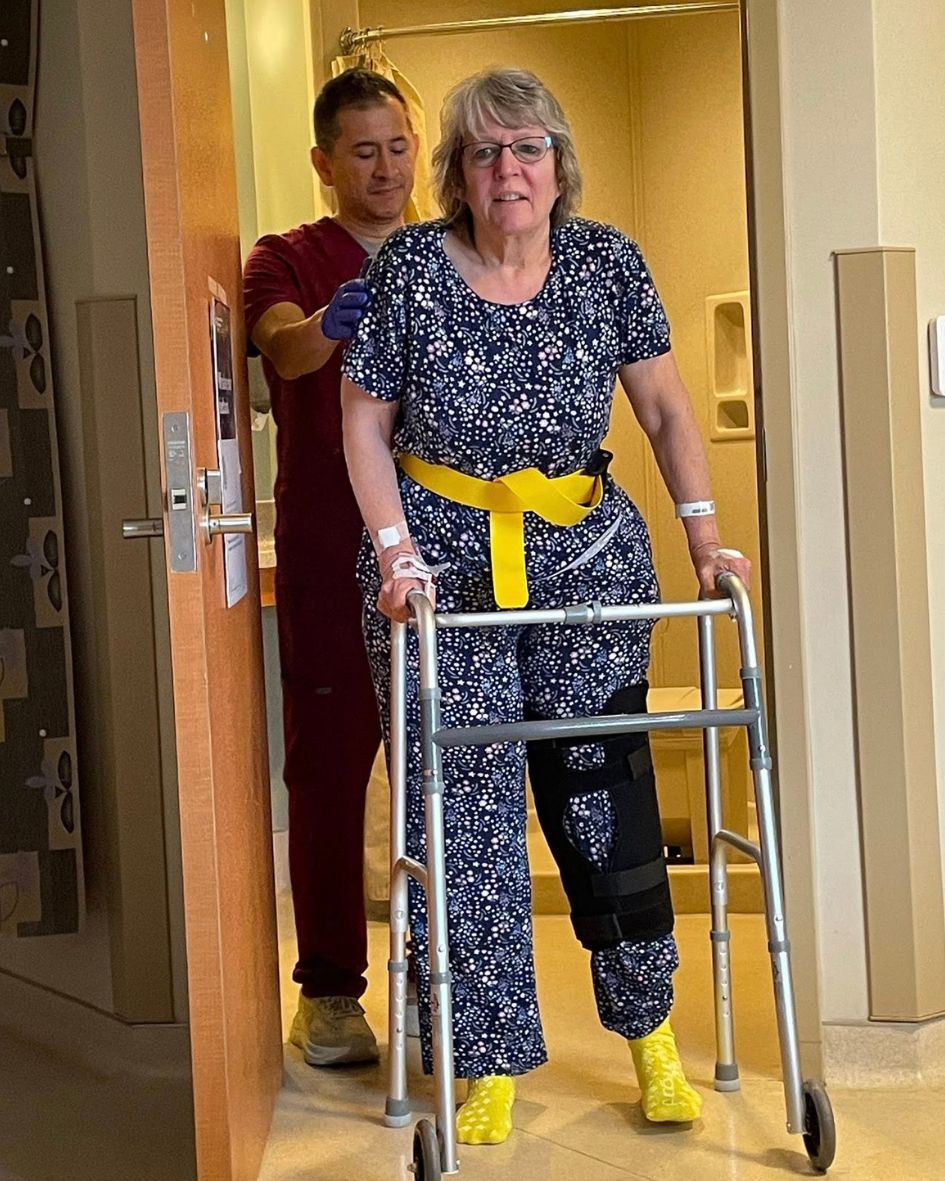
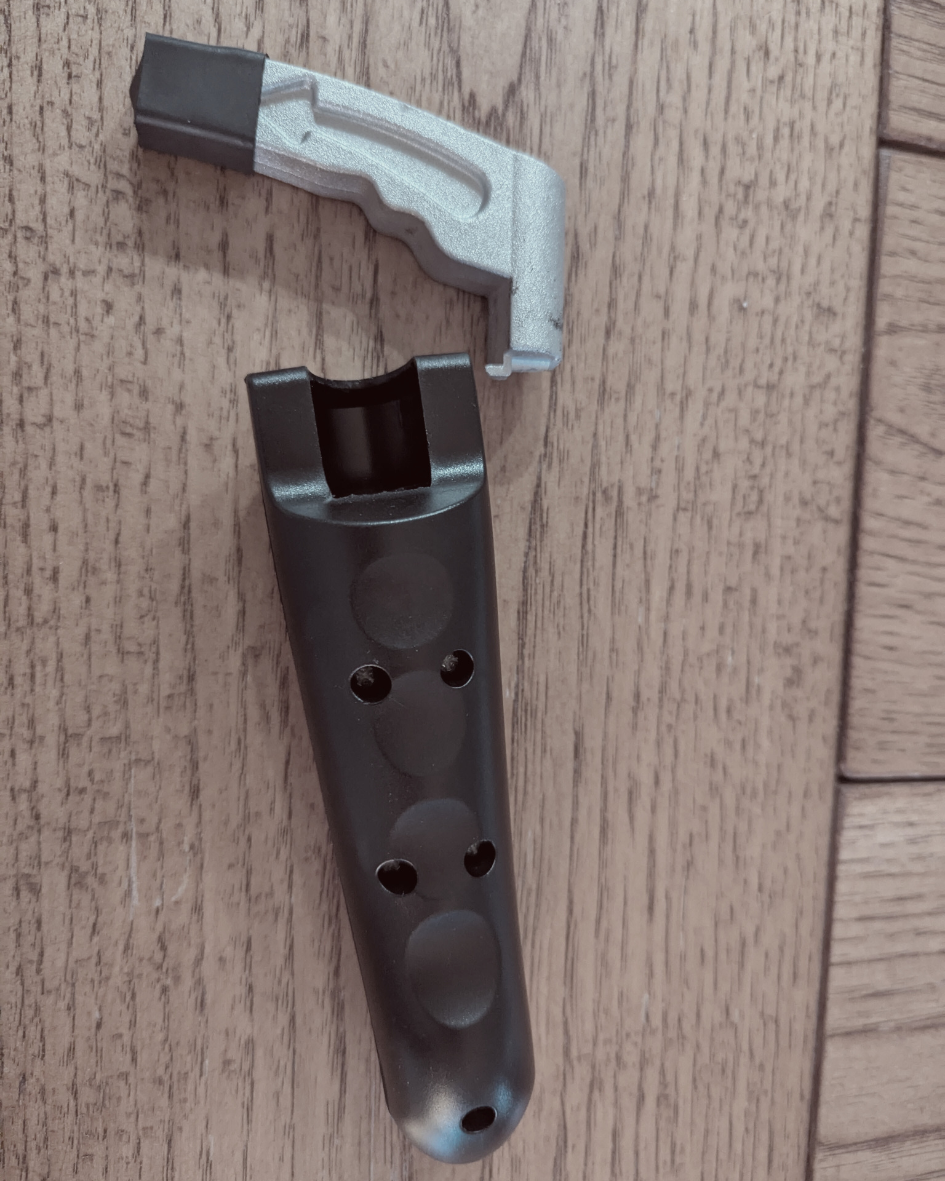
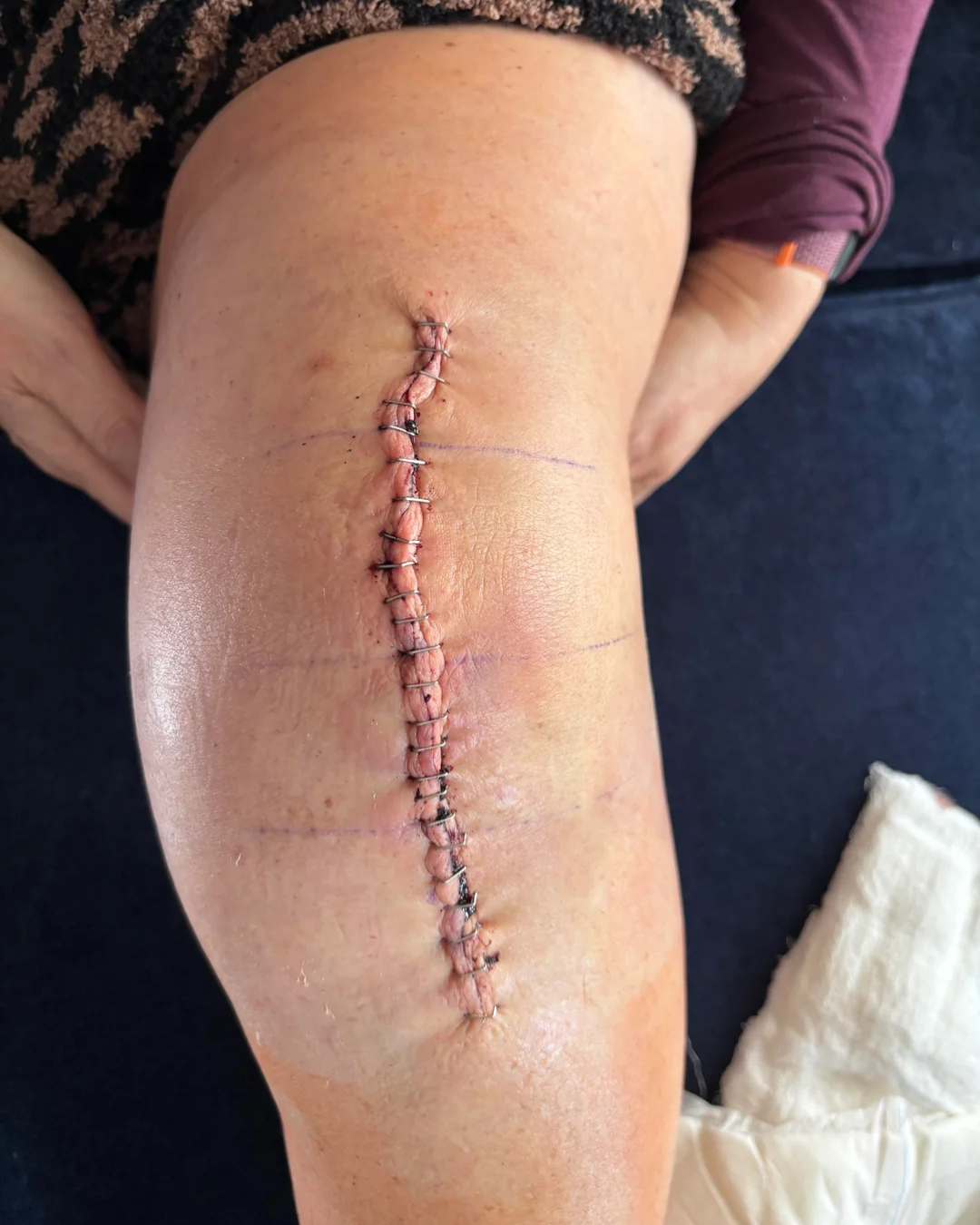
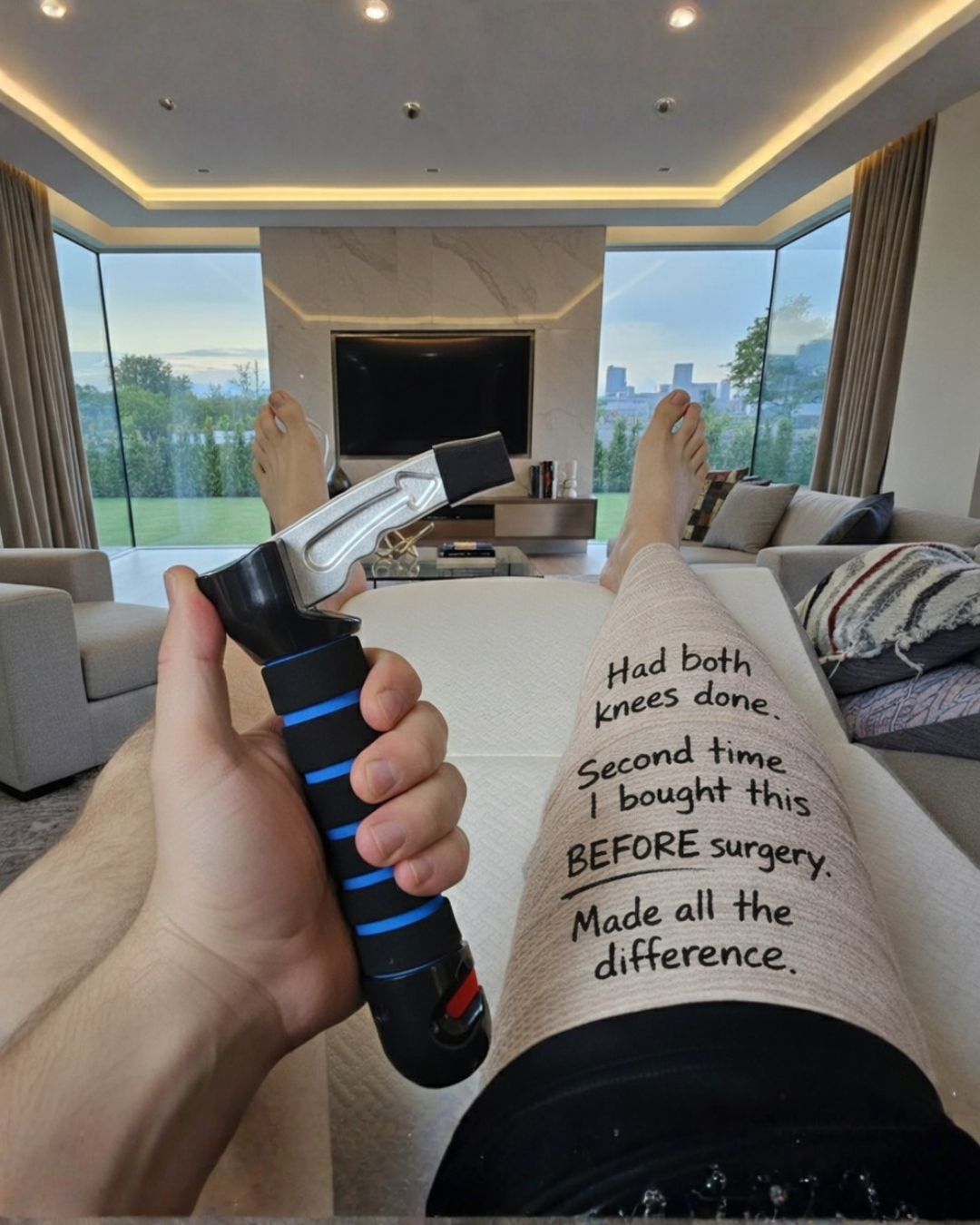
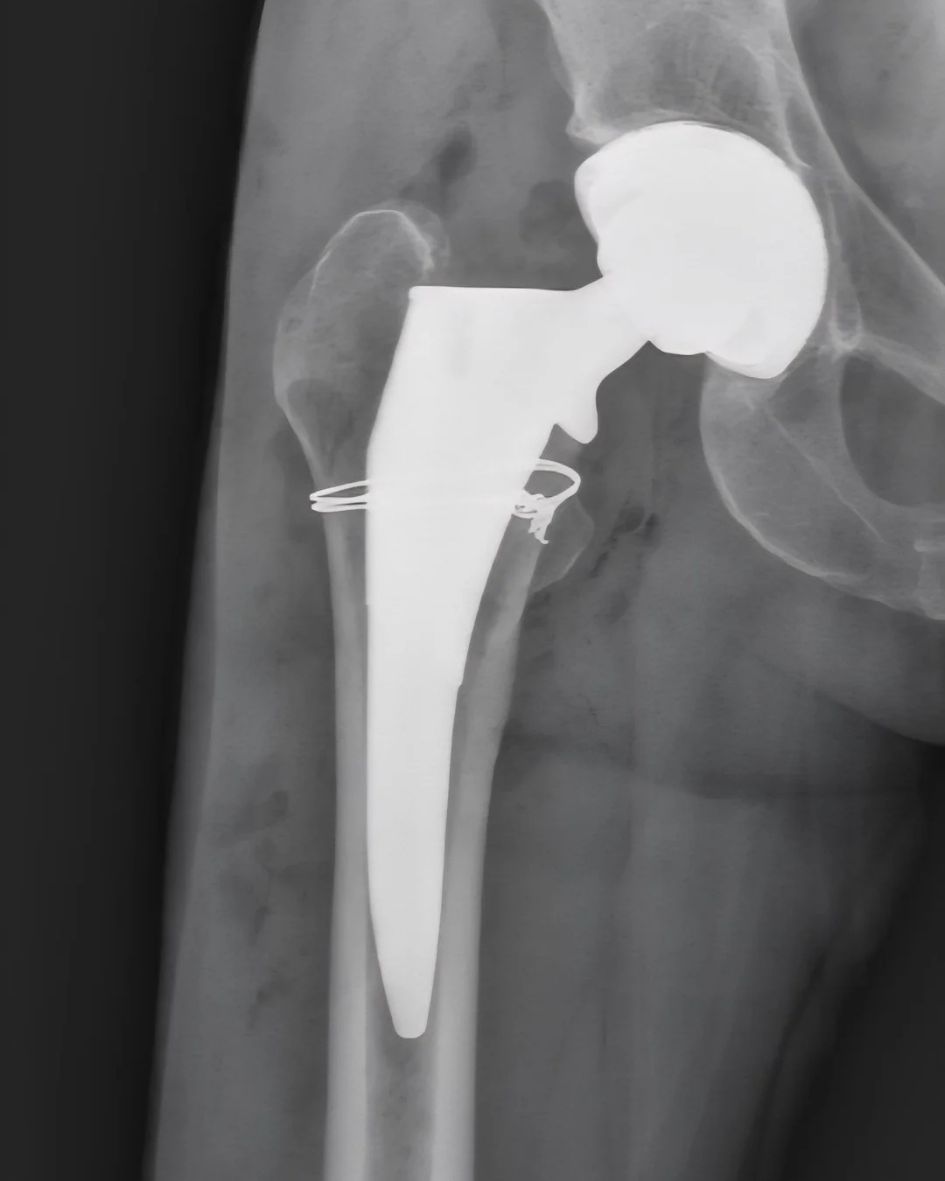
Every hip replacement recovery guide lists the walker, the ice machine, the shower chair. Not one mentions the handle that determines whether your incision closes in three weeks or six. I'm 63. I spent 30 years as an orthopedic physical therapist, rehabbing hip and knee patients twice a week, every week. On my feet all day, hands on people, lifting them through transfers. My knees paid for every year of it — but so did my left hip. When it finally gave out — bone on bone — my surgeon said it was one of the worst she'd seen. Looked like gravel in there when she opened it up. I had three weeks before surgery. I did what I've done before every recovery I've ever coached a patient through: I built the list. Walker — ordered. Shower chair — ordered. Ice compression unit — ordered. Raised toilet seat — ordered. I wasn't going to be the PT who didn't prepare. Then I posted in one of the hip replacement support groups to make sure I wasn't missing anything. The thread lit up within hours. Long-handled grabbers. Slip-on shoes you can put on without bending. A firm seat cushion to keep the hip angle safe. And handles — everyone kept coming back to handles. That word reminded me of something every PT knows but doesn't always say out loud. The one thing every hip replacement patient has to manage, from day one, is the 90-degree rule. No bending the hip past 90 degrees. No twisting. No crossing the legs. Your new joint will do exactly what it was designed to do — until the moment you violate those angles. And then it can dislocate. That's not a metaphor. I've been in the room when it happens. Getting in and out of a car is where most people break that rule without knowing it. Here's the part that stings. I've rehabbed hundreds of joint replacement patients in my career. I knew the protocols by heart. And it wasn't until I was sitting in that support group, reading someone else's thread, that I understood what I'd been missing. Someone wrote: "Have help. Have a lift chair. Have good walkers. Ice machine. Shower chair with handles. Handles are your friends." Handles are your friends. I had the walker. I had the ice machine. I did not have a proper handle for the car. I'd drilled hip precautions into patients twice a week for decades. And somewhere in the gap between "avoid bending past 90 degrees" and "attend twice-weekly PT," nobody had ever made it concrete: every time you grab a car door frame and haul yourself in or out, you are rotating your hip at exactly the angle it's not supposed to rotate. You do it on every PT trip. Every errand run. Every time someone drives you anywhere. The people who don't manage this well are the ones still swollen at week eight. Still wondering why their progress feels like two steps forward, one step back. My surgeon confirmed it at my pre-op appointment. "The car transfers are where my hip patients undo three weeks of good recovery in a single week. If you don't have a proper handle — a solid one, not one of those cheap ones that flex the second you put weight on them — you're not actually resting the joint between PT sessions. You're re-injuring it with a slightly different motion." Then she said the part that landed hard for a PT. "Every extra day that wound stays open is another vector. With an artificial joint, there's no blood supply. No antibodies on site. If something gets in, we're not talking about wound care. We're talking about wash-outs. PICC lines. Six weeks of IV antibiotics." She didn't have to finish that thought. I've rehabbed those patients. I've been in the room when the surgeon explains what comes next after an infected joint replacement. Once was enough to see it. "So what goes on the list?" "A proper handle for the car door latch. One that slots into the latch itself — doesn't flex, doesn't shift, gives you a direct vertical pull. That's what keeps the hip angle safe on every transfer." That night I went back to the support group and searched specifically for what people actually used. One name kept coming up, over and over: the Piventra. Post after post — people who'd bought cheaper handles that wobbled and replaced them with this one. People whose PTs had recommended it. "The only one that didn't move." "My surgeon told me to get this before I came home." "Life saver." I was skeptical. I'd bought one of those $15 handles for my mother years ago and it wobbled so badly she refused to touch it. But I'm a PT. I read everything. The difference turned out to be the construction — solid forged aluminum all the way through the handle, not a metal tip stuck on a plastic grip. Rated to 400 pounds. Which matters more than it sounds, because when you're pulling yourself up out of a low car seat with a replaced hip, you're putting close to that kind of force through your arms. I checked that twice. I ordered it. It was in my car two weeks before surgery. First time I used it, I understood immediately. Heavy. Solid. Zero give when I pulled on it. I could bring myself straight up — no twist, no moment where the hip angle got away from me. I used it for every car trip before surgery. Then religiously after. Week three post-op, my incision was clean and closed. No warm edges. No checking borders with a pen every morning the way I'd coached a hundred patients to do. I just wasn't standing guard. Week four, my PT asked what I was doing differently — my range of motion was ahead of where she expected. I showed her the handle. "That explains it. You're not undoing my work twice a week on the drive here." Week six, I was walking without a limp. Week eight, cleared for normal activity. The hip replacement community does something the knee replacement community does too — they maintain the list together. What worked, what didn't, what nobody told you before you went in. The Piventra is on that list now. Has been for a while. I just hadn't found it until I became the patient instead of the therapist. My wife started using it for her car — her hip has been grinding for two years, hasn't committed to surgery yet, but says getting out of the car in the morning is half the production it used to be. And a buddy from the clinic has his hip scheduled for September. He asked me what he should order. The Piventra went on the list before the ice machine did. If you've got a hip replacement coming up... or you're in that stretch where the swelling won't quit and everyone keeps telling you you're progressing normally... look at the list. Check what's missing. The walker. The shower chair. The ice machine. And the handle for the car door latch — the one thing that makes the 90-degree rule survivable every time someone drives you to PT. This handle won't fix your hip. Surgery does that. But it keeps you from violating the angles every time you get in or out of a car — and the sooner that incision closes and stays closed, the sooner you stop standing guard over it. There's a money-back guarantee, so you can send it back if it doesn't help. I don't think you will. I'll put the link below 👇
Like this ad? Make it yours.
Crush rebuilds this exact creative around your product — your brand, your colors, your offer — in about a minute.