
Active· since May 5, 2026
- 131
- days running
- 0
- relaunches
Ad copy
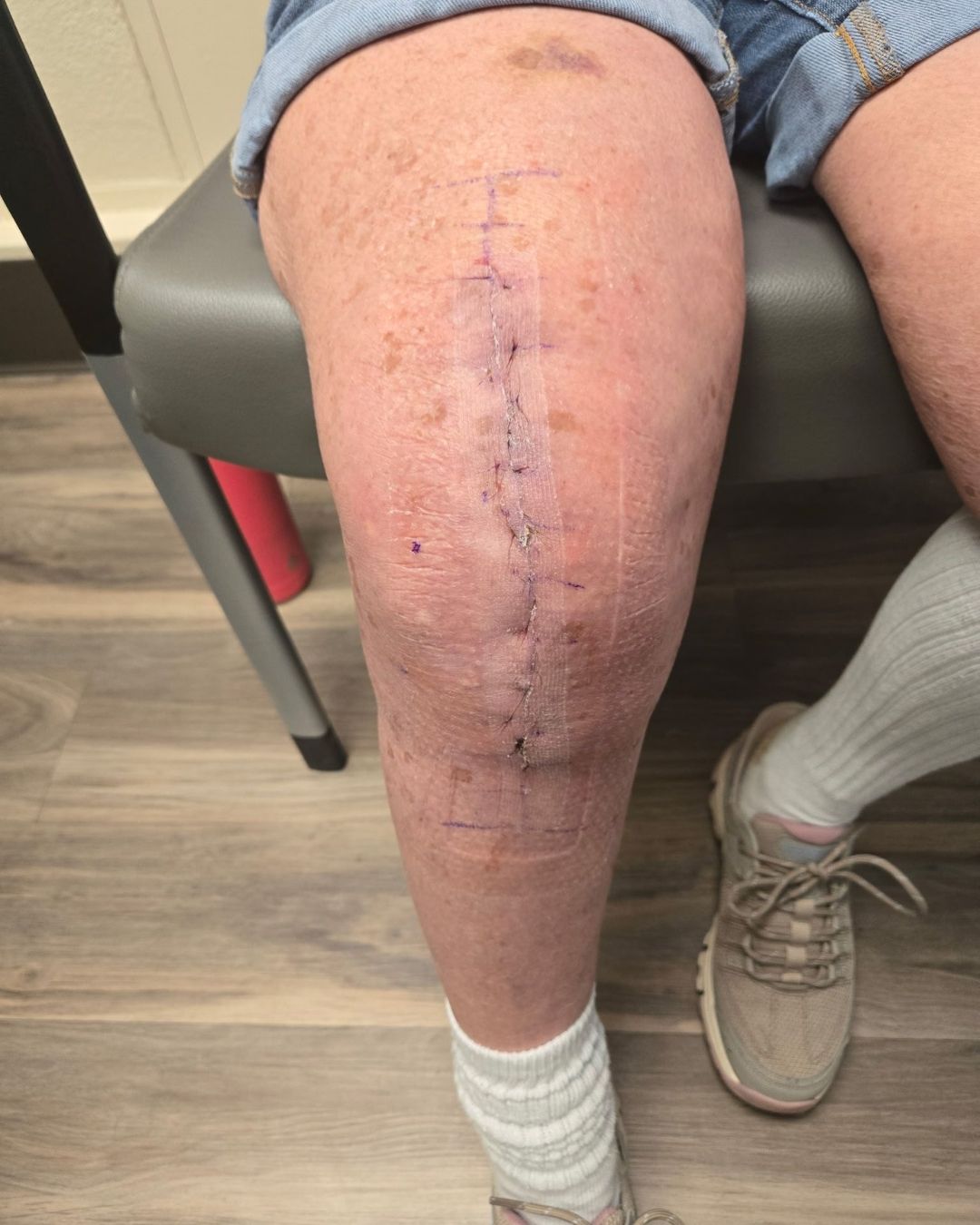
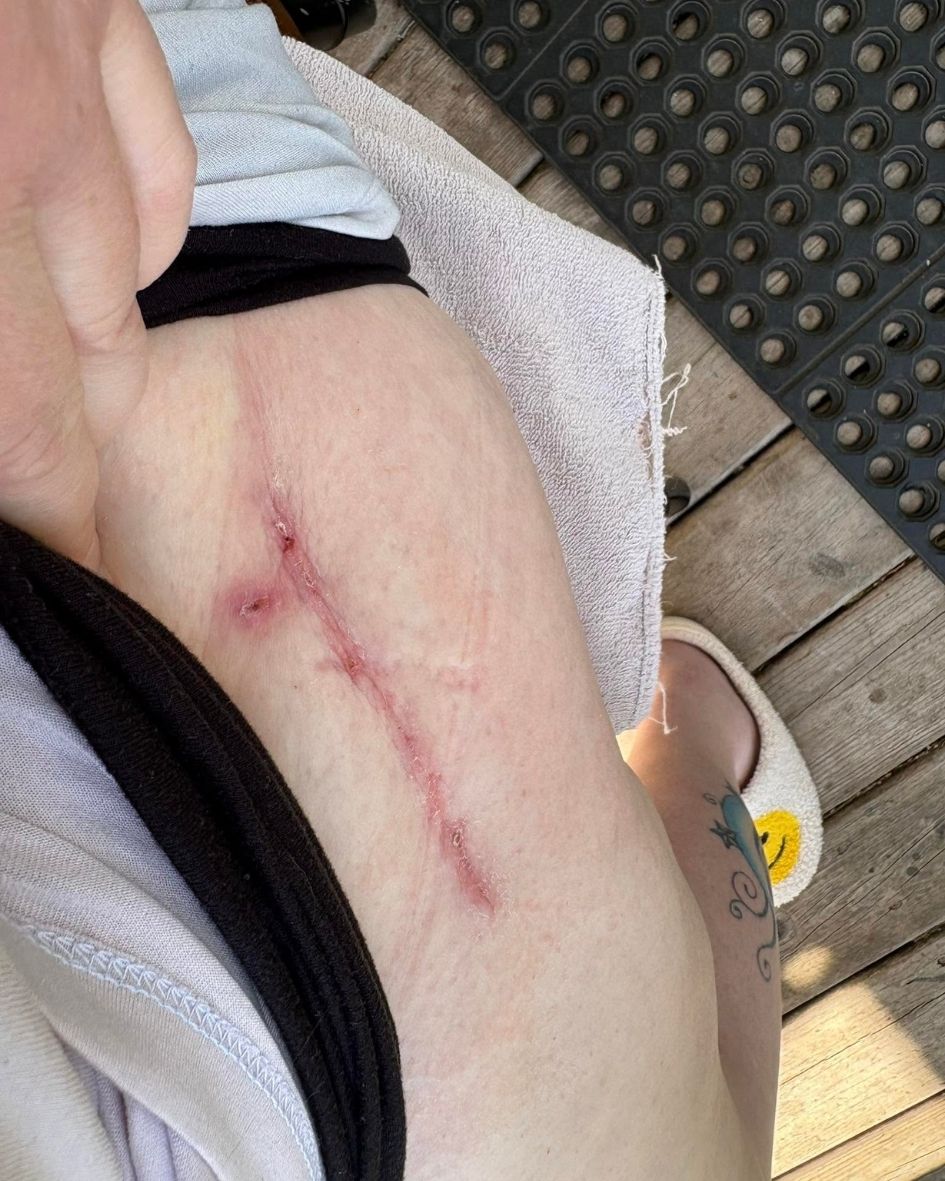
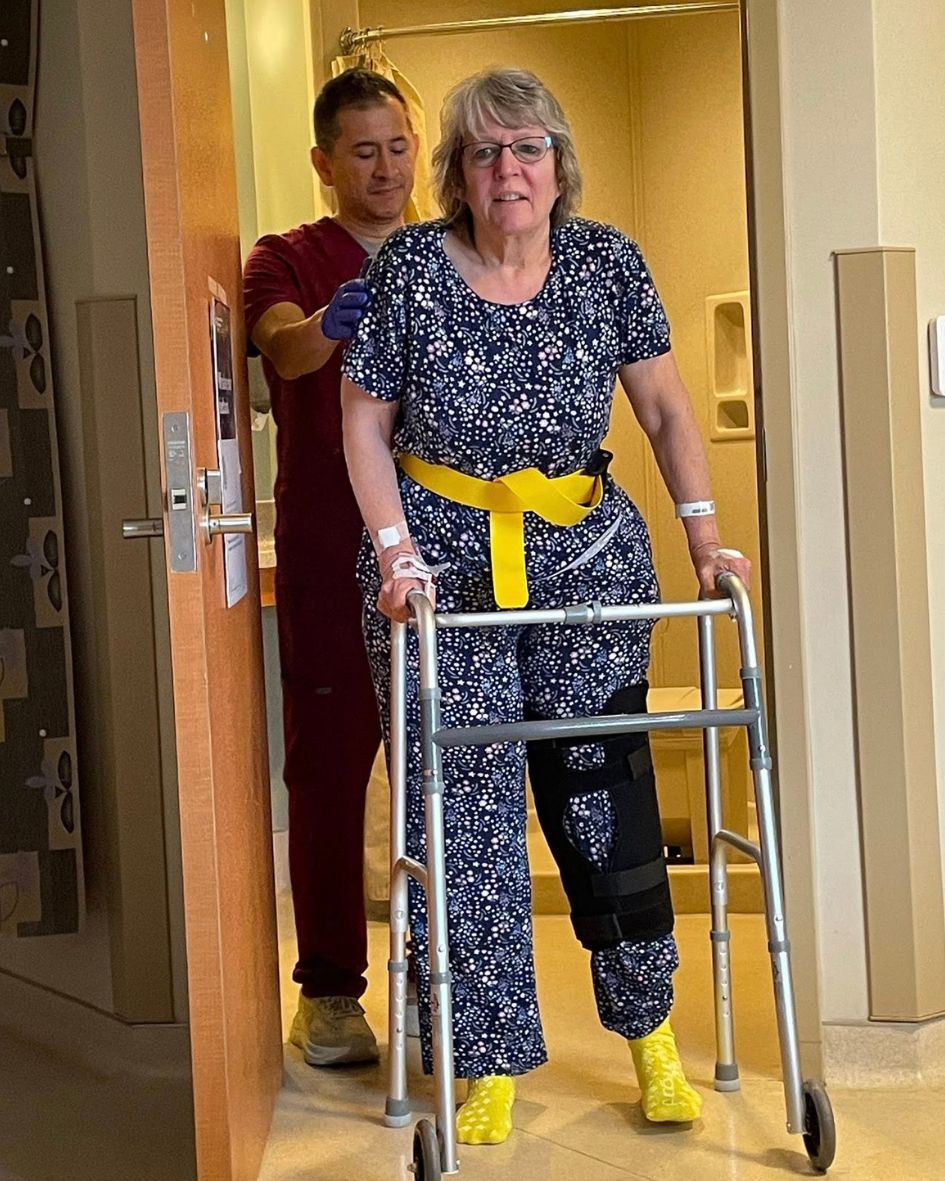
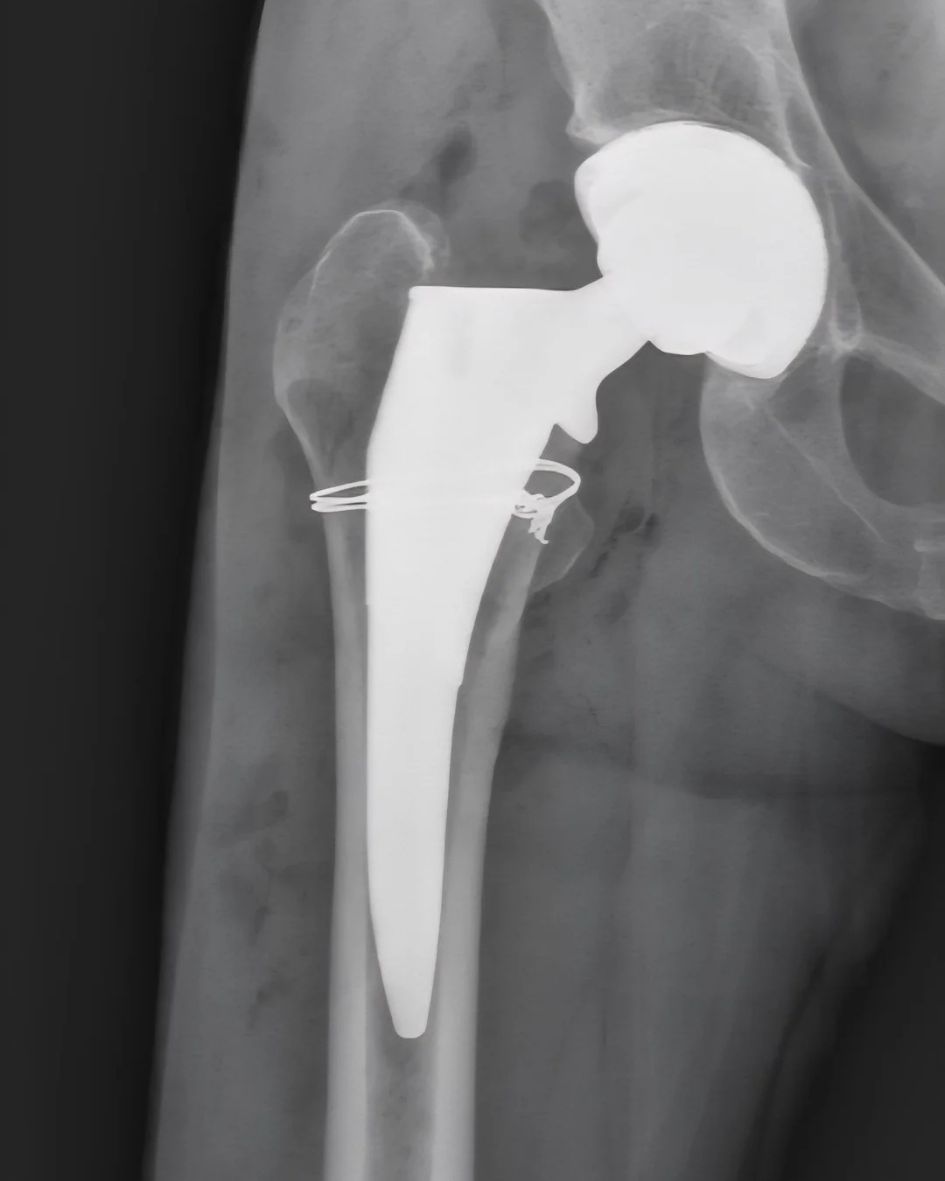
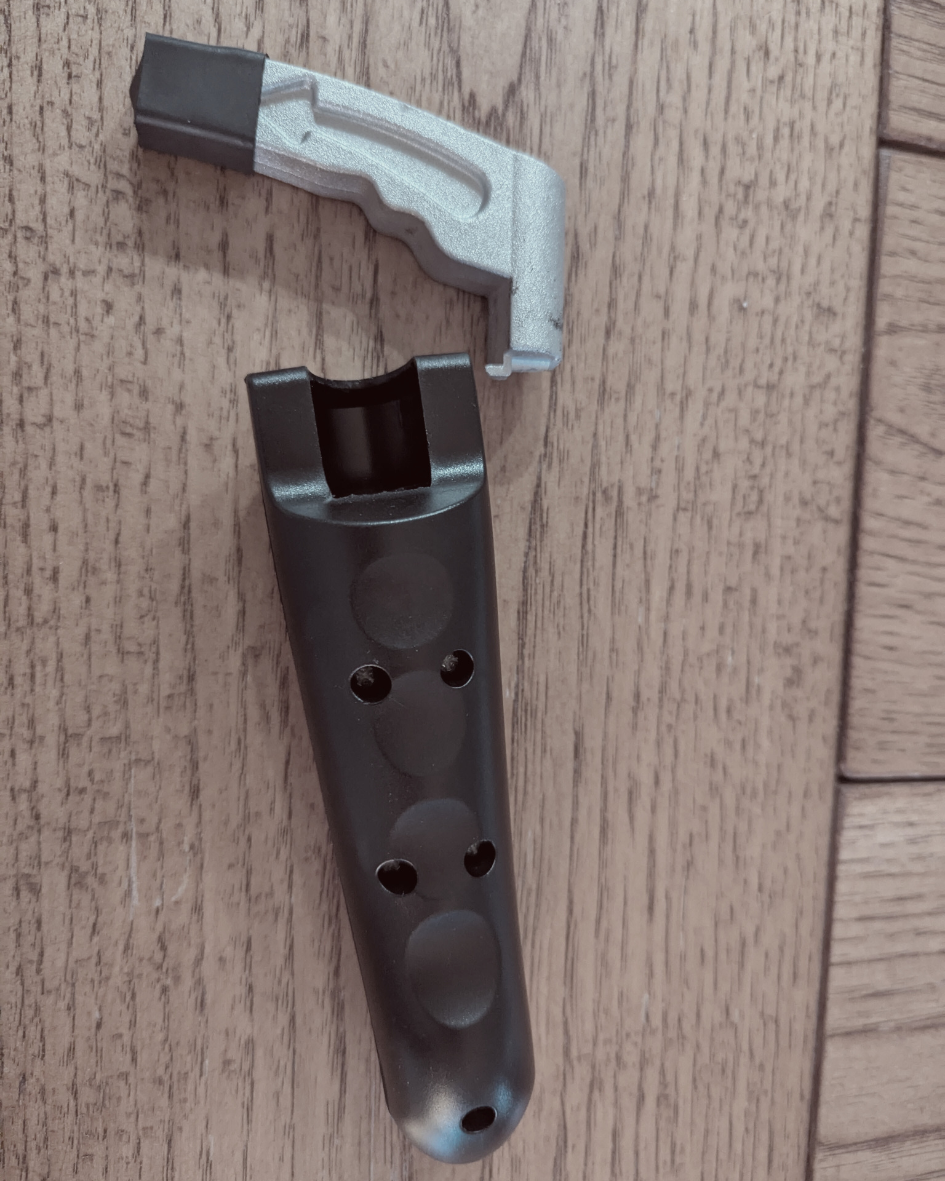
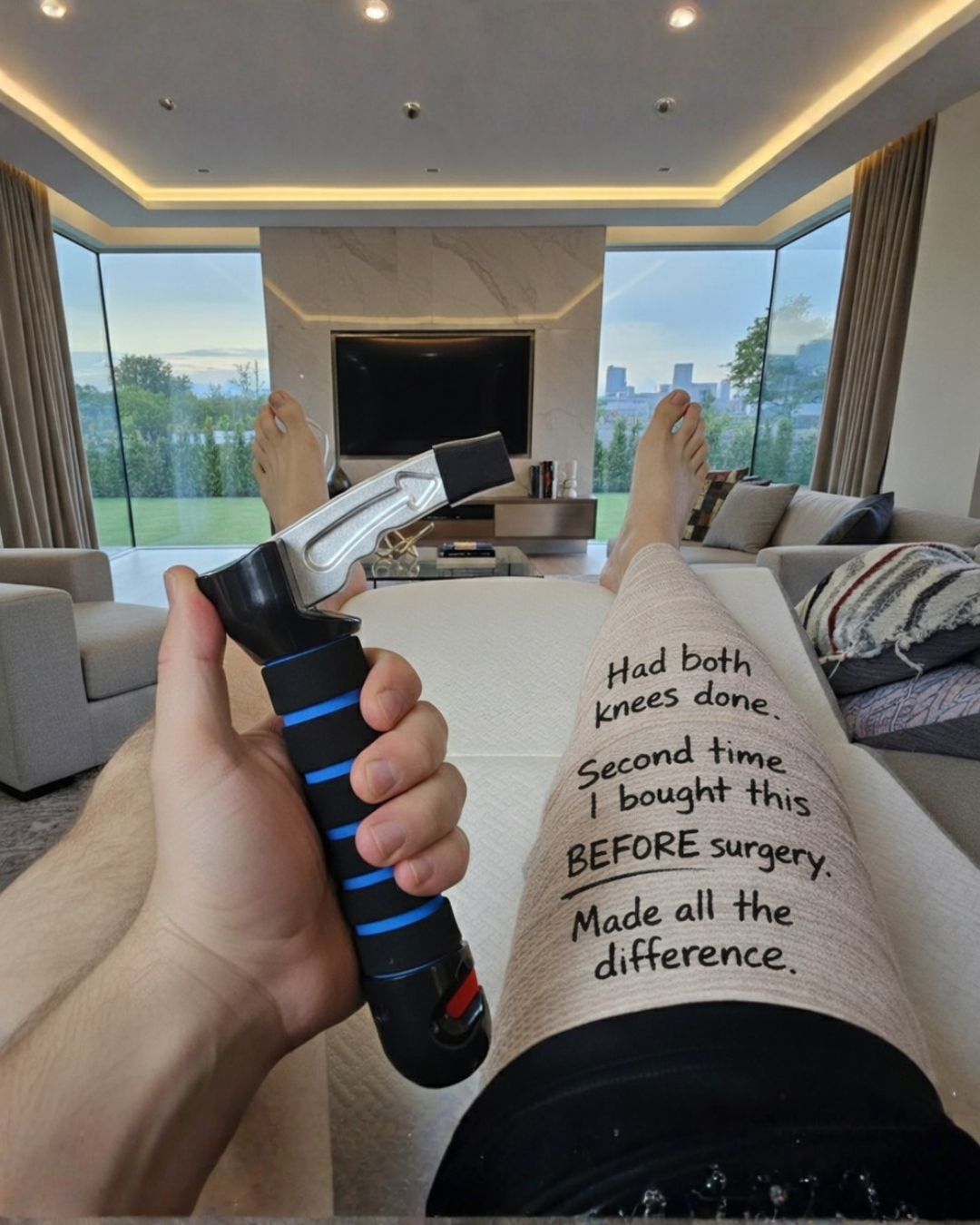
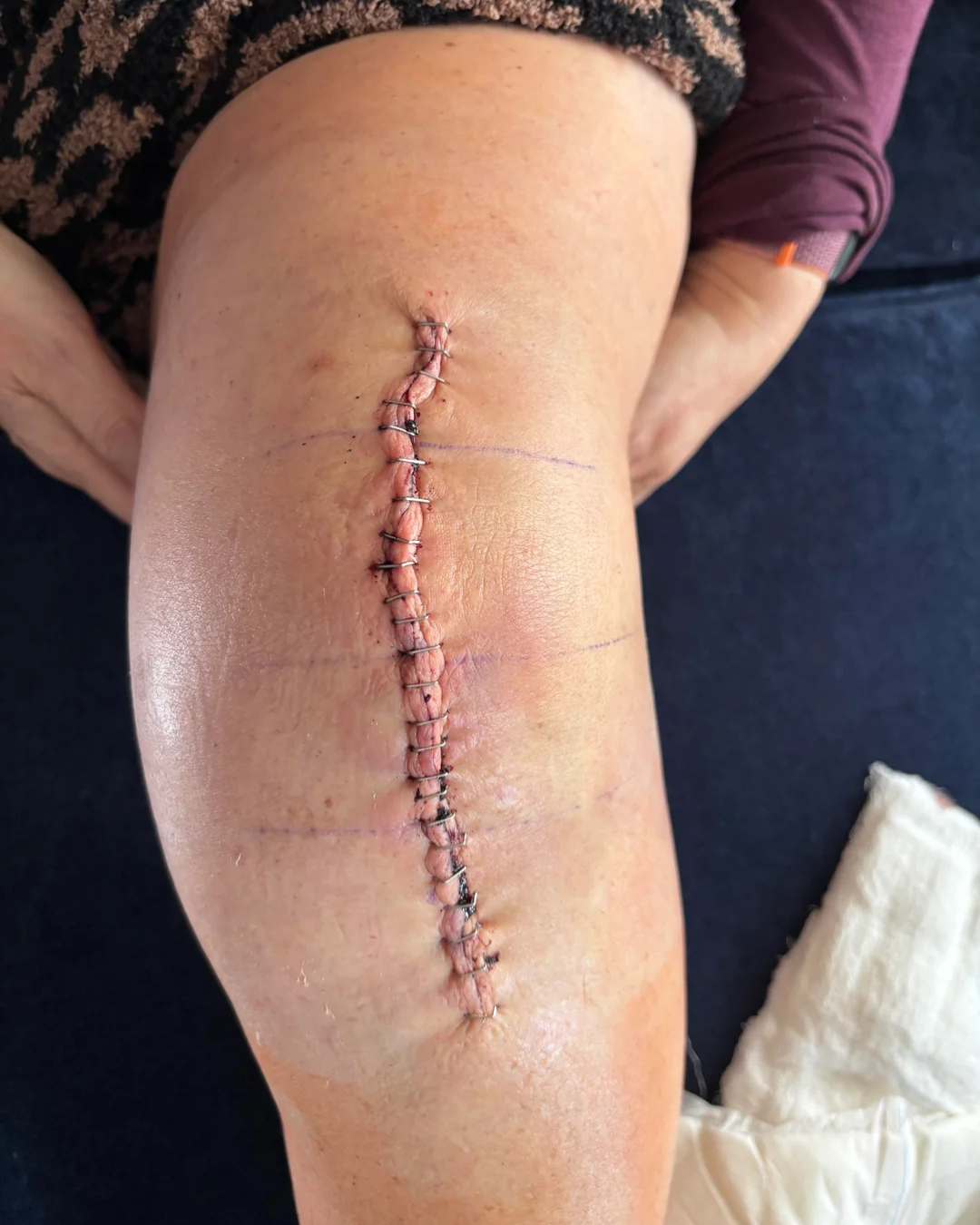
My first knee replacement took twelve weeks to feel normal. My second knee replacement took six weeks. Same surgeon. Same procedure. Same physical therapy protocol. The only difference? I stopped sabotaging my own recovery twice a week. And I'm still mad nobody told me this before my first surgery. I'm 63. Spent 30 years as a floor nurse on 12-hour shifts. When my right knee finally gave out—bone-on-bone arthritis—my surgeon said it was one of the worst she'd seen. Recovery was brutal. By week six I was still limping. Still waking up at 2am, 3am in pain. My PT kept saying "you're progressing normally," but normal felt terrible. Took twelve weeks before I felt like myself again. My surgeon said that's standard. Three years later, my left knee got to the same point. Time for replacement number two. I was dreading another twelve-week recovery. But at my pre-op appointment, something changed. My surgeon asked how the car transfers went during my first recovery. "Fine, I guess? I'd just grab the door frame and pull myself up." She winced. "That's probably why your first recovery took so long. You were re-injuring the surgical site every car trip. Twice a week for PT, plus errands... you were traumatizing healing tissue 8-10 times a week for three months." I just stared at her. Nobody had ever mentioned this. "Every time you grab the door frame and twist your body to get out, you're rotating the knee at exactly the angle you're not supposed to. Most people do it because they don't know any better. Then they wonder why recovery takes twelve weeks instead of six." "So what do I do differently?" "You need a proper car door handle. Not those cheap ones that bend when you pull on them. The Piventra. It's the only one I recommend to my knee patients because it's actually engineered. Solid aircraft-grade aluminum. Doesn't flex under load." "The cheap ones flex?" "They flex, which makes you instinctively twist to compensate. That compensatory twisting is what destroys your recovery timeline. My patients who use the Piventra from day one? They're walking without a limp by week six. The ones who don't? Twelve weeks, like you experienced." That got my attention. I ordered it that night. Got it two days later. The difference was obvious immediately. Heavy. Solid. When I pulled on it, zero give. I could commit my full weight without any flex. Started using it for every car trip leading up to surgery. Then religiously after. Here's what happened. Week three post-op, my PT asked what I was doing differently. My range of motion was already better than she expected. I showed her the handle. "That explains it," she said. "You're not undoing my work twice a week on the drive here." Week six, I was walking without a limp. My surgeon was surprised at my follow-up. Week eight, I was cleared for normal activity. Twelve weeks the first time. Six weeks the second time. Same body—actually an OLDER body. The only variable was not sabotaging myself 8-10 times a week with bad car transfers. I'll never know for sure if my first recovery would've been six weeks with the handle. But I'm convinced it would have been. The difference between the Piventra and those cheap ones isn't just quality—it's your recovery timeline. When a handle flexes, you compensate. When you compensate, you delay healing. This one doesn't flex. That's the whole point. If you're facing knee replacement, don't make the mistake I made. Don't spend twelve weeks in pain because you're re-injuring yourself twice a week with the wrong tool. Get the one that's actually engineered. Not the one that bends and makes you twist anyway. Your recovery timeline matters. The quality of your tools matters. I learned that the expensive way. Check this out 👉 https://piventra.com/products/piventra-car-door-handle 🙏
Like this ad? Make it yours.
Crush rebuilds this exact creative around your product — your brand, your colors, your offer — in about a minute.