
Active· since Jun 9, 2026
- 96
- days running
- 0
- relaunches
Ad copy
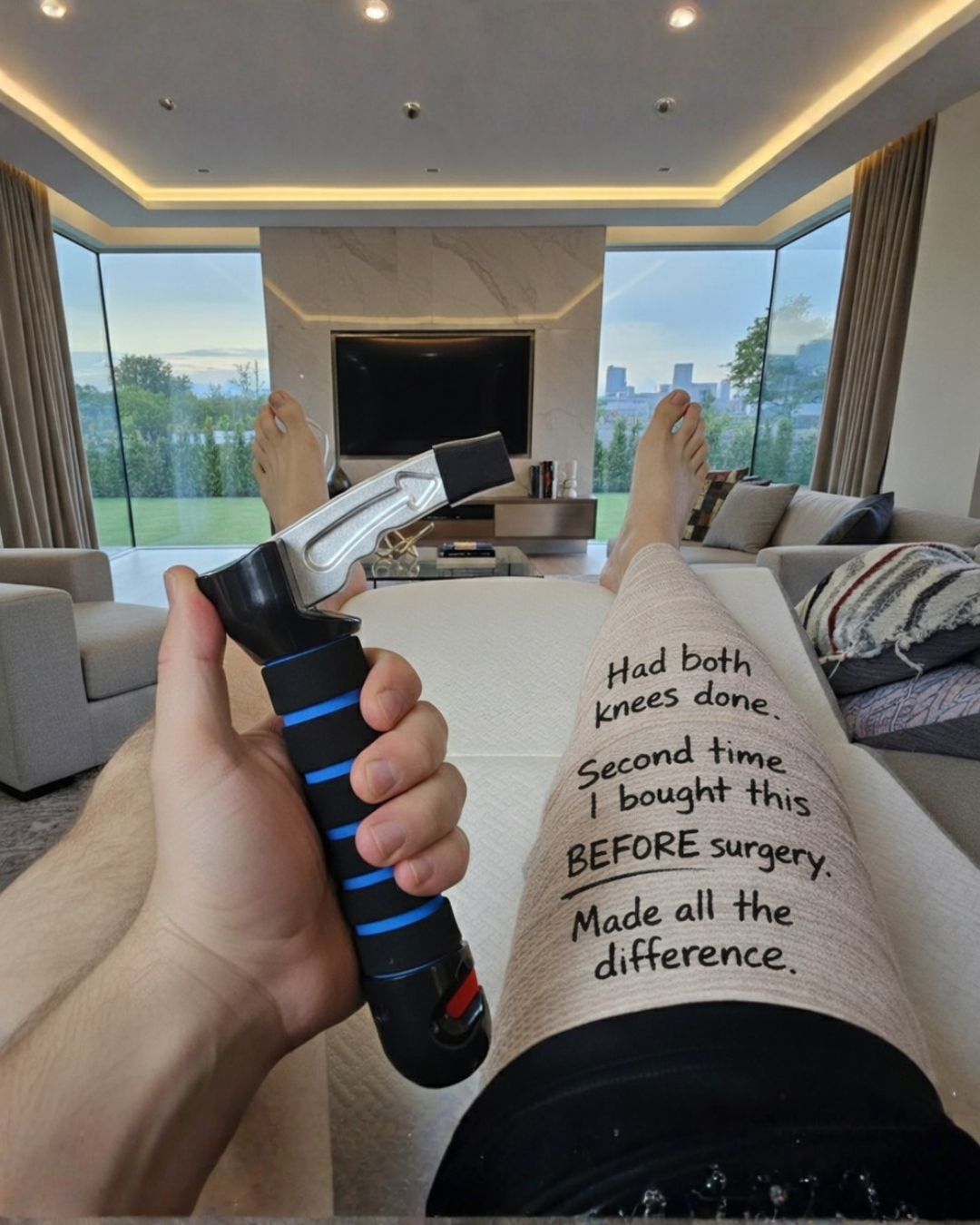
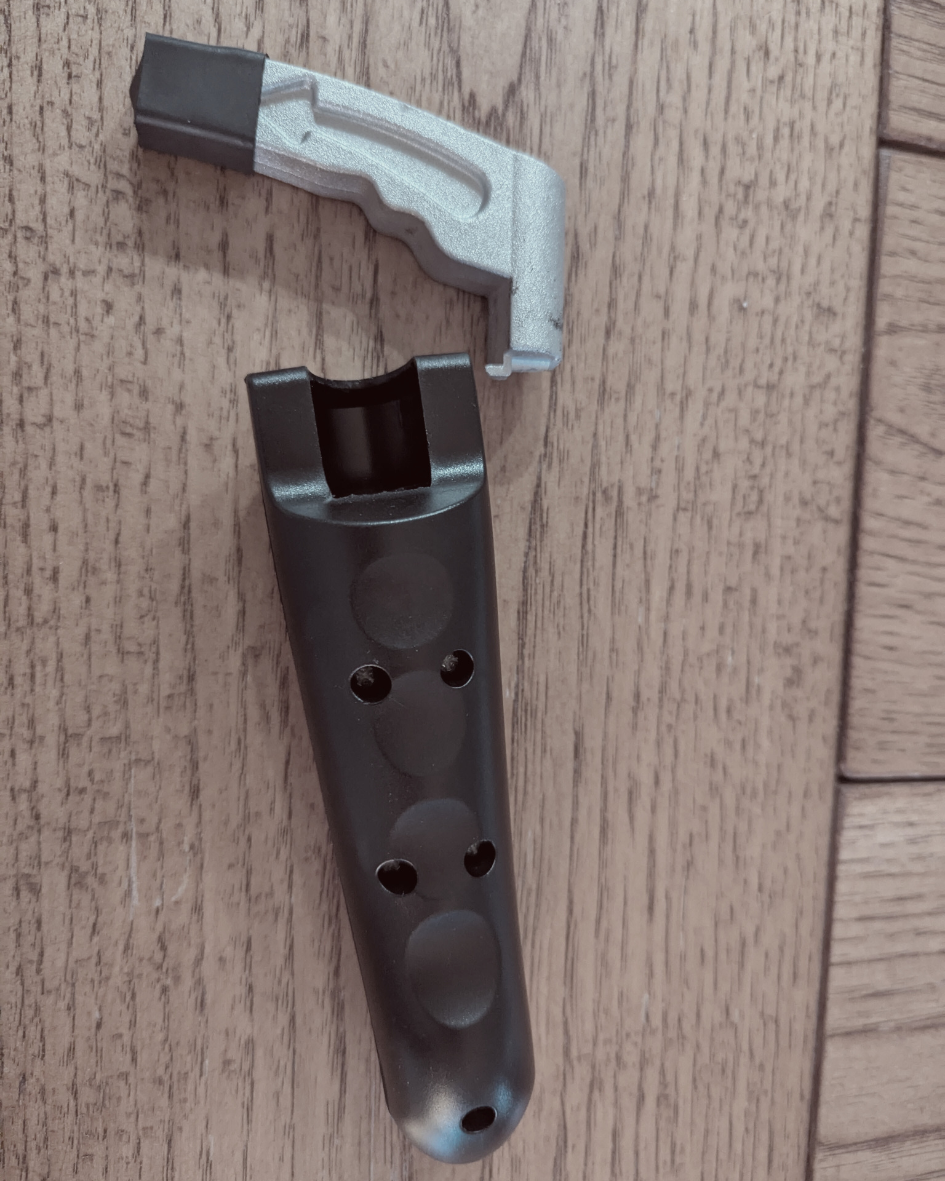
People ask why Piventra costs more than those cheap handles you see everywhere. Here's the answer nobody else will tell you. I'm the lead engineer at Piventra. I've been designing mobility equipment for 18 years. And I'm going to explain exactly what separates a properly engineered handle from a cheap one—and why that difference matters when you're trusting it with your safety. Let's start with materials. Those cheap handles? Stamped steel. It's cut from a sheet and bent into shape. Fast. Cheap. But the metal structure gets weakened at every bend point. When you apply force to it, it flexes. Sometimes it fails completely. We use forged aircraft-grade aluminum. Forged aluminum is heated to 900 degrees and compressed under thousands of pounds of pressure into a single solid piece. The molecular structure stays intact. No weak points. No bend zones. Our material cost alone is higher than most cheap handles sell for. But here's where it gets critical: testing. The cheap handles list a weight capacity—usually 200 to 250 pounds. But that's static load. That means a weight hanging there, not moving. That's not how you use a car door handle. When you pull yourself up from a seated position, you're applying dynamic force. A 160-pound person can generate 250 to 300 pounds of force pulling themselves up from a car seat. Sometimes more if you're in pain or struggling. We test every Piventra design to 400 pounds of dynamic force. Not static weight—actual pulling, twisting, real-world force. We built a custom testing rig that simulates thousands of car transfers at different angles, different force levels, different environmental conditions. Each design goes through 10,000 simulated transfers before we consider it for production. The cheap handles? Most never get tested beyond the static weight check. They pass that, they get shipped. Then there's quality control. Every Piventra goes through a 12-point inspection. We check forge integrity, clip mechanism, any micro-fractures or weak points. Our rejection rate is about 8%. If a handle doesn't meet every single specification, it gets scrapped and recycled. That rejected 8% is built into our cost. We're paying to manufacture units we'll never sell because they didn't meet our standards. The cheap handles? Stamped out in seconds, packaged, shipped. Quality control is basically "does it look right?" Here's what that means in practice: When you grab a cheap handle and pull yourself up, there's a meaningful chance it will flex under your weight. When it flexes, your body has to compensate in real-time. You twist. You shift. You grab something else. That compensatory movement is how people get hurt. We've seen the field reports. Bruised hips. Sprained wrists. Worse. Every failure report we've reviewed involved cheap stamped steel or plastic handles. We've never had a structural failure of a Piventra handle in real-world use. Not one. That's not luck. That's engineering. Could we make it cheaper? Absolutely. We could use stamped steel. We could skip the dynamic force testing. We could eliminate the individual quality control. We could ship the rejected units anyway. And we'd be selling you the same thing everyone else is selling—a handle that works fine until the moment it doesn't. We made a decision: we're not going to be the cheapest option. We're going to be the option that actually works when you need it most. When you're tired. When you're in pain. When you're at your most vulnerable. That's when equipment quality matters. The cheap handles were designed by people who understand how to hit a price point. Piventra was designed by people who understand dynamic load, force distribution, and material science. You're not paying for just a handle. You're paying for forged aluminum instead of stamped steel. For 400-pound dynamic testing instead of 200-pound static claims. For quality control that actually controls quality. You're paying for something that won't flex when you pull on it. Won't bend when you need it. Won't fail when it matters most. That's what it actually costs to engineer something properly.
Like this ad? Make it yours.
Crush rebuilds this exact creative around your product — your brand, your colors, your offer — in about a minute.