
Active· since Jun 15, 2026
- 90
- days running
- 1
- relaunches
Ad copy
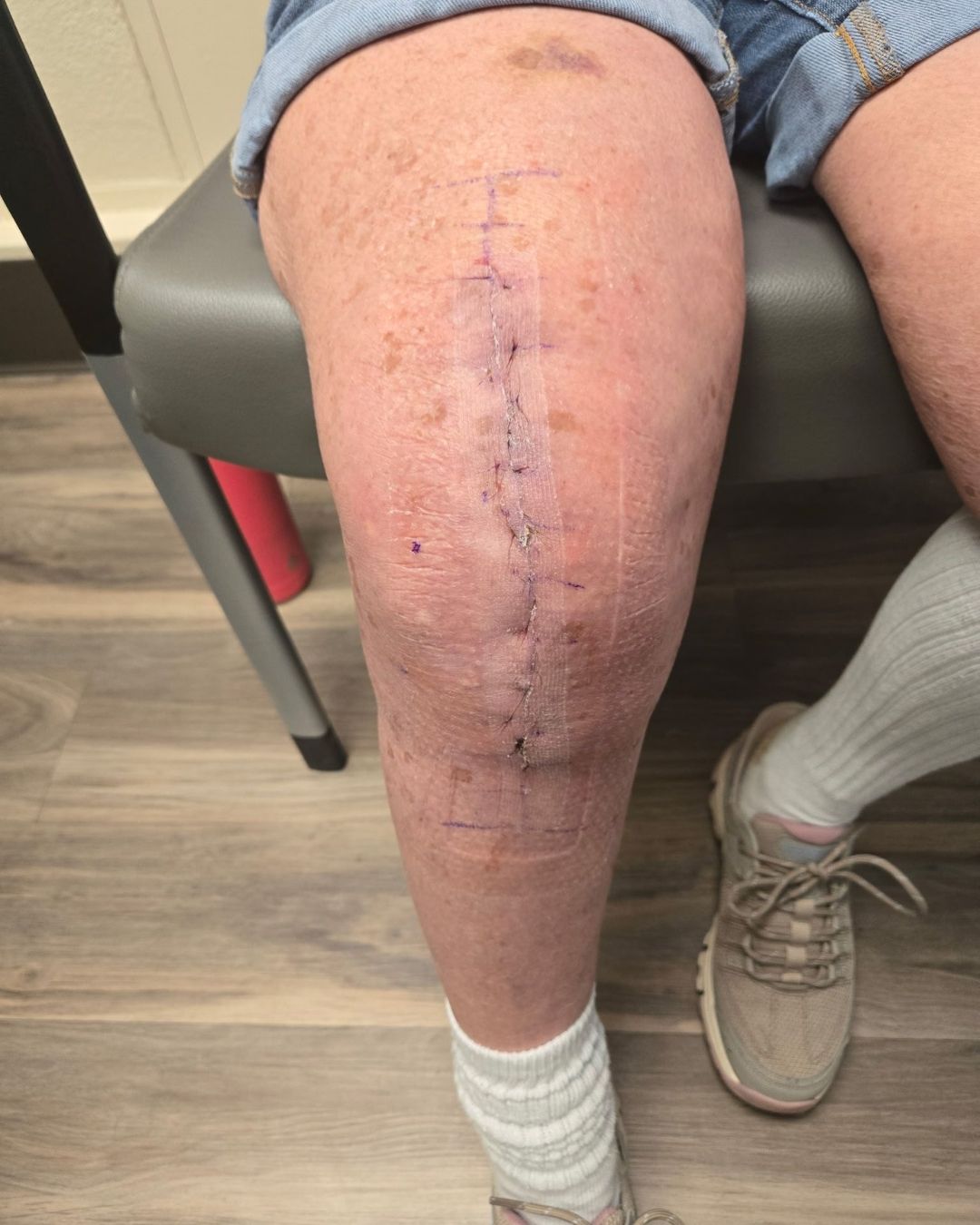
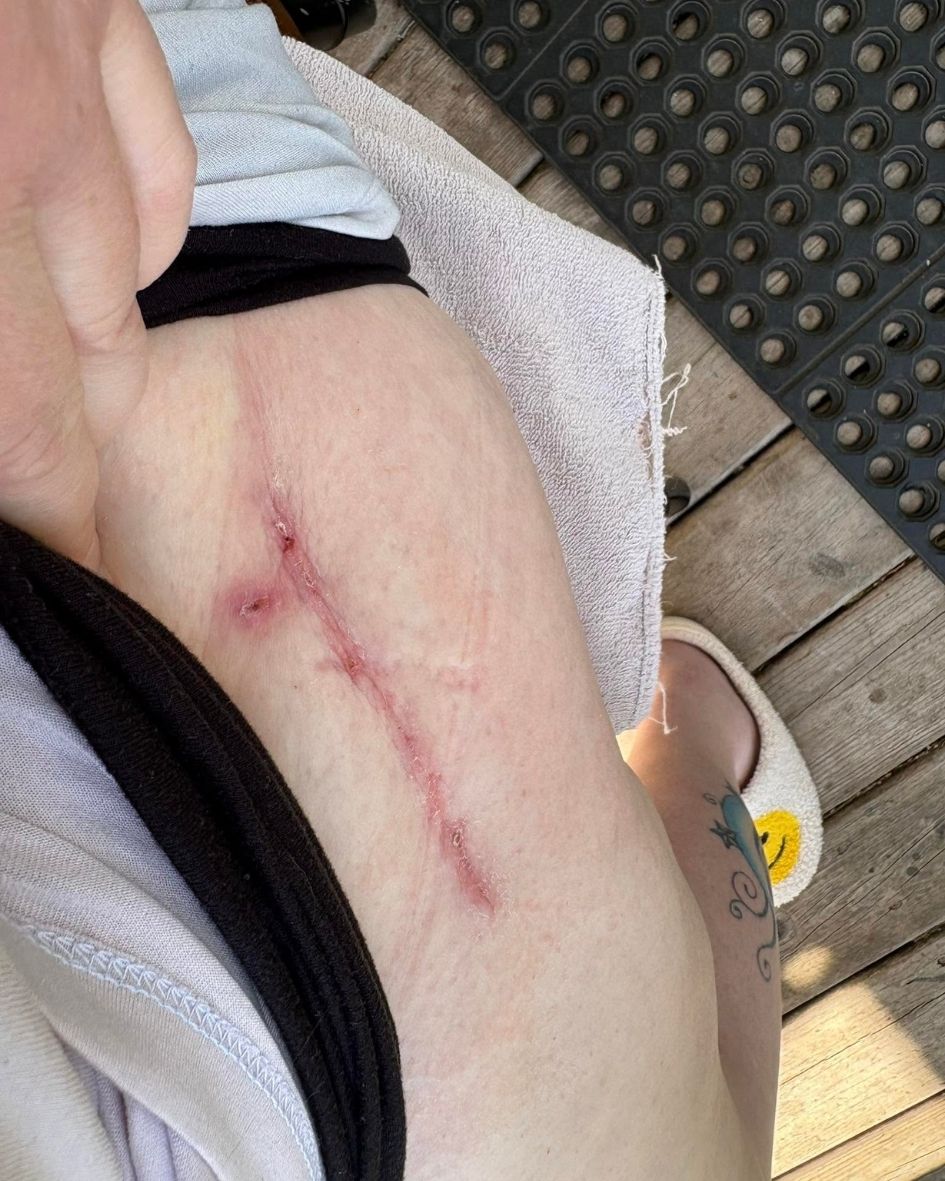
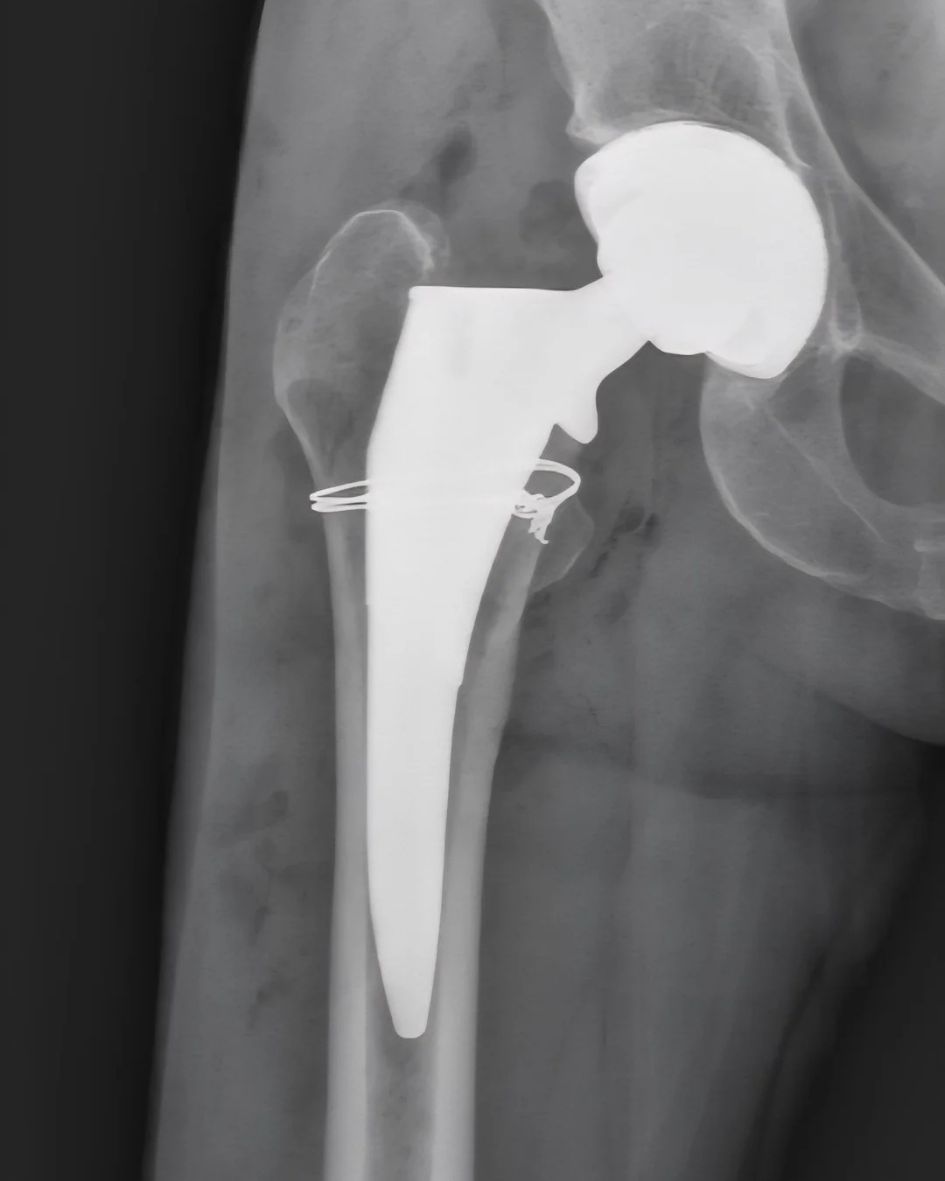
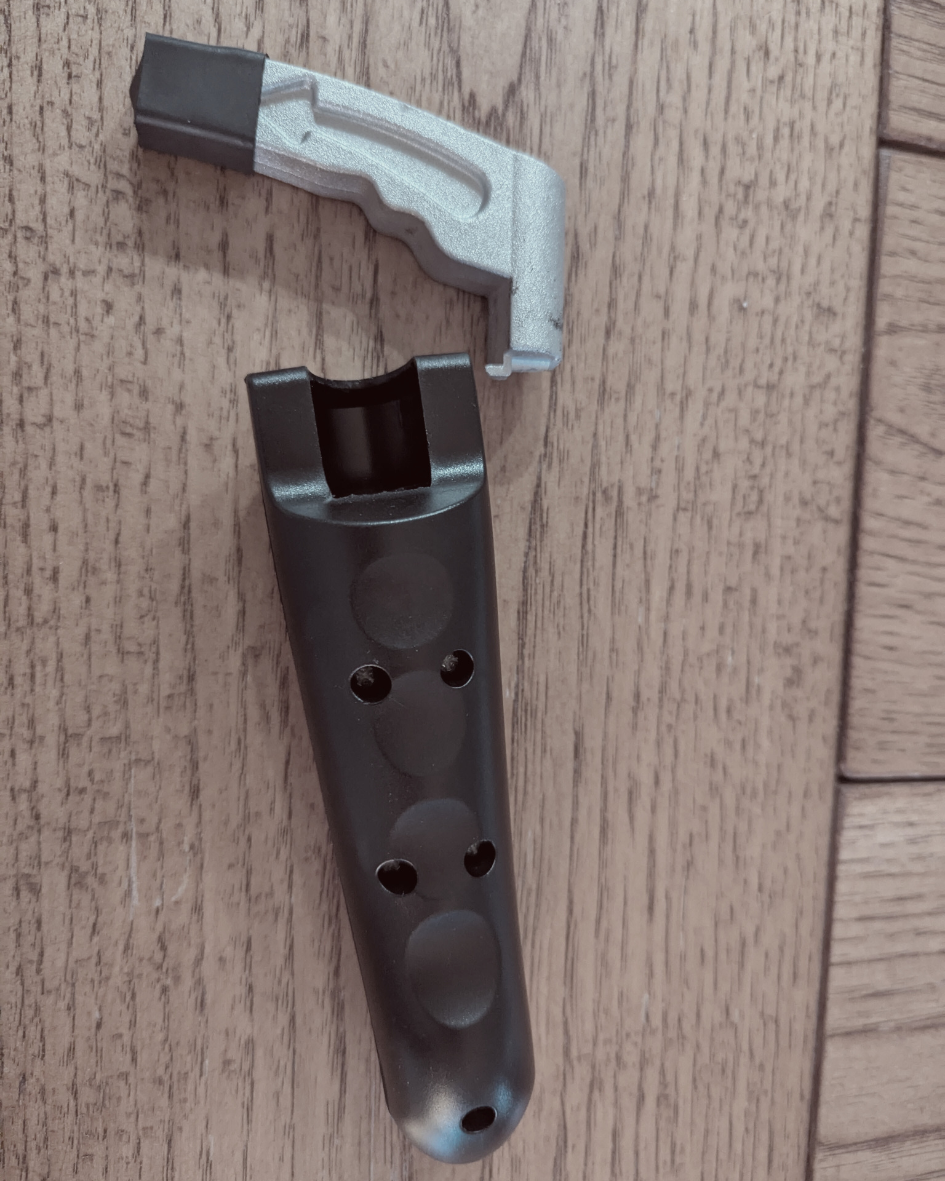
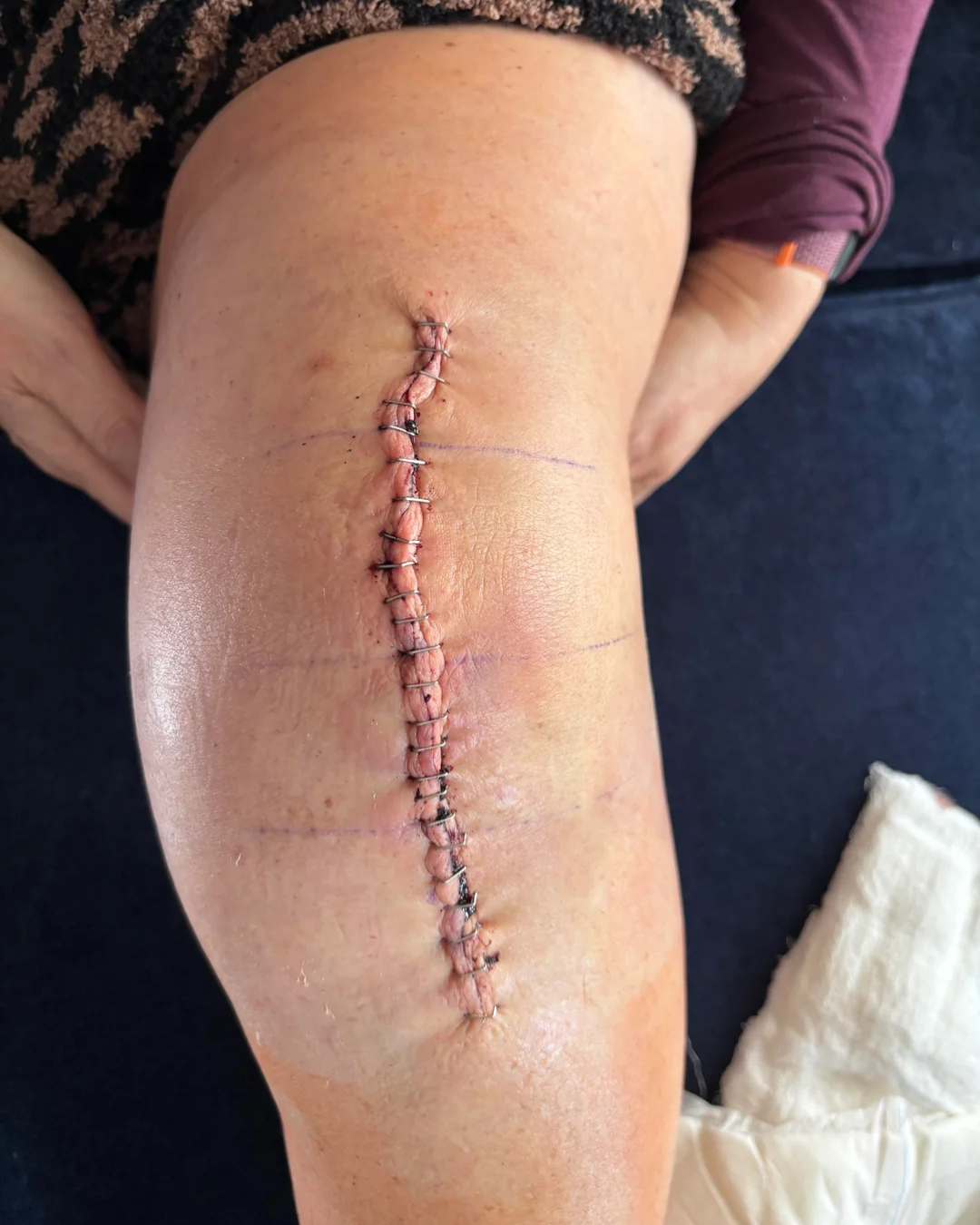
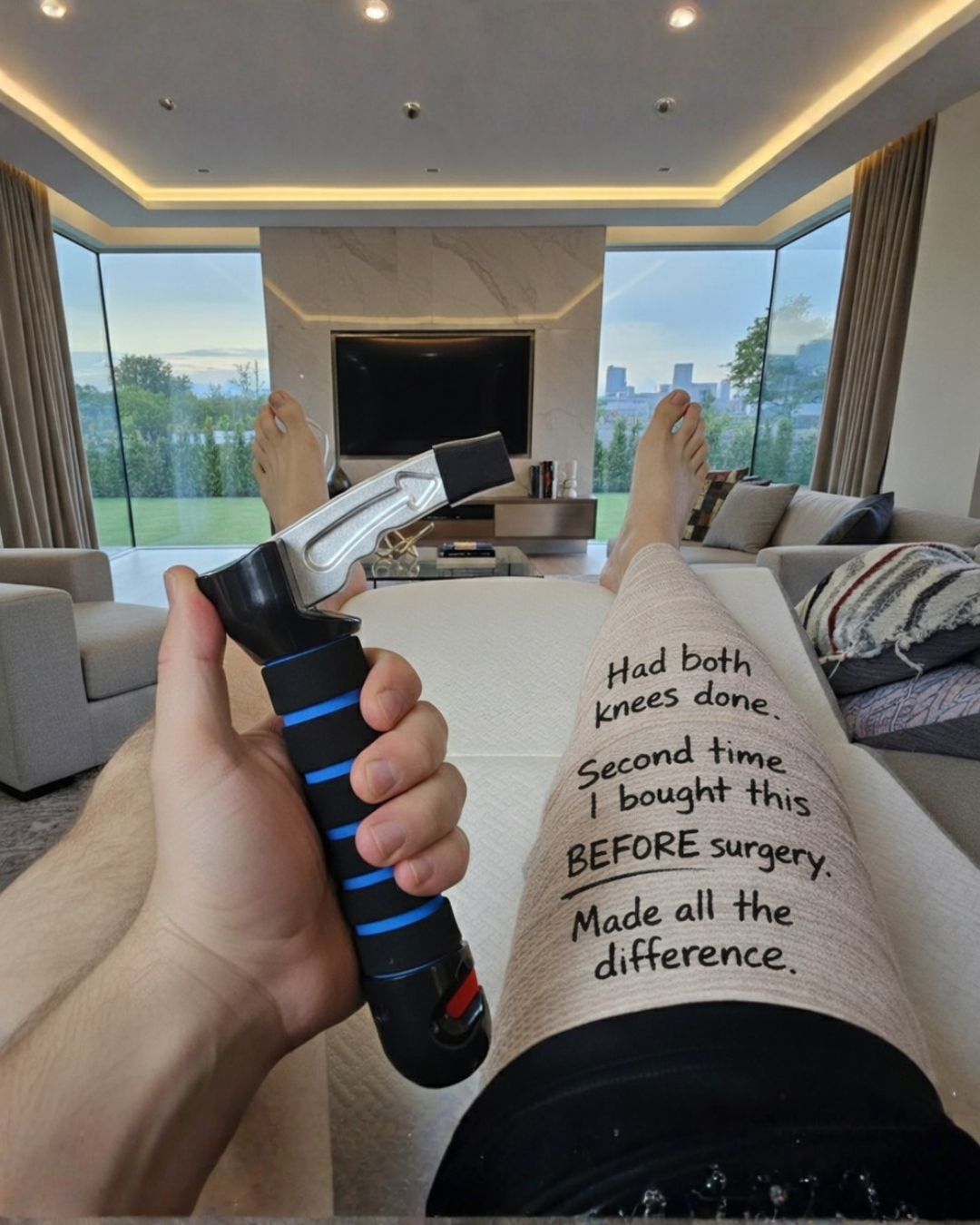
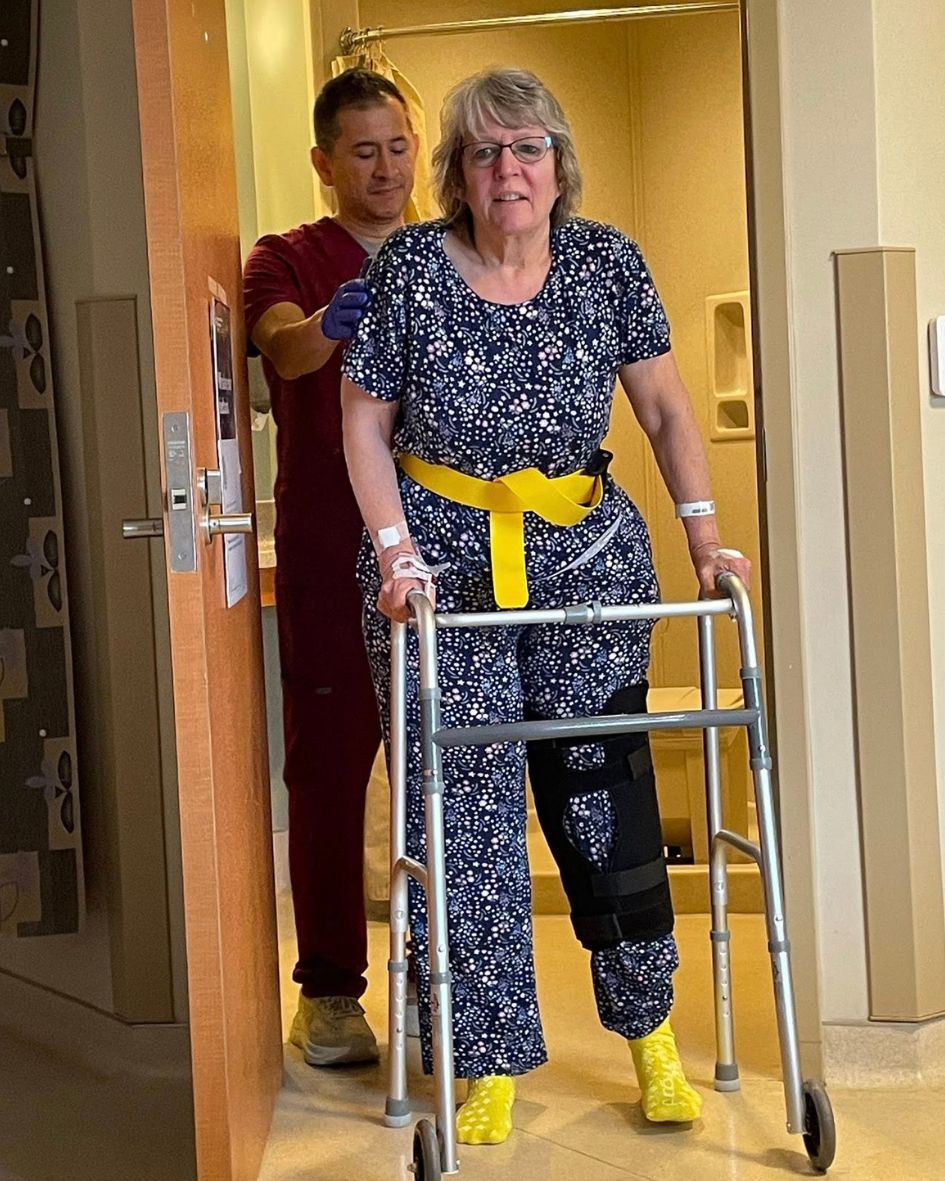
Her knee replacement is scheduled, and her husband's next oncology appointment is Thursday. She asked the internet one question at 11 PM: "How soon can I drive again?" Nobody in that forum gave her a straight answer. There isn't one. It depends on pain, medication, which leg, what kind of car. What they could tell her was: it varies. What they couldn't tell her was what she actually needed to know — that when she was finally cleared, getting in and out of the car without setting herself back was the part nobody prepares you for. My husband was diagnosed two years ago. He can't drive anymore. The medications, the fatigue, the appointments stacked on top of each other. For two years, I have been the one who shows up. The one who gets him there. And I have a surgery I've been postponing, and I finally ran out of reasons to keep postponing it. His Thursday appointment doesn't move. The infusion schedule doesn't check with my recovery timeline. I am the infrastructure this runs on — and the question that woke me up at 11 PM and sent me to a Reddit forum wasn't about whether the surgery would hurt. It was whether the weeks after would leave him stranded. What I learned, once I started reading, is that the car is the part nobody warns you about. You heal in increments. But getting in and out of a vehicle isn't incremental. That's a pivot on a new knee with your full weight, against a swinging door, on whatever pavement is under you that day. Wet lot. Uneven curb. One three-second movement done wrong, and the recovery window stretches by weeks. For most people, a setback in recovery is a setback. For me, a setback means he doesn't get there. I was still reading threads at midnight when someone mentioned Piventra. Their spouse had just had a knee replacement and was using it during PT. The description was simple: slides into the door latch, gives you a stable grip getting in and out, no installation required. Recommended by physical therapists for post-operative recovery. I looked it up. Read through the reviews from post-TKR patients. They weren't subtle — one said she went from white-knuckling the door frame to just getting in. Another said her PT had told her about it specifically. The thing supports 400 lbs. I kept waiting for the part where it didn't work. That part wasn't there. Physical therapists recommend it for the full recovery window — the two to four months of PT appointments, follow-up visits, the errands you can handle before you're fully steady. That's the window I needed to get through without a stumble. I ordered it before my surgery date. Practiced with it in the driveway. Slides into the latch in seconds. First time I lowered myself into the car using it, I didn't have to calculate anything. The grip held. I got in without holding my breath. I'm not recovered yet. But I'm not afraid of the car anymore. I'm making my PT appointments. I'm handling my own follow-ups. And twice last week, I drove my husband to his. My surgeon's office asked at my follow-up how I was managing car transfers. I showed them. The nurse said she was going to start mentioning it to other patients. There's a version of this where I kept putting off my surgery until I couldn't drive him either. I didn't choose that version. If you're the person someone depends on and you're about to go through surgery — the car isn't the part that heals on its own. Piventra is PT-recommended, $59, holds up to 400 lbs, 90-day guarantee, fits in a glove box. It's the tool that got me back to the appointments that mattered. If it doesn't do the same for you, send it back. You'll find it in the link below.
Like this ad? Make it yours.
Crush rebuilds this exact creative around your product — your brand, your colors, your offer — in about a minute.