
Inactive· since Aug 19, 2026
- 11
- days it ran
- 1
- relaunches
Ad copy
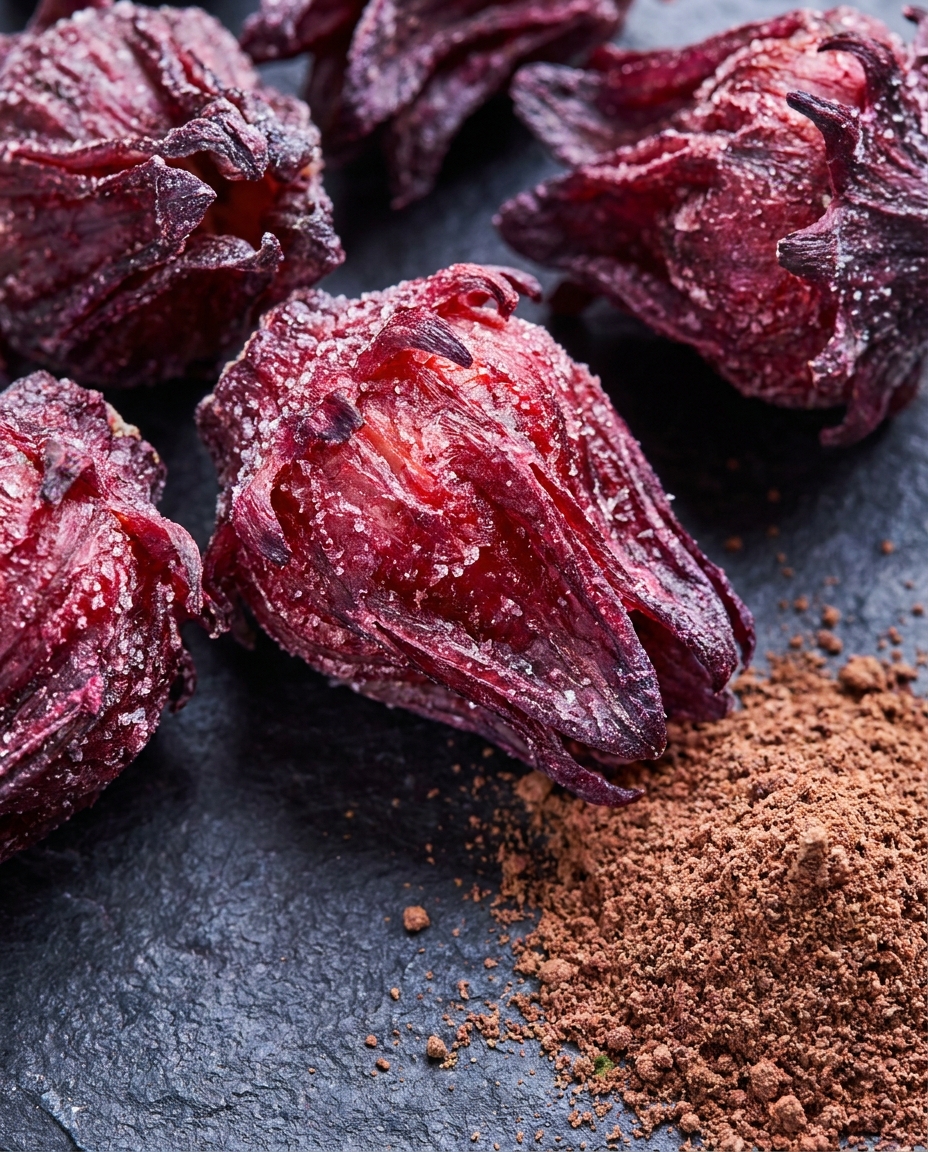
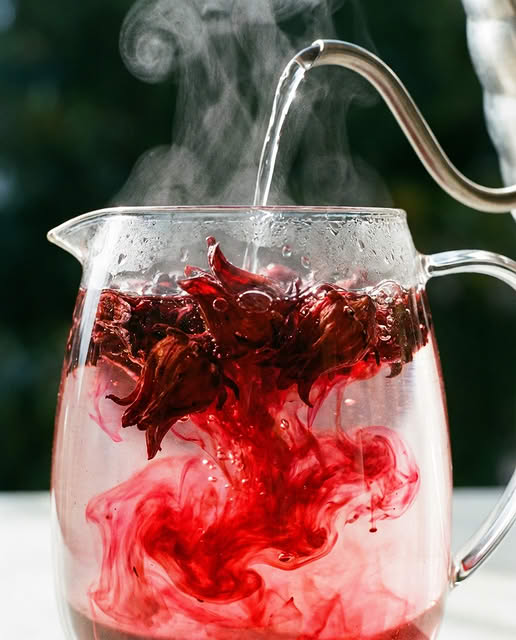
The best way to protect your kidneys is NOT drinking more water, NOT cutting salt, and definitely NOT waiting for dialysis. If your doctor has mentioned protein in your urine, a creatinine that's crept up, or an eGFR that keeps sliding, you need to hear this. What they don't tell you is what comes next. I used to ask every new dialysis patient the same thing: "What was your blood pressure before your kidneys failed?" After nine thousand patients and the same answer every single time, I stopped asking. It was always "controlled." Always somewhere around 130 over 80. Always someone who'd been told to cut salt, take the pill, and come back in six months. The chairs aren't full of people who ignored their blood pressure. They're full of people who trusted the wrong number. I'm telling you this now because four months ago I got my own eGFR back at 79, and I refuse to end up in one of my own chairs. I'm a dialysis nurse. Sixteen years. Somewhere north of nine thousand people connected to machines. Let me tell you what that actually looks like. The slow, irreversible slide. 10%. Then 20%. Then 50%. Until one day your doctor says: "You need dialysis. Three times a week. Four hours per session. For the rest of your life." A needle goes into a fistula, a surgical access point in the arm that leaves a scar most patients hide under long sleeves even in summer. Then comes the exhaustion. Not normal tiredness. The kind where you can barely lift your head off the pillow. Your body is holding onto waste your kidneys can't clear anymore. The swelling in your legs, ankles, and face. Puffiness that makes you unrecognizable to your own grandchildren. The dietary restrictions that make eating miserable. No potassium. No phosphorus. No salt. Bananas dangerous. Tomatoes dangerous. Cheese dangerous. And the waiting list. Years. Sometimes a decade. Praying for a transplant that might never come. I've watched marriages buckle under the schedule. I've watched grandchildren learn to plan around Grandma's dialysis days. I've watched a 64-year-old man work the same crossword book in the waiting room every Monday and Thursday for two years while his wife was connected. I've watched patients stop coming. I know what that means. One of my long-term patients, Carol, 62, three years in my unit, told me something I think about every day. She said: "I'm not living. I'm just being maintained." Every. Single. One. So here's the trap most people are stuck in. Two paths. Both lead to suffering. Path one: Follow doctor's orders. Cut the salt. Drink more water. Take the blood pressure pill. Monitor labs every six months. Watch your kidney function drop year after year anyway. Path two: Do nothing. Leave the damage unchecked. Foam in the toilet that won't go away. Ankles that swell by 4 PM. Crushing fatigue that won't lift no matter how much you rest. Most people over the age of 55 tragically explain these symptoms away until it's too late. They blame the swelling on salt. They blame the fatigue on getting older. They blame the foam on the new soap. It's none of those things. It's your kidneys asking for help. But there's a third path your doctor will never mention. And it's the only one I've ever seen actually move the numbers in the right direction. Four months ago I sat in my own doctor's office and heard the words "kidney disease" attached to my own name. Blood pressure: 128 over 78. On a low-dose pill. Controlled, by every standard we use. And here's the part that made my hands go cold. My creatinine had crept from 0.9 to 1.1 over ten months. My eGFR had dropped from 92 to 79. There was protein in my urine, 42, when it should be under 30. There was foam in my toilet most mornings. My ankles were swelling by 4 PM. The fatigue I'd been blaming on double shifts and on being fifty-six wasn't from either. On paper, none of that was alarming. My doctor said "we'll keep an eye on it." But I've heard those exact words from the charts of people now sitting in my chairs. I know what an eGFR of 79 looks like at the BEGINNING. Because I've held the hands of people whose eGFR started at 79. I felt something I'd never felt in 16 years of nursing. Real, bone-deep terror. Not for my patients. For myself. So I stopped trusting the monitoring and started asking a different question. Not "how do I slow this down," but "why is my body actually doing this in the first place?" Here's what nobody explains to you. There are two blood pressures in your body, and you have only ever been told about one of them. The cuff on your arm measures the pressure in the big roads. That's the number your doctor manages. That's the number that gets called controlled. But every one of your filters has its own pressure, and no cuff on earth can reach it. Think of a single filter as a bathtub with a hose running in and a narrower hose running out. The pressure inside the tub isn't set by the water pressure in the street. It's set by those two hoses. And when the outlet hose stays clamped tight, the pressure inside stays high, no matter how calm the street is. Something has to tell that outlet hose to relax. Your vessels are lined on the inside with a single layer of cells whose entire job is to send that signal. They release something called nitric oxide. You've never thought about it once and it has been doing this for you every second of your life. After years of pressure and sugar running through them, that lining wears thin. It doesn't quit. It falls behind. And on its own, it never quite catches up again. So the outlet stays clamped. And the pressure inside your filters stays high while the number on your arm reads fine. Now here's the part I had to read three times before I understood what I was looking at. Your kidneys have millions of these filters. Glomeruli, they're called, and each one is a mesh finer than anything you've ever held. Under constant pressure, mesh does what mesh does. It stretches. That's what this leaves behind. Not rust. Not blockage. Stretch. And a stretched mesh leaks. First a little protein. That's the foam in the toilet you were too scared to google. Then the holes get wider. Then that filter scars over and stops working entirely. And here's the part that made me put the laptop down and walk outside. When a filter dies, the ones still standing take on its share. More blood, more pressure, more stretch, through fewer and fewer of them. Which is exactly how a number holds steady for years while the thing underneath it is being used up faster and faster to hold it there. Stable was the mechanism. Not the absence of one. And it's not just kidneys. The same lining runs through everything small in you. It's why the floaters showed up behind your eyes. It's why the fog rolls in by 3 PM and lifts by dinner. It's why your hands are cold when nobody else's are. It's why there's an ache at the base of your skull most afternoons that isn't a headache and isn't nothing. It's why you're up twice a night when you used to sleep through. And it's why your ankles are a different shape at 8 PM than they were at 8 AM. ALL of it traces back to the same lining. Your doctor manages the number on the cuff. The story underneath it is your filters wearing out. Now let me address what you're probably thinking. First: "What about cutting salt?" Cutting salt lowers the pressure in the big roads. It does nothing to the clamped outlet. The number on your arm improves and the pressure inside your filters stays exactly where it was. Second: "I've been drinking more water." Drinking more water helps you clear things. But it doesn't unclamp anything. You're running more fluid through filters that are already stretched. Third: "What about my blood pressure pill?" Your blood pressure pill does more for your kidneys than salt or water ever will. It takes real pressure off the filter, and you should keep taking it. But it works by holding the number down from the outside. It doesn't rebuild the lining that's supposed to be setting that pressure from the inside. The lining is still thin. The outlet is still tight. All of these target pieces of the puzzle but miss the complete mechanism. The lining is still worn. The stretch is still happening. The damage continues underneath whatever you're doing on top. The monitoring just measures how far the stretch has gotten. Nobody is working on the lining. — When I started pulling research, I found a compound that may actually help that lining do its own job again. Anthocyanins. The deep red pigments. And the highest concentration of the ones I care about isn't in a berry. It's in a flower nobody thinks of as food. Hibiscus. And not the petal, either. The calyx, the thick red cup that's left on the stem after the flower falls off. The part you'd throw away. The published work isn't really about tea. It's about what those pigments do to the lining of a blood vessel. They don't force the pressure down. They help that single layer of cells release its own signal again, the one that tells the outlet to relax. When the lining comes back up, the pressure inside the filter comes down, and the mesh stops being stretched every minute of every day. When the stretch stops, protein leakage drops. Creatinine holds. eGFR stops sliding. The compound is named. The pathway is mapped. That much is published. There is one trial I keep coming back to. McKay and colleagues at Tufts, 2010. Sixty-five adults. Randomized, placebo-controlled, double-blind, six weeks. They weren't kidney patients. They were people whose pressure had started to creep, which is earlier on this road than anyone in my chairs and roughly where I am. What they were given was brewed hibiscus, steeped from the plant, not a capsule. And what was measured was the pressure on the arm. Not creatinine. Not eGFR. Not protein. What came down was the pressure. And pressure, in the language of this letter, is the thing that stretches the mesh. What I couldn't find, and I looked for the better part of a month, was a trial that took people like me, eGFR sliding, cuff reading fine, gave them this, and printed what happened to their filtration. Nobody has run that one. Nobody funds a trial on a dried flower, and I'll come back to why. I decided I wasn't going to sit in the monitoring phase waiting for it. And every time I bring this up with someone whose kidneys are declining, I get the look. Wide eyes. Raised eyebrows. That "You mean… hibiscus? The tea in the pink box at the grocery store? That's supposed to help my kidneys?" face. I get it. It sounds like nothing. But the people who come back to me eight weeks later always come back in tears. Their creatinine stopped climbing. Some of their eGFR numbers went up, and nothing in the language they've been given allows for that. Expected to progress. Manage the decline. Keep an eye on it. Every phrase they hand you is built around a number that only moves one direction. Their faces have changed. The puffiness is gone. They're sleeping. They look like themselves again for the first time in years. And many of them showed their doctors their new numbers and heard the words they never thought possible: "Your kidney function is stable. Keep doing whatever you're doing." In 16 years working in a dialysis unit, not one doctor has ever mentioned any of this to a patient in my care. Not because they're hiding it. Because the pipeline that moves research from a journal into a treatment room runs on patent money. You can't patent a flower. You certainly can't patent a cup of tea. No patent means no money. No sales reps, no training updates, no guideline changes. That should make you angry. Not at your doctor. At the structure that kept this from all of us, including the nurse who works at the end of the road. And I understood instantly why every red tea and every kidney supplement I'd ever seen a patient bring in had never worked for anyone. Three things wrong with all of them. Wrong delivery. The compound is in the calyx, and tea does carry it. That trial ran on brewed tea, which is exactly why I went looking at the plant and not the box. But what's in most boxes isn't the calyx. It's dust and broken pieces, and on most of them hibiscus is third or fourth on the ingredient list, behind rosehip and apple, in there for the colour. You were never drinking hibiscus tea. You were drinking a fruit blend that hibiscus had been near. You don't know what's in it. Turn one of those boxes over and look for a number. There isn't one. No standardization, no origin, no guarantee of the compound on the label at all. Whatever came off the floor of that batch is what went in the bag. Nobody knows what's in that box, including the company that filled it. And no batch matches the last one. No protection from heat. Those pigments are fragile. Most hibiscus is dried fast with hot air and then sits in a warehouse for a year, and the compound is broken down before the box is ever sealed. You can put the right plant in the bag and still have nothing left in it. And you can see it, because what's left steeps a pale pink instead of ruby. I've watched patients bring boxes and bottles to dialysis sessions and ask me if they should keep taking them. I read the label. Tea dust, no standardization, no origin, no number on it anywhere. And I don't know what to say. If you tried hibiscus before and it did nothing, you weren't wrong to try. You had the wrong hibiscus. — After I understood the mechanism and the processing failure, I found Pipi Tea Organic Hibiscus Tea. One ingredient. Whole hibiscus calyx, hand-picked at peak. Not machine-stripped, not cut down into dust, not blended with anything to stretch it. Nothing else in the pouch, and nothing in there whose job is to make it cheaper. Slow sun-dried, the way it has always been done, and never flash-dried at high heat. That is the entire difference between a red pigment and a brown one. Steep a cup and hold it to the light — it runs ruby, and you'll see it before you taste it. Certified organic, and every batch third-party tested for anthocyanin content, not just for safety. Somebody actually measured what's in the cup and put it in writing. And it isn't the water. You can drink a gallon of water and nothing about the lining changes. It's what's steeping in it. One cup a day. Seven minutes in hot water. No caffeine in it, so it doesn't matter when you drink it, and it doesn't wind you up or leave you flat two hours later the way coffee does. Hot in winter, iced in summer. That's the entire thing. Hibiscus is one of the oldest cultivated plants on earth. People have been drying these calyces and steeping them for thousands of years, and the old preparations used the whole cup off the stem, not the dust. Nothing about this is new. What's new is being able to get it whole, organic, and not sitting dead in a warehouse. And there's one more thing, which matters more than it sounds if you've seen the list of foods the people in my chairs aren't allowed anymore. This is a cup of tea. It isn't a food you have to count, and it isn't another restriction added to a list you're already sick of reading. No mixing. No measuring. No pill to add to the pile. It's the one part of the morning that doesn't feel like managing a disease. Here's what happened to me. Within two weeks the ache at the base of my skull was gone. Not managed. Gone. The 3 PM crash lifted. My hands weren't cold anymore. The ankle swelling was down by Friday of the second week. I noticed because my shoes went on at the end of a shift. I slept through the night for the first time in months. By week five the foam was gone. I checked three mornings in a row to be sure. My cuff readings hadn't moved. 127 over 78, 129 over 76, 126 over 79, the same as always. I still take it every morning. Not to see whether the tea is working. To see what my filters are still up against. At eleven weeks I got my blood panel back. Creatinine: back to 0.9. eGFR: climbed from 79 to 88. Protein in the urine: down from 42 to 11. Blood pressure: 128 over 78. Exactly where it started. Same cuff. Different kidneys. But the thing I remember most isn't a number. It's my own doctor looking at the panel, then looking at me, and saying: "Your kidney function is stable. Keep doing whatever you're doing." And then walking into my dialysis unit the next morning knowing, for the first time in months, I wasn't going to end up in one of my own chairs. I told Carol what I'd found. She looked at me with tears running down her face and said: "Tell them. Don't let them get here." That's why I'm writing this. I don't have a survey to hand you. What I have is a count. The people I've given that page to in my unit, and their families, seventeen so far. Two never opened it. Twelve are still drinking it every morning. Three stopped for their own reasons. Ten have been back for a panel since. Six of them have now heard some version of the sentence I heard from my own doctor. One is unchanged and still going. Three had a panel that showed nothing at all, and stopped, and I'd rather tell you that than not. — You're in a window right now. The monitoring phase, the "we're keeping an eye on it" phase, is the ONLY phase where the trajectory can still change. Every patient in my dialysis chairs was in that window once. Every one of them would give anything to go back to it. One side, nothing changes. The creatinine climbs. The eGFR drops. The foam stays. The ankles puff up until your grandchildren don't recognize you. 10% drop. Then 20%. Then 50%. And one morning you're not reading about dialysis. You're being scheduled for it. Three days a week. Four hours a session. The fistula scar hidden under long sleeves. No potassium. No phosphorus. No salt. The transplant waiting list that may never come through. The chair. The other side… One cup. Done. Over the next few weeks the energy holds. The afternoons come back. The ankles go down. The foam disappears. And at your next blood panel, your doctor looks up from the chart and says something you haven't heard in two years: "Your kidney function is stable. Keep doing whatever you're doing." The window stays open. The chair stays empty. If you go, I'd take the three-pack option, which is ninety days of one cup a morning. It does work out cheaper that way, though the price is not the reason. Ninety days is roughly what it takes to get another panel drawn, which means at the end of it you're not deciding based on how you feel. You're deciding based on a number. https://shop.pipitea.com/hbt/kd/sp-nm Whole calyx, not dust. Certified organic and third-party tested every batch. Slow sun-dried and never flash-dried, which is the whole reason there's anything left in it. Hand-picked at peak, which is the reason it goes out of stock as often as it does. There's only so much calyx at peak, and when a season's picking is gone it's gone until the next one comes in. Every order comes with a 90-day money-back guarantee, and the ninety days start the day the box lands on your step. Drink it that whole time, and if you don't notice a difference, one email gets you every dollar back. Ninety days is long enough to get a panel drawn. That's not an accident. The pressure inside your filters is still there. The stretch is still happening. But the window is still open. Don't let someone else tell your story with the words "I wish someone had told me sooner." I just did. If you're in the monitoring phase right now, the creeping creatinine, the sliding eGFR, the foam in the toilet, the doctor "keeping an eye on it," at least check out that page. It breaks down exactly why the pressure your cuff can't reach is the one doing the damage, and why the hibiscus you tried before did nothing. https://shop.pipitea.com/hbt/kd/sp-nm
Natural Relief in Weeks
LEARN MORELike this ad? Make it yours.
Crush rebuilds this exact creative around your product — your brand, your colors, your offer — in about a minute.