
Inactive· since Jun 24, 2026
- 4
- days it ran
- 1
- relaunches
Ad copy
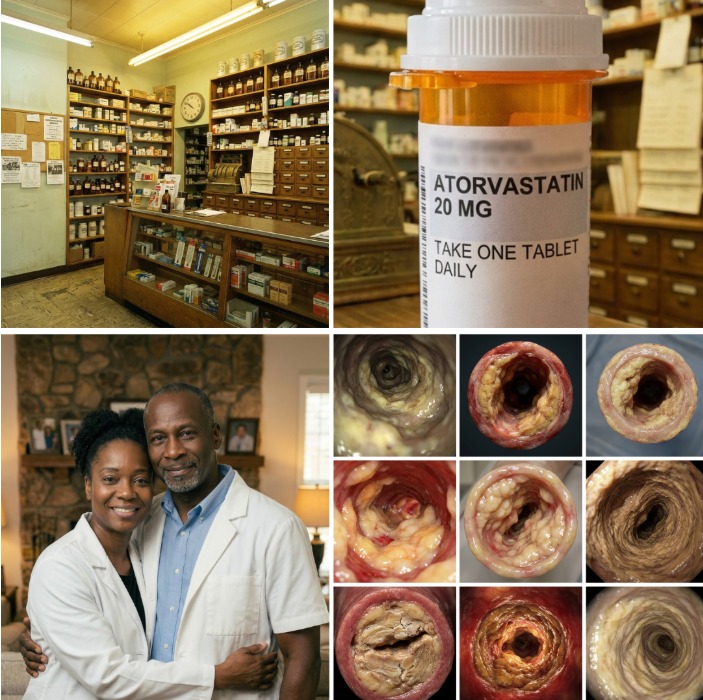
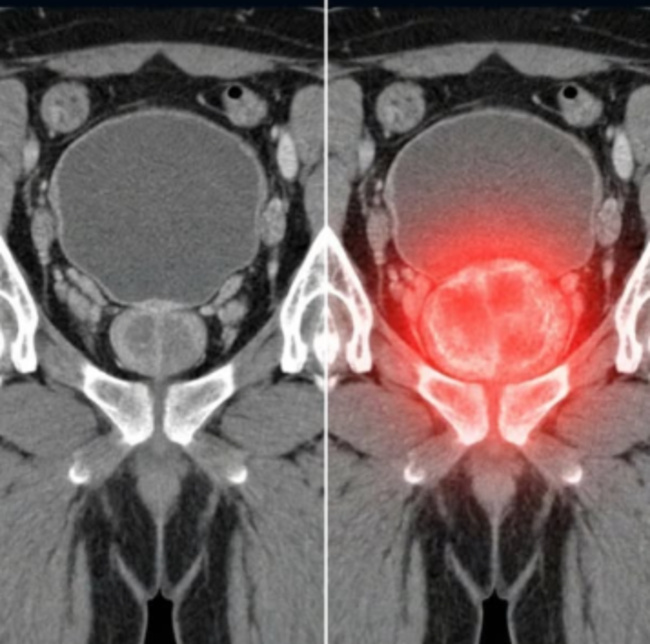
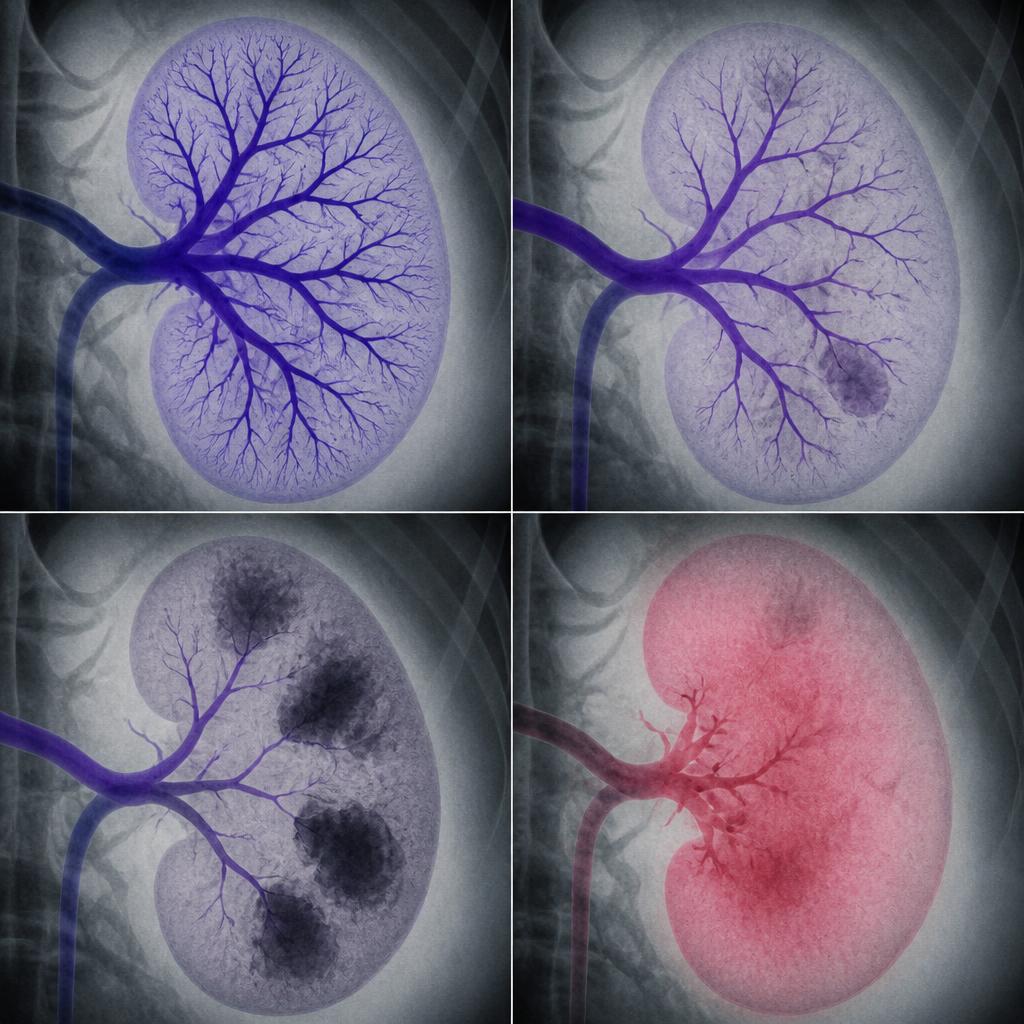
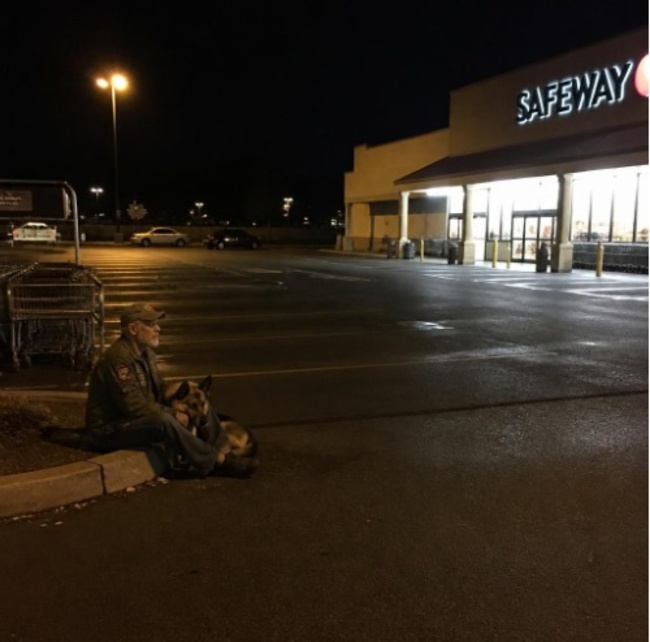
I gave food to a veteran and his dog outside a grocery store — and a month later, my boss called me into his office and said, "IT'S ABOUT WHAT YOU DID A MONTH AGO." It was a Tuesday. Late September. I was leaving work at 5:15, which meant I was already behind — I'd told Keith I'd pick up chicken thighs for dinner and the good grocery store closes the meat counter at 6. I'm an admin assistant at a logistics company. Thirty-one years. The kind of job where you leave at 5 but your brain doesn't clock out until you've mentally confirmed every email got answered and every calendar invite got sent. I pulled into the parking lot at 5:32. Grabbed my purse. Walked toward the entrance. That's when I saw him. A man sitting on the concrete curb at the far end of the lot, near the cart return. Mid-sixties. Thin. Weathered face. He was wearing a faded olive jacket — the kind with patches on the sleeves — and a baseball cap that said 82ND AIRBORNE. Sitting next to him was a German shepherd. Big. Alert. Ears up. The dog's leash was a piece of rope tied to the man's belt loop. He wasn't holding a sign. Wasn't asking anyone for anything. He was just sitting there. The dog had its head on his thigh. I walked past him. Got six steps. Stopped. Turned around. "Excuse me. Are you okay? Do you need anything?" He looked up. His eyes were clear — not glazed, not foggy. Sharp. The kind of eyes that have seen things you don't ask about. "I could use a meal, ma'am. For both of us." He put his hand on the dog's head. "He hasn't eaten since yesterday." He didn't ask for money. Didn't ask for help. Asked for food. For the dog first. "What's his name?" "Diesel." "Stay right here." I went inside. Forgot the chicken thighs. Bought a rotisserie chicken, a container of mashed potatoes, a bottle of water, a bag of dog food — the good kind, not the cheap stuff — and a pack of paper plates. Brought it all out in two bags. Set it down next to him on the curb. He stared at the bags. Then at me. His jaw tightened. He pressed his lips together hard, the way men do when they're trying not to let something show. "Ma'am." "It's Diane." "Diane. Thank you." "You're welcome. There's enough chicken for a couple days if you pace it. The dog food should last a week." He nodded. Opened the dog food first. Poured some on a paper plate and set it in front of Diesel. The dog looked at him — actually looked at him, like he was waiting for permission — and the man said "go ahead, buddy." Then the dog ate. He watched the dog eat for a long time before he touched his own food. I said goodnight. He said God bless you. I drove home. Keith was at the kitchen table. iPad propped up, reading glasses on the end of his nose, glass of water he'd been nursing for an hour. The posture I've been looking at every evening for the last three years. Shoulders rounded. Still. Like a man conserving energy he doesn't have. It wasn't always like this. I came home from work one afternoon in November of 2014 and there was water coming out from under the basement door. I panicked. I'm not proud of that but it's true — I stood in my own kitchen saying "oh God oh God oh God" while water crept across the linoleum. I called Keith's cell. He picked up on the first ring. "I know. I'm already down here." I opened the basement door. He was knee-deep in it. Shop vac running. Carpet already half-pulled from the south wall. He had the phone pressed between his ear and his shoulder and he was writing something on a piece of paper taped to the stair railing. "State Farm. Claim number is on the stairs. Dehumidifier's on order — Rick next door is bringing his over in twenty minutes. I need you to move the boxes off the bottom shelf on the east wall. Everything else I've got." He looked up at me. Water up to his shins. Calm. Completely calm. Like a man solving a problem he'd already mapped in his head before I walked in the door. By the time I took my coat off, he had a plan. That was Keith. He didn't show love by saying it. He showed love by making sure nothing ever broke, and if it did, by fixing it before you noticed. He tracked every oil change, every furnace filter, every insurance renewal in a notebook he kept in the kitchen drawer. Pencil. Never pen. "Pen is permanent," he'd say. "Things change." He built our daughter's crib from a plan he drew on graph paper. Changed the brake pads on both our cars himself. Six years ago his doctor put him on Atorvastatin. Cholesterol was 192. "We need to get this under control, Keith." He took the pill every night. Didn't question it. Keith doesn't question professionals — he trusts systems, trusts expertise, trusts that the people in charge of your health know more than you do. The notebook in the kitchen drawer hasn't been updated in two years. The last entry is a furnace filter change from March of 2024. In Keith's handwriting. Shakier than the entries above it. After that — blank pages. I made pasta instead of chicken thighs that evening. Told him about the man and the dog. Keith said "that was kind of you, Di." He meant it. Then he went back to his iPad. I looked at the notebook drawer. Looked at my husband. Looked at the porch railing he'd been saying he'd fix since June. That was it. That was supposed to be the end of the story. One month later. October 29th. A Wednesday. I remember the date because of what happened. I was at my desk at 2 PM. Normal day. Phones ringing. Invoices on my screen. Half a sandwich from lunch sitting on a napkin because I never finish a whole one. My boss's office door opened. Brian Callahan. Fifty-eight years old. Runs the company. Not a yeller. Not a hugger. Somewhere in between — the kind of boss who says "good morning" like he means it and "we need to talk" like he means that too. I've worked for him for eleven years. I know his moods. I know when he's frustrated and I know when he's angry and I know the difference. This was something I'd never seen. He was standing in his doorway. His face was red. His eyes were wet. His hand was gripping the door frame. "Diane. Come here. Now." My stomach dropped. "Close the door." I walked in. Closed the door. Stood in front of his desk. My hands were shaking. In eleven years I have never been called into that office with the door closed. He sat down. Stared at his desk for what felt like a full minute. Then he looked up at me. "A month ago. At the grocery store on Route 9. You bought food for a man sitting outside. A veteran. With a dog." My throat went dry. "How do you know about that?" "Did you or did you not." "I — yes. I did. He was hungry. The dog was hungry. I just —" "Describe him." "Brian, what is this about? Am I in trouble? Did he — did something happen to him?" "Describe him. Please." "Older. Sixties. Thin. Army jacket. Baseball cap. Eighty-second Airborne, I think. A German shepherd. The dog's name was Diesel." Brian put both hands flat on his desk. Pressed down. Like he was trying to keep himself from floating away. "That man," he said. "Is my brother." I didn't move. "His name is Frank. Frank Callahan. He did two tours in Afghanistan. 2004 and 2007. He was a combat engineer. Built bridges. Cleared roads. Defused things that were designed to kill people and came home alive both times." Brian's voice cracked. "He came home with a bad knee and bad numbers and the VA put him on a bunch of medication and within three years he couldn't function. Couldn't work. Couldn't hold a wrench. Couldn't keep his apartment. He disappeared. That's the word — he didn't move away, he didn't call to say he was leaving. He just disappeared." Brian stood up. Walked to the window. Put his hand on the glass. "I've been looking for my brother for two years. Two years. I hired a private investigator. I called every VA hospital in three states. I called shelters. I drove around on weekends looking for him. Nothing." He turned around. His face was wrecked. "Three days ago, Frank showed up at my door. Clean. Shaved. Wearing the same jacket but cleaned up. Diesel was with him. He told me he'd been living in his truck for most of the last year and a half. Parking lots. Rest stops. Behind churches when it got cold." Brian sat back down. Pressed his palms into his eyes. "I asked him what made him come find me. After two years. He said a woman at a grocery store bought him dinner and dog food. She didn't ask him his story. Didn't lecture him. Didn't try to save him. Just bought him a meal and treated him like a person." He looked at me. "He said it was the first time in months anyone had looked at him like he was still somebody. And it made him think maybe he should try to be somebody again. So he drove to my house." I was crying. I'm not a crier. I'm the woman who held it together when my mother was in the ICU. I'm the one who organizes and schedules and manages and doesn't fall apart. But I was standing in Brian Callahan's office at 2 PM on a Wednesday, sobbing. Brian wasn't doing much better. "I didn't call you in here because you're in trouble, Diane. I called you in here because my brother is alive and sleeping in my guest room with his dog and I owe that to you and I didn't know how to say it in the hallway." I sat down in the chair across from his desk. Neither of us said anything for a while. Just two people in an office at 2 in the afternoon, trying to pull themselves together. Brian wiped his face with his sleeve. Cleared his throat. "We're having dinner this Saturday. Family dinner. My wife, my kids, Frank. I want you and your husband to come." "Brian, I don't —" "I'm not asking." Saturday. Brian's house. A neighborhood I'd driven past a thousand times but never been inside. Big elm tree in the front yard. Lights on in every window. Two trucks in the driveway. I could hear people talking through the front door before we rang the bell. Brian's wife answered. Hugged me before I got both feet inside. "So you're the woman from the parking lot. We've heard the story about forty times." She was laughing and crying at the same time the way people do when joy hasn't worn off yet. Frank was at the kitchen table. I almost didn't recognize him. He was clean-shaven. His hair was trimmed. He was wearing a flannel shirt that was probably Brian's — too broad in the shoulders, the sleeves rolled up. He looked like a person. Not a man on a curb. A person with a name and a brother and a seat at a table. Diesel was lying at his feet under the table. Same rope leash. Same alert ears. Frank stood up when he saw me. He was taller than I remembered. Broader. The grocery store version of him had been folded in on himself — shoulders forward, head down, the posture of a man trying to take up as little space as possible. This version stood straight. "Diane." "Hi, Frank." He hugged me. Firm. The kind of hug that says more than the person is able to say out loud. "Thank you." "You already thanked me." "That was for the food. This is for making me go find my brother." Dinner was loud. Brian's wife made enough food for twelve people. His two grown kids were there with their partners. Everyone talking over each other. Someone's toddler running laps around the table. Frank was quiet through most of it — watching, mostly. Smiling at the chaos like someone remembering what normal looks like. After the meal I helped Brian's wife, Carol, clear the table. She was rinsing plates and I was stacking them and we fell into that easy rhythm women find when they're doing something with their hands. I noticed the photos on the fridge. A timeline of Brian's family in magnets and snapshots. Christmases. Birthdays. A beach trip. The toddler as a newborn. Two years of family photos. And in every single one, someone was missing. The same someone. You could feel the absence like a hole cut into each picture. Then, pinned at the top — older, faded — a photo of two young men in uniform. Standing in front of a military vehicle. Arms around each other's shoulders. Both grinning. One was Brian, thirty years younger. The other was Frank. Before the VA. Before the medication. Before the parking lots. Carol saw me looking. She set a plate down. Dried her hands. Spoke quietly. "Two Christmases without him. Two Thanksgivings. Two of the baby's birthdays. He wasn't dead, Diane. That's the thing people don't understand. He wasn't dead. He was just gone. And we didn't know if he'd ever come back." She picked up the next plate. Kept rinsing. "Brian would drive around on Saturday mornings. For hours. Just looking. He'd come home and sit in the driveway and I'd know by the way he opened the car door that he hadn't found him." I looked at the photo on the fridge. Young Frank. Grinning. Arm around his brother. Strong and whole and unaware of what was coming. He's not gone yet, I thought. But he's going. And nobody is calling it what it is. I wasn't thinking about Frank anymore. After dinner, the crowd thinned out. Kids left. Brian and Carol were finishing the dishes. Keith was still in the living room with Brian's son-in-law. Frank and I ended up on the back porch. Diesel between us. The air was cold enough that our breath showed. "Can I ask you something, Frank?" "Anything." "What happened? Brian said you came home from Afghanistan and things got bad. But he didn't say how." Frank was quiet for a while. He rubbed Diesel's ears. The dog leaned into his hand. "I came home in '08. Second tour. I was fine physically — mostly. Bad knee from a blast. Some hearing loss. Nothing that was going to kill me. The VA gave me a full workup. Blood pressure was high. Cholesterol was high. They put me on Atorvastatin and Lisinopril. Said it was standard protocol. Preventive. 'We're going to get your numbers where they need to be.'" He flexed his hands. Opened and closed them. Slowly. Like he was checking to make sure they still worked. "I was a combat engineer, Diane. You know what that means? I built things. Bridges. Barricades. Temporary structures in places where everything was trying to fall apart. My hands were my instruments. I could field-strip a rifle in under a minute. I could wire a detonation circuit in the dark. I could hold a sixty-pound rucksack over my head and cross a river." He looked at his hands. Turned them over. "Three years on that medication. Three years. The fatigue came first. Not tired — empty. Like someone pulled the plug on whatever charges you up at night. I'd sleep eight hours and wake up feeling like I hadn't slept at all." "Then the fog. I'd be in the middle of a sentence and forget the word I was reaching for. Simple words. Wrench. Socket. Torque. Words I'd used ten thousand times. Just gone. Standing at my workbench staring at a bolt I couldn't remember how to size." He closed his hands into fists. Slowly. "Then the hands. The grip. The thing that made me who I was. I woke up one morning and I couldn't make a fist. Couldn't close my fingers all the way. Couldn't hold a coffee mug without wrapping both hands around it. Couldn't grip a pipe wrench." He stopped talking. Looked out at the yard. Diesel shifted his weight and pressed closer against Frank's leg. "My last day at the shop. October. I remember because the heat had just kicked on and the shop smelled like burning dust the way it does that first cold day. I was rebuilding a transmission. GM 6L80. I'd done maybe two hundred of them in my life. Could do it blindfolded. I was torquing the bell housing bolts — forty-one foot-pounds, I've known that number since I was twenty-three — and my right hand just opened. Not cramped. Not slipped. Opened. Like someone cut the wire between my brain and my fingers." He looked at his right hand. "The torque wrench hit the concrete floor. Loudest sound I ever heard that wasn't an explosion. I stood there looking at my own hand like it was someone else's. Tried to close it. The fingers wouldn't go. I sat down on the floor of my own shop — the floor I'd swept every night for six years — and I held my right hand with my left hand and I thought: this is how it ends. Not with a bomb. Not with a bullet. With a hand that won't close around a wrench I've been holding since I was a kid." He flexed his fingers again. They closed now. But slowly. Carefully. Like a man who doesn't fully trust them yet. "I went back to the shop the next morning. Tried to finish the job. Dropped the wrench again before lunch. The owner — good guy, he didn't want to — he let me go that Friday. Said I could come back when my hands were better. We both knew they weren't going to get better." His voice didn't crack. It just got quieter. "I went back to the VA. Told them about the fatigue. The fog. The hands. You know what they said?" "What?" "'Your numbers look good, Frank. LDL is 112. Blood pressure is controlled. The medication is working.'" He almost laughed. "Working. I couldn't hold a tool. I couldn't keep a thought in my head. I couldn't work a full shift. I lost my job at the machine shop. Lost my apartment three months after that. Couldn't make rent when you can't make it through a shift. I had enough savings for about four months in a motel. Then the truck. Then the parking lots." He scratched Diesel's chin. The dog closed his eyes. "The VA gave me pills and told me I was being managed. I wasn't being managed. I was being erased." I was sitting on that porch listening to Frank Callahan describe the last five years of his life, and all I could see was my husband. Keith. Sixty-two. On Atorvastatin for six years. Same drug. Different chair. Same slow disappearing act. Frank's hands were his instruments. Keith's mind was his. The man who tracked every oil change, every filter, every renewal. The man who had a plan before I took my coat off. The man who built a crib from graph paper. That man forgot to pick up his granddaughter from soccer two weeks ago. Not forgot the time — forgot the commitment entirely. When I called him in a panic at 4:30 asking where he was, there was a long silence and then: "Was that today?" The notebook in the kitchen drawer is blank. The porch railing is broken. The garage has been dark for two years. The last project — a side table for the porch — has been half-sanded since March. His doctor says the same thing every six months. "Numbers look excellent, Keith. LDL is 118. Keep doing what you're doing." Keep doing what you're doing. While the man who never forgot anything can't remember his granddaughter's soccer pickup. While the man who fixed everything can't finish a side table. Frank lost his hands. Keith is losing his mind. Same drug. Same mechanism. Same doctor saying the same useless words while the man attached to the number disappears. I must have gone somewhere in my head because Frank's voice brought me back. "Diane." I blinked. Looked at him. He was watching me the way Diesel watches him — steady, patient, like he could see something happening under the surface. "You're thinking about your husband." It wasn't a question. "Yeah." He nodded. Didn't press. Just sat with it. Two people on a porch. One who'd already lost everything to the drug. One who was watching it happen in real time. I looked at Frank across that porch. A man who served his country twice. Who built bridges in war zones. Whose hands were his identity. And a medication that was supposed to protect him took everything except the dog. And I looked through the window at my husband sitting in Brian's living room. Watching football. In the same recliner posture he's been in every evening for three years because he doesn't have the energy to do anything else by 7 PM. Same drug. Same numbers. Same doctor's approval. Different stage of the same disappearance. "Frank. Can I ask you one more thing?" "Go ahead." "Did anyone ever explain to you WHY the medication did that? Not the side effects — the actual reason?" He nodded slowly. "A buddy of mine. Ruiz. We served together. Same unit. He was on the same VA cocktail. Atorvastatin. Lisinopril. The whole protocol. Same decline. Fatigue, fog, grip — all of it. He spent a year in worse shape than me." "What happened to him?" "He has a niece who's a researcher. Biochemistry or molecular biology — something like that. She told him the statins were doing what they were supposed to do — lowering the cholesterol number. But they weren't stopping the actual damage. Something about the cholesterol getting oxidized. Rusted. Like the statin turns down the volume on the alarm, but the fire is still burning." He shook his head. "I'm not a scientist, Diane. I don't have the whole picture. But Ruiz got off his medication, found something else — some kind of supplement — and within two months he was back. Working full shifts. Clear-headed. Grip came back. He called me from a job site and said 'Frank, I'm holding a 24-inch pipe wrench right now with one hand. My hand works.'" He looked at his own hands again. "I was already in my truck by then. Parking lot behind a church. Diesel in the back seat. I didn't have the energy or the brain power to figure out what Ruiz figured out. I just filed it away." He paused. Reached into his back pocket. Pulled out a phone — old, cracked screen, held together with a case that was barely holding together itself. "Ruiz gave me her number. His niece. Elena. Said if I ever wanted to understand what she found, to call her. I never did." He scrolled slowly. Read me the number. I typed it into mine. I drove home that night with Keith asleep in the passenger seat. He'd dozed off before we left Brian's neighborhood. The man who used to drive us everywhere now falls asleep the moment he's not behind the wheel. I looked at him. The reading glasses folded on his lap. The creases in his face that have gotten deeper. The hands resting on his thighs — hands that built a crib from graph paper, that changed brake pads on Saturday mornings, that wrote every oil change in pencil in a notebook because pen is permanent and things change. The hands are still there. But the man who used them — the man who had a plan before I took my coat off — is slipping away the same way Frank slipped away. One skipped entry at a time. One forgotten pickup at a time. One dark garage at a time. When we got home, Keith went straight to bed. 9:15 PM on a Saturday. He was asleep in under two minutes. I sat at the kitchen table. Opened my laptop. Typed: "why do people on statins still have heart attacks." What I found in the next hour was enough to know that Frank's story wasn't a fluke. The thread was real. Oxidized cholesterol. Hydroxyl radicals. CoQ10 depletion. The same words kept showing up in study after study, published in real journals. But the research was dense — enzyme pathways, molecular biology, clinical terminology I couldn't parse at 1 AM at my kitchen table. I needed someone who could explain it like I was a person, not a journal. The next morning I called Brian at work. Something I'd never done — personal calls to my boss. He picked up on the first ring. "Brian, I need Frank's VA numbers. The cholesterol panel from when they said he was doing well." Long pause. "Why?" "Because I think I found something. Something that explains what happened to him. And I think it's happening to Keith." Another pause. Then: "Hold on." I heard him open a drawer. Shuffle papers. "Frank gave me his VA discharge records when he moved in. I've been going through them." More shuffling. "Here. Last full panel before he lost the shop. Total cholesterol 168. LDL 112. Triglycerides 154. They flagged it as 'well-controlled on current therapy.'" Well-controlled. A man with numbers the VA called well-controlled couldn't hold a torque wrench. That evening, I called Elena Ruiz. She picked up on the second ring. Young voice. Clear. When I told her I was a friend of Frank Callahan — her uncle's army buddy — and that I'd been up half the night reading about oxidized cholesterol because my husband was on Atorvastatin, she went quiet for a beat. Then she said: "Tell me his numbers." I read her Keith's from memory. LDL 118. Total cholesterol 188. Then Frank's from Brian's records — LDL 112, total 168. "Both of those men were told their cholesterol was controlled," she said. "And both of them deteriorated." "That's why I'm calling." "Okay. I'm going to explain this the way I explained it to my uncle. Stop me if I lose you." "Go ahead." "LDL cholesterol is not poison. Your husband's body makes it on purpose. His brain needs it — the brain is sixty percent cholesterol by dry weight. His hormones depend on it. LDL is a transport molecule. It's essential." "Then why is his doctor trying to eliminate it?" "Because when LDL gets damaged, it becomes dangerous. Specifically — when it gets attacked by hydroxyl radicals. The most destructive free radicals your body produces. When hydroxyl radicals hit an LDL particle, they oxidize it. Change its structure. Make it sticky. Deformed." She paused. I could hear her checking whether I was following. "Those oxidized particles can't be processed normally. They get lodged in artery walls. They trigger inflammation. They build into the plaques that rupture and cause heart attacks. That's the actual mechanism. Not high cholesterol. Oxidized cholesterol." I thought about Frank. LDL of 112. The VA called it controlled. While the man who built bridges ended up in a parking lot behind a church. "So the statin—" "The statin lowers total LDL production. All of it. Healthy and damaged. It blocks an enzyme called HMG-CoA reductase. The number on the blood test drops. The doctor says 'great.' But the drug does nothing about the oxidation. The hydroxyl radicals are still there. Still attacking. Still converting healthy cholesterol into the kind that kills people." "Frank's LDL was 112—" "And nobody measured whether that 112 was clean or corroded. They measured the volume and ignored the condition. It's like draining a pool because someone said the water was dirty — instead of testing the water." My hand was shaking around the phone. "There's something else," she said. "That enzyme the statin blocks — HMG-CoA reductase — it doesn't just produce cholesterol. It also produces CoQ10. Coenzyme Q10. The molecule your mitochondria need to produce cellular energy. The molecule your muscles need to contract. Your brain needs to think." "The fatigue," I said before she could. "The fatigue. The fog. The grip loss. It's not a side effect in the way people understand side effects. It's a direct pharmacological consequence. Block the enzyme, block the CoQ10. Your husband's muscles and brain are being starved of the energy they need to function." Frank Callahan's hands didn't fail because he got old. They failed because the medication that was "managing" his cholesterol was starving his muscles of the energy they needed to fire. That torque wrench didn't fall because Frank's hands were weak. It fell because his mitochondria were being choked. Keith's notebook didn't go blank because he lost interest. It went blank because the drug that was "protecting" him was stripping his brain of the cholesterol and CoQ10 it needs to hold a thought from breakfast to dinner. "Elena. What stops it? The oxidation. The hydroxyl radicals. What actually addresses that?" "That's what I've spent the last four years researching. Traditional antioxidants — vitamin C, vitamin E, the supplements you see on every shelf — they're non-selective. They neutralize all free radicals, including the ones your immune system actually needs. Carpet bomb." "What's the targeted version?" "Molecular hydrogen. Smallest molecule in existence. It passes through cell membranes, crosses the blood-brain barrier, enters mitochondria — places no other antioxidant can reach. And it only targets hydroxyl radicals and peroxynitrite. The exact ones doing the oxidation damage. Leaves everything else alone." I thought about every supplement I'd ever bought for Keith. Fish oil. CoQ10 tablets. Vitamin E. Red yeast rice. All of them targeting something downstream. None of them reaching the cells where the damage was actually happening. "That's what your uncle is taking." "That's what I told him to look for. Over 2,000 peer-reviewed studies on molecular hydrogen. Published in real journals. Japanese hospitals use it therapeutically. This isn't fringe — it has more clinical evidence behind it than most of what's probably in your husband's medicine cabinet. But I need to be clear — I'm a researcher, not a salesperson. I don't endorse brands. I told my uncle the mechanism and what to look for." "What should I look for?" "Concentration. That's where most people get burned. Molecular hydrogen dissipates fast. Most products on the market barely deliver any by the time you drink them. You need clinical-grade concentration — not the wellness store stuff. And make sure whatever you find has independent lab testing. Not the company testing itself. That means nothing." "How much concentration?" "The studies that showed results used 7 parts per million or higher. Most products are between 1 and 3. Not even close." I thanked her. Told her I'd let her know what happened. She said she hoped it helped Keith. I hung up and sat at the kitchen table for a long time. Everything Elena said mapped onto everything I'd watched happen to Keith for three years. The fatigue wasn't aging. The fog wasn't stress. The notebook didn't go blank because he lost interest. The drug that was "protecting" him was stripping his body of what it needed to function while the real damage ran untouched underneath. I started searching for molecular hydrogen products that night. Elena had said 7 PPM or higher. Independent lab testing. Clinical-grade. I found this out the hard way: knowing what to look for and finding it are two different things. I ordered the first hydrogen product I could find on Amazon. Clean label. Thousands of reviews. Four and a half stars. It didn't list the PPM concentration anywhere on the page — just "molecular hydrogen tablets" and a wall of five-star reviews. I assumed that many people couldn't be wrong. It arrived in three days. I tore the box open at the kitchen table like it was Christmas morning. Dropped a tablet in water. It fizzed — slowly, weakly, like a tired Alka-Seltzer. I gave the glass to Keith. He drank it without asking what it was. He'd gotten used to me handing him things. That night I lay in bed and listened to his breathing. Waiting. Like if I concentrated hard enough I could hear something shift inside him. The next morning I watched him from the hallway. He sat on the edge of the bed. Flexed his fingers. Groaned. Stood up slowly. Same as every morning for three years. I told myself it was too early. One dose. Give it time. I gave it a week. Watched him every morning. Checked his face at dinner for any sign of clarity. Listened to his voice for a change in sharpness. Nothing. Two weeks. Nothing. Same fog. Same stiff hands on the coffee mug. Same man slumped over the iPad by 7:30. I sat at the kitchen table on a Sunday night staring at the bottle and I thought: I was a fool. I read too many studies at 1 AM and convinced myself that a tablet in a glass of water could undo what six years of pharmaceuticals did. Ruiz's story was a fluke. Frank's buddy got lucky. And I'm sitting here watching my husband deteriorate while I play scientist with an Amazon supplement. I almost stopped. Then I found the thread that explained why. A woman on a health forum — retired chemist, she said in her bio — was explaining why most hydrogen products are useless. She was saying exactly what Elena had told me, but with numbers. Most tablets produce 1 to 3 parts per million. Molecular hydrogen dissipates within minutes of being dissolved in water. By the time you drink it, most of the hydrogen is already gone. You're drinking expensive water. Elena had said 7 PPM or higher. This woman confirmed it — the clinical studies that showed results used concentrations of 7 PPM or higher. Most products on the market weren't even close. I went back and checked the Amazon product I'd given Keith for two weeks. Buried in the fine print of the manufacturer's website, not listed on the Amazon page: 1.5 PPM. I'd been giving my husband expensive water for two weeks and calling it science. I started filtering by concentration. Eliminated everything under 7 PPM. That wiped out about 90% of the market. Then I filtered by third-party testing — actual lab verification of the concentration claims. That wiped out most of what was left. I was sitting at the kitchen table at 2 AM on a Thursday. Screen the only light in the room. Keith's reheated coffee cold again beside my laptop. I'd eliminated everything. Every product that looked promising fell apart when I checked the concentration data. I was running out of options and starting to think that molecular hydrogen was the right mechanism but there was no product on the market that delivered it properly. I almost closed the laptop. Then I saw a comment at the bottom of a forum thread. A woman whose husband had been on Crestor for eight years. His numbers were almost identical to Keith's. She'd tried six different hydrogen products. Five did nothing. One worked. She named it. Three comments down, someone else named the same one. Different story. Different husband. Same product. I clicked into the next thread. Same name. And the next. Same name. In the study references. In the comments of the health pages I'd been following for a week. The same name, over and over, from people who had no connection to each other. PrimeCell H2. 12 parts per million. Not 1.5. Not 3. Twelve. Almost double what the clinical studies used. Lab tested by an independent third party — exactly what Elena said to look for. And it delivered magnesium alongside the hydrogen. That mattered because Elena had explained that statins deplete magnesium along with CoQ10, and Keith had been on Atorvastatin for six years. Every bottle on our counter for the last three years had missed that. I sat there staring at the screen. I'd been here before. Clean label. Strong claims. Data that sounded right. The Amazon bottle was still on the kitchen counter — I hadn't thrown it away yet because throwing it away meant admitting I'd wasted the money and the hope that went with it. Two weeks of watching Keith every morning. Two weeks of checking his face at dinner. Two weeks of nothing. And now I was supposed to believe this one was different. But the concentration was different. The data was different. Six women on three different forums — no connection to each other, different husbands, different statins, different cities — all naming the same product. Not because someone told them to. Because it was the one that worked when the others didn't. And there was a 90-day money-back guarantee. If it didn't work, every penny back. No questions. I thought about Keith asleep upstairs. 9:15 on a Saturday. The man who used to stay up until midnight finishing projects. The man who had a plan before I took my coat off. What's the worst that can happen? I lose 90 days. And if I don't try, I lose him. I ordered three bottles that night. The first tablet, I dropped it in a glass of water and watched it fizz. Not like the Amazon product — that had been slow, weak, apologetic. This one erupted. The glass looked like it was boiling. Aggressive. Loud. Whatever was in this tablet was not the same thing I'd been giving Keith for two weeks. I gave it to Keith that evening. Didn't tell him what it was. Didn't tell him about Frank, or Ruiz, or oxidized cholesterol, or any of it. I just set the glass in front of him and said "drink this." "What is it?" "Something new. Just try it. For me." He looked at the glass. Looked at me. Thirty-four years of marriage. He knows when I'm asking him to trust me. He drank it. I sat across from him pretending to read a magazine. Watching him over the top of it. He went back to his iPad. I kept watching. Eighteen minutes. He looked up from the screen. Blinked. Took his reading glasses off and rubbed his eyes — but not the tired way. The way you do when something shifts and you're trying to figure out what changed. "Di." "Yeah?" "Did you change the water filter? The water tasted different." "No. Why?" He paused. Put the glasses back on. Looked at the iPad. Then at me. "I don't know. I feel... clearer. Like someone turned the lights up in here. That's weird, right?" It wasn't weird. It was the first real thing I'd seen in three years. Day four. I was awake before Keith, the way I usually am. I heard him sit up. Heard the bed creak. Then I heard something I hadn't heard in over two years. He stood up without groaning. No pause at the edge of the bed. No flexing of fingers. No slow negotiation with his body. He just stood up and walked to the bathroom like a man who expected his legs to work. I lay there staring at the ceiling. I didn't say a word. Day nine. I woke up and heard it. The groan. The pause. The slow flexing. My stomach dropped through the floor. He sat on the edge of the bed for a full minute. I could hear his fingers opening and closing. The old negotiation. I lay there with my eyes shut and I thought: it was temporary. Five good days and now it's over. I was a fool twice — once with the Amazon product and once with this one. The clarity was a blip. The standing-up-without-groaning was a coincidence. And now I'm back where I started, lying in bed listening to my husband argue with his own body. He got up. Shuffled to the bathroom. I heard the faucet. I spent the whole day at work sick with it. Checking my phone. Waiting for a text that said he was tired, or that he'd forgotten something, or that the fog was back. He texted at 3:15. "Feeling better this afternoon. Weird morning. Think I slept wrong." By day eleven the mornings were good again. Better than before. Like whatever had reset needed one bad day to finish resetting. I'd spent a full day grieving something that hadn't actually ended. Week two. The iPad was on the kitchen table one evening and Keith wasn't behind it. He was in the garage. I heard the sander running. That side table — the one that had been half-finished since March — was on the workbench. He was working on it. I stood in the doorway for five minutes watching him before he noticed me. His hands were moving the way hands are supposed to move. Steady. Controlled. Gripping the sander with one hand. No shaking. No pausing. No wrapping both hands around it because one isn't enough. "When did you start this again?" He looked up. Sawdust on his shirt. A stupid grin on his face. "I don't know. Felt like I could." Week three. Keith picked up our granddaughter from soccer without being reminded. On time. When they got home, she was on his shoulders. He was carrying a four-year-old on his shoulders up the porch steps. His knees didn't buckle. His arms didn't shake. She was laughing. He was laughing. I was standing in the kitchen window pretending I wasn't crying. That night after she left, I walked past the kitchen drawer. It was open an inch. I pulled it the rest of the way. Keith's notebook was on top. Open. A new entry in his handwriting. Steadier than the last one. "Furnace filter — changed 11/2. Porch railing — fixed 10/28. Oil change — due 12/1." Three entries. Pencil. Not pen. Things change. I closed the drawer and stood there for a long time. Week five. I was making coffee on a Wednesday morning and Keith walked into the kitchen. He poured himself a cup — standing, not sitting. Took a sip. Set it on the counter. "Di. I stopped taking the Atorvastatin." I turned around. "What?" "Three weeks ago. Tapered down. 20 to 10 to 5 to nothing. I wanted to see what my numbers did on their own before I told you." I stared at him. Keith. The man who doesn't question professionals. The man who took the pill every night for six years because his doctor told him to and that was enough. The man who trusts systems. That man just overrode his own doctor. Without telling anyone. Because for the first time in six years, he had a plan again. "I've got bloodwork scheduled for Friday," he said. "I want the numbers to speak for themselves." Keith had bloodwork done that Friday. The results came back on a Thursday. Total cholesterol: 201. Up slightly from 188. LDL: 122. Up from 118 — four points higher, still well within normal. HDL: 54. Up from 38. Sixteen points. Dr. Warren had never moved Keith's HDL a single point in six years. Triglycerides: 131. Down from 186. Oxidized LDL: 38 nmol/L. Dr. Warren had never tested for this before. Keith asked him to add it. The reference range for low risk is under 60. Dr. Warren studied the chart for a long time. "You look different, Keith." "I feel different." "Your HDL — I've never seen it move like this. And the oxidized LDL panel — this is excellent. Truly excellent." Keith told him everything. The tapering. The research. Molecular hydrogen. What it targets. Why. Dr. Warren was quiet. He looked at the chart again. Then at Keith. "I'm not going to pretend I'm familiar with this research. But I'm looking at your numbers and I'm looking at you and I have to tell you — you're the healthiest you've looked in years. I don't see a reason to restart the Atorvastatin." First time in six years. Keith walked out of that office like a man who got his own life back. That evening, I drove to Brian's house. Frank was in the driveway, sitting on a crate next to Brian's truck with the hood up. Parts laid out on a towel beside him. A repair manual open on his knee. Diesel was lying on the concrete next to him, chin on his paws, keeping watch. He looked up when he heard my car. He was better than the parking lot — cleaned up, fed, rested, present. But he wasn't back. I could see it in the way he held the manual. Both hands. Careful. The way you hold something when you don't trust one hand to do it alone. He'd been off the Atorvastatin for two months. Brian told me Frank had stopped taking everything the VA gave him the week he moved in. Some of the fog had lifted. Some of the fatigue. But the grip — the thing that mattered most, the thing that made Frank who he was — was still unreliable. He'd tried to get under the truck twice. Both times he couldn't hold the wrench long enough to finish. "Diane. What are you doing here?" I handed him a bag. Two bottles of PrimeCell and a printout of the oxidized cholesterol research. "Remember what Ruiz told you? About the cholesterol getting damaged — not just being high?" "Yeah." "Stopping the statin helps the fatigue and the fog. But it doesn't stop the oxidation. The damage underneath — the hydroxyl radicals — they're still there. Stopping the drug doesn't fix what the drug was never addressing in the first place. This does." He looked in the bag. Looked at the printout. Looked at me. "My husband was on the same drug. Atorvastatin. Same decline. Same fog, same grip, same disappearing act. He's five weeks into this and his doctor just told him he's the healthiest he's looked in years." Frank held the bag against his chest with both hands. Pressed it there. The way you hold something when you've been empty-handed for too long and someone just gave you a reason to reach for something again. "You gave me a thread, Frank. I pulled it. Now it's your turn." I'm telling you this because I think you might be where I was two months ago. Sitting across from a man you love who is slowly becoming someone you don't recognize. Watching his hands. Watching his energy drain out of him by dinner time. Watching his doctor celebrate a number on a chart while the person attached to that number fades. If your husband is on a statin — Atorvastatin, Lipitor, Crestor, any of them — and his energy is gone, and his hands are stiff, and his brain forgets things it shouldn't forget, and his doctor keeps saying "numbers look great" — the numbers might not be the whole story. They weren't Keith's whole story. They weren't Frank Callahan's. You have two paths from here. One path: you close this and nothing changes. Keith — your Keith, whoever he is — keeps taking the drug. His doctor keeps saying the numbers look good. The notebook stays blank. The garage stays dark. The porch railing stays broken. The granddaughter stops reaching up to be carried because she's learned that grandpa can't. The man who used to have a plan before you took your coat off sits in a recliner at 7 PM with nothing behind his eyes. You keep noticing everything. He keeps thinking you don't. And five years from now, you're standing in a kitchen with one mug on the drying rack, wondering if there was a moment — one moment — where you could have pulled the thread and didn't. The other path: you try what I tried. You give the research 20 minutes. You give the product 90 days. You watch. You track. You take him to get bloodwork and you let the numbers speak. That's all I did. That's all Keith did. And I got my husband back. PrimeCell H2 has a 90-day money-back guarantee. If it doesn't work, you send it back and it cost you nothing. If it does work, you get back the man you've been watching disappear. I know which path I'd choose. I already chose it. 👉 https://track.getamalahealth.com/5548c06d-d9c3-4785-b466-fec64a6fdb28 P.S. — If you're wondering whether this works for women too — it does. I take it every morning. Molecular hydrogen doesn't care about gender. The oxidative mechanism is the same in every human body. I started because of Keith. I kept going because of what it did for my own energy and clarity. PrimeCell works for anyone whose body is under oxidative stress. Which, if you're over 40, it is. P.P.S. — Frank started his two bottles the day I dropped them off. Brian called me three weeks later. He said Frank had been underneath that truck every day — the same truck he couldn't hold a wrench long enough to work on. Rebuilding the suspension. Replacing brake lines. Rewiring the dash. One hand on the wrench. Full grip. No dropping. Brian said he sounded like the guy who came home from his first tour in '04. Before the VA got ahold of him. The dog still sits next to whatever Frank is working on. Still watches. But now Frank reaches down and scratches his ears without wincing. That's how you know. P.P.P.S. — When Keith did his bloodwork at week five, I asked him to request an oxidized LDL panel. Most doctors don't test for it unless you ask. It's the number that actually matters — the one that tells you whether the damage is happening, not just whether you have cholesterol in your blood. Ask for it by name: oxidized LDL. If your husband's doctor won't order it, find one who will. The number will tell you what the standard lipid panel can't. P.P.P.P.S. — PrimeCell has a 20-minute challenge. Drop a tablet in water. Drink it. Wait 20 minutes. If you don't feel a shift — a lift in clarity, a settling of the fog, something measurable and real — return the whole order. That's how confident they are. Keith felt it at eighteen minutes. I felt it on day one. Frank felt it on day one. The lights go up. You'll know. P.P.P.P.P.S. — They currently have a buy 3 get 2 free deal that I used to stock up — one for Keith, one for me. They're a small company and they sell out regularly. If you click the link and they're out of stock, check back in a few days. But if they're available, don't wait. Every day on the statin is another day of CoQ10 depletion. Every day without addressing the oxidation is another day the cycle spins. Frank lost five years. Keith lost three. Don't let your husband lose another month. P.P.P.P.P.P.S. — Do not forget about their 90-day money-back guarantee. You risk nothing. If it doesn't change his numbers and his life, send it back. But if it does — if the fog lifts, if the notebook opens again, if you walk past the kitchen drawer and see his handwriting where the blank pages used to be — then a stranger who bought a veteran dinner in a parking lot just changed your life too. 👉 https://track.getamalahealth.com/5548c06d-d9c3-4785-b466-fec64a6fdb28
Fix Yourself at the Cellular Level
PrimeCell H2 is a next-generation molecular hydrogen tablet formulated to support your body's natural antioxidant defenses — helping you feel sharper, more energized, and more like yourself.
LEARN MORELike this ad? Make it yours.
Crush rebuilds this exact creative around your product — your brand, your colors, your offer — in about a minute.