
Inactive· since Jul 3, 2026
- 71
- days it ran
- 0
- relaunches
Ad copy
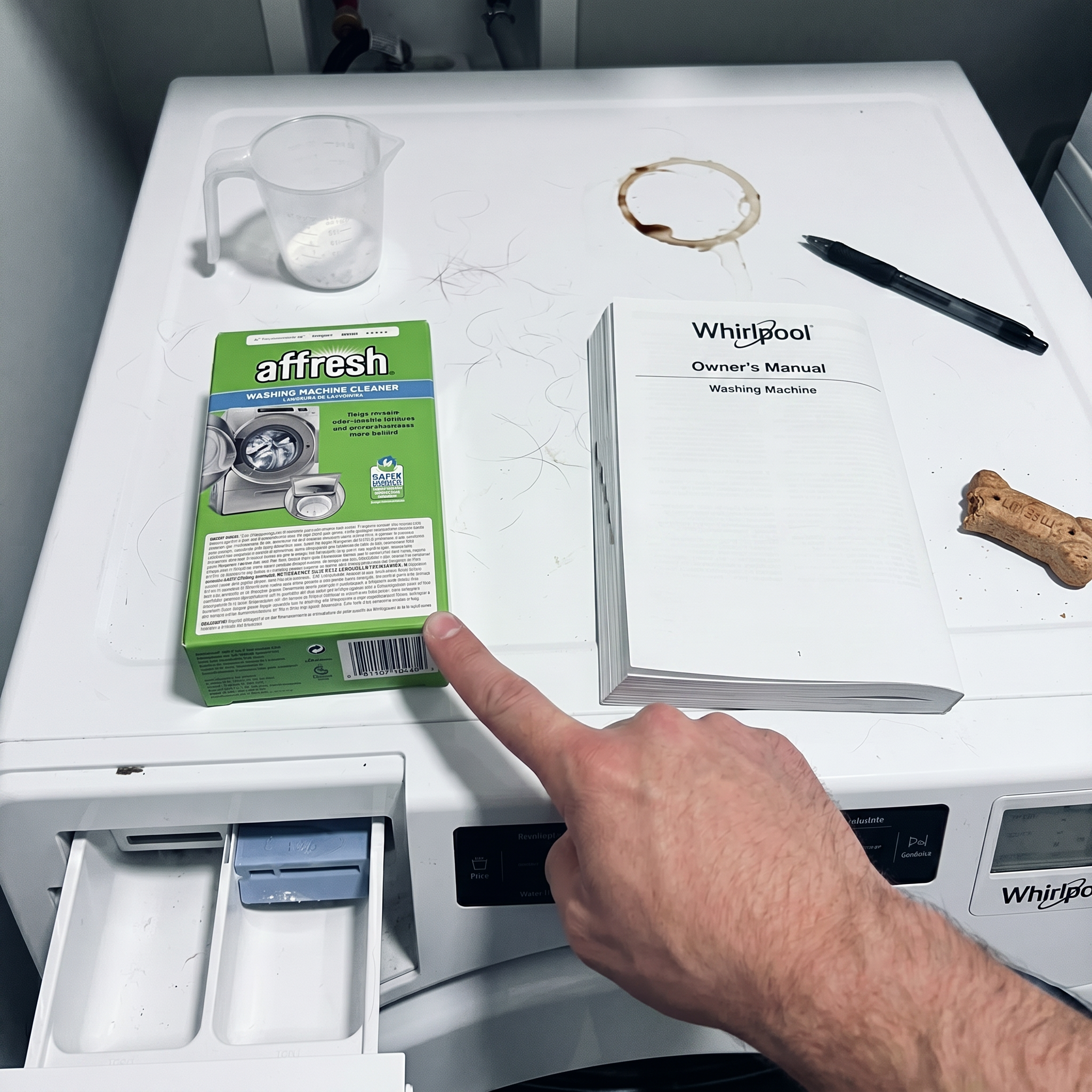
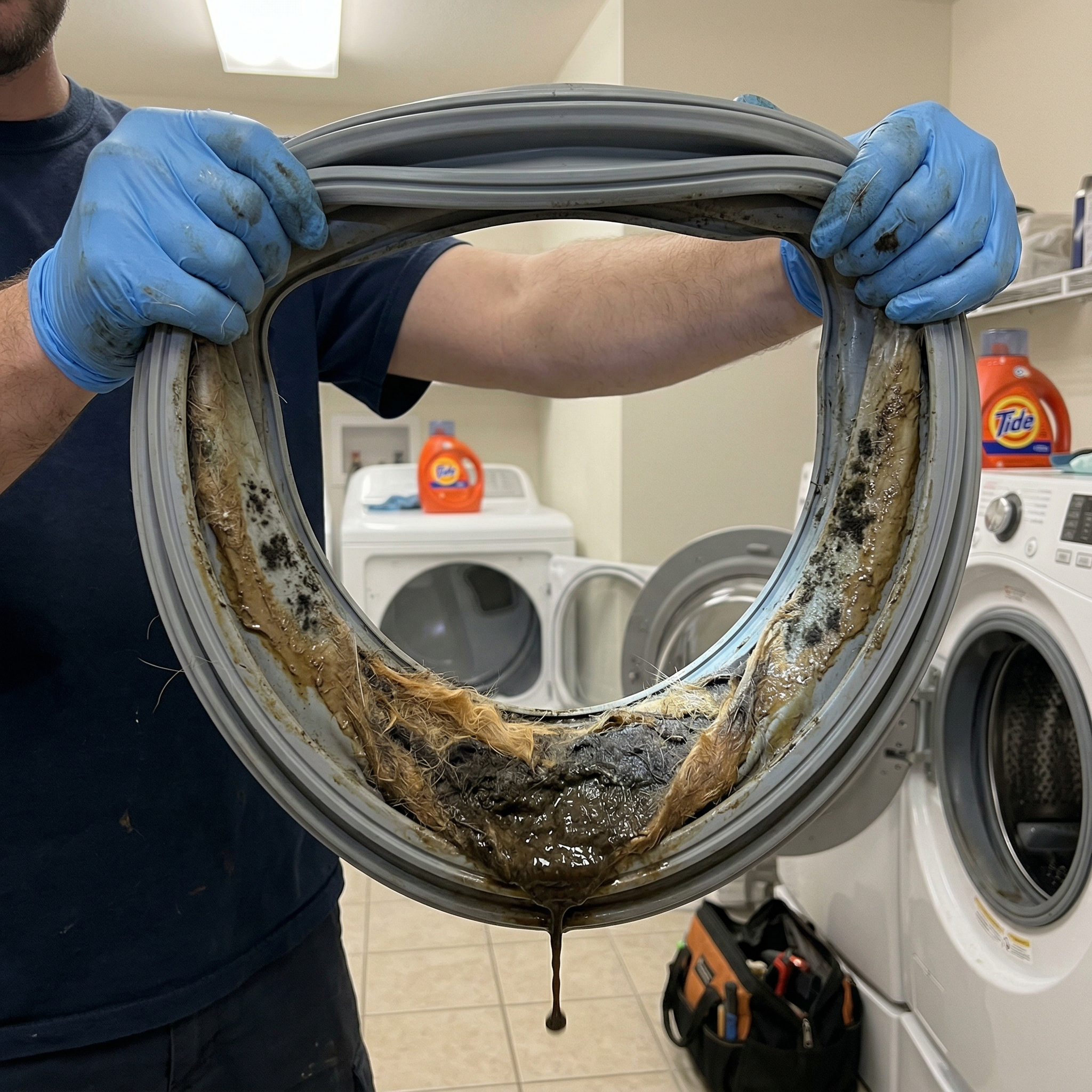
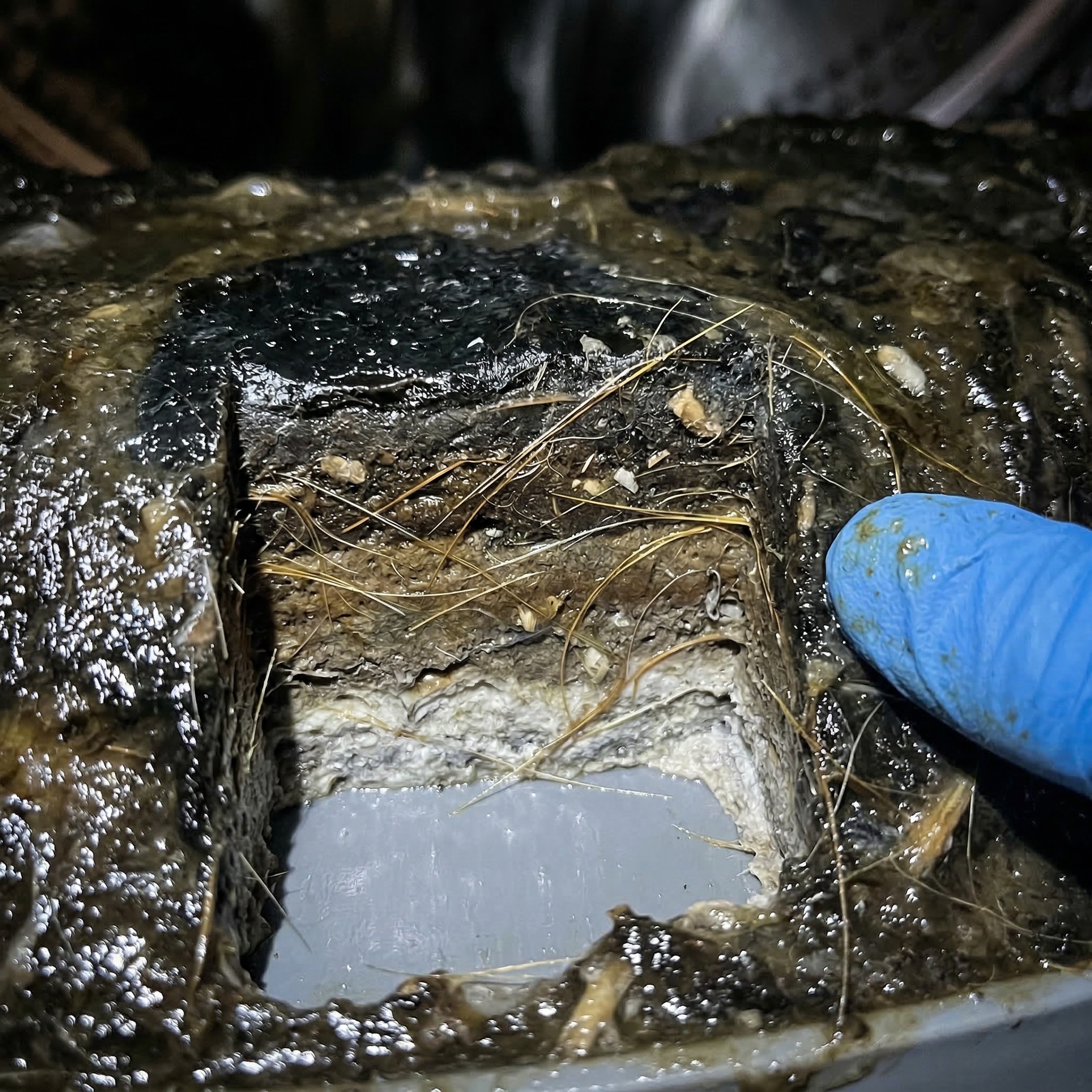
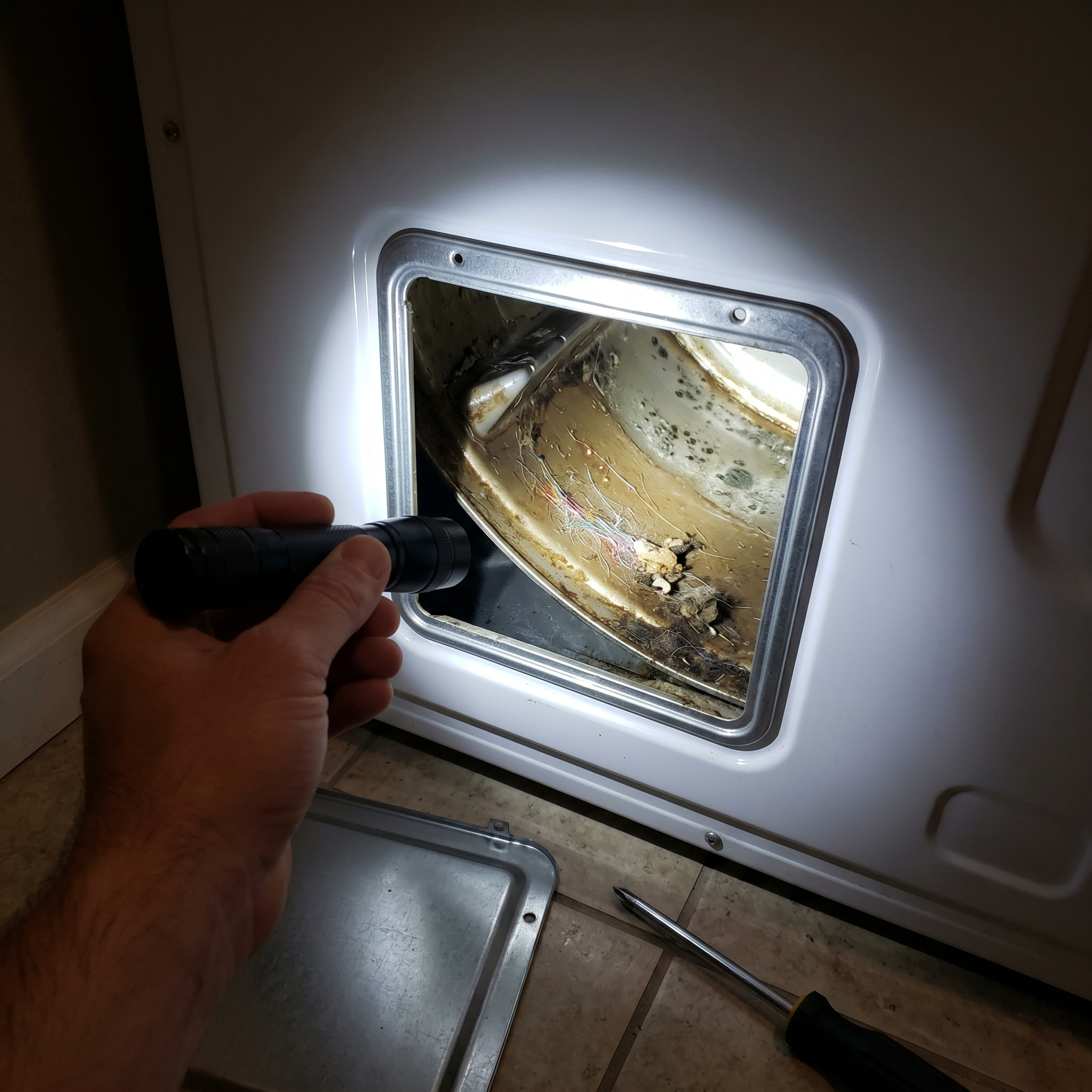
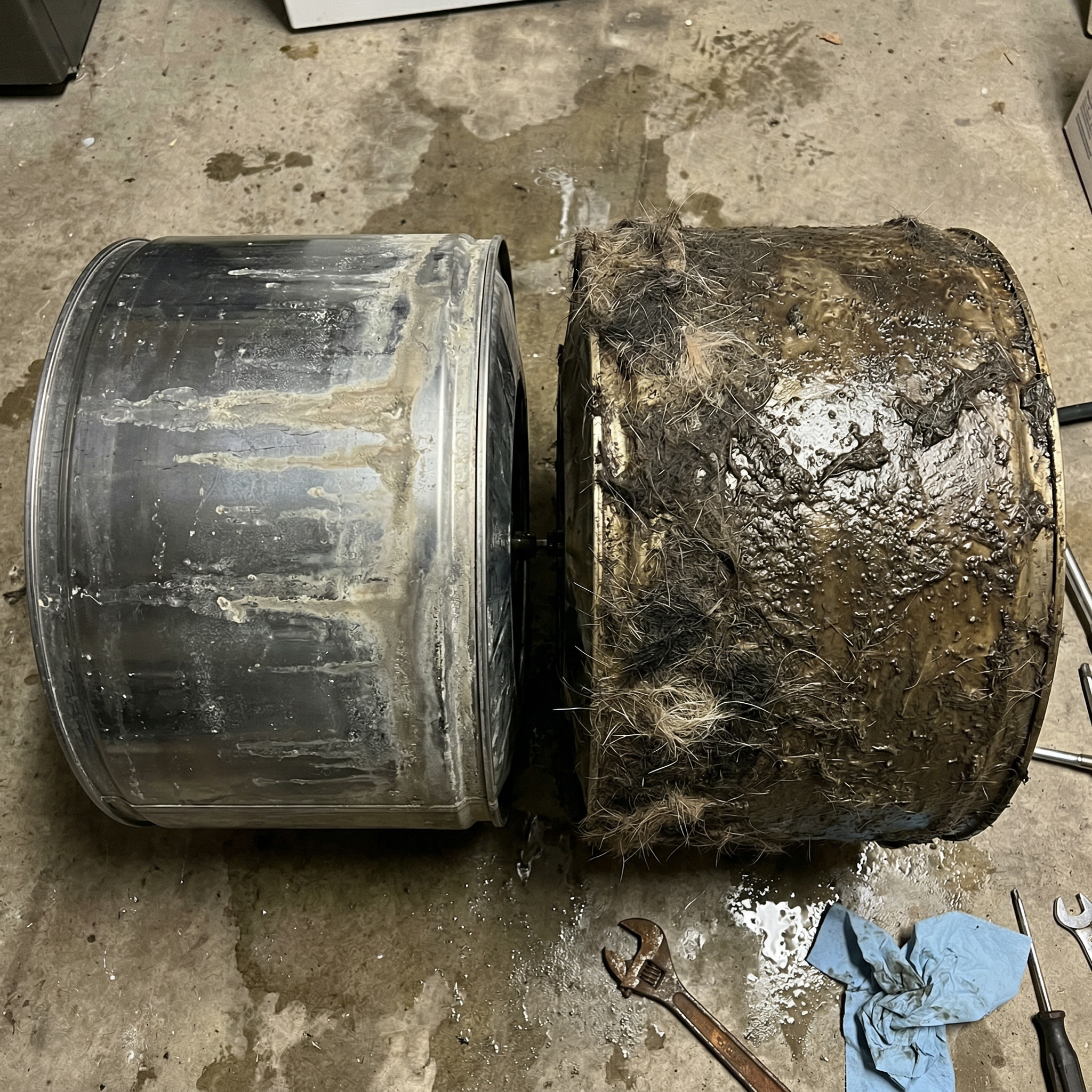
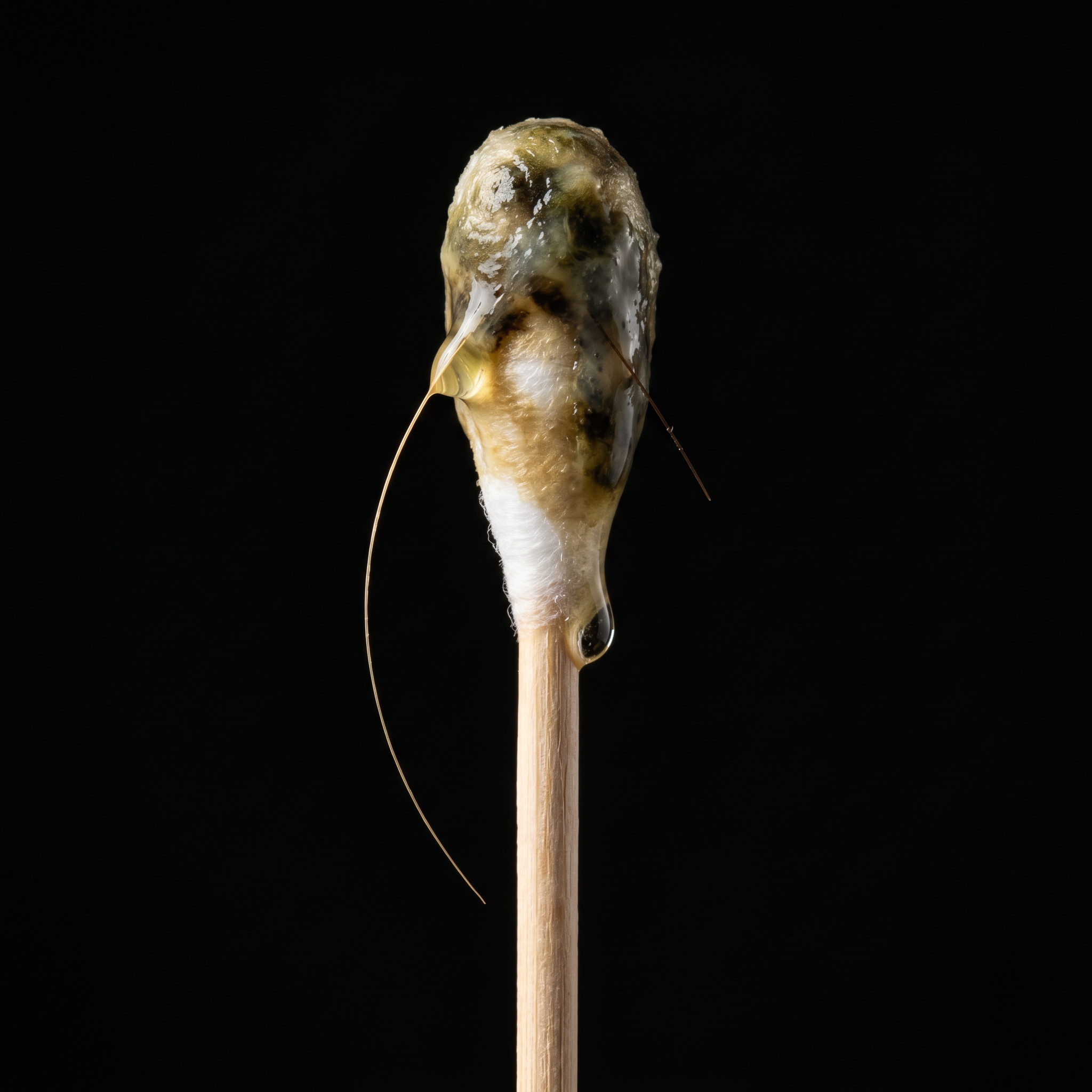
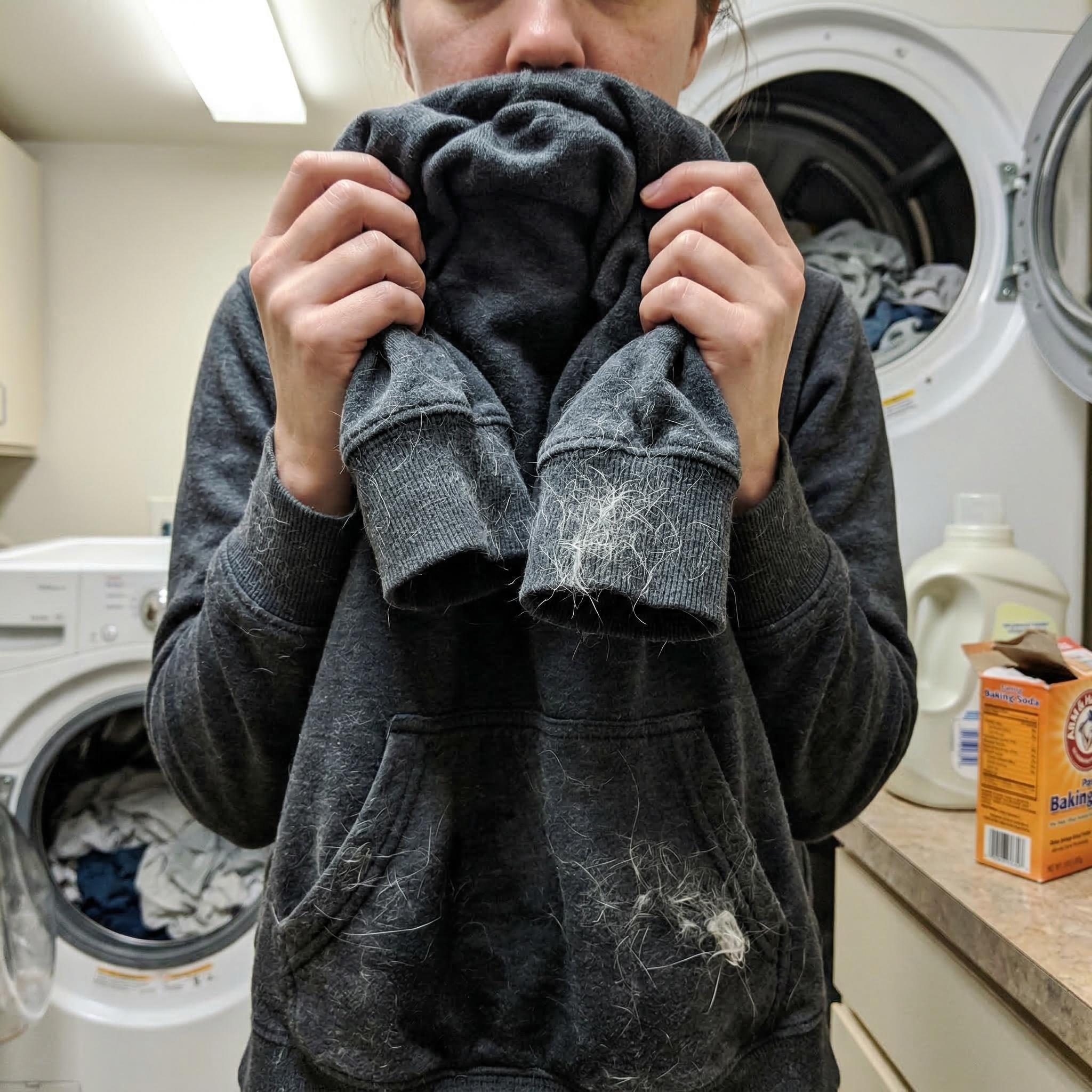
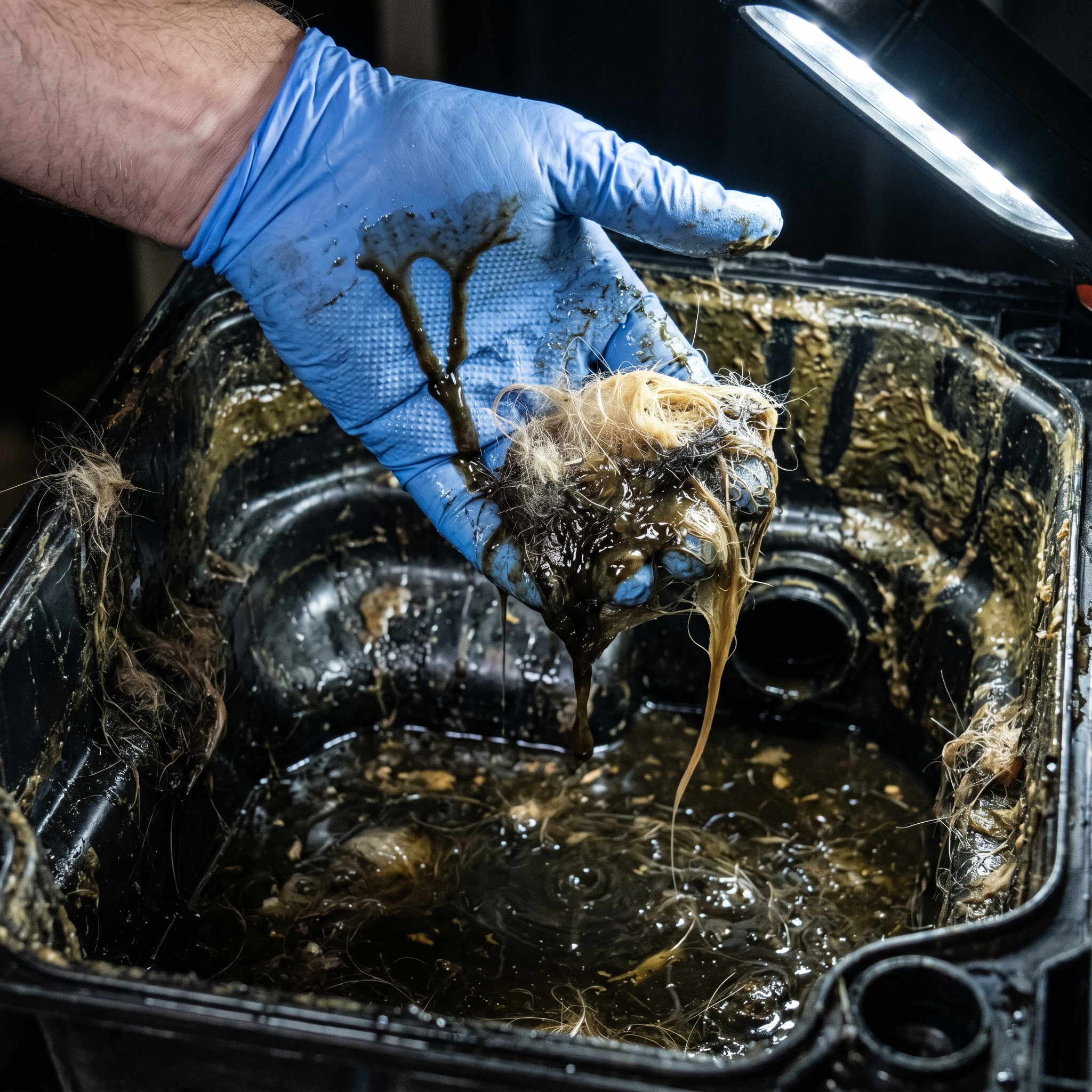
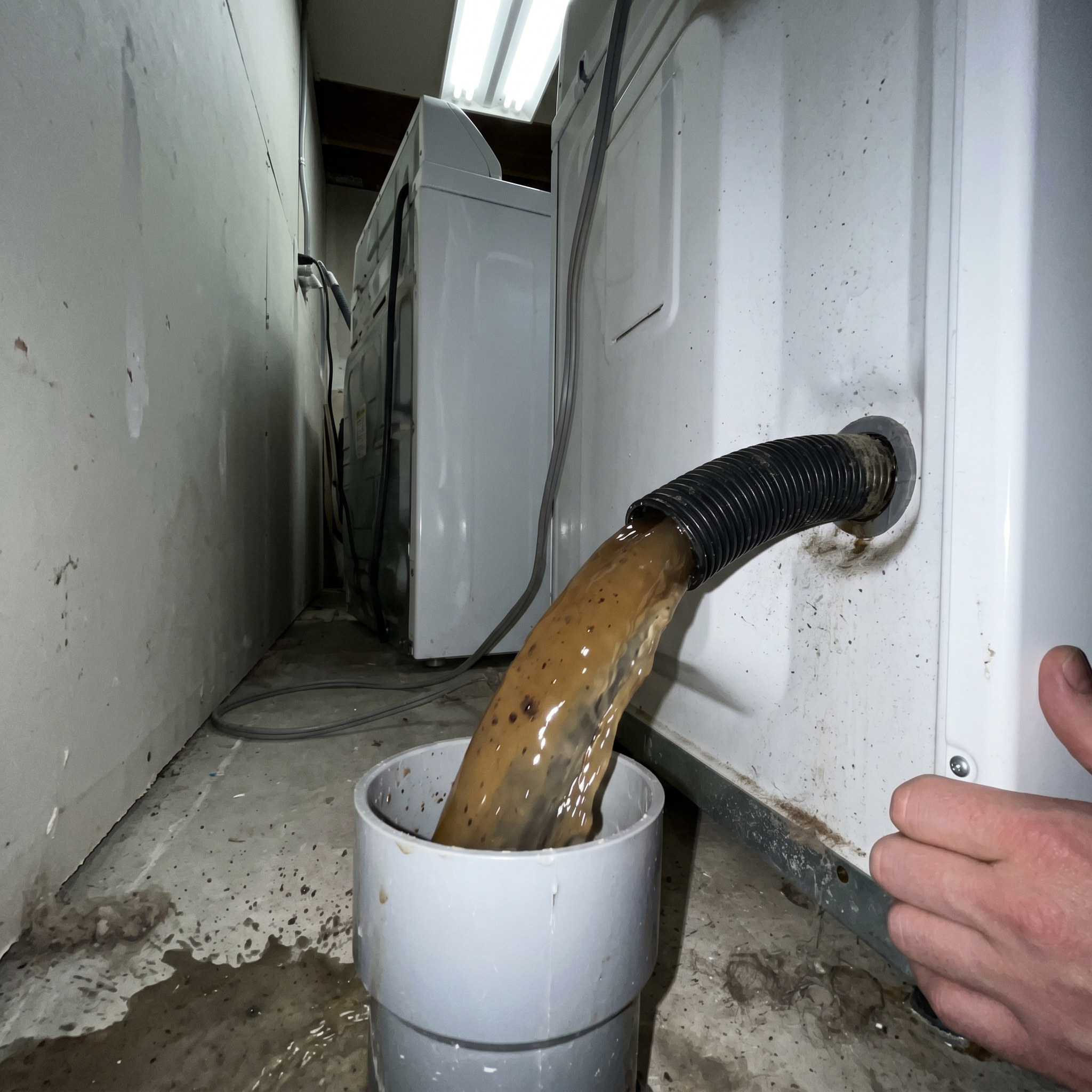
After 2 decades of pulling washers apart in homes with dogs, I figured out why none of the stuff on the cleaning aisle was working for my customers. The answer was sitting in a Facebook group of other repair guys, and I almost scrolled past it. My name's Wayne. I run an appliance repair business out of a shop my father started in 1978 outside of Greensboro, North Carolina. I took it over in 2003. I work on washers, dryers, dishwashers, refrigerators, ovens, and the occasional ice maker. Six days a week, four to seven service calls a day, 21 years in. The single most common complaint I get on a washer service call isn't a leak. It isn't a noise. It isn't a machine that won't drain. It's a smell. A musty, sour, wet-laundry smell that the homeowner can't get rid of no matter what they pour into the drum. And nine times out of ten, when I walk into that house, there's a dog. Sometimes two. Sometimes a houseful. For most of my career, I gave those folks the same answer the rest of the trade gives. Run a hot cycle with white vinegar. Wipe the gasket with a bleach solution. Leave the door cracked open between loads. Buy a box of Affresh and run one a month. I said it so many times I could say it in my sleep. The problem is, it didn't work. It would help for about two weeks, and then the smell would creep back. I knew it because the same customers kept calling me back, six months later, eight months later, asking if there was something mechanically wrong with the machine. There usually wasn't. The machine was running fine. The drum was spinning. The pump was pumping. But the laundry coming out of it smelled like a wet kennel. I want to tell you something I figured out the hard way. The drum you load your clothes into isn't the only part of the washer that touches water. Behind that drum, there's a second drum, an outer tub, and between the two of them, there's a sealed space the size of about a fist all the way around. Water sits in that space. Plumbing connects to that space. The recirculation hose loops out of it and back into it. The sump and the drain pump sit at the bottom of it. And the stuff you're buying at Walmart, Target, and Costco does reach in there. The water carries it through. It just isn't built to break down what's growing on those walls. I want to be specific about what builds up in that sealed space, because this is the part nobody explains. It isn't soap scum. It isn't hard water. It's a biological film. The technical word for it is biofilm, but in a pet household, what's actually in that film is broken-down hair protein, skin oil from the dog, dander, food residue from kibble and treats that end up on bedding, and a little bit of blood and saliva from whatever the dog dragged into the wash. The bacteria that live in that film feed on all of it, and what they produce as a waste product is the exact molecule the human nose reads as wet dog. I'm not making that up. The molecule has a name. I don't remember the chemistry name, but I remember the explanation a tech buddy of mine gave me. The smell is a chemical compound the bacteria manufacture, and your washer redeposits it on every load that comes through. Here's why all the standard advice I'd been giving for years didn't fix it. Vinegar is a weak acid. It can dissolve some mineral scale, sure. But it can't break down protein, and it can't break down oil. The protein and oil are the structural backbone of what's growing in that sealed space, and vinegar slides right past it. Bleach is a strong oxidizer. It kills surface bacteria on contact. But biofilm is built specifically to resist that kind of attack. The outer layer of the film absorbs the bleach, and the inner colony survives and regrows within days. And bleach chews up the rubber gasket while it's at it, which is how I end up getting called back to replace a door boot on a four-year-old washer. Affresh and the Tide washing machine cleaner, and the OxiClean tablets are all the same base chemistry. Sodium percarbonate plus a surfactant. It's oxygen bleach with a soap. It was designed for a regular household with a regular soap-scum problem. It was never designed for the protein and oil chemistry that a dog household produces. So it works partway and then plateaus. That's why my customers kept calling me back. I was giving them the right products for the wrong problem. About a year and a half ago, I was sitting in my truck between calls, scrolling through a private Facebook group for appliance repair techs. Couple thousand of us in there, all over the country. Somebody posted a before-and-after photo of the inside of a customer's washer, the part behind the drum, and the after looked like a brand-new machine. I'd never seen results like that from any product I knew about. In the comments, three different techs were saying the same thing. There's a tablet out of a small Florida company that's formulated with actual enzymes, not just oxygen bleach. Protease for the hair protein. Lipase for the skin oil. Amylase for the food residue. Plus, the oxygen bleach to finish the kill once the enzymes loosen everything up. I'd never heard of enzymes in a washing machine cleaner. Nobody in my trade had been talking about it. But it made sense when I thought about it. The whole reason the standard products were failing in pet households is that they couldn't digest protein and oil. Enzymes can. That's what enzymes do. I ordered a box that night. The first customer I tried it on was a woman in Summerfield with three Aussies. She'd been one of my repeat callers for almost two years. I'd already replaced her gasket once. I dropped a tablet in her drum, ran the Clean Washer cycle on hot, and told her to call me in a week if it didn't work. She didn't call me in a week. She called me the next morning, after one cycle, because the water that came out of the drain pipe was brown. She thought something was wrong. I told her that was the gunk from the sealed space coming out, and to run a second one in three days. By the third tablet, the water ran clear. She washed a load of dog beds that afternoon and called me again that night, almost crying, and told me her bedroom didn't smell like dog anymore. Not the laundry. The whole room. Because the laundry going into the room was actually clean for the first time in years. That was 18 months ago. I've been recommending the same tablet to every pet household I service since. I've tried it on Whirlpools, Maytags, Samsungs, LGs, GEs, Speed Queens, top loaders, front loaders, the old direct-drive Whirlpools from the 90s, and the new high-efficiency machines from this year. It works on all of them. I've had a Lab breeder in Stokesdale with 12 dogs on the property tell me it cut her laundry rewash rate by two-thirds. I've had a groomer in Burlington tell me her drying towels finally smell like towels again. The product is called Uproot Washing Machine Cleaner. I want to be clear about something. I don't sell it. I don't have a code. I don't get a kickback. I don't carry it on my truck for resale. I write the website on the back of my invoice for customers who want it, and they order it themselves. The reason I'm telling you this on the internet instead of waiting for you to call me for a service call is that I'm tired of pet owners spending two hundred dollars a year on the wrong product, then nine hundred dollars on a new gasket, then twelve hundred dollars on a whole new washer, when a $20 box would have fixed it the first time. If you've got a dog in the house and your laundry's been smelling off for months or years, you're not bad at this. You've been buying products that were never built for your house. The category nobody told you about is enzyme-based, and the page below explains exactly what it does, and why it's the only thing built to break down what's been growing in the part of the washer your hand can't reach. https://order.uprootclean.com/wmt008-l4v2-mustyclothes
I Stopped Recommending Affresh to Dog Owners
After reviewing university research, government sanitation reports, microbiology papers, and archived NASA data, one conclusion stood out:
SHOP NOWLike this ad? Make it yours.
Crush rebuilds this exact creative around your product — your brand, your colors, your offer — in about a minute.