
Inactive· since May 23, 2026
- 53
- days it ran
- 0
- relaunches
Ad copy
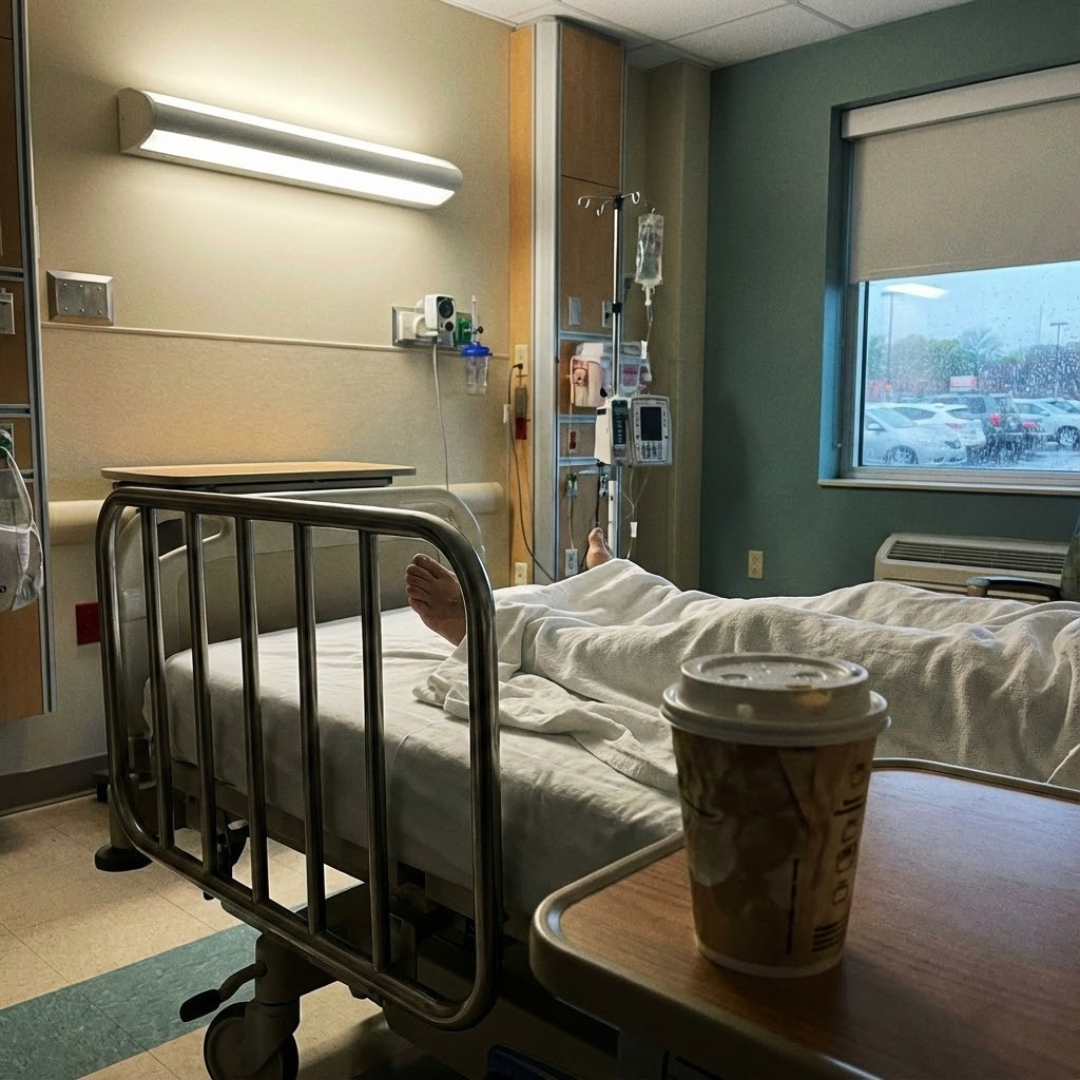
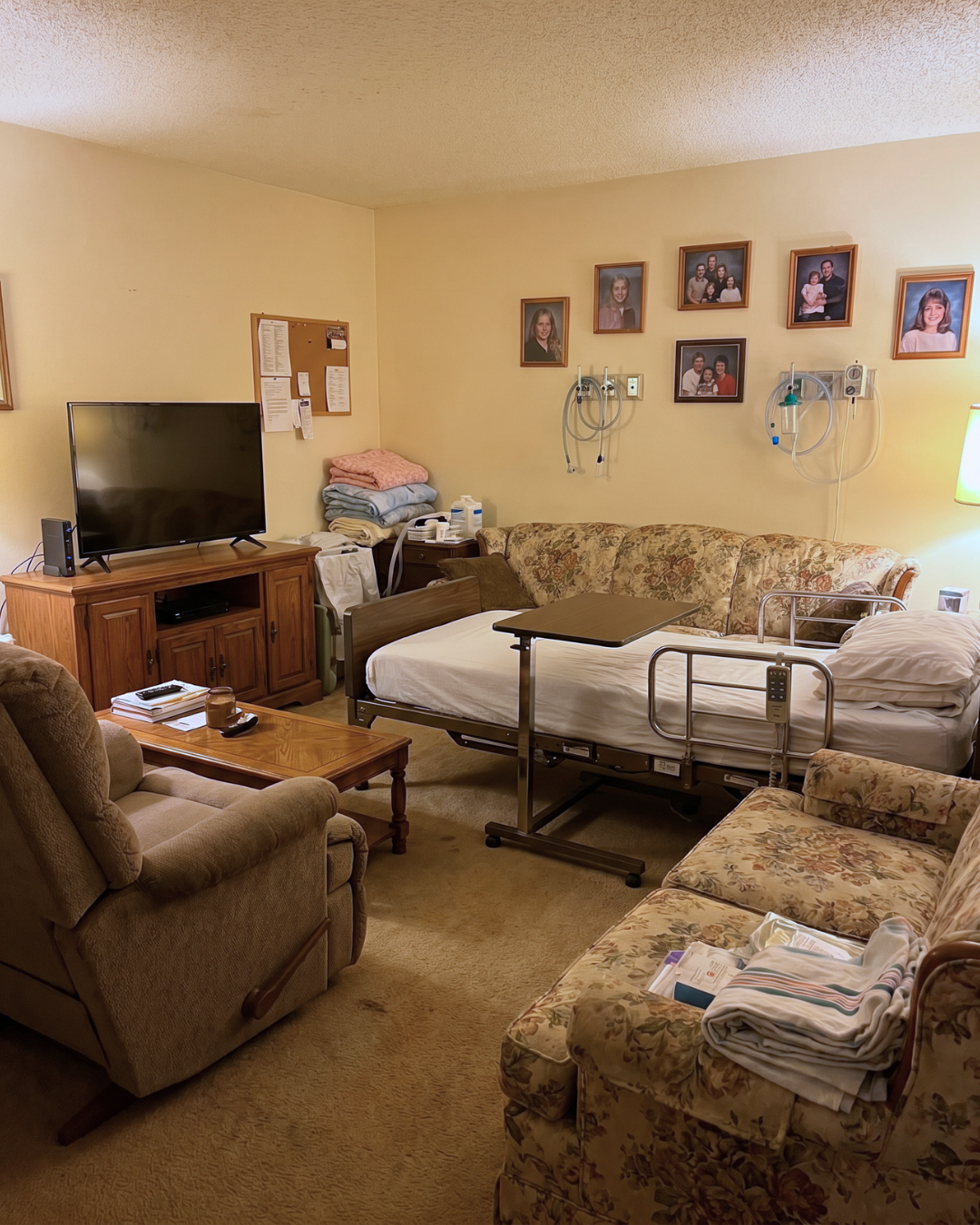
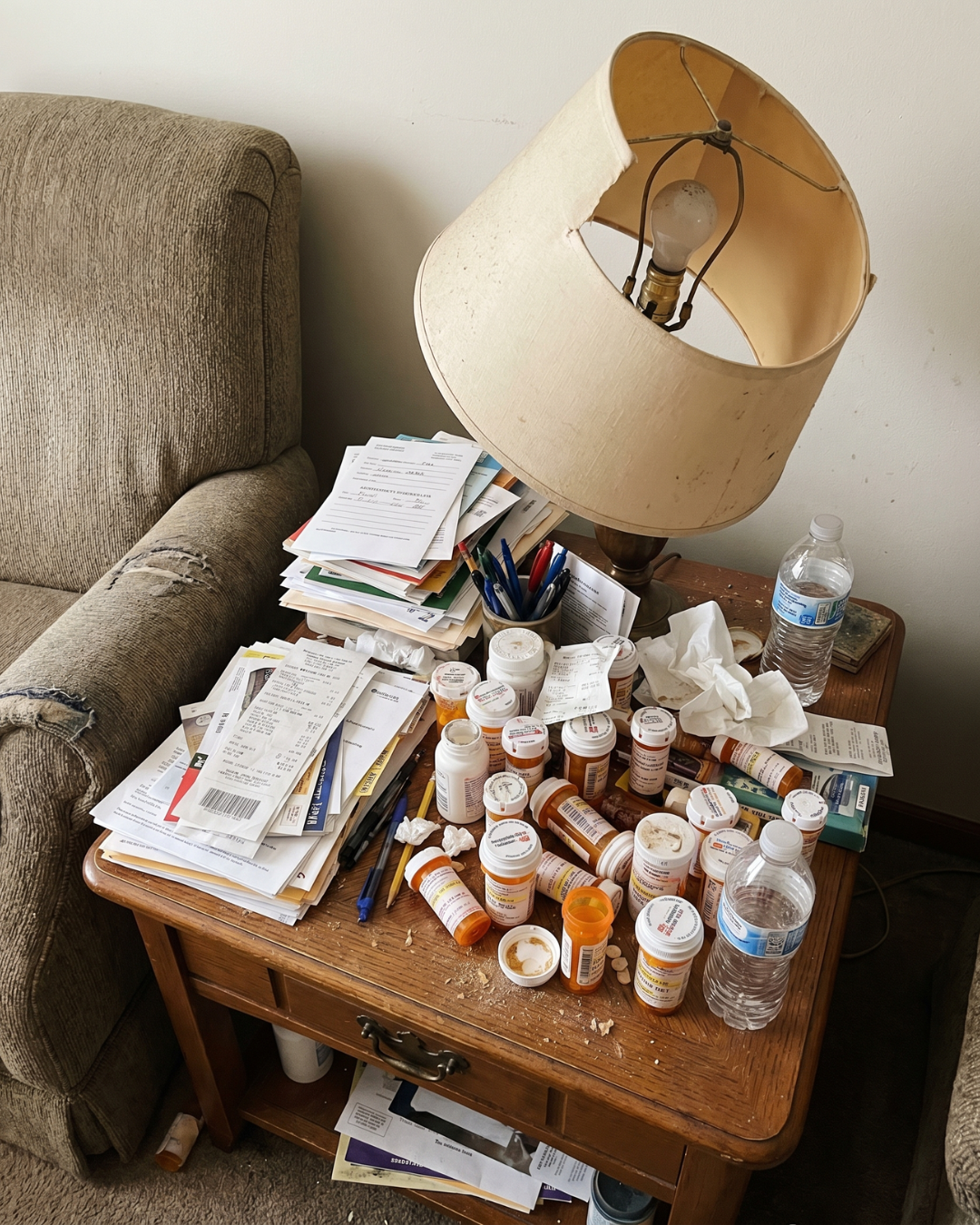
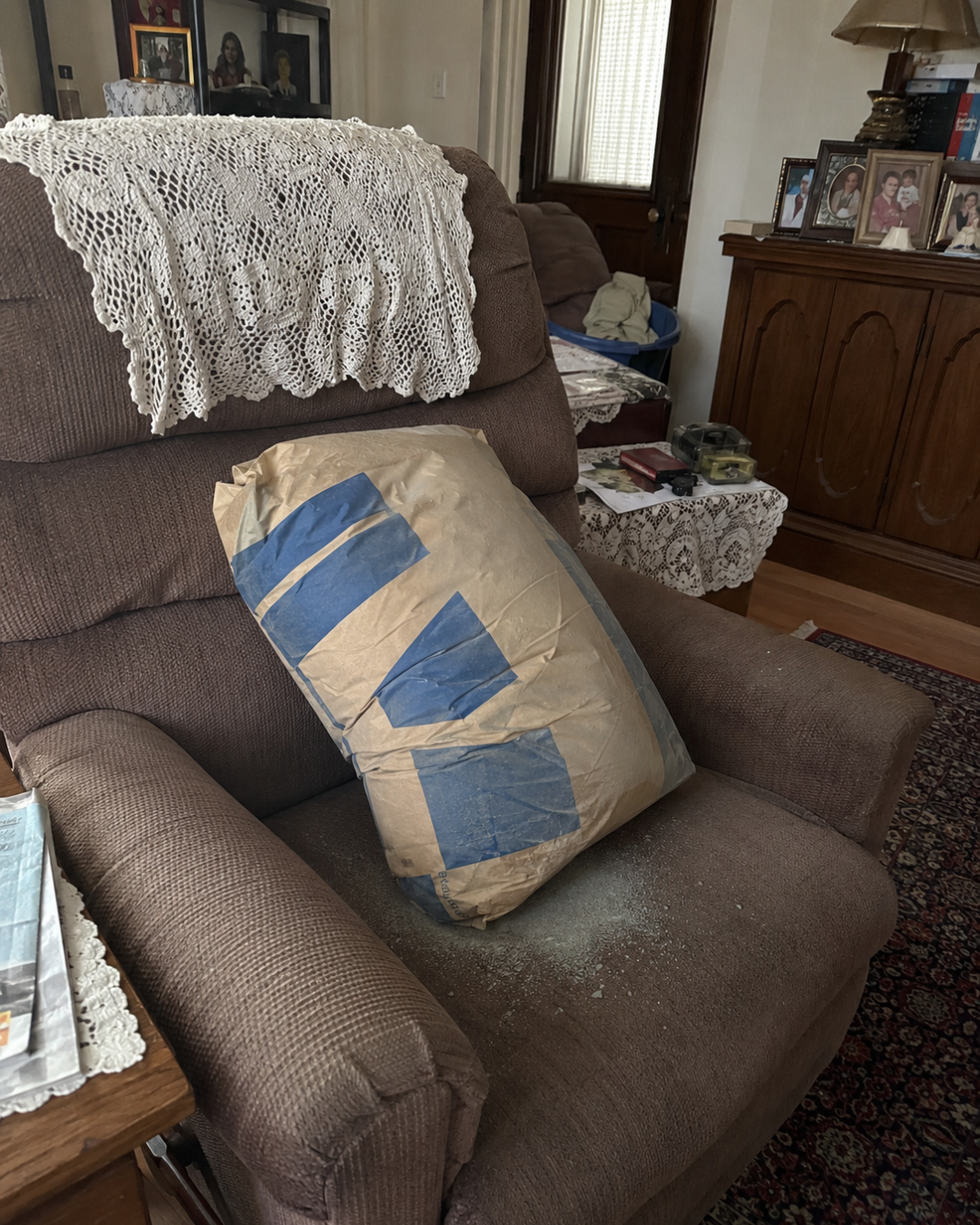
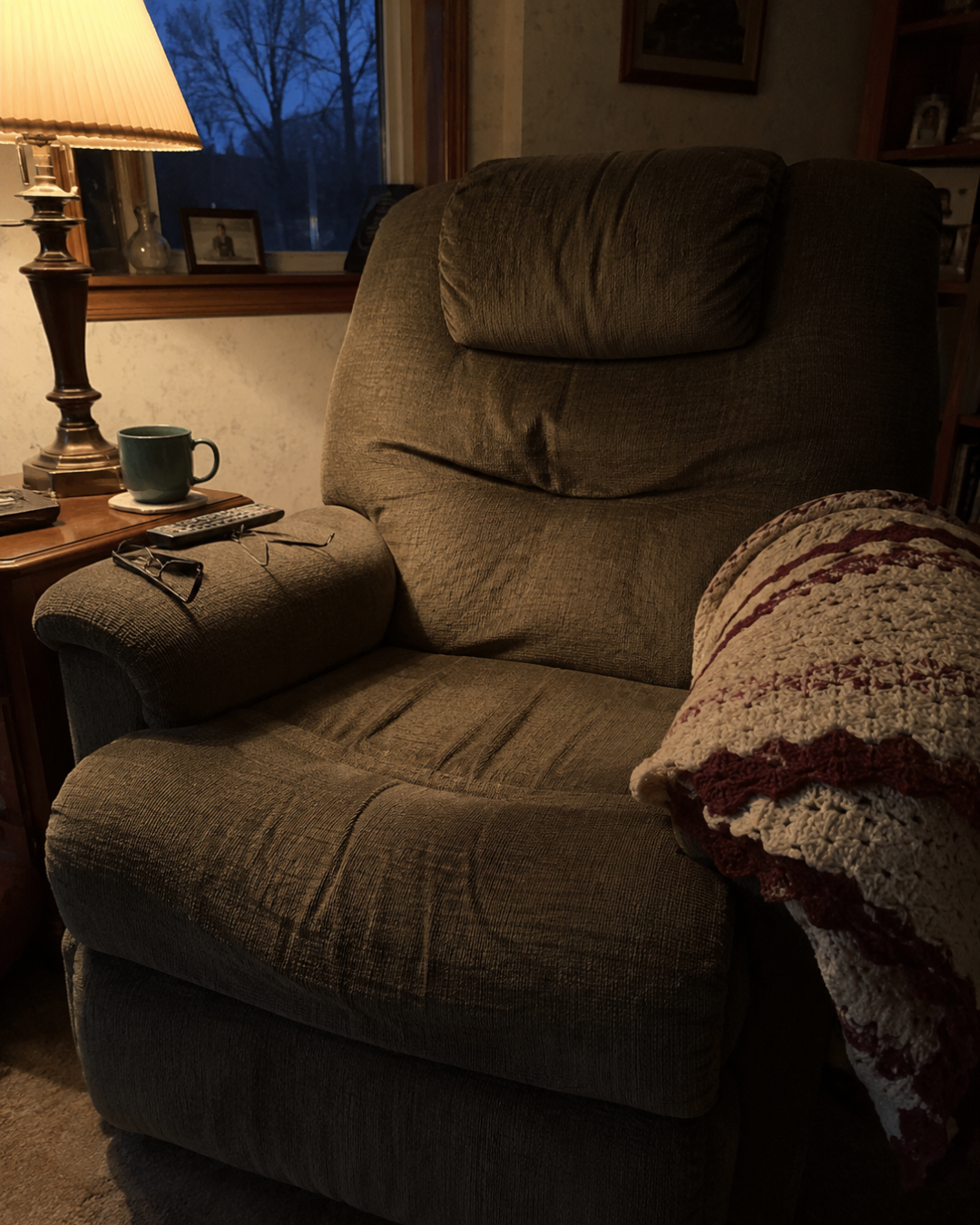
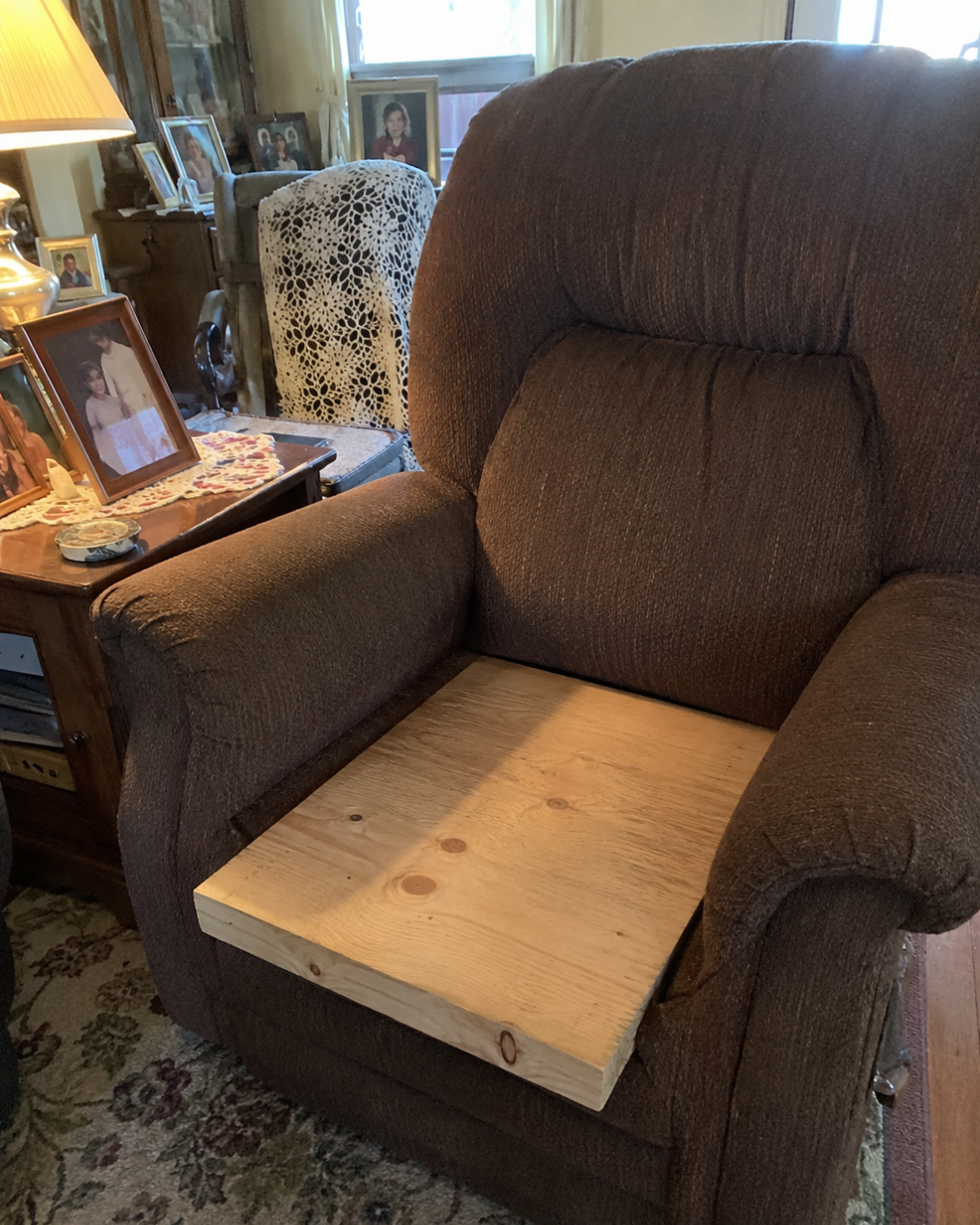
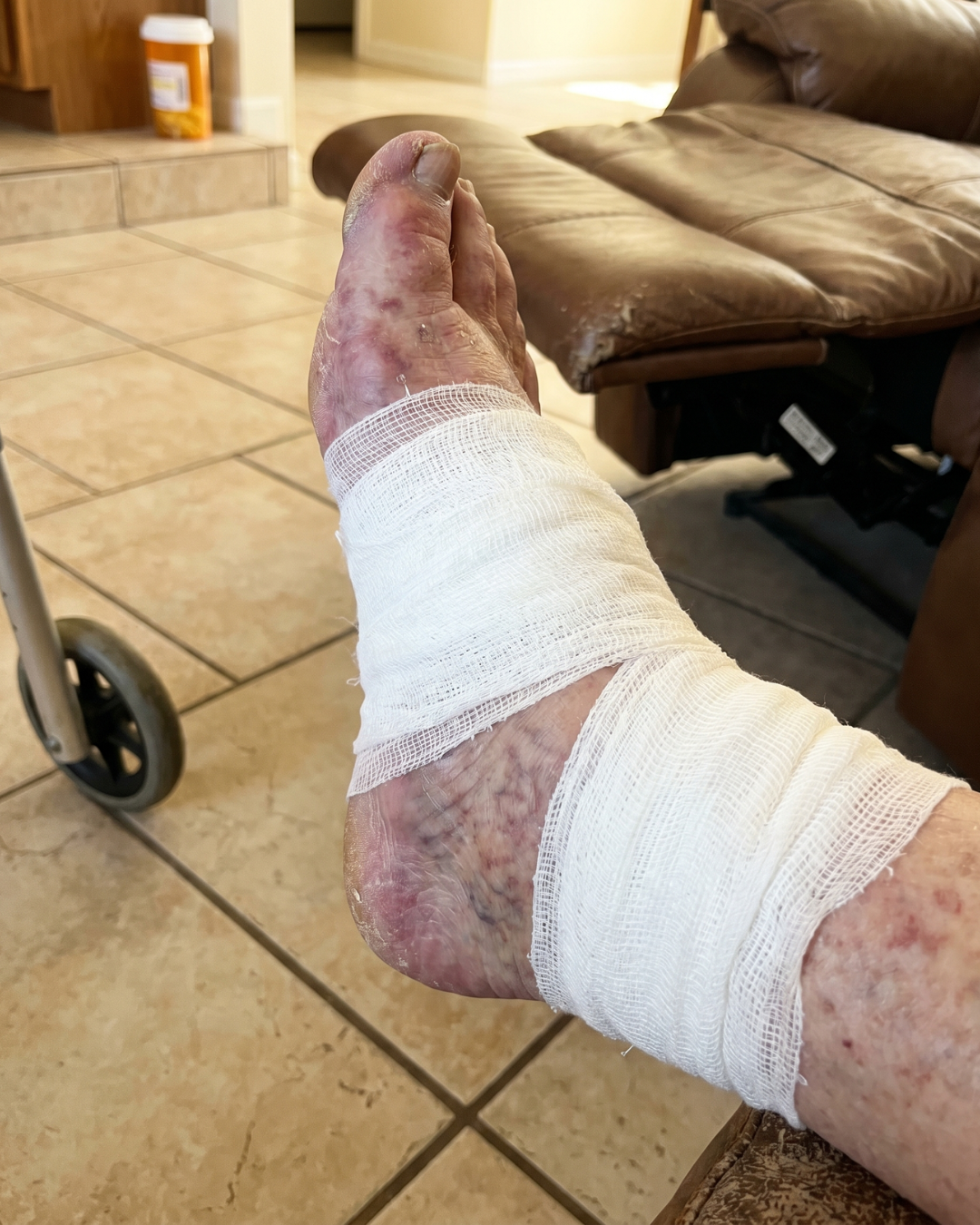
Please stop buying foam cushions for your elderly parents, especially if they have diabetes or Parkinson's. I know that sounds harsh. But what I learned, after my mother ended up with wound care visits twice a week, is that for someone with diabetes or Parkinson's, foam is not just useless. It actively works against the body. Let me explain what I mean. My mom has type 2 diabetes and she has spent the last two years in her recliner for most of the day. I bought her a thick memory foam cushion, the kind with the high reviews and the "orthopedic" label. I repositioned her. I checked on her. I did everything the caregiving forums said to do. Then her wound care nurse, Sandra, came for a routine check and asked me a question I wasn't ready for. "How long has she had this cushion?" she asked. About eight months, I said. Sandra pressed her hand into the center of it and her knuckles went straight through to the chair surface. "Feel that?" she said. "Your mom has been sitting bone-on-surface for probably the last four months. The foam bottomed out and you couldn't tell from the outside." That hit me like a wall. But then she said something that made it worse. "With diabetics, this is especially dangerous. Diabetes affects circulation. Therefore, blood flow to the skin is already compromised. When you add unrelieved pressure on top of that, the tissue doesn't get a chance to recover. It starts to break down faster, and it heals much more slowly when it does." She sat down with me and explained what pressure actually does to aging skin. After seventy, she said, skin loses roughly thirty percent of its thickness. The fat layer that used to pad the tailbone and sit bones thins out significantly. The body that used to have natural cushioning no longer does. So when your parent sits in a chair, the bones press against the surface. Blood flow to the tissue between bone and surface gets cut off. In as little as fifteen minutes, that tissue starts to die. For someone with healthy circulation, the body sends warning signals, which are discomfort. Fidgeting, and the urge to shift. But for someone with diabetes, those signals are blunted. The nerves don't fire the same way. The body doesn't tell them to move. So they just sit. And the damage accumulates without any warning at all. "Foam doesn't solve this," Sandra said. "Foam just compresses. That's all it does. Under sustained weight, foam flattens to almost nothing under the heaviest pressure points. Those pressure points are exactly where the bone is. The foam goes flat where she needs it most." I thought about every cushion I'd bought. Every five-star review I'd read. And I realized I had been buying softness. But what my mother needed was pressure redistribution. Sandra told me what to look for. She told me I needed a gel grid. A medical-grade honeycomb structure where the columns of gel buckle sideways under load, spreading the pressure across the entire surface instead of absorbing it in one place. She called it redistribution. Not padding. Not cushioning. Just Redistribution. "That's what they use in ICU beds," she said. "Surgical recovery wards. Spinal cord injury facilities. The technology has existed for decades. It just hasn't been accessible for home use until recently." That sent me straight to my phone. I typed in everything Sandra had said. ‘Medical-grade gel grid.’ ‘Column-buckling.’ ‘Pressure redistribution.’ And something came up that I almost scrolled past because it didn't look like any cushion I'd ever bought. No fabric cover. No plush top. Just an exposed blue grid, row after row of gel columns, exactly the way Sandra had described. It’s called the Cellgel seat cushion by Volosso. I ordered the Cellgel cushion that same week. The first thing I noticed was that it didn't look like a cushion. It was a blue honeycomb grid, with exposed gel columns, and no foam underneath. I pressed my hand into it and the columns buckled sideways. The pressure also spread across my entire palm as I pressed harder. So, I put it in my mother's chair immediately. And within two weeks, the redness that had been forming at her tailbone was gone. Because the pressure causing it was finally being addressed instead of padded. Sandra came for her next visit and looked at the chair. "Good," she said simply. That was it. Just good. From a wound care nurse, that's everything. If your parent has diabetes, Parkinson's, or any condition that affects circulation or mobility, the standard foam cushion is not a safe choice. It feels like one. It looks like one. But under sustained weight, it fails exactly where it matters most. The cushion I use is called the Cellgel from Volosso. You can see how the technology works at the link below. Put the right thing in that chair today.
Read this if you’re a caregiver 👆
We stand behind every CoolGel+ cushion. That’s why your order comes with a 60-day risk-free trial. If you don’t feel the relief you expected, return it within the trial period and we’ll issue a full refund, no questions asked. Your comfort is our guarantee
SHOP NOWLike this ad? Make it yours.
Crush rebuilds this exact creative around your product — your brand, your colors, your offer — in about a minute.