My Estate Kit
 Facebook ad: “Knowing the process from the inside did not help me…”
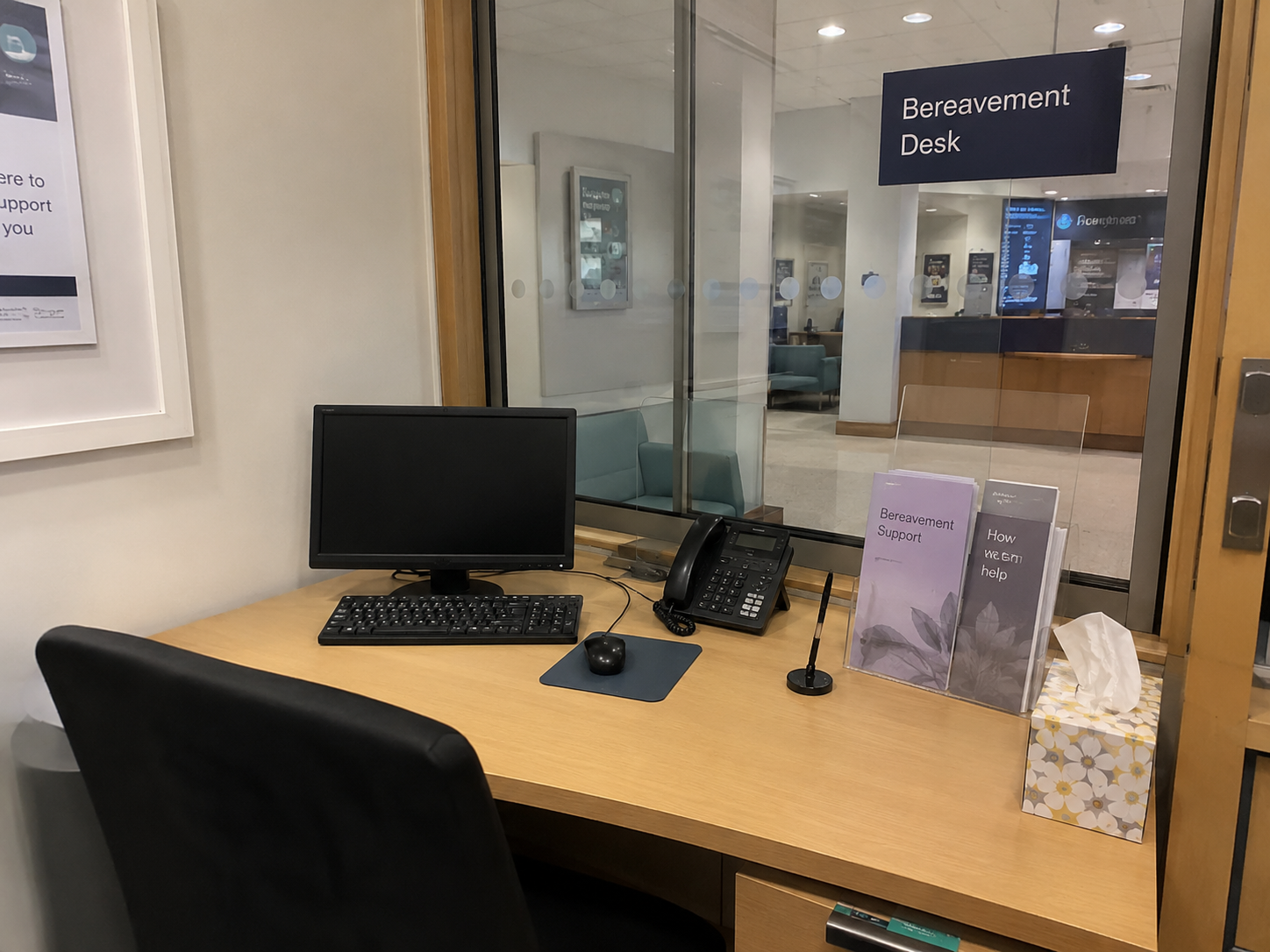
Running for 99 days since August 15, 2026. Crush last saw it on November 22, 2026.
Run by My Estate Kit on Facebook. Crush is not the advertiser and does not verify its claims. See this ad in Meta's Ad Library(opens in a new tab)
Make your own version of this ad
Crush makes it, launches it in your own Meta ad account, scales the winners and pauses the losers.
About this ad
- Meta Ad Library ID
- 1042753248533408
- Platforms
- Facebook, Instagram, Audience Network, Messenger and Threads
- Relaunches
- 0
- Niche
- Real Estate
Ad text
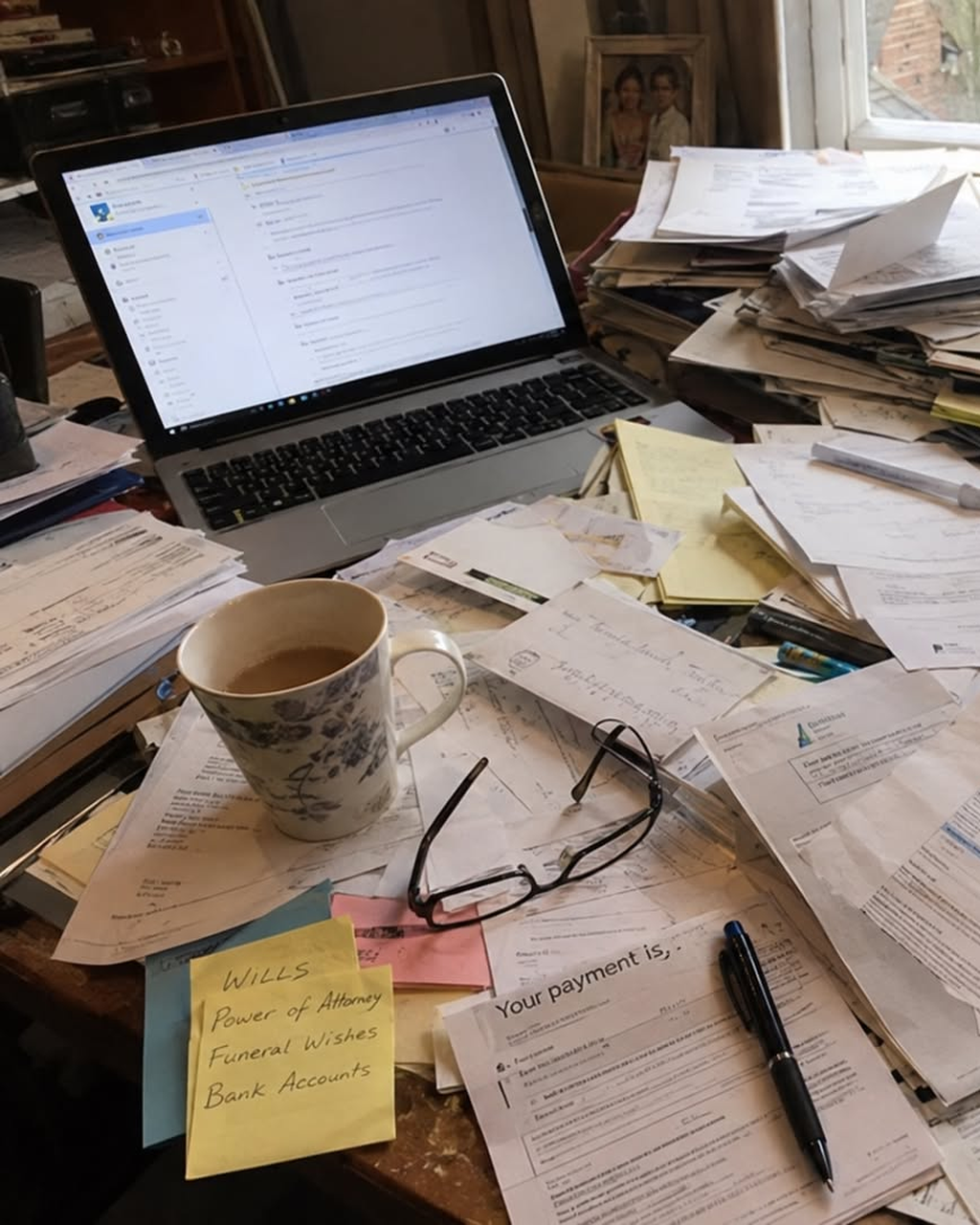
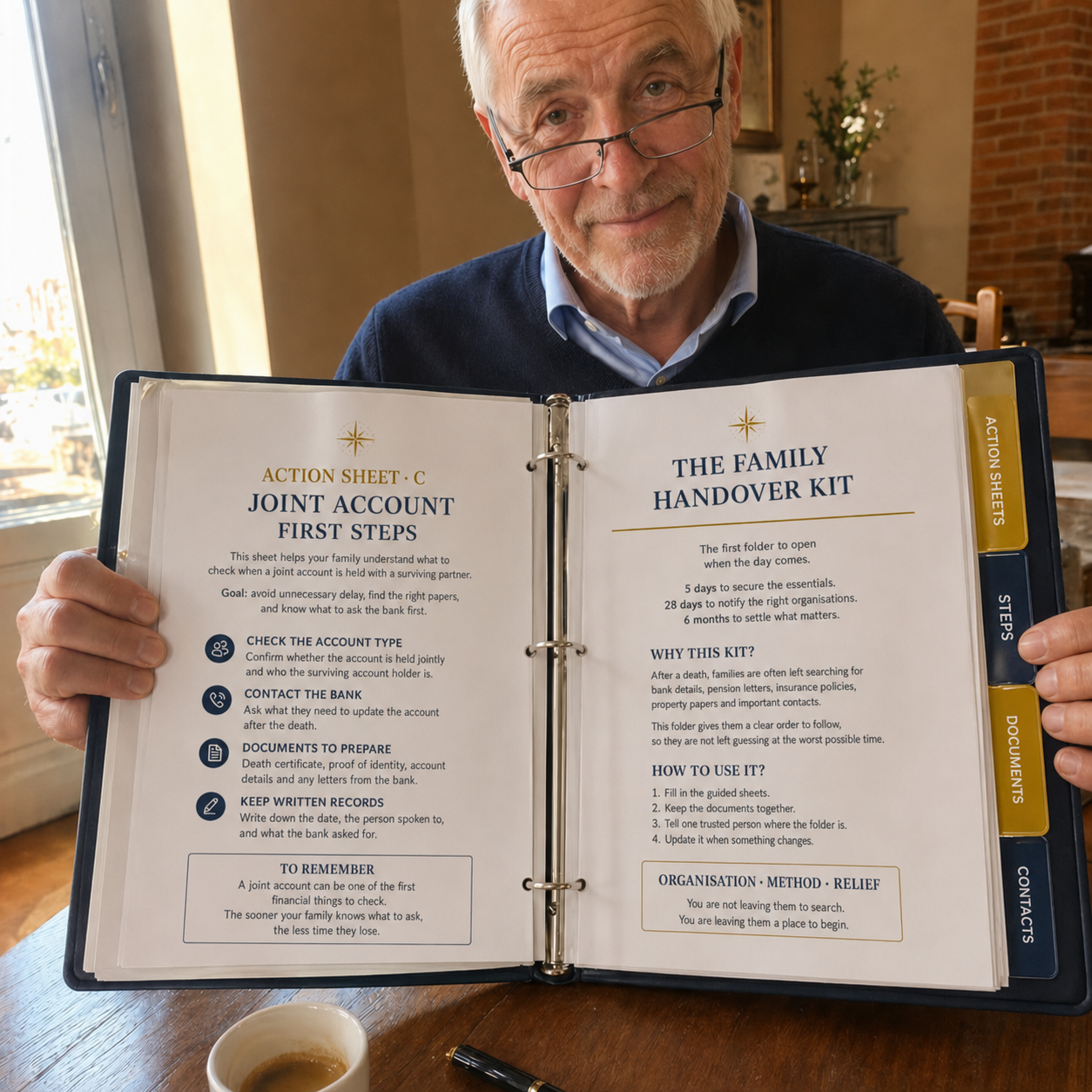
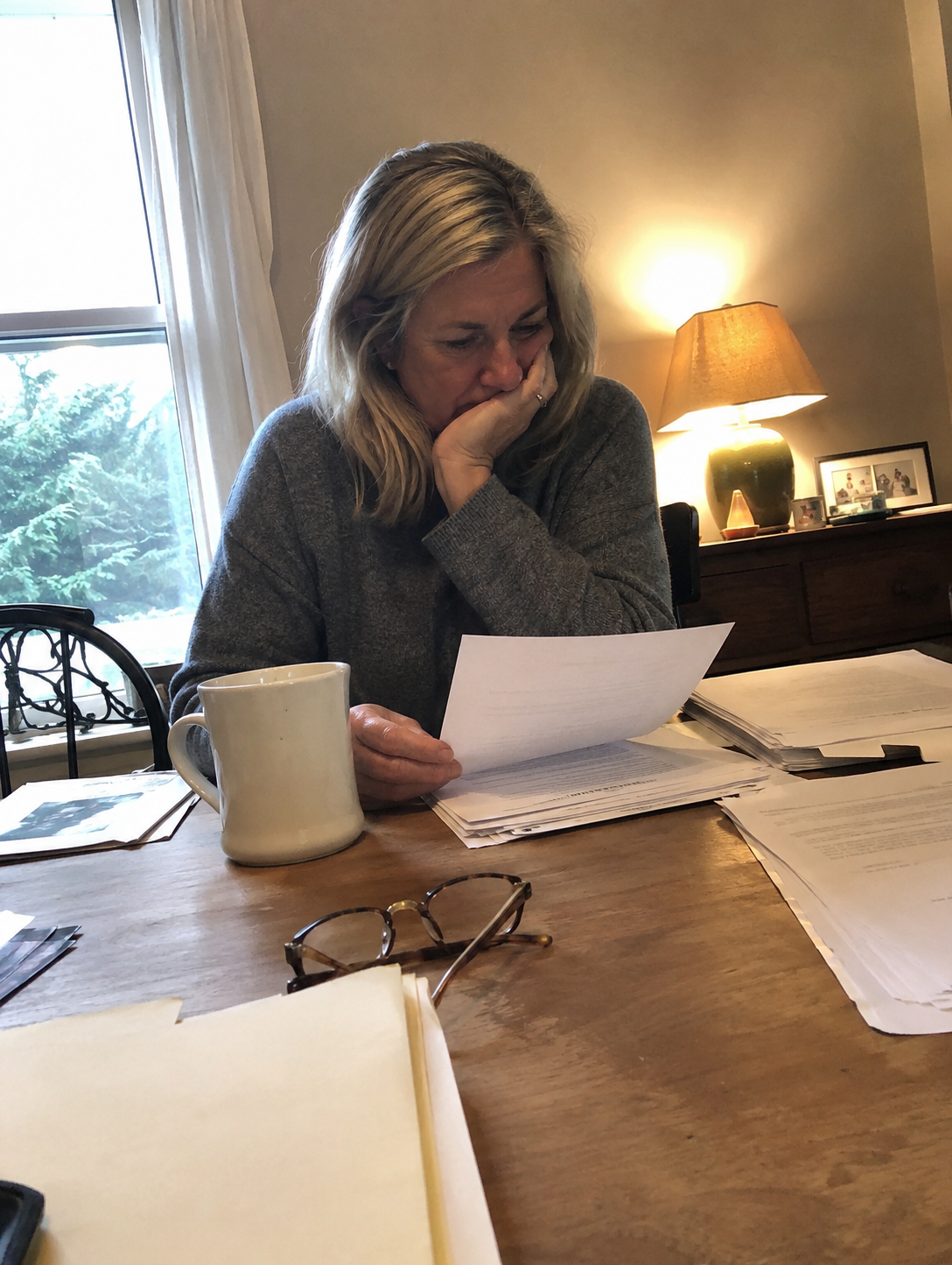
I spent 24 years on the bereavement desk of a British bank. When my own husband passed, I still got it wrong. Here is what I wish every family knew. For 24 years, I sat behind the bereavement desk of a high street bank. When someone passed away, their family ended up in front of me. Thousands of them, over the years. I watched the same scene play out again and again. The son with a carrier bag full of unopened statements, trying to work out how many accounts his mother even had. The widow ringing us for the fourth time because every department made her explain, again, that her husband was gone. The daughter in tears at my window, not because of the money, but because the account was frozen, the funeral invoice had arrived, and nobody had told her what to do first. I must have said "I'm so sorry, but we do need the grant of probate" more times than I can count. And here is the part that stayed with me. Almost none of these families were careless people. They had wills. They had solicitors. They loved each other. They were simply never left a plan. Three years ago, it happened to me. I'm 61. My husband Terry had a heart condition we thought was managed. He passed at home, on a Tuesday morning in March, with no warning at all. And I want to be honest about what came next, because it is the reason I'm writing this. I thought I, of all people, would be ready. I had spent my career on the other side of that desk. I knew the forms. I knew the word probate before most people my age had ever heard it. It still took me eleven months to settle Terry's estate. Eleven months. Me. The woman from the bank. The first week, I couldn't find his pension paperwork. He had three pensions from three different employers. I knew about two. I ordered four death certificates because that felt like plenty. I needed eleven. Waiting for the extra copies stalled everything by weeks. Tell Us Once handled the government side, and I remember feeling relieved, until I realised it does not tell the bank, the mortgage, the insurers or a single private pension. Those were still my calls to make. Twenty-two organisations, in the end. I kept a tally on the back of an envelope. Some nights I would sit at Terry's desk at two in the morning, going through drawers, and think: I did this job for twenty-four years, and I am drowning. What chance does anyone else have? People kept telling me the same two things. "The solicitor will sort it out." I did speak to one. A lovely firm. They quoted a little over £2,000 to handle probate, and they were worth every penny of it, but here is what nobody tells you: the solicitor can only work with what you give them. They didn't know where Terry's paperwork was. They didn't know he had Premium Bonds. Their first request was a list of everything he owned, every account, every policy. In other words: the eleven months of digging was still mine to do. I generally tell people a solicitor is the right choice for a complex estate. But a solicitor is not a plan. A solicitor is who you hand the plan to. "You're organised, you'll manage." I was organised. I'm the one who always handled our paperwork. After Terry passed I even found a list I'd made years before, account numbers in a nice notebook from the stationery shop. Half of it was out of date. And a list, I learned, is not what you need at nine o'clock on the worst morning of your life. A list doesn't tell you that the death has to be registered within 5 days. It doesn't tell you to order the certificates before anything else. It doesn't tell you who to ring first, or that Inheritance Tax generally falls due by the end of the sixth month whether you're ready or not. Information without an order to follow is just a scavenger hunt with better handwriting. I tried the ready-made solutions too. After Terry's estate was finally settled, I promised myself my children would never go through what I went through. So I bought one of those "important documents organisers" from a big stationery chain. I downloaded two free end-of-life planners as well, the kind with five-star reviews. I filled in the first few pages of each. And then I stopped, because I recognised them. They were my notebook again. Prettier covers, same problem. Boxes to write things in. No order. No deadlines. One of them was American and talked about things that don't even exist here. Not one of them mentioned registering a death within 5 days, or what Tell Us Once actually covers, or the sixth-month tax deadline. I put them in the drawer with the notebook and thought: maybe there simply isn't anything for this. Maybe every family just has to learn it the hard way, the way I did. Then, about a year ago, before I retired, a woman named Doris came to my window. Doris was 74. Her husband had passed three weeks earlier. I braced myself for the usual: the carrier bag, the missing documents, the months ahead of her. Instead she put a single blue folder on the counter. Inside was every account her husband held, listed on one page. The death certificate copies, already ordered, the right number of them. A letter for the bank, already written, that she'd simply signed. A checklist with the first items ticked off in pencil. We did in one visit what normally takes families three or four. As she was packing up, I couldn't help myself. I told her, quietly, that in twenty-four years I had almost never seen anyone come in this prepared, and I asked her how she'd done it. She smiled and said her husband had left it for her. He'd put it together one afternoon, years before, and kept it in the bureau. Then she said something I have repeated to every one of my friends since: "A notebook isn't a plan, love. He didn't just leave me his information. He left me the order to do it in." I'll be honest: I went home skeptical. I had seen a hundred "get your affairs in order" products over the years, and in my experience most of them are the notebook problem in disguise. But I had also just watched a 74-year-old widow do in three weeks what had taken me the better part of a year. That evening I sat at Terry's desk, and instead of grieving over the drawers, I started digging properly for the first time: what had Doris's husband actually used? Here is what I worked out, and I'll keep it simple. Settling an estate in England and Wales is not really a paperwork problem. It is a sequencing problem. There are, generally speaking, three windows after a death. The first days, when the death must be registered (the legal deadline is 5 days), the certificates ordered and the will found. The first month, when the right people must be told, in the right order, starting with what Tell Us Once covers and then everything it doesn't. And the first six months, when the estate is valued, probate applied for, and Inheritance Tax generally settled by the end of month six. Do things in that order, and the process moves. Miss the order, and everything jams: too few certificates stalls the notifications, a late valuation stalls probate, a frozen account stalls the funeral bill. That was the difference between Doris and me. Not intelligence. Not love. Sequence. And that is exactly what every product in my drawer was missing. The stationery organisers give you boxes with no order. The free planners give you an order from the wrong country. My notebook gave me facts with no instructions. The label says "get organised". What's inside is a scavenger hunt. So I stopped looking for a place to write things down, and started looking for an actual plan. It came down to three things, and it's the third one that almost nothing on the market has: ✅ A step-by-step plan, not blank pages — it tells your family what to do, who to contact and in what order ✅ Built for England and Wales — the 5-day registration, what Tell Us Once does and doesn't cover, probate, the month-six tax deadline ✅ The records feed the plan — every account and policy listed once, with ready-to-send letters, so the plan can actually be followed Doris, bless her, still had the email on her husband's old laptop. It was called My Estate Kit. The Family Handover Kit. When I looked it up, the reviews kept describing exactly what I'd seen on my counter: "a plan my family can actually follow", "they just open it and follow the steps". It cost from £29. I had paid a little over £2,000 for probate help that still left the digging to me. At that point, the price was not the question. I ordered the Settled Family Pack on the Monday evening. It arrived by email before I'd finished my tea. I printed it at the kitchen table. The first thing I did was read it cover to cover with my bank hat on, looking for what it had missed. That took me most of an evening. I found the death certificates guidance (order 10 to 15, it says, and I thought of my four). The Tell Us Once section that lists exactly what the service does not cover. The notification letters, ready to send, that would have saved me twenty-two phone calls. The month-six tax deadline, flagged in advance instead of discovered late. I filled it in the following Sunday afternoon. One quiet afternoon, the whole thing. Every account, all three of my own pensions this time, where the will is kept, the passwords, my wishes. Then I did something I recommend to everyone: I handed the folder to my son and asked him one question. "If anything happened to me tomorrow, tell me what you'd do first." He opened it, read for a moment, and said: "Register within five days, order the certificates, here's the list of who to ring." Then he went quiet, and said, "Mum, this would have saved us a year." That night I slept properly for the first time in longer than I could remember. A few weeks later I showed my completed folder to Robert H., a probate practitioner I'd worked opposite for the better part of two decades, now retired. He leafed through it and said something I'd heard him say in his office a hundred times: two kinds of family come through a probate door. The ones who arrive with a plan leave with the estate mapped out in an hour. The ones who arrive with nothing are told, gently, that this will take many months. Both loved their family just as much. Then he asked me to send him the link, for his own daughters. Since then I've given a copy to my sister, walked two of my neighbours through it, and mentioned it to more old colleagues from the branch than I can count. The ones who've done it all say a version of the same thing: it's a weight off. Not because anything is different today. Because everything is ready for the day it matters. Look. For eleven months I believed what most people my age believe: that a will and a good solicitor are the whole job. I was on the other side of the desk for twenty-four years and even I believed it, until I had to live it. A will says who gets what. It does not tell your family what to do on the first morning, or the first month, or the sixth. That part is either written down in advance, in order, or it is eleven months of your children's lives. And remember what Doris said at my counter: a notebook isn't a plan. If you take one thing from my story, take that. I wasted two years thinking my little book of account numbers had it covered. The blank-page organisers in the shops will do for your family exactly what mine did for me: nothing, in the wrong order. The kit comes with a 30-day money-back guarantee. Download it, print it, read the whole plan. If you don't honestly feel your family would know exactly what to do, email them and they refund you in full. In all my years at the bank, I never once saw a solicitor's invoice come with "if this takes longer than it should, we'll give you your money back". Think about that for a moment. And here's the thing. If Doris's husband hadn't sat down one afternoon, years before he was ever ill, Doris would have been the carrier bag at my window. If Doris hadn't put that blue folder on my counter, I'd still be telling myself the notebook in my drawer counts as being prepared. I'm sharing this because I hope it spares another family the eleven months. After twenty-four years on the bereavement desk, I thought I had seen every way to be prepared. Turns out, a widow in my queue knew something I didn't. Here's the kit her husband used: 👉 myestatekit.co.uk/the-bereavement-desk — The Family Handover Kit, from £29 P.S. None of us gets a warning. Terry didn't. Doris's husband, as it happens, put his folder together four years before she needed it, on an ordinary afternoon, in good health. That is the only time this can be done: an ordinary afternoon, in good health. If your children are visiting in the next month or two, have it done and on the shelf before they come. It is delivered by email in minutes and finished in an afternoon, from £29. P.P.S. The 30-day guarantee is the part I keep coming back to. Read the entire plan before you decide to keep it. If it doesn't put your mind at rest, you get every penny back, no questions asked. Whatever you decide, your family deserves more than a notebook. 👉 myestatekit.co.uk/the-bereavement-desk — from £29
Where the ad sends people
myestatekit.co.uk
Knowing the process from the inside did not help me. Having it written down would have.
Get your estate and paperwork in order so your family is never left with a mess.
Learn more: myestatekit.co.uk(opens in a new tab)