
Inactive· since Aug 10, 2026
- 11
- days it ran
- 0
- relaunches
- 56,123
- EU reach
Ad copy
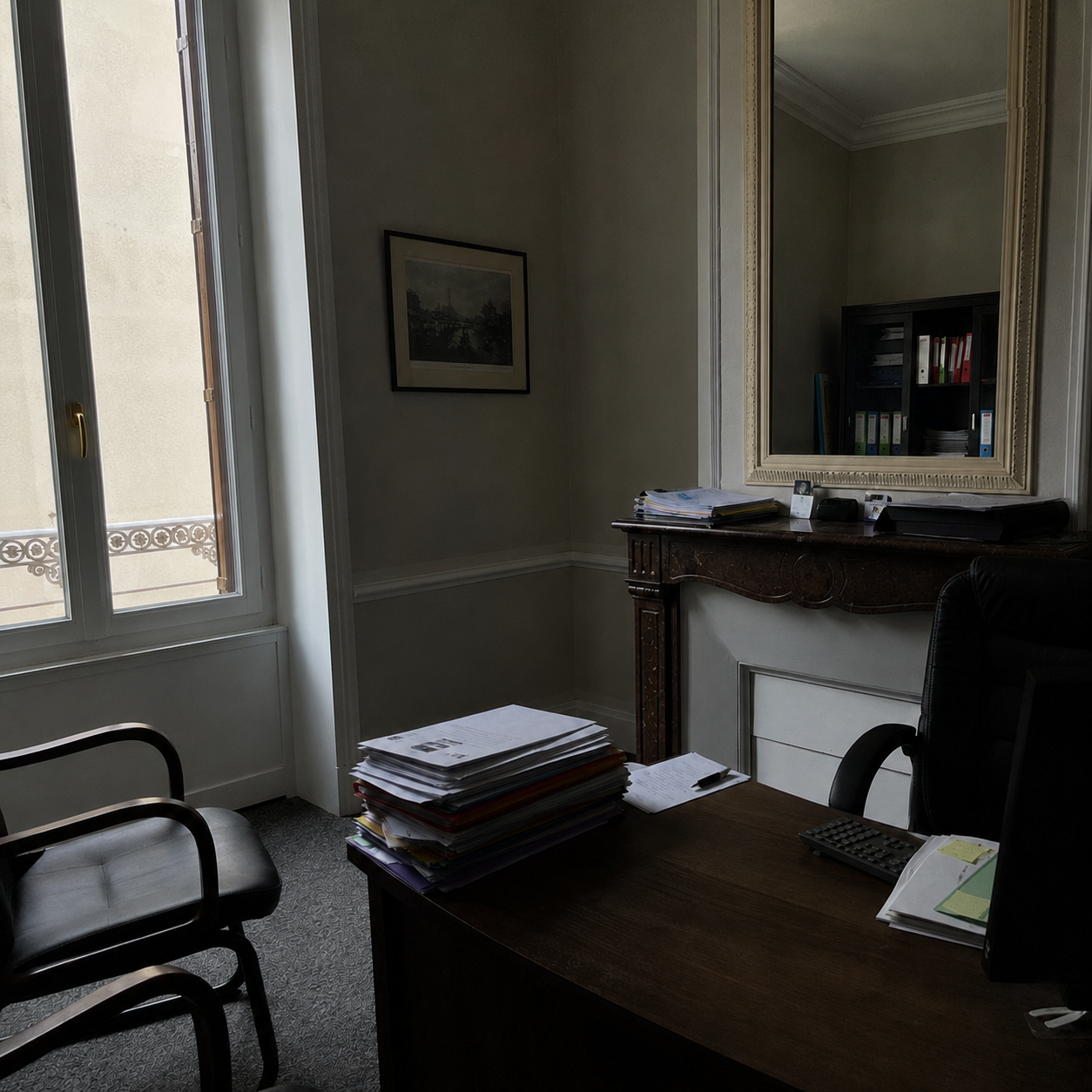
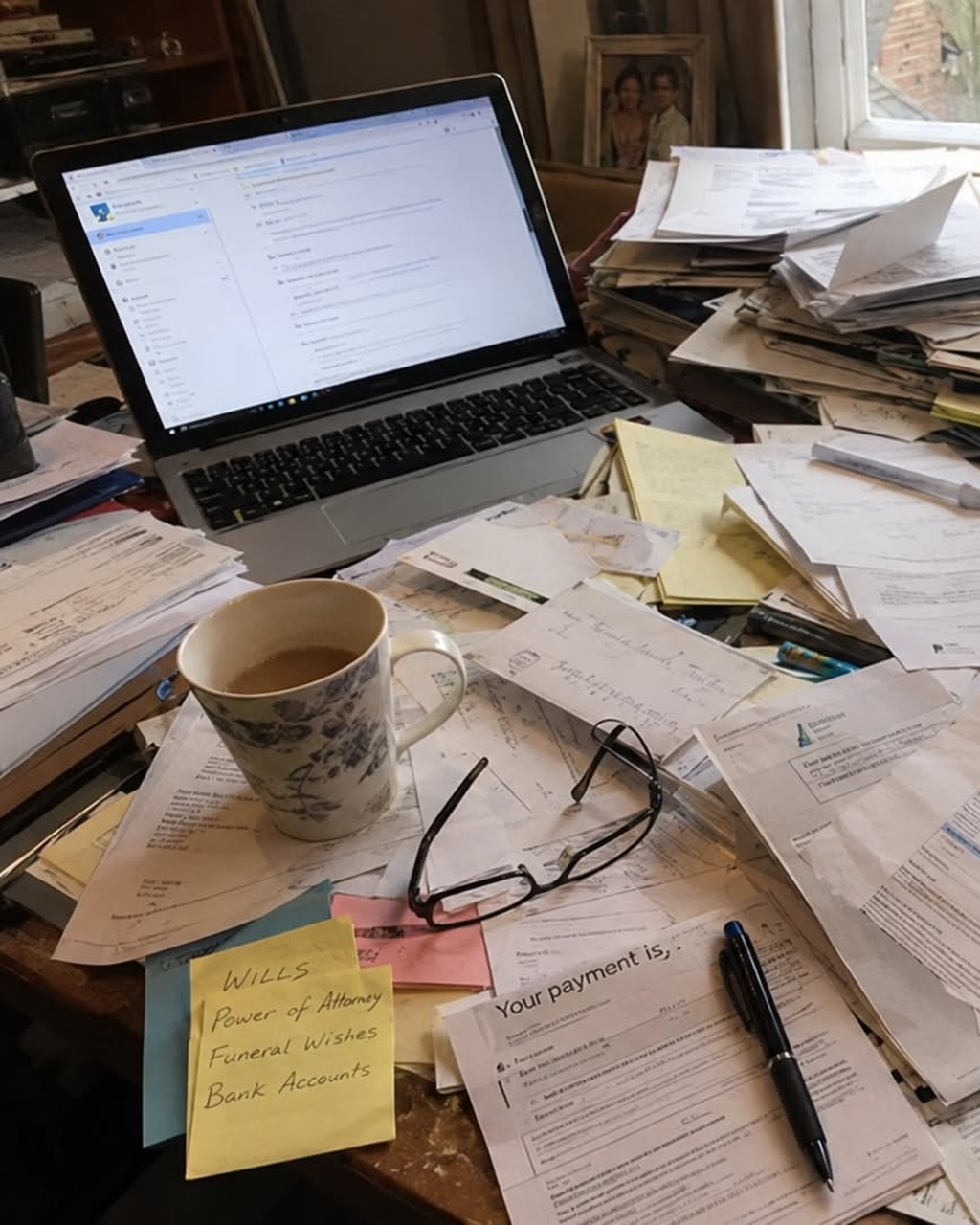
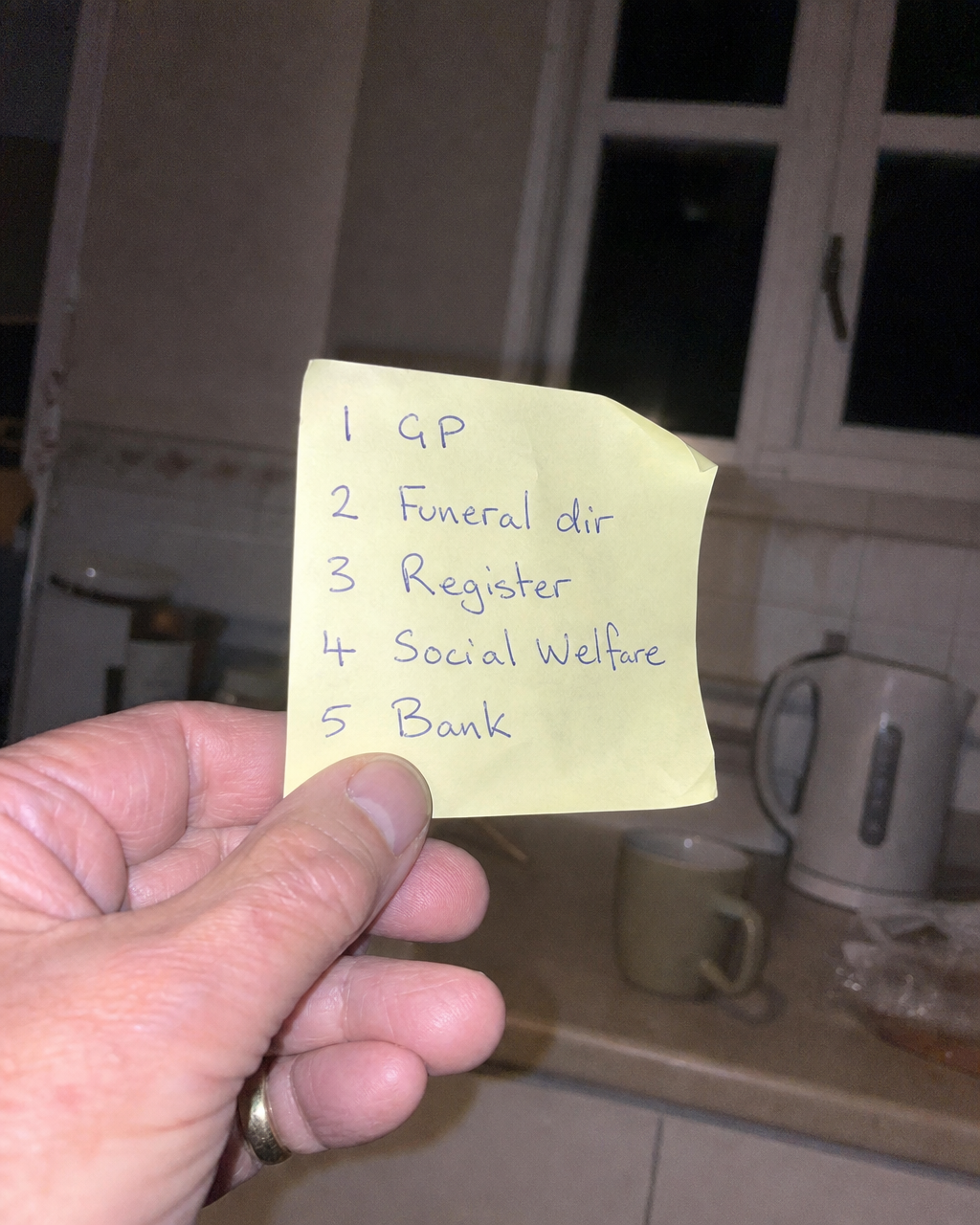
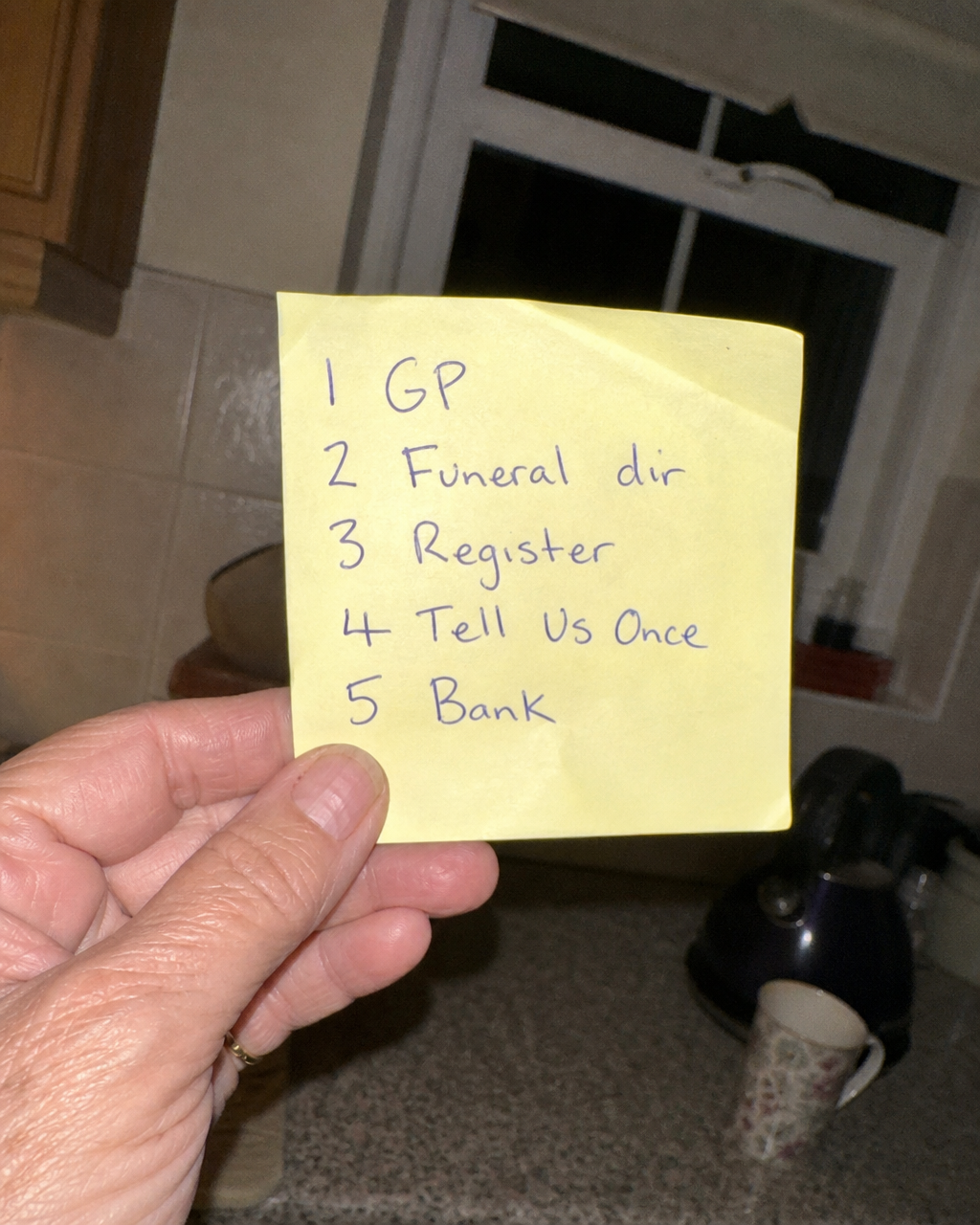
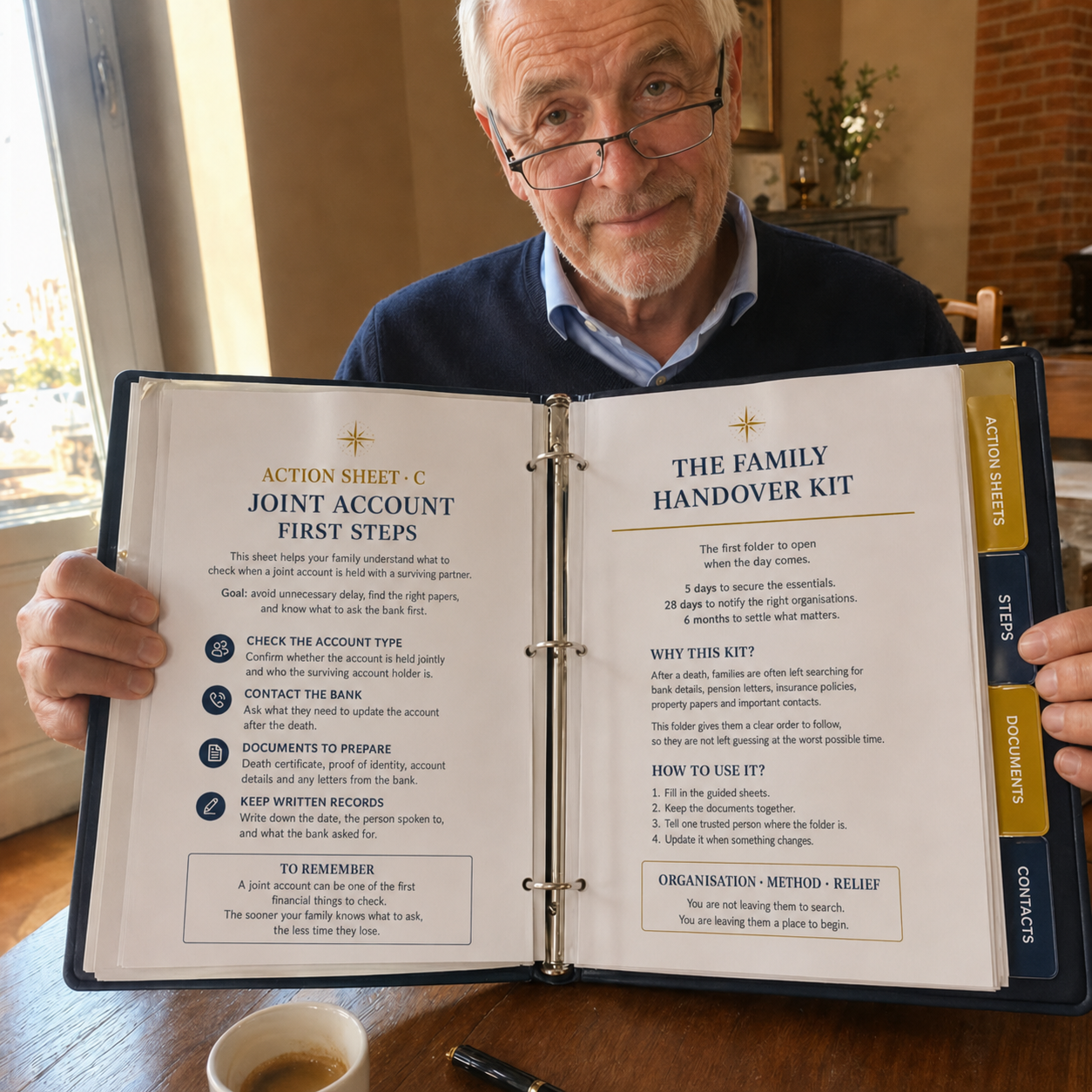
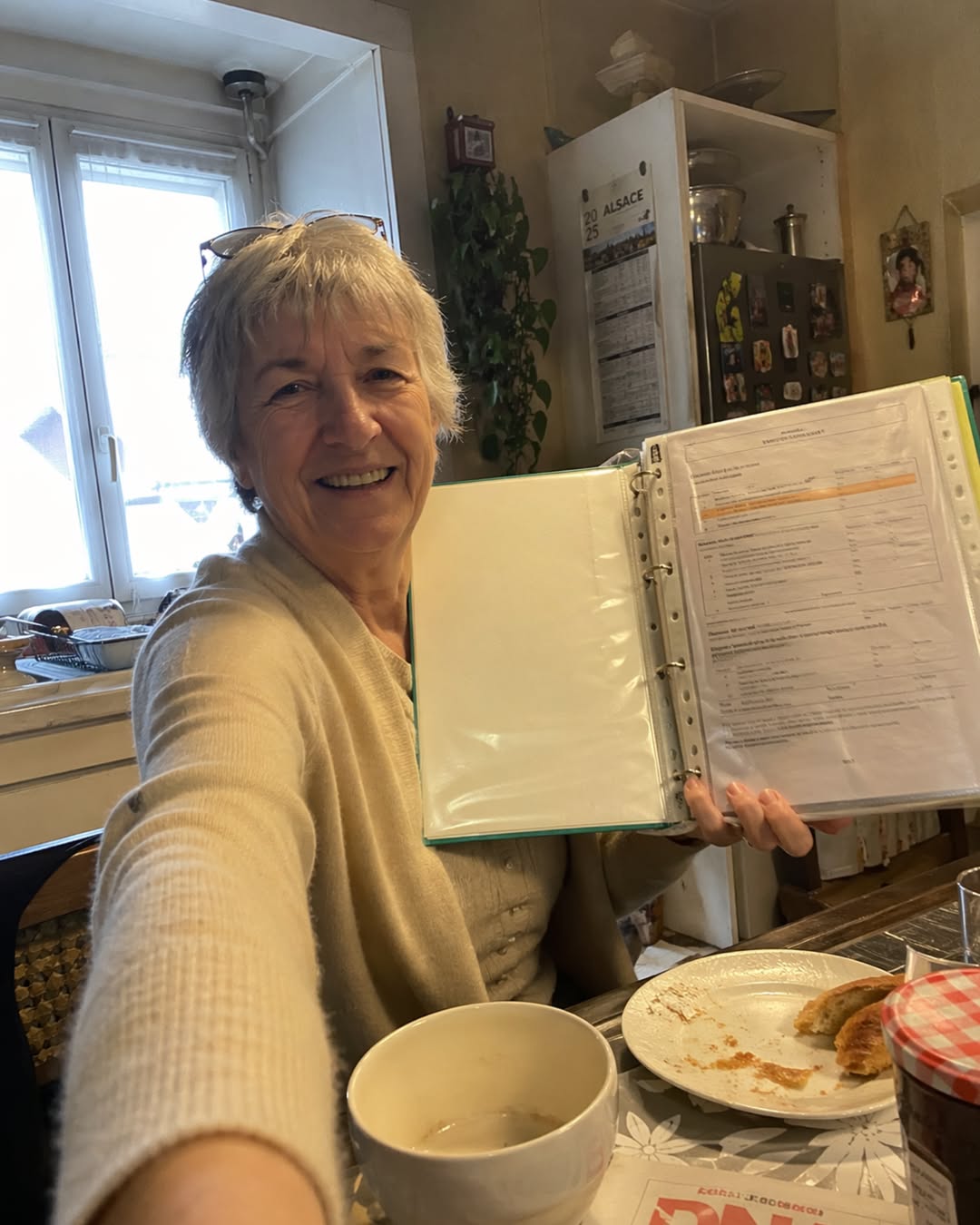
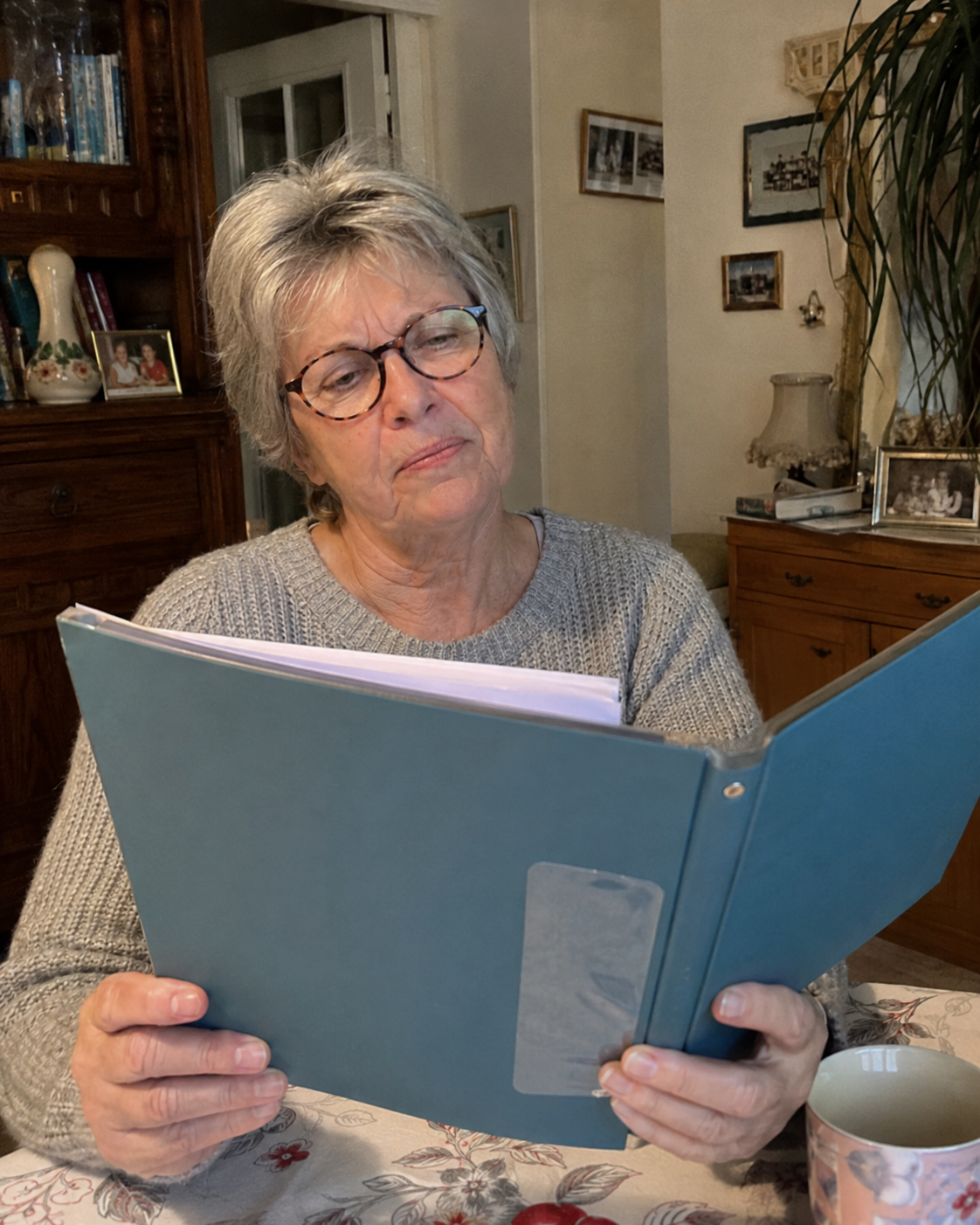
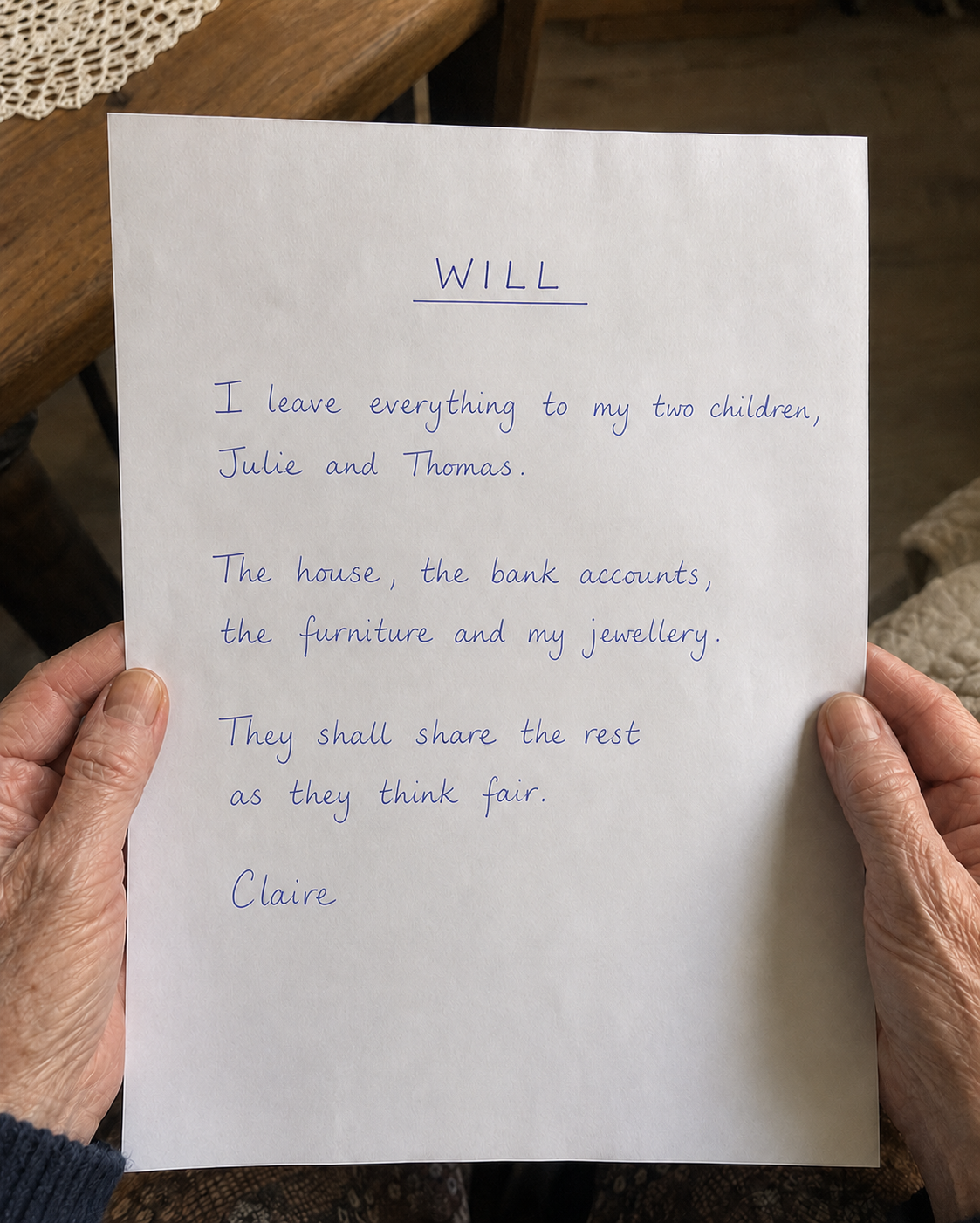
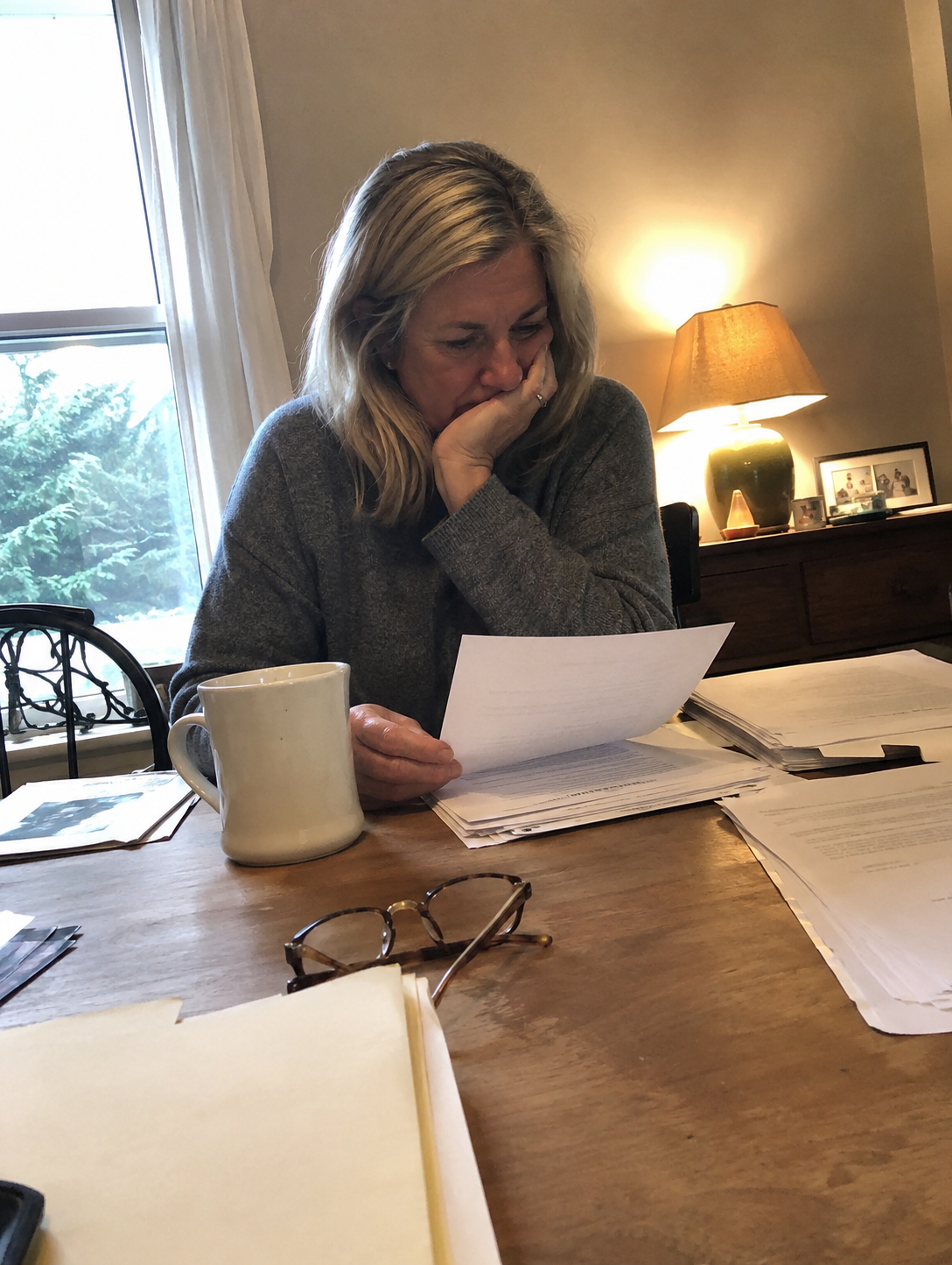
My father's affairs were in order. Everyone said so. He had a will, drawn up by a solicitor, signed, witnessed, kept in the drawer of his desk. It still took my brother and me eleven months, forty-seven phone calls and €4,300 in fees to settle everything he left behind. Last spring, I opened my own filing drawer and saw exactly what we'd found in his. I refused to hand my children the same year. And by the end of this, you're going to be angry. Because there are three things happening right now: One. Somewhere in your house is a drawer your family believes is organised. It isn't. Two. The system has exactly one answer for you: make a will. And a will does nothing at all during the first three months, which is precisely when a family drowns. Three. An estate-settlement professional spent 35 years watching why some families map everything in weeks while others lose a year, and nobody inside that system will ever hand you what he learned. Let me tell you about my father. Because his story is why I spent six months studying probate instead of simply updating my will. My father was the organised one. Thirty-one years with the same engineering firm. A man who kept the instruction manual for a kettle we no longer owned. When anyone in the family needed something sorted, they rang him. He made his will in 2009. Solicitor drafted. Properly signed, properly witnessed. "It's all sorted," he used to say, tapping the desk drawer. "You won't have to worry about a thing." We believed him. Why wouldn't we? His affairs were in order. Two years ago, we lost him. He was 78. And within three days, I learned what "in order" actually meant. Day one, the undertaker. In Ireland, the funeral happens in about three days. The notice on RIP.ie that evening. The wake Thursday. The burial Friday. The undertaker asked whether Dad had a funeral plan. Mum thought he did. Some company, years ago, a leaflet on the kitchen table. We never found it. We paid for everything out of pocket, €6,200, and to this day I don't know whether a paid plan is sitting in a filing cabinet somewhere. Then the registrar's office. They asked for documents. His marriage certificate took Mum three hours to find, folded inside a wallet of NCT certificates for cars he hadn't owned since the nineties. The registrar asked how many certified copies we wanted. We said two. Nobody told us that every bank, every insurer, every pension provider would demand its own. We went back twice, and paid twice. Then came the phone calls. Three banks. The accounts froze the moment we told them. The electricity, the bins and the Local Property Tax were all in Dad's name, paid from a frozen account. The direct debits started bouncing while Mum sat at the kitchen table asking me if the lights would stay on. We assumed one call would tell the State, and the rest would follow. There isn't one. The registrar's office passes the date of death to Revenue — the only automatic message in the system. The Department of Social Protection was another call. Then its separate sections, one by one — telling one does not tell the others. The NDLS. Nobody tells your bank. Not the mortgage company. Not the insurers, the utilities or the private pensions. That was another forty-odd calls, and on every single one, Mum or I had to explain from the beginning what had happened. You relive it every time. Hold music, a stranger, the same sentence again. His phone was locked. His email held the statements, the policies, the renewal notices. None of us had the password. Week six, a letter arrived about a workplace pension from a company that had been bought twice since he left it. Three weeks of detective work. Month eight, a chance statement at the bottom of a shoebox: a savings account nobody knew existed. My brother and I did not fall out. But there was one afternoon in March, over a share certificate we couldn't find, when we came very close. Grief does that. Paperwork on top of grief does worse. And over all of it, probate. The forms wanted a complete picture of everything he owned and owed. We didn't have a picture. We had a scavenger hunt. So we did what most families end up doing: we handed it to a solicitor, at her hourly rate, and paid her to reconstruct, letter by letter, what my father could have written down in a single afternoon. Eleven months from start to finish. €4,300 in fees. Forty-seven phone calls in the first month alone. I counted. And here is the sentence I cannot get out of my head: His affairs were "in order" the entire time. He had the will. The will worked perfectly. It said who got what, and who got what was never the problem. The problem was everything the will doesn't say. Where things are. What exists. Who to ring. In what order. The day we finally closed the estate, I sat in the car outside the solicitor's office and made myself a promise. My children will never do this year. Eighteen months later, I was looking for my passport before a holiday. I opened my own filing drawer. And I went cold. Statements from three banks, one of them closed years ago. A pension letter from 2011. My will, made in 2014, still naming an executor who now lives in Canada. No list of accounts. No note of where the deeds are kept. Passwords in my head and nowhere else. I was looking at my father's drawer. Same mess. Different handwriting. I had watched, for eleven months, exactly what that drawer does to a family. And I had built the same one. So I did what you're supposed to do. I booked the solicitor. She was excellent. We updated the will. New executor, everything current, €380, signed and witnessed. I walked out feeling responsible. I got as far as the car park before it hit me. I had just done for my children precisely what my father had done for us. The will decides who inherits. It does nothing about the eleven months. It doesn't unfreeze an account, cancel a direct debit, trace a pension, or tell anyone which insurer to ring on day three. In our case, the will wasn't even properly looked at until week five. Everything that broke us happened before anyone opened it. I felt anger rising in my chest. Not at her. She did her job, and did it well. At the system. The system that let my father believe a will meant "sorted". The system that had just sold me the same belief for €380. That night I started reading. Not "how to make a will". I had one. I searched for why probate takes so long. What families are actually asked in the first month. Why organised men leave chaos. Most of it was useless. Make a will. Talk to your family. See a solicitor. The same three sentences, everywhere. Then I found the work of a retired estate-settlement professional called Ross M. Thirty-five years settling estates across Ireland. He had noticed something that has nothing to do with wills. Two kinds of family came through his door. The first kind arrived with a folder: every account listed, every policy noted, the steps mapped out. The estate was outlined in an hour and settled in months. The second kind arrived with a will and nothing else. They were told, gently, this would take far longer. Both kinds loved their family just as much. The difference was never the will, and it was never love. It was whether anyone had been left a plan. And the plan, he found, always comes down to the same three windows. The first 3 days. The funeral, which in Ireland arrives faster than almost anywhere in Europe. Securing the house. Finding the will. Naming the executor. Which accounts are joint, and which are about to freeze. The undertaker — and the bank that can pay him straight from the account, at its discretion, if someone knows to ask. The next 3 months. Registering the death — that is the legal window. The certified copies, eight to ten of them, not two. Every bank, insurer, utility, mortgage and pension notified, in the right order, with the right reference numbers. Because nothing in Ireland notifies anyone for you. The following 12 months. The valuation. Probate — families report waits of three to six months, and up to six in ten applications are sent back at least once. The State clearances that must arrive before anything is handed on — distribute early, and the executor is personally liable. The property. The final closures. 3-3-12. That is the entire architecture of what happens to a family. And here's the part that made me furious. A will covers almost none of it. The will speaks at the end, about who inherits. The 3-3-12 sequence is everything that happens before and around it, and it is exactly the part nobody prepares. Why had nobody ever put it to me that way? Not the solicitor who made Dad's will. Not the one who settled his estate. Not the one who had just updated mine. Because there is no money in a prepared family. An unprepared family is billable. Fees at one and a half to two per cent of the estate, plus VAT. Eight to fifteen thousand euro, in real money. Every missing document is another letter, and every letter is another line on the invoice. A family that walks in with the answers in one folder is an hour of work. A family that walks in with a scavenger hunt is a year of fees. I'm not saying anyone was dishonest. Everyone we dealt with was courteous and competent. But no industry on earth hands out, for free, the one tool that shrinks its own invoice. So I tried to build the folder myself. I bought a "life organiser" journal online. It was American. Pages for my Social Security number and my 401(k). Nothing about the registrar's office, Revenue, probate, or the forty one-by-one calls. I filled in eleven pages and gave up. I tried a plain notebook. I got the bank accounts down and then stalled, because the truth is I didn't know what my children would actually be asked, or in what order. And I had been an executor for eleven months. If I couldn't rebuild the sequence from memory, they had no chance of guessing it. Then, on a bereavement forum of all places, someone mentioned My Estate Kit. Built for Ireland, around that exact 3-3-12 sequence. Not a will. Not a legal service. A step-by-step plan for the family: what to do, who to contact, in what order, across the 3 days, the 3 months and the 12 months. Plus the fill-in records that feed it: every account, pension and policy, where the will and the deeds are kept, the funeral wishes, and ready-to-send notification letters for every firm that must be told one by one. Written for Ireland. The registrar's office, and the eight to ten certified copies. Revenue, the Probate Office, the property paperwork for the house. No legal jargon anywhere. It arrives by email. You print it at home and keep it in one folder. I ordered the Settled Family Pack, €47, on a Thursday evening. Saturday afternoon, kitchen table, pot of tea. The first section, the 3 days, took me forty minutes. Funeral wishes written down at last. Where the certificates live. Who to ring first, and in what order. The 3-month section took longer, and it should. Working through the account register, I found a workplace pension I had honestly forgotten, from a job I left in 2004. Two direct debits for things I no longer use, cancelled on the spot. The password problem, solved with one line telling them where to look. By Sunday evening, it was done. One folder. Thirty-four entries my children will never have to guess. My father's entire eleven months, answered in advance, in an afternoon and a bit. A few weeks later I was back at the office of the solicitor who settled Dad's estate, a small matter about the house. Before I left, I put the folder on her desk and asked her to be honest with me. She went through it page by page. Slowly. Then she said: "If your father had left one of these, you'd have seen me three times. Not for eleven months." She asked me to write down the name of the kit for her own mother. Last Sunday, the whole family was here for lunch, the way it has always been. Before dessert, I told my two where the folder lives, and walked them through what's inside. My daughter went quiet for a moment. Then she said: "You're the one who always sorts everything, Mum." Yes. I am. My father held this family together his whole life, and one folder he never made undid a year of it. Mine is made. I am still the one who holds this family together. Including on the one day I won't be in the room. If you're reading this, you're probably where I was. You have a will, or you keep meaning to make one. You believe your affairs are more or less in order. And somewhere in your house is a drawer you'd rather not open honestly. Here's what I learned: The will is necessary. It is nowhere near sufficient. A will says who gets what. It gives your family no plan for the 3 days, the 3 months or the 12 months. "In order" and "sorted" are not the same thing. My father taught me that, at the cost of a year. Generic notebooks don't work. If it isn't built around the actual questions asked in Ireland, in the actual order they're asked, you'll abandon it by page eleven. I did. One afternoon is enough. Not a project. Not a retainer. Guided sections, plain English, a pot of tea. You do it once, calmly, and it's done. Try it for 30 days. Print it, start filling it in, show it to your family. If you don't feel it gives them a plan they could actually follow, email and get a full refund. No forms, no questions. You risk nothing except leaving the drawer as it is. You're at a crossroads. One path: keep meaning to. Leave the will in the drawer and let your family learn everything the way I did, one frozen account at a time, one hold queue at a time, during the worst year of their lives. The other path: one afternoon, one folder, and a family that gets to grieve without a second job. I watched what eleven months did to my mother, my brother and me. My children will never do that year. Yours don't have to either. Start this weekend. The Settled Family Pack, at https://myestatekit.eu/forty-seven-calls-ireland P.S. In eleven months, we dealt with two solicitors, three banks, four pension providers and the Probate Office. Not one of them, not once, suggested that any of it could have been prevented. The system is not built to prepare families. It is built to process them. You have to prepare yours yourself. P.P.S. The kit only works one way: filled in. And the only person who can fill it in is you, at a table, on a calm weekend, while there is no deadline and no grief in the house. Every family says the same thing: "we keep meaning to." My father kept meaning to. One afternoon. https://myestatekit.eu/forty-seven-calls-ireland
His affairs were in order. It still took eleven months.
Get your estate and paperwork in order so your family is never left with a mess.
LEARN MORELike this ad? Make it yours.
Crush rebuilds this exact creative around your product — your brand, your colors, your offer — in about a minute.