
Inactive· since Jul 20, 2026
- 50
- days it ran
- 0
- relaunches
- 309,658
- EU reach
Ad copy
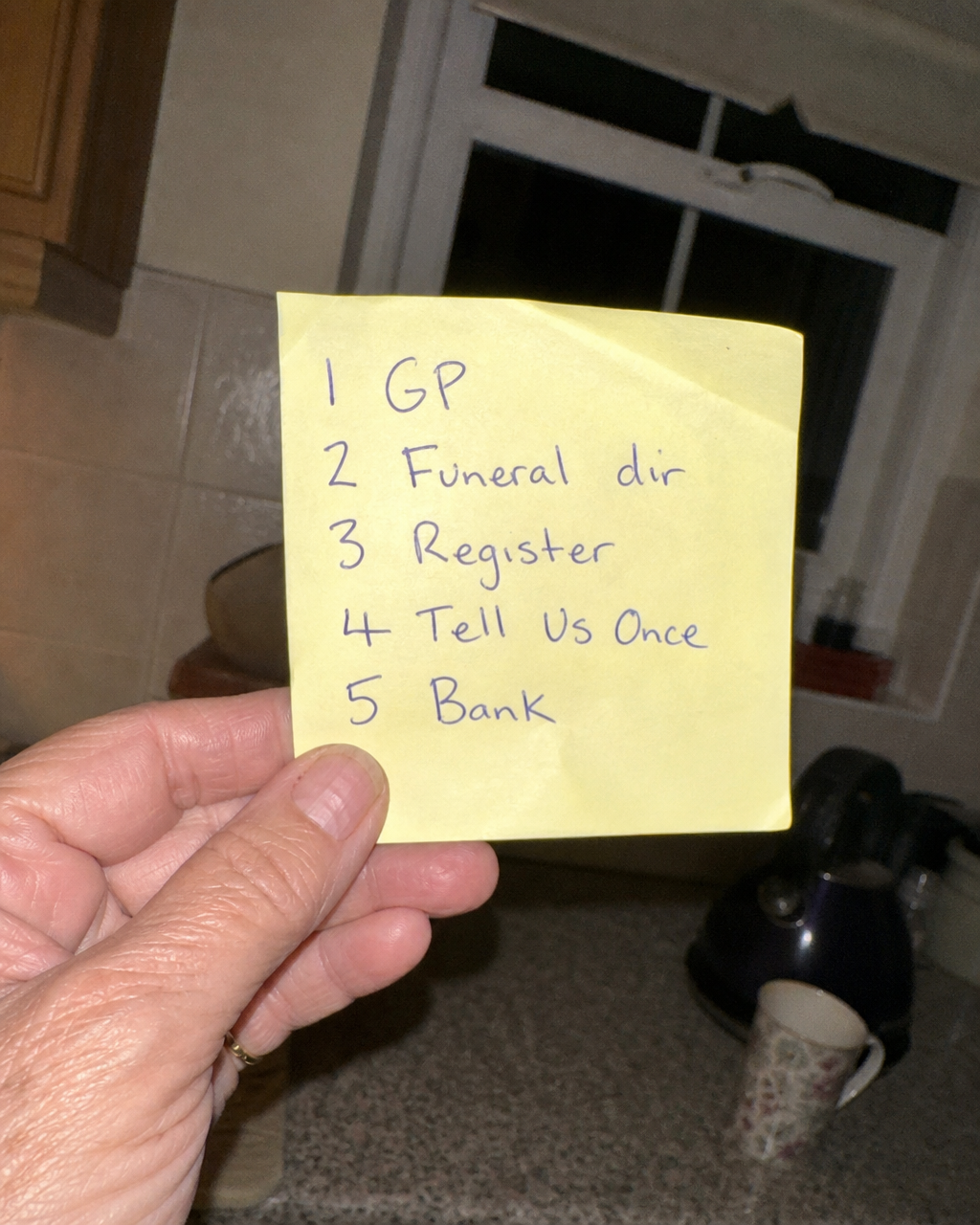
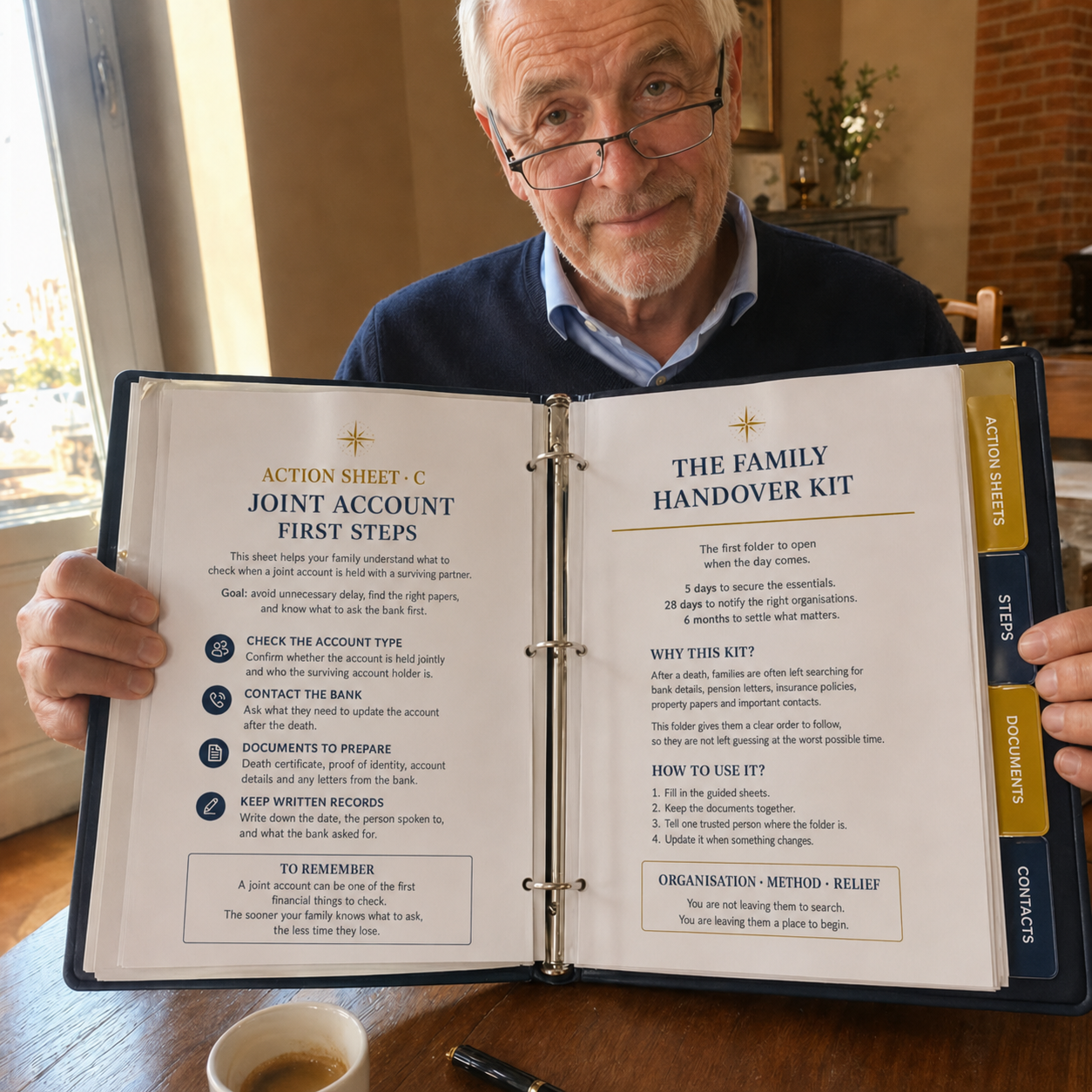
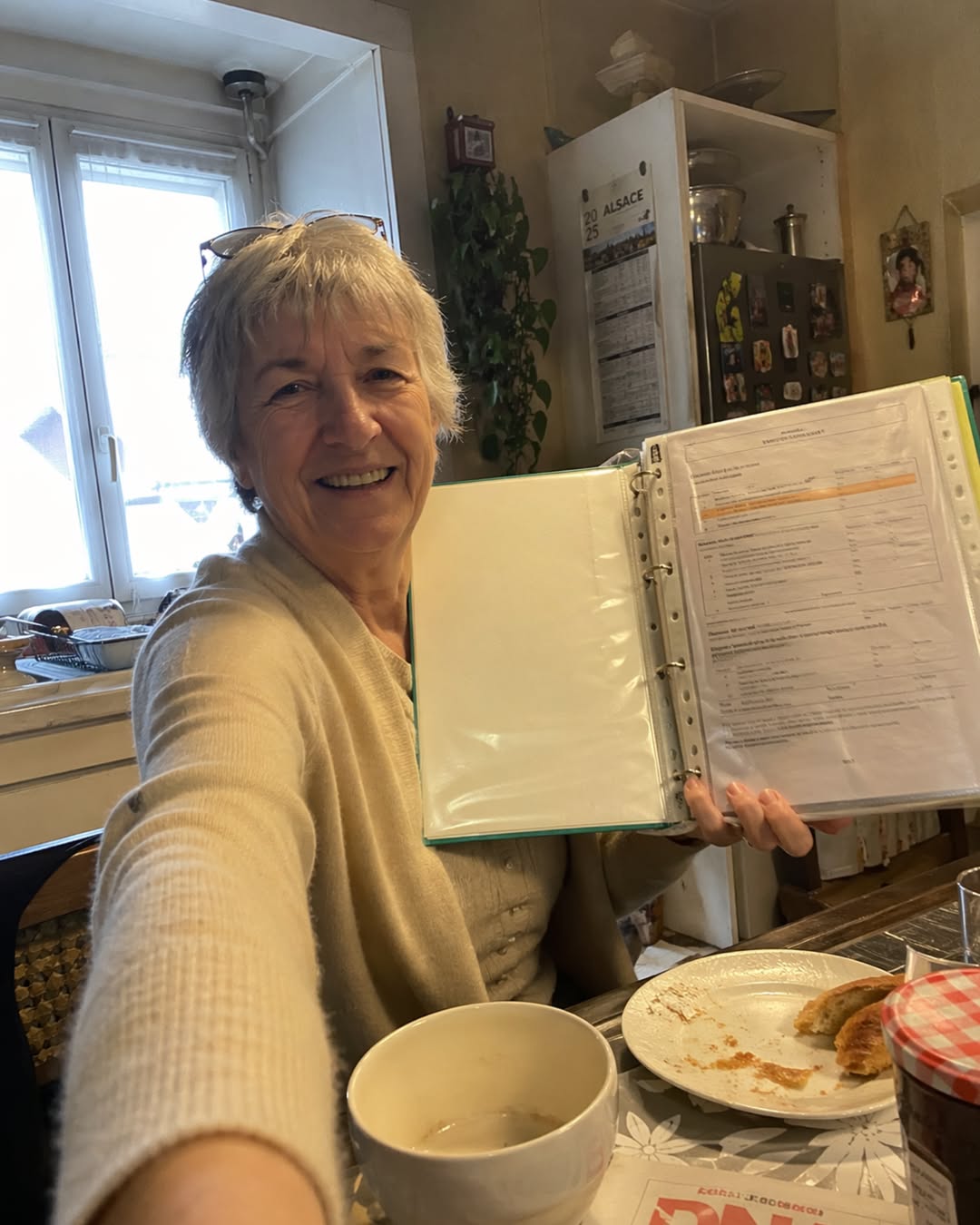
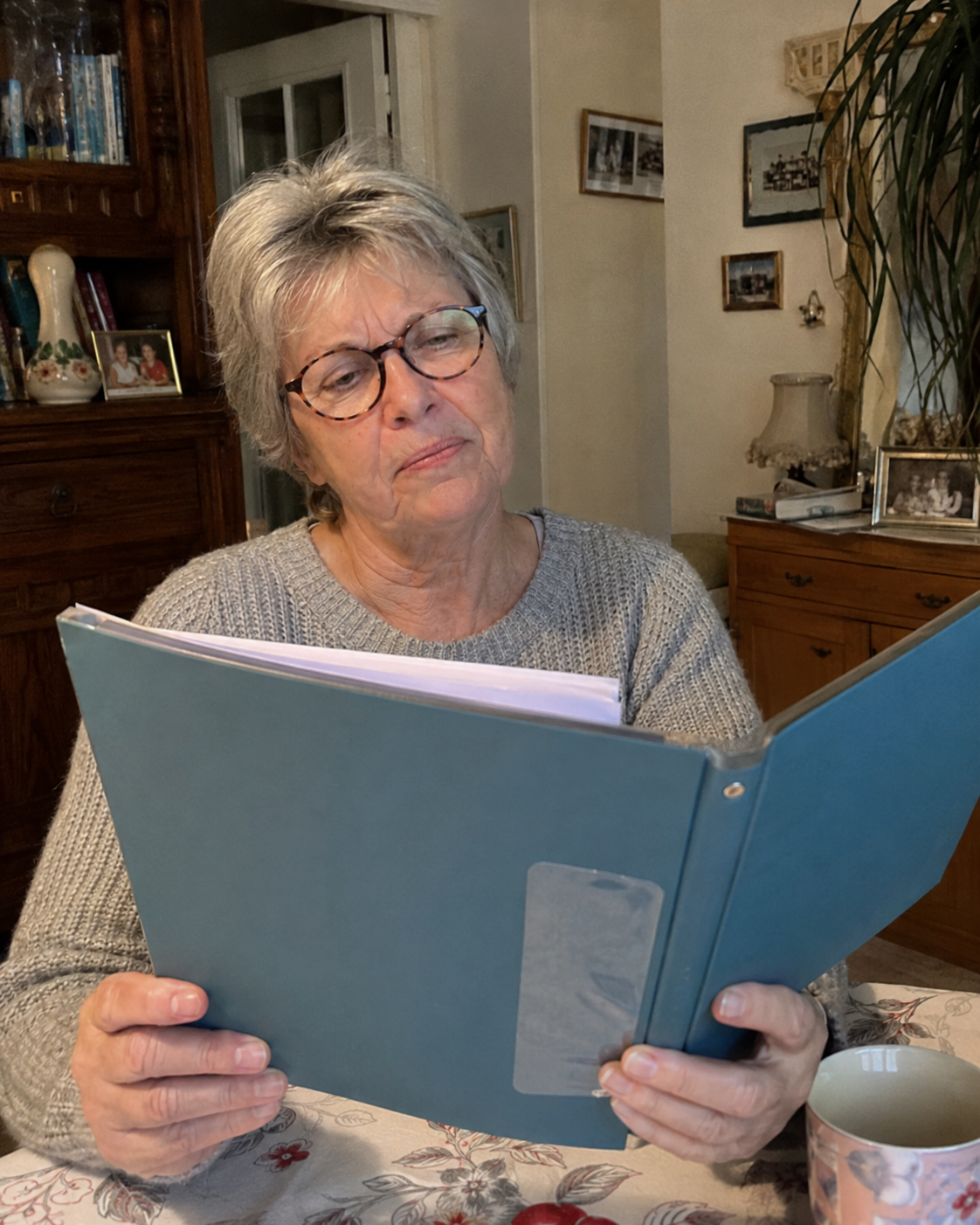
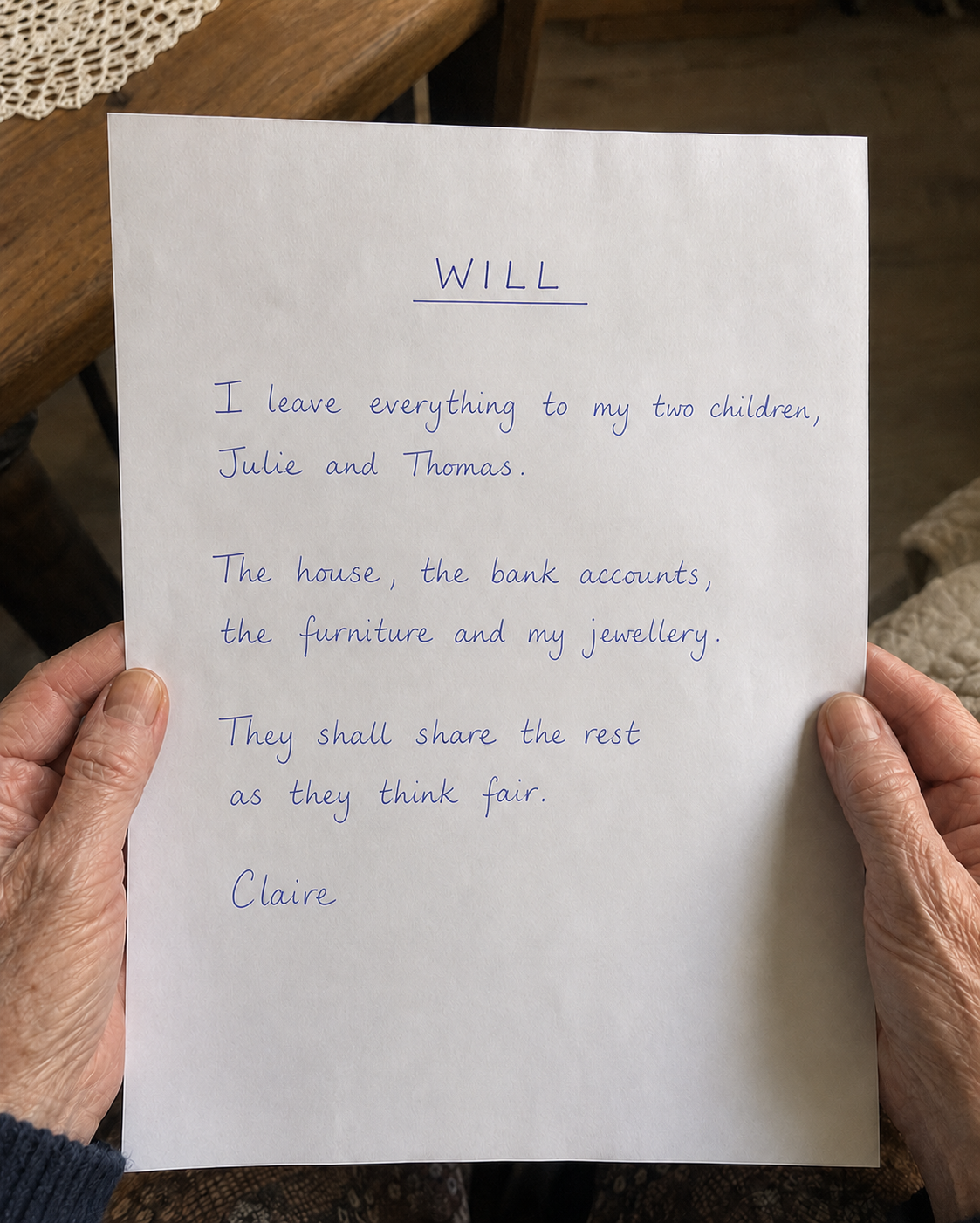
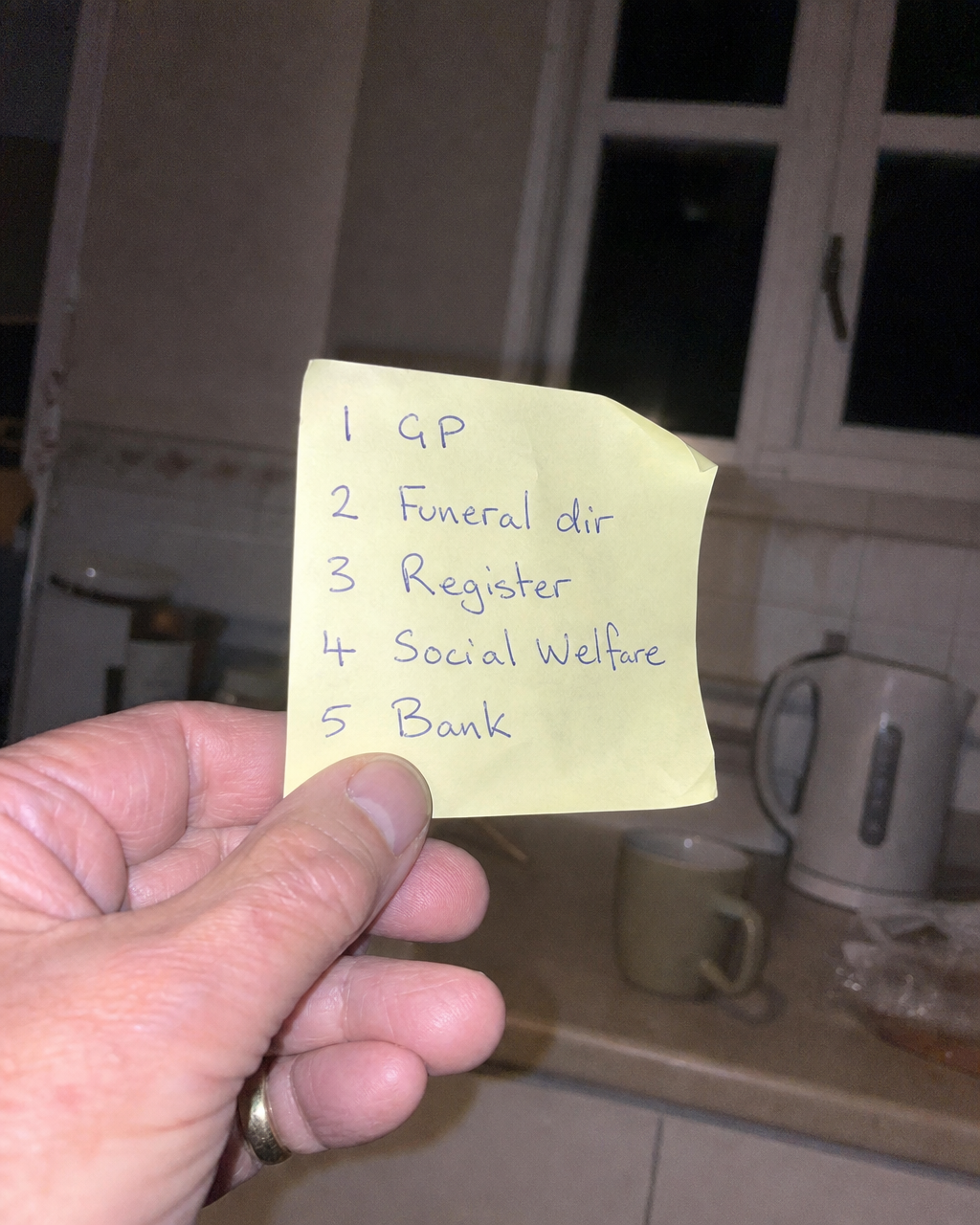
Screenshot this before you scroll. These are the 5 calls your children will have to make when you die. In the right order — so they don't end up paying for your funeral out of their own pockets. Because every one of these calls has a trap in it. Here they are. Call by call. CALL 1 — Your GP. Or 112. Nothing moves until a doctor verifies the death. Not even the funeral director. At home, expected: they ring your GP. Out of hours, the on-call service. Unexpected: 112 — and the Gardaí will attend. ⚠️ It's routine for every unexpected death at home. But nobody tells families that, and it terrifies them. ⚠️ Then: nothing is urgent on day one. If no doctor saw you in the month before you died, no doctor can sign — it goes to the coroner. Around six deaths in ten now do, against barely one in two seven years ago. Families exhaust themselves rushing on the one day nothing can be rushed. Would they know the name of your GP practice? CALL 2 — A funeral director. Collection only. They come at any hour to bring you into their care. On that first call, your children will be asked whether you have a pacemaker. It has to come out before a cremation. Nobody is ever ready for that question. ⚠️ The panic trap: your children do NOT have to find money this week. Funeral directors deal with estates every day — they invoice, and they wait. ⚠️ The invoice trap: AIB and Bank of Ireland pay the funeral director directly from your account, before probate — but only against a final invoice. Not an estimate. Families get turned away at the counter for one wrong word on a page. ⚠️ The plan trap: what Irish families have is the credit union — €33 million paid out in death benefit to 14,000 families last year. One man's death benefit quietly covered his whole funeral, because his son knew the account existed. Most don't. Is yours written down anywhere? ⚠️ The price trap: no funeral director in Ireland is legally required to publish a price. The same cremation varies by four figures between towns. Your children won't shop around that morning. You can — today. Is there a plan? Would they find it in time? CALL 3 — The registrar. Around the funeral. Two or three days. That's how long an Irish family gets — the State's own statisticians say so. And the whole thing hangs on one signature: the doctor's Death Notification Form. At the Civil Registration Service, a registrar asks your child, from memory: your full name. Your mother's maiden name. Your date and place of birth. Your occupation. Your late spouse's. Could your eldest answer all five, under stress, without guessing? ⚠️ The certificate trap: order 8 to 10 certified copies, €20 each, on the spot. Photocopies are refused nearly everywhere. The families who order two spend a month queuing. ⚠️ The form trap: if that form goes astray, everything downstream stops. No bank, pension or insurer moves without the death certificate it leads to. Could they answer the registrar — and find your birth and marriage certificates tonight? (Notice something before you read on: every trap so far has a key the size of one written line. Hold that thought — it's the whole point of this page.) CALL 4 — The Department of Social Protection. No single service tells the State for you: the Department, Revenue, the NDLS, the HSE, passports, the local authority, An Post. ⚠️ The silence trap: skip the Department, and nothing pauses. Your pension keeps arriving — as a debt. Keep it knowingly, and it's fraud. ⚠️ The clawback trap: the pension keeps arriving after the death — and for six weeks, that is perfectly legal. After that, it's a debt. Last year the State found €25.6 million paid to people who had died, €24.7 million of it to more than 1,500 pensioners. At €299.30 a week, two weeks slow to tell the Department costs the estate close to €600. ⚠️ The carer trap: the Department handles your affairs only. If your husband or daughter receives Carer's Allowance for looking after you, there's a 12-week run-on after your death — and in practice it is not automatic. Survivors' own payments break silently while they grieve. ⚠️ And it stops at the State. Your banks, credit union, State Savings, pensions, insurers, energy — 15 to 25 organisations, told one by one, most demanding an original certificate by post. Could they even list your 15 to 25? CALL 5 — Your bank. The deceased accounts team — not customer service. ⚠️ The wrong-door trap: customer service will send your children in circles for weeks. The words that unlock everything: "Put me through to the team that handles deceased accounts." Families learn this too late. ⚠️ The freeze trap: the moment the bank knows, your sole account freezes — and the freeze stops the mortgage, the house insurance, the electricity. Silently. Someone needs your direct debits written down before that call. ⚠️ The EPA trap: if one of your children holds Enduring Power of Attorney — it died with you. That very day. It opens nothing anymore. ⚠️ What a frozen account WILL still pay: your funeral, final invoice in hand. Very little else. Joint accounts pass to the survivor and keep running. ⚠️ The threshold: below €25,000 at AIB, €35,000 at Bank of Ireland, they release everything on a signed form, no grant of probate. One question gets the number: "What's your threshold?" And your children must never use your card. Even for your funeral. Even knowing the PIN. That's how they end up asking strangers online, at 1am, whether they've committed fraud. Which banks? Which credit union? Which pays the mortgage? Keep the screenshot. Send it to your children tonight — a list can start the conversation you've been putting off. Now count, before you scroll on. Out of five — the GP, the plan, the registrar's answers, the organisations, the accounts — how many are closed in your house tonight: written down, findable, told to one person? Almost everyone lands on one or two. Keep your number. And before you reach for the obvious fixes — watch each one fail. "It's in my will." A will says who gets what. It answers none of the five calls — and it gets read weeks after they happen. "My wife knows where everything is." She knows where the paper lives. Not your mother's maiden name. Not which account pays the mortgage. Not the difference between an estimate and a final invoice. "I'll leave a note." A note answers the questions you thought of. Every trap above is a question nobody thinks of. Look at the shape of those traps one more time. Not one of them is survived by intelligence. Or love. Or staying calm. Each one is survived by a specific answer, needed at a specific moment. That's the real problem. And it's why an estate in Ireland isn't managed. It's triggered. Three times. 3 days — the funeral, and the five calls above. Window one. 3 months — the notifications. Your 15 to 25 organisations, each told separately, each wanting its original certificate, while the direct debits keep firing. 12 months — the settlement. Probate, the SA.2 to Revenue, and the Capital Acquisitions Tax clock at 33%, due 31 October — ticking while most of the estate is still locked. Miss a window, and it costs money. Or months. Or the house. This is why My Estate Kit exists — and why it isn't a book. It's the 3-3-12 System: one folder, where every window comes as a pair. The guide page that tells your children what to do, and when. And the fill-in sheet that holds the answer only you could give. The registrar's five questions? A sheet of their own — filled in by you, on a quiet Sunday, in five minutes. The deceased-accounts wording, the final-invoice rule? Printed. Ready to read down the phone. Your 15 to 25 organisations? Your list, their tick-boxes. Not their guesswork. Every account, pension and policy? One register. References only. Never passwords. Never PINs. One folder. Three windows. Ten sheets. Your answers, sitting ready at the exact moment each trap springs. Those are the keys you were promised. One written line per trap — held in one folder, in the right order. One more thing from those forums — the part that convinced me more than any statistic. Under every chaos thread, once the storm passes, the survivors leave the same advice. Over and over, like a message passed back down the line: make the list. Tell your family where it is. Do it now, whatever your age. And every so often, a different comment. Easy to miss. Impossible to forget. "I just have to grab a folder and everything is there." A grown daughter in Limerick, in one of those threads. A family that had already lived one long, dragged-out estate — and decided never again. So the parents built a folder: every provider on one handwritten list. No passwords. Just names, and where to look. And under comments like it, the replies all land in the same place: envy, grief, and I wish mine had done this. Grieving families rebuild that folder from scratch every week, in ringbinders with dividers — after the disaster. The only question is who builds yours. You, this Sunday. Or them, in the worst month of their lives. And the thing I most need you to hear — because it's what those threads taught me above everything else. None of this makes anyone a bad parent. It makes them a normal one. Nobody is ever told any of it. There is no letter, no lesson, no appointment where somebody sits you down and explains the traps. The families in those threads loved each other exactly as much as the family behind that folder. The difference was never character. It was one afternoon that never got scheduled. The €29 isn't for information — you've just watched the information given away free. It's for the only copy of the answers. And the alternative was never another product. It's your family, in one of those threads. My Estate Kit — the plain-English guide to the full 3-3-12 sequence, plus ten fill-in sheets. References only. Never passwords. Never PINs. One afternoon at the kitchen table. €29, once. Instant delivery by email. 30-day money-back guarantee — if filling it in doesn't lift the weight, one email refunds you in full. (Reading this as the grown-up child? Buy it, start yours, and hand them theirs with one sentence: "I'm filling mine in. Do yours with me.") Now the part nobody puts in an advert. You'll nod at every word of this. And you'll plan to do it soon. Soon is how every empty folder in Ireland stayed empty. Because here's the deadline nobody can print: every line in that folder needs a you who can still answer. And the day that ends — a stroke, a diagnosis, an ordinary Tuesday — doesn't send a save-the-date. There is a last day you can do this. Nobody is told which one it is. So not soon. Sunday. Kettle on, kitchen table, sheet one. Thirty-five minutes, and the first five gaps are closed before the tea goes cold. Do sheet one. Stop there if you want. Nobody stops there. But you're allowed to. And if a folder about your own death sounds heavy — look at what you've already carried. You've run this family's logistics for decades: the birthdays, the renewals, the forms nobody else remembered. This is one more afternoon of a skill you already have. Except this one isn't really admin at all. It's the last conversation you'll ever have with them — written in advance, in your handwriting. Saying: I've got you. Even from here. One day, your children will make those five calls anyway. That part was never optional. But there is a version of that week where your daughter sits down opposite the registrar, opens a folder, and answers all five questions in a steady voice. Where the bank asks for a final invoice — and it's already in her hand. Where, underneath the grief, from the very first morning, there is one thought she'll carry for the rest of her life: Right to the end, they thought of us. That week is decades away, if the world is kind. The ink isn't. Because here's what actually happens to this page if you scroll past it. By tonight, it's thirty posts down. By Thursday, you'll remember there was something about five calls. By next month — nothing. Not because you don't care. Because feeds are built to bury, and soon is built to soothe. The you reading this line — who counted the gaps, who knows the traps, who can still hold a pen — is the most ready you will ever be. This is the peak. It's downhill from the next scroll. So be clear about what the €29 actually buys — and when it arrives. Not the folder's finest hour. That comes decades from now, and you won't be there for it. It buys the evening you fill in sheet one — when a low hum you've carried for years, the I really should sort that that visits on plane take-offs and at other people's funerals, finally goes quiet. Mine went quiet on a Sunday afternoon. That's what the 30-day guarantee covers: if the weight doesn't lift, one email, full refund. The only thing you risk by buying now is an afternoon. The thing you risk by scrolling is the version of you who was finally ready. Buy it in the next two minutes — it's in your inbox before the kettle's boiled. Fill it in Sunday. That's the entire plan. The pen is still in your hand. 👉 Get My Estate Kit — €29 https://myestatekit.eu/estate-handover-kit-ireland-5-calls P.S. One thing today: screenshot the list, tell your children where you saved it. Two things: the second takes an afternoon — and turns the list from a warning into a plan. P.P.S. And if €29 isn't happening this month — do it tonight with a biro and one sheet of paper. Your banks. Your credit union. Where the will is. Who to ring first. Tell one person where it lives. A biro catches the questions you think of; the sheets catch the ones nobody does — but a floor beats a blank drawer. If this post only ever gets you that far, it did its job. 🏠 Built for families in the Republic of Ireland
The 5 calls your children will have to make — in order
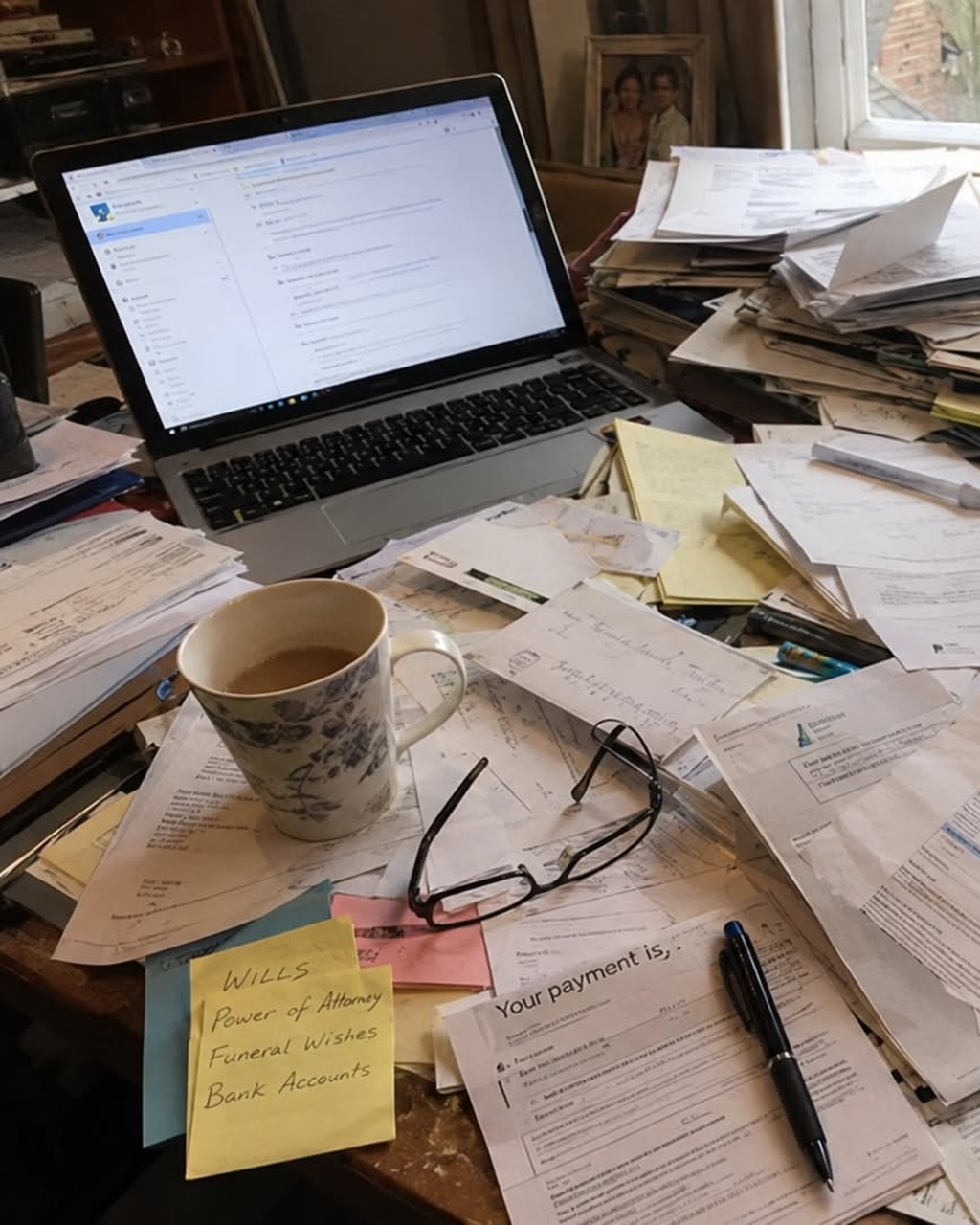
Get your estate and paperwork in order so your family is never left with a mess.
LEARN MORELike this ad? Make it yours.
Crush rebuilds this exact creative around your product — your brand, your colors, your offer — in about a minute.