
Inactive· since Jul 23, 2026
- 32
- days it ran
- 1
- relaunches
Ad copy
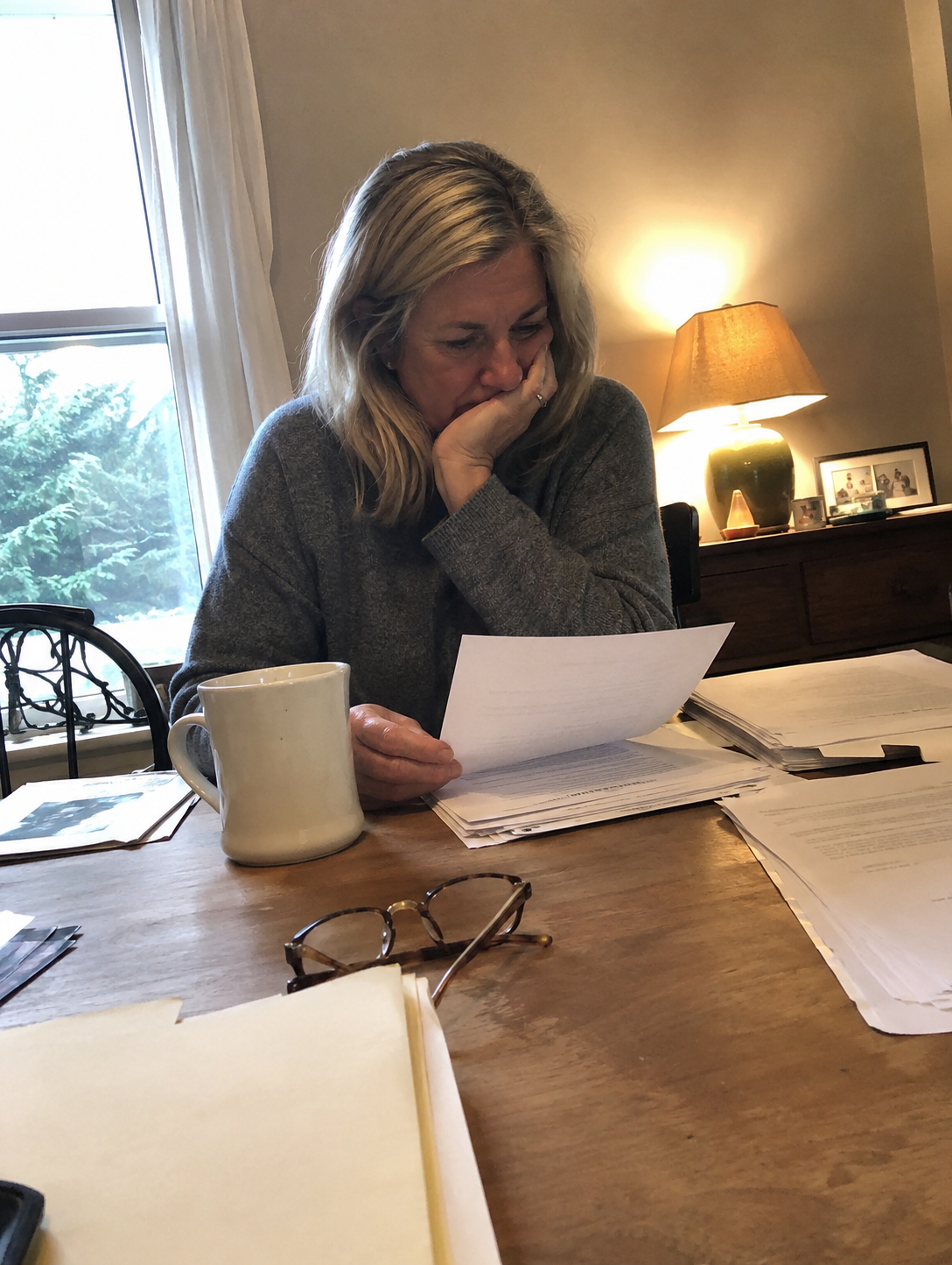
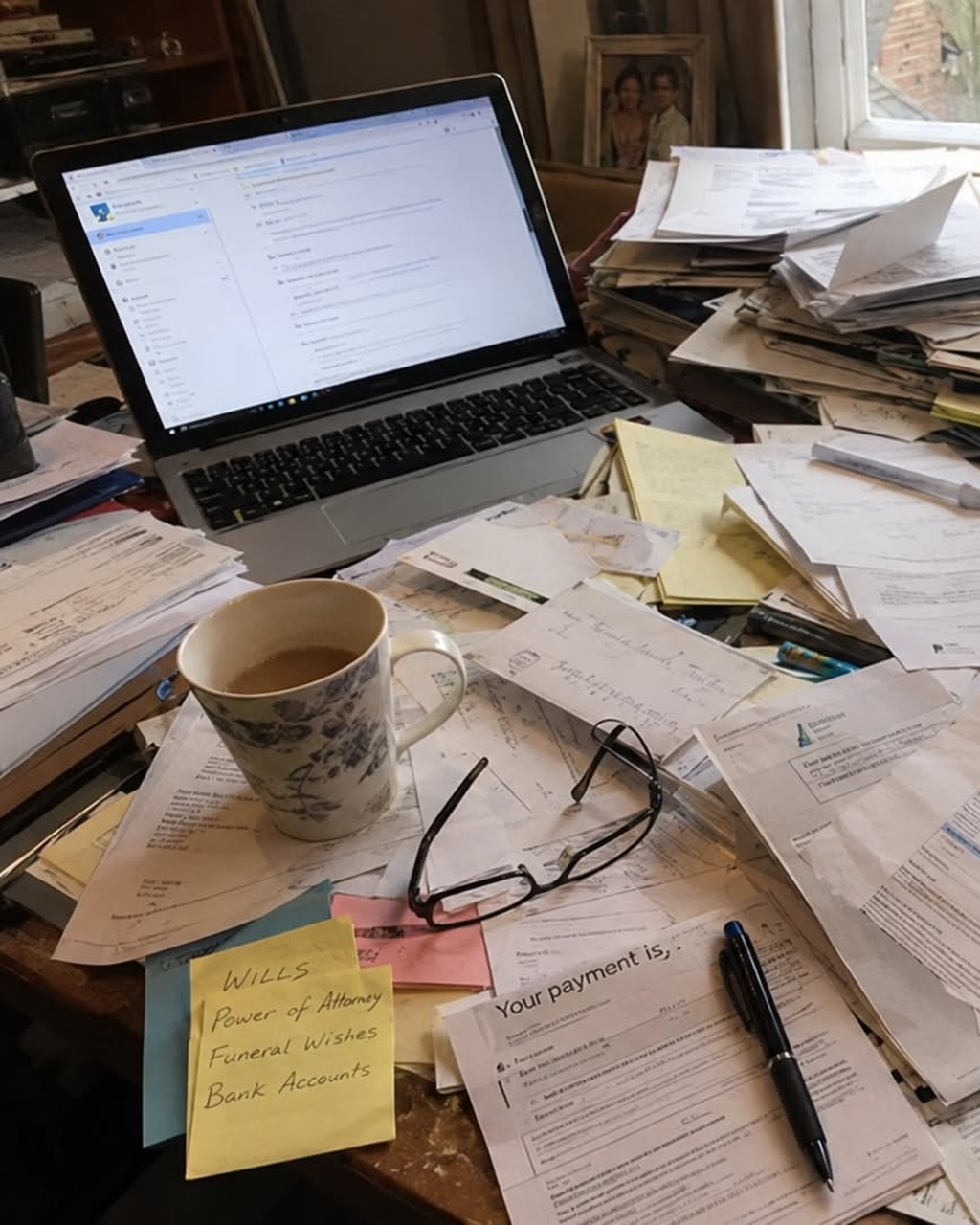
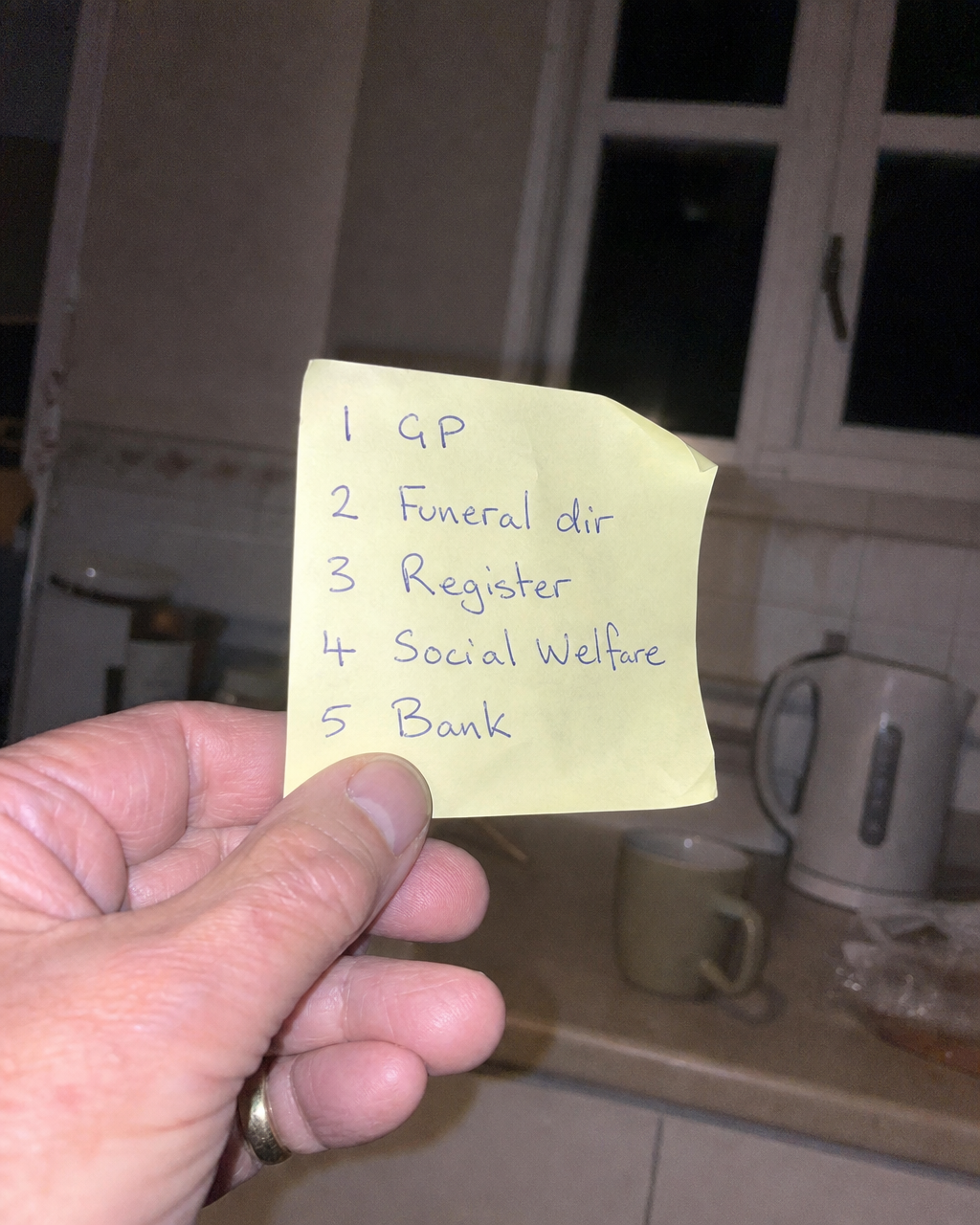
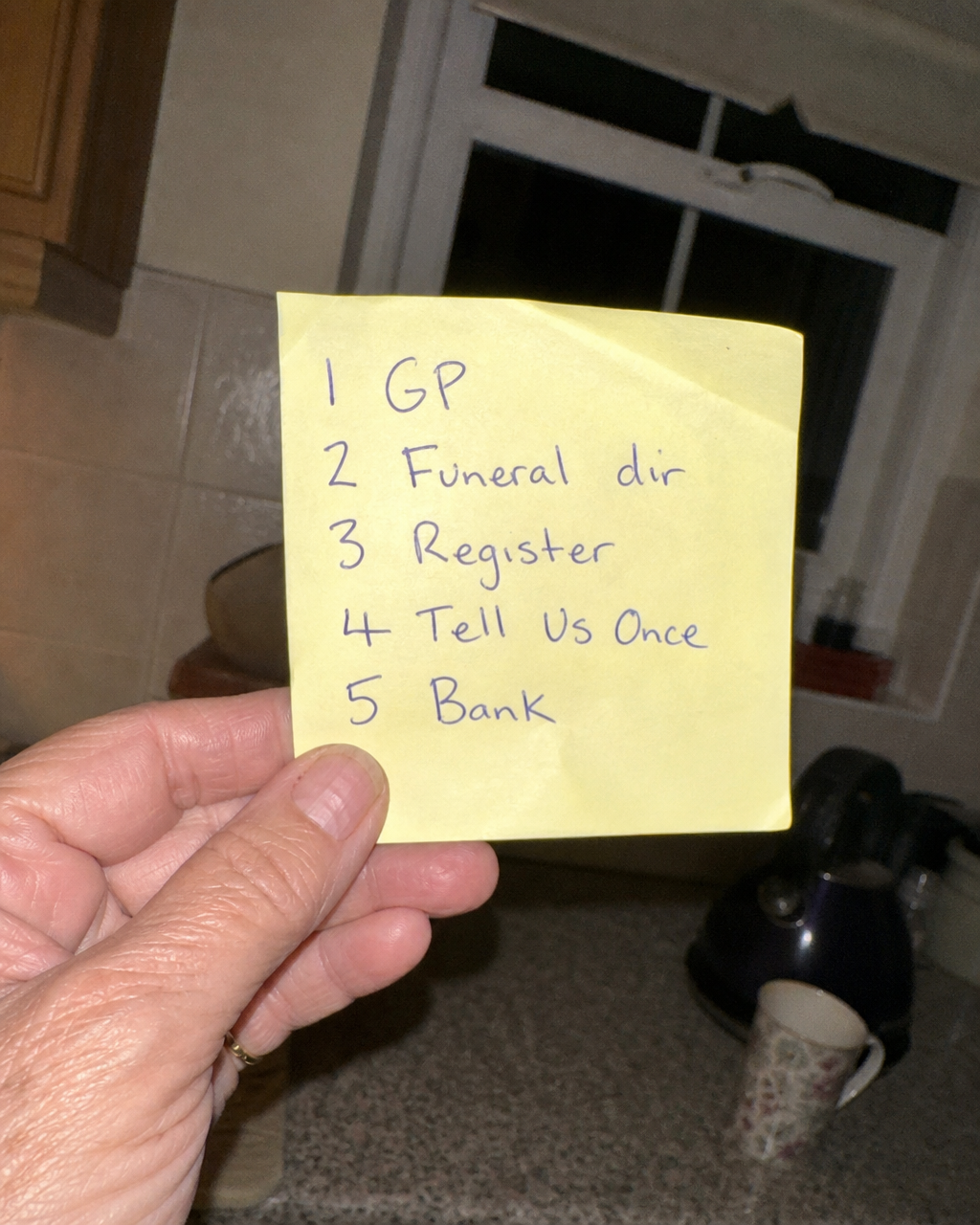
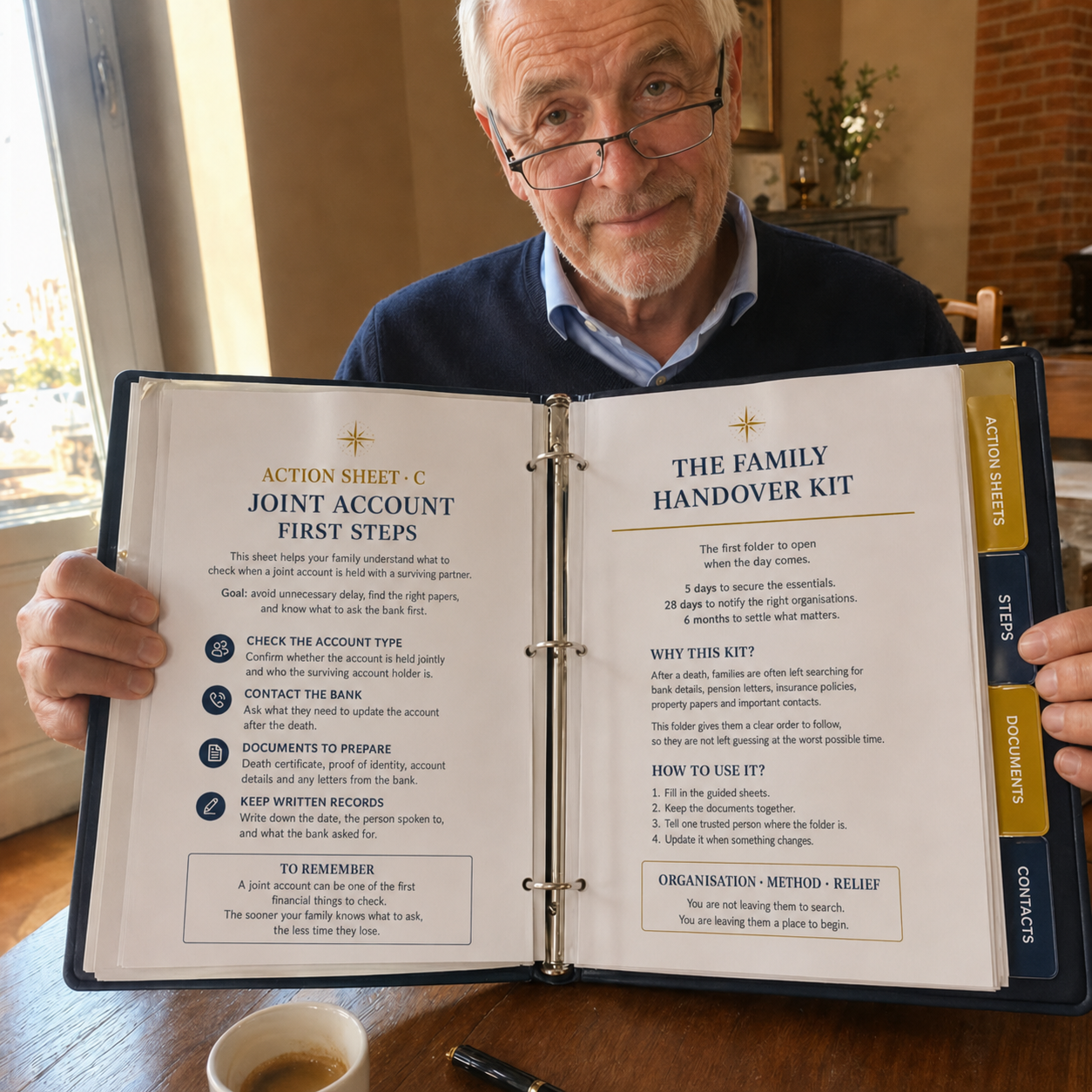
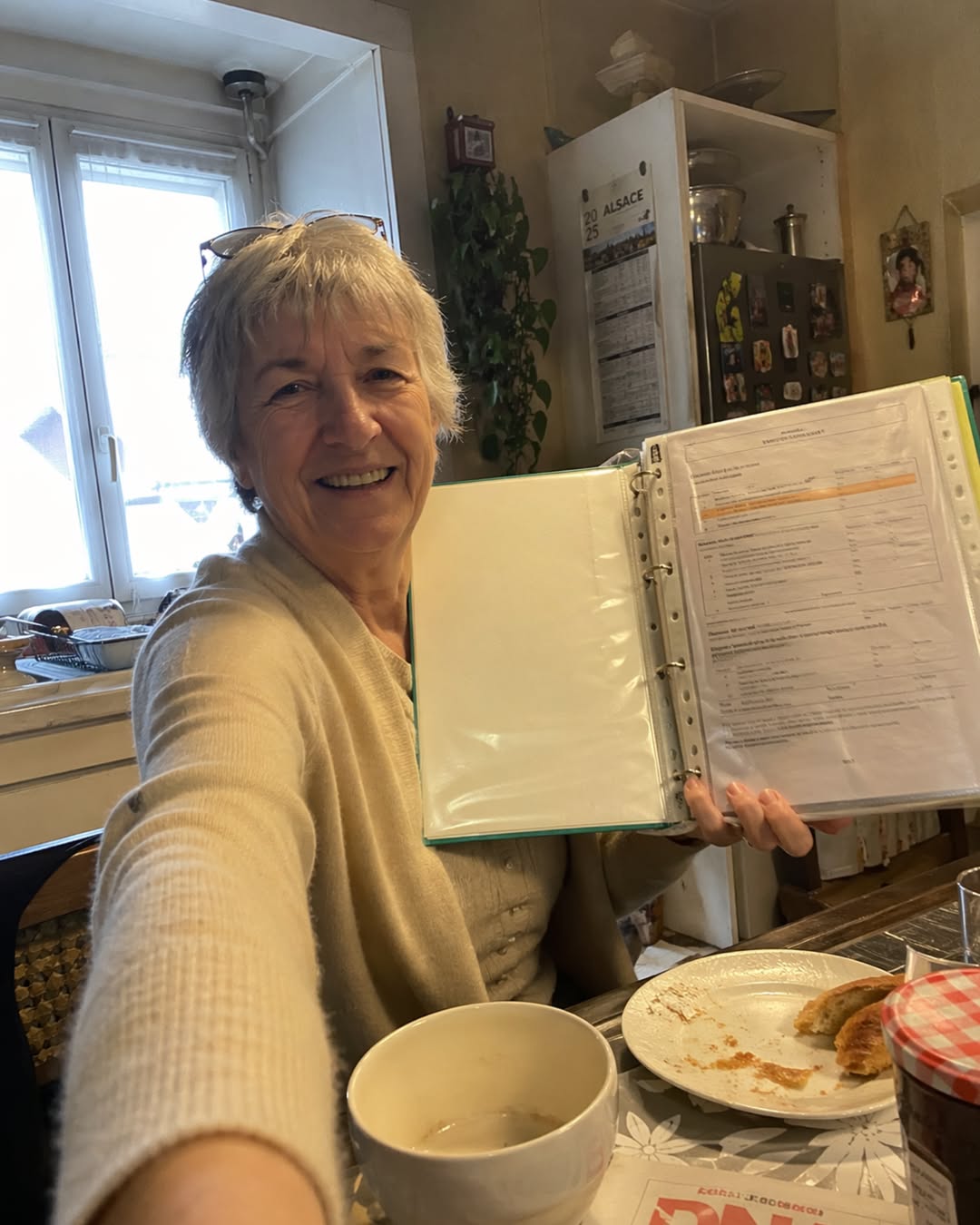
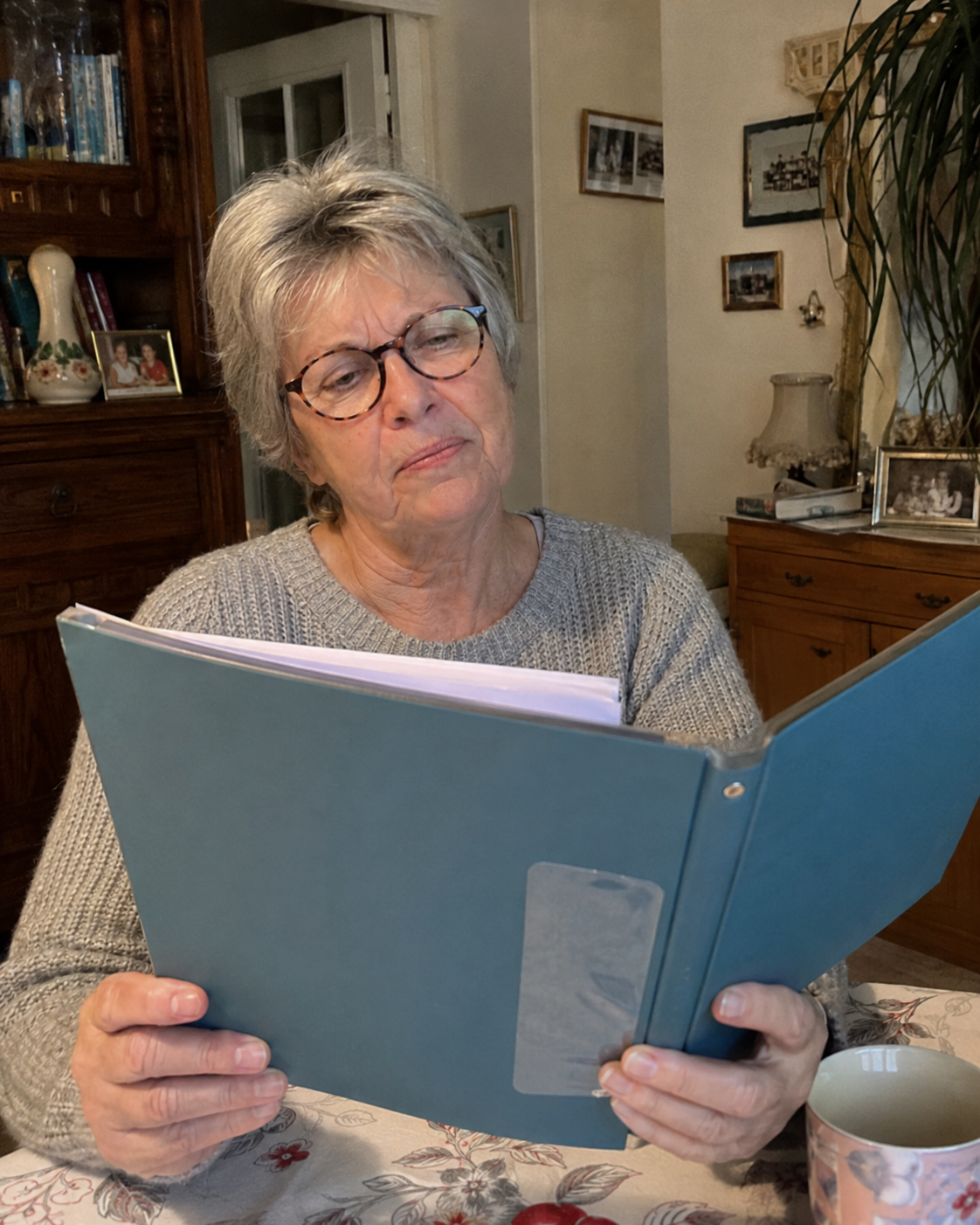
I have been arranging funerals for twenty-three years. Last month a woman left my arrangement room, walked to her car, and was still sitting in the car park half an hour later. When she came back inside, what she told me has changed how I do this work for good. She had come in that morning to settle her father's funeral account. The meeting ended the way most of them do. Papers signed, a quiet word at the door, a handshake. I walked her out and watched her find her keys. Half an hour later she was sitting on the low wall by our entrance. She had not driven off. When she came back inside she was crying before she reached the chair. She was in her early sixties. The eldest daughter. The one who had been carrying all of it since her father passed. She had been sure the funeral would be the hard part. Her father had got himself ready for what came next. A ring binder with every account set down in his own handwriting. A password manager she had helped him set up the Christmas before last. The two of them had been certain that was enough. She had spent the month since the burial finding out it was not. It is a story I am hearing more and more from the children left to sort out an estate. In this country we do the funeral well. The funeral notice in the local paper, the wake, the removal, the burial inside three days. I have spent twenty-three years being proud of that. It is what comes after that none of us were looking at. What she described to me should have been the weeks she set aside to grieve. Instead they had been the worst weeks of her life. It started when she went to get into her father's bank. Lloyds. Username right. Password right. The screen asked for a six-digit code. The code was sent to her father's email. An address she had never laid eyes on. An old Hotmail account he had opened decades ago and never mentioned. She had always thought her father only ever used Gmail. It was the only place the two of them had ever written to each other. She spent most of an afternoon trying to work out whether the Hotmail account still opened. It did not. That bank account was where her father's pension was paid in. Where the mortgage and the bills went out. There were three cards attached to it. She could not get in. She rang the bank the next morning. The man on the bereavement team could not have been kinder. They would freeze the account that day. Past that, there was nothing they could do until she handed them the grant of probate. Frozen meant frozen both ways. Nothing in, nothing out. Which meant that from that morning, her father's mortgage would quietly stop being paid. The solicitor she rang the next day talked about fourteen to sixteen weeks at the Probate Registry. Then he told her something she had not read anywhere. Six in ten applications come back for errors, he said, and when they come back, the clock starts again. Fourteen to sixteen weeks of missed payments on a house she could not touch, from an account she could not see. Longer, if the application came back. The day the arrears letter arrived, it would be addressed to the executor. She was the executor. The man at the bank had not been unhelpful. He was describing the system exactly as it stands. And there was no one to tell everyone at once. She had assumed there would be a service for it, one call that told the State and the rest would follow. There almost is. Tell Us Once notified HMRC, the DWP, the DVLA, the passport office and the council in one call, and then it stopped. It told the State and nothing else. Then every bank, every insurer, every utility, one by one, each wanting its own certified copy and its own retelling of the worst month of her life. The next place she came unstuck was her father's Facebook. Fifteen years of photographs. His own parents. Her wedding. Her children from the day each of them was born. Every birthday he had ever put on. Username worked. Password worked. Facebook wanted a code sent to his phone to prove she was him. His phone was sitting in a drawer, switched off, and she did not have the passcode. After a few tries the account locked, and within days Facebook had memorialised it. Frozen. He had never named her, or anyone, as a legacy contact. Fifteen years of her family was sitting on a server in a building she will never enter, behind a phone she could not unlock. And so it went. One account after another. The bank handed her to an email she could not open. The email handed her to a phone she did not have. The phone handed her to a question she could not answer. In 2026, the username and the password are the easy part. Getting into a person's life online is a relay. Each account only hands you on to the next, and the moment one handoff is dropped, the baton is gone and the race is over. She found that out in the worst weeks she had ever lived through, with nobody having warned her. She had spent the month on hold, posting certified copies of the death certificate she had paid twelve pounds fifty apiece for, telling the same story to a different stranger every morning. She had not grieved her father. She had been too busy asking permission to close his accounts. That was when she went quiet and simply looked at me. I had been listening to a version of this across my arrangement room table for two years. I had never heard a soul put it the way she did. I drove home that night and hardly said a word for the first hour I was through the door. My husband knew the look on me. He put the kettle on without asking, the way I had set a glass of water in front of her that afternoon. I told him about her. About the Hotmail account she never knew her father kept. About the phone in the drawer she could not unlock. About the legacy contact he had never named. About a month of phone calls. He took all of it in. Then he asked me something I had no answer for. He asked whether, if it were me tomorrow, he would even be able to unlock my phone. I sat at my own kitchen table and said nothing. He would not. I had built our home the way my own mother built hers. The way that woman's father had built his. A binder. A password manager. A list. A husband I trusted to work it out. That night I went through every account I could bring to mind. I had four recovery addresses on file. One pointed to an email I had closed when I changed providers in 2016. One I could not place at all. I had switched on two-factor for our pension account back in 2018, on a phone I had since handed down to my own daughter, and I could not have told you which app the codes came through or whether they still arrived. I had never set a recovery contact on anything. I had never once sat either of my children down and walked them through how to open a single account. The woman in my arrangement room had not been a warning about what was coming. She had been a description of exactly where I already stood. I tried to set it right that week. I signed up to a password manager. Then I sat back and saw it would not have saved that woman one phone call. Her father had used one too. The walls she had hit had nothing to do with passwords. I tried to bring my old binder up to date with recovery emails, backup codes, the answers I had typed into security questions years ago. I got through a dozen accounts. I read back what I had written. Half of it meant nothing even to me. One account had asked the name of my first pet, and I had answered with two different pets on two different accounts. I did not know where it began. I did not know where it ended. There was simply too much of it. A few weeks later I ran into a woman I had worked side by side with for twelve years. She had recently taken over her family's firm down in the south west. I started telling her about the woman in my arrangement room. About my own kitchen table. About the binder I could not finish. She put her coffee down halfway through. She said she was seeing the very same thing in every family that came to her. It was not a small change. In this country the funeral takes three days. What nobody says out loud is that the paperwork now takes the year, and the year starts the morning after the burial. She told me she had found something a month before. Not a book from a shop. A kit you order online. It lands in your inbox, you print it at home, and it lives in one folder on a shelf. It is called The Family Handover Kit, from a small firm called My Estate Kit, and it is written for England and Wales. What had made it different, she said, was where it started. It did not start with the passwords. It started with the days. The first five days after the death. The twenty-eight days of notifications. The six months to settle the estate. What has to be done, who has to be told, in what order. The plan calls it 5-28-6. And woven through it, every leg of the relay. The phone. The email. The accounts, and where each one hands you next. The recovery addresses. The security questions. Where the will is, where the deeds are, where the passwords live. Every section came with the exact prompt you needed to fill it in properly. She had filled hers in at her own table on a Sunday. By the following week it had gone into the letter her firm posts to every family after the burial. Her families had been texting her about it for weeks. In twelve years I had never once heard her speak about anything in this work the way she spoke about that kit. → See The Family Handover Kit for yourself here: https://myestatekit.co.uk/estate-handover-kit-funeral I ordered mine from my phone before we had finished our coffee. It was waiting in my inbox before I got home. I printed it that evening and filled it in across the weekend. Not because any of it was hard. Because every page made me think of something I had never stopped to think about. The recovery address I had set up in 2014 and forgotten. The authenticator I had moved to a new phone in 2021 for our bank, that I had never once tested. The bank question that asked the town where I was born, which I had answered with the town I was living in when I opened the account, not the one I was actually born in. When I had finished, I put my husband to the test. I chose the same kind of bank login that woman had failed on. The one that asks for the code, the code that goes to the email, the email she never knew was there. I handed him the folder. I handed him my phone. He was inside the account in a few minutes. He closed the folder and looked at me. He said it was the first thing he had ever held in his hands that made him feel prepared if something happened to me. He was right. I had got my family ready for a world that does not exist anymore. I had got them ready the way I would have fifteen years ago. In 2026 you have either written the whole relay down, every handoff in order, or your family can be locked out for good. → Get The Family Handover Kit here: https://myestatekit.co.uk/estate-handover-kit-funeral There is nothing for me to keep in stock. I simply pass the link on, the way my colleague passed it to me, to every family that comes through my doors. And I am writing this for the families who are not yet sitting in front of me. If you have a child who would be the one in that chair, ask yourself a single question. What do they find on the morning everything lands on them. If the answer is a binder, a folder, a list, or a document you once shared and they have never opened, then you are leaving them the same dropped baton that woman sat in my arrangement room trying to chase down. That is not a plan. It is the starting line and nothing past it. A plan is the whole relay. Every leg, and the hand the baton has to reach next. The one I filled in, and the one I now pass on, is The Family Handover Kit by My Estate Kit. It is built for England and Wales, around the deadlines a family actually faces. The first five days after the death. The twenty-eight days of notifications. The six months to settle the estate. It arrives by email the minute you order it, you print it at home, and you fill it in over an afternoon. It starts at £29, paid once, with a thirty-day money-back guarantee. → Get The Family Handover Kit here, from £29: https://myestatekit.co.uk/estate-handover-kit-funeral Do it while it is still a quiet job on an ordinary Sunday. The families who sit across my table no longer get to choose when.
What one daughter told me in my car park changed how I do this job
Get your estate and paperwork in order so your family is never left with a mess.
LEARN MORELike this ad? Make it yours.
Crush rebuilds this exact creative around your product — your brand, your colors, your offer — in about a minute.