Carol Goldberg
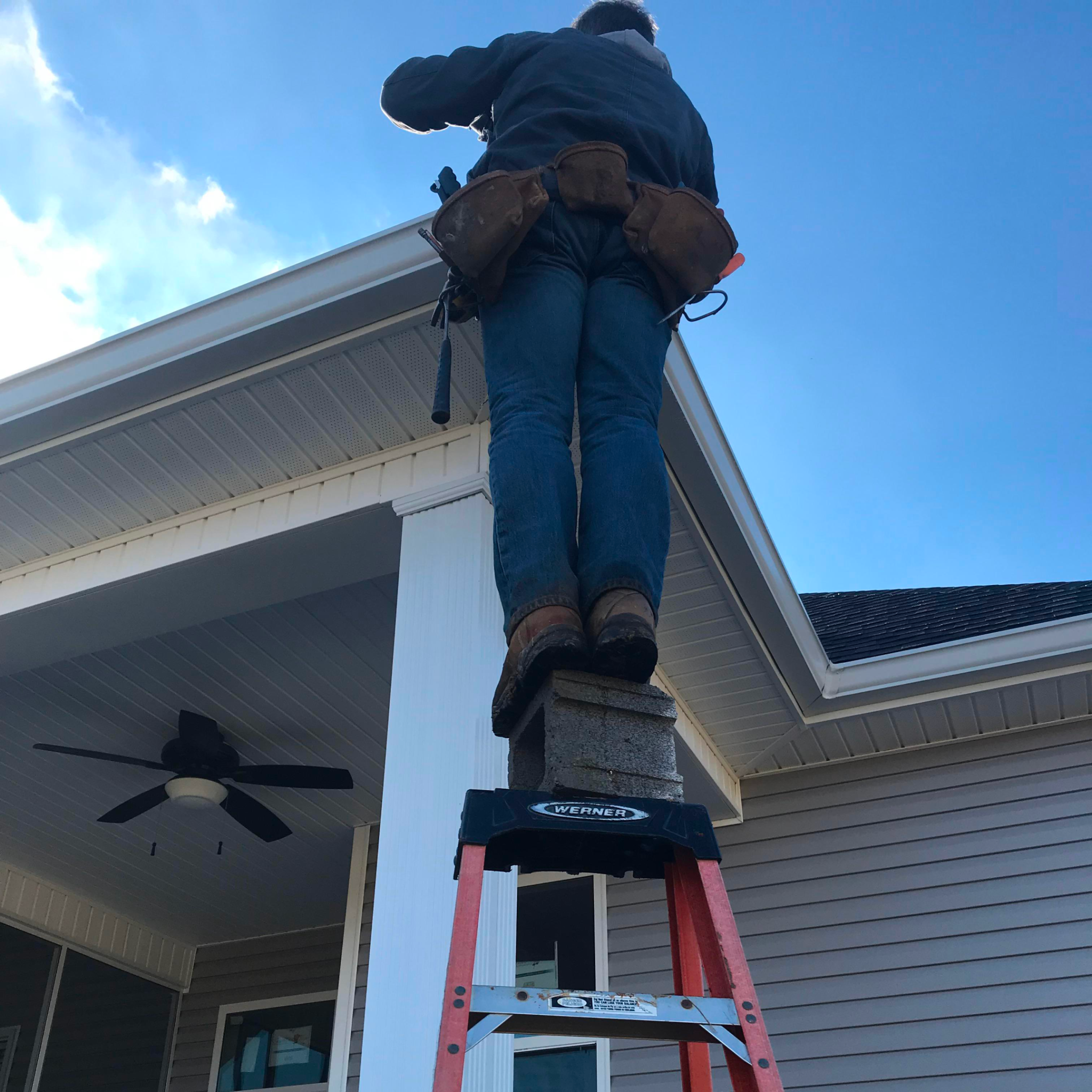
Carol Goldberg Facebook ad: “He Climbed His Roof Instead of Getting A Wheelchair”
Ran for 16 days, from August 9 to August 25, 2026, the last day Crush saw it.
Run by Carol Goldberg on Facebook. Crush is not the advertiser and does not verify its claims. See this ad in Meta's Ad Library(opens in a new tab)
Make your own version of this ad
Crush makes it, launches it in your own Meta ad account, scales the winners and pauses the losers.
About this ad
- Meta Ad Library ID
- 1061714439843853
- Platforms
- Facebook, Instagram and Messenger
- Relaunches
- 1
Ad text
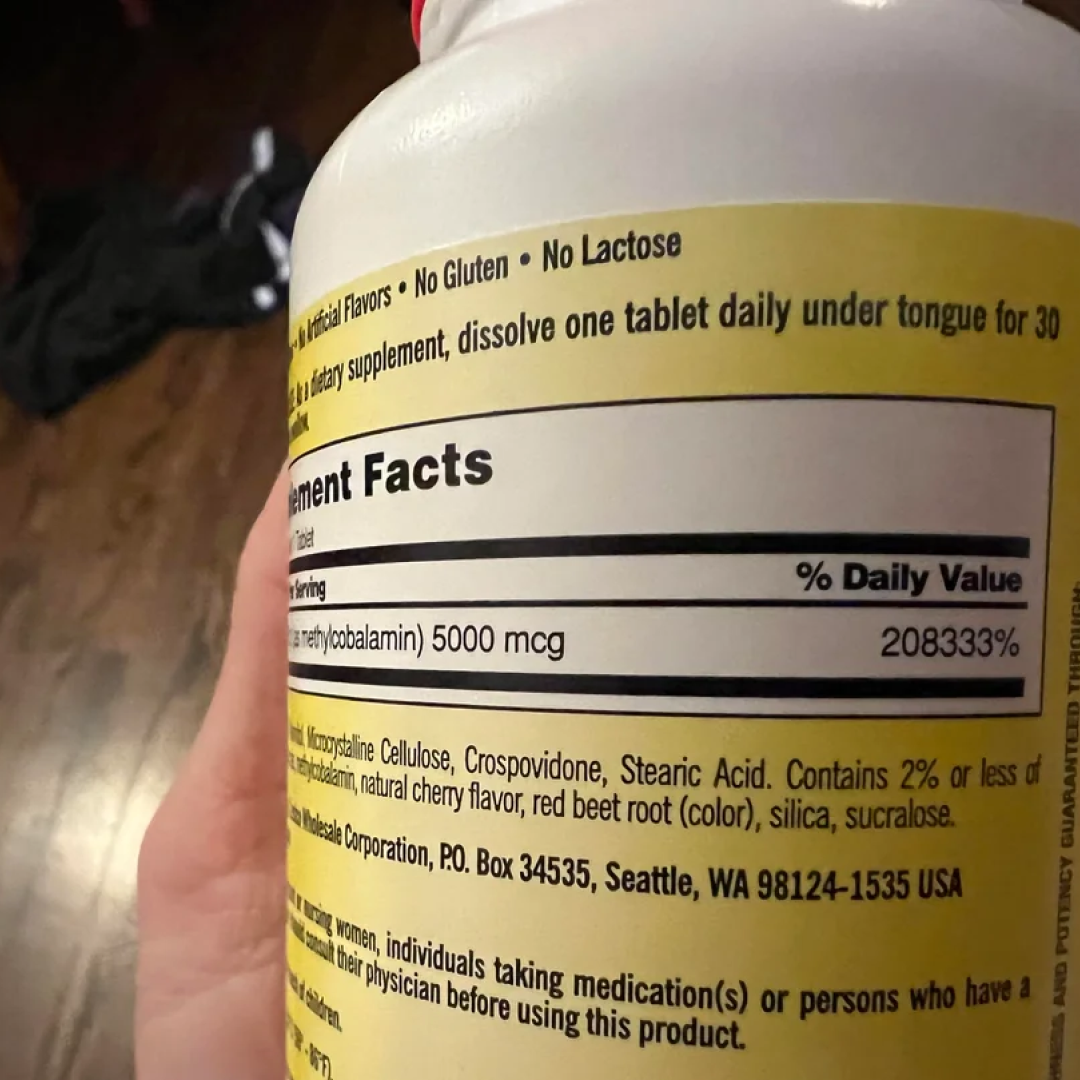
My neighbor Robert cancelled the wheelchair fitting he'd been scheduled for in October. He came home from his last appointment and started changing everything. Sold the recliner. Threw out the pill organizer on the kitchen counter. Started walking at 5 am every morning, before the sun was up. His wife thought he was giving up. He told me the real reason over the fence in one sentence. That was 6 weeks ago. I still haven't told my husband what Robert said. But I've done everything Robert told me to do before anyone else on this street catches on. His name is Robert. 67 years old. Retired neurologist. 38 years of practice at the same hospital. The calmest man on our street. Never complained about anything in the 14 years I've known him. We moved in the same summer. Our kids learned to ride bikes on the same stretch of sidewalk. His daughter was in my daughter's wedding. The kind of man who answers a question and waits for the next one. Doesn't drink at parties. Doesn't gossip. In 14 years, I've never heard him raise his voice. Robert's first patient died at 65. A woman named Eleanor Boyd, diagnosed the same year he started practice. Spent the last 6 years of her life in a wheelchair. Started with a numb hand she ignored at 34. Then a cane at 45. Then a walker at 52. By 59 she couldn't get up the stairs to her own bedroom, and they moved a bed into the dining room. Robert was there for all of it. Robert spent his career treating the same disease he has. Over and over. He told me once at a Christmas party that he could watch a patient walk from the waiting room to his door and tell you within 3 years when they'd need a cane. He was almost always right. Which is why when he started acting different in April, I noticed. First it was the wheelchair. He'd been scheduled for a wheelchair fitting in October for months. His neurologist had ordered it in January. Robert showed me the paperwork over Thanksgiving last year and said it was time. He'd stopped walking to the mailbox in 2023. Couldn't stand at the kitchen counter long enough to make a sandwich. Then in April he cancelled it. Then the pill organizer went in the trash. Mary had been filling it every Sunday night for 6 years. Baclofen in the morning for the spasms, gabapentin at night for the burning, plus the stomach one he had to take because the rest of it was tearing up his stomach lining. He dumped the whole thing in the kitchen garbage in front of her. Then the recliner went on Facebook Marketplace. The one he'd been sleeping in for 2 years because his legs seized up when he lay flat. Then he started walking at 5 am. Every morning. Before the sun came up, because the heat took his legs out by 9. His kids thought he'd lost it. His daughter called Mary and asked if she should fly in. Then in May his daughter sent a contractor out to turn the downstairs den into a bedroom. She'd been planning it since Christmas. Robert sent him home the same afternoon. Then he cancelled the trip they'd booked for their 40th anniversary. Non-refundable. Mary cried for a week. Then he bought hiking boots. At 67. He hadn't walked further than his own driveway in 3 years. Then the boxes started arriving. Unmarked. He'd carry them straight into the garage without opening them in front of her. She counted 6 of them in one week. Mary called me in tears on a Tuesday. "I think he's given up. I think he'd rather fall down the stairs than sit in that wheelchair. He's going to break a hip, and that's how it's going to end. I don't know who he is anymore." I didn't know what to say. Then on Saturday morning I looked out my kitchen window and saw Robert on a ladder. He was painting his shutters. Both arms overhead. The legs that were supposed to be in a wheelchair in October, holding him up on the third rung of a ladder in the August sun. Robert does not go up ladders. Robert has not carried anything heavier than a grocery bag in 4 years. Mary told me at book club last year that she had stopped letting him go up to the attic because of what happened the last time he tried. I watched him for close to 20 minutes. Then I poured 2 cups of coffee and walked out to the fence. "Robert." He looked down. "I brought you a coffee." He came down the ladder. Wiped his hands on his jeans. Walked over. "Thanks." "Robert." "Yeah." "Those are the legs." He looked down at his own legs like he'd forgotten about them. "Yeah." "Those are the legs they were supposed to be putting in a wheelchair in October." "Not anymore." I just looked at him. "Mary thinks you've lost your mind." "I know she does. She told me." "She thinks worse than that. She called me Tuesday crying. She thinks you're going to fall off that ladder and that's how it ends." "I know." "So what are you actually doing, Robert." He took a long sip of coffee. Looked down at his own legs. Shifted his weight onto one of them, then the other. "You want to know what I did for 38 years?" "I'd like to know what you're doing right now." "Same answer." I waited. "I watched the same four steps happen to person after person." "What do you mean." "Woman comes in at 40 with numbness in one hand. I know exactly what's going to happen to her. I know it before she sits down. She goes on a DMT. It works. Her scans stay clean and everybody relaxes. Then somewhere around year 6 the fatigue gets bad enough that we add something for it. Then something for the spasms. Then somewhere between year 12 and year 16 it's a cane. Then a walker. Then the wheelchair. I spent 38 years watching that clock tick on person after person after person." "Robert." "Eleanor did all of it. Every single step. She did exactly what I told her. She never missed an appointment in 31 years. Her scans were stable for the last 11 of them. And she was in a wheelchair at 59 anyway. I stood at her funeral, and I'd already had it myself for 8 years. I'd been reading my own scans." "Robert." "And I spent 38 years walking into rooms and telling people their scans looked good, because that was the tool I had. Nobody in the department was talking about anything else. You get the infusion. You get the pills. You get the walker. You get the wheelchair. Four steps. Same order. Every patient." I didn't say anything. "There were always a few who didn't end up in the wheelchair. Small number. Maybe 1 in 30. You'd see them at 75 still walking their dogs. Still carrying groceries in from the car in one trip. Still getting down on the floor with their grandkids and getting back up." "What did they have in common?" "That's the part I spent 38 years trying to figure out. And I figured it out about 8 months ago. Sitting at a conference in San Diego listening to a talk I shouldn't have been at. A Japanese researcher presenting data nobody in the American neurology world wanted to hear." He set his coffee down on the fence post. "Every nerve you have is wrapped in a coating called myelin. It's what makes your signals travel fast. In MS your immune system strips it off. But here's what nobody tells you at diagnosis. Your body rebuilds that coating every day of your life. It is doing it right now, in both of us. It just can't rebuild it as fast as your immune system strips it off. That gap, year after year, is what puts people in the wheelchair." "Why can't it keep up?" "Because rebuilding myelin takes two things inside the cell. Raw material to build it out of. Energy to do the work. Your repair cells don't get enough material. Your nerve cells don't have the energy to spare, because a nerve with no coating uses far more of it just to carry a signal. And none of that ever shows up on a scan, because thinning doesn't make a lesion." "And the infusion?" "The infusion doesn't touch the rebuilding. Neither do the pills. Neither does the walker. The infusion stops your immune system from stripping more off the nerve. The pills manage the symptoms the bare nerve is producing. The walker holds you up after the nerve has already given out. None of it rebuilds a single bit of myelin. That's why the scans stay clean for 11 years and it's still a cane, and then a walker, and then the wheelchair." "Robert." "The 1 in 30 who didn't end up in the wheelchair? Their rebuilding never fell that far behind. For some of them it was luck. For some of them it was how they ate. For a small number, and this is the part I didn't understand until San Diego, it was because they figured out what to take." "What to take." He looked at me for a long second. "There's three of them. They're B vitamins. B1, B6 and B12. In the nerve regeneration research they don't even call them B vitamins. They call them the neurotropic vitamins, because they act on nerve tissue specifically. Japanese researchers worked out what they do decades ago. Worked out the doses. Started using them. And what they found is that these three things your body already uses don't just keep you from being deficient. Two of them are exactly what the rebuilding runs short of. B12 is the material. B1 is the energy. The third one, B6, is what the nerve needs to fire clean once the coating is back. Material. Energy. Signal. They have been standard treatment for nerve damage in Japan for 40 years, and they have been running studies on them the whole time. Every study, same story. The three together were 26 times more effective than any one of them on its own. By 2015 the younger neurologists in my department were on it. The older ones like me kept our heads down and kept writing the prescriptions." "Robert." "But the pill version never worked. Stopped in the bloodstream before it ever reached the nerve. Useless. That's why people take a B complex for a year, feel no different, and get a blood test that comes back normal the whole time. So the only version that mattered for 20 years was the injection. In a clinic, with a prescription. Once a week to start. Once a month after that. Out of reach for anyone whose neurologist wasn't already looking for it." "And now?" "Somebody figured out how to seal them in a liposome. It's a microscopic sphere built out of the same material your own cell membranes are made of. The two fuse, and the vitamins are released inside the cell instead of stopping in your bloodstream. The oral version actually reaches the nerve now. Costs about what you spend on coffee in a week. That's the difference between the 1 in 30 and everyone else, sitting in a bottle on my kitchen counter." "Robert, does that actually work?" "You're going to ask me that in about 4 minutes. Come with me." He walked over to my side of the fence. To the bag of mulch that had been sitting by my hydrangeas for a week. The 40-pound bag Marty threw his back out trying to move last Sunday and hadn't touched since. Robert picked it up. Carried it across my yard in the sun. Set it down by the flowerbed where I'd been meaning to spread it. Then he stood there. Didn't sit down. Didn't put a hand out for the fence. Then he held his right hand out flat in front of him and kept it there. No shake. Then he walked the length of my fence line heel to toe, one foot directly in front of the other, and never put a hand out once. "I couldn't have done any of that in February. I've got the numbers on my phone. I'll show you." He pulled out his phone. Two visit summaries side by side. February and last week. Same test, the timed twenty-five foot walk, the one they make you do at every appointment. February: 13.6 seconds. Last week: 8.9 seconds. I stared at it. "What." "That's what I'm talking about. That's coating getting rebuilt on nerves that had been bare for years, because the cells finally got the two things they were short of." "Robert, how long have you been on it." "5 months." "5 months." "Started in February. Cancelled the wheelchair in April. Bought the boots in May. Been on that ladder since June." I just stood there. "Robert, where did you get this?" "Same place the neurologists in my old department are getting it. The younger ones. The ones who watched what happened to the patients ahead of them and decided they weren't going to hand out four steps for the rest of their careers. My replacement at the hospital started 2 months before I did. The woman I trained is on it. Her mother is on it." "Is this a doctor thing?" "It's a knows-what's-coming thing. The doctors just happened to know first because they'd been watching the injection version work in Japan for 30 years. When the liposomal version showed up they were already lined up for the treatments. The general public doesn't know yet because there's no reason for anyone to tell them. MS drugs are a 30 billion dollar business in this country alone. A single infusion runs 80 to 100 thousand dollars a year. Nobody in that room is going to hand you a bottle and tell you to skip the next 20 years of it." He walked back to his side of the fence. "Wait here." He went into his house. Came back out a minute later with a small bottle. "Take this one. I've got more. I'll bring a handful by tomorrow. Keep one for yourself. Give one to your sister. Don't mention my name. They don't have to understand it. They just have to have it in them while their nerves can still rebuild." "Robert." "You can ignore everything else I said. The recliner. The trip. The boots. The ladder. You could. What you can't ignore is this." "Okay." "Eleanor spent the last 6 years of her life in that wheelchair because her body stopped keeping up at 34 and nobody knew how to help it catch up. You were diagnosed at 45. You're 58. You've still got time. The window is now. In 10 years it's going to be harder. In 15 there's going to be so little coating left that it takes 3 times as long to put any back. You want to be starting Sunday." He walked back toward his ladder. I went inside. Put the bottle in the kitchen drawer. Told myself Robert was being dramatic. Told myself neurologists don't hand out bottles over the fence. I didn't look at it for 2 days. Then on Thursday afternoon my granddaughter Nora came over. She's 3. She ran across the kitchen and put her arms straight up the way she's done a hundred times. It was two in the afternoon. I could not have bent down and come back up holding her. I had to hold onto the counter with one hand and tell her not right now, sweetheart. She kept walking back over and putting her arms up. I kept saying it. Her face crumpled every single time. Marty picked her up instead. She looked at me over his shoulder the whole time. That evening my sister called. She's 61. Her neurologist had just told her it was time to talk about a walker. She'd been using a cane for 4 years. The cane, he said, was not going to be enough much longer. After that they'd talk about a wheelchair. She was 61 years old and she was already having the wheelchair conversation. I opened the drawer. I looked it up that night. Every piece of what Robert said checked out. The three vitamins. The nerve regeneration research. Japan using them as standard treatment for nerve damage going back decades. The reason a normal B complex does nothing, and what a liposome actually does about it. All of it. I looked up the injection form. A prescription, a compounding pharmacy, and a standing appointment. Two clinics in my whole state. The closest one was 90 minutes away. I looked up what happens to a leg between the year they give you a cane and the year they give you a wheelchair. I stopped reading halfway through. Robert left a small bag on my porch the next morning. Didn't come to the door. Just left it. I started that night. I told Marty the whole conversation with Robert. Word for word. Even the part about Eleanor. Even the part about the bed in the dining room. He listened without saying anything. When I was done he asked me one question. "How long until you can pick up Nora again." I called my sister after. Told her I was driving one over to her that weekend. She didn't argue. If you've been doing less every year than the year before, dropping things you used to hold onto, sitting down in the middle of jobs you used to finish, you're not imagining it. The rebuilding is falling behind. And once it's behind, your nerves keep losing their coating whether your scans are clean or not. The infusion is a countdown. The pills are a countdown. Every month you spend on either of them is 30 more days of coating stripped off while nothing rebuilds it. Robert was right about one thing. By the time your neurologist is sitting across from you talking about a walker, your nerves had already told you what they needed 5 years ago and nobody was listening. This is the exact one Robert gave me. I've linked it below. When your granddaughter runs across the room and puts her arms up, you want to be the one who can still pick her up. 👉 https://trynuvel.com/products/vitamin-b-complex-limposal P.S. I'm 4 weeks in. I picked up Nora last Sunday off the kitchen floor. At two in the afternoon. First time in 8 months. I didn't say anything about it. I just did it. Nora didn't think anything of it either. She's 3. She has no idea it was the first time since Christmas. Marty watched the whole thing from the sink, and when Nora went home he sat down at the kitchen table and looked at me and said "I forgot what that looked like." P.P.S. I asked Robert at the fence last weekend why he never told anyone at the hospital he was doing this. He said the ones who need to know already know. He said his old department chief has had MS for 22 years and has been through 3 different infusions. Used to be the best diagnostician in the state. Now somebody drops him at the door because he can't make it across the parking lot. Robert said the chief still doesn't know. Or doesn't want to. Robert said that's the whole field in one sentence. The ones who figured it out are on it. The ones who didn't are headed for the wheelchair. P.P.P.S. On the specifics. The liposomal version Robert talked about. The one that gets inside the nerve cell instead of stopping in your blood. All three of them together, not one on its own. The natural forms, methylcobalamin and P-5-P, not the synthetic ones your body can barely use. The doses used in the research. Third party tested. The plain B complex on the pharmacy shelf that never leaves your bloodstream is a different thing entirely. This is the other one. 90 day money-back guarantee. Free shipping. Works out to less per day than the coffee Marty was already buying at the gas station every morning. He cancelled the coffee. Said it was the easiest trade of his life. P.P.P.P.S. If you're thinking you'll just wait and see what your next scan says, think about what Robert said about the four steps. The infusion is not repair. The infusion is time. 6 years, then the pills, then the cane, then the walker. Every one of those steps is more coating stripped off while nothing rebuilds it. Then the wheelchair, and nobody in that field will tell you how to get back out of it. This is not another prescription. This is the two things the rebuilding runs on, in a delivery that reaches the cell. That's the whole difference between managing the four steps and stopping them. Get the bottle. 👉 https://trynuvel.com/products/vitamin-b-complex-limposal
Where the ad sends people
trynuvel.com
He Climbed His Roof Instead of Getting A Wheelchair
Clinical-grade dosed formula proven in studies
Learn more: trynuvel.com(opens in a new tab)