
Inactive· since Jul 6, 2026
- 30
- days it ran
- 0
- relaunches
Ad copy
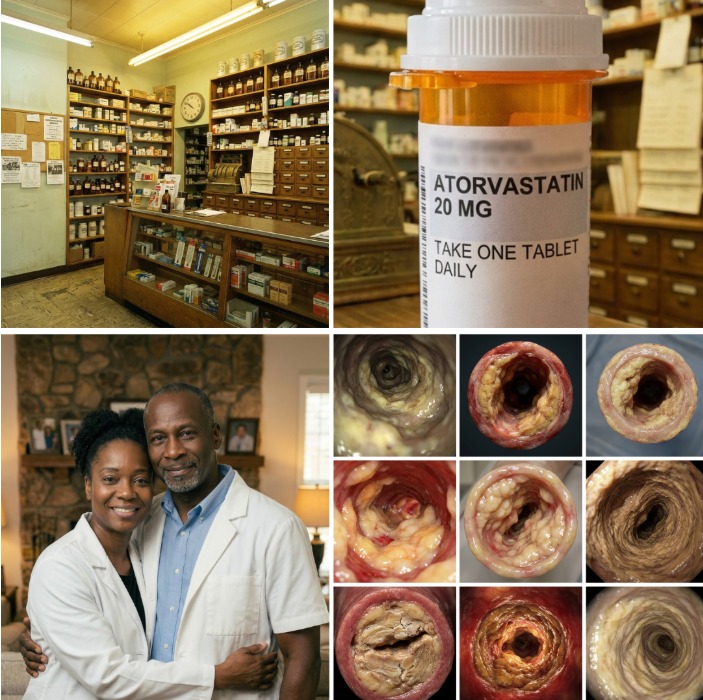
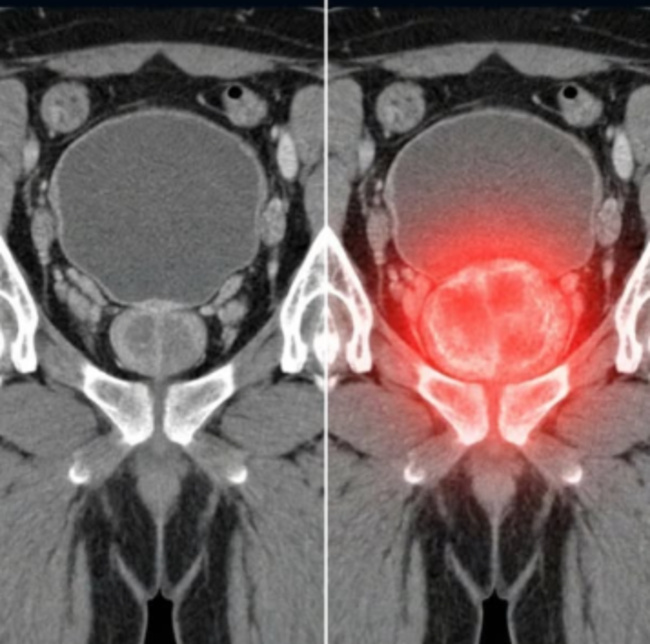
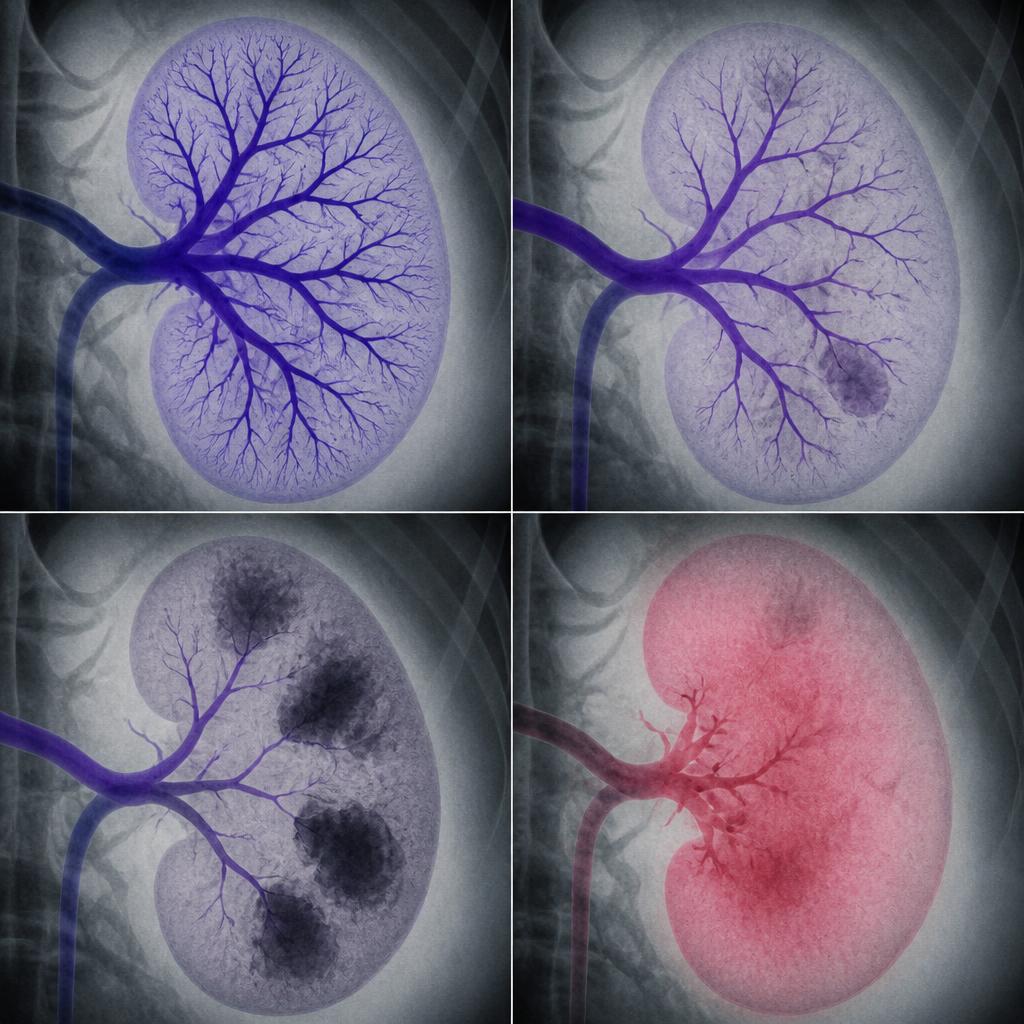
I've assisted on more than three thousand open-heart surgeries. The worst arteries I've ever seen opened belonged to men whose cholesterol numbers were good. I didn't understand that for twenty-two years. I do now. And once I tell you why, you won't be able to un-hear it. My name is Margaret. Everyone at the hospital calls me Maggie. I've been a cardiac surgical nurse for twenty-two years — I'm the one scrubbed in at the table, passing the instruments, with my hands in the field while the surgeon works. I work at a hospital that does more than four hundred open-heart and vascular procedures a year. Bypasses, mostly. Valve repairs. Carotid surgeries — the ones where they open the artery in your neck and clean it out. The surgeon I've stood next to for most of those years is a man named Dr. Halloran. I'm not going to use his real name. You'll understand why before this is over. Halloran is close enough. He is, and I don't say this loosely, one of the best cardiac surgeons in this state. People fly in to have him do what he does. Residents ask to scrub with him just to watch his hands. I've worked beside a lot of good surgeons in twenty-two years. His hands are different. Steady in a way that doesn't waver on hour six. Quiet. He doesn't narrate, he doesn't perform. He just goes in and does the thing that needs doing and the patient lives. That's the man whose morning ritual I'd been watching for eighteen years. But first — the arteries. I know what cholesterol does to a person from the inside. Not from a diagram. Not from a pamphlet in a waiting room. I've had my hands next to it while it was still warm. A healthy artery is a beautiful thing. The inside of it is smooth and pale and open, and the blood moves through it clean, the way water moves through a pipe that's never corroded. That's what you're supposed to have. That's what you started with. A diseased artery is something else. By the time we open one, the wall has gone thick and stiff, and the channel down the middle — the part the blood is supposed to move through — has narrowed to something the width of a coffee stirrer. Sometimes less. And packed into that wall, where the smooth lining used to be, is the thing I want you to understand. They call it plaque, which is a soft word for it. It isn't soft. In a carotid surgery, when Dr. Halloran opens the artery in the neck and clears it out, the thing he lifts free and sets in my hand is a hard, waxy, yellow-gray cast of the inside of that artery. A solid piece. You could set it on the table and it would hold its shape. That is what was choking the blood off from the man's brain. I have held it, still warm, more times than I can count. That's what I meant when I said the worst arteries belonged to men with good numbers. I'd see the chart — LDL fine, total cholesterol fine, the patient had been told for years his numbers looked great — and then I'd watch Dr. Halloran lift a yellow-gray cast the size of my thumb out of his carotid. A man whose numbers said he was healthy, whose artery said he was a heartbeat from a stroke. I filed it under things I wasn't meant to understand. The doctors had the numbers. I just had the artery in my hand. It took me twenty-two years and a scan of my own to understand that the artery was telling the truth, and the number was lying. There was something else. Every morning, before a case, Dr. Halloran goes to his locker and does the same thing. He takes a small tablet from a bottle, drops it in a glass of water, and stands there while it fizzes. Ninety seconds. Then he drinks it, rinses the glass, closes the locker, and scrubs in. I noticed it my second or third year with him. It's the kind of thing you file away without thinking about it — the surgeon drops some kind of tablet in water before a case, fine, surgeons are particular people. I assumed it was an electrolyte thing. A vitamin fizz. One of those magnesium dissolvable powders everybody's wife puts on the counter. You don't interrogate the man about his locker at six in the morning when there's a heart waiting. You assume it's nothing, because everything about it looks like nothing. For eighteen years, it was nothing to me. It turns out it was the most important thing in the room. I just didn't know to ask. Then, last spring, it started happening to me too. I'd had a tightness in my chest going up the stairs at home — the kind of thing you explain away. I'm fifty-one. I'd worked a string of long cases. I told myself I was out of shape, even though I exercise four mornings a week, even though I'd watched a thousand people tell themselves the exact same thing on their way to my table. What finally bothered me wasn't the chest. It was that I'd started catching myself doing the thing I'd watched patients do for twenty-two years. Pausing on the landing. Blaming the stairs. Explaining. So I did what I had access to that most people don't. I asked one of our cardiologists to order me a coronary calcium scan. It's a quick scan of your heart that measures one thing — how much calcified plaque has already built up in your arteries. Not your cholesterol number. The actual buildup. The thing I'd been holding in my hand for twenty-two years, measured while it's still inside you. I also had my cholesterol drawn, because that's what you do. The cholesterol came back fine. LDL a little above where they'd like it, nothing anyone would chase. The kind of number that gets you a "looks good, see you next year." If I'd only had that number, I'd have walked out of there relieved. But I'd seen my scan. My calcium score was not fine. It was the score of a woman with disease already underway — plaque already in the wall, already building, years of it, in arteries that were supposedly being told they were healthy by a cholesterol number that looked perfectly acceptable. I sat in the cardiologist's office and I understood, completely, the thing that had confused me for twenty-two years. I was the man on the table whose numbers were good. I was the chart that said fine and the artery that said otherwise. Except I'd caught mine while it was still a number on a scan and not a cast in someone's hand. I felt sick. Not because I didn't know what was coming. Because I knew exactly what was coming. I'd watched it come for three thousand other people. The cardiologist called me two days later. "Maggie, with that calcium score I want you on a statin. Atorvastatin, forty milligrams. I'll send it over to the pharmacy this afternoon. We'll recheck your numbers in three months." That was the whole conversation. Maybe ninety seconds. And I want you to notice what just happened, because it happened so smoothly I almost didn't catch it myself, and I've been in the room for three thousand versions of it. My problem was the plaque. The calcium score. The buildup already in the wall. That was the thing that scared me. It didn't seem to scare him at all. What he reached for was the cholesterol number — the one that had come back basically fine. He put me on a drug to push down a number that was barely up, and we scheduled a recheck of that same number in three months. The plaque, the actual thing, the thing on the scan — there was no plan for that. There was no conversation about that. There was a drug for the number and a calendar reminder to look at the number again. I drove home with a prescription for the part of me that wasn't the emergency. It was still in my bag, unfilled, when I went into work the next morning — and that day we did a bypass on a man I'll call Ed. Sixty-six years old. Retired electrician. The kind of man who shakes your hand with both of his. I read his chart while we prepped him, the way I always do. Ed had been on a statin for thirteen years. Compliant — the chart said so, his wife confirmed it in pre-op, never missed a dose. And his numbers were good. Thirteen years of good numbers. His most recent LDL was better than mine. Then Dr. Halloran opened his chest, and I saw what thirteen years of good numbers had been hiding. His vessels were so diseased the surgeon used almost every minute of the time we had. It was a hard case. We got him through it. But I stood there with my hands in a sixty-six-year-old man's chest, looking at arteries that had been quietly filling with the thing I'd held in my hand a hundred times, on a patient whose cholesterol had been declared fine for thirteen years running. And I had his exact prescription sitting in my bag. I finished my shift and I went down to the parking garage and I got in my car and I did not drive home. I sat there. For the better part of an hour, in a concrete garage, I sat in my car and could not make myself turn the key. Because I had just watched the end of the road I'd been put on that morning. Same drug. Same good numbers. Same reassurance. Ed had done everything they asked of him for thirteen years, and his reward was Dr. Halloran's table and my hands in his chest. I wasn't scared of the diagnosis anymore. I was scared of the treatment. Because I'd just seen exactly how well it worked. The next morning I came in early. I don't know if I'd decided anything in the night. My feet just took me toward him before my head could argue. Dr. Halloran was at his locker before our first case, the way he always was. He'd just dropped the tablet in the glass. The fizzing was still going — I could hear it from across the room. The bottle was sitting on the bench beside him. Eighteen years I'd let that bottle sit there. I walked up and I asked him, straight out, what was in it. He stopped. He looked at me a second longer than he needed to. He wasn't deciding what the tablet was — he knew that. He was deciding about me. Whether I was someone he could say this to. Then he picked up the glass, drank the last of it, put the bottle in his coat pocket, and closed the locker. "Maggie. There's a conversation we need to have. Not here. After the case. Buy me a coffee." We had a man waiting. We scrubbed in. And for the next several hours I stood across the table from him doing the most ordinary extraordinary thing in the world — helping him save a life — with that bottle in his coat pocket the whole time, and a question in the room that neither of us said out loud. We finished a little after four. He'd told me to meet him at the diner across the street from the hospital, not the cafeteria — somewhere nobody from the floor would be sitting at the next table. We were both still in our scrubs. He had two coffees on the table before I sat down. I want to tell you why he talked to me, because it matters. It wasn't because I asked. People had probably asked him before. He talked to me because he'd seen my face that morning, and he'd been doing this long enough to know what a person looks like the week their own scan comes back wrong. He didn't ask me what my calcium score was. He just looked at me across that table and said, "It caught up with you, didn't it." Not a question. And then — because underneath the best surgical hands in the state he is, at the bottom of everything, a kind man — he told me what he'd been carrying for eighteen years. I'm going to tell it to you the way he told it to me. Slowly. In order. The way I needed to hear it at the lowest moment of my professional life, sitting in a diner in scrubs with a prescription in my bag I hadn't filled and a scan I couldn't un-see. The way no one had ever once explained it to a single patient I'd helped him cut open. Here is what the surgeon told me. The first thing he did was take the whole thing I'd believed for twenty-two years and turn it around. "Maggie," he said, "you've spent your career thinking cholesterol is the enemy. It isn't. It never was." Cholesterol, he said, isn't poison. Your body makes it on purpose, every day, because it can't run without it — it builds your cells, your hormones, the sheathing on your nerves. A body with no cholesterol is a dead body. It was never the villain. We just got told it was, so loudly and for so long that nobody stopped to ask the next question. So here it is: what actually makes cholesterol dangerous? And the answer is the one word that reorganized everything I thought I knew. It rusts. Cholesterol only turns into a killer when it oxidizes — when it goes through the exact same chemical process that turns a clean nail orange and crumbling, or turns the cut face of an apple brown on the counter while you're not looking. Nobody added anything to the apple. The air did it. Oxidation did it. The apple rusted. The cholesterol in your blood does the same thing. Most of it rides along fine, doing its job. But some of it oxidizes — it rusts — and rusted cholesterol does not behave. It turns sticky and damaged. It works its way into the wall of the artery. It packs in, layer over layer, year over year, and it hardens into exactly the thing I'd been pulling out of people's necks for twenty-two years. That hard yellow-gray cast. That was never just "cholesterol." That was rust. Years of it. He let me sit with that. So I asked him the obvious thing. The thing I think you're already asking. If rust is what's killing people — if that's what's in the wall — then why isn't that what we measure? Why have I spent twenty-two years watching everyone chase a cholesterol number? He smiled a little, the way you do at a question you've made your peace with. "Because the rust is hard to measure, and the cholesterol number is easy," he said. "The cholesterol number is a five-dollar blood test you can get anywhere. The rust — the oxidation itself — barely shows up on anything a regular lab runs. So medicine standardized on the number it could actually get, and somewhere along the way everyone forgot it was only ever a stand-in for the thing that matters." "But my scan saw something," I said. "The calcium score." "Your scan saw the wreckage," he said. "Not the rust — the damage the rust had already built. By the time it's hard enough to light up a calcium scan, it's been running in you for years. You didn't catch it early, Maggie. You caught it before it killed you. That's not the same thing." That landed somewhere I felt it. Because here's the trap. Your cholesterol number counts how much cholesterol is in your blood — a headcount, nothing more. It cannot see how much of that cholesterol has rusted. My calcium score could only see the rust once it had already hardened into years of buildup. And in between those two — the number that sees nothing, and the scan that only sees it once it's nearly too late — the rust runs for decades, in the dark, measured by nothing. And I want you to understand — I'm not telling you that as a theory. I'm the proof. My LDL came back basically fine. The kind of number that gets a nod and a "see you next year." And my scan showed a wall already building rust. Both true. Same blood draw, practically. One number looked at the easy thing and called me healthy. The other looked at the actual thing and told me the truth. Ed had it too — the man whose chest we'd opened that morning. Thirteen years of beautiful numbers, and I'd held what those numbers were hiding in my own hand while he was on the table. The number isn't lying exactly. It's just answering a different question than the one your life depends on. And almost every doctor in the country is reading it out loud like it's the answer to the question that matters. It's the cover of a book nobody opens. Then he laid out the rest, and for the first time in twenty-two years it made sense from beginning to end. The rust builds in the wall. The wall thickens. The channel narrows — that coffee-stirrer width I told you about. And then one day a piece of that rusted, built-up plaque cracks or tears loose, and the body does what bodies do with an injury: it clots. The clot finishes what the rust started. It seals the artery shut. If that artery feeds the heart, that's a heart attack. If it feeds the brain — like the carotids I'd watched him clean out a hundred times — that's a stroke. That's it. That's the whole event everybody is terrified of. It isn't a bolt from the sky. It's the last second of a process that has been running quietly for thirty years. The rust did the work. The clot just rang the bell. And every patient I'd ever helped him save, or helped him fail to save, had walked in at that last second. That's the only place we ever met them — at the clot. Never the rust. By the time they reached our table, the bell had already rung. He waited until I'd had a sip of coffee. Then he said, "This next part is the one I need you to hear slowly. Because it's the part that's sitting in your bag right now." I want you to read it slowly too. Your statin does not touch the rust. That's not an opinion. It's how the drug is built. A statin works by reaching into your liver and shutting down the assembly line that makes cholesterol, so your body produces less of it. Less cholesterol made, lower number on the chart. That is the entire job. It is very good at that one job. Now — lowering the amount isn't nothing. Less cholesterol in your blood does mean less of it sitting there to rust, so the statin helps a little, at the edges. I want to be fair to the drug about that. But here's what it cannot do, and it's the thing that matters. It cannot stop the oxidation. It cannot pull the rust out of the wall. And it cannot touch the engine driving the whole disease — because the rust itself is what makes your body produce more cholesterol in the first place. That's the part nobody explained to me in twenty-two years. When cholesterol rusts, your body reads that rust as damage — an injury — so it sends more cholesterol to patch it. Which gives the rust more to work on. Which the body reads as more damage. So it makes more still. It's a wheel. The rust drives your body to make more cholesterol, and the more it makes, the more there is to rust, and the faster the wheel turns. A statin grabs that wheel and forces it to slow down — by brute strength, from the outside. It lowers the number on the chart. But it never stops what's spinning the wheel. The rust is still there, still turning it, faster than any pill can press it down. The statin bails water as fast as it can. It never finds the hole the water's coming in through. So the chart improves. Your doctor sees the lower number and says, "Good. It's working." And underneath that good number, in the wall, where nobody is looking and no routine test is pointed, the rust keeps building. The same way it built in Ed for thirteen years. The same way it had already started building in me, with an LDL nobody would chase. "That," Dr. Halloran said, "is why they still come to my table. Every one of them was told the drug was working. The number said it was working. And the number was the one thing that was never the problem." That's why the dose climbs. The rust keeps building, so eventually even the number drifts, so they raise the milligrams. That's why a second drug gets added, and a third. Everyone keeps adjusting the medication that presses on the number, and not one of those adjustments reaches the rust, because none of those drugs were ever built to. And there's a second cost, he told me, and this one I felt in my own chest. That assembly line the statin shuts down to lower your cholesterol? It doesn't only make cholesterol. It also makes something called CoQ10 — the spark every muscle in your body runs on. Clamp the line shut to force the number down, and you throttle that spark at the same time, in the same motion. You cannot do the one without the other. They come off the same switch. This is the part people feel and never connect. The bone-deep tiredness that nobody can explain. The legs that don't have what they used to on the stairs. The fog. The step you've lost and blamed on your age. I'd watched it in statin patient after statin patient for years and never once tied it to the pill — everyone called it getting older. And here's the cruelty of it. The muscle that runs on that spark more than any other, the one most starved when you throttle it — is your heart. The very thing the drug was supposed to protect. Quietly weakened by the pill that was making the chart look perfect. That's not a side effect. That's the machine doing exactly what it's designed to do. I looked down at my bag, at the prescription I hadn't filled, and for the first time I was glad I hadn't. I asked him how long he'd known all this. He almost laughed. "Since training. None of it is secret, Maggie. It's not some suppressed study. The chemistry of oxidized LDL is in the textbooks. Every cardiologist learns that the oxidized particle is the dangerous one. It's just that the statin is the tool we were handed, and the number is the thing we were taught to chase, so that's what everyone does. Knowing a thing and being built to act on it are two different things." Then I asked the question I'd actually driven in early to ask. The one about the glass of water. "You've spent the last twenty minutes telling me why the statin doesn't work," I said. "And you've spent eighteen years not taking it yourself. So what is it you drop in that glass every morning? What's been in that bottle this whole time?" He didn't answer right away. He turned his cup that quarter-turn on the table. "The statin presses down on the wheel," he said. "Forces it to slow, from the outside, for as long as you keep your hand on it. I didn't want to spend my life with my hand on a wheel. I wanted to stop the thing that's spinning it." "The rust," I said. "The rust. Take away the thing the body keeps reading as damage, and it stops sending cholesterol to patch it. The wheel slows down on its own — from the inside. The number comes down because the reason it was high is gone. Not forced. Resolved. And it stays down without a fist holding it there." "So that's what I take," he said. "Every morning, before I operate. Not to fight the number — to turn off the thing that was spinning it the whole time." And then he reached into his coat pocket and took out the bottle — the one I'd watched him take from his locker for eighteen years — set it on the table between us, turned the label toward me, and let me read it. I'll be honest with you about my first reaction, because I think it'll be yours too. It was a molecular hydrogen tablet. PrimeCell H2. A tablet you drop in water. I sat there for a moment and didn't say anything. Because of how far it fell from what I'd built up in my head. For eighteen years I'd quietly wondered what the best cardiac surgeon I'd ever known took every morning before he cut into a chest, and somewhere in my mind I'd decided it was something rare. Something with a long pharmaceutical name. Something behind a counter. Something you needed a medical degree to even know existed. It was a tablet that fizzes in water. I don't know what I expected. But I know what I didn't expect, and it was this — a bottle you could order online, a ninety-second fizz in a glass, and the most precise surgeon I've ever stood next to telling me across a diner table that this was the thing he trusted more than the drug he prescribed a hundred times a month. He watched me have that exact reaction — he'd clearly watched other people have it — and he didn't argue me out of it. He let me sit in the disbelief for a moment. Then he said: "I know. It's the reason this works as a secret even when it's standing in plain sight. Nobody believes the thing that stops the rust is the smallest molecule in existence dissolved in a glass of water. It sounds too simple to be real, so people walk right past it — straight back to the drug with the serious name that doesn't touch what's actually killing them." Then his voice changed — the way it changes when he's about to stop a resident from making a mistake. "But hear me. This is not a supplement in the way you're thinking. It's a specific molecule — hydrogen, the smallest thing in existence — and the reason it works is the same reason it's easy to dismiss. It's so small it goes everywhere. Across cell membranes. Into the mitochondria. Through the blood-brain barrier. Into the wall of the artery itself, where the rust is actually forming. Into places no statin, no fish oil, no CoQ10 capsule, no red yeast rice has ever reached, because they're all too large to pass through the door." "And here's the part that matters," he said. "Most things people call antioxidants work like buckshot. You swallow them and they scatter through the body knocking out whatever they bump into — including a lot of things your body actually wanted left alone. They're indiscriminate. They spend themselves everywhere and concentrate nowhere." "Molecular hydrogen doesn't scatter," he said. "It goes after one specific target — the hydroxyl radical. The single most destructive free radical your body produces. The exact one that turns your cholesterol to rust. It neutralizes it, converts it to water, and leaves every beneficial free radical your body needs completely alone." "A guided strike instead of buckshot. One job, done precisely, at the one place the damage actually starts." He leaned back. "And it never touches that assembly line in the liver. The one the statin shuts down. The one that makes your CoQ10. Hydrogen doesn't go near it. It goes after the rust and leaves your heart's fuel alone — all of the help, none of the cost." "And there's one more thing," he said. "The tablet I take delivers eighty milligrams of elemental magnesium in every dose. Most people don't know this, but the mineral that supports the cardiovascular energy production the statin is starving — the three hundred enzymatic processes your heart and muscles depend on — is magnesium. Seventy-five percent of Americans don't have enough. Nobody checks. The tablet gives it back, alongside the hydrogen, in every single dose." He paused. "The statin takes your spark and gives you a number. This gives you the spark back and the number comes down on its own — because the rust that was spinning the wheel isn't there anymore. Not forced. Resolved. A number that no longer has a reason to be high." I sat there and understood what he was telling me. For twenty-two years I'd been taught to read that number as the goal. He'd just taught me to read it as a receipt. I asked him the question I'd want you to ask. The skeptical one. The one twenty-two years of medicine had trained into me. "Is there anything behind this besides a good story?" I asked. "Has anyone actually measured it — or does it just sound right at a diner table?" He liked that I asked. He said that's the right question, and that most people who land on a supplement never ask it. "Over two thousand peer-reviewed publications on molecular hydrogen," he said. "Eighty-one clinical trials. Research institutions in Japan, Korea, Germany. The cardiovascular data is a subset of that — but it's the subset I keep coming back to." He leaned in. "There's a study I show residents. Participants taking molecular hydrogen at therapeutic concentration — and they didn't just measure the total cholesterol, the number everyone chases. They measured the oxidized LDL. The rust. The thing nobody usually looks at, the thing that actually does the killing. And the rust markers dropped further and faster than the cholesterol number itself." He let that sit, because he could see I understood. The rust was the target. The number was just the side effect — and the data showed it cleaner than any argument could. "That," he said, "is the only kind of result I trust. Not the one that moves the number everyone watches. The one that moves the thing underneath it, more." "And the blood-brain barrier," he added — quieter, like this was the part he'd been thinking about longest. "Hydrogen crosses it. The statin can't. Every supplement on that shelf, every antioxidant in that health store, every fish oil and CoQ10 capsule — none of them can cross that barrier. They're all too large. Hydrogen is the only molecule small enough to get through. That's not marketing. That's physics." "That fog I've watched in statin patient after statin patient for twenty-two years," he said. "Some of that wasn't just CoQ10 depletion. Some of it was oxidative damage in the brain that the statin could never reach because it was never small enough to get through the door. Hydrogen gets through." And then he told me why he never skips a day. The processed food, the stress, the years — all the things that rust you in the first place are still happening every morning. The oxidation never takes a day off, so neither can the thing that stops it. Every dose neutralizes that day's assault before it can start the wheel turning again. "That's why it's in my locker, not a cabinet at home," he said. "I don't take it like a vitamin I might remember. I take it like the most important ninety seconds of my morning. Because the day I skip it, the rusting gets the day back." So I asked him the only question I had left. The one that had been sitting under everything. "If you've known this since training. If it's in the textbooks. If you'd trust a hydrogen tablet in your own locker over the drug you write a hundred times a month — then why in God's name haven't you told your patients? You've operated on three thousand people. Why am I the first one hearing this over a coffee instead of in your office?" He didn't flinch. He'd clearly asked himself the same question for eighteen years, and he gave me the answer he'd made his peace with. "Because the day I write 'molecular hydrogen' on a chart instead of a statin, I'm finished. And I don't mean that as a figure of speech." He laid it out like a man who'd counted the cost exactly. "There's a standard of care, Maggie. Guidelines. If a patient has that calcium score and those numbers, the guideline says statin, and I'm expected to prescribe the statin. If I tell them to take a hydrogen tablet instead — even one I take myself, even one I'd bet my own arteries on — I've stepped outside the standard of care. The first patient who has a bad outcome, for any reason, their family's attorney pulls my records and finds a cardiac surgeon who told their father to drop a fizzy tablet in water instead of taking his medication. That's my license. That's the medical board. The hospital pulls my privileges the same week, because I'm a liability they can't insure. And the insurers stop paying for my procedures, because I've gone off-protocol." He turned the cup again. "And here's the part that actually stops me. Say I do it anyway. Say I'm brave. The patients I refused to prescribe a statin to don't follow me into early retirement — they just go down the hall to the next surgeon, who puts them on the statin and tells them nothing about the rust at all. I'd have burned myself down and changed nothing for them. They'd be worse off, because at least right now I can tell the ones closest to me, quietly, off the record, when nobody's charting." He stopped. Then, quieter: "So that's the arrangement I've made with myself. I do the surgery. I prescribe the statin, because the statin does its one real thing and because the system requires it. And the people I love, the people I work beside — I tell them about the tablet. In a diner. In scrubs. Where it can't be used against me." He looked at me for a long moment. "You weren't on that list for eighteen years, and you should have been. I used to tell myself it was because you never asked. That was the coward's version. The truth is I just didn't say it, and I'm sorry." I didn't say anything for a while. He let me not say anything, which is its own kind of kindness. I was doing math I didn't want to do. Eighteen years. For eighteen years I had stood eighteen inches from a man who carried the answer in his coat pocket into every surgery we ever did together — and I'd told myself it was an electrolyte, because asking would have meant knowing, and knowing would have meant carrying it, and I had enough to carry. I thought about Ed. About the man before Ed, and the one before him. All of them with years of "looks good" in a file somewhere and a wall quietly filling the whole time, while I stood there and handed over the instruments and never once knew I was watching the same story repeat. Three thousand times. The same story. A number that behaved, and a body that didn't. And the thing that landed hardest wasn't anger at him. He'd spent eighteen years trapped in something I'd only just learned the shape of, and he'd carried it more honestly than most people carry anything. The thing that landed hardest was simpler, and it was about me. I had spent twenty-two years on the wrong side of a question I was afraid to ask. I wasn't going to be afraid of it anymore. I told him I was going to write it down. Not a journal. Not for me. I told him I was going to write down everything he'd just said and put it somewhere strangers could find it — the people sitting where I'd been sitting Tuesday, with a prescription in their bag and a number that lied to them and no surgeon across a diner table to explain it. I waited for him to talk me out of it. Eighteen years of silence — I thought he'd ask me to keep his. He didn't. He looked at the bottle on the table for a long time. Then he picked it up, put it back in his coat pocket, and said the thing that's the reason you're reading this. "Do it, Maggie." And then, quieter: "I can't. You understand now why I can't. Everything I told you about the board, the privileges — that's all still true tomorrow morning when I scrub in. I'm still trapped in it. But you're not a surgeon. You don't have privileges for them to pull. You don't have a license they can take for telling people the truth. They handed me the cage. They never handed you one." He stood up to go back to the hospital. "I've wanted someone to say this out loud for years and I was never going to be the one who could. So if you're going to do it — do it properly. Tell them all of it. Tell them about the rust. Tell them why the number lies. And tell them the part that matters most: tell them I take it myself, every morning, before I pick up a knife. Don't let them think this is something I recommend from a safe distance. It's the thing I trust with my own heart." Then he went back across the street to operate. And I went home and started writing the thing you're reading. He told me to tell you all of it, so here's the part where I tell you exactly what's in his locker, because if I sent you off to buy "molecular hydrogen" I'd be doing the thing he spent the whole coffee warning me about. The tablet is PrimeCell H2. And before you decide that's just him being loyal to a brand — it isn't. I asked him that night why this one, specifically, and he answered it the way he answers everything, which is like a man who has eliminated every other option on purpose. He has four rules, and almost nothing on the market survives all four. The delivery and dissolution. Must be an effervescent tablet that dissolves completely — no residue, no chunks, no chalky film at the bottom of the glass. The hydrogen has to be generated at the point of use, in your glass, so you drink it at peak concentration. Pre-made hydrogen water loses potency before you open the bottle. Machines can't reach therapeutic levels consistently. And if there's powder sitting at the bottom when you finish, the hydrogen isn't being generated properly. PrimeCell dissolves in under ninety seconds. Clean. "If the hydrogen isn't being made fresh in front of you," he said, "it's already gone by the time it reaches your blood." The concentration. Must be at least 10 parts per million. Most hydrogen products on the market deliver 2 to 4 PPM — below the threshold used in the clinical research that actually moved the oxidation markers. At that level, he said, it's expensive water. PrimeCell delivers 12 PPM. "Below ten, you're wasting your money and your time." The magnesium. Must contain elemental magnesium. The mineral that supports over three hundred enzymatic processes including the cardiovascular energy production the statin is starving. PrimeCell delivers 80 milligrams per tablet. Most hydrogen products contain zero. "You're addressing the rust and restoring what the drug would have taken away, in the same glass of water," he said. The proof. Standardized, not random. A certificate of analysis — an outside lab testing the actual batch and publishing what's in it, right there where you can read it. The H2 concentration, the purity, the heavy metals. GMP certified. Third-party verified. "I don't take anything I can't see the lab report on," he said. "I'm not going to put a mystery in my own body and then operate on yours." That's why this one and not the Amazon bottle or the health-store brand. Same reason he won't drink coffee before a case. The man does not leave the margin to chance. They're small, and they sell out — he's run out twice and told me both times he counted the days until the next bottle came, which from a man that calm told me everything. I started the next morning. One tablet in water, ninety seconds, before my shift — the same way I'd watched him do it for eighteen years, except now I knew what I was holding. When the tablet hit the water and the fizzing started, I stood in my kitchen and watched it dissolve, and I thought about every chest I'd ever helped open that didn't have to end up on his table. I want to tell you the thing I did that my own cardiologist still doesn't entirely forgive me for. I never filled the statin. I'm not telling you to make that choice. I'll say more about that at the end. But I'd just spent an evening understanding exactly what the drug would and wouldn't do for me — that it would push my already-fine number a little lower and do nothing about the rust on my scan, while quietly throttling the spark my heart runs on — and I decided I wanted the thing that went after the actual problem. I told my cardiologist what I was doing. He wasn't happy. But he agreed to do the one thing that mattered: keep watching me. Recheck me. Hold me to the numbers. Here's how it actually went, because it wasn't a lightning bolt and I don't want to pretend it was. The first two weeks, I felt nothing in my body — and that's exactly right. What hydrogen does in the beginning happens where you can't feel it, down at the level of the free radical, neutralizing the rust before it forms. There's no fireworks. The only thing I noticed those first weeks was that the tightness on the stairs at home stopped being something I thought about. Not gone, exactly. Just quieter. I noticed it the way you notice a sound stopping. Weeks three and four, the spark came back. This was the part I hadn't expected, and it's the part that told me it was real. I'd been tired for longer than I'd admitted — that bone-level tired I'd watched in a hundred statin patients and never connected to anything. Around week three it lifted. I stopped fading at the end of a long case. I had something in the tank at seven in the evening that I hadn't had in two years. The magnesium was restoring something I hadn't known I was missing — the energy my heart and muscles had been quietly starving for. Seventy-five percent of Americans are deficient, Halloran had said. I'd been one of them without knowing it. Weeks five through eight, the stairs gave up. I stopped pausing on the landing. I caught myself two-at-a-time one morning with a laundry basket and stood there at the top, because eight weeks earlier that same flight had been the thing that scared me into a scan. And then, eleven weeks in, I went back for bloodwork — and this is the part I need you to read the way he taught me to read it. I'd asked them to add one test nobody usually runs — oxidized LDL. The rust marker. The one Halloran told me was the only number that actually matters. The one Ed's doctor never ordered in thirteen years. My LDL came down. Not dramatically — it hadn't been high to begin with. But it came down, on its own, with no statin forcing it, and it stayed down. And I want you to understand why that mattered to me, because a year ago I'd have read it wrong. A year ago I'd have thought: good, the number's down. But Halloran had taught me what a number that comes down on its own actually means. It means the reason it was high is resolving. It means the rust stopped sending the damage signal, so my body stopped overproducing to patch it, so the wheel slowed down on its own. The number wasn't the win. The number was the receipt — the proof, on paper, that the thing underneath had turned. And then the part I hadn't dared ask for. The oxidized LDL — the rust marker — had come down. Not the total number dragging it along. The rust itself, dropping independently, the way it had in the studies Halloran told me about. The thing underneath the number, moving more than the number itself. I couldn't see my scan change in eleven weeks; arteries don't reverse that fast, and I won't pretend mine did. What I could see was the number coming down for the right reason instead of a forced one, the rust markers moving on their own, and a body that suddenly had its fuel back, and a flight of stairs I'd stopped being afraid of. My cardiologist read the panel, looked at me, and asked me what I'd been doing. I told him. He didn't congratulate me and he didn't argue. He wrote something on his notepad. I'm fairly sure it was the name of the tablet. He still hasn't prescribed me anything. I'm telling you all of this because there's a good chance you're one of the people I was standing in for that morning in the parking garage. Let me be specific, because I think you'll know which one you are. If you're on a statin right now, and your numbers are "fine," and your doctor is pleased — but you don't feel fine. You're more tired than you should be. You've lost a step you can't explain. I'm telling you what the surgeon I've stood next to for eighteen years taught me: the drug is doing its one job, pushing the number down, and that number looking good is not the same thing as the rust being stopped. The fatigue may not be your age. It may be the spark, getting throttled by the very pill that's making your chart look perfect. If your LDL is creeping up year after year, and your doctor keeps reaching for a higher dose or a second drug. I'm telling you what the surgeon taught me: the number keeps climbing because the rust keeps spinning the wheel, and chasing it with more milligrams will never reach the thing doing the spinning. You can hold that wheel still for the rest of your life, or you can go after what's turning it. If you've already tried — if you've got a cabinet full of CoQ10 and fish oil and red yeast rice and that nerve-and-heart formula from the health store, and none of it has touched what your scan or your numbers are doing. I'm telling you what the surgeon taught me: most of those scatter through your body and concentrate nowhere. They were never built to go after the one reaction that turns cholesterol to rust. That's a different, more precise thing — and it's the thing in his locker. And if you're where I was exactly — a scan or a number that finally scared you, a fresh prescription in your bag, and the sick certainty that you've watched this movie before in someone you love. I'm telling you what the surgeon told me across a diner table in his scrubs, the thing he wished someone had told every patient he ever operated on: There is something that goes after the rust the statin was never built to touch. He takes it himself, every morning, before he picks up a knife. It's called PrimeCell H2 — molecular hydrogen at therapeutic concentration, plus the magnesium your heart needs to keep its spark. One tablet, one glass of water, ninety seconds. It's the thing I started taking the morning after that coffee, and it's the thing I'd put in front of anyone I loved who was standing where you are. Let me be clear about who I am and who I'm not, because you should be suspicious of anyone who tells you a thing like this on the internet. I'm not a salesperson. I'm a cardiac surgical nurse. I don't work for PrimeCell, I don't get paid if you buy it, and I don't make a cent whether you click anything or close this and never think about it again. I have a pension and twenty-two years in and no reason on earth to write this many words about a hydrogen tablet except the one I'm about to give you. I'm writing this because I have stood at that table for twenty-two years and held the rust in my hand, and I let myself believe for most of those years that the people on the table had simply run out of luck. They hadn't. They'd been failed by a number that everyone trusted and that was never measuring the thing that killed them. I'm writing it because last spring I watched Dr. Halloran open a sixty-six-year-old man whose cholesterol had been called fine for thirteen years, and I stood there with my hands near a heart that good numbers had not protected, and three days later I found out I was next. I'm writing it because the best surgeon I have ever known has been quietly taking something for eighteen years that he will not write on a prescription pad — not because it doesn't work, but because the system he operates inside would take his license for telling you it does. And I'm writing it because I asked him, finally, after eighteen years of pretending that fizzing tablet was an electrolyte, and he told me the truth and then he told me to pass it on. He can't. I can. So I am. That's the whole reason. There isn't another one. Here's the thing that, after twenty-two years inside this system, I genuinely cannot get over. PrimeCell comes with a ninety-day money-back guarantee. You take it for three months. You keep getting your blood drawn — you keep your doctor watching you, the way mine watched me. And if your numbers don't move, or you don't feel a difference, you send the bottles back. The empty ones too, not just the ones you never opened. And you get every dollar back. Now think about what I'm comparing that to. In twenty-two years of standing at that table, I have never — not once — seen a drug company offer a single patient their money back because the drug didn't protect them. Ed took a statin for thirteen years. It did not stop what put him on Dr. Halloran's table. Nobody refunded Ed. Nobody refunded the families of the people we couldn't save. The pill came with a lifetime of refills and not one word of a promise that any of it would work. A small company selling a hydrogen tablet will stake its own money on whether it helps you. A multi-billion-dollar drug that millions of people organize their lives around will not. I'm not going to tell you what that means. I'll just tell you it's the kind of thing I notice now, after everything, and I think once you see it you won't be able to stop seeing it either. PrimeCell is a small company. They sell out. Right now they're running a buy 3 get 2 free deal — enough to get you through the full window and have some to give to the person you've been reading this thinking about. That's the one I'd take, because nobody on this road should be doing it alone, and because running out is the one part of this that actually rattled the calmest man I know. But supply isn't really the reason to move today. This is. Every single day, the rust is still running. The wheel is still turning. If you've got a number creeping up, it's creeping today. If you've got plaque in a wall, it's building today, the same quiet way it built in Ed for thirteen years while everyone told him he was fine. The disease does not wait for you to get around to it. It does not pause while you think it over. It is the most patient thing in the world, and it is working right now, in the wall, while you read this. If you have a cardiology appointment in the next month or two, picture walking in with the rust already turning instead of still climbing. Picture handing them a number that came down for the right reason. That doesn't happen if you start the week of the appointment. It happens if you start today. 👉 https://track.getamalahealth.com/5548c06d-d9c3-4785-b466-fec64a6fdb28 I almost became one of my own patients. I had the prescription in my bag and the scan I couldn't un-see and a movie I'd watched three thousand times that was about to be about me. I got off that road. The whole reason I wrote this down is so that you can get off it too, while there's still road to get off of. You still have time. Ed didn't. ~ Margaret Powell Cardiac Surgical Nurse, 22 years P.S. — I need to say one thing as clearly as I can, because I took an aggressive path and I don't want you taking it blindly. Do not stop a medication on your own. I made a specific choice about a prescription I had not yet filled, with my own eyes open, and with my doctor monitoring me the entire way — and that is the only version of this I'd ever defend. If you're already on a statin, do not throw it in a drawer because a nurse on the internet told you a story. Bring this to your doctor. Ask them to actually look at the rust, not just the number. Ask for a recheck in eight to twelve weeks. The point was never to fight your doctor. The point is to put the thing on the table that the prescription pad isn't allowed to. P.P.S. — About the first few weeks, because I don't want you quitting early over the wrong expectation. This is not a stimulant and it does not announce itself. The first couple of weeks, the work is happening at the level of the free radical, where you can't feel anything — the rust getting neutralized before it forms. Most people notice the quieter things first: the tightness easing, sleeping a little better, a little more in the tank at the end of the day as the magnesium starts restoring the energy your body's been quietly missing. The number on your chart is the slowest part, because arteries keep their own time — that's why the guarantee runs a full ninety days and not thirty. Arterial tissue is some of the slowest-healing tissue in the body. Give it the whole window. If you feel nothing and your numbers don't move by the end of it, send the bottles back and it costs you nothing but two months of coffee. P.P.P.S. — The guarantee is the part I keep coming back to, so I'll say it once more. A small company selling a hydrogen tablet will bet its own money that this helps you. The makers of the drug that millions of people take every morning will not. You can decide for yourself what that tells you. I've decided what it tells me. P.P.P.P.S. — Dr. Halloran read this before I posted it. He asked me to take his real name out — I did; "Halloran" isn't it. He asked me to take the hospital's name out — I did. He asked me what I thought would happen if his colleagues found it and recognized themselves in it, and I told him the truth: that some of them already know everything in here, and they'll have to decide for themselves what to do with knowing it. He didn't ask me to take it down. And the next morning, before our first case, I watched him go to his locker, take out the bottle, drop the tablet in a glass of water, and stand there while it fizzed — the same as he has every morning for as long as I've known him, the same as he will tomorrow. He can't tell you to do this. I just did. 👉 https://track.getamalahealth.com/5548c06d-d9c3-4785-b466-fec64a6fdb28
Fix Yourself at the Cellular Level
PrimeCell H2 is a next-generation molecular hydrogen tablet formulated to support your body's natural antioxidant defenses — helping you feel sharper, more energized, and more like yourself.
LEARN MORELike this ad? Make it yours.
Crush rebuilds this exact creative around your product — your brand, your colors, your offer — in about a minute.