
Inactive· since Jan 5, 2026
- 35
- days it ran
- 12
- relaunches
Ad copy
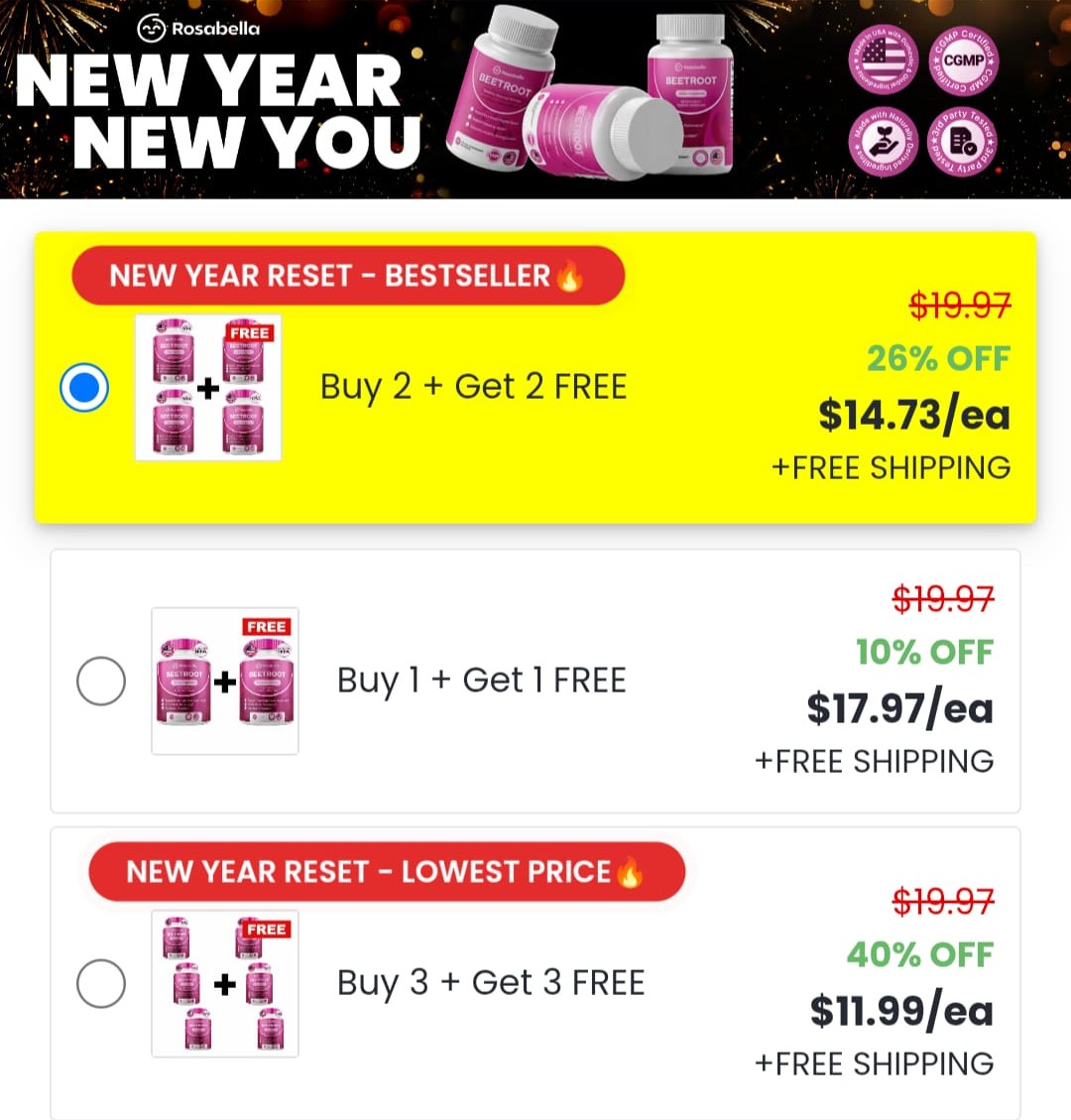
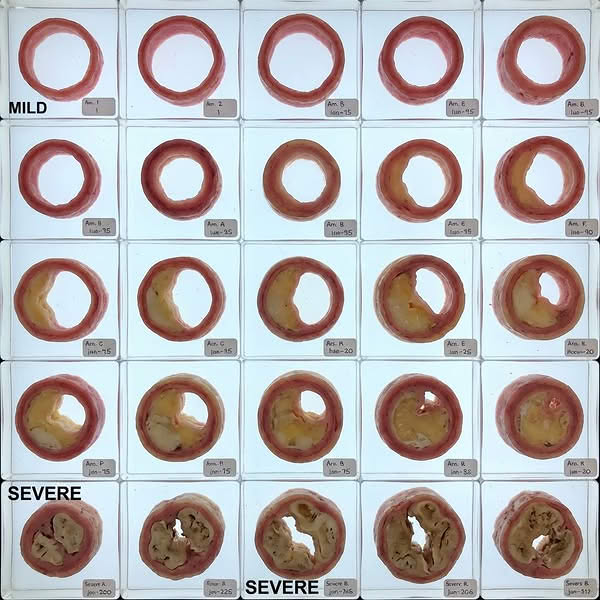
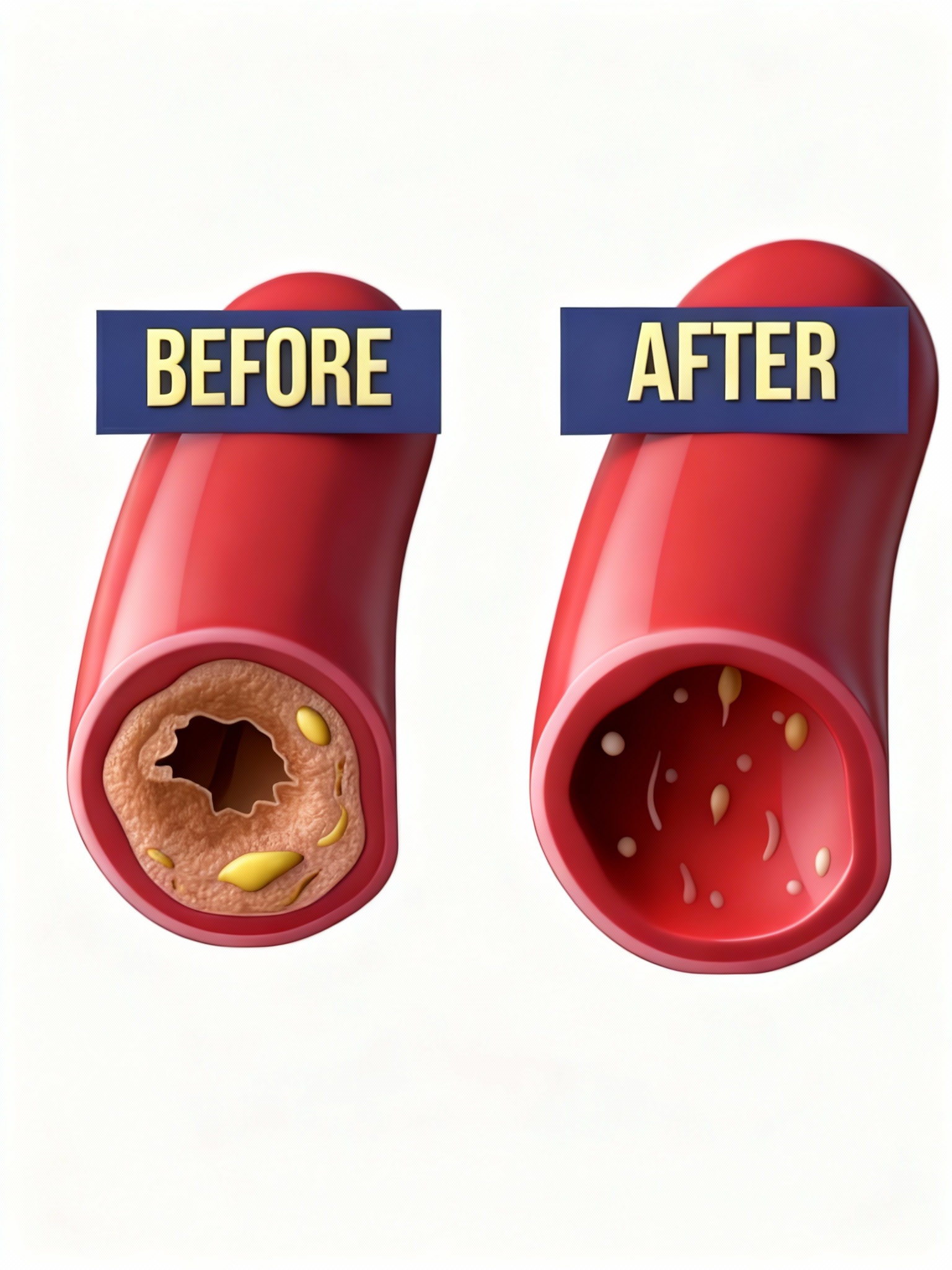
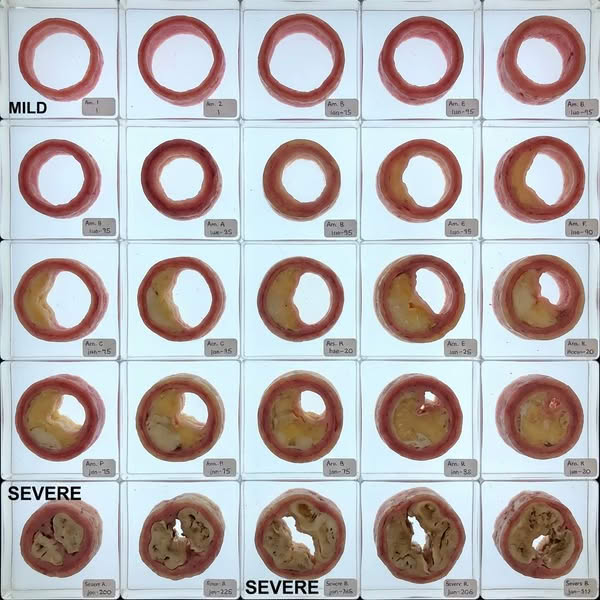
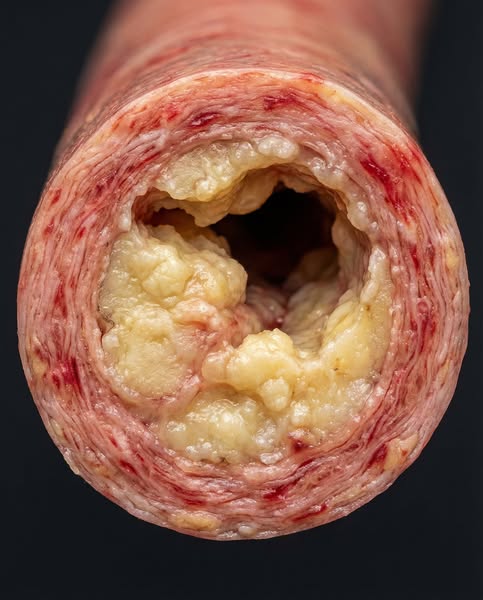
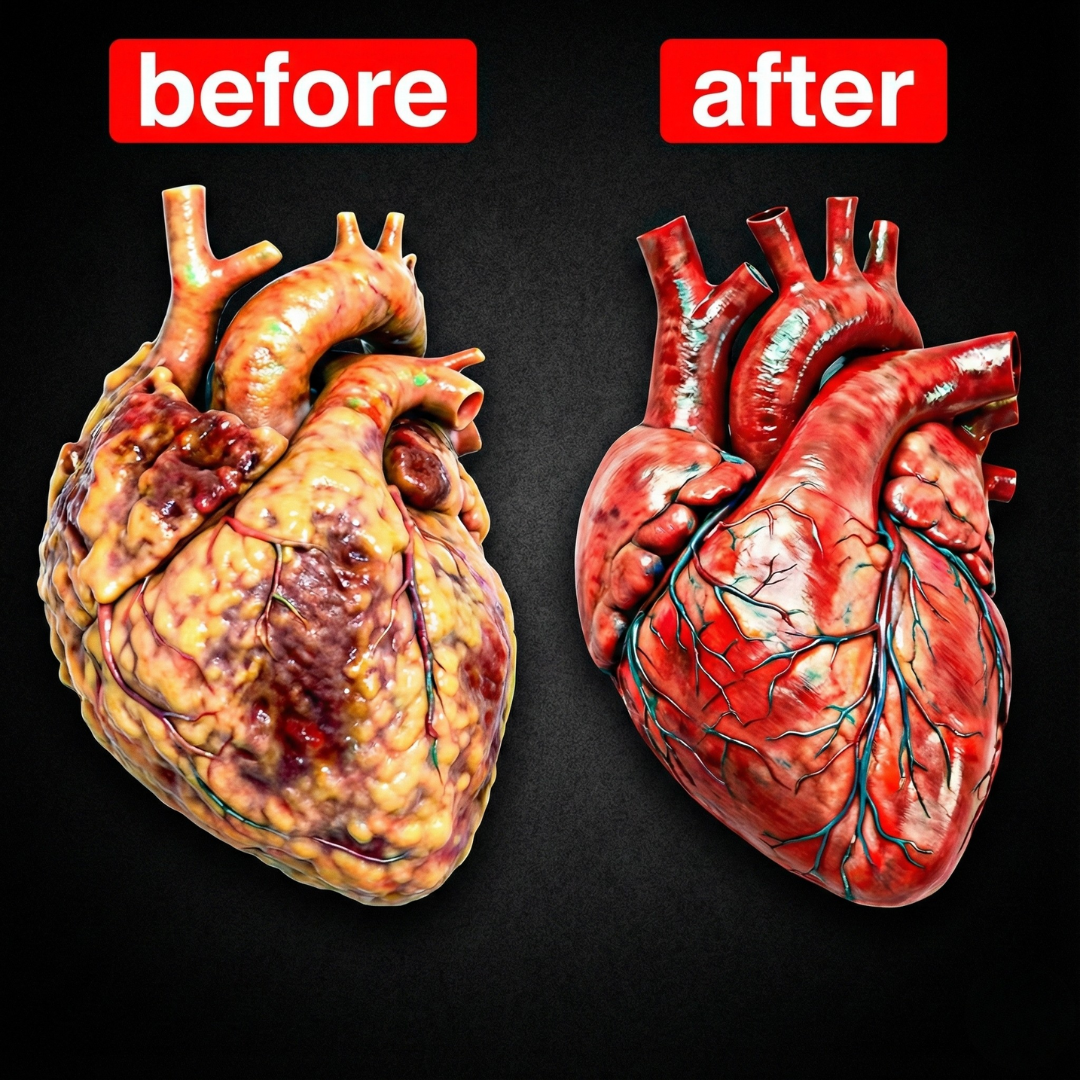
After 14 years at North Valley Health Clinic, I watched Sarah fill out the statin prescription form with shaking hands. She'd spent $4,200 on specialists. Tried red yeast rice, fish oil, garlic pills, a strict low-fat diet for two years. Her LDL kept climbing. 165. Then 178. Then 189. Nothing was working. I finally asked her the one question nobody else had: "When was the last time someone tested your oxidized LDL levels?" She looked at me like I was speaking another language. My name is Dr. David Preston, MD. I've treated over 10,000 patients with cholesterol concerns at North Valley Health Clinic. And here's what the pharmaceutical industry doesn't want you to know about high cholesterol. Sarah was 47 years old. Perfect health. No disease history. The exact "does everything right" patient I'd been seeing for years. But her LDL kept climbing. Started at 165 three years ago. Then 178. Then 189. Always going up. Never coming down. She'd tried every supplement on the market. Spent $4,200 on cardiologists, red yeast rice, fish oil, plant sterols, cutting out all saturated fat. Her LDL tests kept coming back high. But her LDL kept climbing. She couldn't sleep anymore. Constant anxiety about heart attacks. Life insurance company had just denied her application. And her doctor had told her at the last visit: "If these numbers don't improve in three months, we need to start you on statins." She was convinced she'd have a heart attack before her daughter's wedding. That's when I did something I'd never done in 14 years of practice. I tested her oxidative stress markers, which give us the closest measure of oxidized LDL levels. The result came back: CRP 8.2 mg/L. Normal range is under 3.0. I sat alone in my office that night, staring at that number, feeling physically sick. Because I finally understood what was happening. Here's what they don't teach you in medical school: Over 60% of people with high cholesterol have excessive LDL oxidation happening as we speak. Not measured on standard bloodwork. But high enough to cause exactly what I was seeing in Sarah: stubborn LDL that looks like "just genetics." When your LDL gets oxidized - when free radicals attack it and turn it into what I call "sticky cholesterol" - that's when it becomes dangerous. Because normal cholesterol? Your body needs it. For hormones, cell membranes, daily repair. But oxidized cholesterol - the "sticky" kind - that's what triggers plaque formation. It becomes sticky, your immune system sees it as a threat and sends macrophages to attack it. Those cells turn into foam cells that pile up - that's plaque. That's what narrows your arteries. Without enough antioxidants → free radicals oxidize your LDL → "sticky cholesterol" forms → plaque accumulates in your arteries → numbers keep climbing. It's not "just genetics." It's not "just getting older." It's not that you're eating wrong. It's oxidation turning your cholesterol dangerous. And here's the nightmare part: Standard bloodwork doesn't measure oxidation levels. Most doctors never check it. And by the time symptoms show up, oxidation has been happening for months or even years. But it gets worse. Even if you're eating "clean" - even organic, whole foods, low-fat everything - your body still might not be getting enough antioxidants to prevent oxidation because: The US food system destroys up to 80% of natural antioxidants. GMO crops, pesticide contamination, and processed foods strip out the protective compounds - leaving your LDL vulnerable to oxidation. Cooking beets at high heat? The betalains are gone before they reach your stomach. And if your cholesterol is already high, you're burning through antioxidants faster than diet can replace them - creating a vicious cycle where oxidation causes more oxidation. Your body cannot prevent LDL oxidation without adequate antioxidant intake. It depends entirely on what you eat. And the diet you've been eating - no matter how "clean," how organic, how low-fat the nutritionists claim - isn't delivering enough in the right form. So your LDL gets oxidized. Which means it becomes sticky. Which means plaque forms. Every blood test. Every year. Every doctor visit. And you blame yourself. You try cutting out more foods. You spend thousands on supplements that all come back "it's just genetic." Because nobody is measuring the one thing that actually matters. After Sarah's discovery, I started reviewing records of every patient whose cholesterol wouldn't respond to lifestyle changes. Over six months, I reviewed 89 patient files. 74 had elevated oxidative stress markers. 83%. These weren't people eating junk food and sitting on the couch. These were people who'd cut out all saturated fat, tried plant sterols, followed low-fat diets religiously. It didn't matter. Across the board: patients doing "everything right" had some of the highest oxidation levels I'd ever seen. Because here's what shocked me: supplement companies can claim almost anything on their labels. Most cholesterol-lowering supplements contain fiber, red yeast rice, plant sterols - designed to "block absorption" or "reduce production." But blocking cholesterol works by preventing your body from absorbing fats at all - which is like trying to fix a clogged drain by turning off the faucet instead of clearing the blockage. You're spending $40-60 per month on supplements specifically marketed for cholesterol health. But they do nothing to prevent oxidation - which is what's actually causing the arterial damage. If your body shows ANY of these signs, you likely have excessive LDL oxidation right now: → LDL above 130 despite clean eating → Can't keep up with activities you used to do easily → Low energy in the afternoon (2-4pm crash) → Brain fog or trouble concentrating → Pressure sensations in chest or reduced stamina → Poor recovery after exercise or physical activity → Family history of heart disease → Doctor mentioned statins as "the next step" → That constant worry about heart attack The climbing LDL isn't genetics. It's the warning sign that your LDL is oxidizing faster than your body can protect it. After discovering how widespread this pattern was, I thought the hard part was over. But there's a natural remedy I've been recommending for years to the people who come to me at 50, 60 years old who are exhausted, anxious, and frustrated. And three months later, they always come back with their bloodwork in hand, nearly in tears, because their LDL dropped 40, 50, even 60 points. Their faces have changed, they're much calmer, they look much better, and they can finally sleep at night without worrying about heart attacks. This natural solution is called beetroot. And every time I mention it, I get the look. Wide eyes. Raised eyebrows. That "You mean that vegetable that turns your pee pink?" face. And honestly? I get it. It sounds too simple. But I've been taking it myself every morning for 10 years. And I've recommended it to nearly every patient I see with high cholesterol who wants to avoid statins. Why? Because beetroot contains betalains - some of the most powerful antioxidants in nature - that neutralize free radicals before they can oxidize your LDL. Clinical research published in the journal Foods showed that adults with coronary artery disease who took betalain extract saw an 18% reduction in LDL in just two weeks. But that was with pharmaceutical-grade betalains - which is exactly why I'm so particular about quality. But here's the problem I discovered. Just recommending "beetroot" wasn't enough. Because when I started tracking results, I noticed half my patients weren't improving. That's when I realized: not all beetroot supplements are created equal. So I went online and ordered every beetroot supplement I could find. Eight different brands. All claiming to be "organic" and "pure." I sent them all to an independent lab to test for betalain content - the specific antioxidant compounds your body needs to prevent LDL oxidation. Plus heavy metal screening and pesticide testing. Generic Amazon Brand (bestselling beetroot): Beetroot powder heat-dried at high temperatures. The lab found barely measurable betalains. The heat processing destroyed the antioxidant content. You might as well be taking colored sawdust. Popular GNC Brand (sold in every mall): Only 12mg betalains per serving versus their claimed 50mg. Mostly filler with artificial red coloring to make it look like beetroot. The "organic" label was meaningless. Grocery Store Brand (Whole Foods shelf): Contained lead contamination above safe limits. Sourced from soil in China with no testing verification. I was recommending beetroot to patients that was either contaminated, mislabeled, or completely ineffective. I felt like I'd failed them all over again. I spent two months calling supplement companies, demanding Certificates of Analysis, third-party testing, betalain content documentation, oxidation prevention data. Most wouldn't return my calls. The ones who did sent vague PDFs or refused to provide batch testing. I was about to give up. Then I found Rosabella. At first, I was skeptical. Another supplement company making big promises. But when I called them, something was different. They answered. Immediately. I asked for their Certificate of Analysis. They emailed it within an hour - from an accredited third-party lab, testing for betalain content, heavy metals, and pesticide contamination. I asked about their sourcing. They sent full documentation: 100% organic beetroot from USA farms, shade-dried to preserve betalain content, harvested at peak antioxidant levels. I asked for batch testing. They provide it for every single batch - not just once a year for show. I asked about betalain levels. They explained their shade-drying process preserves maximum betalains. Each serving has 1300mg of organic beetroot - about 80mg of pure betalains. Not heat-processed. Not oxidized during manufacturing. They were the only company that could answer every single question with documentation. So I ordered their beetroot and sent it to the same independent lab. The results: ✅ 78mg of betalains per serving (claims 80mg - actually close to delivery) ✅ Zero heavy metal contamination ✅ Zero pesticide residue ✅ 100% organic beetroot (no fillers, no artificial coloring) ✅ Shade-dried to preserve maximum antioxidant potency ✅ USA-grown for quality control I'd finally found it. The only beetroot supplement I could trust. And here's what makes the mechanism so powerful: The fish oil, red yeast rice, and garlic you've tried were targeting cholesterol absorption or production. But they weren't preventing oxidation. That's why they didn't work. Rosabella addresses the actual mechanism those other supplements missed - it neutralizes free radicals before they can oxidize your LDL. You're not suppressing your body's natural cholesterol production. You're protecting the cholesterol you have from becoming dangerous. When your LDL stays protected from oxidation, your liver can clear it normally - the way it's supposed to. Protected cholesterol gets recycled, broken down, removed from your bloodstream. That's how patients see their numbers drop 30-50 points in 12 weeks. Not by blocking production with drugs. Not by preventing absorption with fiber. By stopping the oxidation that was keeping cholesterol trapped and dangerous in their bloodstream. I called Sarah that same day. "Don't give up. I found something. Let's try this before we start the statins." She started taking Rosabella beetroot every morning - 1300mg serving. Week 2: Had energy past 3pm without collapsing on the couch, heart wasn't racing when she climbed stairs Week 4: Sleeping through the night, could take a deep breath without checking if her chest hurt Week 6: Could make it through a full day without that heavy, tired feeling, stopped waking up at 3am with her hand on her chest Week 8: Could walk two miles without getting winded, remembered appointments without writing everything down Week 12: Bloodwork day By week twelve, she sent me a photo of her lab results: "Dr. Stone, my LDL went from 189 to 155. That's 34 points. My doctor asked what medication I started. I told him it was beetroot. He didn't believe me. And I feel better than I have in five years." Her oxidative stress markers at week twelve: her CRP - that's the inflammation marker - dropped from 8.2 down to 2.1. Normal range. LDL down 34 points. Inflammatory markers significantly reduced. Still taking Rosabella every morning. The only thing that changed? Her body finally had the antioxidants it needed to prevent LDL oxidation. Her doctor agreed to continue monitoring her naturally - no statins needed. Over the past 10 years, I've put over 840 patients on this exact protocol. 93% show measurable improvement in oxidative markers within 90 days. Jennifer's case, 52 years old (post-menopausal cholesterol spike): "My LDL spiked after menopause - went from 120 to 178 in two years. My doctor wanted to start statins. I asked for three months to try something natural. Started Rosabella while sticking to my low-fat diet. Twelve weeks later, LDL was down to 148. My cardiologist was shocked. He agreed I didn't need to start medication after all." David's case, 61 years old (family history, father died at 63 from heart attack): "My LDL was 205. Doctor said 'you need statins now or you'll end up like your father.' I was terrified. Started Rosabella while keeping up my exercise routine. Sixteen weeks later: LDL dropped to 168. That's 37 points. I can walk upstairs without my heart pounding in my ears." These aren't miracles. This is simply what happens when you give your body the specific antioxidants it needs to prevent LDL oxidation - in a form it can actually use - and it's pure enough to work. Here's what I want you to do: Next time you're at your doctor, ask this exact question: "Can you test my oxidized LDL levels?" If they say "it's not necessary" or "your cholesterol is genetic," ask them: "When was the last time you looked at someone's oxidation levels?" Most won't have an answer. Not because they don't care - but because the system doesn't measure it. You don't need to wait for doctor approval. You don't need more tests first. You don't need to wait for symptoms to get worse. You don't need to stop your current supplements. Beetroot isn't a drug. It's a whole food source of antioxidants. You can start today. If your doctor has mentioned statins as "the next step" - if you have three months, six months, a year before they insist on medication - this is what you do in that window. If your LDL is above 130 despite clean eating, your body is already telling you oxidation is happening. Each blood test showing higher numbers means more damage accumulating. Chronic elevation combined with oxidation - that's what damages arterial walls. Your body gets worse at preventing oxidation over time, not better. But if you catch it early - if you start now, before your doctor insists on statins - you can support healthy cholesterol levels naturally and avoid years of medication dependency and constant fear of heart attack. Give your body 12 weeks to address oxidation naturally before accepting medication. The only brand I trust after testing them all: Rosabella. Get the same organic beetroot supplement I recommend to my patients who want to avoid statins. In my clinical experience, most patients who also maintain healthy diet and exercise see their LDL drop 30-50 points within 12 weeks. Start with a 90-day supply to allow your body time to fully restore antioxidant protection: → https://shop.tryrosabella.com/npl-beet P.S. If your LDL is climbing year after year despite diet changes, oxidation is already happening. That's not "normal" or "just genetics." That's the warning sign your body can't prevent LDL from oxidizing. In my practice, patients who combine Rosabella with healthy lifestyle changes typically see their LDL drop 30-50 points within 12 weeks. Every month you wait, more oxidation accumulates. If your doctor has given you a timeline before statins - use it. P.P.S. I don't get paid by Rosabella to recommend this. I recommend it because after testing every major beetroot supplement on the market, they're the only ones who passed every test - betalain content verified, zero contamination, proper processing to preserve antioxidant potency. After 14 years and over 10,000 patients with high cholesterol at North Valley Health Clinic, I've finally found something that may help people avoid statins when caught early enough. Your body deserves that.
Support stamina and heart health every day
"I've only started useing this product less than a week, honestly it has given me more energy and I feel more alert. Before taking this product I noticed I was feeling tired and not motivated at all, so I have to give it a great rating 5 stars. I reccomend it."
LEARN MORELike this ad? Make it yours.
Crush rebuilds this exact creative around your product — your brand, your colors, your offer — in about a minute.