
Inactive· since Mar 12, 2026
- 38
- days it ran
- 5
- relaunches
Ad copy
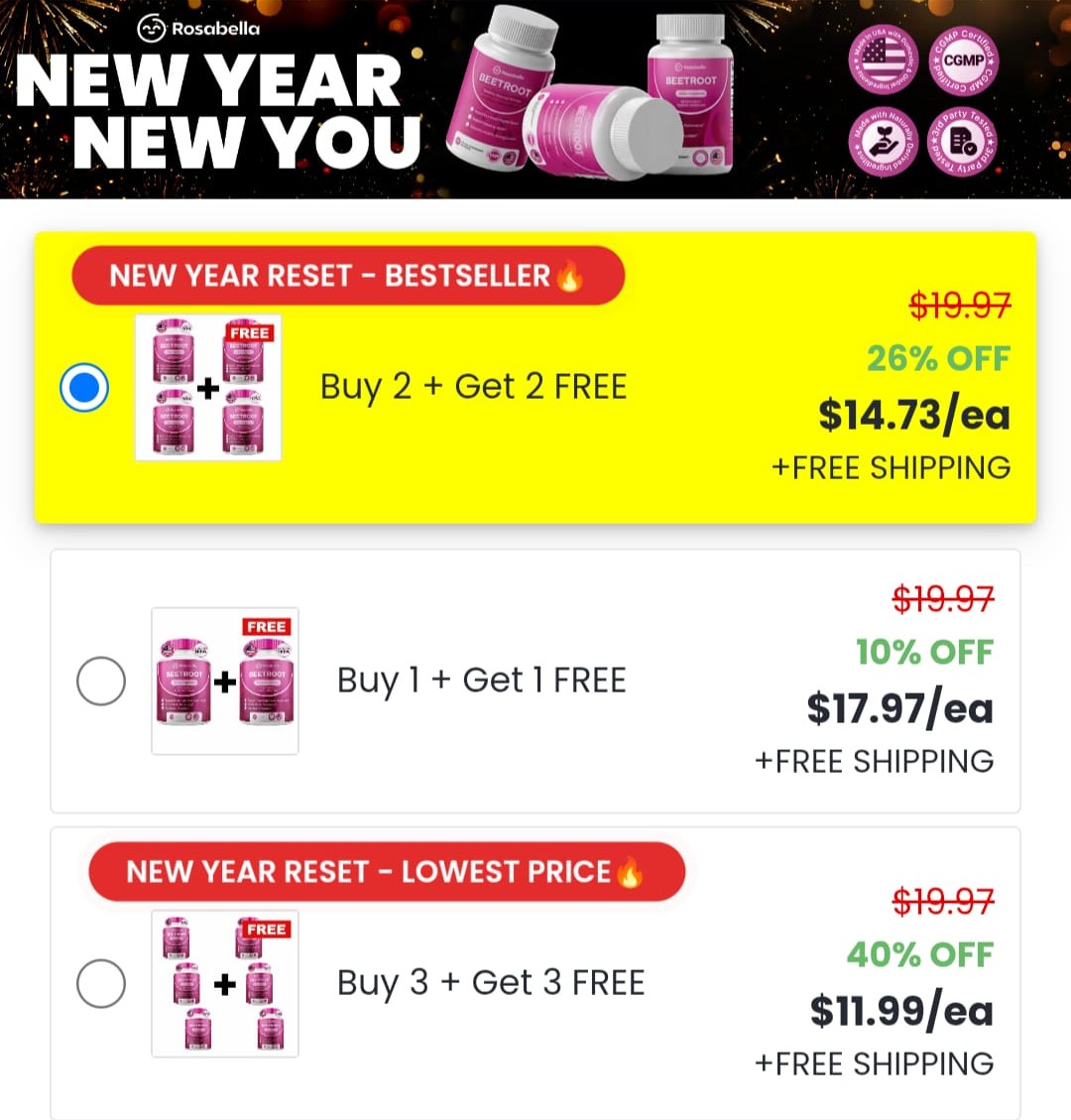
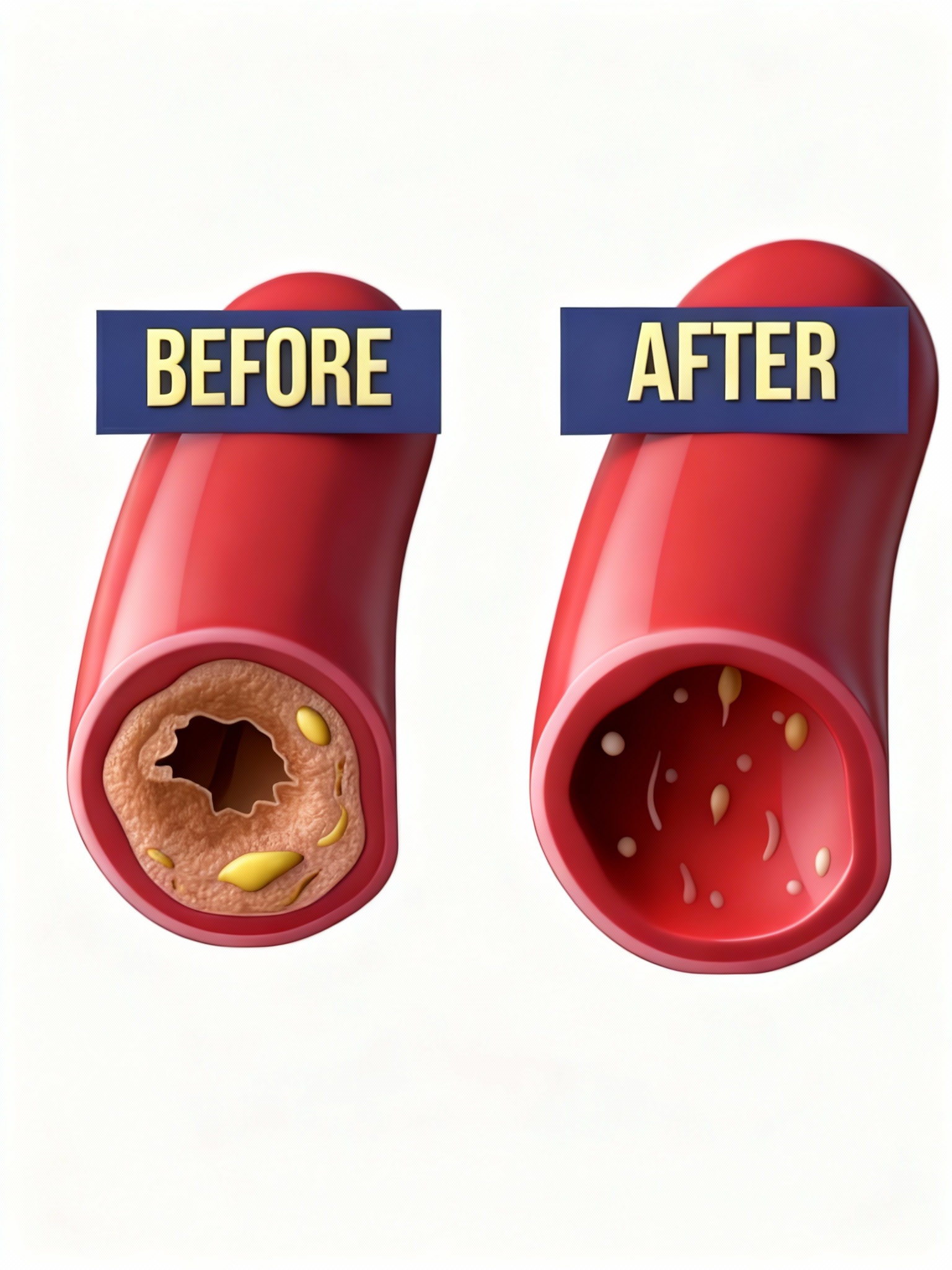
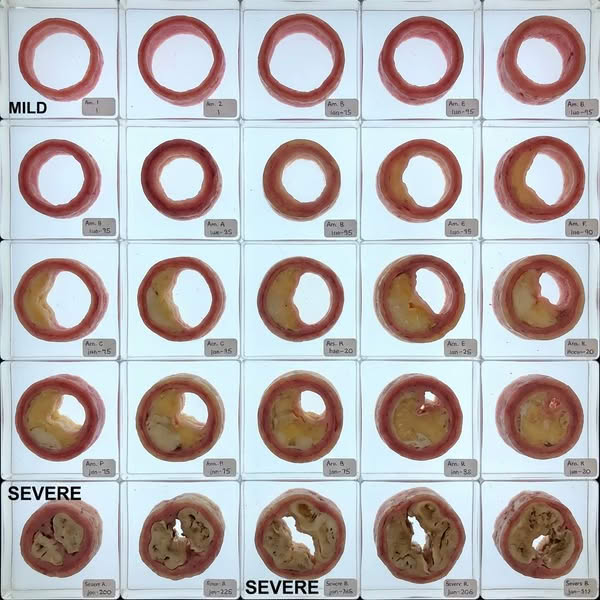
My doctor said if I refused Lisinopril, she'd document it in my chart as non-compliance against medical advice. I had eleven minutes with her. She'd never met me before. Dr. Warren's retirement letter came on a Tuesday. Standard form letter. "After 35 years of practice, I'm stepping away effective October 1st. Your care will be transferred to Dr. Sarah Mitchell." I sat at the kitchen table staring at it. Twenty-eight years. I'd been seeing Dr. Warren for twenty-eight years. He knew my history. My father's heart problems. My fear of medication. He'd always worked with me. "Let's keep monitoring it, Mark. We'll try the lifestyle approach first. You're doing the right things." Now he was gone. My first appointment with Dr. Mitchell was October 17th. Routine physical. Transfer of records. Meet the new doctor. I sat in the exam room. Same room I'd been in for decades. Same posters about blood pressure and cholesterol. Different doctor. Dr. Mitchell walked in. Young. Maybe 38. Laptop in hand. "Mr. Jeffries." Firm handshake. All business. "I've been going through your file." She sat down. Pulled up my records. Scrolled. Her expression changed. "Your blood pressure history." She turned the screen toward me. "2021: 136 over 87. 2022: 140 over 89. 2023: 144 over 92. 2024: 148 over 95. Today: 152 over 97." She looked at me. "Five years of progressively worsening hypertension. Stage 2 for the last two years. No medication prescribed." "Dr. Warren and I had a plan. Lifestyle changes. Diet. Exercise. He was monitoring—" "For five years?" Her voice was sharp. "Mr. Jeffries, you've been in Stage 2 hypertension for two years without treatment. I don't know what your previous doctor was thinking, but this should have been addressed aggressively years ago." My stomach dropped. "Dr. Warren knew my history. My father had terrible reactions to—" "Your father's history doesn't change your blood pressure reading. 152 over 97. You could have a stroke. Kidney damage. Heart attack." She was already typing. "We're starting Lisinopril. 10 milligrams daily." "I'd rather—" "This isn't a discussion. Your blood pressure is dangerous. If you refuse treatment, I'm required to document it in your chart as non-compliance against medical advice." The printer hummed. She handed me the prescription. "Follow up in six weeks. We'll check your response and adjust if needed." She stood. Left the room. The whole appointment took eleven minutes. I sat there holding the prescription. Hands shaking. Against medical advice. Non-compliance. In the parking lot, I called my wife Karen. "How was the new doctor?" "She says Dr. Warren should have medicated me years ago. Wants me on Lisinopril immediately." Silence. "What?" "She said five years without medication was irresponsible." "But... Dr. Warren always said you were—" "I know what he said. She doesn't care. I either take the medication or it goes in my record that I refused." That night I couldn't sleep. Lay in bed staring at the ceiling. Karen's breathing steady next to me. Dr. Warren had respected my concerns. We'd worked together for almost three decades. Dietary changes. Exercise. Sodium reduction. Regular monitoring every six months. My blood pressure had climbed, yes. But gradually. No sudden spikes. No symptoms. No emergencies. Was he wrong to be patient? Was I walking around dying and didn't even know it? At 3 AM I went downstairs. Sat at the kitchen table with my laptop. is 152/97 blood pressure dangerous stage 2 hypertension risks without medication stroke risk high blood pressure men 50s Every article said the same thing. Increased risk. Organ damage. Heart attack. Stroke. Death. Maybe Dr. Mitchell is right. Maybe I've been reckless. But then I searched: lisinopril side effects long term Dizziness. Chronic fatigue. Persistent dry cough that never goes away. Kidney problems. Angioedema. And my father's face flashed in my mind. He'd been on blood pressure medication for twelve years. Started with Lisinopril — the same medication sitting on my counter right now. The cough came within two months. Dry. Hacking. Woke him up at 2 AM. Interrupted every conversation. Made him sound sick when he wasn't. They switched him to Amlodipine. The cough stopped. But his ankles swelled so bad he couldn't wear his own shoes anymore. Bought slip-ons two sizes up because his feet were too swollen for anything else. And the fatigue. That was the worst. This was a man who coached my baseball team. Built our back deck with his own hands. Fixed the car in the driveway on weekends. By 60, he was falling asleep at the dinner table. Couldn't stay awake past 7 PM. Lost interest in everything he used to love. Just... existing. Going through the motions of a life that didn't feel like his anymore. My mother said it was like watching him disappear. He died at 69. Heart attack. While taking the medication that was supposed to protect his heart. Twelve years of side effects. Twelve years of feeling like a shadow of himself. And it didn't save him. I closed the laptop. Rubbed my face. What do I do? The prescription sat on the counter. Mocking me. I didn't fill it. One week passed. Then two. Dr. Mitchell's office called. "Mr. Jeffries, our records show you haven't filled your prescription. Dr. Mitchell wants to confirm you're taking your medication as directed." "I need more time to think about it." "Sir, Dr. Mitchell noted this as urgent. She strongly recommends—" "I said I need more time." I hung up. Karen found me in the garage that evening. "Mark. Talk to me." "I'm looking for options." "Options? The doctor said your blood pressure is dangerous." "She said Dr. Warren was wrong for not medicating me. But Dr. Warren knew me for twenty-eight years. He knew my father's history. He saw what those medications did to him. He was being careful with me." "But what if she's right? What if you—" Her voice broke. "I can't lose you." "You won't. I just need to find another way." "What other way?" I didn't have an answer. That weekend I searched everything. Natural alternatives. Clinical studies. Published research. Beetroot kept coming up. Dietary nitrates. Nitric oxide production. Real studies from major universities showing significant blood pressure reductions. Not fringe websites. Not pseudoscience. Peer-reviewed research. Here's what I learned: Your body converts dietary nitrates into nitric oxide — the molecule that signals your blood vessels to relax and dilate. That's how healthy blood flow is supposed to work. When your nitric oxide levels are normal, blood flows smoothly and pressure stays in range. But as you age, your body produces less and less nitric oxide. Your vessels tighten. Your pressure climbs. And no amount of cutting salt or doing cardio fixes the underlying problem — because the raw material is depleted. Beetroot is one of the richest natural sources of dietary nitrates that convert to nitric oxide in your body. So I started trying beetroot supplements. First: the highest-rated beetroot supplement on Amazon. Five stars. Thousands of reviews. Took it for six weeks. Didn't miss a day. Checked my blood pressure every morning. Same chair. Same arm. Same time. Still 150/96. Next: the beetroot brand from the TV commercials. The one with the celebrity endorsements. Eight weeks straight. 149/95. One point. Maybe two. Basically noise. My appointment with Dr. Mitchell was four weeks away. I tried a "clinical strength" beetroot formula from a supplement store. Most expensive one they had. Nothing. Numbers didn't move. Three weeks until my appointment. I was going to have to take the Lisinopril. Two weeks before the appointment, I was at Target picking up groceries. Found myself standing in the supplement aisle. Staring at the beetroot products. Bright labels. Health claims. All useless. A woman was reading labels next to me. Late 60s. Fit. Sharp eyes. Reading glasses pushed up on her head. "Save your money," she said without looking up. I turned. "What?" "Beetroot supplements." She gestured at the shelf. "Most of these don't work." "I've tried three brands. None of them did anything." She looked at me. "Blood pressure?" "Stage 2. New doctor wants me on Lisinopril yesterday." She nodded slowly. "My husband. Same exact story. Spent over a year trying every brand on this shelf. None of them moved his numbers." "Did he end up on medication?" "Almost. Then I started digging into why they weren't working." She picked up a bottle from the shelf. Flipped it around. "Read the other ingredients." I looked. Rice flour. Magnesium stearate. Silicon dioxide. Gelatin. "That's what you're actually paying for," she said. "Filler. Rice flour. Cheap binding agents. They put a little beet powder in — maybe 200 milligrams — and pad the rest with garbage to fill the capsule. You're barely getting any actual beetroot." "So all of these—" "Most of them. You need a real dose of pure beetroot to get enough dietary nitrates to actually make a difference in your blood pressure. Most of these are giving you crumbs and charging you $30 for the privilege." She pulled out her phone. "There's one brand my husband found that actually does it right. Rosabella. 1300 milligrams of organic beetroot powder per serving. No fillers. No additives. Just beetroot. One ingredient." She showed me the site. Organic certified. Made in the USA. Ingredient list: organic beetroot powder. That's it. Nothing else. And a 90-day money-back guarantee. "My husband's been taking it nine months. Blood pressure went from 156 over 98 to 128 over 81. No medication." "His doctor allowed this?" "His new doctor, yes. The first one pushed meds immediately — just like yours. He got a second opinion from a cardiologist who actually looks at research. Said if the numbers keep improving, no medication necessary. Quarterly monitoring." "And it's held?" "Nine months. Normal range. Stable. His doctor checks him every three months. No pills." I ordered it on my phone standing in that aisle. The bottle arrived three days later. I took the first dose after breakfast. Two capsules. Didn't expect much — I'd been burned three times already. Checked my blood pressure before bed. 150/95. Basically where it always was. Too early to tell. Week one — I checked every morning. Hovering around 148/94. Small drop. Maybe. Could be noise. I wasn't trusting it yet. Week two — 143/90. I checked it three times to make sure. 142/89. 143/91. 144/90. Consistent. Below where I'd been stuck for months. Now I'm paying attention. Karen noticed I wasn't dragging through the evenings anymore. Started going for walks after dinner again. "You seem different," she said one night. "Less... heavy." Week three — 138/86. Checked it again. 137/85. Again. 139/87. All below 140/90. Out of Stage 2. I sat at the kitchen table and put my head in my hands. Not from stress. From relief. Week four — the day before my appointment with Dr. Mitchell. 135/84. 134/83. 136/85. Consistent. Stable. Below 140/90 for over a week straight. At the appointment, the nurse wrapped the cuff. Pumped it up. Waited. 134/83. She typed it in. Routine for her. For me? Everything. Dr. Mitchell walked in. Pulled up my chart. Stopped. "134 over 83." "Yes." She looked at the previous visit. 152/97. Then today. 134/83. "You started the Lisinopril?" "No." Her head came up. "No?" "I found something else. Organic beetroot supplement. 1300 milligrams per serving. Pure — no fillers, no additives. High-dose dietary nitrates." Her jaw tightened. "Mr. Jeffries, supplements aren't regulated the same—" "My blood pressure dropped 18 points systolic in four weeks. That's on your screen right now." She stared at me. Then at the chart. Then back at me. Long silence. "What's it called?" "Rosabella." She typed it in. Read the site. Looked at the ingredient list. One ingredient. Organic certification. Another silence. "Continue what you're doing. I want to see you back in eight weeks. If it holds below 140 over 90, we'll maintain this approach with quarterly monitoring." If it holds below 140 over 90, we'll maintain this approach. I walked out of that office. Sat in my car. Called Karen. "134 over 83." She gasped. "Mark—" "No medication. She said if it holds, quarterly monitoring. No Lisinopril." Karen sobbed. "You did it." "I did it." That was four months ago. My blood pressure this morning? 125/78. Normal range. Stable. No medication. No "non-compliance" in my chart. No documentation of refusal. Just results. Last month Karen and I hiked the Blue Ridge trail. Nine miles. Elevation gain. I wasn't winded. Wasn't worried. Wasn't thinking about my blood pressure for the first time in years. She took a photo at the overlook. Me with my arms out. Grinning like an idiot. "Should I send that to Dr. Mitchell?" she joked. I laughed. "Better not. She'd probably document it as reckless behavior." Because I proved her wrong. Not by refusing treatment. Not by being reckless. Not by ignoring my health. By finding treatment that actually works. --- If you're reading this, you're in the same position I was. Your doctor's pushing medication. Hard. Maybe threatening documentation. Maybe questioning your previous doctor's judgment. Maybe making you feel like wanting alternatives is the same as wanting to die. You're scared. Cornered. Desperate for options. Here's what you need to know: Dr. Mitchell made me feel reckless for not starting medication immediately. Made me feel like every day without Lisinopril was a day closer to a stroke. But blind compliance isn't the only path. I found a supplement that actually works — because it's actually beetroot. Not rice flour with a dusting of beet powder. Not a capsule that's more filler than active ingredient. Pure organic beetroot. 1300 milligrams. The real thing. My blood pressure dropped from 152/97 to 125/78. Dr. Mitchell monitors me quarterly now. No medication. No threats. No compliance lectures. Just results. If your doctor is pushing medication hard — if you feel bullied, cornered, pressured — you have another option. Try something that's actually what it says on the label. Track your numbers honestly. Give it 90 days with zero risk. Then bring your results to your doctor. Numbers don't lie. — Mark Jeffries --- I tried three beetroot supplements before Rosabella. None of them worked because they weren't real beetroot supplements. Here's why Rosabella is different. 1. 1300mg of Pure Organic Beetroot (Not Filler-Padded Capsules) Most supplements pad their capsules with rice flour, magnesium stearate, silicon dioxide, and cheap binding agents. You might get 200mg of actual beetroot powder. Maybe less. Rosabella is 1300mg of organic beetroot powder per serving. No fillers. No binding agents. No cheap padding. One ingredient. That's the dose that actually delivers enough dietary nitrates to make a real difference in your blood pressure. 2. One Ingredient (What the Label Says Is What You Get) Flip over most beetroot supplement bottles. Count the "Other Ingredients." Four. Five. Six fillers listed. More filler than beetroot. Flip over Rosabella. One ingredient: organic beetroot powder. That's the list. The entire list. 3. Organic Certified, Made in the USA Not mystery sourcing. Not overseas manufacturing with unknown quality control. Organic certified. Made in the USA. You know what you're taking and where it came from. 4. 90-Day Money-Back Guarantee (You Risk Nothing) Try Rosabella for up to 90 days. Track your blood pressure weekly. Same chair. Same arm. Same time. If you don't see improvement — if you're not satisfied for ANY reason — full refund. No questions asked. You risk nothing. --- You're being pressured. Your doctor wants you on medication. Maybe immediately. Maybe with threats about non-compliance and documentation. You have two choices: One path: Fill the prescription. Start the medication. Accept you had no other option. Hope the side effects aren't as bad as the ones you've watched other people suffer through. Another path: Try a supplement that's actually what it claims to be. Track your numbers honestly for 90 days. Bring results to your doctor. I chose the second path. My doctor now respects my decision because I brought her numbers she couldn't argue with. Four months ago I felt bullied by my new doctor. She said my previous care was negligent. Said I needed medication immediately or she'd document my refusal. I felt trapped. Scared. Cornered. But I found another way. A supplement that works because it's actually BEETROOT — not filler pretending to be a health product. My blood pressure dropped 27 points systolic. My doctor monitors me quarterly. No medication. No compliance threats. No lectures. Just respect for results. If your doctor is pushing hard — if you feel cornered — try this. Track your numbers. Then show your doctor the proof. Results change everything. — Mark Jeffries P.S. — I saw consistent improvement by week two. Reached normal range by week three. Brought results to Dr. Mitchell at week four. She backed off medication immediately. Your doctor might too — if you have results to show them. P.P.S. — Every day you spend stressed about your blood pressure is another day of cortisol and tension that's pushing your numbers higher. Stop feeling cornered. Start getting results. Order now.
Support stamina and heart health every day
"I've only started useing this product less than a week, honestly it has given me more energy and I feel more alert. Before taking this product I noticed I was feeling tired and not motivated at all, so I have to give it a great rating 5 stars. I reccomend it."
LEARN MORELike this ad? Make it yours.
Crush rebuilds this exact creative around your product — your brand, your colors, your offer — in about a minute.