
Active· since Mar 11, 2026
- 139
- days running
- 5
- relaunches
Ad copy
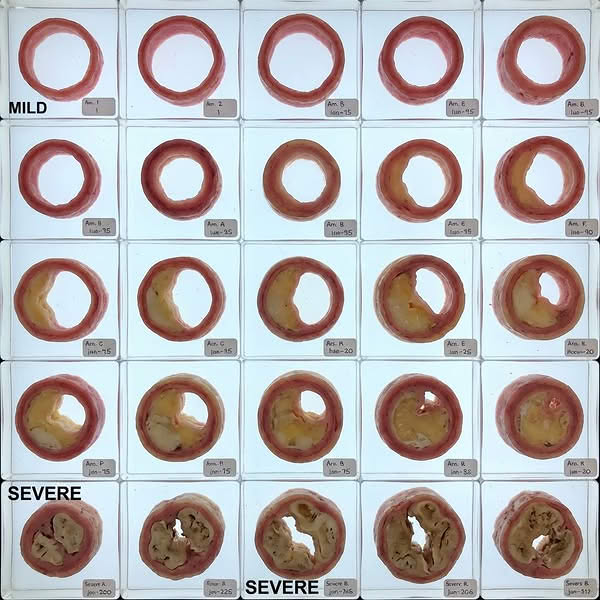
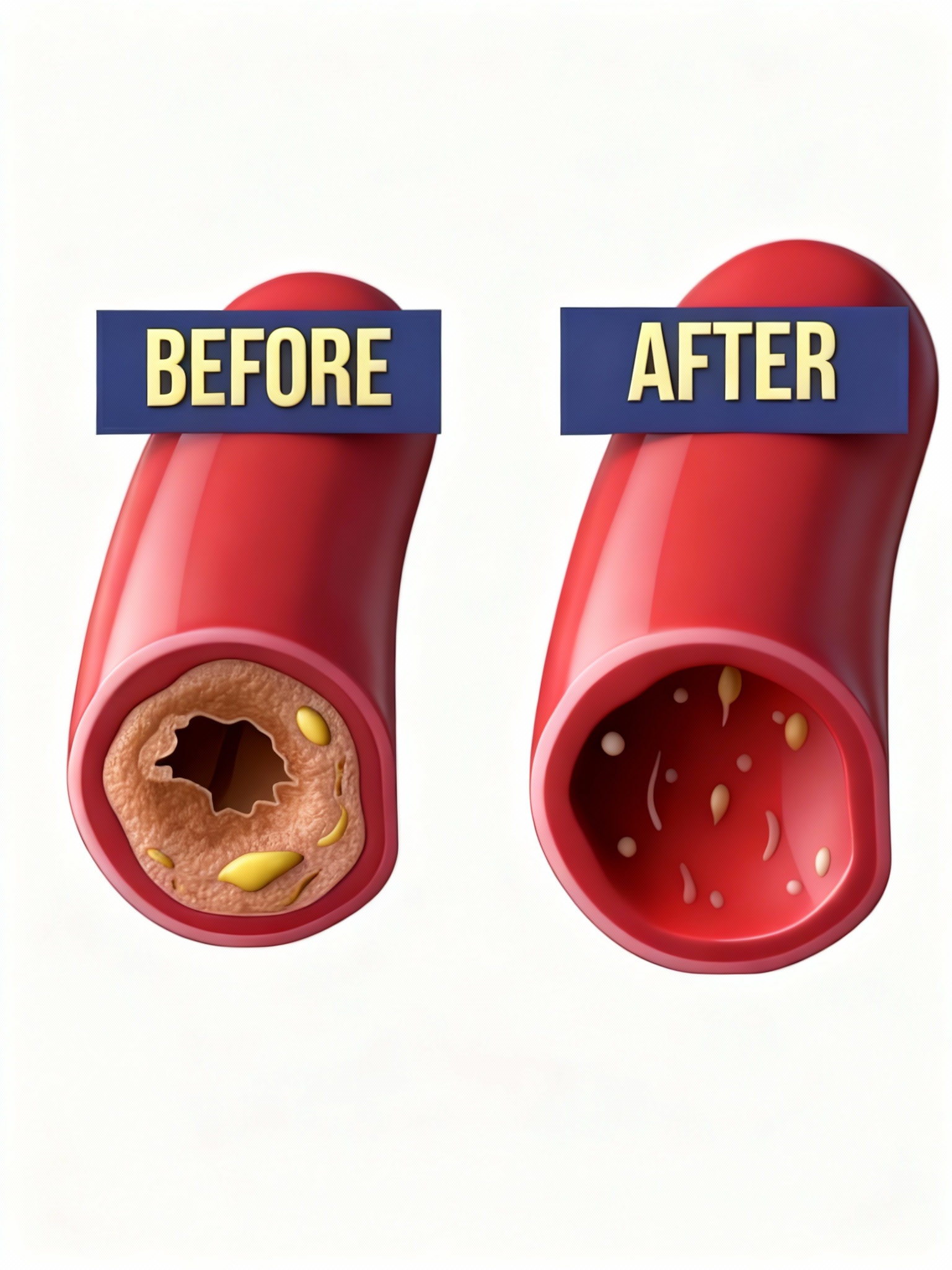
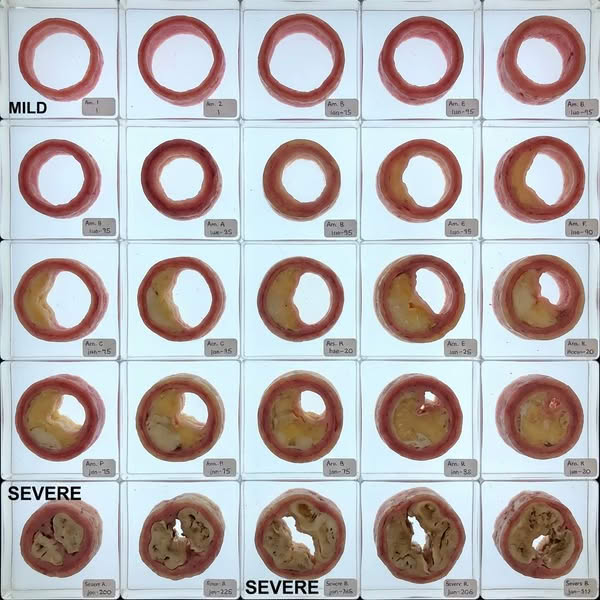
My friend Margaret died last month. She was 58 years old. She was on the same blood pressure medication I'm on. Her numbers were controlled. Her doctor said she was doing fine. I need to tell you why she's dead and I'm still here. My name is Karen. I'm 56 years old. I live in a small town outside of Charlotte, North Carolina, and I've been on blood pressure medication for the last four years. It started with Lisinopril. 10 milligrams. My doctor said it was standard. "First-line treatment," he told me. "You'll barely notice it." I noticed it within the first month. The cough came first. Dry. Persistent. Hacking. It woke me up at 2 AM most nights. It interrupted conversations at work. People would back away from me in the grocery store like I was contagious. I told my doctor. He said it was a known side effect of Lisinopril. "Let's switch you to Amlodipine. Should clear up." The cough stopped. But within two weeks, my ankles started swelling. By 3 PM every day, my feet were so puffy I'd switched to slip-on shoes because nothing else fit. My rings were tight by evening. My face looked bloated in the morning. And the fatigue. God, the fatigue. I was MORE tired than before I started the medication. I'd drag through my afternoons in a fog. Fall asleep on the couch by 8 PM. Wake up feeling like I hadn't slept at all. I mentioned it to my doctor. He said "that's a common side effect. Your body is still adjusting. We can try tweaking the dose." Four years. Still adjusting. My blood pressure NUMBER was better. 132 over 88 on the last reading. Technically controlled. But I didn't FEEL better. I felt like I'd traded one problem for three. That's how I met Margaret. Margaret Anne Harding. She lived four houses down from me on Birchwood Lane. We met three years ago at a neighborhood potluck — she was the one who brought the lemon squares that everyone talked about for a week. We ended up sitting next to each other, and within ten minutes we realized we were practically living the same life. She was 58. On Amlodipine. Had been for six years. She had the cough first — Lisinopril. Same as me. Got switched to Amlodipine. Same as me. The swollen ankles that wouldn't go down. Same as me. The fatigue that settled in like a weight she couldn't shake. Same as me. The brain fog that made her feel like she was thinking through wet cotton. Same as me. She'd say "I feel like I traded one problem for three." I'd say "me too." We started walking together in the mornings — slowly, because neither of us had the energy to go fast. We'd loop around the neighborhood, talking about our kids, our grandkids, our doctors. Margaret had two grown children and three grandchildren. Her youngest granddaughter was Lily — four years old, red curly hair, the kind of laugh that makes everyone in the room smile. Margaret lived for Tuesdays and Thursdays. Those were the days she watched Lily while her daughter worked. We talked about our medication all the time. Not complaining exactly — more like commiserating. Comparing notes. "My doctor told me the swelling is normal," she'd say. "Mine said the same thing," I'd say. "He said my body is still adjusting." "Mine said the exact same words." We'd laugh about it. A tired, knowing kind of laugh. The kind where you're both pretending something is funny because the alternative is admitting you're scared. Margaret's doctor told her the same thing my doctor tells me. "That's a common side effect. Your body is still adjusting. We can try tweaking the dose." She told me that after her last appointment — about two months before she died. She said it almost word for word. The same phrase I hear every three months. Margaret's blood pressure was 130 over 84 at her last checkup. Controlled. Fine. Good, even. I remember because she texted our walking group about it. She was relieved. "Doctor says I'm doing great," she wrote with a smiley face. That was five weeks before she collapsed. The number said she was fine. The number was wrong. It was a Tuesday morning. One of her Lily days. Margaret's daughter told me what happened. I could barely get through the conversation without breaking down, but I needed to hear it. Margaret had picked Lily up at 7:30 that morning. They drove back to Margaret's house. Lily sat at the kitchen table with her coloring book while Margaret made pancakes — chocolate chip, Lily's favorite. Margaret set the plate on the table in front of Lily. Turned back toward the stove. And collapsed. No warning. No clutching her chest. No calling out. No time to sit down or grab the counter. One second she was standing. The next she was on the floor. Lily started screaming. A four-year-old, alone in a kitchen with her grandmother on the floor, screaming for someone to help. The neighbor across the street — Tom — heard Lily through the open window. He ran over. Found Margaret on the kitchen floor, unresponsive. Called 911 immediately. The paramedics were there in eleven minutes. It wasn't fast enough. Margaret was pronounced dead at 8:47 AM. Sudden cardiac failure. She was 58 years old. She had taken her Amlodipine that morning. Like every morning for six years. Over two thousand pills. Her numbers were controlled. She was compliant. She did everything right. And she died on her kitchen floor while her four-year-old granddaughter watched. I found out that afternoon. Margaret's daughter called me. I couldn't speak. I just stood in my kitchen holding the phone, staring at the wall, trying to make the words make sense. Margaret was dead. Margaret, who walked with me every morning. Who complained about the same side effects I complain about. Who took the same medication I take. Whose numbers were controlled, just like mine. Whose doctor told her she was doing fine, just like mine tells me. Margaret was me. Same medication. Same side effects. Same controlled numbers. Same doctor saying the same words. She was me. And she was dead. The funeral was on a Saturday. I sat in the third row and listened to Margaret's daughter talk about her mother — the lemon squares, the Tuesday mornings with Lily, the way she'd hum while she cooked. Lily wasn't there. She was too young to understand. Margaret's daughter told me Lily still asks when grandma is coming home. I sat in that church and I couldn't stop thinking one thing. If it happened to Margaret, what's stopping it from happening to me? I couldn't sleep after the funeral. Not that night. Not the next night. Not the night after that. Every time I closed my eyes I saw Margaret on the kitchen floor. And I saw myself. Same medication. Same side effects. Same controlled numbers. I'd lie awake at 2 AM thinking — am I next? That question wouldn't leave me alone. It followed me through every day. Every time I took my Amlodipine in the morning, I'd think about Margaret taking hers. Every time my doctor said my numbers looked good, I'd think about Margaret's numbers looking good five weeks before she died. I couldn't live like that. I needed to know what killed my friend. So I did something I'd never done before. I made an appointment with a cardiovascular specialist — not my regular doctor, not the one who keeps telling me my body is adjusting. A specialist. Her name was Dr. Adler. She practiced at a cardiovascular center about forty minutes from my house. I found her through Margaret's daughter, who had been asking the same questions I was asking. I sat in Dr. Adler's office and told her everything. I told her about Margaret. About the Amlodipine. About the six years. About the controlled numbers. About the Tuesday morning. I told her about myself. Same medication. Same side effects. Same controlled numbers. And I said: "Tell me what killed my friend. And tell me if it's going to kill me." Dr. Adler didn't rush to reassure me. She didn't say "I'm sure you're fine." She didn't tell me my body was adjusting. She listened. She asked questions. She took notes. Then she told me what killed Margaret. She said Margaret's arteries had been severely blocked. The blockage had been building for years — underneath her controlled numbers, underneath her medication. It had been growing silently, invisibly, while Margaret took her pills every morning and her doctor told her she was doing great. Margaret was a ticking time bomb. And nobody knew. I stared at her. My mouth was dry. I asked her: "Am I a ticking time bomb too?" She paused. Looked at my chart. Looked at me. And then she said: "Based on what you've described — same medication, same duration, same side effect profile — I can't tell you you're not." I felt the room tilt. She said she couldn't tell me I was safe. She couldn't look at my controlled blood pressure number and promise me I wouldn't end up on a kitchen floor. Because the thing that killed Margaret wasn't high blood pressure. Margaret's blood pressure was controlled. The thing that killed Margaret was what was happening inside her arteries that her medication was never designed to stop. She called it nitric oxide depletion. I had never heard those words in my life. Four years on blood pressure medication. Dozens of doctor visits. Nobody had ever mentioned it. Dr. Adler explained that nitric oxide is a molecule your body is supposed to produce every single day. It's the signal that tells your blood vessels to relax and widen. As long as your body keeps producing it, blood flows smoothly, pressure stays in range, and your cardiovascular system works the way it was designed to. But the cells that produce nitric oxide — the endothelial cells lining your blood vessels — are fragile. And modern life destroys them. Processed food loaded with refined sugars and seed oils damages the vessel lining directly — the very cells responsible for producing nitric oxide. Once damaged, production drops. Chronic stress floods your body with cortisol, which constricts blood vessels and suppresses the pathways that generate nitric oxide. Your vessels are being squeezed shut from both sides — cortisol tightening them AND nitric oxide failing to open them. Poor sleep prevents your body from repairing the cells that produce nitric oxide. During deep sleep, those cells are supposed to regenerate. Without enough sleep, the repair never happens — and the decline accelerates. Environmental toxins — from polluted air to household chemicals — enter your bloodstream and damage the vessel lining directly, destroying more of the cells that make nitric oxide. Because these triggers are CONSTANT, the cells are being destroyed faster than your body can replace them. Year after year, production drops. And it doesn't recover on its own. Once those cells are gone, the signal goes quiet. Your blood vessels lose the only message telling them to relax. They start closing. Tightening. Stiffening. And they don't stop. Dr. Adler said that's what happened to Margaret. And that's what she believed was happening to me. She explained that when nitric oxide stays depleted for years, two specific things happen to your blood vessels that can be deadly — even if your blood pressure is being controlled by medication. The first thing is that your arteries stiffen. She explained it like this: When nitric oxide drops, your blood vessels stop getting the signal to relax. Without that signal, they stay constricted. Tight. And arteries that stay constricted for months and years lose their elasticity. Healthy arteries are supposed to expand and contract with each heartbeat. They're flexible. Elastic. Like a rubber band. But arteries starved of nitric oxide can't expand anymore. They tighten up. They stiffen. Which means the heart isn't just pumping blood through normal, flexible arteries anymore. It's fighting to force blood through stiff, narrow pipes. She said: "Imagine trying to sip a thick smoothie through a pinched straw. You have to suck incredibly hard for anything to pass through. That's what Margaret's heart had been doing for years — straining to push blood through arteries that wouldn't open." And as the heart is forced to work harder and harder just to push blood through, it starts to overwork. Blood pressure rises. The heart muscle thickens. The chest feels heavy. Until one day, it simply can't keep up. And that's when you collapse. That's what happened to Margaret. On a Tuesday morning. Making pancakes. Then Dr. Adler said there was a second problem. And this one was even more dangerous. She told me that the damage doesn't stop at stiffness. It destroys the inside of your arteries. Here's what she explained: When nitric oxide stays depleted for years, the arterial walls don't just stiffen — they start to break down. The lining cracks and erodes. And damaged, deteriorating walls produce free radicals — aggressive molecules that are supposed to break down injured tissue during a normal repair response and then disappear. But when the structural damage is ongoing and the walls never truly heal, free radicals are being produced 24 hours a day, 7 days a week, for years. And when free radicals outnumber your body's natural antioxidant defenses, they start stealing electrons from healthy cells. Destroying them. This is called oxidative stress. And in your arteries, oxidative stress does something horrifying. It turns the smooth inner walls of your blood vessels rough and jagged. She used an analogy that made my stomach turn. She said: "Think of a healthy artery like a smooth glass pipe. Everything flows through it cleanly. Nothing sticks. But chronic oxidative stress turns that smooth glass into sandpaper." In healthy arteries, cholesterol, calcium, and cellular debris just flow right past the smooth walls. No problem. But in damaged arteries — arteries where the walls have been roughened by years of oxidative stress — that debris catches on the rough spots. It settles there. Builds up layer by layer. Calcium sticks. Cholesterol sticks. Cellular waste sticks. And over months and years, it hardens into plaque. Plaque that blocks the flow of blood and oxygen to your heart. Dr. Adler looked me in the eye and said: "That is what killed Margaret. Her arteries were BLOCKED. Her medication was keeping the pressure number controlled. But the oxidative damage that caused the blockage — that was happening the entire time she took her pills. For six years." She paused and let that sink in. Then she said: "This is why cardiovascular disease is the number one killer of women in your age group. Many of them are on blood pressure medication. Many of them have controlled numbers. But the nitric oxide depletion that's silently destroying their arterial walls — their medication was never designed to stop that. And most of them have no idea until it's too late." She looked at me carefully and said: "Margaret had no idea. She thought she was protected." I thought about Margaret texting our group. "Doctor says I'm doing great." Smiley face. Five weeks later she was dead. I asked Dr. Adler the question that had been eating me alive since the funeral. "Could a different medication have saved Margaret?" She was quiet for a moment. Then she walked me through every option. She said Lisinopril — the first medication Margaret was on, and the first one I was on — is an ACE inhibitor. It blocks the enzyme that constricts blood vessels. The vessels relax. The number drops. But it cannot restore nitric oxide. It cannot stop the free radicals destroying the arterial walls. And the cough — the persistent, dry, hacking cough that Margaret and I both endured — is a direct result of the medication disrupting another pathway in the lungs. She said: "It opens the exit. But the fire keeps burning. And your lungs pay the price." Then she explained Amlodipine — what Margaret and I were both switched to. A calcium channel blocker. It prevents calcium from entering the smooth muscle cells in the vessel walls, which forces them to relax. The number drops. But the free radicals are still destroying the vessel lining. The oxidative damage continues. And the swollen ankles — the puffiness Margaret and I both lived with — is fluid the body can't properly manage because the medication is overriding its natural circulatory regulation. She said: "Different key to the same exit. The fire is still burning." I asked about a higher dose. My own doctor had mentioned increasing my Amlodipine or adding a diuretic. She said more medication means more artificial overriding of the same system. A higher dose of Amlodipine forces the vessels open harder. A diuretic reduces fluid volume, which lowers the number further. But none of it restores nitric oxide production. None of it stops oxidative stress. None of it heals the arterial walls. She said: "You're adding more keys to the same exit door. Nobody is addressing the fire." I asked about just staying the course. Taking my pill. Accepting the side effects. Living with it. She said that's what most women do. And that's what Margaret did. And every year, the nitric oxide depletion worsens. The oxidative damage continues. The arterial walls get more rigid, more damaged. The medication has to work harder to force-open vessels that are progressively deteriorating. She said: "The dose goes up. The side effects increase. And the root cause progresses underneath. That's the trajectory Margaret was on. It's the trajectory you're on." She looked at me and said: "No blood pressure medication on the market restores nitric oxide production. No blood pressure medication stops oxidative damage to arterial walls. Margaret could have been on every medication available. The fire would have kept burning." Margaret's pills opened the exit for six years. The fire burned for six years. The fire won. I sat there in Dr. Adler's office and cried. For Margaret. For myself. For every woman walking around with controlled numbers and a fire burning inside her arteries that nobody told her about. Then I wiped my eyes and asked Dr. Adler what I needed to do. She pulled her chair closer and said there were two things that needed to happen simultaneously if I wanted to protect myself from ending up like Margaret. She held up one finger. "First, you need to stop the oxidative damage happening inside your arteries. The free radicals, the oxidative stress — they're the fire. They've been burning inside your blood vessels for years. Your medication can't touch them. You need to put that fire out. Otherwise, the damage to your arterial walls continues. The plaque continues to build. And no blood pressure medication in the world will stop a blockage caused by damaged walls." Then she held up a second finger. "Second, you need to restore your body's ability to open your blood vessels naturally. Your medication forces them open from the outside. But your nitric oxide is still depleted. Your arteries still can't relax on their own. If you ever stop the medication — or if the medication can't keep up — those vessels slam shut. You need something that restores the natural signal." Then she said the part that changed everything for me. "You need BOTH. One without the other doesn't work." I asked her what she meant. She explained it with an analogy I will never forget. "Imagine a building on fire with a blocked exit. If you put out the fire but the exit stays blocked — nobody can leave. The building is still full of smoke and heat. People are still trapped. But if you open the exit without putting out the fire first — you're pushing people into the flames. You've made it worse. You need to put out the fire AND clear the exit. At the same time." She said: "The fire is the oxidative damage burning inside your blood vessels. The blocked exit is your nitric oxide depletion — your vessels can't open naturally. Your medication forces the exit open from the outside. But it can't put out the fire. The damage continues. Stop the oxidative damage but leave your nitric oxide depleted — your vessels still can't open on their own. You're still dependent on medication to force them. You need to put out the fire AND restore the natural signal. That's the only way to actually address what's happening inside your arteries." I understood immediately. That's what Margaret needed. That's what nobody ever told her. Dr. Adler said both problems needed to be addressed at once. And she told me there's one natural compound that does both. I asked her what it was. She said: "Beetroot." I almost laughed. Beetroot? The vegetable? She told me she gets that reaction every time. But then she explained why, and it made complete sense. She said beetroot contains two things that work together in a way no other single food or supplement does. The first is dietary nitrates. When you consume beetroot, the natural nitrates convert through your saliva and stomach into nitric oxide — the signaling molecule your body is supposed to produce but can't make enough of as you age. Nitric oxide tells the smooth muscle cells lining your blood vessels to relax and widen. This is what your body was designed to do — and what your medication has been doing artificially for years. Dietary nitrates help restore the NATURAL process. Wider blood vessels mean better circulation. Oxygen and nutrients can finally reach the tissues that have been struggling. Waste and debris that's been trapped gets flushed out. Dr. Adler said: "That's the EXIT being opened — naturally. Not forced. Restored." The second thing in beetroot is betalains. Betalains are the deep red pigments that give beetroot its color. But they're far more than a pigment. She explained that betalains are powerful antioxidants that neutralize the free radicals that have been destroying your arterial walls. They stop the oxidative stress that's been roughening those walls and creating the conditions for plaque. But betalains don't stop there. They also block the specific enzymes that drive the damage: COX-2, which produces the prostaglandins that keep the oxidative cycle active, and NF-kB, a protein that signals your body to keep producing the very free radicals destroying your walls. By blocking these pathways, betalains stop your body's own destructive response — the one that's been attacking your arterial walls for years, right underneath your medication. Dr. Adler said: "That's the FIRE being put out." She leaned back and said: "Nitric oxide opens the exit naturally. Betalains put out the fire. Beetroot does both. From one source. And it addresses the two things your medication was never designed to do." I thought: if Margaret had known this. If someone had told her. I asked Dr. Adler why nobody talks about this. Why isn't every doctor telling patients on blood pressure medication about this? She sighed and said this is where it gets frustrating. She explained that the standard approach to blood pressure is medication. ACE inhibitors. Calcium channel blockers. If one causes side effects, switch to another. If one isn't enough, add a second. And the medications do what they're designed to do — they force the number down. But no blood pressure medication on the market restores nitric oxide production. And no blood pressure medication stops oxidative damage to arterial walls. She said the only reason she understood this connection was because she had seen too many women in their 40s, 50s, and 60s die from cardiovascular events — women who were on medication, women whose numbers were controlled, women who thought they were protected. Women like Margaret. So she started doing her own research. Going through scientific journals. Cardiovascular studies. Nitric oxide research. Vascular aging papers. And that's when she found the link between nitric oxide depletion, arterial damage, and sudden cardiac events in women over 40 — including women on blood pressure medication. But then she held up a finger and said there's a problem. She said most beetroot supplements on the market are essentially useless. I asked why. She explained three issues. First: heat processing. She said the betalains — the compounds that neutralize the free radicals destroying your arterial walls — are extremely heat-sensitive. Most supplement manufacturers use heat during processing because it's cheaper and faster. But heat destroys betalains. You end up with a capsule that has the nitrate content for blood flow but has lost the power to stop the oxidative damage. That gives you only HALF the solution. The exit opens, but the fire is still burning. Second: dosage. She said most beetroot supplements on the market contain between 300 and 500 milligrams per capsule. Clinical research on cardiovascular benefits uses doses of 1,000 milligrams or higher. At 300 milligrams, you're not getting enough nitrate conversion to meaningfully impact nitric oxide levels, and you're not getting enough betalains to stop the oxidative cascade. She said: "It's like trying to put out a house fire with a cup of water. Technically the right idea. Completely inadequate execution." Third: fillers and additives. She said many supplement companies bulk out their capsules with rice flour, silicon dioxide, magnesium stearate — cheap filler ingredients that dilute the active compounds and can actually trigger low-grade inflammatory responses in the gut. Defeating the entire purpose. I asked her what I should take. She told me there's one brand she's found that gets all three things right. Cold-processed, so the betalains survive intact. 1,300 milligrams per serving — well above the clinical threshold. Organic. No fillers. No synthetic additives. Just concentrated beetroot. She said she takes it herself every morning. She recommends it to her patients. She gives it to her own mother, who had a cardiovascular scare two years ago. She wrote the name on a piece of paper and slid it across the desk to me. It's called Rosabella Organic Beetroot. 1,300 milligrams. She said it's not something you'll find in a CVS or Walgreens. But she told me this is essential for any woman over 40 on blood pressure medication who wants to address what her medication can't — the nitric oxide depletion and oxidative damage that her pills were never designed to stop. She could run tests. She could adjust my medication dosage and add more pills to manage the numbers. But unless I addressed the root cause — the nitric oxide depletion that killed Margaret and was silently progressing inside my own arteries — it could happen to me too. I ordered it that night. I didn't wait a day. I didn't think it over. Margaret was dead. Her numbers were controlled. She did everything right. I was not going to sit around and hope I got luckier than she did. The three bottles arrived three days later, with instructions to take the capsules once daily with food. I started that evening. Alongside my Amlodipine — not instead of it. Dr. Adler was clear about that. And here's what happened in the first four weeks: Week 1: I started taking Rosabella with dinner each night. Easy to swallow, no aftertaste, no stomach issues. Nothing dramatic happened that first week. Dr. Adler said to give it time — the nitric oxide needs to build up in your system, and the betalains need to start addressing the oxidative damage to your arterial walls. So I took it every single day. Alongside my regular medication. Week 2: I noticed the brain fog was lifting. That thick, heavy feeling behind my forehead that I'd blamed on the Amlodipine for four years — like thinking through wet cotton — was clearing. I felt sharper. More present. I didn't need my afternoon nap for the first time in as long as I can remember. And the swelling in my ankles — the puffiness I'd lived with since the day I switched to Amlodipine — was less. I looked down at 4 PM and my feet looked normal. I stood in the kitchen staring at my own ankles, thinking about Margaret. Week 3: The fatigue that had been dragging me down since I started medication — that bone-deep exhaustion that made me fall asleep on the couch by 8 PM — was lifting. I felt a surge of energy I hadn't felt in years. I walked our neighborhood loop — the one Margaret and I used to walk together — without stopping. Without getting winded. Without that heavy, medicated feeling dragging at my legs. I stood at the spot where Margaret's house is and I cried. Not from sadness this time. From anger. Because she should have known about this. Someone should have told her. Week 4: I went back to see Dr. Adler for a follow-up. She ran the bloodwork and checked my blood pressure. It had dropped further than medication alone had ever achieved — 120 over 78. The vascular stiffness measurements showed marked improvement. My resting heart rate was lower. She pulled up my chart. Four years of readings on Amlodipine alone: 132, 136, 130, 134 — always hovering in that range. Now: 120 over 78. She looked at me and said: "Karen, your numbers are the best I've seen. If this holds at your next visit, we can talk about reducing your Amlodipine. Your body is starting to do what the medication was doing for it." Reducing my Amlodipine. After four years of side effects. Four years of swollen ankles and fatigue and brain fog. Four years of being told "that's normal" and "your body is adjusting." My body wasn't adjusting. It was being overridden. And now, for the first time, the root cause was actually being addressed. I can't bring Margaret back. I can't undo what happened to Lily, who still asks when grandma is coming home. I can't go back to the morning Margaret collapsed and put a bottle of Rosabella in her medicine cabinet next to the Amlodipine that wasn't enough. But I can tell you what I found. Because if you're reading this and you're on blood pressure medication — if your numbers are controlled and your doctor says you're fine — you might be exactly where Margaret was. And I don't want to read your obituary next. Because most women over 40 on blood pressure medication don't know that their pills are only addressing half the problem. They think controlled numbers mean they're protected. They think the side effects are just the price they pay. Margaret thought that. For six years. Until a Tuesday morning. And some women who aren't on medication yet might be cutting salt or taking supplements, thinking they're handling it — but the fire keeps burning and the exit stays blocked. Why am I telling you this story? Because Margaret didn't get a warning. She didn't get a Dr. Adler. She didn't get a second chance. You're getting hers. So if you're a woman over 40 and you've been on blood pressure medication — dealing with the cough, the swollen ankles, the fatigue, the brain fog — or if you're not on medication but your numbers are creeping up and your doctor is starting to talk about it — you need to hear this: You may still be at risk right now. That blood pressure medication you've been faithfully taking? It's managing the number. But the nitric oxide depletion that's destroying your arterial walls from the inside — your medication was never designed to stop that. You might think you're protected because the number looks good. Margaret thought so too. According to Dr. Adler, the most effective way to protect yourself is to address both sides of the problem simultaneously — restore nitric oxide production AND stop the oxidative damage to your arterial walls. And as far as she's concerned, the most effective natural way to do that is concentrated, cold-processed, organic beetroot at a clinical dose. That means Rosabella. Now here's the thing. If you were to try to address both sides separately — a nitric oxide supplement for the vessels, a separate antioxidant for the arterial damage, plus whatever else you've been taking — you'd be spending upwards of $120 a month. And you'd be swallowing a handful of pills every day on top of your blood pressure medication, hoping they work together the way research says they should. Rosabella puts the complete dual-mechanism solution into one daily dose. 1,300 milligrams of cold-processed, organic beetroot. Both the nitrates and the betalains preserved intact. A single bottle costs less than what most people spend on blood pressure supplements combined. But right now, for women reading this post, Rosabella is offering a special introductory price that makes it even more accessible. I'm not going to pretend I negotiated some deal. The truth is, after I shared my story with the Rosabella team — after I told them about Margaret — they wanted to make it as easy as possible for women dealing with blood pressure to try it. Especially women already on medication who need to address the other half. So they've set up a special link where you can get Rosabella at a significant discount from the regular price. And because they know that if you're dealing with high blood pressure, there's a good chance your mother, your sister, or a close friend is dealing with it too — they're including bundle pricing that lets you stock up and share. Click here to check the current pricing and availability: I know they sell out regularly — 1,300mg cold-processed organic beetroot at this quality level isn't mass-produced — so I'd encourage you to check while it's still in stock. And here's what makes this a no-brainer. Rosabella offers a full 90-day money-back guarantee. That means you can try it for 90 days. See if the side effects ease. See if the fog lifts. See if the swelling goes down. See if you sleep better. See if you wake up with more energy than you've felt in years. See if your next blood pressure reading surprises your doctor. And if for any reason you don't feel a difference, they'll refund every penny. No questions asked. 90 days. That's three full months to decide if it works for you. There is zero risk. So don't wait until you collapse while faithfully taking your medication. Don't wait for a sudden cardiac event that your pills were never designed to prevent. Don't end up like Margaret — controlled numbers on the chart, a fire burning inside the arteries, and a granddaughter who doesn't understand why grandma isn't coming home. Margaret didn't get a second chance. You still have one. Click the link below to check if Rosabella still has the 1,300mg Organic Beetroot in stock: If they're in stock, grab a supply. You'll be glad you did. I wish someone had told Margaret about this before that Tuesday morning — before she set the plate of pancakes in front of Lily and turned back toward the stove for the last time. I can't save Margaret. But maybe I can save you. Don't wait. Please. https://get.tryrosabella.com/beetroot/subtxt/blood-pressure
Support stamina and heart health every day
“I bought this for my husband after his doctor started talking about blood pressure medication. He was nervous about side effects — his father had a terrible time on those pills — so I wanted to find something natural to try first. Within a couple of weeks he started saying he felt more energy...
LEARN MORELike this ad? Make it yours.
Crush rebuilds this exact creative around your product — your brand, your colors, your offer — in about a minute.