
Inactive· since Feb 5, 2026
- 45
- days it ran
- 0
- relaunches
Ad copy
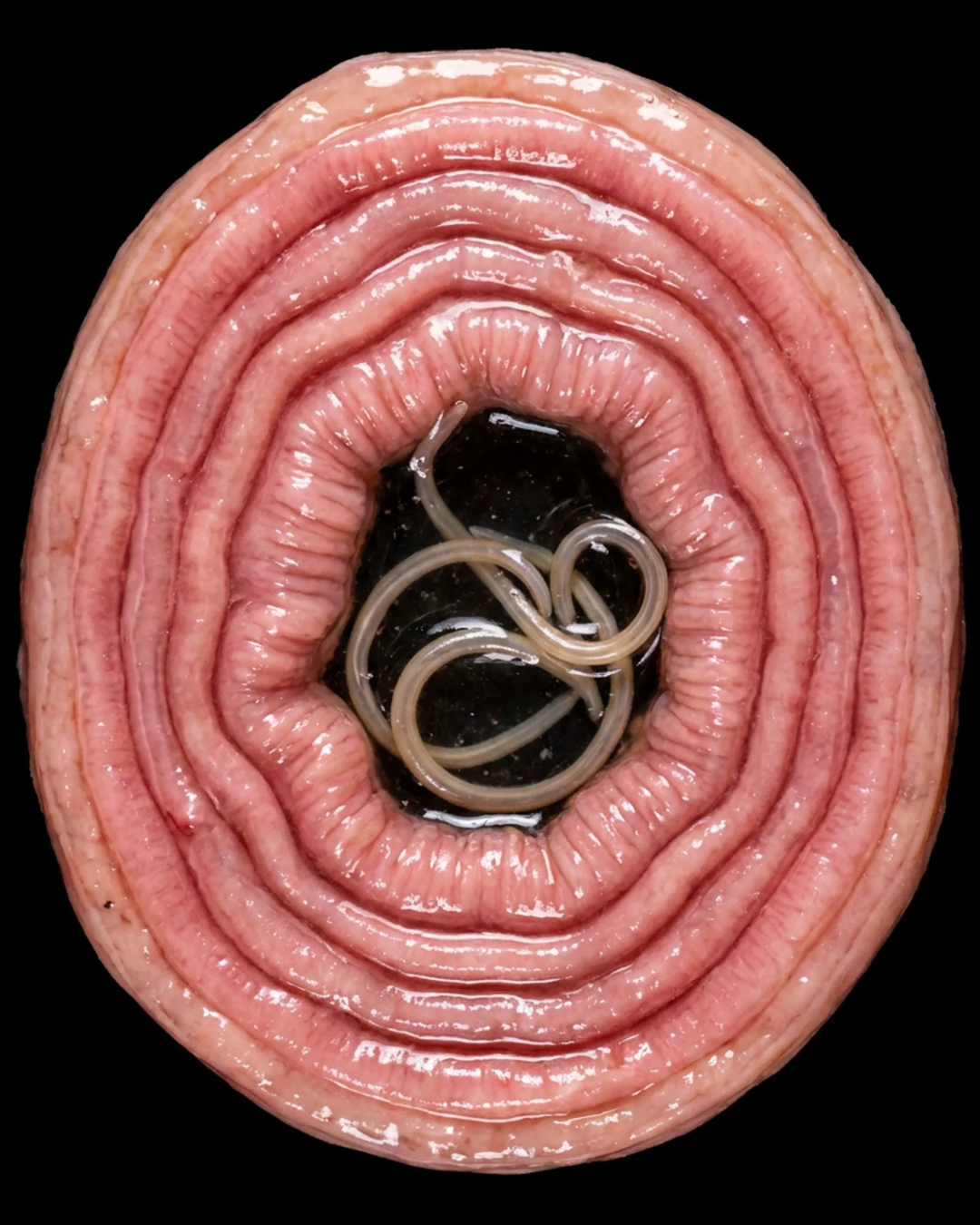
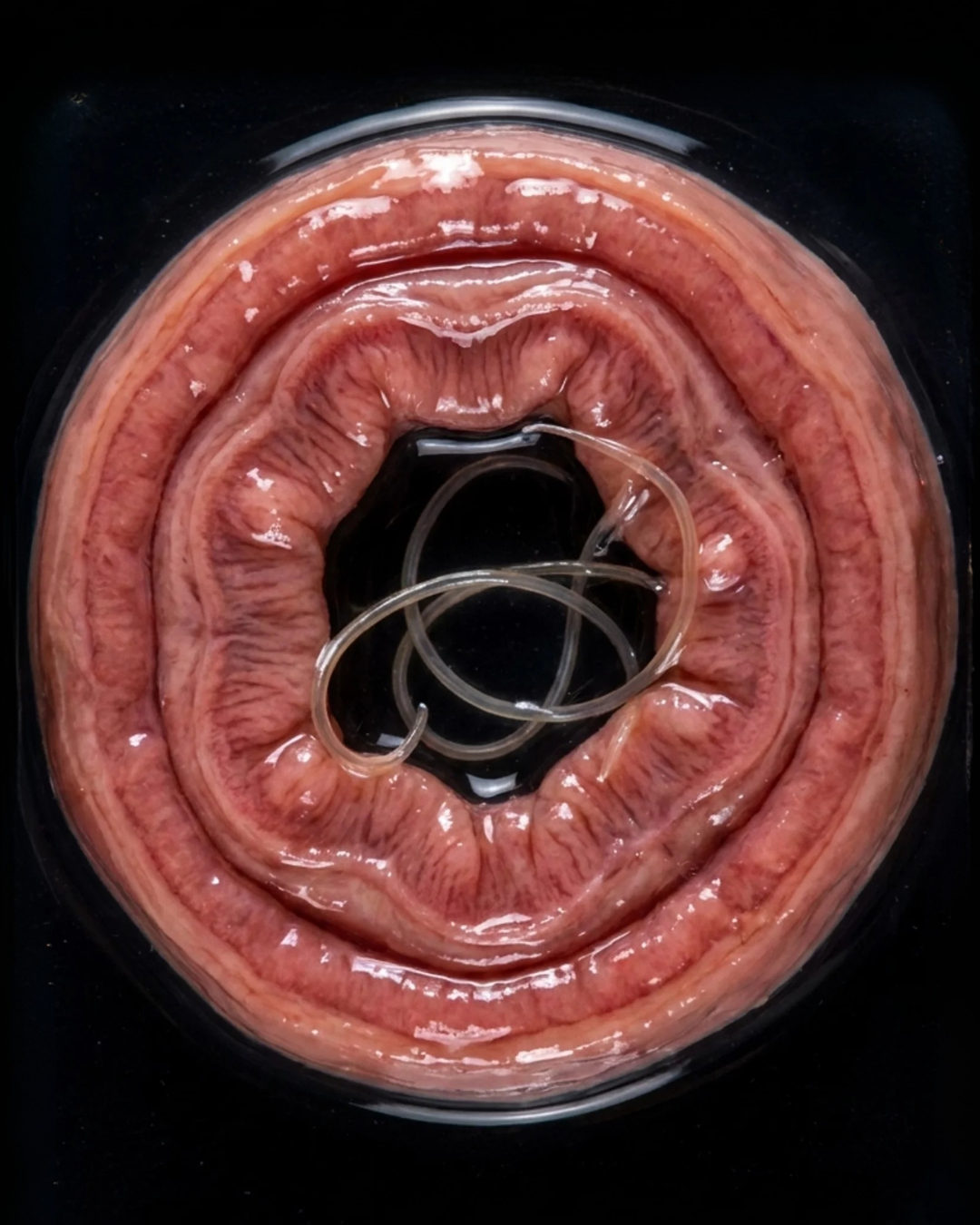
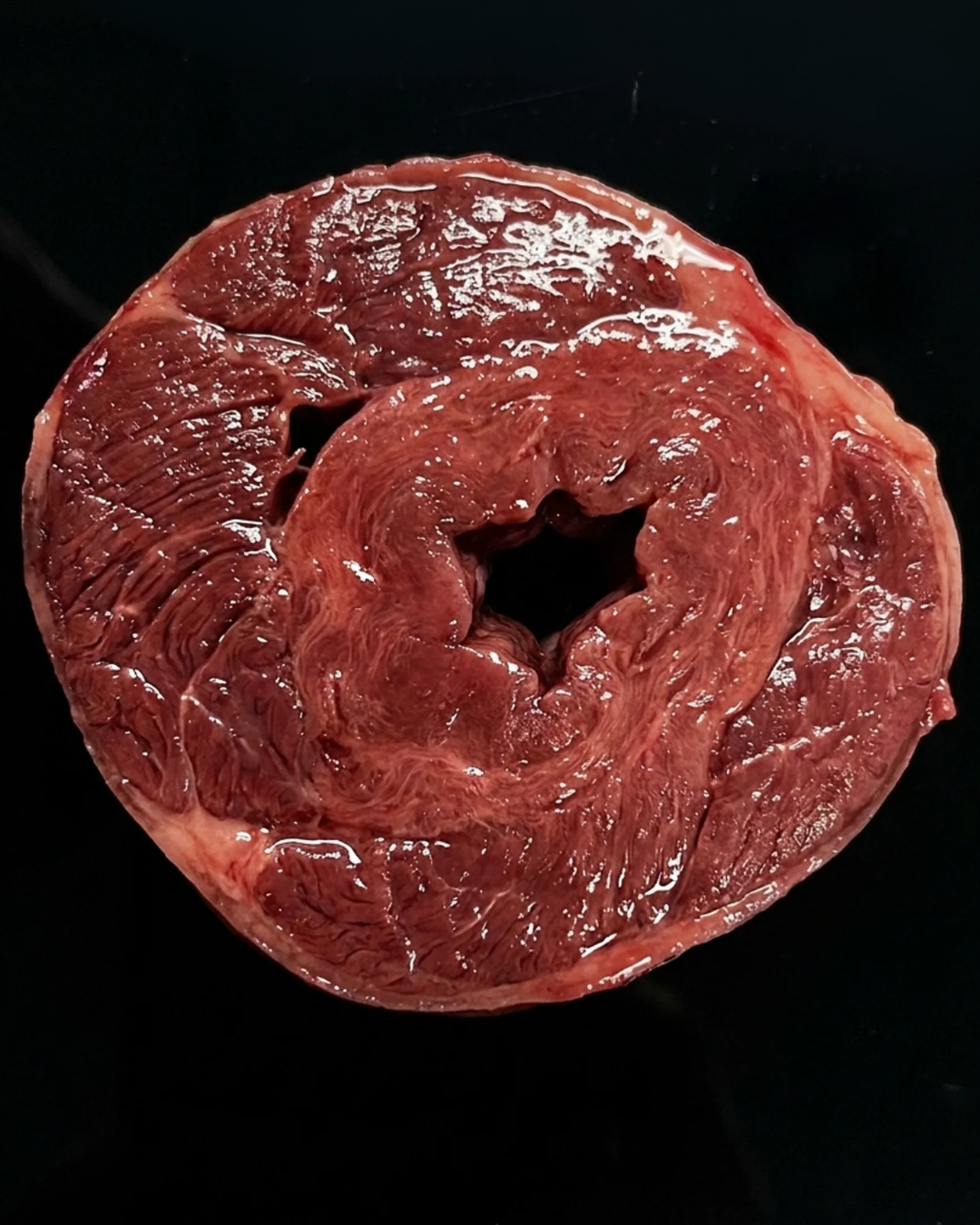
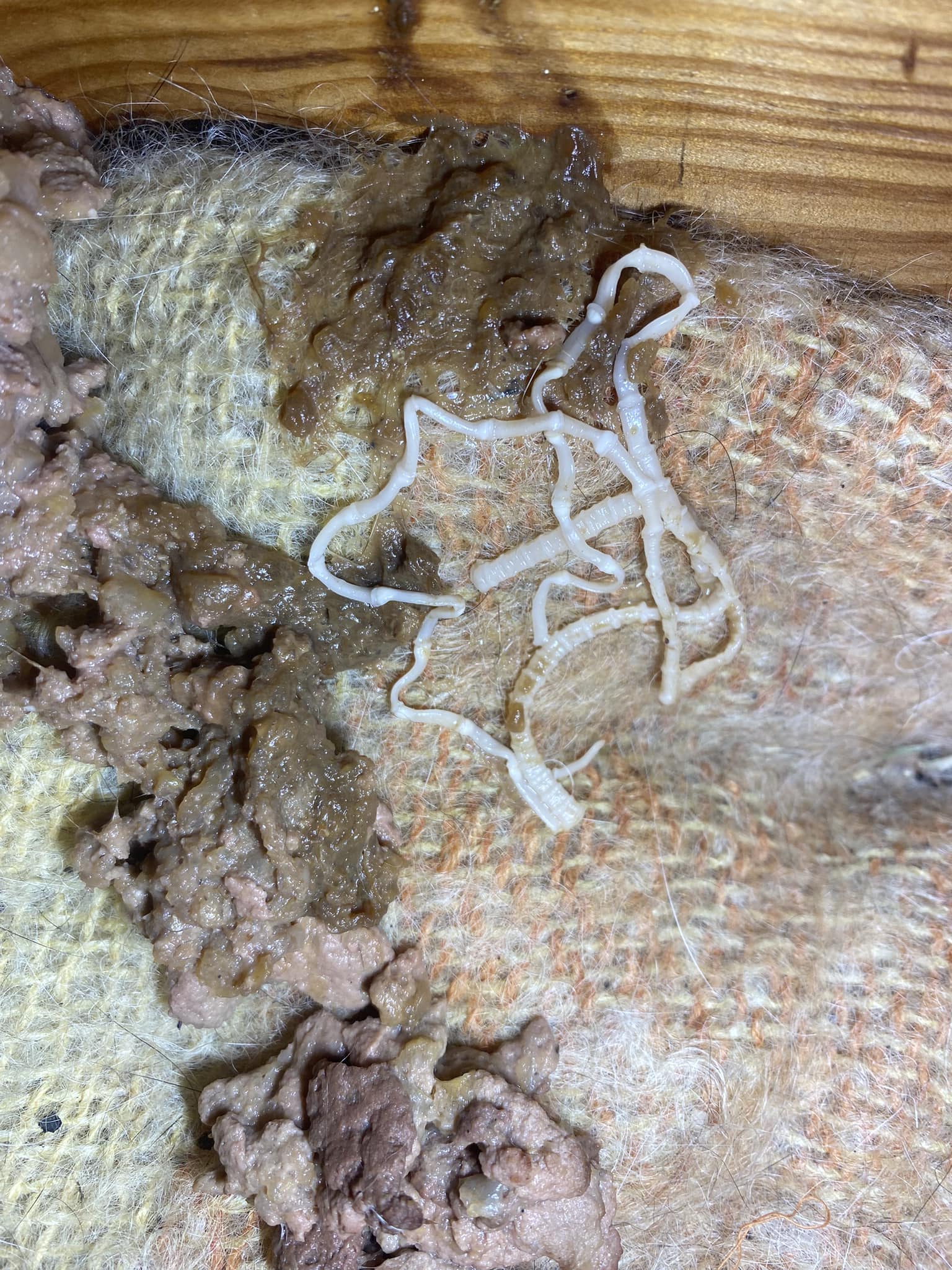
I'm so fucking tired of getting panicked calls from owners saying "my cat just threw up worms" and knowing exactly what's about to happen. You're going to rush to the vet. They're going to give you a dewormer. The worms will die. You'll see them in the litter box and think the problem is solved. It's not solved. Those worms spent months stealing something from your cat's body. And the dewormer does absolutely nothing to put it back. Six months from now, your cat's heart will start failing. And you'll have no idea why. My name is Dr. Nancy Brown, DVM. I run a feline-only practice in Portland, Oregon. And for the past 8 years, I've been tracking a pattern that's killing cats, not from the worms themselves, but from what the worms left behind. Let me tell you about a case that changed how I treat every cat who vomits up parasites. Five years ago, a woman named Jessica brought in her 3-year-old cat, Bella. She was shaking when she showed me the photo on her phone. White, stringy worms. At least five or six of them. Coiled in a pile of undigested food. "How long has she been throwing up?" I asked. "Maybe 2-3 times a week for the past two months. But today was the first time I saw those." Jessica's voice cracked. "What does this mean? Is she going to be okay?" I ran my hands along Bella's sides. She was thin. Lethargic. Her coat was dull and matted. "These are roundworms," I said. "They live in the intestines. If she's vomiting them up, it means the infestation is severe. There are so many worms that they're migrating up into her stomach." Jessica started crying. "How long have they been there?" "Probably 2-4 months. Maybe longer." "But she's been eating. She eats every day." "I know. But the worms have been eating too. They've been feeding on everything she swallows before her body can absorb it." I gave Bella a dewormer that day. A strong one that would kill the parasites within 24 hours. "She's going to feel worse before she feels better," I warned Jessica. "The medication is harsh. She'll probably vomit again. She'll sleep a lot. You might see dead worms in her litter box. That's normal. It means it's working." Jessica nodded. "But then she'll be okay?" "Yes. Once the worms are gone, she'll recover." Here's what happened next. Four hours after Jessica got home, Bella vomited. Foam this time. No food. By that evening, Bella was sleeping. Not normal cat napping. Deep, flat sleep for 18 hours straight. Jessica called me the next morning, panicked. "She won't eat. She's been asleep since yesterday. She got up once to use the litter box and it was just liquid. Brown liquid. And I saw something white in it. Is this normal?" "Yes," I said. "The medication is strong. She's processing the dead worms. Her body is flushing them out. Give it another day or two." Day three, Bella finally started moving around. Still wouldn't eat much. Her coat looked even worse. But by day five, she was eating again. Playing a little. Jessica called me, relieved. "The worms are gone. I haven't seen any more. She's starting to act normal again." Two weeks later, Jessica brought Bella back for a follow-up. No more worms. The dewormer had worked perfectly. Bella was eating normally. Still thin, but I figured she'd gain the weight back over time. "She looks good," I said. "Keep feeding her and she should be back to normal soon." Four months later, Jessica brought Bella in for her annual checkup. I ran full bloodwork. Checked everything. The results came back perfect. Kidney function normal. Liver function normal. Blood cell counts normal. "Bella's healthy," I told Jessica. "Everything looks great." Jessica smiled. "I'm so glad. After the worms and how sick she got from the medication, I was worried something might be wrong long-term." "Nope. She's all clear. See you next year." Two months after that checkup, I got a call from an emergency vet. Bella had collapsed. They'd diagnosed her with dilated cardiomyopathy. Heart failure. She died three days later. I was devastated. I pulled Bella's file. Reviewed everything. The dewormer had worked. The worms were gone. Her bloodwork four months later had been perfect. What did I miss? I started researching. Digging into studies about parasitic infections and long-term effects. And that's when I found it. Worms don't just steal food from your cat's intestines. They steal specific nutrients your cat needs to survive. One nutrient in particular: taurine. I'd never heard of it affecting cats this way before. It wasn't something they taught us to check in vet school. But the research was clear. Taurine is an amino acid cats cannot produce on their own. They have to get it from food. It's critical for heart function. Without enough taurine, the heart muscle weakens and eventually fails. And roundworms actively absorb taurine from your cat's digestive system before your cat's body can use it. Every single day. For weeks or months. By the time your cat vomits up worms, which only happens when the infestation is severe, their taurine reserves are already critically depleted. The dewormer kills the worms. But it doesn't restore the taurine. And 6-12 months later, the heart fails. That's what happened to Bella. I killed the worms. But I didn't restore what they'd stolen. Here's what people don't understand about seeing worms in vomit. If your cat is vomiting up worms, the infestation isn't new. Roundworms live in the intestines. They don't normally come up. If your cat is throwing them up, it means one of two things. Either there are so many worms that there's no room left in the intestines, so they're migrating up into the stomach. Or the stomach lining is so irritated from the infestation that the body is trying to eject them. Either way, it means those worms have been there for a long time. Probably 2-4 months minimum. And during that entire time, they've been feeding on your cat's digested food, absorbing proteins, fats, vitamins, and taurine before your cat's body could use them. Let me show you the timeline of what actually happens. Week 1-4: Worms hatch and attach to intestinal lining. They start feeding on partially digested food. Your cat doesn't show symptoms yet because their body has stored taurine reserves to draw from. Week 4-8: Worms multiply. Now there are dozens feeding constantly. Your cat eats, but the worms absorb most of the nutrients, including taurine, before your cat's intestines can. Stored taurine starts depleting. Week 8-12: Cat starts vomiting 2-3 times a week. Owner thinks it's hairballs or sensitive stomach. Taurine reserves getting critically low. Heart cells start struggling. Week 12-16: Cat loses weight. Coat becomes dull. Lethargic. Infestation reaches critical mass. Cat vomits up worms. Owner panics and rushes to vet. By the time you see worms in the vomit, your cat has been nutritionally depleted for months. The dewormer will kill the parasites in 24 hours. But those months of depletion? The dewormer does nothing to fix that. And here's what makes it worse. The dewormer itself depletes your cat even further. When you give your cat a strong dewormer, you're giving them a controlled dose of poison. It's strong enough to kill the worms. But it's also toxic enough to stress your cat's liver. Here's what happens in the 48 hours after deworming. Hour 1-4: Medication enters bloodstream. Worms start dying. Cat often vomits from the chemical irritation to their already raw stomach lining. Hour 4-12: Dead worms start decomposing inside the intestines. They release toxins as they break down. Your cat's liver has to filter all of this out of their blood. Hour 12-24: Cat becomes extremely lethargic. This isn't just tiredness. Their liver is working overtime to process both the medication and the toxic waste from hundreds of dying worms. Hour 24-48: Dead worms pass through the digestive system. Often causes diarrhea. You'll see them in the litter box. The gut lining is inflamed and raw. Your cat's liver needs taurine to process all of this. Taurine supports bile production. Bile helps break down fats and flush toxins out of the body. Without enough taurine, your cat's liver can't keep up. So they stay lethargic. They keep vomiting. They can't recover properly. And their already depleted taurine reserves drop even lower. This is why so many cat owners call me 2-3 days after deworming saying the same thing. "He's not eating. He's sleeping all day. He threw up twice yesterday. He seems worse than before. Is this normal?" It's normal in the sense that it's common. But it shouldn't be. Your cat isn't just recovering from medication. They're intoxicated. Their liver is overwhelmed. Their gut is destroyed. And they're running on empty because the worms already stole what they needed to process this toxic load. After Bella died, I changed my entire protocol. Now, every time a cat comes in vomiting worms, I test for something most vets never check. Taurine levels. Over the past five years, I've treated 83 cats who vomited up roundworms. I tested taurine levels in all of them. 78 were severely deficient. 94%. Their bodies were starving for a nutrient they desperately needed, despite eating regular food every day. Because the worms had been stealing it for months. Two months ago, a woman named Lisa brought in her 4-year-old cat, Max. Same story. Vomiting 2-3 times a week for two months. Finally vomited up worms. But this time, I knew what to check. I gave Max a dewormer to kill the worms. And then I said something Lisa wasn't expecting. "I need to run one more test. I need to check his taurine levels." "His what?" "Taurine. It's an amino acid cats need for their heart to function properly. They can't make it themselves. They have to get it from food. And roundworms steal it before your cat's body can absorb it." "I've never heard of that." "Most people haven't. Most vets don't test for it. But I've learned the hard way that if a cat is vomiting up worms, their taurine is almost always severely depleted." The test results came back three days later. Taurine level: 29 nmol/mL. Normal range is 50-100 nmol/mL. Max was severely deficient. Lisa looked confused when I called her with the results. "But that doesn't make sense. Max eats premium food. I spend $75 per bag. And I just checked the label. It says taurine right there in the ingredients." "I know," I said. "And that's what most people think. But here's what the pet food industry doesn't tell you." "Your cat can't absorb most of it." "What do you mean?" "In 2019, the FDA issued a warning about grain-free diets potentially causing heart disease in dogs and cats. Do you feed Max grain-free food?" "Yes. My last vet told me grain-free was better." "Thousands of cat owners were told the same thing. And when the FDA warning came out, everyone panicked. Pet food companies responded by replacing grains with legumes. Peas, lentils, chickpeas." "Okay?" "Those legumes contain compounds called anti-nutrients. They bind to taurine in the digestive tract and block absorption. So Max might be getting 500mg of taurine per day on paper. But his body is only absorbing 75-150mg. The rest gets blocked by the legumes and passes right through." Lisa was quiet for a moment. "So the food says it has taurine, but Max can't actually use it?" "Exactly. And now add roundworms into the equation. Not only can Max barely absorb the taurine in his food because of legumes blocking it, but the worms were also stealing whatever little bit did get absorbed." "It's a double depletion." "That's why 94% of cats I test after vomiting up worms are severely taurine deficient. Even though they're eating high-quality food with taurine on the label. The food isn't working. And the worms made it worse." I started Max on pharmaceutical-grade taurine supplementation immediately. 500mg daily. Mixed into his food. Week 1: Max was lethargic for a few days as the dead worms passed through his system. But I told Lisa this was coming. And I told her the taurine would help his liver process the toxic load faster. By day 5, his energy started returning. Faster than Bella's ever did. Week 2: No more vomiting. Appetite improved. Started playing again. His coat already looked better. Week 4: Coat became shiny. Weight started coming back. He was acting like a kitten. Week 8: I retested his taurine levels. 64 nmol/mL. Normal range. His heart was protected. Six months later, Max is still healthy. No heart issues. Full of energy. Playing constantly. Compare that to Bella. Same diagnosis. Same dewormer. Same successful treatment. But I didn't know about taurine depletion back then. And she died from heart failure six months later, even though her bloodwork had been perfect just two months before she collapsed. The difference? I restored what the worms had stolen from Max. I didn't do that for Bella. That's why I now supplement every severe worm case with pharmaceutical-grade taurine immediately. Not after they recover. Immediately. Same day as the dewormer. Because their body needs support right now, not two weeks from now when the damage is already done. Here's my protocol now. Day 1: Give dewormer to kill the worms. Start 500mg pharmaceutical-grade taurine supplementation immediately to support liver detox. Day 2-3: Cat experiences symptoms from the medication. Lethargy, vomiting, diarrhea, dead worms in litter box. But the taurine helps their liver process the toxic load faster. Day 4-7: Cat starts feeling better. Energy returns. Vomiting stops. Gut begins healing. Week 2: Follow-up appointment. Check for remaining worms. Continue taurine supplementation. Week 4-8: Cat fully recovered. Taurine reserves replenished. Heart protected from long-term damage. The difference is dramatic. Cats who get taurine support immediately recover in 3-5 days. Cats who don't? They stay sick for 2-3 weeks. Some never fully bounce back. And 6-12 months later, some develop heart failure and die. Because nobody restored what the worms stole. If your cat just vomited up worms, here's what you need to understand. You're probably already planning to get them dewormed. Maybe you've already called the vet. That will kill the worms. But your cat has been nutritionally depleted for months. The most critical nutrient they're missing? Taurine. Without it, their heart will start to fail, even though the worms are gone. The dewormer doesn't fix the depletion. It only kills the parasites. You have a small window right now, in the first 48 hours after deworming, to support their recovery and protect their heart. If you wait, the depletion gets worse while their body tries to process the dead worm toxins with an already overwhelmed liver. If you act now, you can restore what was stolen and prevent heart failure down the line. I recommend pharmaceutical-grade taurine supplementation for every cat with a severe worm infestation. 500mg daily. Starting immediately after deworming. Here's what it does. Supports liver detoxification to help process dead worm toxins faster. Restores bile production to heal the inflamed, raw gut lining. Replenishes taurine reserves that worms depleted over months of stealing nutrients. Protects heart muscle cells from developing dilated cardiomyopathy. Speeds recovery from dewormer side effects like lethargy, vomiting, diarrhea. Prevents long-term heart damage from months of nutritional depletion. The brand I recommend, the only one I trust after testing dozens, is KittySupps. Pharmaceutical-grade. Third-party tested for purity. No fillers that could irritate an already damaged gut. Just 500mg of pure, bioavailable taurine per scoop. I give it to every cat in my practice who's been dewormed for severe worm infestations. And I haven't lost a single cat to post-deworming heart failure since I started this protocol five years ago. Before I knew about taurine depletion? I lost three cats to heart failure within 6-12 months of successful deworming. After? Zero. Is pharmaceutical-grade taurine expensive compared to just giving the dewormer alone? A $40 bottle lasts three months. But compare that to heart failure treatment. $3,000-5,000 in emergency vet bills. If your cat even survives. Bella's owner spent over $5,000 trying to save her when her heart failed. She died anyway. All because I didn't know to restore what the worms had stolen. If your cat just vomited up worms, don't make the same mistake I did with Bella. The dewormer will kill the parasites. But the depletion is still there. And in 6-12 months, it could kill your cat. Support their recovery. Restore what was stolen. Protect their heart. Here's where I personally get pharmaceutical-grade taurine for cases like this. https://kittysupps.com/products/taurine Because your cat survived the worms. Don't let the hidden depletion take them from you six months from now. P.S. Tested 83 cats who vomited worms. 78 were taurine deficient. Cats I supplemented recovered fully. Twelve unsupplemented cats developed heart failure within a year. Three died. P.P.S. Cat still lethargic after deworming? Their liver is processing dead worm toxins without enough taurine. Supplementation turns a 2-3 week recovery into 3-5 days.
Veterinarian Speaks The Truth..
Your cat vomited up worms. The dewormer will kill them, but won't restore what they stole for months. Without it, your cat's heart will fail within a year.
ORDER NOWLike this ad? Make it yours.
Crush rebuilds this exact creative around your product — your brand, your colors, your offer — in about a minute.