
Active· since Apr 30, 2026
- 140
- days running
- 3
- relaunches
Ad copy
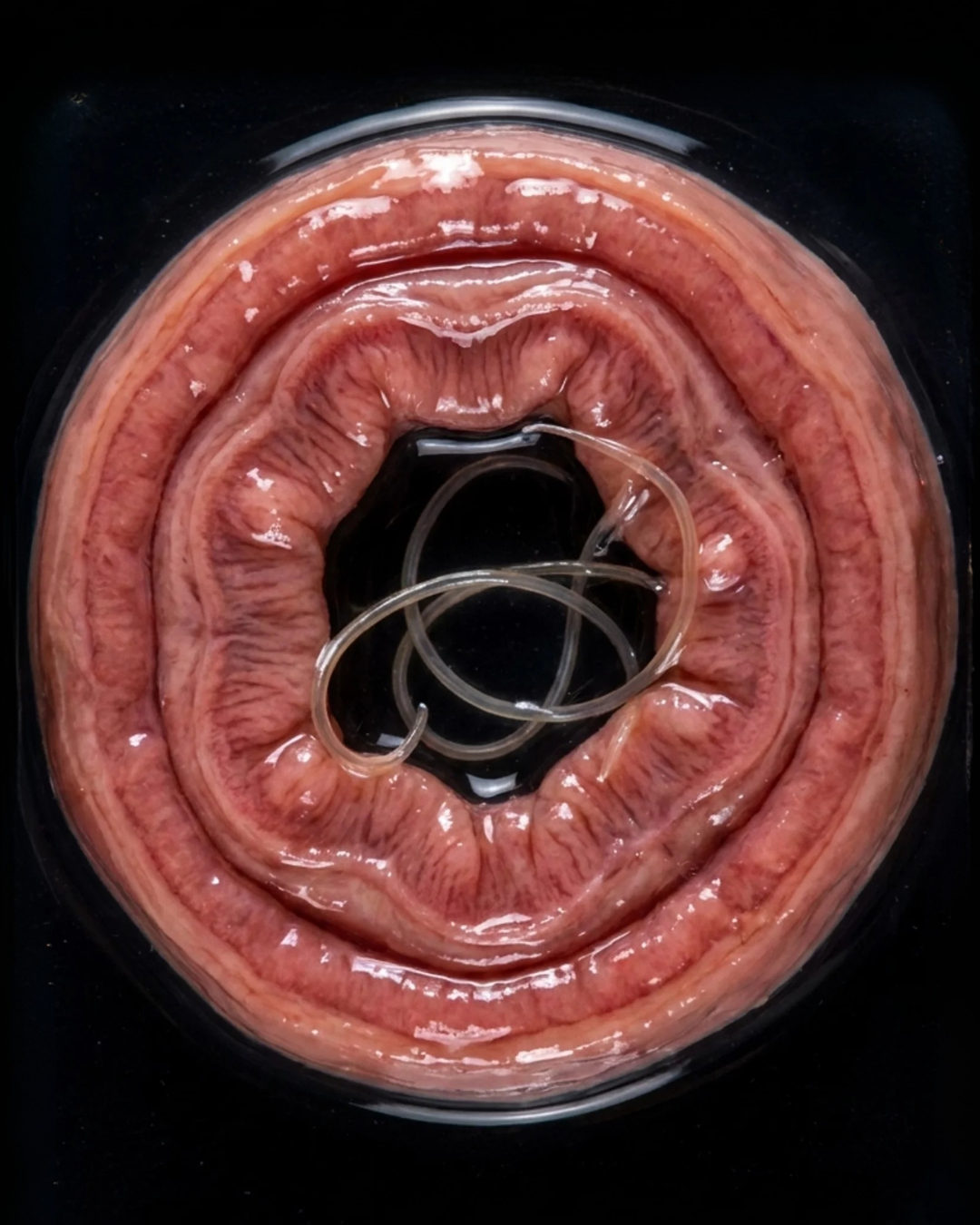
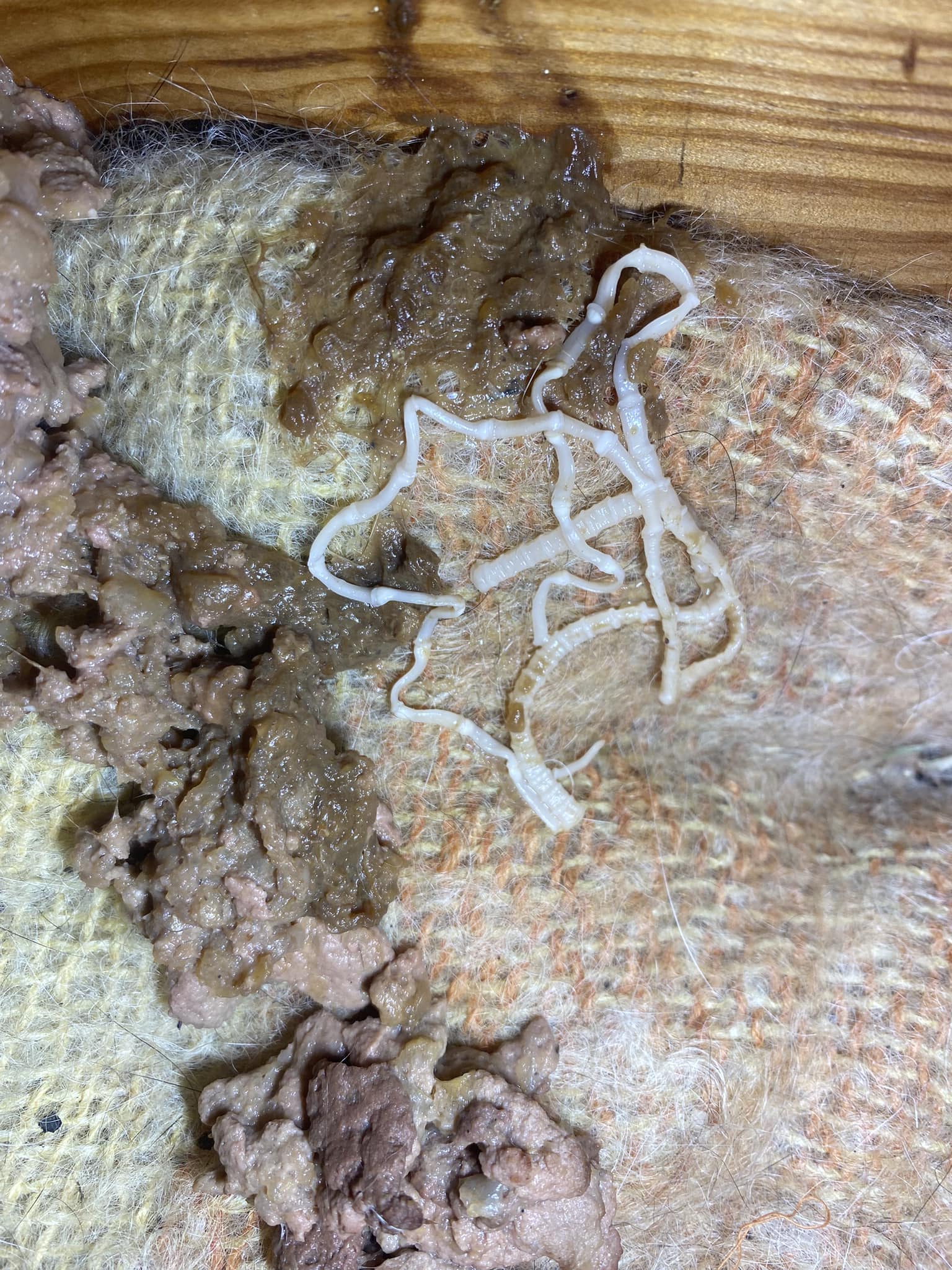
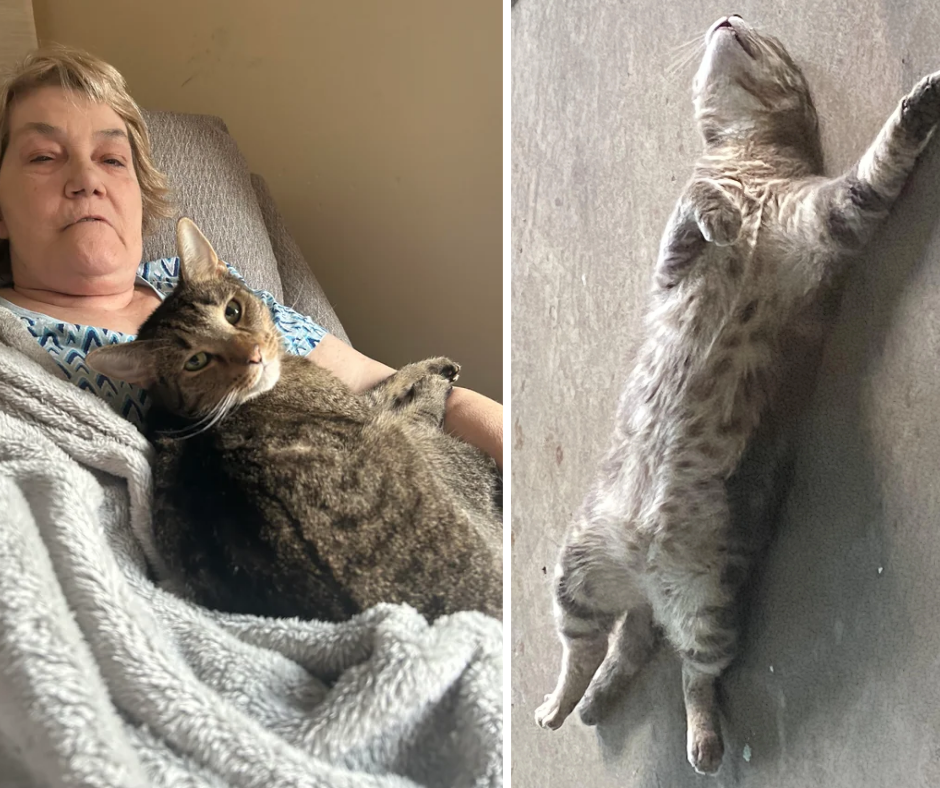
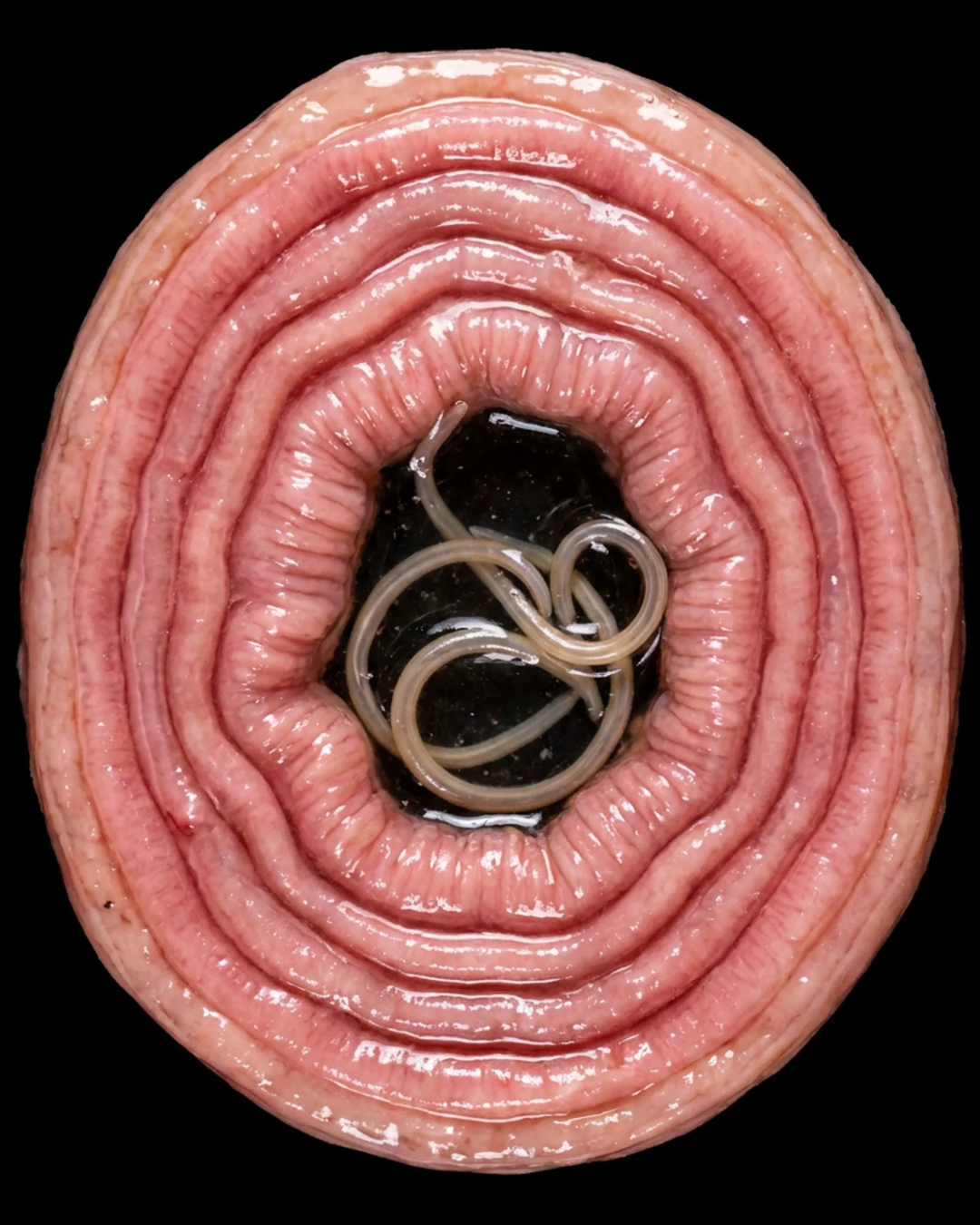
A 2007 CDC study found something the pet industry has been quiet about ever since. 25% of all cats with confirmed parasitic infections live indoors only. Their owners had no idea. The worms had been there for years. Not 5%. Not 10%. 25%. 1 in every 4 indoor cats. Carrying parasites that travel on paws, on fur, on bedding. Eggs that survive in your home for years. Eggs that blind children when they make it into a young eye... My granddaughter Emma was part of that statistic. She lost the sight in her left eye when she was 4 years old. The doctors traced it back to my cat Mittens. I'd had Mittens for 9 years. She was indoor-only. I gave her every dewormer my vet prescribed. I'm 64. Last month, my vet told me my surviving cat Biscuit has the same parasites Mittens had. Same prescription. Same protocol. I refused. And what I found instead - on a small dairy farm in Vermont - cleared Biscuit's gut completely without another pill. And finally explained why Emma is now legally blind in one eye. But to understand why I drove four hours to a Vermont farm at 5 AM, you have to know what those dewormers did to Mittens for nine years. For nine years - and I mean nine straight years - Mittens was on a rotating prescription dewormer schedule. Drontal. Revolution Plus. Profender. The vet called it "standard care for indoor cats." Started when she was a kitten. The vet said all kittens need it. I trusted him. He'd been our family vet for thirty years. Within a month, Mittens had loose stools. The vet said it was the medication "doing its job." Three months in, she started throwing up. Once a week at first. Then twice. Then three times. The vet called it "feline IBD" and put her on a special prescription food. By year two, her coat had lost its shine. She used to be this beautiful tabby with markings like wood grain. Now her fur looked dusty. Patchy in places. She slept all the time. Stopped chasing her toy mouse. Stopped greeting me at the door when I came home from work. The vet said indoor cats "tend to be more sedentary." He said her bloodwork was "fine for her age." He prescribed another dewormer. For nine years I trusted him. Nine years of Mittens throwing up on the rug. Nine years of cleaning loose stool out of the litter box. Nine years of watching her get smaller and smaller. Nine years of vet bills. I didn't keep count of the total. I was afraid to add it up. And every time I asked if maybe something else was going on, he'd say the same thing. "Indoor cats sometimes have these issues. Some are just sensitive." Nine years of the same answer. She died at eleven. Organ failure. The emergency vet said her body had been struggling for years and finally just gave out. I cried for two weeks straight. Frank had been gone four years by then, and Mittens was the only thing in the house that still felt like home. Then she was gone too. The autopsy report came back six weeks later. I almost didn't read it. But I did. And what I read changed everything. The pathologist found roundworm damage throughout her intestinal tract. Years of it. Layers of scar tissue from chronic parasitic infection. Her gut lining was so damaged she'd been malabsorbing nutrients for most of her life. The dewormers had killed adult worms. But they hadn't broken the cycle. The eggs in her environment kept reinfecting her. And every infection caused more gut damage. I sat at the kitchen table with that report in my hands and I shook. Three weeks later, my daughter Sarah called me, crying. Emma had been to the eye doctor. Something was wrong with her left eye. She'd been bumping into things on her left side. Walking into door frames. Missing the cup when she reached for her juice. The pediatric ophthalmologist had run tests. He needed to see Sarah right away. Two days later, the diagnosis came. Ocular toxocariasis. Larval migration into the retina. Permanent vision loss in the left eye. Sarah asked the doctor where it could have come from. He said the most common source was contact with cat or dog feces. Or contaminated soil. Or surfaces where eggs had been deposited. Emma had been at my house every Sunday for years. She'd crawled on my floors. Rolled on my carpets. Petted Mittens hundreds of times. Slept with Mittens on the couch during her afternoon naps. Sarah didn't blame me. She kept telling me it wasn't my fault. But I knew. I'd been giving Mittens prescription dewormers for nine years. And those dewormers hadn't stopped my cat from carrying parasites that blinded my granddaughter. Three months after Emma's diagnosis, I took Biscuit in for his annual checkup. Biscuit is 6. Indoor only. Same prescription dewormer schedule Mittens had been on. The vet ran a fecal test, like always. Came back into the room with a tight expression. "Eleanor. Biscuit has roundworm eggs in his stool. We need to start him on the same protocol Mittens was on. Drontal first, then we can rotate." I felt the room tilt. "He's been on dewormer for six years," I said. "How does he have eggs?" "It happens. The eggs in your environment can stay viable for years. He probably ingested some during grooming. We just need to stay on top of it." I stared at her. "My granddaughter went blind from these worms. My last cat had nine years of damage from these worms. And you're telling me to start the same protocol that didn't work?" "Eleanor, I know this is hard..." "What's the point of the medication if it doesn't actually break the cycle?" She didn't have an answer. I told her to give me three months. Better cleaning. Different litter. New protocol. She wasn't happy. Wrote something in the chart. I didn't care. For three months, I was obsessive. I bleached every surface in the house twice a week. Replaced all the carpet with hardwood. Threw out the couch Mittens used to sleep on. Switched Biscuit to a clean diet. Bought a new prescription dewormer from a different vet. Three months later, the fecal test still came back positive. Roundworm eggs. Same as before. The new vet pulled out her prescription pad. "Eleanor, this is going to be a lifelong management situation. We can keep the worm load low, but..." I stared at that pad and felt something break in me. I had done EVERYTHING. Every protocol. Every prescription. Every cleaning ritual. And the worms were still in my cat. The same worms that took Emma's eye. The same worms that ruined Mittens' insides. "Give me three more months." "Eleanor, I really think we should..." "Three more months." She sighed. Made a note. I didn't care. That night I couldn't sleep. I kept seeing Emma's face. The way she'd turn her head all the way to the left to see me with her good eye now. At 2 AM, I gave up. Went downstairs. Opened my laptop. I started researching everything. How parasites actually work. Why dewormers fail. Why the cycle keeps coming back. Every mainstream site said the same thing: more cleaning, more dewormer, more vet visits. I'd done it all. None of it worked. So I kept digging. That's when I found the thread. A Reddit post with over 5,000 comments. The title: "Why don't farm cats need dewormers?" I almost scrolled past. But I clicked. Dairy farms in New England. Working cats living to 17, 18, 19 years old. Surrounded by mice, rats, manure, mud. Never dewormed. Never sick. Never any worms in their stool when tested. Person after person in the comments confirming it. Vets writing in saying "I've never understood why barn cats from working farms don't have parasite issues like indoor cats do." One woman posted about a goat dairy in Vermont where she'd worked as a teenager. Said the farmer had 23 barn cats. Said her grandfather had run the same farm before that. Said in 70 years, neither of them had ever had to deworm a single cat. Someone in the comments said the farmer's name. Hannah Brubaker. Said she still ran the place at 76. I looked at the clock. 3:14 AM. By 5 AM, I was in my car. By 9, I was in Vermont. I didn't have a real address. Just drove until I saw goats. Pulled into a long gravel driveway when I spotted a hand-painted sign that said "Brubaker Dairy. Eggs. Cheese. Cats." A small woman in a denim apron was carrying buckets of milk from the barn. Maybe seventy-something. Strong as a fence post. Cats everywhere. Sitting on the fence rails. Stretched out on the porch. Trotting between her feet. I parked and got out. The cats watched me like a committee. She set the buckets down. "Help you?" "How old are these cats?" She pointed. "That orange one is fifteen. The black-and-white one on the rail is seventeen. That gray one in the window, she's nineteen. We had to put her sister down last spring at twenty-one." I stood there - 64 years old, my granddaughter blind in one eye because of an indoor cat - looking at a 19-year-old barn cat sleeping in the dirt next to a pile of manure. "Have you ever dewormed any of them?" She squinted at me. "In forty years on this farm? Never." "Not once?" "Not once. My father didn't either. And his father before him." I started crying right there in her driveway. I couldn't help it. She didn't say anything. Just walked over and put a hand on my arm. "My granddaughter is blind in one eye," I said. "From my cat. And my cat had been on prescription dewormer for nine years. I just lost her." She nodded slowly. "Come. Sit on the porch. I'll tell you what I know." We sat on a wooden porch swing that creaked under us. Cats came and went. One settled on my lap. He was warm and heavy and his coat was thick and shining. "Your dewormers," Hannah said, "are killing weeds in poisoned soil." I looked at her. "You can kill every weed in your garden today. But if the soil is poisoned, the weeds come right back. Stronger. The dewormer kills the adult worms in your cat. But the gut is the soil. And after years of infection, the soil is wrecked." She picked up the cat in my lap, turned him so I could see his belly. Big, firm, healthy. "A cat's gut is supposed to be a fortress. Strong walls. Lots of good bacteria. An immune system that catches anything that comes through. When the gut is healthy, a cat eats a worm-infested mouse and her body just handles it. Kills the larvae. Passes them out. No infection." She set the cat down and he stalked off after a fly. "But when the gut is damaged, the worms set up shop. They eat the nutrients the cat needs. They damage the lining more. The cat gets weaker. The immune system gets weaker. And every new worm finds a softer place to land." She shook her head. "Your dewormer kills the adults. But it doesn't fix the gut. So your cat just gets reinfected from her own grooming. The eggs are on her paws. They're in your house. They survive for years." I thought about Mittens throwing up on the rug for nine years. "What's missing in the gut?" I asked. Hannah smiled. "Same thing that's missing in just about every modern cat. A building block called taurine." I'd never heard of it. "Taurine is what the gut lining needs to stay strong. It's what the immune cells need to do their job. It's in fresh prey. It's in raw heart muscle. It's in liver. It's everywhere a cat is supposed to eat." She pointed at the barn. "My cats eat mice. Voles. Sparrows. Whatever they catch. Plus scraps from us. Heart and liver from the goats and chickens. Their guts are loaded with taurine. Their immune systems are loaded. They eat worm eggs every single day from the dirt. And their bodies just handle it." She shook her head. "Indoor cats on cooked food? The cooking destroys most of the taurine. The fillers in the bag block what's left. Their guts are starving. Their immune systems are starving. So when worm eggs show up - and they always do, on shoes, on dirt, on plants - the cat has nothing to fight with." I felt sick. I thought about Mittens. Nine years of "premium" food. Nine years of declining health. Nine years of the vet shrugging. "What do I give Biscuit?" I asked. She got up. Went inside. Came back with a small bottle. "My niece has been working with one company for the last few years. Just one. They had to prove themselves to her over and over before she'd recommend them." The label said KittySupps. "Pure crystalline taurine," Hannah said. "Pharmaceutical grade. The kind you'd find in fresh prey before cooking destroys it. No fillers. No binders. Cold-stored so it stays good. Third-party tested every batch." "This will get rid of the worms?" "Not directly. But it will rebuild Biscuit's gut. Restore his immune system. Then his body will do what it was designed to do. Clear the worms. Stop the reinfection cycle. Heal the lining so the eggs can't take root anymore." She handed me the bottle. "It took my niece's cat about ninety days. The fecal tests were clear by month three. Have been ever since. No more dewormers." I drove home that night with the bottle on the passenger seat. I called my daughter from a rest stop in New Hampshire and told her everything. She cried. Told me Emma's eye doctor had said the same thing - that the parasite came from a damaged immune environment, that healthy cats don't shed eggs the way Mittens had. I gave Biscuit his first scoop the next morning. Mixed it into his wet food. He ate it without sniffing. Like he'd been waiting for it. Week one: His stool started to firm up. The first time in months I'd scooped a normal-looking clump. Week two: His coat changed. The dusty look started to disappear. He was washing himself again. Week three: He started playing. He hadn't played in over a year. He chased a hair tie around the kitchen for ten minutes straight. Week four: He greeted me at the door when I got home from the grocery store. He hadn't done that since Mittens died. Week six: I took him in for a fecal test. Came back negative. The vet ran it twice to make sure. "Eleanor. There are no eggs. None. What did you change?" I told her. The Vermont farm. The pharmaceutical-grade taurine. The gut-rebuild approach. She typed notes. Slowly. Then she said, "I haven't seen a fecal go from positive to negative without aggressive dewormer treatment in my entire career." She closed her laptop. "Whatever this is, keep doing it." That was seven months ago. Biscuit has tested clean every visit since. No worms. No eggs. No prescription dewormer. Nothing. He's a different cat. Heavy. Glossy. Bouncing off the walls. He waits at the window for me to pull into the driveway. Sarah brings Emma over once a week now. Emma can't see out of her left eye and never will. But she's adapting. She tilts her head a little to the right when she's looking at things. She's learning braille at school. She's the bravest 5-year-old I've ever known. She still pets Biscuit. Sits with him on the couch. He's gentle with her. Like he knows. Last Sunday she looked up at me and said, "Grandma, Biscuit doesn't get sick anymore." I told her, "No, sweetheart. Biscuit is healthy now. And we're going to keep him that way." If you're reading this, you probably see yourself in some part of my story. Maybe your cat has been on rotating dewormers for years and the worms keep coming back. Maybe she throws up. Or has loose stools. Or her coat looks dull. Or she's slowed down and your vet just shrugs and says "indoor cat issues." Maybe you have small grandchildren who visit. Or kids who roll on the carpet where your cat walks. And you've never thought about what could be on her paws. Maybe you've spent thousands at the vet and your cat is still sick. You're not failing. You've been chasing the wrong solution. Dewormers kill adult worms. They don't fix the gut. They don't restore the immune system. They don't break the cycle. The cycle only breaks when the gut is rebuilt. When the immune system has what it needs. When the cat's body can do what it was designed to do. And the building block your cat's gut and immune system needs most is the same one the pet food industry has been quietly removing from commercial food for the last 30 years. KittySupps is different. Pharmaceutical-grade purity: 99.8%. The same form of taurine used in clinical research. Not the cheap synthetic version that breaks down on a shelf. No fillers, no binders, no additives: Nothing to irritate a damaged gut. Just pure crystalline taurine your cat's gut lining can actually use to rebuild. Cold-stored: No heat degradation. The compound stays intact from manufacturing to your cat's bowl. Clinical dose: 3250mg per scoop. The amount their gut and immune system actually need to recover. Third-party tested: Certificate of Analysis on the website. You can see exactly what's in the bottle. Try KittySupps for 30 days. Watch your cat's stool. Watch the coat. Watch the energy. Take her in for a fecal test at month three. If you don't see a difference - if the test is still positive, if the stool is still loose, if the worms keep coming back - contact customer service for a full refund. No questions. You risk nothing. You're at a crossroads. One path: Keep doing what you're doing. Another prescription dewormer. Another round. Another hundred dollars at the vet. Hope the worm eggs in your home don't make your grandchildren sick. Spend the next ten years managing a problem that never actually goes away. Another path: Try what I tried. Rebuild your cat's gut from the inside. Let her body do what it was designed to do. Break the cycle for good. I chose the second path. It saved Biscuit. It made my home safe again for Emma to visit. The pet food companies aren't coming to save your cat. The dewormer companies aren't coming to save your cat. They make money when you stay on the treadmill. You have to step off it yourself. Because every week you wait is another week of egg shedding. Another week of contamination in your home. Another week closer to the moment I'm trying to spare you from. You don't have years to waste. And neither does your cat. And neither do the children who visit your house. - Eleanor Whitfield https://kittysupps.com/products/taurine P.S. Biscuit's first negative fecal test came at week six. Every test since has been clean. No prescription dewormer. No reinfection. Your cat's timeline might be different. But you won't know until you try. P.P.S. My daughter started giving KittySupps to her cat Whisper four months ago after watching what happened with Biscuit. Whisper had been on prescription dewormer for three years. Last week, Sarah texted me a photo of the negative fecal test. She said, "I'm not putting another dewormer in her ever again." Biscuit is clean. Whisper is clean. Yours can be too. https://kittysupps.com/products/taurine
Real gut support for indoor cats
"Biscuit had been on prescription dewormer for six years and worms kept coming back. Six weeks on this and his fecal test came back clean."
SHOP NOWLike this ad? Make it yours.
Crush rebuilds this exact creative around your product — your brand, your colors, your offer — in about a minute.