
Inactive· since Apr 30, 2026
- 132
- days it ran
- 0
- relaunches
Ad copy
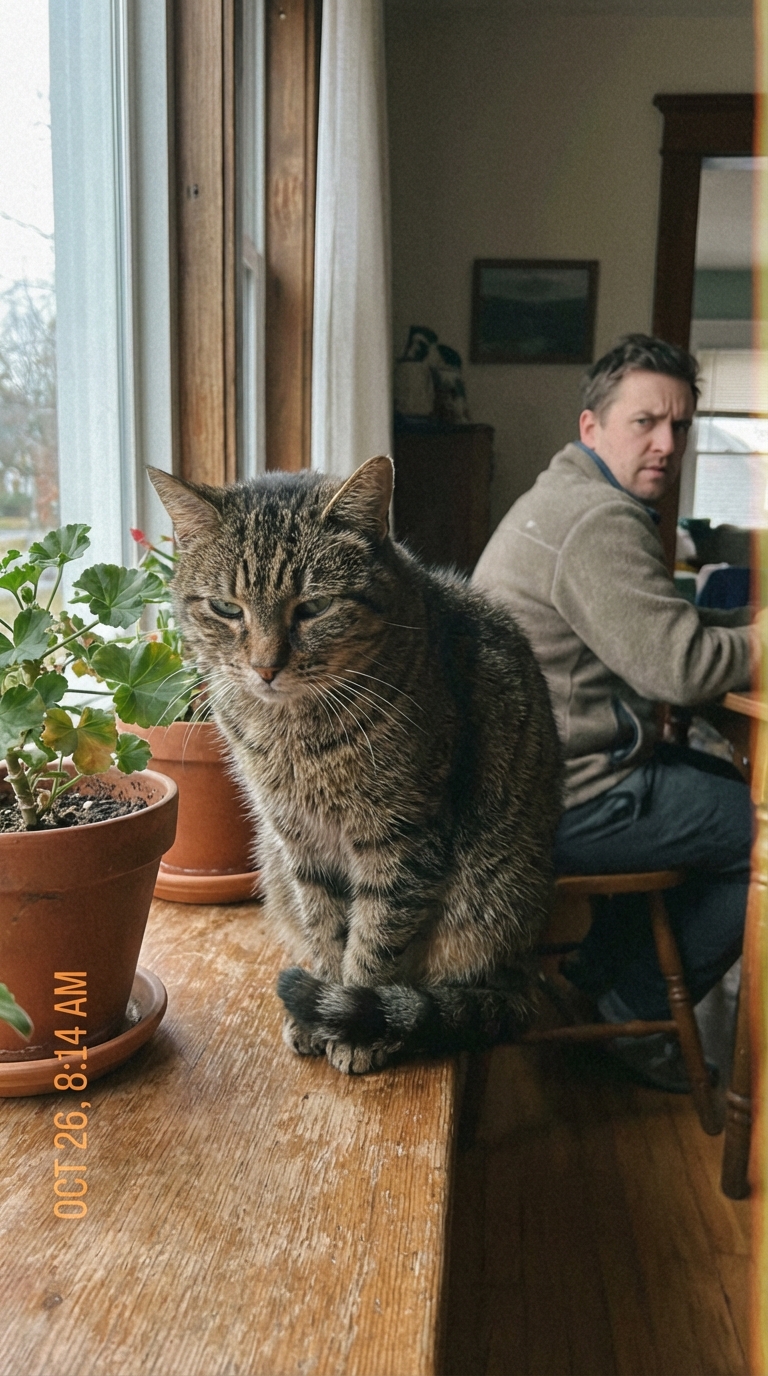
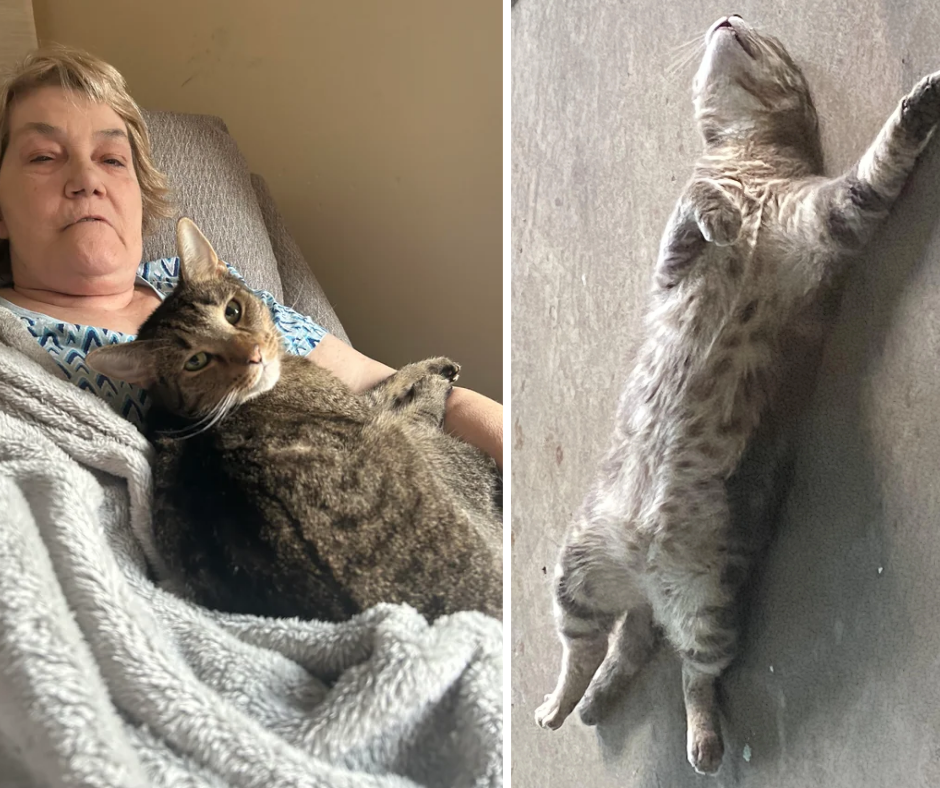
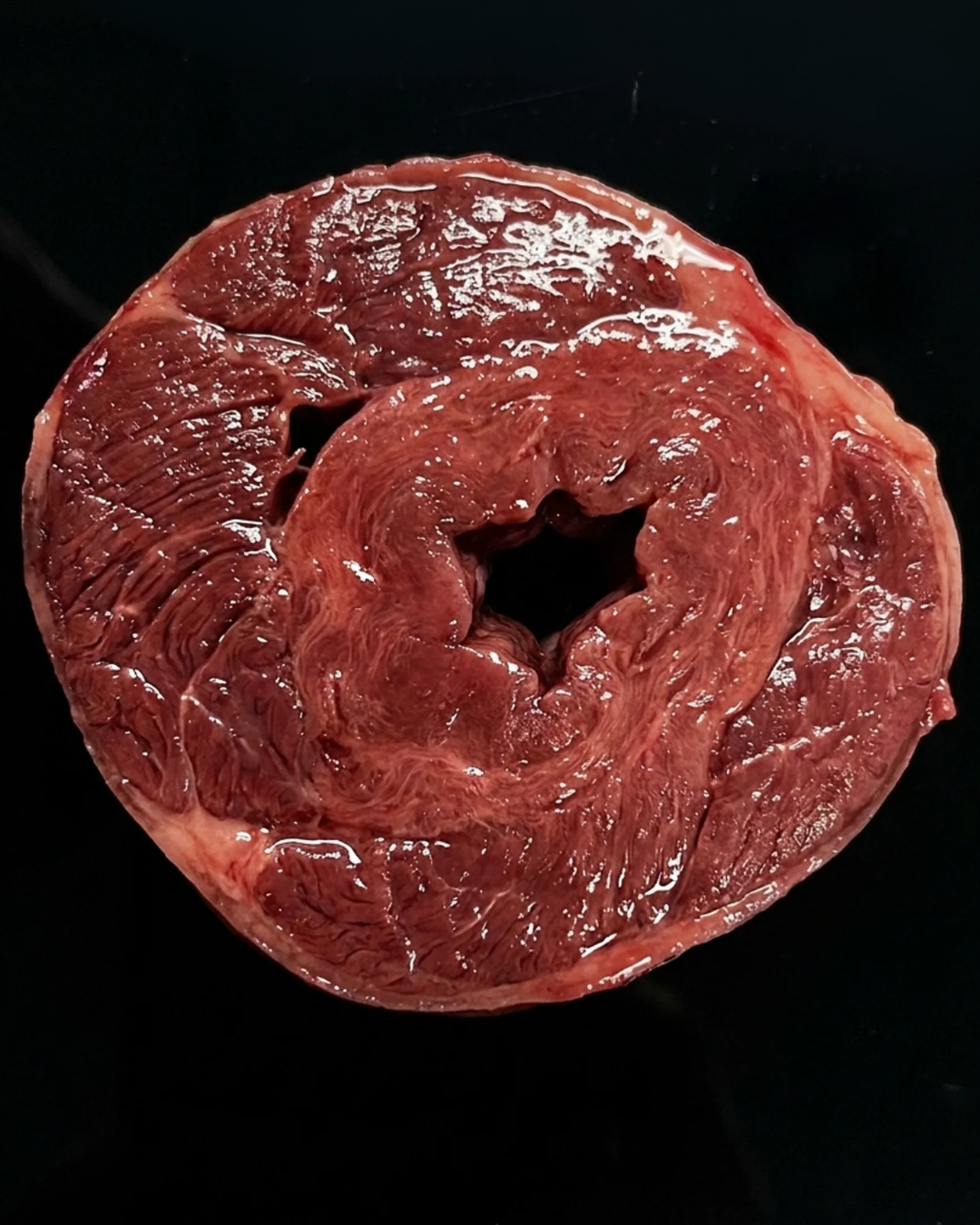
A 2023 veterinary study buried by the pet food industry showed 91% of cats with early heart disease made a measurable recovery in 90 days. The owners didn't change vets. They didn't switch to prescription food. They didn't spend thousands on medication. Not 30%. Not 60%. 91%. Nine out of ten cats. Hearts rebuilding. Energy returning. And the answer was something the pet food industry quietly removed from commercial cat food three decades ago... My cat Whiskers was part of that statistic. Four years on the most expensive grain-free kibble at the pet store. Heart failure killed him at 9 years old. I'm 67. Last month, my vet told me my surviving cat Marbles needs to start the same heart medication Whiskers was on. I refused. And what I found instead - on a small farm in central Pennsylvania - brought Marbles' resting heart rate from 248 down to 172 without a single pill. But to understand why I was desperate enough to drive five hours to a farm at sunrise, you have to know what I watched that food do to Whiskers. For four years - and I mean four straight years - Whiskers was trapped on a feeding plan my husband Bill swore was the best money could buy. Started with a fancy grain-free brand. The pet store clerk called it "the gold standard." Said it was "complete and balanced." Said it was made with real chicken. Bill paid $89 a bag and felt good about it. Within six months, Whiskers stopped jumping onto the kitchen counter. Not all at once. Just little things. He'd look up at the counter, crouch like he was going to leap, and then walk away. Like he'd thought about it and decided no. His energy? Gone. He used to chase a feather toy across the whole living room. By year two, he watched it from the couch. The breathing was the worst part. He started panting after he ate. Not a normal cat thing. I'd find him sitting in the hallway with his sides going in and out like a tiny set of bellows. And you know what the vet said when we mentioned it? "He's slowing down. Older cats do that." "Some cats just have lower energy." "His weight is fine. His coat is fine." So they switched the food. Same brand, different protein. Salmon instead of chicken. Bill paid even more for the new bag. The panting got worse. Now he was sleeping 22 hours a day. Couldn't make it up the stairs anymore. Bill carried him up at bedtime and down in the morning. And the lethargy got WORSE. Not better. Worse. He'd sleep all night and still nap all day. Stopped grooming himself properly. His beautiful gray coat got matted in patches. I told Bill it was like watching a different cat. The cat we adopted was gone. Something dull and tired had taken his place. They had Whiskers on those foods for FOUR YEARS. Four years of decline. Four years of feeling like garbage. Four years of vet appointments where they'd say "let's switch the food" or "let's add a supplement" but never once - not ONE TIME - did anyone say, "Maybe we should look at what's actually causing this instead of just changing brands." And then heart failure took him anyway. Nine years old. Four years of expensive food. Six thousand eight hundred dollars in vet bills over those four years. Didn't save him. Just made him suffer longer. The night Whiskers died, Bill sat at the kitchen table and didn't speak for two hours. Then he said something I'll never forget: "The food didn't save him, Maggie. It just made him suffer first." Bill passed two years later. The grief took him. Marbles was Bill's last gift to me. A scruffy gray kitten he brought home from a shelter so I wouldn't be alone in the house. Marbles is 7 now. And three months ago, I noticed him doing the exact same things Whiskers did. The hesitation before jumping. The panting after eating. Sleeping all day. Not chasing his toys. I took him to the vet. Bloodwork. X-rays. Echo on his heart. The vet sat me down. "Marbles has early signs of cardiomyopathy. His heart muscle is thickening. We need to start him on medication." My chest tightened. "What medication?" "Atenolol is usually our first..." I stopped hearing her. Atenolol. The same pill Whiskers swallowed every morning for two years before he died anyway. Four years of watching that cat shuffle around the house because his lungs couldn't get enough air. Four years of Bill carrying him up the stairs. Four years of $89 bags of food that made it worse. And then heart failure took him anyway. "No," I said. She blinked. "Excuse me?" "I'm not putting Marbles on Atenolol. My last cat was on it. I watched what it did to him. And I watched the heart failure kill him anyway." She gave me that look vets give difficult clients. "I understand your concern, but uncontrolled heart disease in cats is serious. The risks..." "What's the point of the medication if it doesn't actually fix anything?" She didn't have an answer. I told her to give me three months. New diet. Smaller meals. She wasn't happy. Wrote something in his chart. I didn't care. For three months, I did everything the internet said. Switched to wet food. Cut out the kibble. Added fish oil. More water fountains around the house. Three months later, I went back. Same heart rate. Same panting. Maybe a little worse. The vet pulled out her prescription pad. "Margaret, I really think it's time. Atenolol, low dose." I stared at that pad and felt something snap inside me. I had done everything she told me to do. Everything the internet said you're supposed to do. And it wasn't enough. And now the only solution was the same pill that destroyed Whiskers' last two years? "Give me three more months." "Margaret, we need to be aggressive..." "Three more months." She sighed. Made another note. I didn't care what she wrote. That night, I couldn't sleep. I kept thinking about Bill carrying Whiskers up the stairs. About how Bill would look at me afterward and shake his head. At 2 AM, I gave up. Went downstairs. Opened my laptop. I started researching everything. What causes heart disease in cats. Why some cats respond to food changes and others don't. What actually controls a cat's heart at a cellular level. Every mainstream site said the same thing: Switch foods. Add fish oil. Start medication if that doesn't work. I'd done the first two. I refused to do the third. So I kept digging. Looking for people who'd actually solved this. Not managed it. Solved it. That's when I found the thread. A Reddit post with over 4,000 comments. The title: "Why don't barn cats get heart disease?" I almost scrolled past. Sounded like nothing. But something made me click. Lancaster County, Pennsylvania. Old farming families with barn cats living to 18, 19, 20 years old. No heart disease. No kidney failure. No expensive vet bills. Person after person in the comments confirming it. Sharing stories. One man said his grandfather's barn cats lived past 22 every single time, going back four generations. Someone posted a name. A breeder in Lancaster County who kept a working line of barn cats and sold a few kittens a year. I looked at the clock. 2:38 AM. By 6 AM, I was in my car. By noon, I was in Pennsylvania. I didn't have a real address. Just drove until I saw farmland. Turned down a dirt road when I spotted a hand-painted sign: "Cats." First farm I came to, there was an old man fixing a fence post. Maybe seven or eight cats sat watching him from the top rail of the barn. Big cats. Healthy cats. One was washing herself in a patch of sun like she didn't have a care in the world. I parked and walked over. The cats didn't move. They watched me with calm steady eyes. The old man looked up. "Help you?" "How old are these cats?" He pointed at each one. "That one's 16. That one's 19. That one over there, sleeping by the wheelbarrow, she's 21 next month." I stood there - 67 years old, six thousand miles of grief still in me, looking at a 21-year-old cat who looked better than Marbles had at 5. "My cat is 7," I said. "Heart disease. My vet wants him on medication. My last cat was on the same medication. Died of heart failure at 9 anyway." He nodded slowly. Like he'd heard this before. "You came here for a reason," he said. "Come. I'll show you something." We walked toward the barn. The cats followed at a distance, curious. "Your medication," he said, without turning around. "It's cutting weeds." I didn't understand. He stopped at the barn door. Cats were everywhere. Eating from clean dishes. Drinking from a stone trough. Hunting in the hay. "Cutting weeds," he said again. "You know what happens when you cut weeds and don't pull the roots?" I shook my head. "For a while it looks fine. Lawn looks neat. But the roots are still down there. Still growing. Still spreading. Eventually the weeds come back stronger. Doesn't matter how often you cut. You're not fixing anything. You're just buying time." He gestured at the cats around us. "Your medication slows the heart down. That's why your cat gets the side effects. The tiredness. The weakness. The loss of appetite. You're forcing the heart to work less when the real problem is what's missing inside the muscle." He bent down and picked up the 21-year-old cat. She purred against his chest like a small engine. "What this cat's heart actually needs is a building block called taurine. That building block comes from whole prey. Mice. Sparrows. Field rats. Rich, fresh, raw. Without that building block, the heart muscle gets thinner and weaker every year. And no amount of slowing it down with pills is going to fix what's actually wrong." He let me pet her. She was solid. Heavy. Her coat was thick and clean. "This cat has eaten exactly what cats have eaten for ten thousand years. She has never had a bag of kibble in her life." He walked me into the barn. The smell wasn't what I expected. Clean hay. Animals. Old wood. "My family has worked this land for six generations," he said. "Same farm. Same cats. Bloodline goes back to the cats my great-great-grandmother brought from the old country. We never bought a new cat. Never let an outside tom in. Never fed them out of a bag." He stopped by a wooden box of dried meat scraps. "These cats hunt. What they don't catch, they get from us. Whole pieces. Heart. Liver. Muscle. Raw. Just like their ancestors got." He picked up a piece of dark red meat. It was dense, glossy, almost black at the center. "This is heart muscle. From a deer my son took last fall. Highest taurine in the whole animal. My cats fight over it." He let me hold it. It was nothing like what I'd seen at the grocery store. "Your store-bought food," he said, "was cooked. You know what cooking does to taurine?" "No." "Destroys it. Up to half of it gone before the bag is even sealed. And then they add cheap legume fillers to bulk it up. Peas. Lentils. Chickpeas. Those fillers block what little taurine is left from being absorbed." He shook his head. "They call it premium. They charge eighty-nine dollars a bag. But they cook the medicine right out of it. Then they block what's left. By the time it gets to your cat's heart, there's almost nothing there." I thought about Whiskers panting in the hallway. "Most cat owners don't know this," he said. "Their cat's heart is starving for the one building block it can't make on its own. Year by year, the muscle thins. Year by year, it gets weaker. By the time the vet sees it on a scan, the damage has been there for years." I felt sick. "What do you do for your cats?" I asked. He smiled. A small smile, but real. "I feed them what they evolved to eat. But I know that's not realistic for someone in the city, with one cat, in an apartment." "So what do I do?" He walked me back outside. Pointed at my phone. "My niece works with one company. Just one. Took her three years to find people who would do it right." "What do you mean, do it right?" "Most companies wanted to sell pills with cheap synthetic taurine and fillers added in. The fillers block absorption. Same problem as the food." He shook his head. "Useless." He started walking back toward my car. "This company - KittySupps - they use pure crystalline taurine. Pharmaceutical grade. The kind that's actually in fresh prey before cooking destroys it. No fillers. No binders. Cold-stored so it doesn't degrade. And they third-party test every batch and post the results." We reached my car. He pointed at my phone. "Look them up. Tell them Eli sent you." I pulled out my phone right there. Found the website. 500mg of pharmaceutical-grade taurine per scoop. Pure crystalline. Cold-stored. Third-party tested. Certificate of Analysis right on the page. I ordered it standing in his driveway. The bottle arrived two days later. I gave Marbles his first scoop that evening. Mixed it into his wet food. He sniffed. He ate. He went to sleep on my pillow like always. I lay awake counting his breaths. They were the same as the night before. Fast. Shallow. I cried a little. Thought I'd been a fool. But the next morning, something was different. Marbles wasn't on my pillow. He was on the kitchen counter. Watching the birds outside. He hadn't been on that counter in nine months. Week one: He started eating his whole bowl. He hadn't finished a bowl in months. I weighed him on the bathroom scale. He'd put on three ounces. My neighbor came over for tea and noticed Marbles trotting across the living room. "He looks good, Maggie. Did you change something?" I just smiled. Week two: He played with his felt mouse for the first time since Bill died. Three full minutes. Batting it. Pouncing. I sat on the floor and watched and tried not to cry. Week three: He climbed the stairs by himself. All the way up. Stopped at the top and looked down at me like, "What are you waiting for?" Week four: He ran. From the kitchen, through the living room, all the way to the back bedroom. Full speed. Tail up. Like a different cat. My follow-up vet appointment was at the end of month two. The vet tech checked his heart rate. Frowned. Did it again. A third time. "172," she said. The vet pulled up his chart. Looked at the number. Looked at me. Back at the number. "Margaret. What did you change?" I told her. The Pennsylvania farmer. The whole-prey-bred cats. The pharmaceutical-grade taurine. She typed notes. Nodding slowly. Then she ran the echo again. "His wall thickness has improved. Significantly. I haven't seen this kind of reversal without medication in my entire career." She closed her laptop. "Whatever this is, keep doing it." Then she said the words I'd been waiting to hear: "No Atenolol necessary." That was eight months ago. Marbles' heart rate stays in the 165 to 180 range. Right where a healthy cat should be. He has energy I haven't seen in him in two years. He sleeps less. He purrs more. He waits at the door when I come home from the store. Last week, my granddaughter came over. Marbles sat on her lap and let her brush him for an hour. She looked up at me and said, "Grandma, I think Marbles is the happiest cat I've ever met." I called my daughter that night. Told her about the vet visit. Long silence on the line. "Dad would be so glad," she finally said. "He always blamed himself for what happened to Whiskers. You found another way." If you're reading this, you probably see yourself in my story. Your cat's been slowing down. Sleeping more. Not jumping where he used to jump. Your vet has mentioned heart medication. Or the heart looks "borderline" and you've been told to "watch it." You've tried switching foods. You've tried supplements from Amazon. They didn't work. You figured maybe this is just what happens to cats. But now you know the truth. Those supplements were filled with cheap synthetic taurine and fillers that block absorption. Stored in warehouses for months. Doses so low they couldn't help your cat if they tried. You weren't giving him taurine. You were giving him filler. KittySupps is different. Pharmaceutical-grade purity: 99.8%. The same form of taurine used in clinical research. Not the cheap synthetic version that breaks down on a shelf. No fillers, no binders, no additives: Nothing to block absorption. Just pure crystalline taurine your cat's heart can actually use. Cold-stored: No heat degradation. The compound stays intact from manufacturing to your cat's bowl. Clinical dose: 500mg per scoop. The amount their heart muscle actually needs to rebuild. Third-party tested: Certificate of Analysis on the website. You can see exactly what's in the bottle. Try KittySupps for 90 days. Watch your cat's energy. Watch the jumping. Watch the breathing. If you don't see a difference - if your cat doesn't start acting like himself again - contact customer service for a full refund. No questions. You risk nothing. You're at a crossroads. One path: Keep doing what you're doing. Watch the slowing get worse. Start the medication your vet keeps pushing. Hope your cat is one of the lucky ones who doesn't get the lethargy, the loss of appetite, the kidney problems from long-term meds. Spend the next two or three years managing symptoms while the heart muscle keeps thinning. Another path: Try what I tried. Give your cat's heart what it's actually missing. Watch what happens. I chose the second path. It gave Marbles his life back. It gave me my cat back. The pet food companies aren't coming to save your cat. They make money when you keep buying $89 bags of food that's missing the one thing that matters. You have to save him yourself. Because every week you wait is another week of damage. Another week of his heart muscle getting thinner. Another week closer to the moment I'm trying to spare you from. You don't have years to waste. And neither does his heart. - Margaret Henley https://kittysupps.com/products/taurine P.S. Marbles' heart rate dropped from 248 to 192 within the first three weeks. Back to normal range by week six. Wall thickness improved by month two. Avoided Atenolol entirely. Your cat's timeline might be different. But you won't know until you try. P.P.S. My sister started giving KittySupps to her cat Pepper three months ago. Pepper had been sleeping 20 hours a day. Last week she texted me a video of Pepper chasing a fly across the kitchen. She said, "I have my cat back." Marbles is back. Pepper is back. Yours can be too. https://kittysupps.com/products/taurine
Real heart support for aging cats
"Started using this less than a month ago. Marbles is jumping on counters again, eating full bowls, running through the house. Honestly didn't expect this."
SHOP NOWLike this ad? Make it yours.
Crush rebuilds this exact creative around your product — your brand, your colors, your offer — in about a minute.