
Active· since May 30, 2026
- 111
- days running
- 1
- relaunches
Ad copy
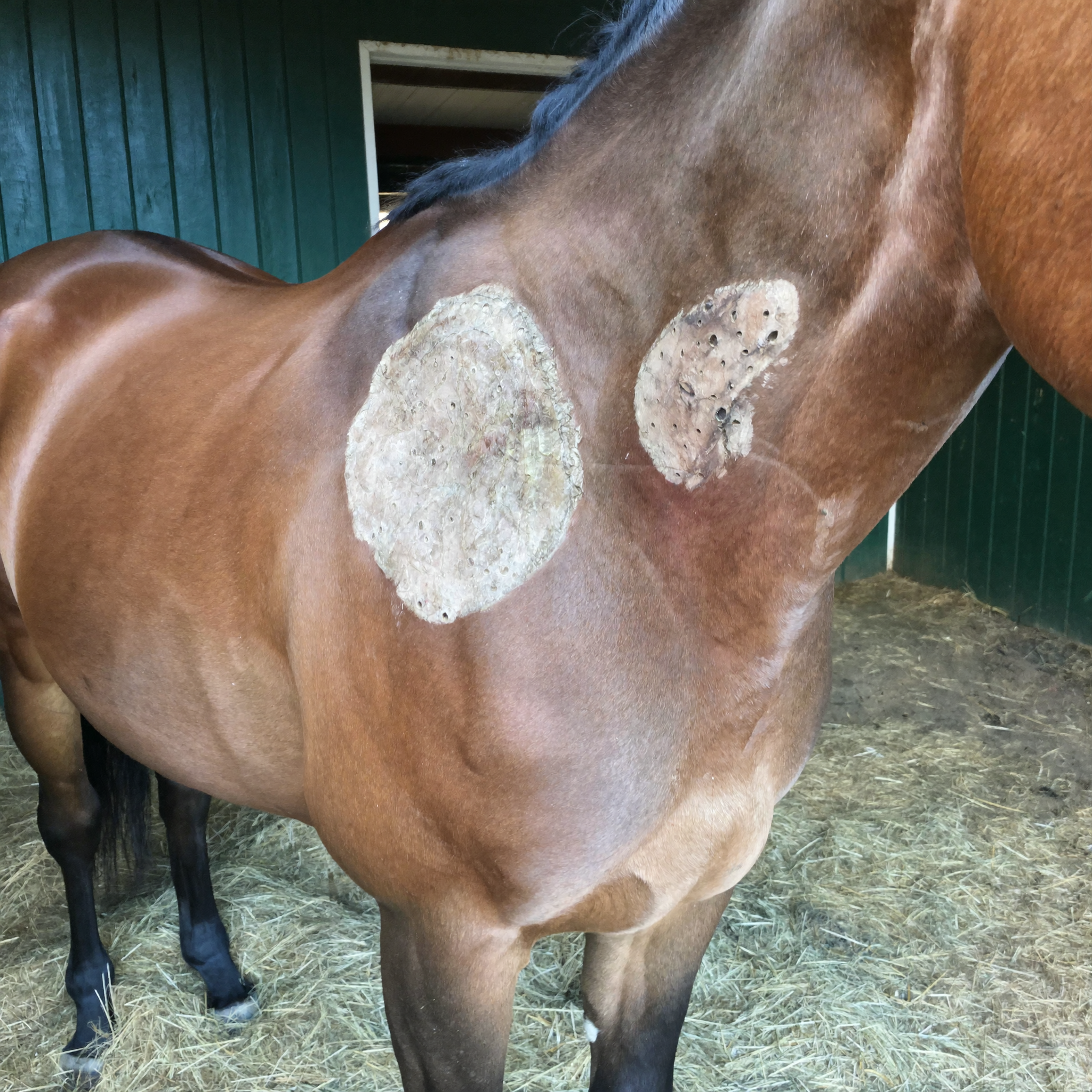
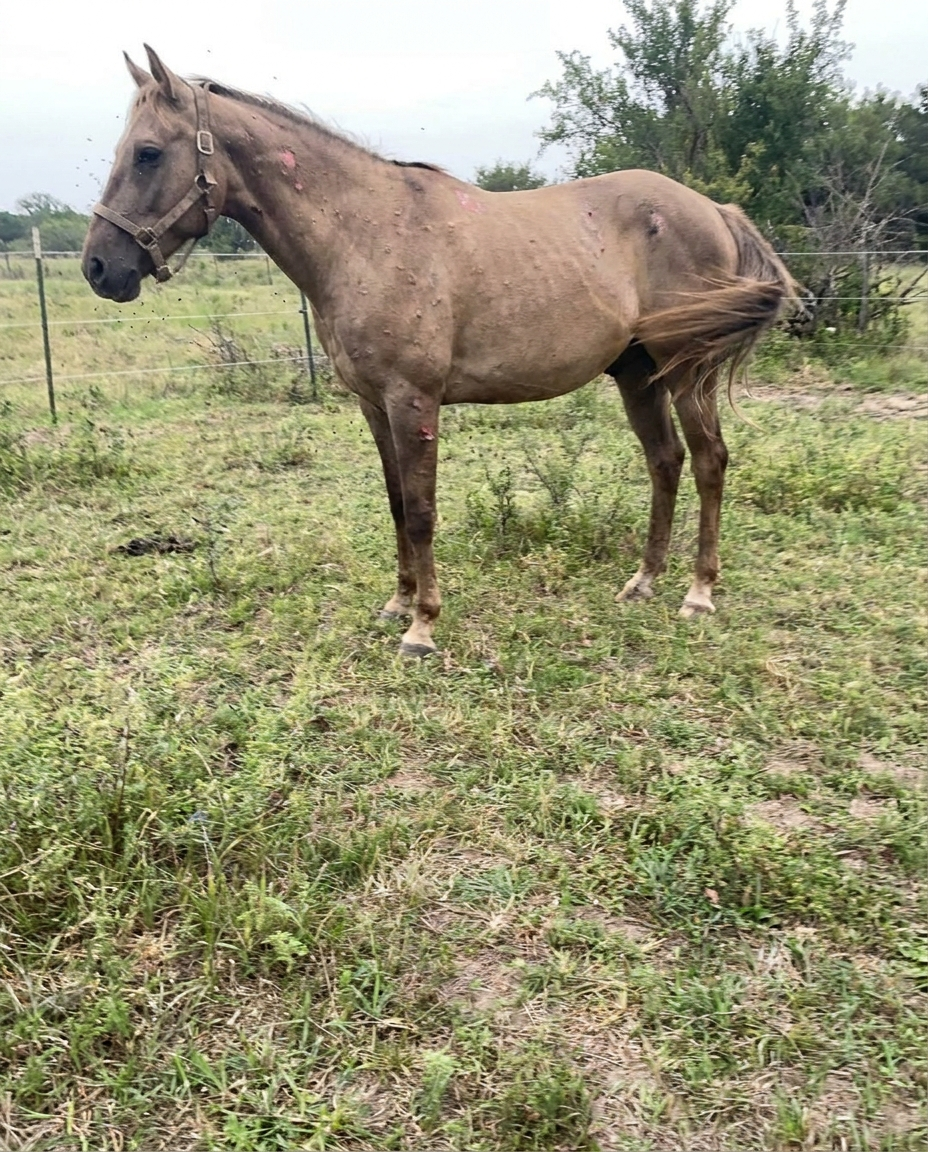
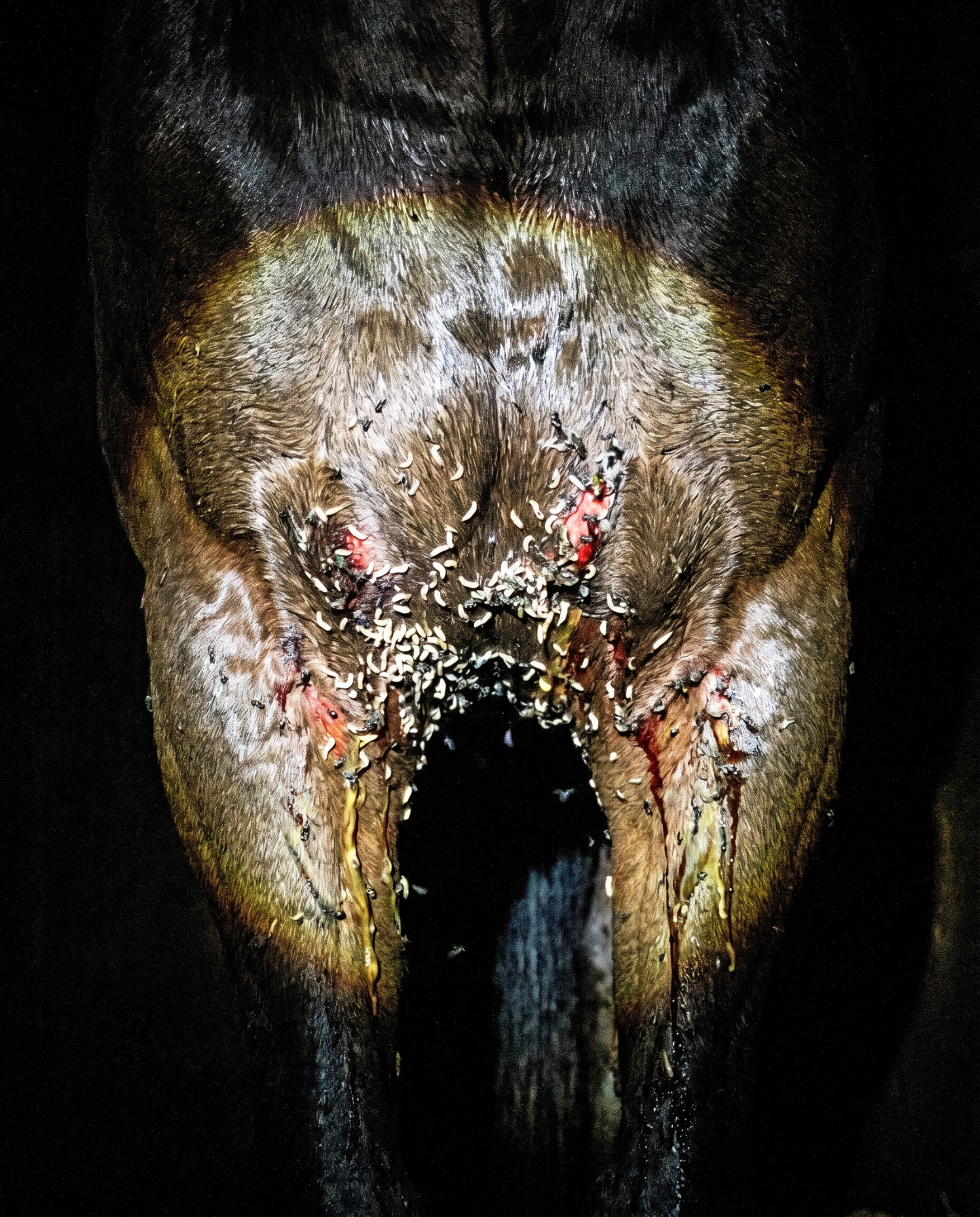
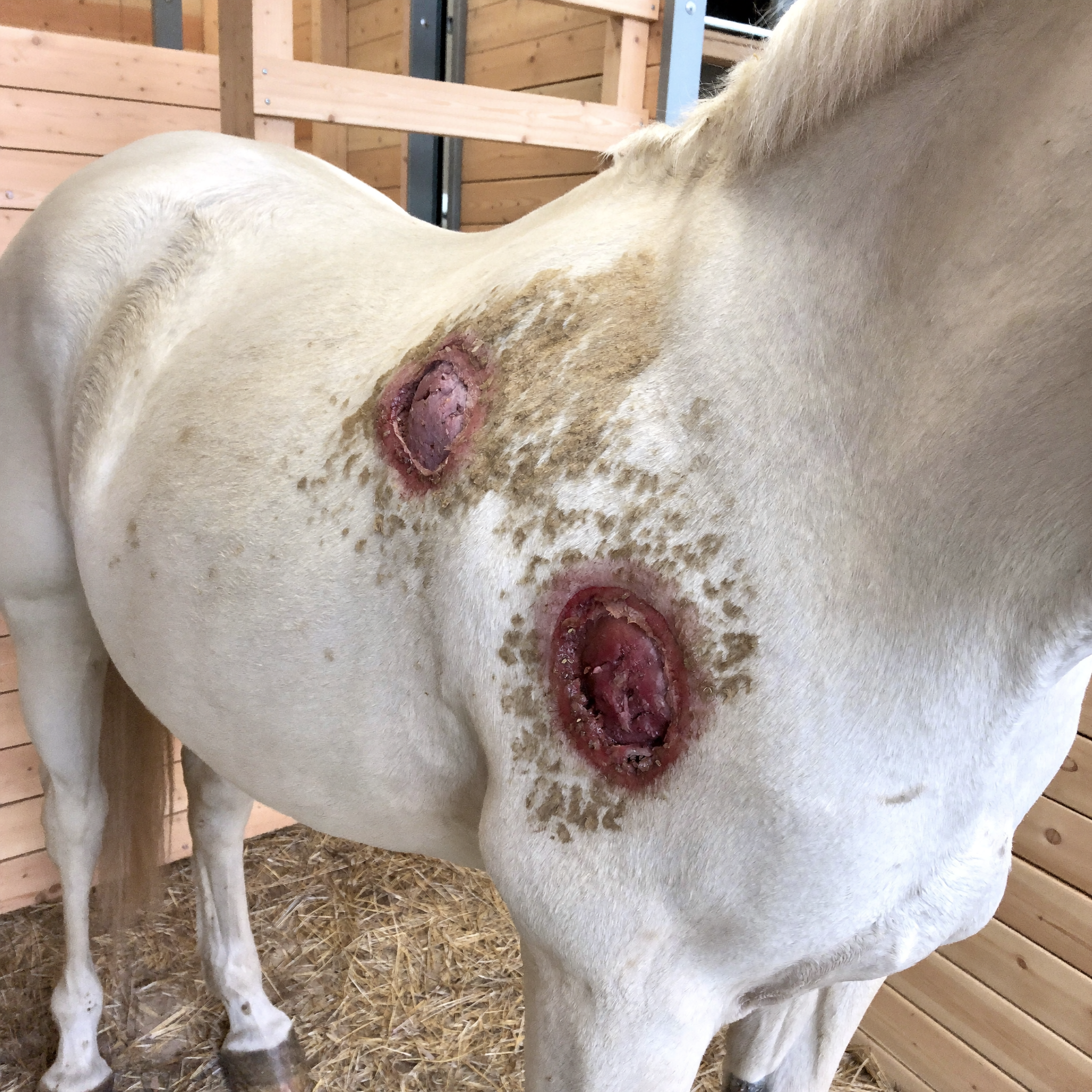
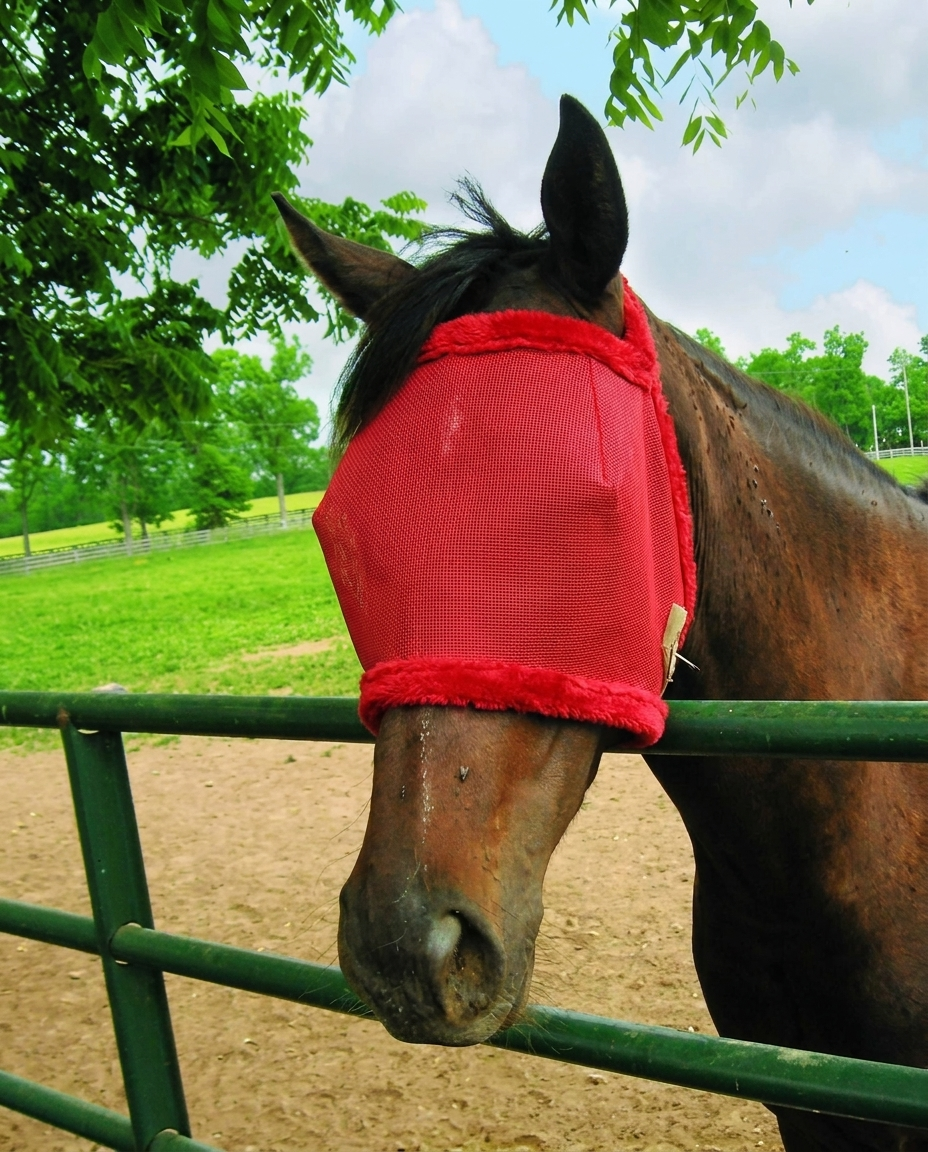
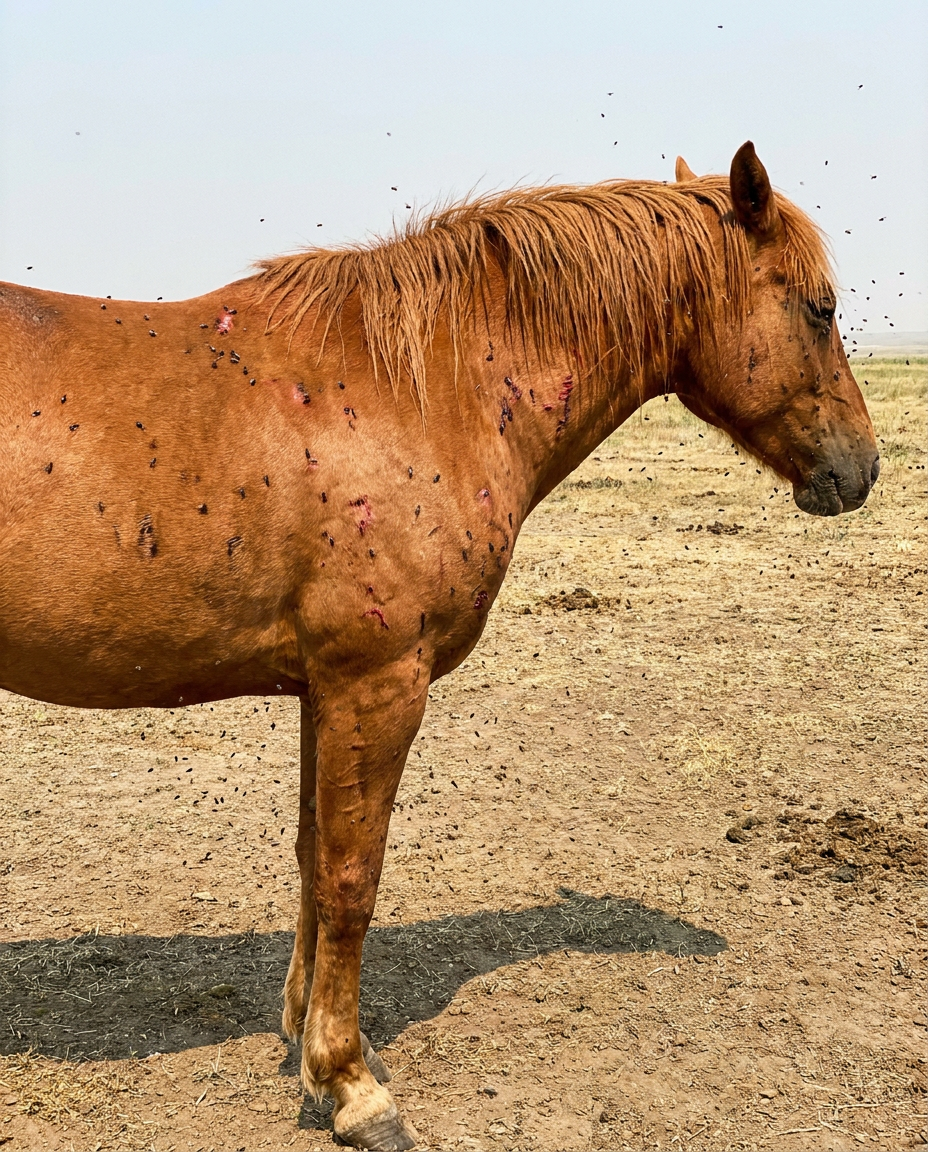
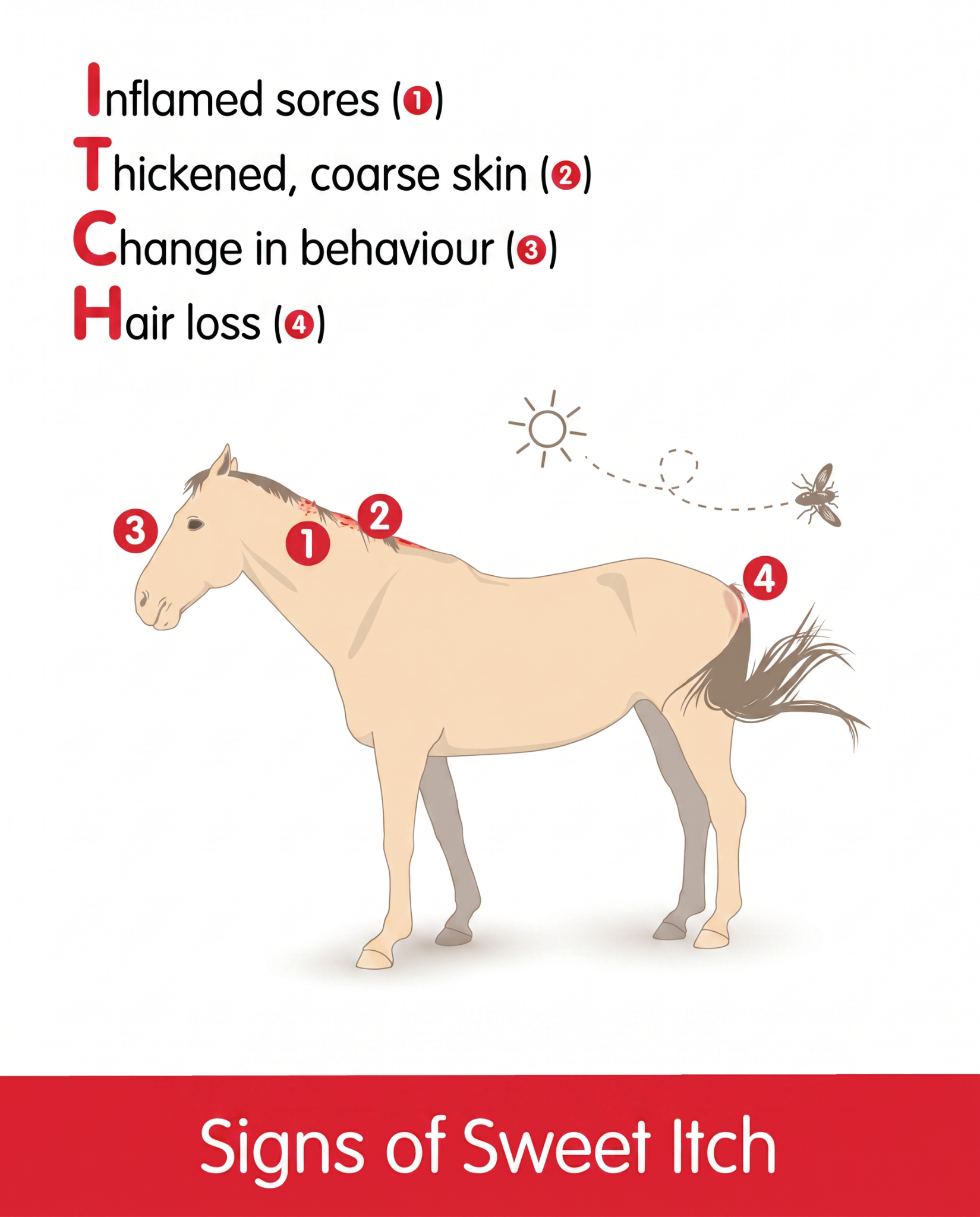
I didn't realize my horse was getting sweet itch until I understood this one thing. I have been around horses for thirty years and for two of those summers I was looking right at sweet itch and calling it something else. I thought Gus had a grooming problem. I thought he was rubbing on his fence because he was bored, or because his sheet didn't fit right, or because his skin was dry and needed a better conditioner. I bought three different detanglers for his mane. I changed his shampoo twice. What was actually happening was that he was destroying himself, and I did not have the one piece of information that would have told me why. There was a woman on a forum I read late at night who wrote the sentence that finally made me sit up. She wrote: "I just can't stand to see him itch out his nice long mane and tail and give himself open sores." That was Gus. Word for word. He had the most beautiful long black mane when I bought him, and by the middle of that second summer he had rubbed a third of it out against the fence posts, and the crest of his neck underneath was raw. Another woman wrote, almost like a confession: "He's giving himself open wounds despite how much swat / fly spray / medicated ointment I've put on the wounds. Nothing is helping." Another wrote simply: "I feel so bad for him. Nothing seems to help." I had put on the creams. I had put on the ointment. Nothing was helping. And I did not yet understand the one thing that would have explained all of it. Gus was the easy horse. Ten-year-old Quarter Horse cross, bay with a long black mane and tail, the kind of gelding the seller had to talk me down from buying because I was so sure something was wrong with him. There was nothing wrong with him. He was a calm, sweet-natured horse and I could not believe my luck. The first summer he rubbed his tail a little at the top. I didn't think much of it. Lots of horses rub their tails. By the second summer it was his mane too. He would back up to a fence post and work the crest of his neck against it for ten minutes at a time, then move to his tail, then to his chest. He rubbed until the hair came out in patches and the skin underneath was raw and weeping. He rubbed until there were open sores along the top of his tail and down his belly. And every morning of that second summer I walked out to his paddock with my coffee in one hand and whatever cream or spray I was trying that week in the other, and I said the same thing to him. I'm sorry, buddy. I don't know what else to do. I tried everything you try when you think it's a skin problem. Anti-itch shampoos. Soothing gels. A medicated ointment for the open sores. Apple cider vinegar rinses. A coat conditioner that was supposed to repair the damaged skin. Antihistamines from the vet. A steroid shot that worked for about ten days and then wore off. A fly sheet he rubbed half off by evening. The fancy fly spray. The cheap fly spray. I was treating the itch. I was treating the sores. I was treating the symptoms, every single one of them, as fast as they appeared. The vet came out twice. Both times she gave me something for the inflammation and told me to keep him covered and keep up the fly control. And it kept coming back. Worse each summer. Because I was fighting the fire and nobody had told me where the fire was starting. Then one night, sitting at my kitchen table at 11 PM, I finally looked up what sweet itch actually is. Not how to treat it. What it is. And there it was. The one thing. Sweet itch is not a skin condition. It is an allergic reaction. Specifically, it is an allergic reaction to the saliva of one particular insect — the Culicoides midge. The no-see-um. The tiny biting gnat you can barely see. When the midge bites, proteins in her saliva trigger the horse's immune system, and in a sensitive horse like Gus that immune response goes into overdrive — histamine, inflammation, and the unbearable itching that makes him rub himself raw. I read that paragraph three times. Every cream I had bought was for the itch. Every ointment was for the sores. The antihistamines were for the reaction. The steroid was for the inflammation. Not one single thing I had bought in two summers did anything about the bite that started all of it. I had been treating the third domino in the chain and ignoring the first. Then I went deeper, because the obvious question was — I had been using fly spray. Why hadn't the fly spray stopped the midges? Two reasons, and both of them put the floor out from under me. The first is that biting midges are so small they slip right through the standard fly screen mesh in most barns, and they are barely affected by the chemical sprays everyone uses. The second is bigger. Every chemical fly spray on the shelf is built on pyrethroid chemistry that the insects have evolved resistance to over the last forty years — the same chemistry that used to last three days on a horse in the 1980s now lasts about two hours. And all of it was designed to kill or repel insects after they land. By the time a midge has landed on Gus, she has already bitten him. By the time she has bitten him, the saliva is already in his skin. By the time the saliva is in his skin, the allergic cascade has already started. Killing her after she lands does nothing. The damage is done on contact. What I needed was something that stopped the midge from finding him in the first place. That was when I found the entomology that explained how that was even possible. Biting insects don't find horses by chance. They track them by smell — a chemical plume the horse releases through his skin made of carbon dioxide, lactic acid, octenol, and ammonia compounds. The midge locks onto it and follows it straight to the source. So does the mosquito. So does the horse fly. And there is a different kind of spray — built on four aromatic plant oils, citronella, peppermint, tea tree, and lavender — that works on a two-stage defense instead of trying to kill anything. The first stage is the one that matters most for sweet itch. The four oils bind to the receptors on the midge's antennae and shut down her ability to smell the horse. She flies into the scent column, can't read it, and drifts back out. She never finds him. She never lands. She never bites. The saliva never goes in. The allergic cascade never starts. The second stage handles the day-shift horse flies — the ones that hunt more by sight — the moment they land, with contact compounds that disrupt feeding before they can take blood. But for Gus, it was the first stage that changed everything. Stop the midge from finding him, and you stop the bite that starts the whole thing. Not a cream for the itch. Not an ointment for the sores. The thing that prevents the bite that causes all of it. It wasn't me. It wasn't a failure of effort or a failure of love. It was a failure of information. I had spent two summers treating a symptom because nobody had ever told me the cause was a bite I could actually prevent. I found the spray that used those four oils — it's called Renoura — and I ordered a bottle that night. It came on a Thursday. I sprayed Gus down Friday morning before turnout and again that evening. By the following Tuesday — six days — he had stopped rubbing his tail. By the second week the open sores along his topline had started to scab and close instead of being reopened every day. By week four there was fine new hair coming in along the crest of his neck where his mane had been rubbed down to the skin. By week eight he stood quiet under the oak in his paddock at 3 PM in August. Not backing up to the fence. Not working his neck against the post. Just standing, with his tail swishing easy and his mane — what was growing back of it — lifting a little in the breeze. If you have watched your horse rub his mane and tail out against a fence post until the skin underneath is raw — if you have tried every cream and every ointment and watched nothing help — I'm not going to tell you what to do with this. I'm going to tell you that sweet itch isn't a skin problem. It's a reaction to a bite. And for two summers I treated the reaction because I didn't know the bite was the thing I could actually stop. The woman who wrote "I just can't stand to see him itch out his nice long mane and tail" doesn't have to keep watching that either. The link is below if you want to look at what I found. Gus's mane is growing back now. Yesterday I stood at the fence at 3 PM and watched him stand under the oak without rubbing on anything at all. I didn't apologize to him.
Like this ad? Make it yours.
Crush rebuilds this exact creative around your product — your brand, your colors, your offer — in about a minute.