
Active· since May 22, 2026
- 119
- days running
- 2
- relaunches
Ad copy
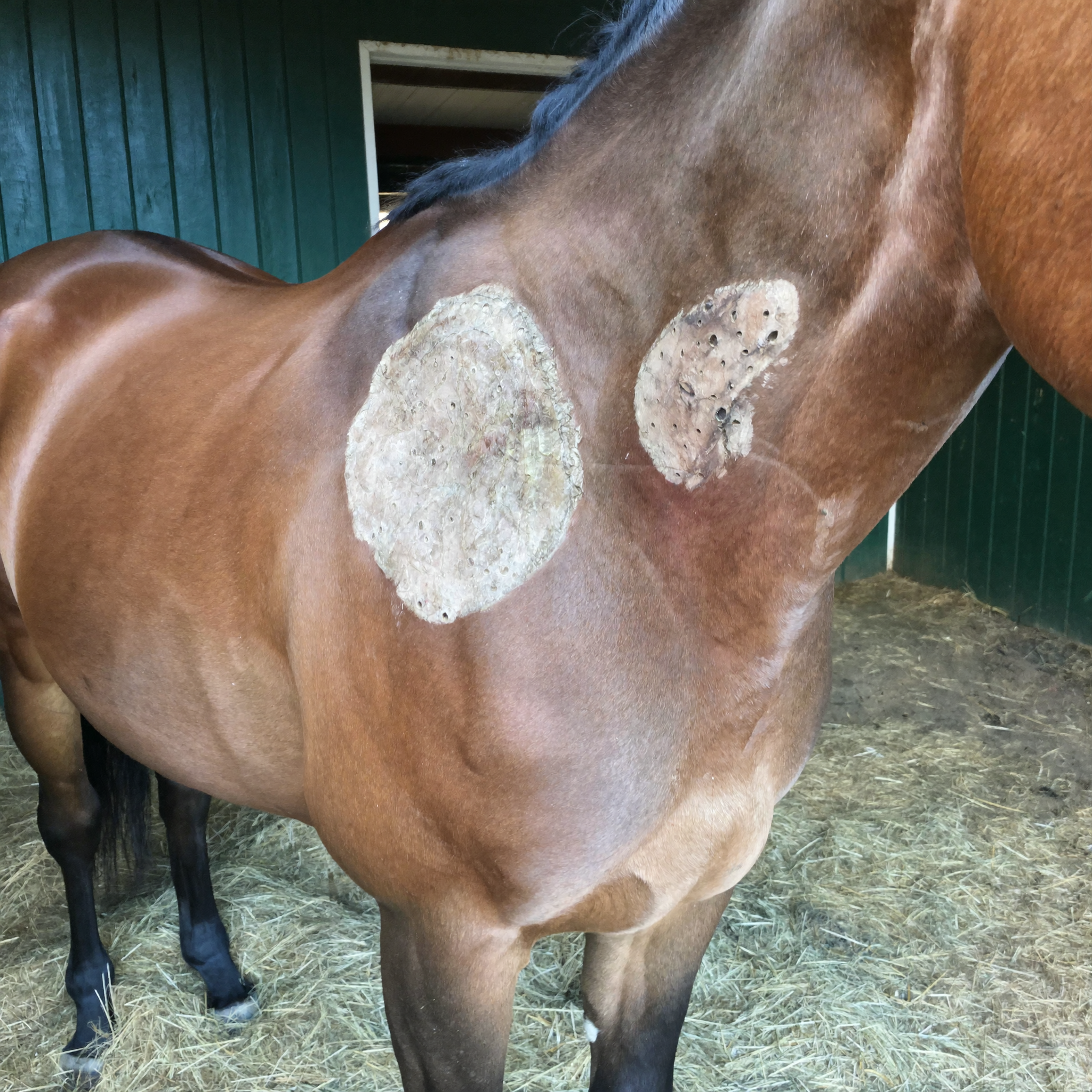
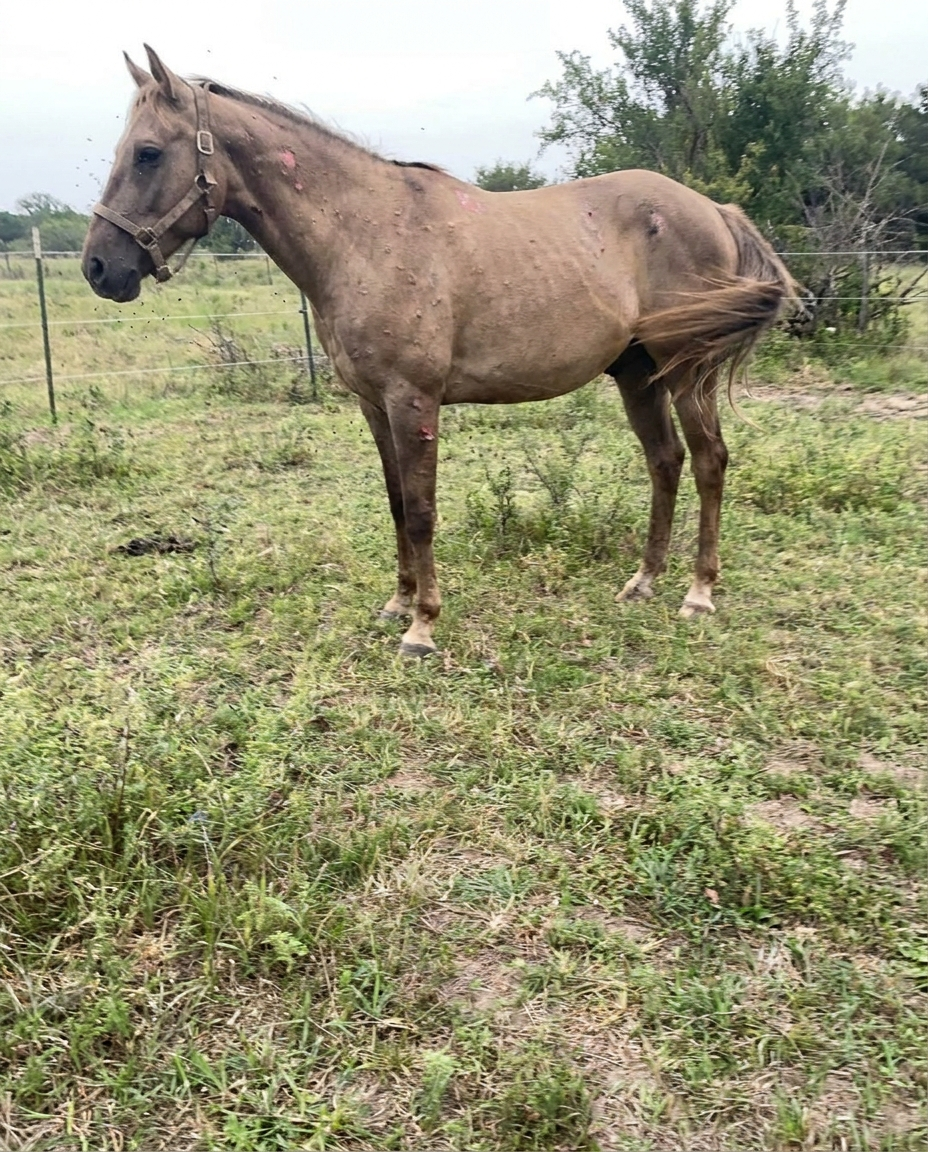
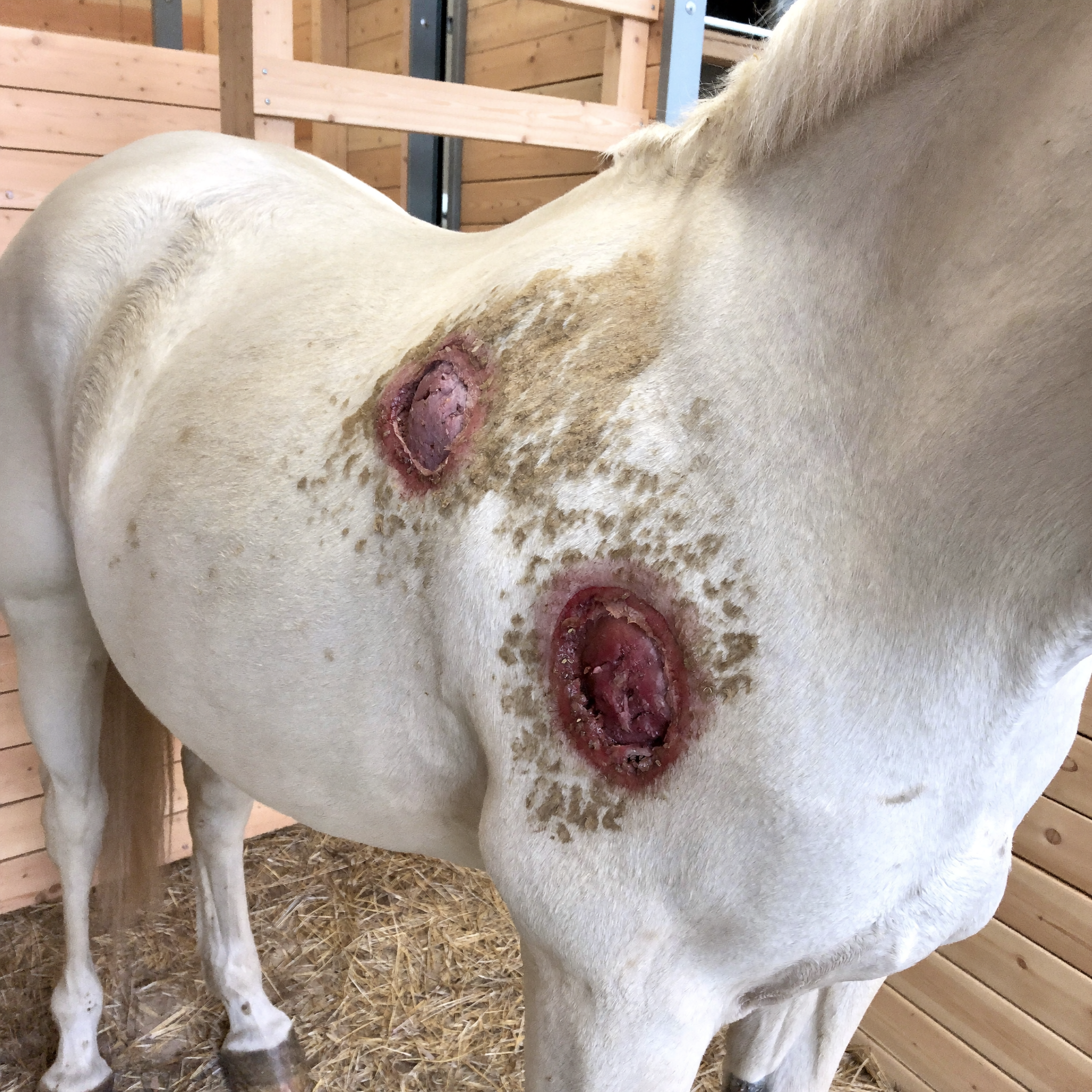
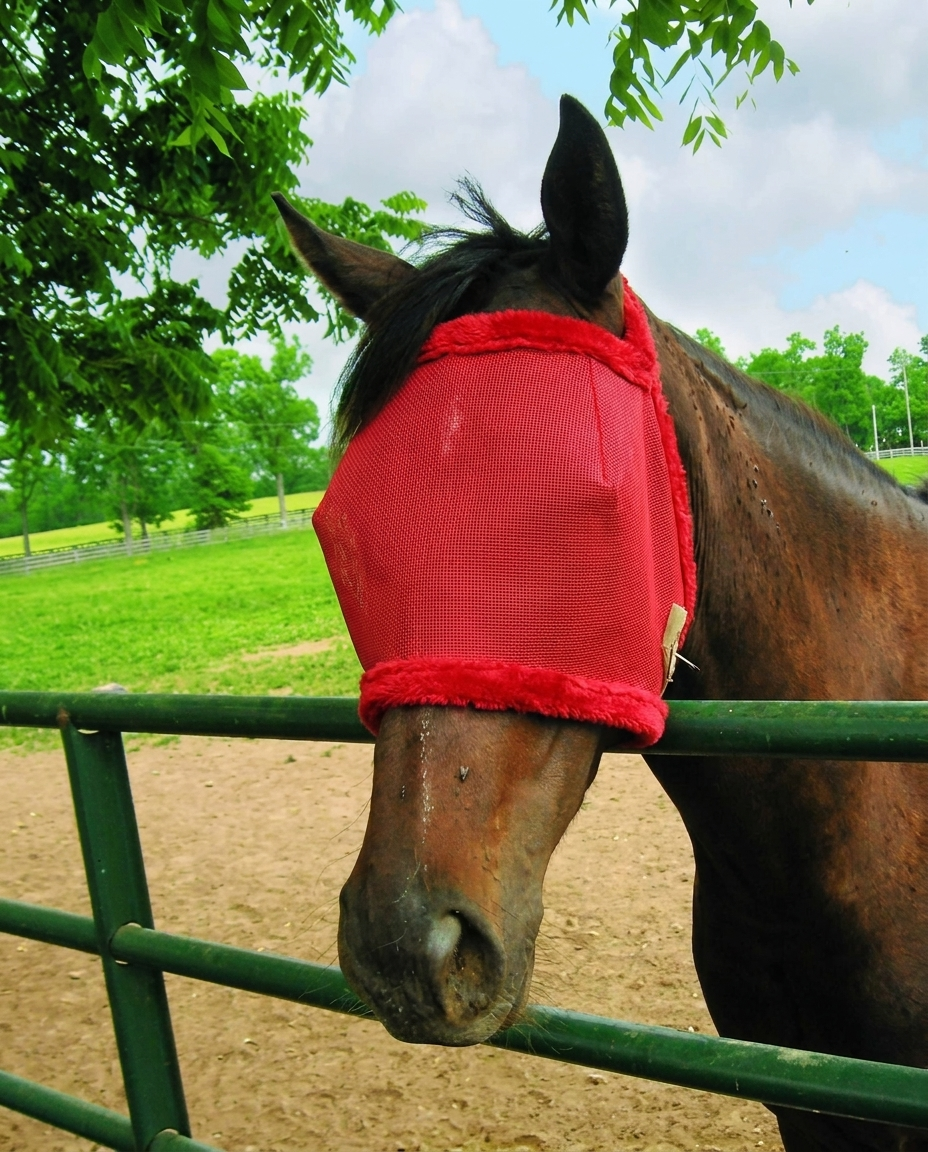
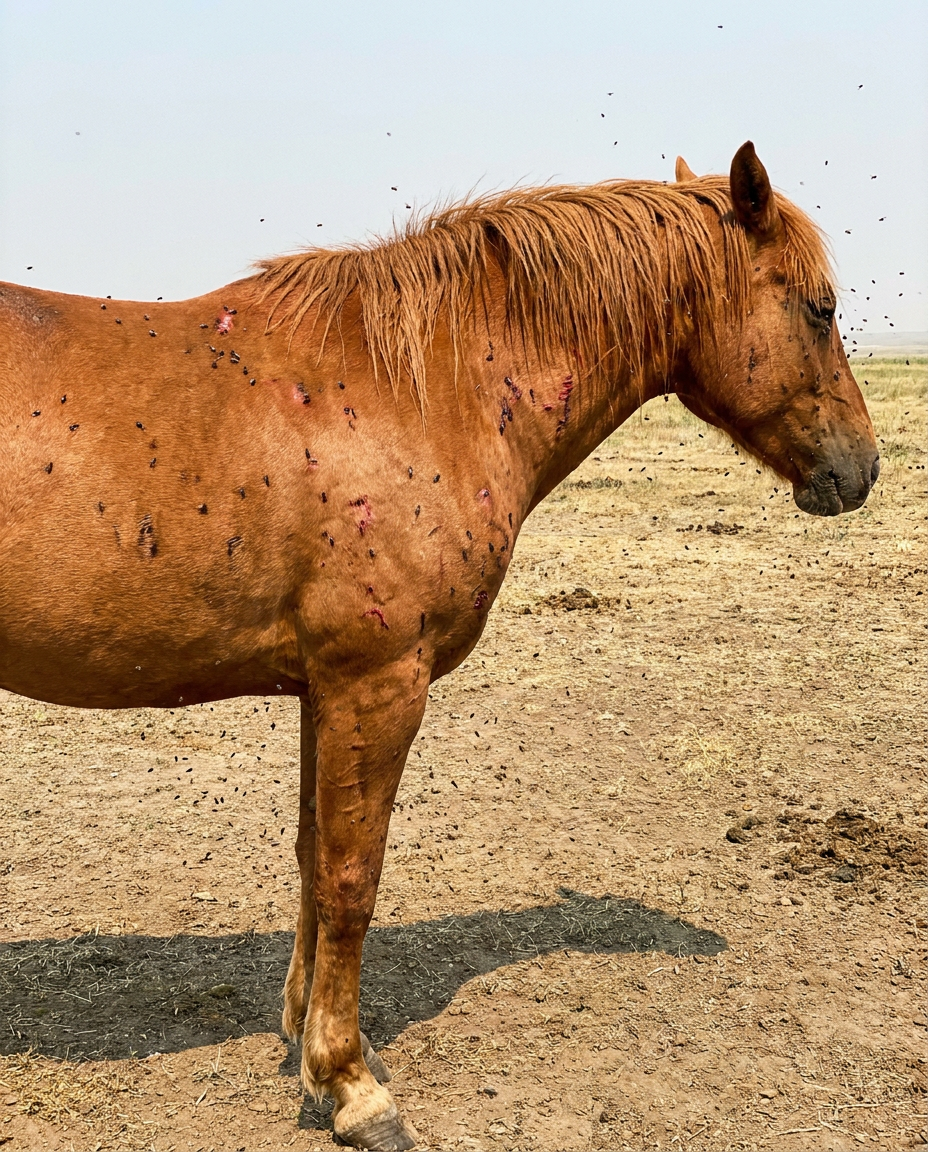
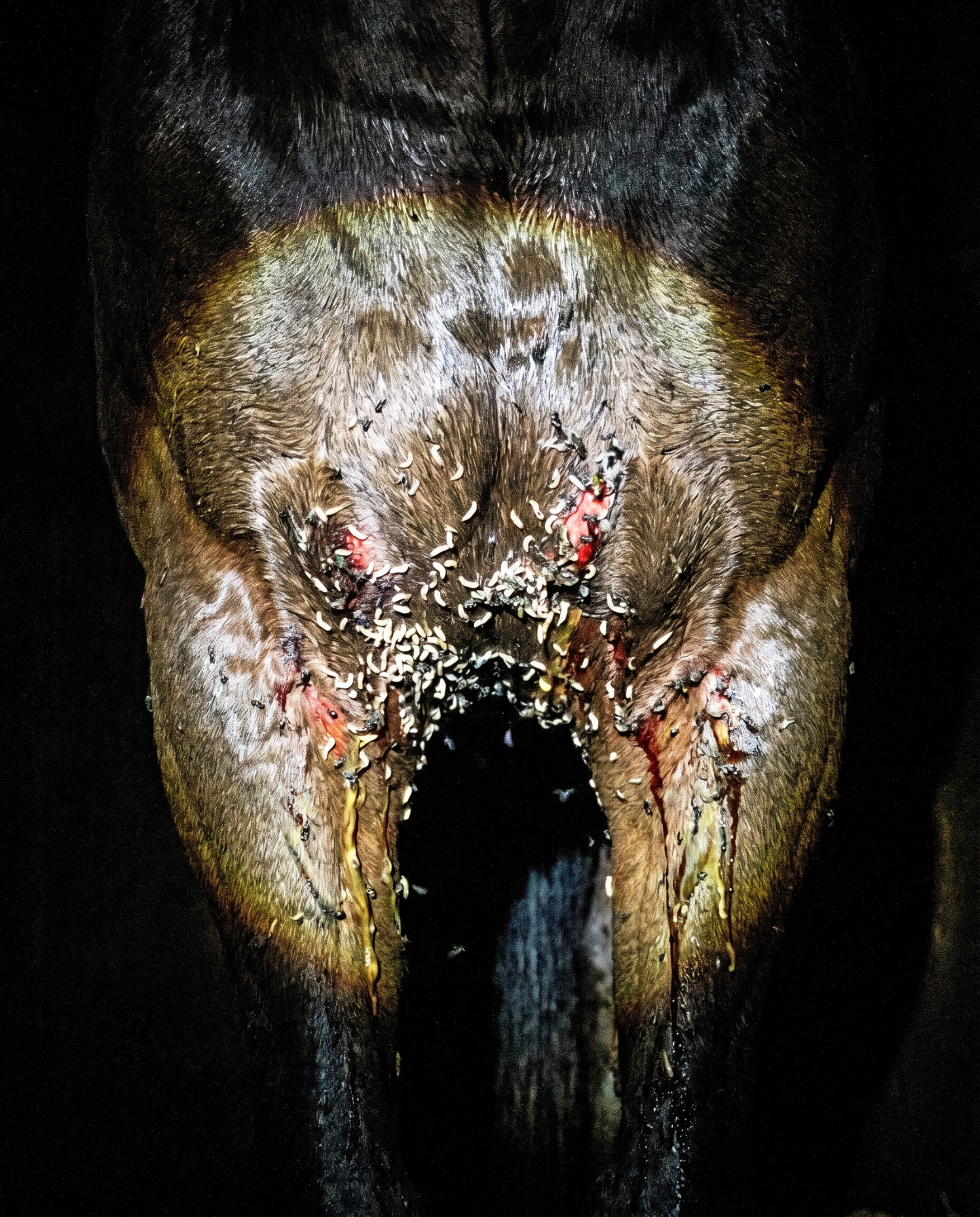
All I wanted was for Sully’s suffering to end. What I found later on made me understand everything that was happening to him. It all started that one horrible night. I heard screaming from the barn at 2 AM. What I found made my jaw drop. I have been around horses for thirty years and I have never heard a sound like the one that came out of my barn that night. It wasn't a whinny. It wasn't a neigh. It was a scream. A high, ragged, almost human sound, the kind of sound you don't ever forget once you've heard it come out of an animal you love. I sat straight up in bed. My husband was already reaching for the lamp. I was running across the yard in my nightgown and barn boots before I had fully woken up, with the flashlight from the kitchen counter clutched in one hand and my heart hammering so hard I could feel it in my throat. The barn was black. Down here we don't keep lights on in the barn at night. The horses can't sleep with them on, and a lit-up barn in the middle of a Southern summer pulls every flying thing within fifty yards straight to it. So the only light I had was the narrow beam in my hand, bouncing in front of me as I ran, lighting up six feet of crushed shell driveway at a time and then nothing. I thought he was caught in something. Cast in his stall. Colicking. Down. The screaming was getting louder. I got to the barn door and I could hear him slamming his body into the side of the stall from the other side of the wall. The whole structure was shaking. I shoved the door open with my shoulder and I pointed the flashlight straight ahead of me into the dark. The beam landed on his eye first. It was rolling. White showing all around the iris. He didn't see me. He was looking past me at something only he could see. I moved the beam down his neck. There were dark streaks running from behind his ears all the way down to his shoulder, and at first my brain told me he was bleeding from a cut. Then I realized it was sweat. He was lathered. Soaked. Like someone had run him for an hour. I moved the beam down further. I want you to understand what I saw when the light hit his belly. Not dirty. Not shadowed. Black. A solid, moving carpet of biting midges from the back of his front legs to the start of his sheath. So thick I couldn't see his skin underneath. Thousands of them. Thousands. Every square inch of his underside was alive with something feeding on him. I moved the beam up to his face. Around his eyes — clouds of mosquitoes. Not a few. Not a swarm. Clouds. The kind you only get down here on a still humid night when there's no breeze on the property, when the air sits on you like a wet wool blanket and every winged thing in the swamp comes inland looking for a meal. He had been standing in his stall trying to fight them off. He had finally lost his mind. I stood there in the doorway with my flashlight and I couldn't move. Because all afternoon I had been telling myself that the worst part of his day was over. The devil flies — the big ones, the cutting ones, the inch-and-a-half tabanids that come out in the heat of late afternoon and open his shoulders up like they've got little knives — they had been on him from one o'clock to six. I had pulled him into the barn at sundown and rinsed the blood off his neck and put him in his stall and told him the worst is over, buddy. You can rest now. And then at 2 AM the sun was down and it was worse. That was the night I understood, for the first time, the thing I had been refusing to understand for four summers. Down here it doesn't stop at sundown. The flies cut him open all afternoon. The midges and mosquitoes drain him all night. He gets nothing. No window. No break. No hour where his skin gets to heal, where the broadcast quiets, where his nervous system gets to come down off whatever wire it's been strung up on. Twenty-four hours. May to October. Six months. I have been through four of those summers with him. Sully was the easy horse. Nine-year-old Quarter Horse cross, bay with a snip on his nose, the kind of gelding the seller had to talk me down from buying because I was so sure something was wrong with him. I made her pull his vet records twice. There was nothing wrong with him. He was just a calm, well-built, sweet-natured horse and I could not believe my luck. The first summer down here he started getting bitten. By the second summer his belly looked like someone had taken a wire brush to it. By the third summer the inside of his ears would scab over by Tuesday morning if his mask slipped on Monday night. And every morning of every one of those four summers, I have walked out to his paddock with my coffee in one hand and a bottle of fly spray in the other, and before I have even reached the gate I have been bracing for what I am going to find. A new welt I missed yesterday. A raw open cut where a devil fly opened his skin in the afternoon. A new line of midge bites along his belly from the night. Blood on the halter buckle from where he scratched his face on the fence post. And every morning, before I do anything else, I say it out loud to him. I'm sorry, buddy. I don't know what else to do. There was a woman in a Southern horse owners group who wrote: "I just can't watch him bleeding from these things one more summer." Another one wrote, almost as a confession: "I feel so bad for him. Nothing seems to help." Another: "He's giving himself open wounds despite how much swat / fly spray / medicated ointment I've put on the wounds. Nothing is helping." I read these posts at night when my husband was already asleep and I felt something I had never felt with my own friends. Recognition. These were women who had stood at the same paddock fence I stood at, holding the same useless bottles I held, watching the same animals suffer in the same ways, all day and then all night. And every single one of them was carrying the same private weight. I am his person. I am responsible for keeping him safe. He is suffering. And there is nothing I can do. I tried everything you try down here. Pyranha yellow. Pyranha blue. Endure. Tri-Tec. Ultrashield Sport. Ultrashield Green. The fancy Swiss one a woman in my Facebook group swore by. Swat on the open patches. Zyrtec from Costco, fifty pills at a time. A $380 Rambo Sweet Itch Hoody he rubbed through by August. Fly mask with ears. Fly leggings. Fly boots. Apple cider vinegar in the trough. A spot-on treatment that gave him hives worse than the bites and a vet bill I haven't shown my husband. The vet out twice. Both times she said what vets say down here. Some horses are just more sensitive. Keep up the fly control. Try a stronger spray. I tried the stronger spray. The Pyranha yellow. I sprayed him with it on a hot Tuesday in July, in the cross-ties, with the barn doors open. The smell came up off his coat so strong it gave me an instant headache. I had to step outside and lean on the gate for a minute to keep from getting sick. And I stood there thinking — if it does that to me through one breath, what is it doing to him standing in it for nine hours. It worked for two hours. By 3 PM the devil flies were back on his shoulder. By 9 PM the midges were back on his belly. The night I found him in his stall at 2 AM with the black carpet on his belly, I went back into the house, I sat down on the edge of my bed in my barn clothes, and I started crying. Not loud. Just leaking. And I said the thing I had been refusing to think for four summers. Maybe I just shouldn't own this horse. Maybe somebody else could keep him safe. Maybe I am the wrong person for him. That was the night I finally went looking. I went downstairs at 3 AM. I made tea. I opened my laptop and I typed a question I had never let myself type out loud. Why does fly spray stop working so fast on horses. I expected nothing. It was a 3 AM question. What I found was a University of Florida interview with an entomologist named Jerry Butler. He had been studying equine pest control for decades. And he said, on the record, to a reporter, that the same pyrethroid chemistry every fly spray brand on the shelf is built on used to last three days on a horse in the 1980s. Today it lasts a couple of hours. Because the insect populations have evolved resistance. And rather than reformulate, the manufacturers had raised the prices, added booster ingredients, and kept marketing the bottles as though they still worked the way they used to. Then I found something worse. I went looking specifically for what entomologists say about the bugs we have down here — the devil flies in the day, the midges and mosquitoes at night — because I wanted to know if there was something different about them. There was. The Clemson and University of Florida entomology departments both publish, on the record, that there are no widely effective products for controlling tabanid populations on horses. "Tabanids are very difficult to control. There are no widely effective products or strategies for controlling populations." And the midge research said something almost worse — that biting midges are so small they slip right through the standard fly screen mesh in most barns, which is why the stalls don't keep them out at night. I read those two paragraphs three times. The bottles I had been buying for four summers — the ones I had been blaming myself for misapplying — had never been built to work on the things that were eating my horse alive in either direction of the clock. The entomologists knew it. The fly spray companies knew it. The only person at the paddock fence who didn't know it was me. Then I went deeper. I found research that took the floor out from under me. It turned out biting insects don't find horses by chance. They track them by smell — a chemical plume the horse releases through her skin made of carbon dioxide, lactic acid, octenol, ammonia compounds. The plume travels up to five miles on the wind. The fly locks onto it through receptors on her antennae and follows it straight to the source. The mosquito does the same thing at night with the same chemistry. So does the midge. The plume is the same. The receivers are different sizes, but they're tuned to the same broadcast. And when a horse gets bitten, the inflammatory response amplifies the plume. One bite recruits more flies. More flies mean more bites. More bites mean a bigger broadcast. A loop. And down here, where the day shift is the tabanids and the night shift is the midges and mosquitoes, the loop never stops cycling. Sully's body had been broadcasting at maximum volume for four summers in a row, twenty-four hours a day, and every fly spray I had ever sprayed on him was designed to kill or repel insects after they had landed. None of them did anything about the signal pulling them in. Which meant the bottle in my hand at the paddock fence every morning — the bottle I had been spraying on him with my coffee in my other hand for four years, the bottle whose emptiness I was mistaking for my own failure — had been built to fight a war I had been losing before I even started fighting it. On both ends of the clock. I sat in my kitchen at 4:17 AM and I felt something in my chest that had been wound tight for four years just unspool. It wasn't me. It wasn't a failure of effort. It wasn't a failure of love. It wasn't a failure of money. It was a failure of information. I had been handed a map with the wrong enemy circled, and I had been following it for four years while my horse suffered around the clock. There was a woman on one of the threads who wrote: "It's frustrating to watch your horse bleeding from these things and not be able to help." I want to be able to reach back through the screen and tell her what I know now. You haven't been failing him. You've been fighting a broadcast no fly spray was ever designed to find — least of all the kind of broadcast that runs all day and all night down here. Down the same rabbit hole I found the answer. Aromatic plant oils — citronella, peppermint, tea tree, lavender — that don't kill insects. They bind to the receptors on the insect's antennae and shut down her ability to smell the horse. The plume keeps broadcasting. The receivers can't pick it up. The fly drifts into the scent column at 3 PM, can't read it, and drifts back out. The mosquito does the same thing at 11 PM. The midge does it at 4 AM. They all use the same receivers. The four oils jam all of them. Not killed. Not driven off by chemical burn. Just unable to find him. I found a spray by Renoura that used exactly those four oils. I ordered a bottle at 4:43 AM and went upstairs and went back to bed. It came on a Thursday. I sprayed Sully down Friday morning before turnout. I sprayed him again that night before I closed the barn up. By the following Tuesday — six days — there were no new cuts on his shoulder and there were no new lines of midge bites on his belly. By the end of the second week the old cuts were scabbing over and starting to heal instead of being reopened every afternoon. By week four I could see hair coming back on his belly where the midges had been opening him up for three summers running. By week eight he stood quiet in the paddock under the live oak at 3 PM in August, and at 2 AM he was sleeping flat out in his stall with his nose tucked against the bedding. Not pacing. Not slamming his shoulder into the wall. Sleeping. I walked up to the fence one afternoon with my coffee in my hand. For the first time in four summers I did not say I'm sorry, buddy. I just stood there with him. If you have ever stood at a paddock fence down here holding a bottle that doesn't work — if you have ever heard a sound come out of your barn at 2 AM that you would do anything to never hear again — I'm not going to tell you what to do with this. I'm going to tell you I spent four summers thinking I was failing Sully, and it turned out the bottle in my hand was failing both of us, around the clock, and the woman who wrote I could kick myself doesn't have to keep saying that to herself either. The link is below if you want to look at what I found. Sully's coat is closed and clean now. Last night I walked out to the barn at 11 PM to check on him before bed. He was lying down in his stall, breathing slow, eyes closed. I stood at the door. And for the first time in a long time, I didn't apologize to him.
Like this ad? Make it yours.
Crush rebuilds this exact creative around your product — your brand, your colors, your offer — in about a minute.