
Active· since Jun 15, 2026
- 95
- days running
- 1
- relaunches
Ad copy
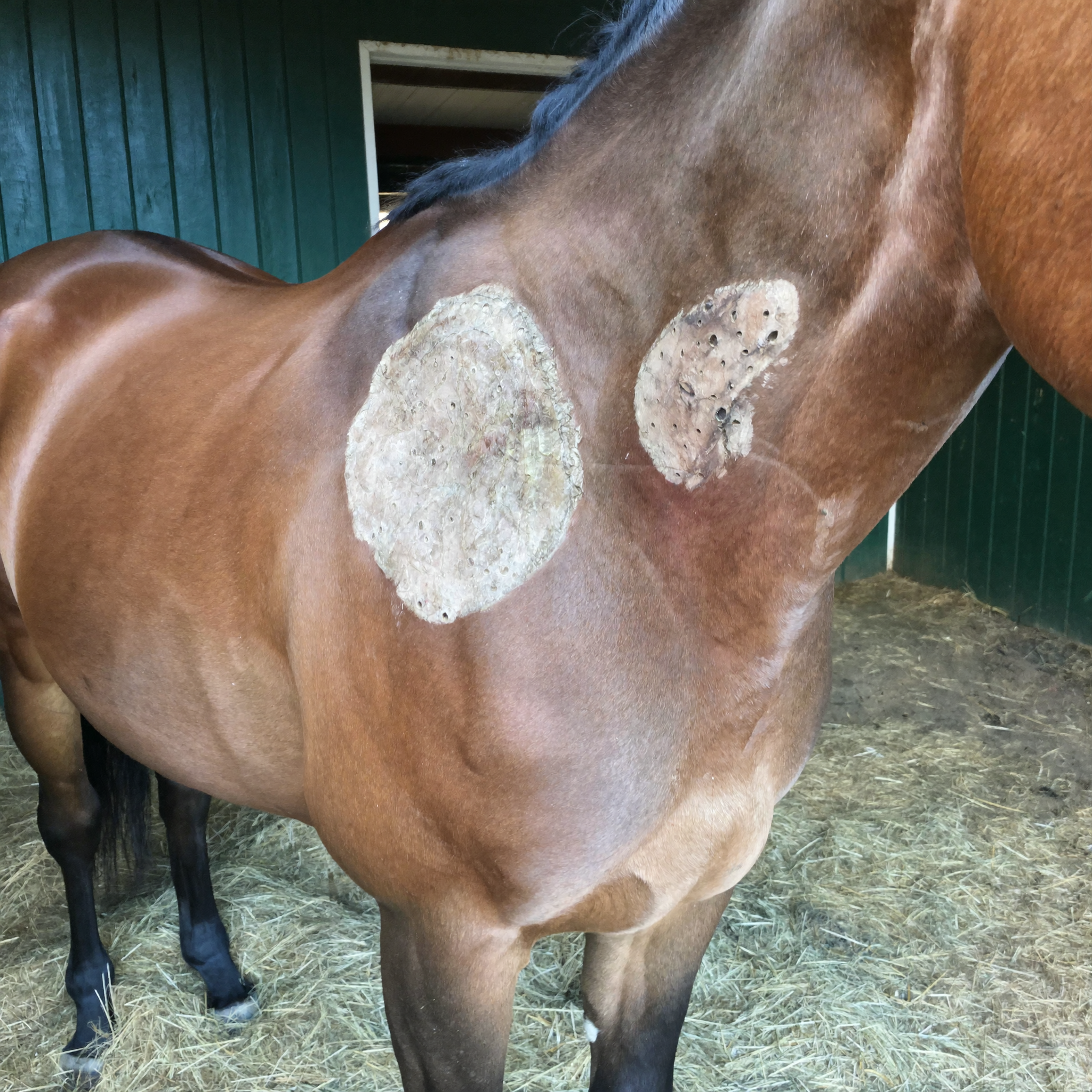
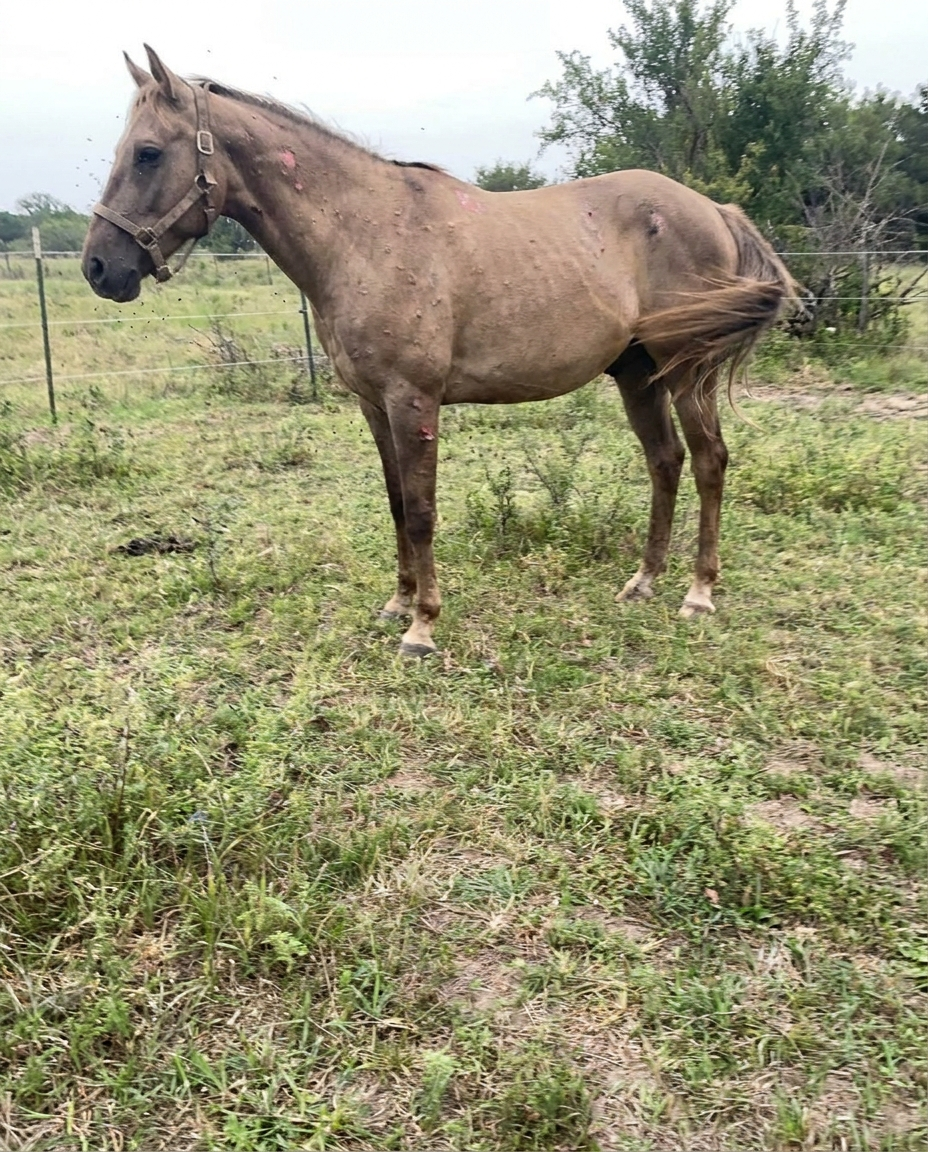
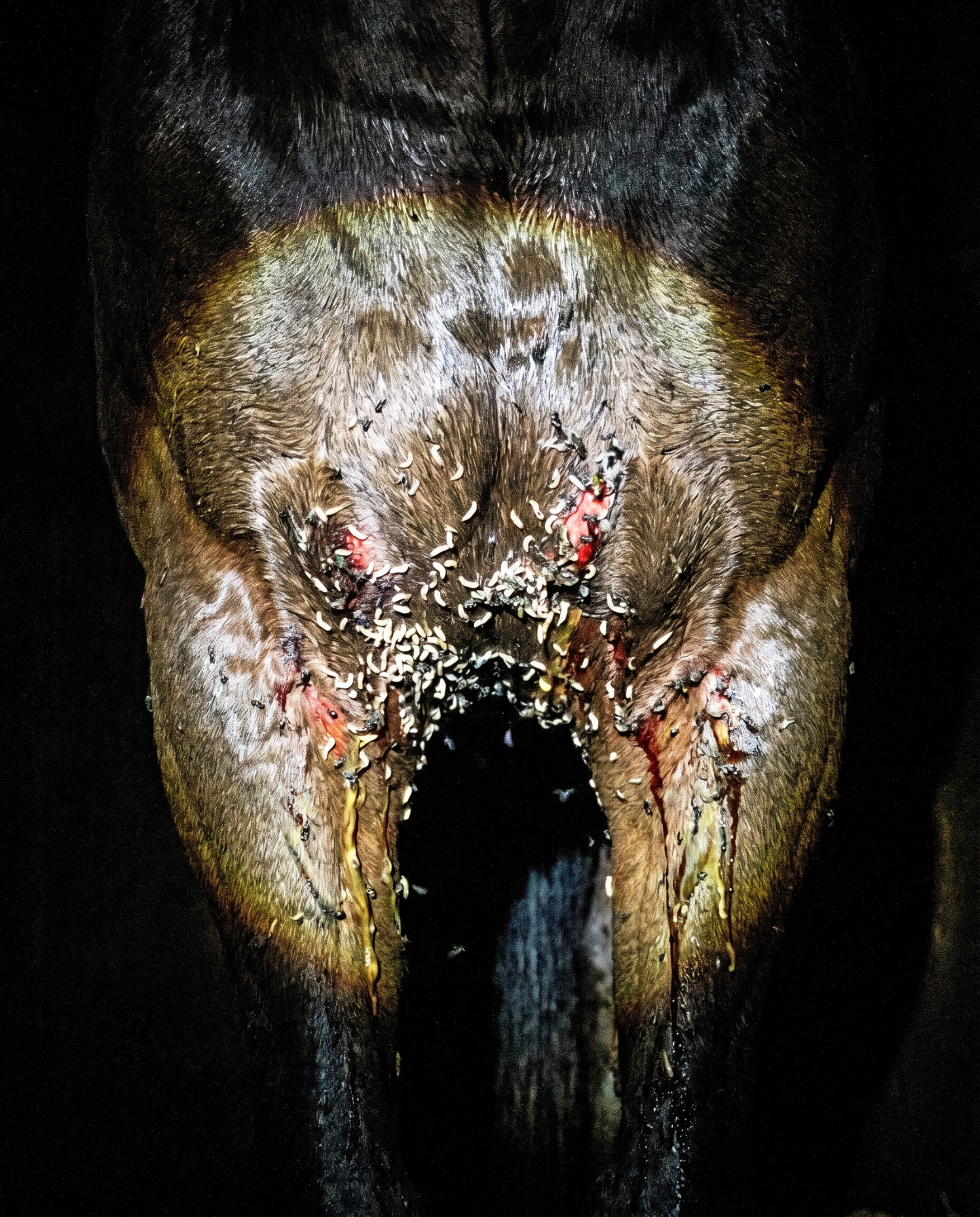
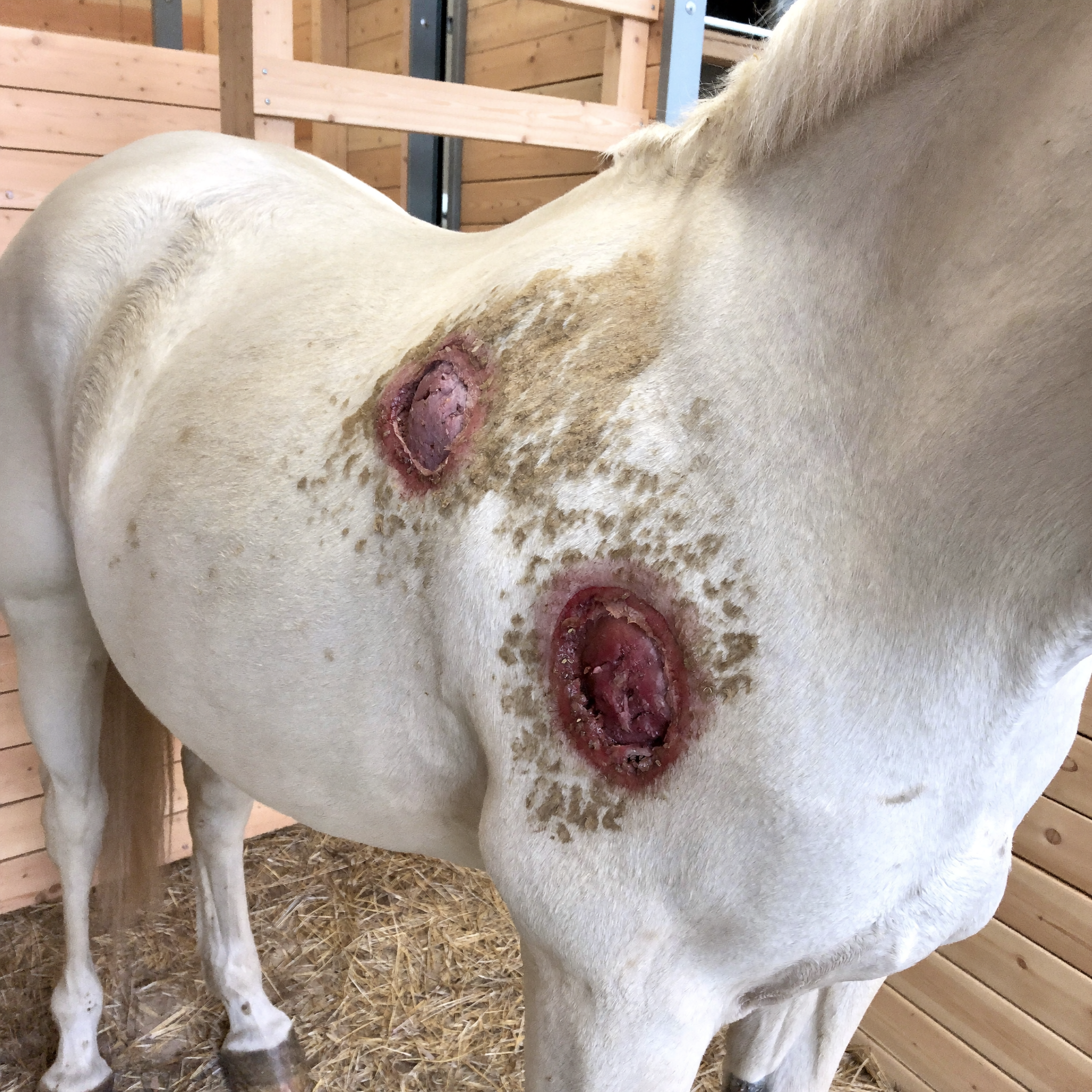
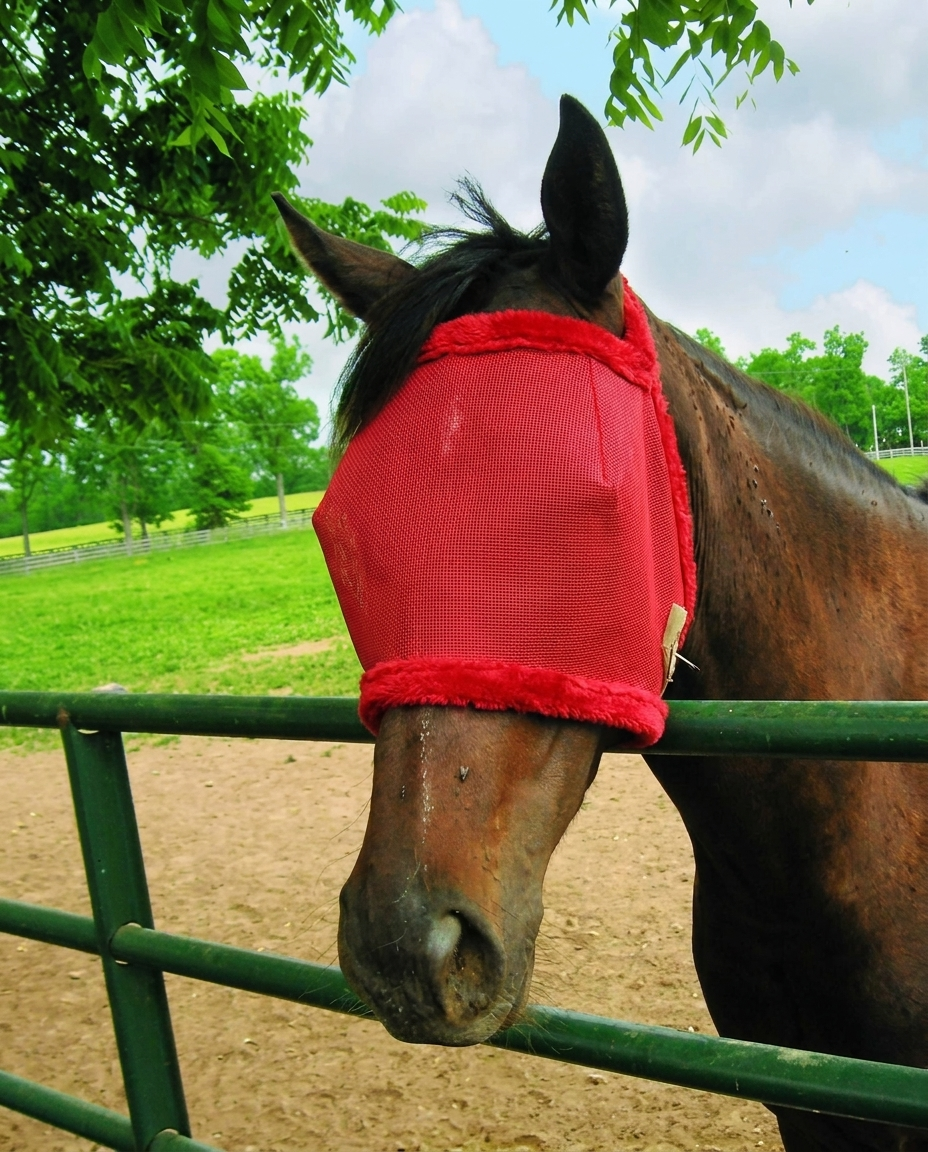
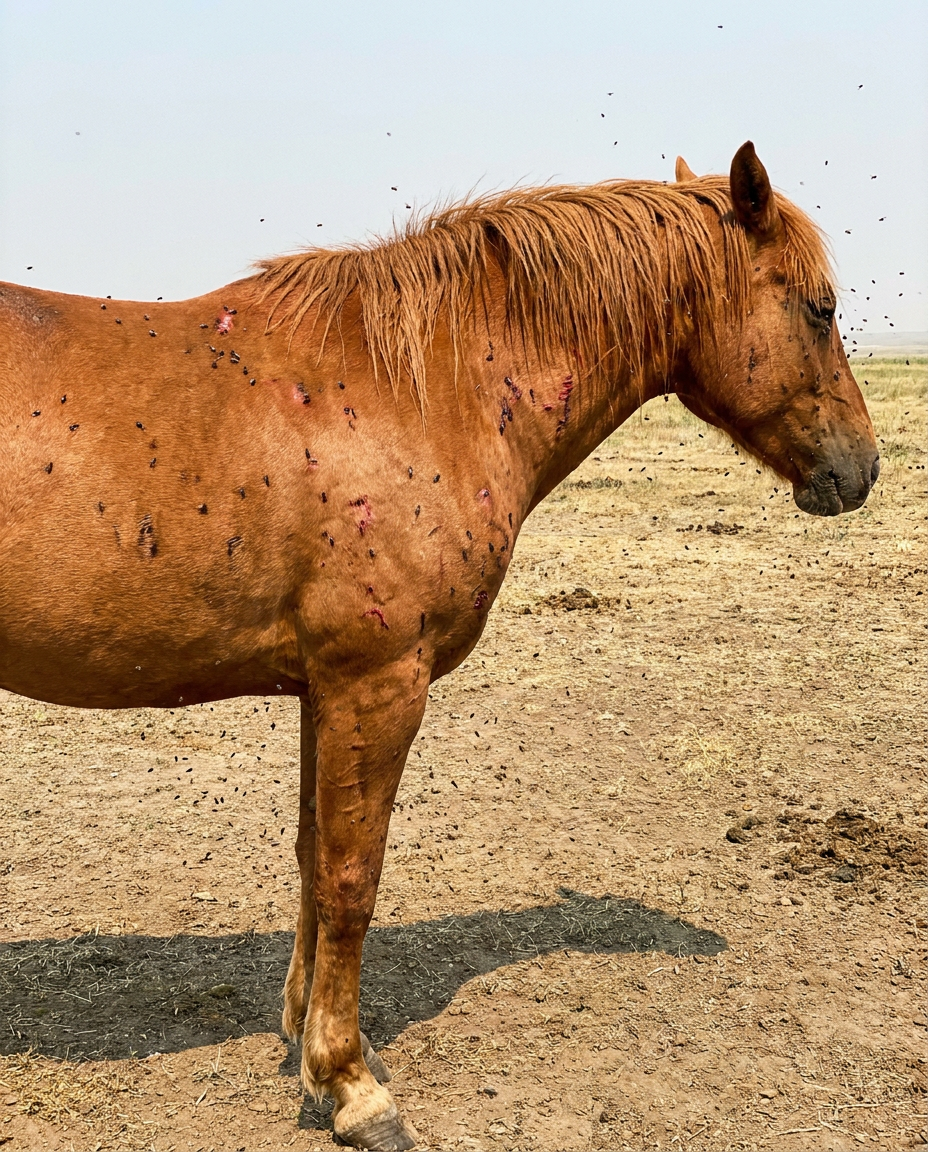
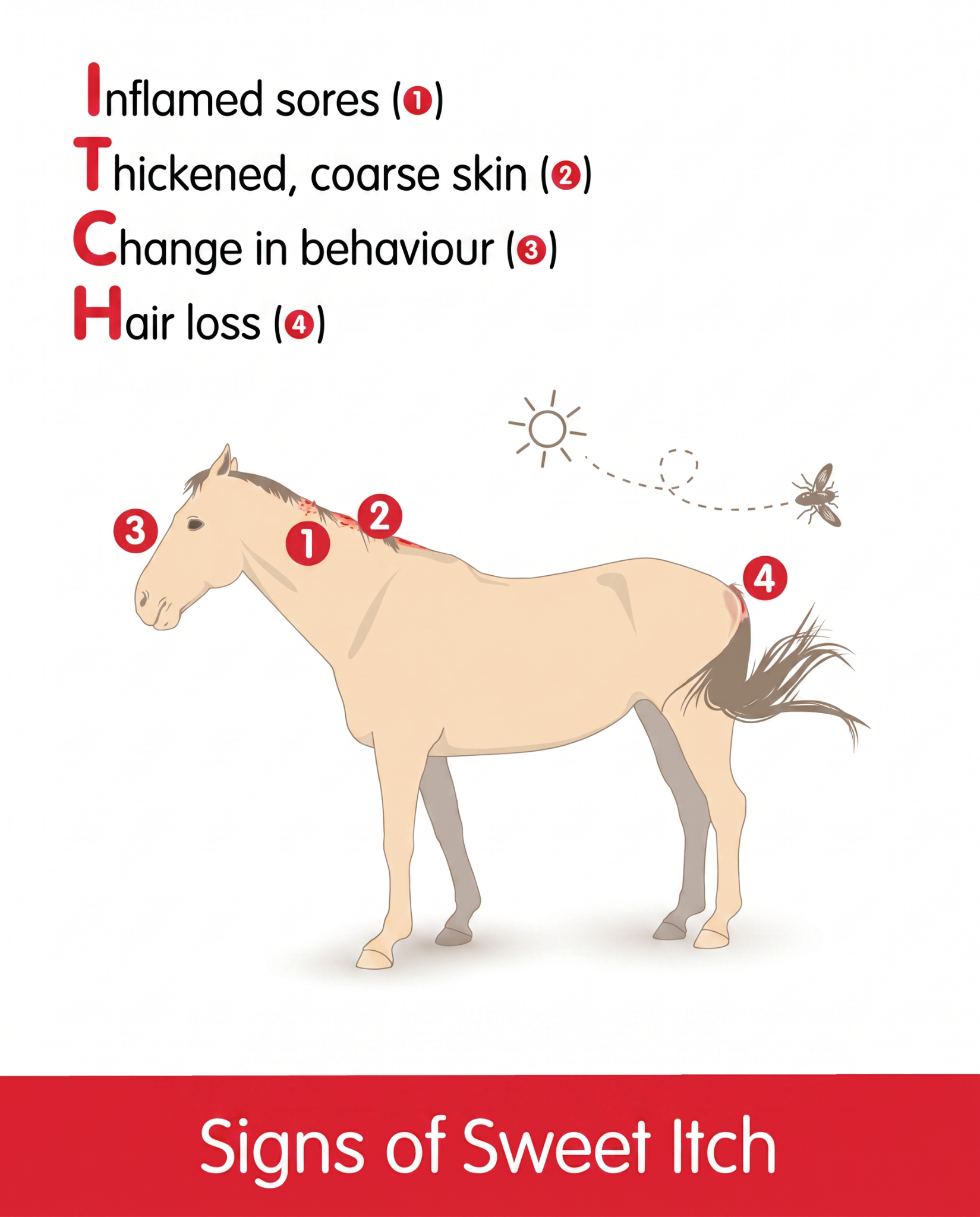
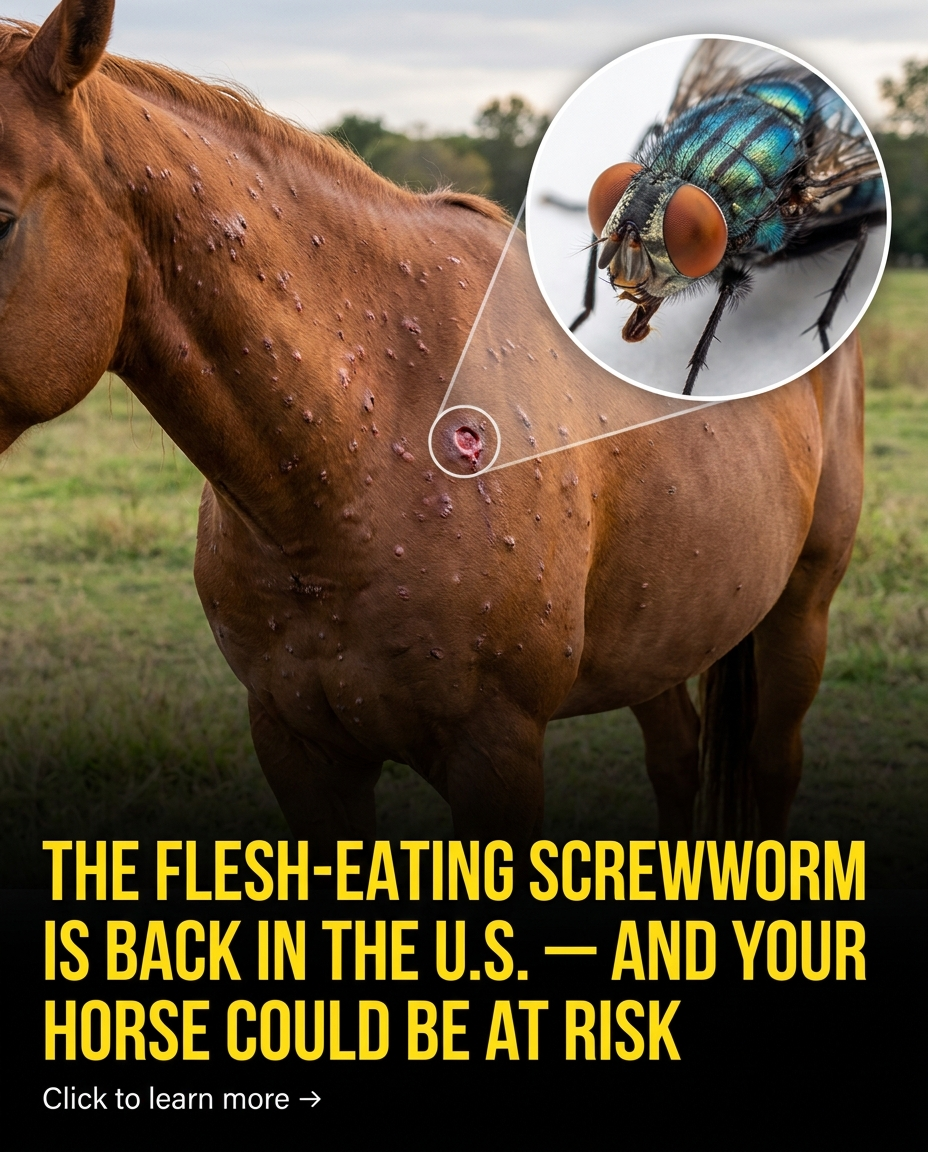
The Flesh-Eating Screwworm Is Back in the U.S. for the First Time in 60 Years — and Your Horse Could Be at Risk. It was eradicated in 1966. As of June 2026, it's confirmed in Texas and New Mexico — and the ranchers who remember it say you never forget the smell. Here's what it does, and the one prevention step almost no one is talking about. For nearly sixty years, American horse and livestock owners didn't have to think about the New World screwworm. The U.S. wiped it out in 1966 in one of the most successful eradication efforts in agricultural history. That's over. In June 2026, the USDA confirmed the first cases inside the United States in decades — first cattle in Texas, then a goat, then dogs, spreading county to county. The fly moves on its own up to 15 miles a day. And it doesn't care whether the animal is a steer or a horse. It targets any warm-blooded animal with an opening in its skin. Here's what makes it different from every other fly your horse deals with. Most flies bite and move on. The screwworm fly lays its eggs in living flesh. A female lays hundreds of eggs in an open wound, and when they hatch, the larvae use hooked mouths to burrow deeper into the living tissue — feeding, widening the wound, and, if it isn't caught, killing the animal. It can happen in as little as 12 to 24 hours. A scrape becomes a crater. A small sore becomes something a vet has to cut out. The ranchers old enough to remember the last outbreak don't talk about it like a statistic. One, who was a boy during the 1973 outbreak, remembers riding out to infested cattle with a holstered revolver in case an animal was too far gone to save. A 62-year-old in South Texas still recalls the smell of the carcasses too far gone to treat. Another, sixty years old: "You never forget the smell." And here is the detail almost no one is connecting the dots on. The screwworm fly needs a wound to start. It can't lay its eggs in healthy, intact skin. It needs a door. And the USDA's own guidance spells out how small that door can be — they specifically tell owners to check "even small wounds like tick bites." So ask yourself what's already opening those doors on your horse, all summer long. The fly bites that he rubs raw on the fence. The welts on his belly he scratches until they bleed. The sores inside his ears. The bald, weeping patches where he's worn himself down trying to get relief. Every one of those is an open wound. Every one of those is an entry point. The biting insects tormenting your horse this summer aren't just making him miserable — they're cutting the doors a screwworm fly is looking for. Which is why fly control matters more this year than it has in sixty years. Here's what protects your horse — in order of what matters most: 1. Check your horse every single day. Look him over — his belly, his legs, his ears, any nicks or sores. Look for any draining or growing wound, any spot that seems to bother him, anything that looks or smells wrong. 2. If you see anything suspicious, call your vet or the USDA immediately — before you clean it. Screwworm is a federally reportable pest. The lab needs the sample intact to confirm it. Do not wait, and do not treat it yourself first. This is the step that saves the animal. Nothing replaces it. 3. Keep wounds from opening in the first place. The fewer raw, bitten, scratched-open spots on your horse, the fewer doors there are for the fly to find. And you can start on that third one today — by using a fly spray that helps keep those wounds from opening in the first place. Renoura isn't a screwworm treatment, and nothing sprayed on a coat replaces checking your horse and calling your vet. What it does is work upstream of the problem — on the biting insects that open the wounds to begin with. And it does it differently from the sprays that have quietly stopped working. Most fly sprays try to kill or repel insects after they've already landed. Renoura works a step earlier: it keeps them from finding your horse at all. Biting insects don't locate a horse by sight or by chance — they track him by scent. A horse's skin gives off a plume of carbon dioxide, lactic acid, and other compounds that drifts on the wind, and the insect locks onto it through the scent receptors on her antennae and follows it straight to him. Renoura is built on aromatic plant oils whose volatile compounds interfere with that tracking. They fill the air around the horse with scents the insect's receptors can't read through — effectively jamming her ability to detect and home in on him. She drifts toward the horse, loses the trail, and moves on, without ever landing and without ever biting. And the oils doing that work aren't arbitrary. They're some of the most established plant-based insect deterrents there are: Citronella — one of the most widely used and studied plant-based insect repellents in the world, relied on for well over a century. Litsea cubeba and clove — rich in citral and eugenol, two compounds research has repeatedly shown carry strong repellent and insect-deterrent activity. Lavender, peppermint, and thyme — long documented in the scientific literature for their ability to repel and deter biting insects. Together, these oils don't try to win a chemical arms race the insects have already evolved past. They simply make your horse harder to find — and a horse that's harder to find gets bitten less, rubs himself raw less, and carries fewer of the open wounds a screwworm fly is hunting for. It's not the whole answer. It's one piece of keeping your horse's skin intact in a summer when intact skin matters more than it has in decades. In a year when a flesh-eating parasite is back on American soil for the first time since 1966, the smartest thing you can do is simple: check your horse daily, call your vet the moment anything looks wrong — and keep the biting insects from opening the wounds that start the whole thing. Here is link below to learn more.
Like this ad? Make it yours.
Crush rebuilds this exact creative around your product — your brand, your colors, your offer — in about a minute.