
Active· since Jul 2, 2026
- 78
- days running
- 1
- relaunches
Ad copy
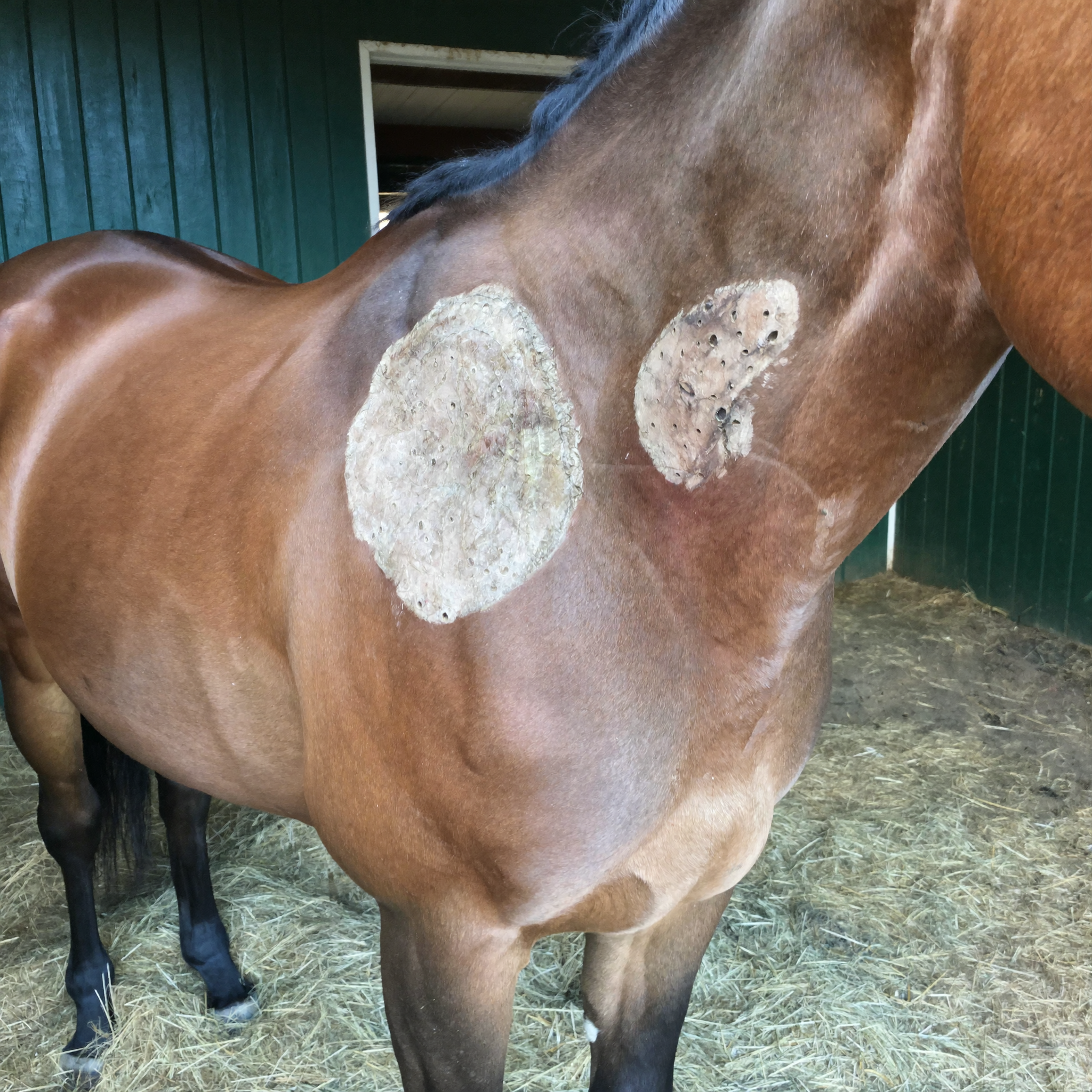
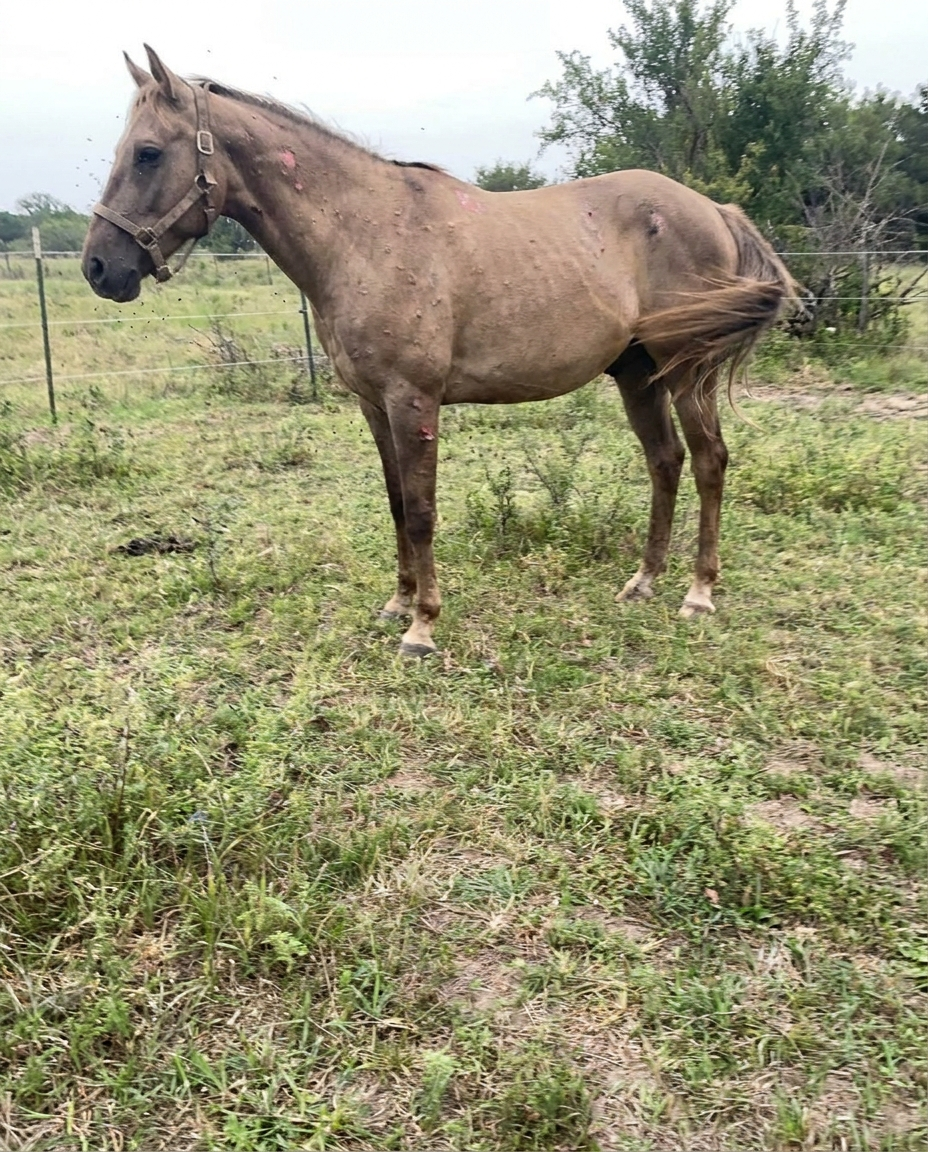
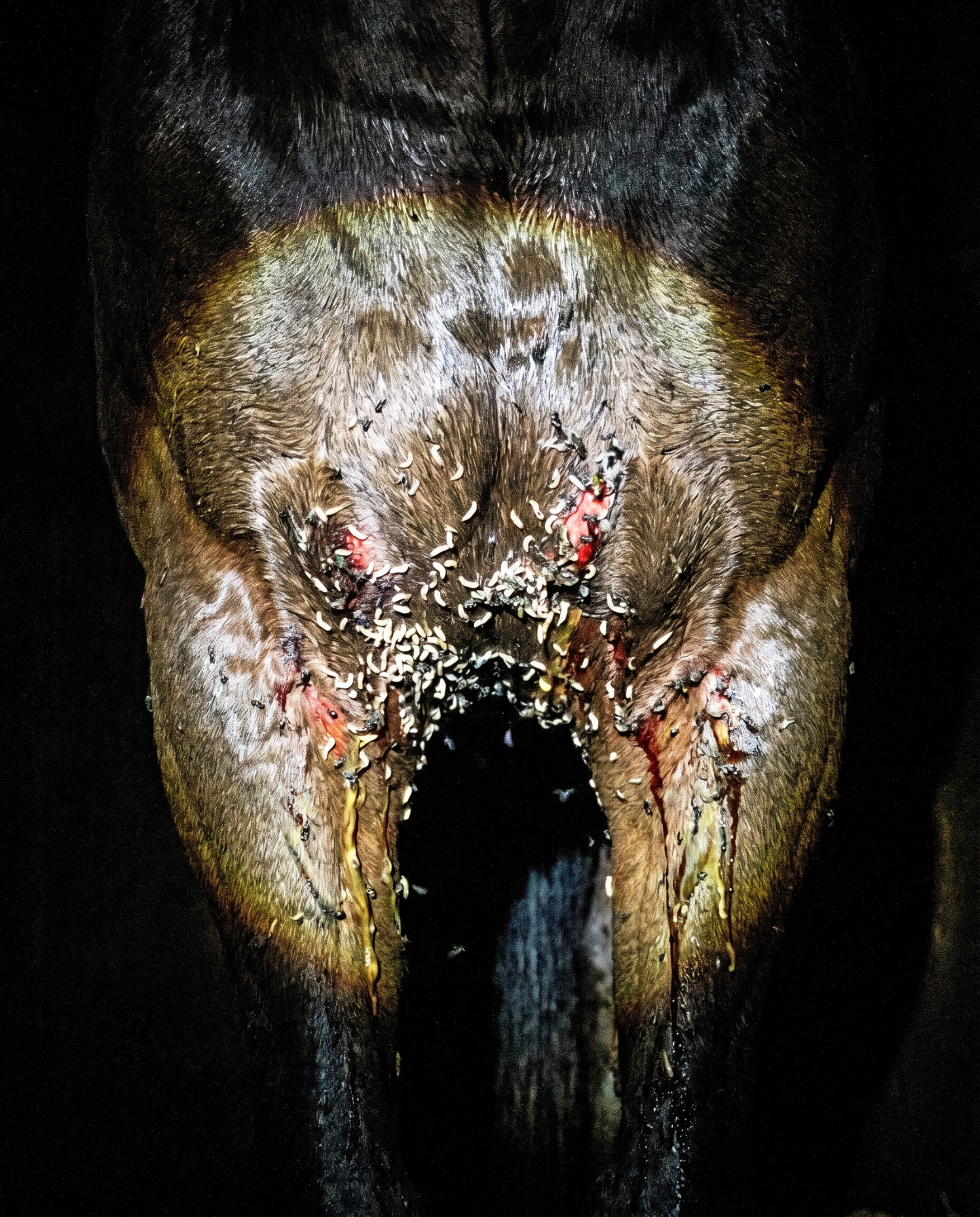
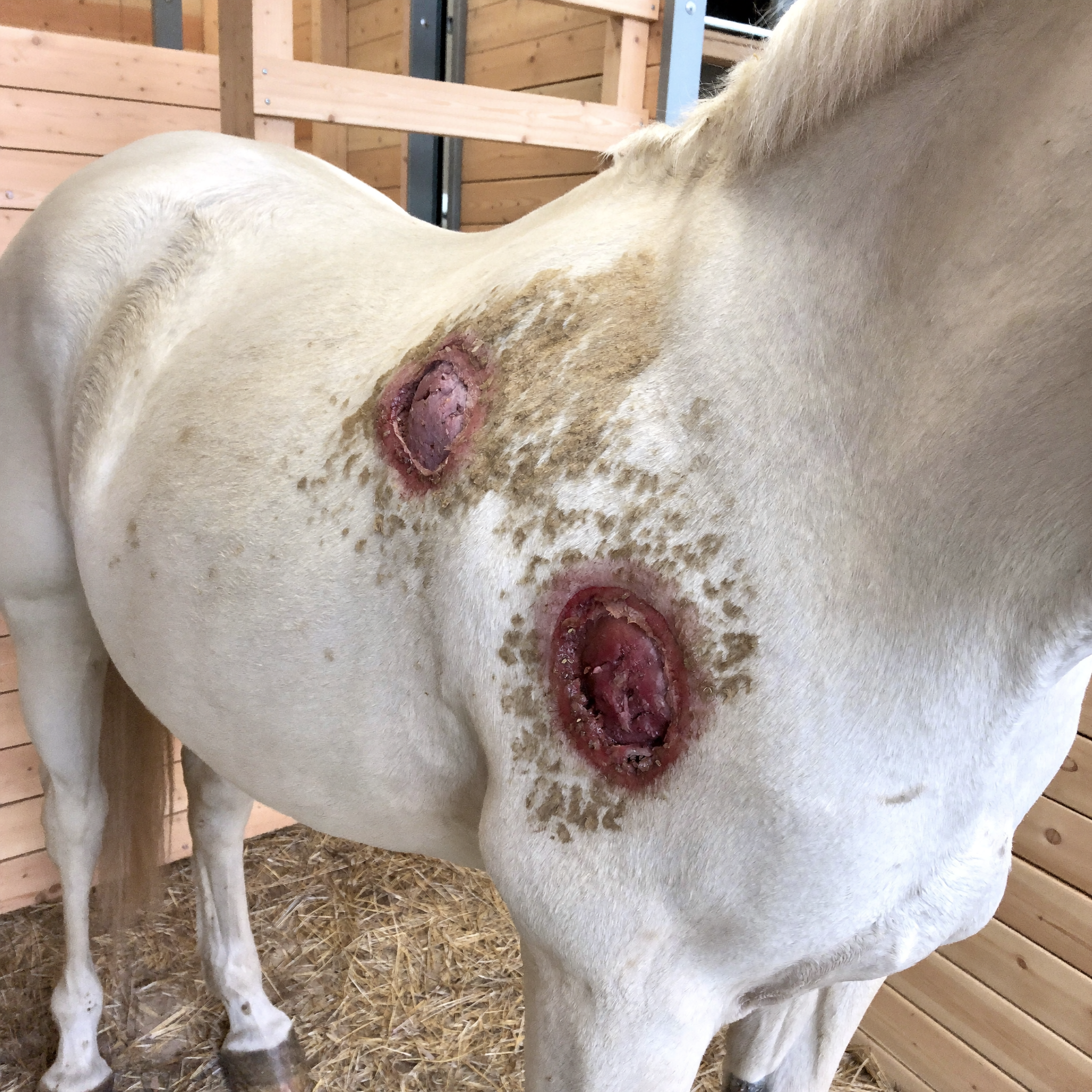
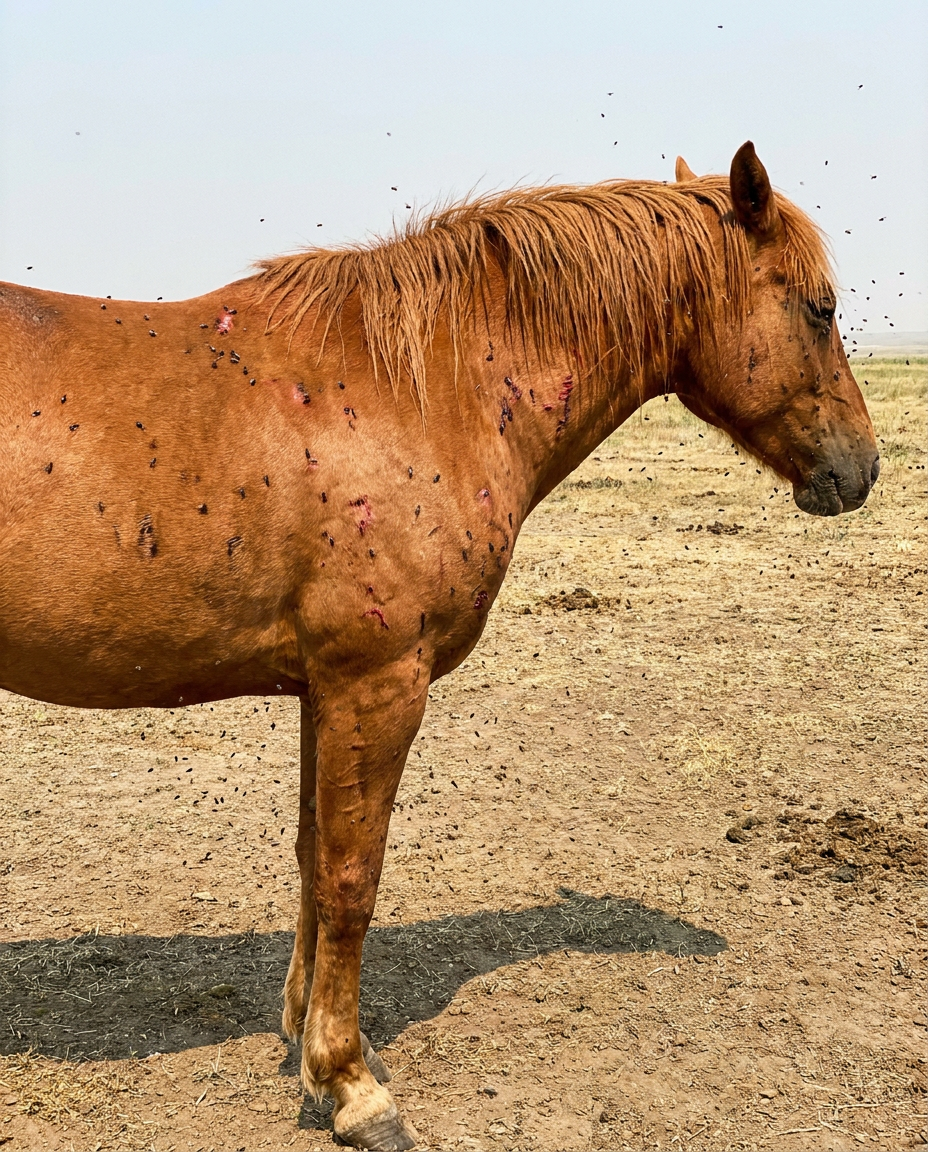
For eighteen years I told every boarder at my barn the same thing. Fly spray is a scam. And all it took was a stranger's horse standing unbitten in my own pasture for me to question everything I knew about flies. I've run a small boarding barn in East Texas for eighteen years. Twelve stalls, forty-some horses through here over the years, and every one of those horses came with an owner, and every owner came with a bag of products. Which means I have watched more fly spray fail than most people will ever buy. There's a shelf in my feed room I used to call the graveyard. Half-used bottles boarders left behind when they moved on or gave up. The yellow one. The blue one. The expensive one in the silver bottle. The ones with "natural" printed big on the front that smelled like a scented candle and worked about as well as one. I never threw them out. I kept them the way some people keep receipts, as evidence. Because I kept a ledger in my head the way only a barn manager can. Who sprayed what at morning turnout, and whose horse was still stomping by two in the afternoon. Year after year, the answer was everybody's. Somewhere around year ten, I stopped being polite about it. When a new boarder asked me which fly spray to buy, I gave them the truth as I understood it. It works for about half the bottle, then quits. The flies laugh at it. You're paying for the label. And if spraying makes you feel like you're doing something then fine. But understand that's what you're buying. A feeling. Fly spray is a scam. All marketing hype. I said those exact words more times than I can count. And I had my proof standing out in the pasture. Her name is Birdie. Copper mare, fifteen-two, the kindest eye on the property. And the flies found her worse than any horse I've ever managed. Welts down her belly like someone had thrown gravel at her. She rubbed her tail head raw on the gate until it bled. There were stretches of July when she'd stand in the pond up to her hocks for hours, because it was the only place they'd leave her be. Think about that. The barn expert. The one everybody comes to with questions. And I could not keep flies off my own mare. I did what you've done. I worked through that graveyard shelf twice over. Sprayed her with every abandoned bottle on it, bought a few more of my own, layered on the mask and the sheet and the spot-on. She'd be miserable again by mid-afternoon, every time. I had Dr. Reyes out, too. She's looked after this barn's horses for over a decade, and she's as straight as they come. She went over Birdie carefully and told me the honest truth. That some horses are just more sensitive to bites, there's no magic bullet, keep up good fly control and good management. That wasn't bad advice. It was the right advice. There just wasn't a fix in it. That’s when I quit buying things to help get rid of the flies. I quit trying, if I'm honest. Told myself that at least I wasn't a sucker anymore. That I'd graduated from hope. Birdie spent her summers standing in the pond, and I called that realism. Then, middle of last July, a new boarder moved in. Quiet woman from two counties over, hauled in a dark bay gelding. And within the first week I noticed something that irritated me more than I'd like to admit. Her horse wasn't getting bitten. Same pasture as mine. Same pond. Same gray clouds of flies hanging over the gate at feeding time. Every other horse out there was swishing and stomping through the worst of the afternoon and her gelding grazed flat-footed like it was October. I'm not proud of this part but I watched that horse for two full weeks before I said a word to her. I kept waiting for the welts to show up, the way they always do, the way they did on every horse I'd ever told the truth about fly spray. They didn't show up. So one evening at the gate I finally asked her straight out what she was using. And she said she'd stopped trying to kill the flies years ago and that she used a spray made of plant oils that kept them from finding her horse in the first place. I laughed. Right there at the gate. I told her about my graveyard shelf, about the "natural" bottles that smelled like a garden party and did nothing, about eighteen years of watching this whole aisle fail. She didn't argue with a word of it. She said, "I had that same shelf. Don't take my word for it but go look up the oils yourself. Citronella, litsea cubeba, clove, thyme. Read what the research actually says about them and biting insects. Then decide." She told me the brand she used was called Renoura. I wrote it on the back of a grain receipt, stuck it in my truck, and stewed about it for two days. I sat down at the kitchen table that night and looked it up. All of it. It kept me past midnight because I found two things, and both of them rearranged eighteen years of what I thought I knew about flies. The first was how a fly actually finds a horse. Not by luck. Not mainly by sight. By scent, a plume the horse's skin gives off, carbon dioxide and lactic acid and other compounds drifting downwind, that she reads through the receptors on her antennae and follows straight to him. They can smell it from miles away. Every bottle in my graveyard was built to kill or repel the fly after she landed. Not one of them touched the signal calling her in. The second was the answer to my scam question, and it wasn't the answer I expected. University entomologists have spent decades documenting that biting-insect populations keep building resistance to the chemistry most fly sprays are built on. The bottles weren't lying about what was in them. It's that what was in them had been slowly losing the fight for years because the flies were evolving to resist them. It's published. It's sitting in agricultural extension papers anyone can read for free. It just never made it onto a label. I sat back in my chair and realized for eighteen years I'd been telling people fly spray was a scam. But I wasn’t fully sold on the idea of it not being a scam, not yet. And those "natural" bottles on my graveyard shelf? Turns out I'd been right that they didn't work and wrong about why. I'll admit something here. One summer I got desperate enough to mix my own. The bath oil, the vinegar, a few drops of citronella from the health food store, shaken up in an old spray bottle. It smelled wonderful. It was gone before I'd finished grooming her. If you've ever done the same, here's what I learned. The idea of a home made spray was never the problem. The oils were never the problem. Two things were and nobody prints either one on a label. The first is how much oil is actually in the bottle. I went looking for the rule that says how much citronella a "citronella spray" has to contain. There isn't one. A small splash is enough to put the word on the front of the bottle. So most of them carry a trace of the real oil . Enough to smell like the plant, nowhere near enough to do what the research says the plant can do. The studies that found these oils work used them in high amounts. The bottles I'd been buying smelled nice but had little to no oils in it. That's why most of them fail and why the whole idea of natural sprays gets laughed at. The second problem is the combination. This was the piece I'd never heard anywhere. Plant oils evaporate, and each one lifts off at its own speed. One oil by itself is gone in minutes. That lovely smell fading was the whole spray leaving. But the right mix of oils works in layers. As the lighter ones lift away, the slower ones are still sitting in the coat, still doing the work. That's how a plant-oil spray can hold for hours instead of minutes. And why my homemade batch, with its one lonely oil, never stood a chance. My graveyard shelf was never proof that plant oils don't work. Neither was my homemade batch. It was proof that nobody had put enough of the right oils, in the right combination, into one bottle. So I read more into the research. Citronella — among the most studied plant-based insect repellents in the world, leaned on for over a century. Litsea cubeba — rich in citral, a compound research keeps tying to insect-deterrent activity. Clove — its eugenol is one of the most-cited botanical deterrents in the literature, paper after paper. Thyme — thymol, with documented activity against biting insects. Lavender, peppermint, tea tree — all of it long documented for deterring the things that bite. Not fringe oils slapped on a label to sound wholesome. The plant world's proven deterrents. The oils don’t poison the fly. They tie up the receptors she navigates by, so the plume keeps broadcasting and she simply can't read it. She flies into the scent, can't find the source, drifts back out. You're not fighting the fly. You're making your horse impossible to find. Turns out Renoura was based off these oils so I ordered a bottle that night, at my own kitchen table, feeling like a woman quietly eating eighteen years of her own words. I sprayed Birdie down that Friday before turnout. And I'll admit what I did next, I kept walking out there looking for dead flies, because dead flies were always my receipt. There was nothing to count. That, it turns out, is the whole point. By the middle of the next week there were no new welts on her belly. By the end of the second, the raw patch on her tail head had scabbed over and started healing instead of getting torn open every afternoon. By week four, hair was coming in where she'd rubbed herself bare. And then the one that got me. Hottest week of August, three in the afternoon, and Birdie was grazing out in the open. Not standing in the pond. Not hiding under the run-in. Out in the open, tail hanging quiet, like a horse is supposed to. Dr. Reyes came out that fall for shots, ran a hand down Birdie's flank, and said the best thing I'd heard in years: "She looks wonderful. What did you change?" So I told her about the new boarder, the oils, the midnight reading, all of it. And half expected her to wave it off. She didn't. She looked at the ingredient list and told me the truth the way she always does. She couldn't prescribe a fly spray, it's not a medication, and she's careful what she puts her name behind. But the research on those particular botanicals is real and well-documented, and there was no harm at all in using it alongside good fly management. Keep the paddocks picked, she said. Keep checking her over. But whatever I was doing, Birdie's skin was the best she'd seen. New boarders still ask me what fly spray to buy. My answer has changed its shape but not its spirit. I still think most of that aisle wastes your money, and I'll say so to anyone. So I won't stand here and tell you fly spray isn't a scam, I spent eighteen years being half right about that. I'll just tell you what the woman with the bay gelding told me at the gate. Look up the oils. Look up how a fly actually finds a horse. Ask your own vet if you want to. Then decide for yourself. The link's below if you want to see what I found.
Like this ad? Make it yours.
Crush rebuilds this exact creative around your product — your brand, your colors, your offer — in about a minute.