The Healthy Pet Parent
The Healthy Pet Parent Facebook ad: “I loved my dog, He died because of my mistake”
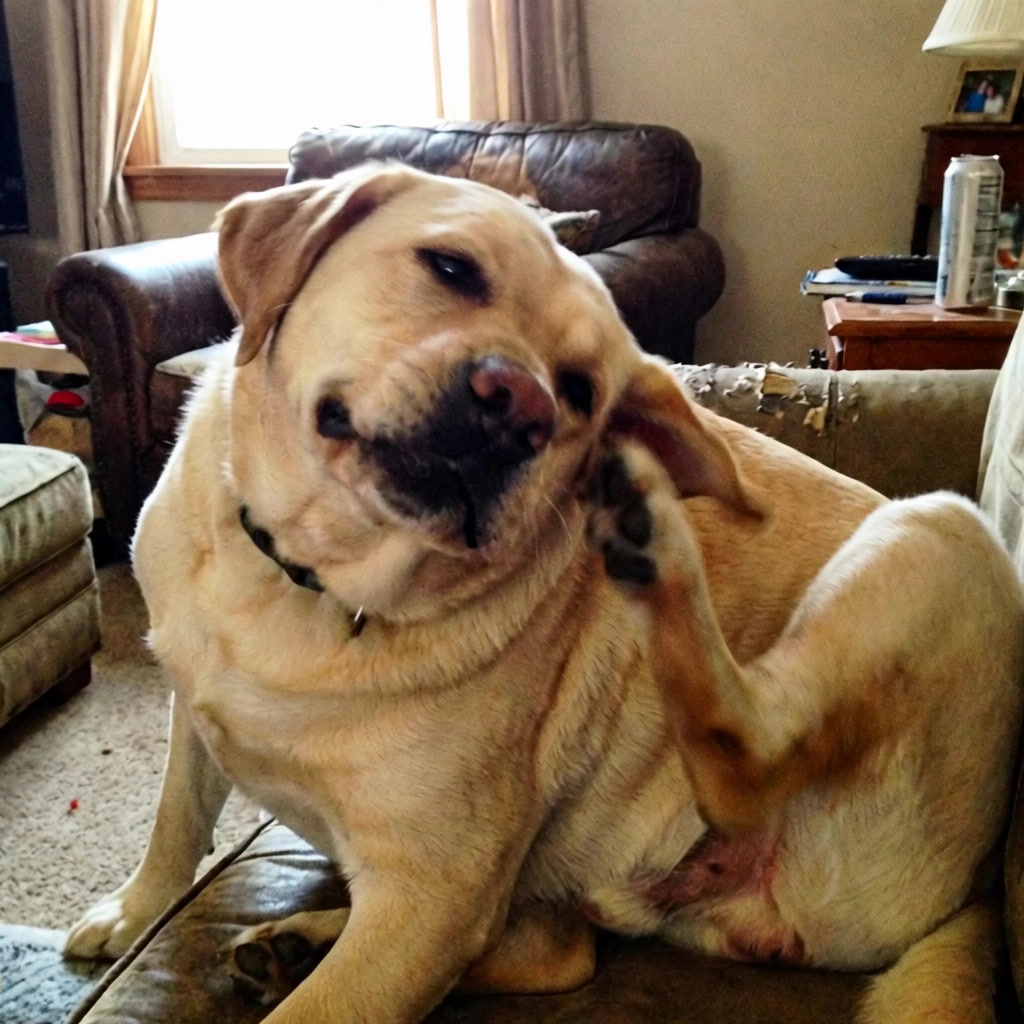
Ran for 3 days, from April 10 to April 13, 2026, the last day Crush saw it.
Run by The Healthy Pet Parent on Facebook. Crush is not the advertiser and does not verify its claims. See this ad in Meta's Ad Library(opens in a new tab)
Want an ad like this for your product?
Crush makes new ad images for your product from this ad: your logo, your product photo, your offer.
Trials from $19.95 USD, then $79.95 USD a month. Cancel anytime.
About this ad
- Meta Ad Library ID
- 1282322939893441
- Platforms
- Facebook, Instagram, Audience Network, Messenger and Threads
- Relaunches
- 0
Ad text
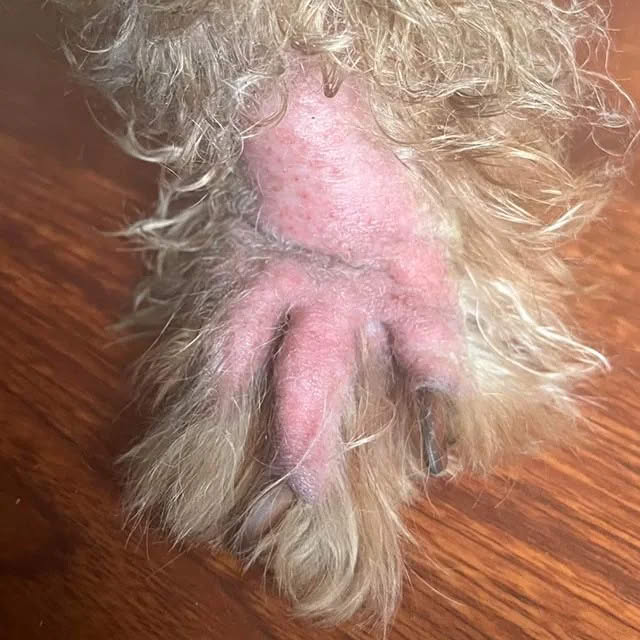
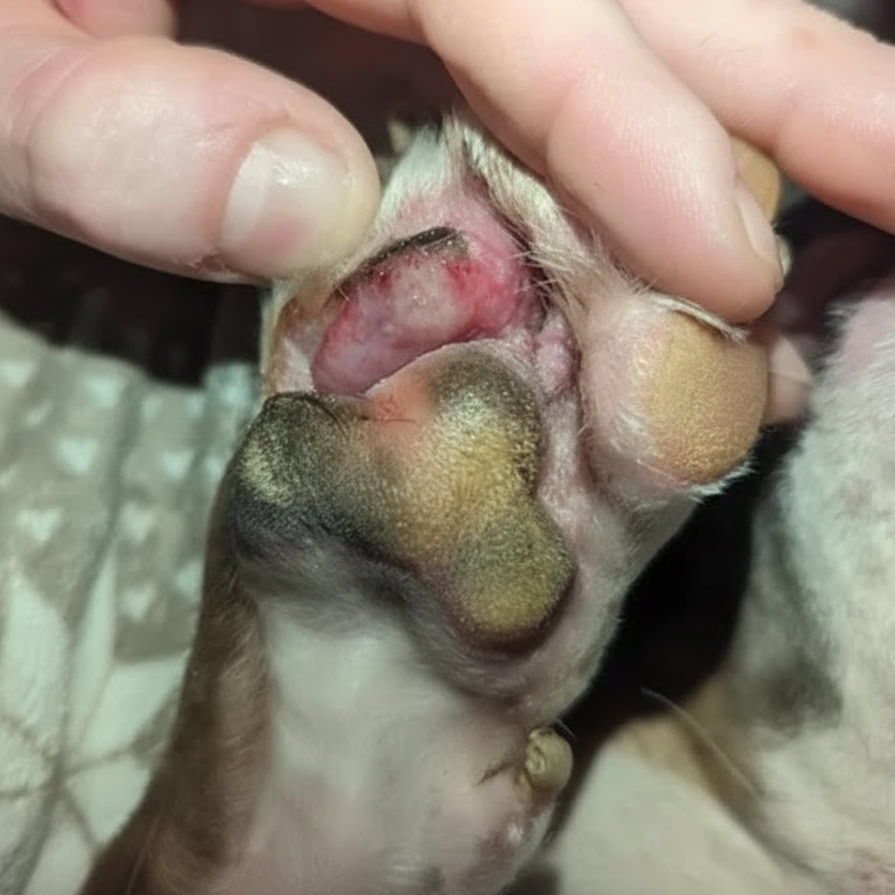
I'm going to lose my mind if I have to write another post about this, but if sharing my story stops even one person from making the mistake I made, it's worth it. My dog Ruby died four months ago on the operating table at the emergency vet at 9:23 PM. The bill was £3,800. For a dead dog. I have another dog. Archie. And right now, he's doing the exact same thing Ruby did before she died. And I'm terrified. I'm not a vet. I'm just a regular person who thought I was doing everything right. And I want to tell you what happened because I see so many of you posting the same exact things I posted a year ago, and it makes me sick to my stomach. If your dog licks their paws a lot, or scratches behind their ears more than they used to, or has that yeasty corn chip smell on their feet, please, PLEASE read this whole thing. I know it's long. I know you're busy. But four months ago I would have given anything for someone to tell me what I'm about to tell you. Here's what happened. About two years before Ruby died, I noticed she started licking her paws more than usual. Not aggressively. Just more. She'd lie on the couch and quietly lick between her toes for a few minutes. Then stop. Then start again later. I actually thought it was cute at first. Like a little grooming habit. I posted in my dog Facebook group: "LOL Ruby won't stop licking her paws, anyone else's dog do this? Is it a texture thing?" Everyone said yes. Someone said dogs just do that. Someone else said their lab does it too. Another person said it might be boredom and to try a Kong toy. So I didn't think anything of it. But it got worse. By month three, Ruby was licking her paws every evening. Not just a quick lick. Full sessions. Ten minutes. Fifteen minutes. Wet, rhythmic grinding between the toes. I noticed the fur on top of her front paws was starting to thin. And there was this rust-coloured staining spreading from the constant saliva. I mentioned it at her annual checkup. Showed the vet her paws. He looked for about ten seconds and said "probably just seasonal allergies, nothing to worry about." So I kept ignoring it. Then came the ears. She started shaking her head. At first just a few times a day. Then constantly. I looked inside and there was dark brown waxy buildup. And the smell. This warm, yeasty, sour smell that I couldn't wash out no matter how many times I cleaned them. I posted about it again. "Ruby's ears smell really bad and she keeps shaking her head. The vet said seasonal allergies. Is this normal?" Someone said ear wax is normal for some breeds. Someone said to try apple cider vinegar. Someone said their dog does the same thing every spring. So I cleaned her ears with a solution from the pet shop and moved on. Then her belly turned pink. Then red. Then she started scratching it on the carpet, dragging herself across the floor to get at the itch. Six months after the paw licking started, Ruby was licking, scratching, and shaking her head all day. Every day. But I still thought it was "just allergies." Because that's what everyone said. The vet. The Facebook groups. The internet. Everyone. "Dogs get allergies. It's normal. Some dogs are just itchy." So I managed it. I gave her Piriton. Rubbed coconut oil on her paws. Bathed her twice a week with medicated shampoo. Wiped her paws after every walk. For a full year I managed it. And the whole time, Ruby was dying. And I had no idea. Because here's what nobody told me. The paw licking wasn't a habit. It wasn't boredom. It wasn't "just allergies." It was the first visible sign that Ruby's immune system was in a state of chronic collapse. And chronic immune collapse doesn't just cause itchy skin. It causes systemic organ inflammation that builds silently for months and years until something catastrophic happens. For Ruby, that something was her liver. The night Ruby died, she didn't come for dinner. I found her lying in the corner of the kitchen, breathing fast and shallow. Her gums were yellow. I grabbed her and drove to the emergency vet at 7 PM, sobbing the whole way. They took her back immediately. Ran bloods. The vet came out forty minutes later with a face I'll never forget. "Your dog's liver is failing. The inflammation has caused severe hepatic damage. Her liver enzymes are off the charts." I didn't understand. Ruby was only seven. She'd been eating, walking, playing. She seemed fine apart from the scratching. The vet asked me: "How long has she had allergy symptoms?" "About two years. Paw licking, ear infections, belly rash. Our regular vet said it was seasonal allergies." She closed her eyes for a second. Then she said something that destroyed me. "Those weren't just allergy symptoms. They were signs of chronic systemic inflammation. When the immune system is in a constant state of overreaction for months or years, the inflammation doesn't stay on the skin. It spreads. To the gut. To the joints. To the organs. Your dog's liver has been under inflammatory assault for what looks like a very long time." I felt like the floor had dropped out from under me. "But I asked about it. I posted about it. Everyone said it was normal. The vet said seasonal allergies." She just looked at me. "Chronic paw licking and recurrent ear infections are not normal. They're warning signs. They're the body telling you the immune system is in crisis. And if that crisis isn't addressed at the source, the inflammation compounds. Year after year. Until an organ gives out." They tried everything. IV fluids. Liver support drugs. Anti-inflammatories. Ruby died at 9:23 PM on the operating table. I drove home with her collar on the passenger seat. And I couldn't stop thinking: I saw it. I SAW IT. For two years I watched her lick those paws. I cleaned those ears. I rubbed that belly. I posted about it. I asked people. And everyone told me it was normal. But here's what made everything worse. When I got home, I looked at Archie. And he was licking his front paw. Just quietly. On the couch. The same way Ruby started. I started sobbing. Because I knew what was coming. Archie was going to die the same way Ruby did. And I was going to watch it happen all over again. I couldn't sleep that night. I couldn't sleep for weeks. I kept thinking: there has to be something. There has to be SOMETHING that could save Archie. I wasn't going to let him die like Ruby did. So I started researching. And I mean OBSESSIVELY researching. I joined every dog allergy Facebook group. I read every Reddit thread about chronic inflammation in dogs. I watched YouTube videos from veterinary immunologists. I read research papers I barely understood. And I started seeing a pattern. SO MANY people with the exact same story. "My dog licks his paws all the time, vet says allergies." "Ear infections every six weeks, the vet says it's normal for the breed." "She scratches her belly raw but the vet just gives us more Apoquel." "My dog died suddenly and the vet said organ failure." Over and over and over. I found a thread from two years ago. A woman whose dog died of kidney failure after three years of "seasonal allergies." Same paw licking. Same ear infections. Same belly rash. Same sudden collapse. Someone in the comments said: "Chronic allergy symptoms don't just cause itching. They're markers of systemic immune dysfunction that damages organs over time if the underlying inflammation isn't resolved." That destroyed me. Because I SAW the markers. For two years. I just didn't know what they meant. The more I researched, the angrier I got. Because here's what I found out: Chronic immune dysfunction in dogs doesn't happen overnight. It builds slowly, over MONTHS and YEARS. And the first warning signs are the ones every owner dismisses as "just allergies." Paw licking. Ear infections. Belly rash. Hot spots. Head shaking. Rust-coloured staining on the fur. These aren't surface problems. They're the immune system screaming that it can't regulate itself anymore. When the immune system is stuck in a chronic overreactive state, it floods the body with inflammatory compounds. Those compounds don't just affect the skin. They circulate. They damage the gut lining. They stress the liver. They inflame the kidneys. They attack the joints. The skin symptoms are just where you SEE the inflammation. The organ damage is where you DON'T. And by the time an organ fails, it's too late. I was so angry I wanted to scream. Why didn't my vet connect the dots? Why didn't the Facebook groups know this? Why is NOBODY talking about this? I spent hours reading about what drives chronic immune dysfunction. About whether it can be stopped. About whether Archie could be saved. And that's when I found something that changed everything. A research paper about the omega fatty acid balance in dogs with chronic inflammatory conditions. Dogs need specific types of omega-3 fatty acids, EPA and DHA, to regulate their immune response. These fatty acids get incorporated into the membranes of immune cells and literally change how those cells behave. They shift the immune system from a pro-inflammatory state to a regulated state. But here's the thing that made me want to punch a wall: Most dogs are getting almost NO usable EPA and DHA in their diet. Commercial dog food is loaded with omega-6 fatty acids from vegetable oils and chicken fat. The ratio of omega-6 to omega-3 in typical kibble is 15:1 or even 20:1. The healthy range is 5:1 to 10:1. When the ratio is that skewed, the body produces more pro-inflammatory compounds no matter what else you do. The immune system is being PUSHED into an overreactive state by the diet itself. Every single day. Every single meal. And on top of that, the skin barrier needs a specific omega-6 called linoleic acid to maintain its structure. Without enough linoleic acid, the skin barrier breaks down. And when the barrier breaks down, allergens that should bounce off the surface penetrate directly into the tissue and trigger even MORE immune reactions. So dogs are getting hammered from two directions. The internal inflammatory cascade is out of control because the fatty acid ratio is wrong. And the external skin barrier is full of holes because the specific fatty acid it needs to stay intact isn't there. Two systems failing at the same time. And nobody addresses both. I couldn't stop crying when I read this. Because Ruby had been on premium food. £80 a bag. It said "omega-3 added" right on the package. And she'd been slowly falling apart for YEARS while I thought I was giving her the best. After reading everything I could find, I made a decision. I was NOT going to let Archie die like Ruby did. I immediately went on Amazon and bought an omega-3 supplement. £22. Good reviews. "Supports skin and coat health." Started giving it to Archie every day mixed in his food. I watched him obsessively. Counting every paw lick. Checking his ears every morning. Inspecting his belly. Two months went by. And it got WORSE. The paw licking increased. The ear smell came back. His belly was redder than before. I freaked out. I took him to the vet. Demanded a full blood panel and inflammatory markers. The vet looked at the results and said "slight elevation in liver enzymes but nothing to worry about yet." Nothing to WORRY about yet. "He's on an omega-3 supplement! Why is this happening? If the problem is the fatty acid balance, the supplement should be FIXING IT!" The vet just shrugged. "Sometimes these things happen." I went home and felt completely hopeless. Then I got MAD. I wasn't going to accept this. I wasn't going to watch Archie die. Three weeks later, I was at an agility class with Archie. There was a woman there with a Staffie who used to have terrible skin. Bald patches, raw paws, chronic ear infections. Now the dog looked incredible. Shiny coat. Clear skin. Bright eyes. I asked her what she did. She said she'd taken her dog to a veterinary dermatologist who changed everything she understood about canine allergies. "It's not one problem," she said. "It's two systems failing at the same time. The inflammation on the inside and the skin barrier on the outside. Every product I'd tried fixed one and ignored the other. That's why nothing ever fully worked." My heart started racing. "What did you give her?" She pulled out her phone and showed me a supplement. I'd never heard of it. "My dermatologist recommended I look for something with EPA and DHA listed separately at actual therapeutic doses. Not just 'fish oil.' Most supplements say fish oil on the label but don't tell you how much is EPA and how much is DHA. That's like saying a painkiller contains 'medicine' without telling you how many milligrams." I was barely breathing. "And she said I needed linoleic acid specifically for the skin barrier. Not just any omega-6. Linoleic acid. Most supplements don't include it at all because nobody thinks about the barrier. They just throw fish oil at the inflammation and wonder why the dog keeps scratching." I drove home and immediately looked at the Amazon supplement I'd been giving Archie for two months. Flipped it over. The omega-3 was listed as "fish oil." One number. No breakdown of EPA and DHA. No linoleic acid anywhere. I felt sick. "But the reviews were good. It said supports skin and coat." Didn't matter. I'd been giving Archie the equivalent of a painkiller that says "contains medicine" on the label without telling me the dose or even which medicine is inside. For two months. While his inflammation got worse. While his liver enzymes crept up. I found the supplement the woman from agility had shown me. Nutripet Allergy + Itch Relief. I looked at the label. EPA at 120mg. Listed separately. DHA at 70mg. Listed separately. Alpha-linolenic acid at 150mg. The plant-based omega-3 precursor that adds to the anti-inflammatory side from a different pathway. Linoleic acid at 50mg. The specific fatty acid for skin barrier repair. Listed on its own. At an exact dose. Prebiotics for gut support. Vet-developed. Every single milligram visible on the label. No proprietary blends. No mystery numbers. No "fish oil blend" hiding the actual contents. Both systems addressed in one daily chew. The internal inflammatory cascade AND the external skin barrier. Together. Not one or the other. I stared at it. This was what the Amazon supplement should have been. I started Archie on it that same day. For the first three to five days, nothing changed. Archie was still licking his paws. Still shaking his head. Still scratching. I was terrified it wasn't going to work. But then, around day seven, I noticed something. He licked his paws twice instead of his usual ten-minute session. The sessions were shorter. I told myself not to get my hopes up. But by week two, the paw licking had dropped by half. The ear smell was fading. By week three, I woke up one morning and realised I hadn't heard him lick his paws the night before. I checked them. The skin between his toes was pink. Not red. Not raw. Pink. By week four, the rust staining was growing out. Fresh fur underneath. His belly was normal coloured again. Not red. Not rashy. Just normal skin. By week six, his ears were clean. No brown gunk. No smell. No head shaking. I took him back to the vet for blood work. Liver enzymes: back to normal range. Inflammatory markers: significantly reduced. The vet looked confused. "What did you change?" "I switched to a supplement that actually lists what's inside it." He didn't say anything. But I knew. Nutripet was actually WORKING. Both systems were healing at the same time. The inflammation was dropping because the EPA and DHA were shifting the fatty acid ratio back toward balance. And the skin barrier was rebuilding because the linoleic acid was providing the building blocks it had been missing for years. Each system reinforced the other. Less inflammation meant the barrier could rebuild faster. A stronger barrier meant fewer allergens getting through. Fewer allergens meant less inflammation. The cycle was finally going in the right direction. That was six months ago. Archie just had his latest checkup last week. Liver enzymes stable. Inflammatory markers normal. Skin clear. Ears clean. Paws with full fur. He hasn't licked his paws in four months. And I think about Ruby every single day. Because if I'd known about proper omega balance and skin barrier support six months earlier, she'd still be alive. I'm writing this because I see so many of you posting the same things I posted. "My dog licks her paws a lot, is this normal?" "His ears are always dirty, the vet says it's breed related." "She scratches her belly but it's just allergies." Because you're watching your dog's immune system collapse in slow motion and you don't even know it. Your dog's paw licking is SHOWING you that something is wrong. But everyone is telling you it's normal. It's not normal. Ruby tried to tell me she was dying. For TWO YEARS she tried. She licked those paws over and over. She shook her head. She dragged her belly across the carpet. She gave me every warning she could. And I ignored it because I didn't know what it meant. Don't be me. If your dog is licking their paws more than occasionally, something is wrong. If the ears smell yeasty and the belly is pink, their immune system is in crisis. Don't wait. Don't ask Facebook groups. Don't trust your vet to connect the dots. And for the love of god, don't waste your money on Amazon supplements that list "fish oil" without telling you the EPA and DHA breakdown. I wasted two months giving Archie a useless supplement while his liver enzymes climbed. Two months I'll never get back. Two months closer to losing him the way I lost Ruby. If your dog is licking their paws right now. If you're cleaning yeasty ears every week. If the belly rash comes and goes but never fully clears. Your dog is trying to tell you something. Don't ignore it like I did. And even if your dog seems fine right now. No licking. No scratching. No smell. Start the omega support today anyway. Because dogs adapt. They don't show you something is wrong until the damage is already severe. Start the prevention NOW so you don't end up like me, driving home with a collar on the passenger seat and a £3,800 bill for a vet visit that couldn't save her. Get REAL omega support. Not the generic fish oil with hidden doses from Amazon. I only use Nutripet now. Because the woman at agility class showed me what works. Because my vet's blood work proved it. Because I've watched Archie go from early organ inflammation to completely clear in six months. I know how this sounds. I know it sounds like I'm selling something. I'm not. I don't work for them. I don't get paid by them. I'm just a person who held my dog's collar in the car while I drove home from the emergency vet at 10 PM. And I have another dog who was heading down the exact same path until I found something that actually addressed both systems at once. Don't waste time on supplements that don't work. Get Archie's omega balance right TODAY. Because once the organs are damaged, it's too late. Ruby can't come back. But Archie is still here because I found Nutripet in time. If you're in the same situation I was, just try it. That's all I'm asking. Try Nutripet. Give it a few weeks. Watch the paws. Watch the ears. Watch the belly. If it works like it worked for Archie, you'll know. And if it saves your dog, it'll be worth every penny. → Nutripet Allergy + Itch Relief Every ingredient. Every milligram. On the label. 90 day money back guarantee. Less than £0.85 a day. I wish someone had told me about this before Ruby died. I'm telling you now. Please don't ignore it. P.S. Dogs hide pain until organs are severely damaged. Paw licking and ear infections are their warning signs. Don't wait for a collapse like I did. P.P.S. Most vets make more from treating chronic disease than preventing it. Take control. Proper omega balance saved Archie.
Where the ad sends people
nutripetlabs.com
I loved my dog, He died because of my mistake 😓
Help your pet find relief from allergies, itching, and skin irritation with NutriPet Allergy + Itch Relief. Vet-friendly formula for dogs and cats. $39.95.
Learn more: nutripetlabs.com(opens in a new tab)