Amanda Kirsten
Amanda Kirsten Facebook ad: “Read This If You Drink Wine Every Night”
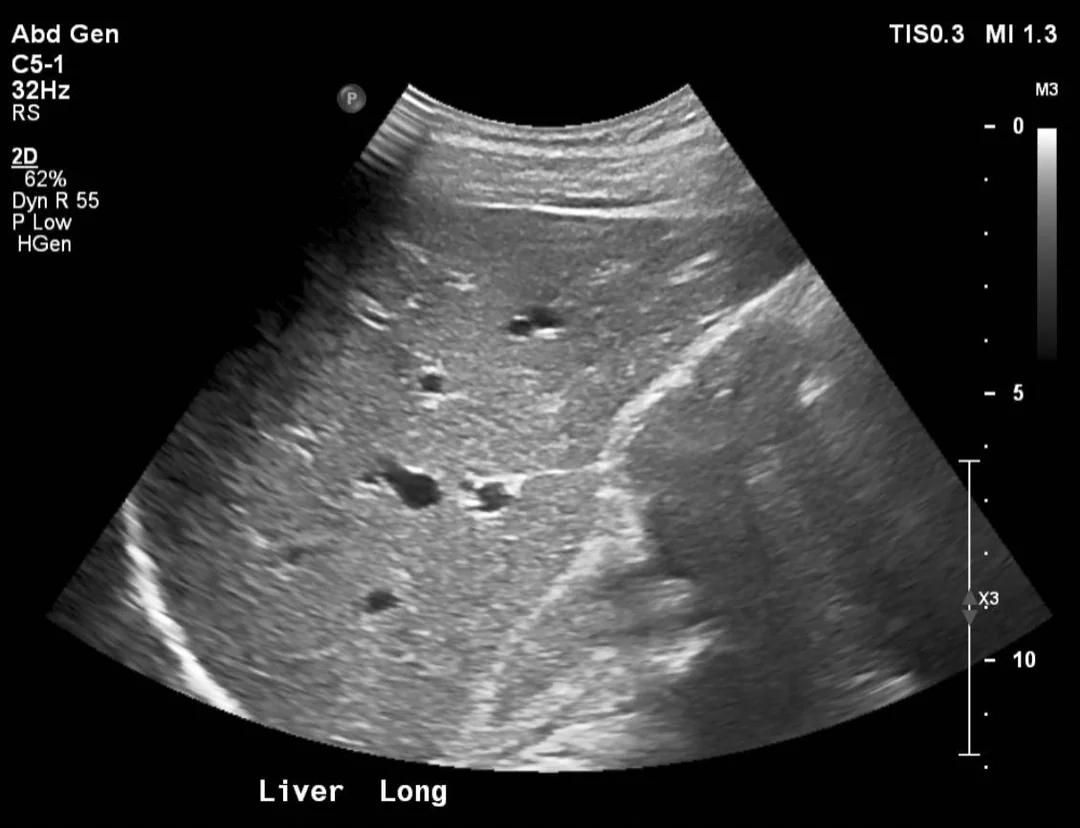
Ran for 47 days, from April 10 to May 27, 2026, the last day Crush saw it.
Run by Amanda Kirsten on Facebook. Crush is not the advertiser and does not verify its claims. See this ad in Meta's Ad Library(opens in a new tab)
Want an ad like this for your product?
Crush makes new ad images for your product from this ad: your logo, your product photo, your offer.
Trials from $19.95 USD, then $79.95 USD a month. Cancel anytime.
About this ad
- Meta Ad Library ID
- 1291692539581393
- Platforms
- Facebook, Instagram, Audience Network, Messenger and Threads
- Relaunches
- 2
Ad text
I drank wine every night for 8 years and didn’t think it was that big of a deal. Until my doctor told me I had ‘slightly elevated liver enzymes’ and to just cut back on alcohol. I LOVED wine. Couldn’t go a day without it. I had a wine glass that said "Mommy's Sippy Cup." Another one that said "It's Wine O'Clock Somewhere." And a wooden sign in my kitchen: "Good moms have sticky floors, messy kitchens, and happy kids." Under it, in smaller letters: "And wine." Everyone laughed when they saw them. Because everyone got it. You know what I'm talking about. The jokes. The way every mom you know posts about "mommy juice" after a long day with the kids. "Survived today. Mommy needs wine." "Is it bedtime yet? Asking for a mom with a glass of wine." "Mommy's time-out: a glass of wine in a locked bathroom." Because that was me. I had three kids. 4, 7, and 9. Full-time marketing job. Remote, which sounds great until you realize you're working AND parenting simultaneously. My husband travels for work. Gone 3 nights a week. By 7 PM—after dinner, homework, baths, bedtime routines—I was done. Completely done. I'd pour a glass of wine. Sit on the couch. Scroll my phone. That first glass? Heaven. The tension in my shoulders released. The noise in my head quieted. Second glass? Even better. Sometimes a third if it had been a particularly hard day. I thought: This is how moms survive. Everyone does this. It's not a problem. It's self-care. For eight years, that was my routine. Two glasses most nights. Three glasses on hard nights.Sometimes a fourth on Friday. I never thought about it. It was just... what you do. Then I got a call from my doctor's office. I'd had my annual physical two weeks earlier. Routine bloodwork. I wasn't worried. "Hi, this is Dr. Martinez. I have your lab results. Can we talk?" "Sure. Everything okay?" "Your liver enzymes are concerning. ALT is 198. AST is 156. Those should be under 40." My stomach dropped. "What does that mean?" "It means your liver is inflamed. Have you been drinking alcohol?" "I mean... yeah. A couple glasses of wine at night. To unwind. Nothing crazy." "How often?" "Most nights. Maybe five or six nights a week." "How much per night?" "Two glasses. Sometimes three." Silence on the phone. "For how long?" "I don't know. Eight years? Since my first kid was born." "Okay. That's the problem." "But it's just two glasses." "Two to three glasses, five to six nights a week, for eight years. That's 10-18 drinks per week. That's heavy drinking." I felt my face get hot. "Heavy drinking? I'm not an alcoholic. I'm a mom. This is what we do." "I understand. But your liver doesn't care about the context. It cares about the volume. And over eight years, you've done significant damage." I hung up the phone. Sat on my couch. Stared at the wine glass on the coffee table. The one that said "Mommy's Sippy Cup." It wasn't funny anymore. I Googled: "ALT 198 how bad" Article after article: "Elevated ALT indicates liver inflammation." "Fatty liver disease from alcohol consumption." "Chronic alcohol use causes scarring and cirrhosis." I felt sick. I wasn't an alcoholic. I didn't get drunk. I didn't black out. I didn't miss work or neglect my kids. I just had two glasses of wine at night. Like every other mom I knew. But my liver was failing. My follow-up appointment was three days later. Dr. Martinez pulled up my results. "I want to be clear: you have alcoholic fatty liver disease. Your liver has accumulated fat from years of processing alcohol. It's inflamed." "But I'm not an alcoholic." "You don't have to be an alcoholic to have liver disease. Consistent, moderate drinking over years is enough. 2-3 glasses of wine is approximately 20-30 grams of alcohol per night. Over 200 grams per week. That's well above the safe limit for liver health." "What's the safe limit?" "For women, it's 7 drinks or less per week. You've been drinking 10-18 per week for eight years." I sat there. "So what do I do?" "Stop drinking. Completely. Change your diet. Lose weight if needed. Come back in six months. We'll recheck." "That's it?" "If you stop now and your liver heals, you'll be fine. If you don't stop, you're looking at cirrhosis. Liver failure. Transplant. Or death." She said it so nonchalantly. Like telling me I needed to floss more. I walked out of that office in a daze. Stared at the wine rack on my kitchen counter. 12 bottles. My husband came home from work. "How was the doctor?" "I have fatty liver disease. From drinking." "What? You barely drink." "Apparently I do. Two to three glasses a night for eight years. That's too much." He looked at me. "But everyone drinks like that." "Yeah. Well, my liver doesn't care." That night, I didn't pour a glass of wine. I sat on the couch. Watched TV. Felt anxious and irritable. By 8 PM, I wanted wine so badly I almost cried. The first two weeks were hell. I didn't realize how much I relied on that glass of wine. It wasn't just about relaxing. It was my reward. My break. My signal that the hard part of the day was over. Without it, I felt raw. Exposed. I was irritable with my kids. Snapped at my husband. At night, I'd lie in bed, awake, anxious, wishing I could just have one glass. Week 3-4: The hardest part wasn't the cravings. It was the social isolation. My best friend texted: "Girls' night Friday? Wine and cheese at my place?" I replied: "Can't. Not drinking anymore." "What? Why? You okay?" "Yeah. Just need to take a break." "Oh. Okay. Well, come anyway! You can have sparkling water." I went. Everyone else drank wine. Laughed. Relaxed. I sat there with my sparkling water, feeling left out. One friend joked: "Oh, you're one of those now?" "One of what?" "The 'I don't drink' people. Don't get all judgy on us." I forced a laugh. "Not judging. Just taking a break." But I felt judged. Like I was the weird one. Because wine was woven into everything. Playdates: "Should I bring wine?" Book club: "We're reading Big Little Lies. Bring wine." Weekend BBQs: mimosas, rosé, sangria. When you stop drinking, you realize how much of mom culture revolves around alcohol. And when you opt out, people get defensive. Like your sobriety is a comment on their drinking. 8 weeks later. 8 weeks sober. I'd lost 10 pounds without trying. But my stomach was still bloated. "Wine belly," they call it. Even without wine, it wouldn't go away. I Googled: "belly bloating after quitting alcohol" Forums loaded. "Your liver is still inflamed. It takes time." "Try milk thistle. Helps liver heal." "Took me 6 months for the bloating to go away." Milk thistle. I'd heard of it. I went on Amazon. Searched: "milk thistle liver" Top result: "Nature's Bounty Milk Thistle. 4.5 stars. 23,000 reviews. Supports Liver Health." $22. Prime shipping. I ordered it. Started taking two capsules every morning with breakfast. The bottle said: "Supports liver health. 1,000mg milk thistle per serving." Good enough. Three months on milk thistle. Still sober. Perfect diet. Walking 4 days a week. But the bloating wouldn't go away. My jeans still didn't fit right. My stomach still looked puffy. I felt better than when I was drinking. More energy. Clearer head. But physically, I looked the same. My six-month follow-up was coming. I hoped my liver had healed. Six-Month Labs Dr. Martinez pulled up my results. "ALT: 193. AST: 151." I stared at the screen. "So I only dropped 5 points?" "Yes." "But I've been sober for six months. Perfect diet. Taking milk thistle every day." "I see improvement, but it's minimal. Your liver is still significantly inflamed." "Why?" "Sometimes it takes longer. Your liver was damaged for eight years. Six months isn't always enough." "So what do I do?" "Keep doing what you're doing. Come back in six months." I left that office feeling defeated. Six months sober. All that work. And my liver barely improved. That night I couldn't sleep. I kept thinking: What if six more months doesn't work? What if I'm sober forever and my liver never heals? At 3 AM, I opened my laptop. Sat at the kitchen table in the dark. Searched: "milk thistle not working fatty liver" Forum posts loaded. "Took retail milk thistle for a year. Didn't work. Switched to pharmaceutical-grade. Worked in 3 months." "Check the concentration. Most store brands are too weak." "You need 70-80% silymarin. Retail brands are 20-30%." I grabbed the Nature's Bounty bottle from my cabinet. Read the label. "Milk Thistle Extract 1,000mg." Nowhere did it say the silymarin percentage. I Googled: "Nature's Bounty milk thistle silymarin percentage" Found it: approximately 20%. 1,000mg × 20% = 200mg silymarin. I kept reading. Clinical studies used 240mg silymarin MINIMUM. I'd been taking 200mg. Close, but not enough. And if the bottle was underdosed—like so many forum posts said retail brands were—I might be getting even less. I went back to Amazon. Searched: "pharmaceutical grade milk thistle 80%" Found a brand: "Premium Milk Thistle Extract. 80% Silymarin. Pharmaceutical Grade." 4.6 stars. 8,000 reviews. $38. I ordered it. Started the new brand. One capsule every morning. Label said: "300mg per capsule. 80% silymarin." 300mg × 80% = 240mg silymarin. That was the clinical dose. This should work. Three months later. Follow-up labs. ALT: 189. AST: 148. Down from 193 and 151. 4 points. 3 points. Better. But barely. "Your liver is improving. Slowly," Dr. Martinez said. "Why is it so slow?" "Everyone heals at different rates. Keep going." I left feeling frustrated. Ten months sober. Two different milk thistle brands. My liver improved 9 points total. From 198 to 189. At this rate, it would take years to get to normal. I was in a Facebook group: "Moms Getting Sober." 300+ members. Women like me. Wine moms who quit. I posted: "10 months sober. Liver enzymes barely improving. Been taking milk thistle (2 different brands). Anyone else? Feeling discouraged." Comments loaded: "Same. Took retail brands for a year. Nothing. Then I found out about concentration." "Most milk thistle is garbage. You need pharmaceutical-grade with third-party testing." "Check your bottle. If it doesn't say exactly what percentage silymarin and show lab testing, it's probably underdosed or contaminated." One woman DM'd me: "Hey. I had the same problem. Took Amazon brands for 8 months. Enzymes barely moved. Then I found NeuroEdge. Pharmaceutical-grade, third-party tested, 80% concentration. 12 weeks later, my ALT dropped 60 points." "What's NeuroEdge?" "A milk thistle brand. Only one I found that actually has documentation proving it's what the label says. Most brands lie about concentration or are contaminated. I tested 4 brands before finding this one. Here's the link." She sent me a link. I clicked through. NeuroEdge. Pharmaceutical-Grade Milk Thistle Extract. 80% Silymarin. Third-Party Tested. I read the product page. Every batch tested. Certificates of Analysis available. GMP-certified facility. Heavy metal testing. Purity testing. I looked at the Amazon brand I'd been taking. No batch testing. No certificates. No documentation. Just a label that said "80% silymarin." But was it actually 80%? Or was it like the Nature's Bounty—lying about what's inside? I had nothing left to lose. I ordered the same day. It arrived three days later. I threw away the Amazon brand. One capsule instead of two every morning. Honestly? I wasn't hopeful. I'd tried two brands already. Both barely worked. Why would this one be different? By week 4 I noticed my face looked less puffy. The bloating in my cheeks was fading. My husband said: "You look different. Good different." I looked in the mirror. He was right. My face had structure again. Week 8 The wine belly was shrinking. For the first time in years, my jeans fit without feeling tight around my stomach. I'd lost 3 more pounds without trying. But more than that—my stomach looked flat. Not bloated. Not puffy. Flat. Week 12 - Labs: Dr. Martinez pulled up my results. I was nervous. ALT: 132. AST: 98. I stared at the screen. "Wait. What was I at last time?" She scrolled. "189 and 148." "So I dropped... 57 points?" "Yes. In 12 weeks. That's significant." I started crying. Sitting in that exam room, crying. Because for the first time in 14 months, my liver was actually healing. "Whatever you changed 12 weeks ago, keep doing it." "I switched milk thistle brands." "Well, it's working." Week 16 My oldest daughter, 9 years old, said something at dinner. "Mom, you're happier now." I looked at her. "What do you mean?" "You used to be tired all the time. And grumpy. Now you play with us more." I felt my throat tighten. She was right. When I was drinking, I was exhausted by 7 PM. Irritable. Just wanted everyone to leave me alone so I could have my wine and zone out. Now I was present. Playing board games. Helping with homework without sighing. Actually listening when they talked. I hadn't realized how much I'd checked out. Month 16 - Final Labs: ALT: 78. AST: 71. Normal range. Dr. Martinez smiled. "Your liver has healed. Completely normal." I sat there. Staring at the numbers. From 198 to 78. 16 months total. But the real improvement happened in the last 4 months. On NeuroEdge. "Stay sober. Stay on whatever you're taking. But you're healthy." I walked out of that office. Sat in my car in the parking lot. And cried again. I'm now 16 months sober. My liver is healed. ALT 78, AST 71. Normal. I lost 22 pounds total. My wine belly is gone. My face is clear. But more than that: I'm present with my kids. I don't snap at them at 7 PM because I'm craving wine. I don't zone out on the couch while they ask me questions. I play with them. Listen to them. Show up for them. My daughter was right. I'm happier now. If you're a wine mom reading this, I need you to hear something: The culture is lying to you. The memes. The jokes. The "Mommy needs wine" signs. They make it seem normal. Funny. Relatable. But two glasses of wine, five nights a week, for years? That's 10-15 drinks per week. That's heavy drinking. And your liver doesn't care that "everyone does it." I thought I was fine. I wasn't blacking out. I wasn't neglecting my kids. I was functional. But my liver was failing. And I had no idea until my doctor called. If you're drinking 2-3 glasses of wine most nights, get your liver enzymes tested. ALT and AST. Simple blood test. If they're elevated, stop drinking. Now. Not "cut back." Not "just on weekends." Stop. Your liver needs time to heal. But stopping drinking isn't enough if your liver is already damaged. I was sober for 10 months. My ALT dropped 9 points. From 198 to 189. Barely moved. Because I was taking retail milk thistle that couldn't possibly work. Nature's Bounty from Walgreens. Then a "premium" brand from Amazon. Both were either underdosed, contaminated, or too weak. I didn't know that concentration matters. Retail brands are 20-30% silymarin. Clinical studies showing liver regeneration use 240mg silymarin daily from 70-80% pharmaceutical-grade extract. I was taking one-fourth to one-third of what actually works. For 10 months. When I switched to NeuroEdge—actual pharmaceutical-grade, third-party tested, 80% silymarin—my liver healed in 4 months. ALT dropped from 189 to 78. 60 points in 16 weeks. I don't get paid by NeuroEdge to say this. I'm telling you because I wasted 10 months on supplements that didn't work. And I don't want you to waste 10 months too. If you're sober and your liver enzymes aren't improving: Check your milk thistle. If it's from CVS, Walgreens, Amazon, GNC—it's probably underdosed or contaminated. You need pharmaceutical-grade. 70-80% concentration. Third-party tested. Batch documentation. That's what worked for me. I'm 16 months sober. Liver's normal. Wine belly gone. My kids have their mom back. And I'm never going back to being the wine mom. The memes aren't funny anymore. They're dangerous. You can get the same pharmaceutical-grade milk thistle that worked for me here. → https://neuroedgelab.com/products/neuroedge%E2%84%A2-milk-thistle-capsules-copy P.S. If you're still drinking 2-3 glasses of wine most nights and telling yourself "it's not that much" or "everyone does it"—your liver doesn't care. The safe limit for women is 7 drinks per week or less. If you're drinking 10-15+, you're in the danger zone. Get your liver enzymes tested. Don't wait until your doctor calls with concerning results. Early fatty liver is reversible. Advanced cirrhosis is not.
Where the ad sends people
neuroedgelab.com
Read This If You Drink Wine Every Night 🍷
A high-purity Milk Thistle formula (80% silymarin) designed to help flush out built-up toxins, support natural liver function, and restore daily energy.
Learn more: neuroedgelab.com(opens in a new tab)