Amanda Kirsten
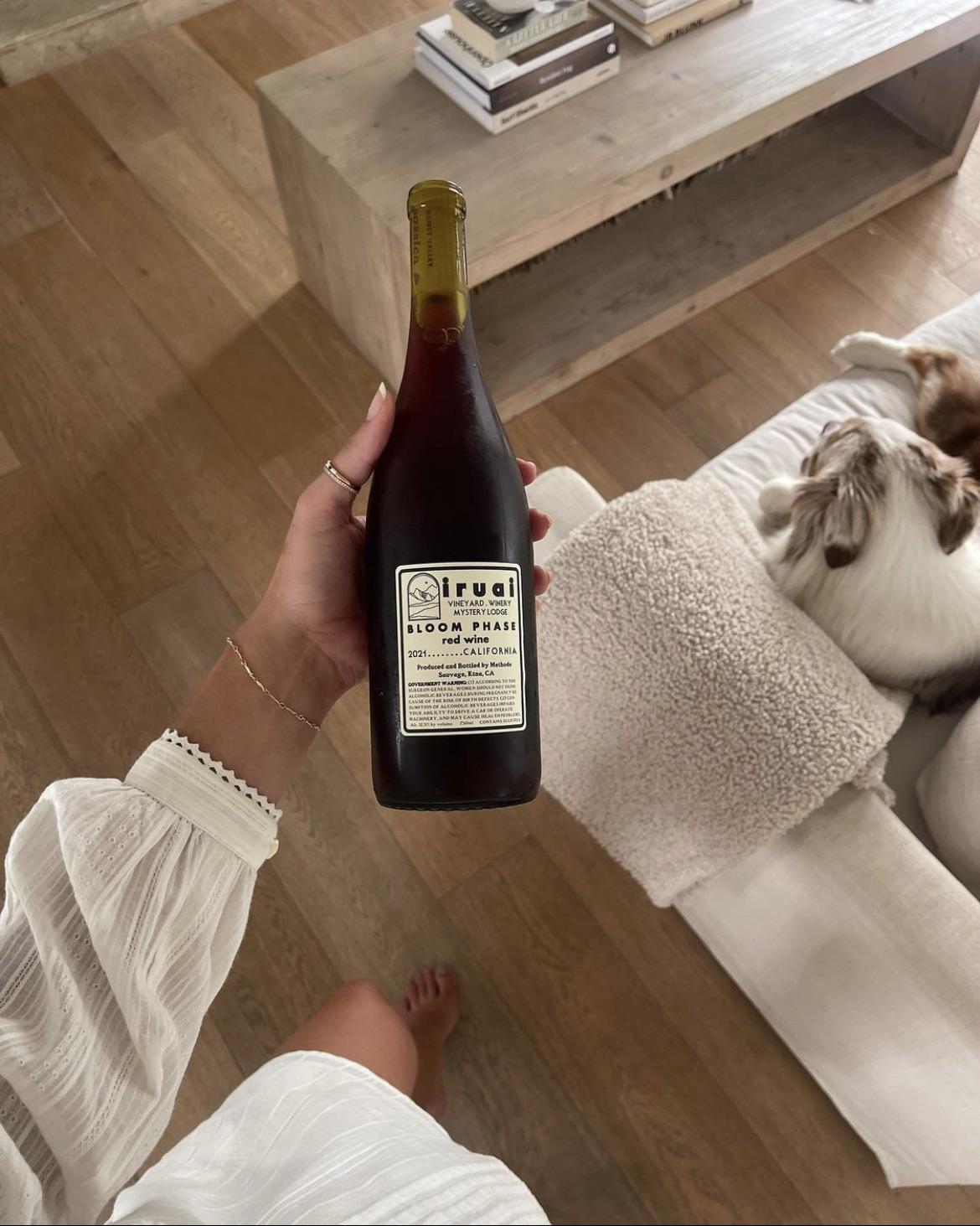
Amanda Kirsten Facebook ad: “Read This If You Drink Wine Every Night”
Ran for 26 days, from April 26 to May 22, 2026, the last day Crush saw it.
Run by Amanda Kirsten on Facebook. Crush is not the advertiser and does not verify its claims. See this ad in Meta's Ad Library(opens in a new tab)
Want an ad like this for your product?
Crush makes new ad images for your product from this ad: your logo, your product photo, your offer.
Trials from $19.95 USD, then $79.95 USD a month. Cancel anytime.
About this ad
- Meta Ad Library ID
- 1373843794573105
- Platforms
- Facebook, Instagram, Audience Network, Messenger and Threads
- Relaunches
- 0
Ad text
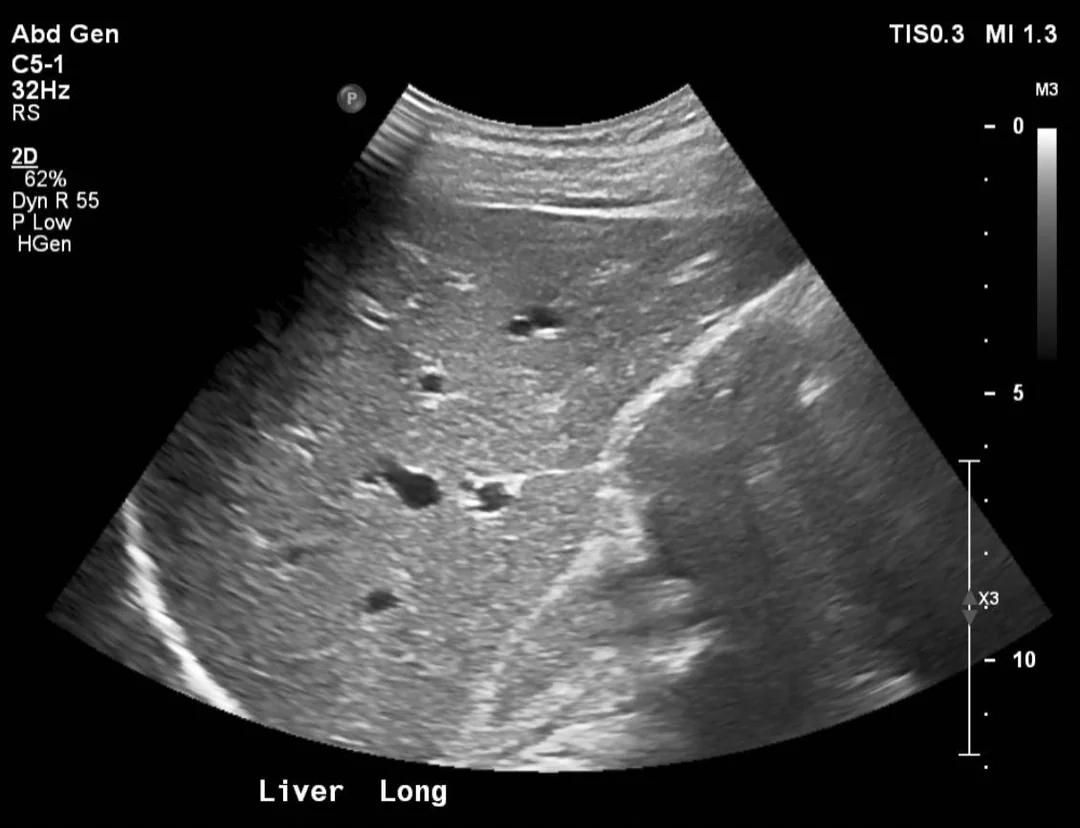
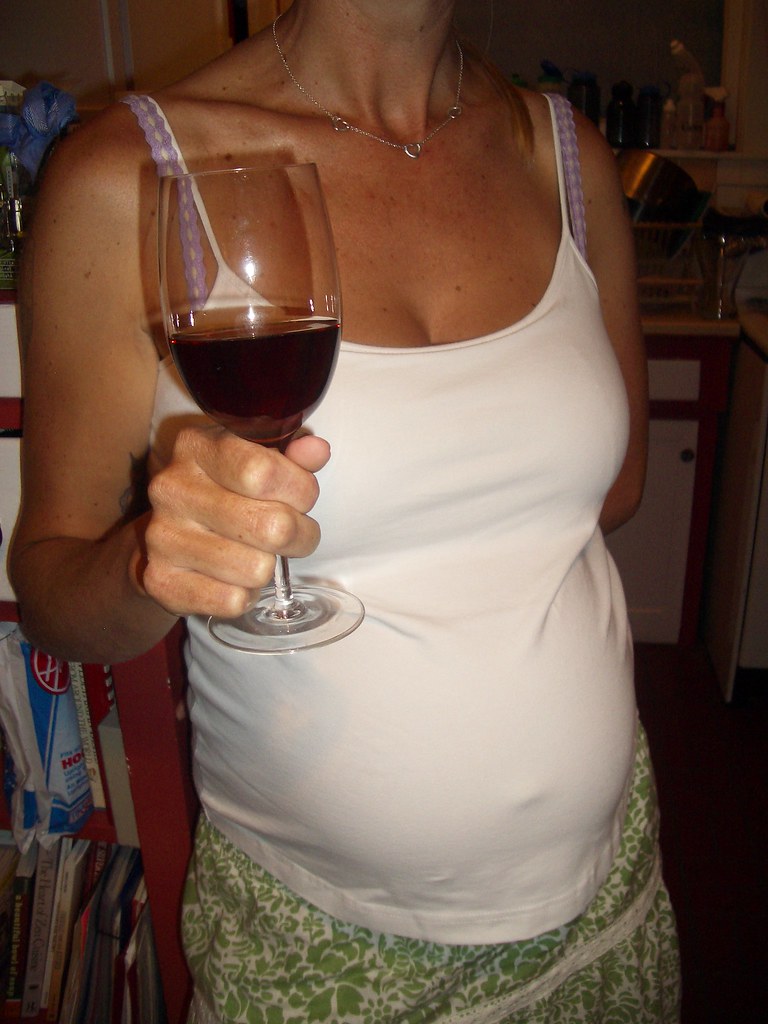
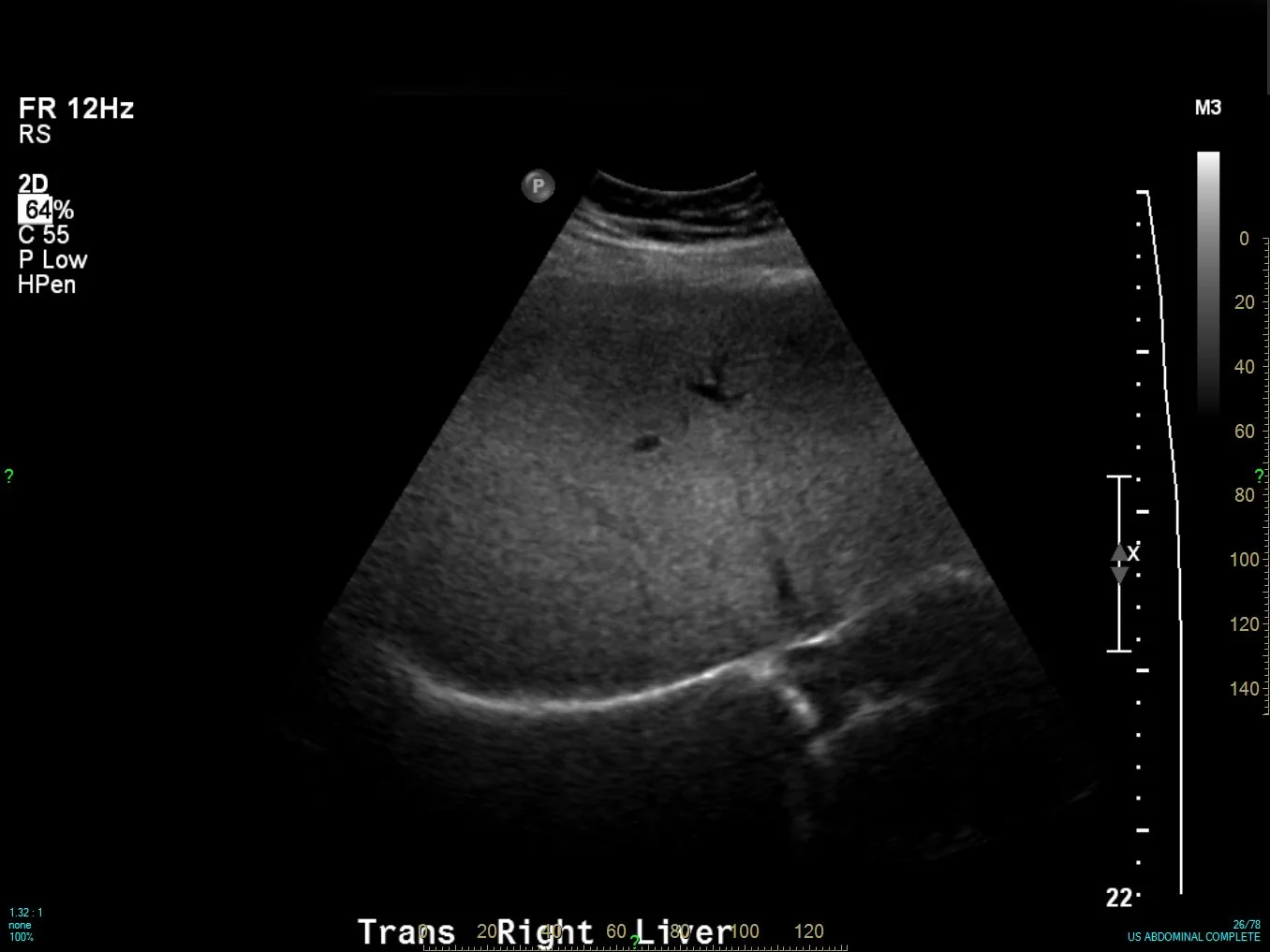
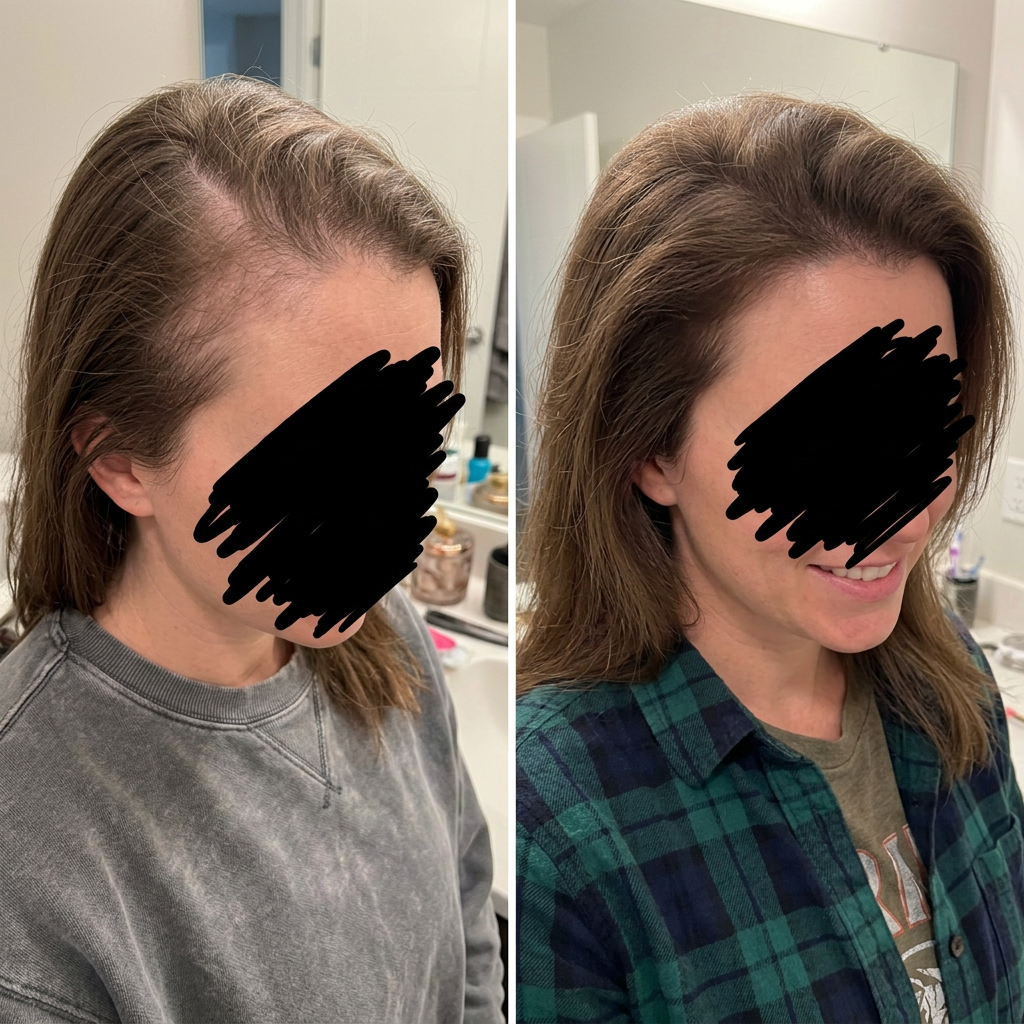
For 3 Years I Had All the Perimenopause Symptoms and Didn't Think It Was Possible to Go Through Peri at My Age. I Was RIGHT and My Doctor Said the Same Thing. But Then She Found Out Something ELSE Causing the Symptoms. It started 3 years ago. The anxiety first. Waking up at 4 AM with my heart racing for no reason. Lying there in the dark trying to figure out what I'd forgotten. An appointment. A deadline. Something. Then the hot flashes. Standing in the kitchen making coffee and suddenly the heat rising from nowhere. Face flushing. Needing to open a window. Then the night sweats. Waking damp at 3 AM. Changing the pillowcase. Lying back down. Waking damp again at 5. Then the bloating. My stomach tight and puffy every evening no matter what I ate. My jeans uncomfortable by 7 PM. I Googled everything. Thyroid problems. Hormonal imbalance. Autoimmune conditions. And then perimenopause kept coming up. The symptoms matched. Every single one. Except I was 37. I went to my doctor. Told her everything. The anxiety. The hot flashes. The night sweats. The bloating. She ran a full hormone panel. Everything came back normal. "You're too young for perimenopause," she said. "Your hormones look fine." "So why do I feel like this?" "Sometimes these things don't have a clear explanation. It could be stress. It could be lifestyle. Come back if things get worse." I left that appointment more frustrated than when I'd walked in. 3 years of feeling like crap. A doctor who agreed it probably wasn't perimenopause. And no answer for what it actually was. I went home and Googled for another 2 hours. Found forums full of women in their late 30s with the same symptoms. Same dismissals. Same frustration. But then that's when I started drinking more. Not dramatically. Just gradually. 2-3 glasses of wine evening to help “wind down” after a long day. I told myself it was temporary. Just until I figured out what was wrong. But that was three years ago. I went back to the doctor last spring. Not because anything new had happened. Just a routine bloodwork. I didn’t expect anything. Two weeks later she called. "Your liver enzymes are elevated. ALT is 189. AST is 167. Those should be under 40. I need you to come in." Three days later she pulled up my results. "You have alcoholic fatty liver disease. Your liver has been accumulating fat from years of processing alcohol. It's inflamed." "But I don’t drink that much, I just have 2-3 glasses most evenings?" "How long has that been going on?" "A few years. Maybe 4? It got worse when the symptoms started." "That's the issue. Two to three glasses most evenings is approximately 10 to 14 drinks per week. The safe limit for women is 7. You've been at double that." "But the hot flashes. The anxiety. The night sweats. I thought those were hormonal." "The symptoms overlap significantly. But alcohol causes all four of them. Your liver has been contributing to every single symptom you've been trying to explain for three years." I sat there with that for a long moment. Three years. Every symptom I'd been blaming on something I didn't understand. My liver. Processing two to three glasses of wine every evening. "So what do I do?" "Stop drinking completely. Change your diet. Come back in six months." "That's it?" "If you stop now your liver can heal. If you don't — cirrhosis. Liver failure. Transplant. Or death." She said it so nonchalantly. Like telling me I needed to floss more. I walked out of that office in a daze. Stared at the wine rack when I got home. Eleven bottles. My husband came home from work. "How was the doctor?" "Fatty liver disease. From the wine." He went quiet. "But you don't drink that much." "Two to three glasses every night for years. Double the safe limit apparently." He looked at me. "But everyone drinks like that." "Yeah. Well, my liver doesn't care." That night I didn't pour a glass of wine. Sat on the couch. Watched TV. Felt restless and irritable. By 8 PM I wanted wine so badly I almost gave in. The first two weeks were rough. It wasn't just about relaxing. The wine had become the thing I used to manage the symptoms. The anxiety. The hot flashes. The bloating I couldn't explain. Without it I felt raw at the edges. Short with my husband. Irritable with my kids. But around week 3 something changed. The 4 AM waking — less frequent. The night sweats — fewer. The hot flashes — still there but less intense. Then Eight weeks sober later, I dropped 7 pounds without really trying. But the “wine belly” everyone had called it was still there. The night sweats were significantly better. The anxiety more manageable. I Googled: fatty liver bloating not going away after quitting alcohol. Forums loaded. “Your liver is still inflamed. It takes time.” “Try milk thistle. That's what finally helped my numbers and my bloating.” Never heard of it. Looked it up. A supplement specifically for liver health. Forum after forum of women saying their enzymes had finally started dropping on it. Went on Amazon. Nature's Bounty Milk Thistle. 250mg. Top result. Thousands of reviews. Started taking two capsules every morning. Three months. Sober. Clean diet. Walking every day. Milk thistle every morning without missing a dose. Bloating still there. Six month labs. ALT 183. AST 161. Down from 189 and 167. 6 points combined. I needed both to be under 40. At this rate it’d take YEARS for me to get better. I left that appointment feeling completely defeated. That night I couldn't sleep. I kept thinking: what if six more months produces six more points? What if I'm sober forever and my symptoms never fully go away? At 3 AM I opened my laptop. Sat at the kitchen table in the dark. Searched: milk thistle not working fatty liver enzymes barely moving. Forum posts loaded. "Retail milk thistle for months. Nothing. Switched to pharmaceutical grade. Numbers moved in eight weeks." "The concentration is everything. Retail brands are 20 to 30% silymarin. You need 70 to 80%." I grabbed the Nature's Bounty bottle from the cabinet. Read the label. Milk Thistle Extract 250mg. Nowhere did it say the silymarin percentage. Googled it. Approximately 20%. 250mg x 20% = 50mg silymarin. Clinical studies used 240mg MINIMUM. I'd been taking 50mg. For three months. I posted in a Facebook group that night. "Six months sober. Nature's Bounty every morning. ALT barely moved. Anyone else feel like they're doing everything right and nothing is shifting?" One woman DM'd me. "I was exactly where you are. Retail brand for months. Nothing. Then I found NeuroEdge. Pharmaceutical grade. Third-party tested. 80% concentration. Twelve weeks later my ALT dropped 58 points. The bloating was gone by week four." "What's NeuroEdge?" "Brand of milk thistle. Only one I found that has documentation proving it's what the label says. Most retail brands lie about the concentration. Here's the link." She sent me a link. I clicked through. NeuroEdge. Pharmaceutical-Grade Milk Thistle Extract. 80% Silymarin. Third-Party Tested. Every batch tested. Certificates of Analysis available. GMP-certified. No fillers. I looked at the Amazon bottle. No certificates. No verification. Just a label. I had nothing left to lose. Ordered before I closed the laptop. It arrived two days later. Threw out the Amazon brand. One capsule every morning instead of two. I honestly wasn’t hopeful. But I'd tried everything else. Why not this? I had nothing left to lose. By week 4 my face looked less puffy. The bloating in my cheeks was fading. My husband said: "You look different. Good different." I looked in the mirror. He was right. My face had structure again. Week 8. The bloating that had been there every evening for three years. For the first time in as long as I could remember my stomach looked flat by the time I went to bed. Not puffy. Not distended. Flat. I'd lost four more pounds without trying. Week 12. Labs. ALT 121. AST 98. "Wait. What was I at last time?" She scrolled. "183 and 161." "So I dropped 62 points?" "Yes. In twelve weeks. That's significant." I started crying. Because for the first time in over a year my liver was actually healing. "Whatever you changed twelve weeks ago keep doing it." "I switched milk thistle brands." "Well. It's working." Week 16. My daughter said something at dinner. She's ten. "Mom you seem happier lately." I looked at her. "What do you mean?" "You used to seem tired all the time. And stressed. Like something was always bothering you even when you said you were fine. Now you just seem normal." My throat tightened. She was right. Week 24. Final labs. ALT 34. AST 27. Normal range. Dr. Martinez pulled up the full history on her screen and smiled. "Your liver has completely healed." From 189 to 34. She looked at me. "I should have checked your liver enzymes the first time you came in with those symptoms. Three years ago. I'm sorry I didn't." "You said it probably wasn't perimenopause." "I was right about that. But I should have looked further. The symptom overlap with fatty liver disease is significant. It was worth checking." I walked out of that office and sat in my car. And cried again. If you've been having anxiety, hot flashes, night sweats and bloating for months or even years. And you've been told you're “too young for perimenopause” Ask specifically for your liver enzymes. ALT and AST. Those are not on the standard hormone panel. You have to ask for them specifically. Because fatty liver causes ALL four of those symptoms. And if you've been drinking 2-3 glasses of wine most evenings to cope with the symptoms. There’s a chance you might have fatty liver. I felt completely fine before the day my Doctor called. That’s what makes early fatty liver so easy to miss. There’s no symptoms, no warning signs, no nothing. So if you've been blaming everything on perimenopause, PLEASE get your liver enzymes tested. Or at the very LEAST start supporting your liver now. Because if you've been drinking 2-3 glasses of wine every evening, your liver’s struggling. The brand I used is NeuroEdge. 80% pharmaceutical grade milk thistle. Not the weak stuff from Amazon or CVS. Those are only 20 to 30% concentration, way too weak to actually reach the damage. NeuroEdge was the same brand that helped heal my liver in just 12 weeks. I've now dropped 18 pounds total. I haven't felt this energised in years. And all those symptoms I'd been blaming on perimenopause, the anxiety, the hot flashes, the night sweats, the bloating are all finally gone. Because the problem was never my hormones. It was my liver this whole time. It comes with a 90-day money-back guarantee. So if you don’t feel better within those 90 days, just send it right back for a full refund. You have nothing to lose. P.S. Nobody checked my liver. If you've been told you're too young for perimenopause and your bloodwork keeps coming back normal ask specifically for your ALT and AST. Those aren't on the standard panel. Early fatty liver is reversible. Advanced cirrhosis is not.
Where the ad sends people
neuroedgelab.com
Read This If You Drink Wine Every Night 🍷
A high-purity Milk Thistle formula (80% silymarin) designed to help flush out built-up toxins, support natural liver function, and restore daily energy.
Learn more: neuroedgelab.com(opens in a new tab)