
Inactive· since Feb 25, 2026
- 10
- days it ran
- 2
- relaunches
Ad copy
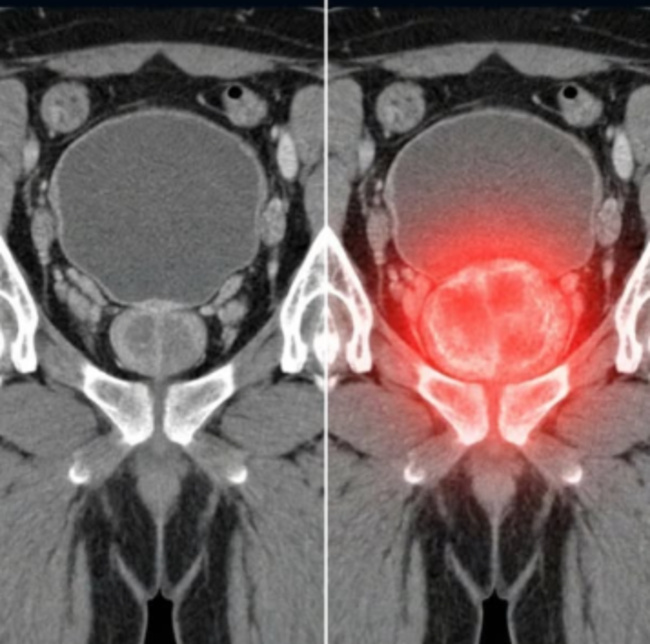
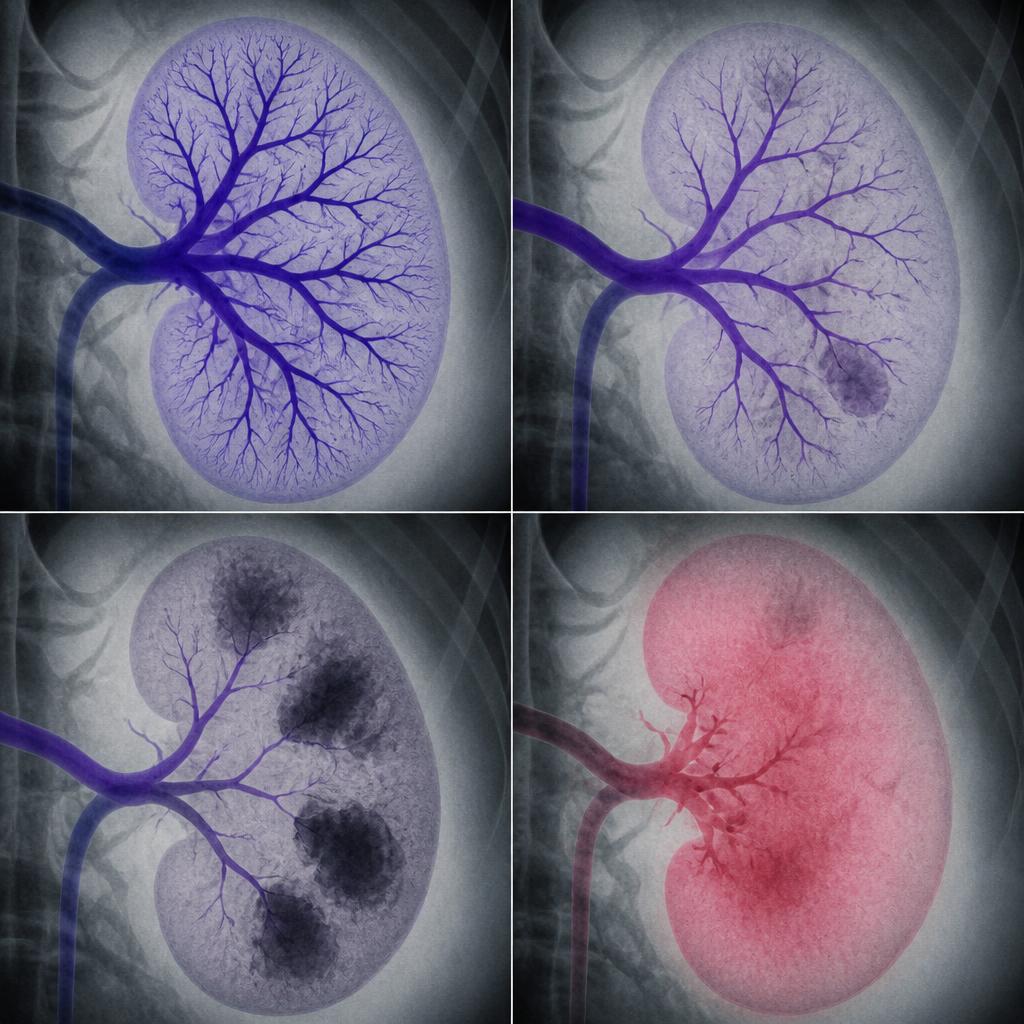
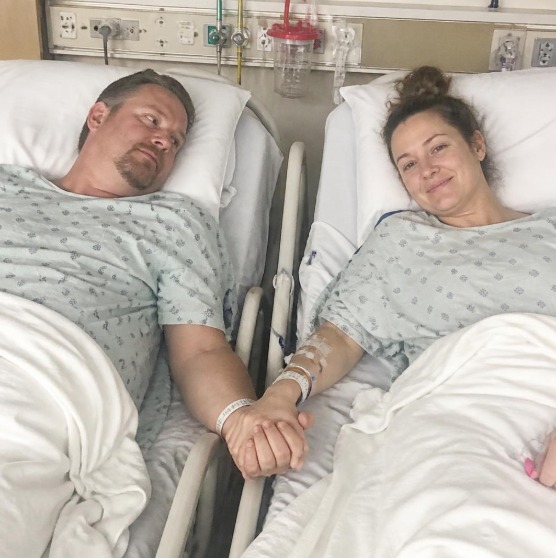
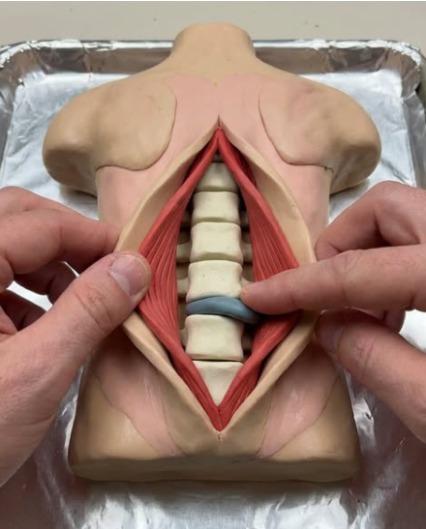
14 months on gabapentin. 900 milligrams every night. My doctor says we're "managing the sciatica well." My husband says I forget things he told me an hour ago. That I stare at walls. That I'm not myself anymore. One of them is lying. I know which one. Because I watched this exact medication do the same thing to my mother — for seven years — before it took everything from her and didn't fix the sciatica anyway. And what I found instead — in a research paper from a Japanese University — reduced my sciatica by 70% without gabapentin. Without surgery. Without a single new prescription. But to understand why I was desperate enough to spend three weeks reading medical journals at 4 AM, you have to know what I watched that medication do to my mother. For SEVEN YEARS my mother was trapped on gabapentin. She'd herniated a disc at L3-L4 lifting a box out of her car. The sciatica started three days later. That electric fire down her right leg. Her doctor prescribed gabapentin. 300 milligrams at night. "It'll calm the nerve down," he said. "You'll sleep better. The pain will be manageable." The first month was fine. She slept. The burning quieted. She thought it was handled. Then the pain started pushing through. They raised her to 600. Then 900. Each increase bought a few weeks of relief. Then the sciatica would break through again. Louder. More insistent. Like the nerve was learning to scream through the medication. By year two, she was at 1200 milligrams. And the side effects had started. Not subtle ones. The fog came first. My mother was a bookkeeper for thirty years. Did accounts payable for three businesses simultaneously. Sharp. Organized. Never missed a number. Within a year of high-dose gabapentin, she couldn't balance her own checkbook. She'd stare at columns of numbers and say, "They're swimming." She forgot passwords she'd used for a decade. Started leaving the stove on. Left a burner going for six hours one afternoon — my father came home to a red-hot element and an empty pan. Then the falls. Gabapentin affects your coordination. Your balance. Your ability to feel where your feet are on the ground. She fell in the kitchen. Grabbed the counter on the way down, pulled a drawer full of silverware onto herself. Stitches in her forearm. Three months later, she fell in the driveway. Broke her wrist. Six weeks in a cast. The doctor's response? "Falls are common at her age." She was fifty-eight. And through all of it — through the brain fog and the falls and the stove left on and the broken wrist — the sciatica never improved. The pain was always there. Sometimes quiet enough to get through the day. Always loud enough to steal her sleep. They kept raising the dose. 1200 became 1800. Then 2400. I came home for Thanksgiving one year — year five on the medication — and didn't recognize the woman sitting in my parents' kitchen. Glassy eyes. Slow speech. She asked me the same question three times in twenty minutes and didn't know she'd asked it before. Shuffled when she walked, feet barely clearing the floor. Hands trembling when she lifted her coffee cup. My father pulled me aside in the hallway. His eyes were red. "She's disappearing," he said. "The pills aren't helping the pain and they're taking everything else." I asked about stopping the medication. He shook his head. "She tried. The withdrawal was... you can't just stop. The doctor said she'd need to taper over months. And even tapering, the nerve pain came back so bad she couldn't function." Trapped. On a medication that wasn't fixing her pain. Couldn't stop because the withdrawal was worse than the disease. Side effects eating her mind alive while the sciatica kept burning through it all. Year seven, she had the microdiscectomy. The surgery she'd been trying to avoid the entire time. The reason they put her on gabapentin in the first place — to "manage the pain" while avoiding surgery. Seven years of medication. Seven years of side effects. And she ended up in the operating room anyway. The surgery helped. Partially. The leg pain decreased by about half. But the nerve damage — the damage that had been accumulating for seven years while gabapentin did nothing to stop it — that was permanent. She still has numbness in her right foot. Can't feel the floor properly. Still shuffles. Still falls. And the cognitive effects? Even after tapering off gabapentin completely — which took four months — the sharpness never fully came back. The bookkeeper who managed three businesses can't track her own prescriptions without writing them in large letters on the refrigerator. I promised myself I'd never take that medication. Then two years ago, I bent down to pick up a laundry basket and felt something shift in my lower back. Not a pop. Not a crack. More like a wet sliding sensation. Like something moved that wasn't supposed to move. Within three days, the sciatica started. That burning line of fire that starts in your lower back and shoots down through your hip, your glute, the back of your thigh, your calf, all the way to your ankle. If you've had it, you know. If you haven't, I hope you never do. My daughter's wedding was four months after the injury. I couldn't sit through the rehearsal dinner. Stood in the back for the ceremony because I couldn't stay in a chair for more than fifteen minutes. Left the reception at 8:30 because the pain was so bad I was shaking. Smiled for photos. Cried in the car on the way home. My husband drove. Didn't say anything. Just reached over and held my hand. The MRI showed a herniated disc at L4-L5. Compressing the nerve root. And despite everything I'd watched my mother go through — despite the promise I'd made to myself — I let my doctor prescribe gabapentin. 300 milligrams at bedtime. Because the pain was so bad I couldn't function. Because I was desperate. Because I thought maybe it would be different for me. It wasn't different. The first two weeks felt like a miracle. I slept five hours straight. Cried the next morning because I'd forgotten what it felt like to not be exhausted. But then the pain started pushing through. Just like my mother. They raised me to 600. Then 900. Each increase bought a few weeks. Then the sciatica would break through again. And the side effects started. Just like my mother. The fog. The forgotten words. The staring at walls. The conversations I couldn't remember having. My husband sat down across from me at the kitchen table one evening. Set his coffee down. "I need to say something and I need you to hear me." I looked up. "You forget things I told you an hour ago. You trail off in the middle of sentences. You stare at walls. This medication is doing something to you, and the pain isn't even better." My chest tightened. Because he was right. And I'd been pretending not to notice. I was becoming my mother. On the same medication. With the same side effects. And the same sciatica burning through it. That's when I stopped pretending the doctor was right and my husband was wrong. My doctor wanted to increase me to 1200. I said no. She gave me that look doctors give difficult patients. "I understand your concern, but the nerve pain needs to be managed—" "Managed. That's the word you used. Not treated. Not fixed. Managed. My mother was 'managed' for seven years. She's still falling. She still can't add numbers in her head. And she had the surgery anyway." She didn't have an answer for that. I told her to give me time. I'd find another way. She wasn't happy. Wrote something in my chart. I didn't care. I'd watched where "managed" leads. That night — another night of broken sleep, another night of burning down my leg at 2am — I sat at my kitchen table with my laptop and started searching. Not "best supplement for sciatica." Not "natural pain relief." I'd tried all of that. I searched: "why does sciatica get worse even when disc hasn't changed on MRI." Because that was the question nobody could answer. My MRI from months ago showed the same herniation. Stable. Unchanged. But my pain was dramatically worse. And I found a study from Keio University in Japan that stopped me cold. The researchers had asked the exact same question I was asking: why do patients with stable disc herniations experience worsening nerve pain? I kept reading. Clicked through to the full paper. Then to the studies it cited. Then to studies that cited it. By 3 AM, I had seventeen tabs open. By 4 AM, I understood what was happening to my nerve — and why nothing my doctor prescribed had any chance of fixing it. By 5 AM, I was furious. One of the studies referenced a researcher at Nagoya University — Dr. Kenji Matsuda. Neurophysiologist. Had been studying oxidative damage in compressed nerve tissue for over fifteen years. He'd published a paper specifically on why gabapentin fails to prevent nerve deterioration in disc herniation patients. I found his contact through the university website. Sent an email at 5:30 AM. Didn't expect a response. Two days later, my inbox pinged. "Mrs. Calloway — Your question about gabapentin and nerve root oxidation is one I have studied extensively. I would be happy to explain what is happening to your nerve. Many patients in your situation are never told." We scheduled a video call. 7 AM my time, 9 PM his. When his face appeared on my screen, I saw a man in his early sixties. Calm. Precise. The kind of person who chooses every word carefully. Behind him, bookshelves packed with journals and research binders. "Tell me about your pain," he said. I told him. The laundry basket. The sciatica. The gabapentin that stopped working. The stable MRI. The worsening pain. He nodded slowly. Like he'd heard this exact story hundreds of times. "Your doctors — they are treating the signal. Not the source. This is the mistake." He pulled up an image on screen share. A cross-section diagram of a compressed nerve root. "When your disc herniates and presses on the nerve, the compression triggers inflammation. Your body floods that area with inflammatory chemicals. This is normal. This is your body's response to injury." He pointed to the diagram. "But it is what happens NEXT that nobody tells you. That inflammation generates free radicals — specifically hydroxyl radicals. The most destructive oxidants in your body. And these free radicals don't just cause temporary swelling. They attack the nerve itself." He zoomed into the diagram. Highlighted the nerve sheath. "This is your myelin sheath. The protective coating around your nerve fiber. Think of it as insulation on an electrical wire. The hydroxyl radicals strip it away. Without that coating, pain signals amplify. Your nerve becomes hypersensitive. It fires at lower thresholds. Small movements that shouldn't hurt — they hurt. Lying in one position — it hurts. The nerve is exposed." I thought about my nights. The burning that would start even when I was perfectly still. The pain that seemed to come from nowhere. "Then the free radicals attack the blood vessels," he continued. "The microscopic capillaries that feed your nerve oxygen and nutrients. They get destroyed. The nerve starts to suffocate. Starve. And as it deteriorates, the pain increases — even though the structural problem hasn't changed." "That's why my MRI looks the same but my pain is worse," I said. "Exactly. The disc is the match. But the oxidative stress is the fire. And the fire grows every day that nobody puts it out." He paused. Let that sink in. "Your gabapentin — your mother's gabapentin — it operates at the very end of this process. It does not reduce the oxidative stress. It does not protect the myelin sheath. It does not restore blood flow to the nerve root. It simply... dampens the signal. Turns down your ability to hear the nerve screaming." "While the fire keeps burning," I said. "While the fire keeps burning. Yes. This is why patients build tolerance. The damage escalates. The pain signal gets louder. The medication cannot keep up. So they raise the dose. And raise it again." He shook his head. "300 becomes 600. 600 becomes 900. 900 becomes 1200. I have seen patients on 2400 milligrams with no relief. The nerve is being destroyed. The medication was never designed to stop that." My mother. 2400 milligrams. Seven years. The nerve damage permanent by the time they operated. "It is like putting on noise-canceling headphones while a fire alarm gets louder," Dr. Matsuda said. "Eventually the headphones cannot keep up. And the whole time — nobody was putting out the fire." "What about the other treatments?" I asked. "Ibuprofen. Steroid injections. Everything I've tried." "All downstream," he said. "Ibuprofen blocks inflammatory chemicals — but only after the oxidative damage has already restarted the cascade. Steroids suppress the immune response temporarily — but the oxidative damage restarts it within weeks. CBD, turmeric — downstream. And turmeric molecules are far too large to reach the compressed tissue at a nerve root. Only one to two percent reaches your bloodstream. Almost none reaches the nerve." "So nothing I've tried has been reaching the actual problem." "Nothing. You have been fighting the battle in the wrong location. Your mother fought it in the wrong location for seven years." I felt sick. "In Japan," he continued, "we ask a different question. Not 'how do we block the pain signal?' But 'how do we stop the oxidation at the nerve root?'" He pulled up another diagram. A molecular structure. "This is H2. Molecular hydrogen. The smallest molecule that exists. So small it passes through cell membranes as if they are not there. Small enough to reach compressed nerve tissue that no other antioxidant can penetrate. Small enough to enter the capillaries feeding your nerve — the ones that oxidative stress has been choking off." "And it is selective. H2 does not destroy all free radicals — some of them your body needs. It targets only hydroxyl radicals — the specific free radicals destroying your nerve sheath, sensitizing your pain receptors, and choking off blood supply to your nerve root." "Surgical precision," he said. "No side effects. Over 1,500 peer-reviewed studies. Not a single significant adverse event." He leaned back. "We have tested this in patients with nerve compression injuries. Significant reduction in oxidative stress markers. Measurable decrease in inflammatory cytokines. Improved nerve conduction. Reduced pain scores. Not because it blocked the pain signal. Because it neutralized the hydroxyl radicals that were destroying the nerve." "Domino one. Stopped." I sat there for a moment. Processing. "Where do I get this?" I asked. He smiled slightly. The same way a teacher smiles when a student asks the right question. "That is the problem. And it is why many Americans try molecular hydrogen and conclude it doesn't work." "What do you mean?" "H2 is the smallest molecule in existence. It escapes through almost anything — plastic, metal, even glass. Hydrogen water machines, pre-made bottles — by the time you drink it, the hydrogen is gone. You are drinking expensive plain water. And low-concentration tablets deliver two to three parts per million. Below the clinical threshold. Not enough to neutralize anything." "So what works?" "Magnesium-based effervescent tablets. You drop the tablet in water and drink immediately while the reaction is happening. The hydrogen generates in your stomach. Absorbs directly into your bloodstream. No time to escape. Full therapeutic concentration." He paused. "I have tested many products from American companies. Most deliver almost nothing. But there is one company making this correctly. They are called PrimeCell. Magnesium-based tablet technology. Twelve parts per million concentration at the moment of absorption. The highest I have tested. This is the dose used in clinical research. The dose that shows results in studies." I wrote down the name. PrimeCell H2. "One more thing," Dr. Matsuda said. "You will feel it quickly. Within fifteen to twenty minutes. Mental clarity. Energy. The hydroxyl radicals that cloud your thinking by evening — they will be neutralized. You will notice." I thanked him. Ended the call. Found the website. PrimeCell H2. Magnesium-based hydrogen tablets. 12 PPM concentration. Third-party lab tested with published results. Made in the USA with pharmaceutical-grade manufacturing. I ordered it. Started tapering the gabapentin with my doctor's guidance the same week. Figured I had nothing left to lose. The bottle arrived on a Thursday. That evening, I dropped the first tablet in water. Watched it fizz. Drank it. Sat on the couch. Expected nothing. I'd been let down by everything. About eighteen minutes later, I noticed something. A lift. Like someone had turned up the oxygen in my blood. The brain fog that usually settled over me by evening — it cleared. Not dramatically. But noticeably. Like a window I didn't know was dirty had been wiped clean. That first night, I slept four and a half hours before the sciatica woke me up. Not a miracle. But I'd been averaging three. Day three. Five hours. Woke up with the burning, but it was quieter. Like someone had turned the volume down. Not the drugged, muffled feeling of gabapentin. This was different. Like the actual intensity was lower. Like the fire was smaller. By the end of week one, I was sleeping five to five and a half hours. The daytime sciatica that flared when I sat too long was noticeably reduced. Not gone. But the sharp edge was off it. I kept going. Didn't tell anyone. Didn't want to jinx it. Week two. Six hours of sleep. I woke up once, repositioned, and fell back asleep. That hadn't happened in over a year. The burning was changing. Less sharp. More like a dull warmth instead of a hot wire. I could live with a dull warmth. My husband noticed before I said anything. We were having dinner and he put down his fork. "You're different." "What do you mean?" "You're sitting. In a chair. For more than ten minutes. And you haven't shifted once." I hadn't even realized. "And you finished your sentence just now without stopping to search for a word." The fog was thinning. The gabapentin was tapering down. And the pain was getting quieter at the same time. For the first time, something was working in the right direction on both fronts. Week three. I realized I hadn't taken ibuprofen in four days. Not because I was testing myself — I just forgot. The pain hadn't demanded it. Week four. I slept six and a half hours. Woke up and lay there for a minute because something felt wrong. Then I realized — nothing hurt. My leg was just... quiet. Not numb. Not medicated. Quiet. I sat on the edge of the bed and cried. My husband woke up. "Diane. What's wrong?" "Nothing. Nothing is wrong. That's why I'm crying." He pulled me in and held me. Didn't let go for a long time. Five weeks in, I went back to my doctor. She walked in. Pulled up my chart. "So. How's the pain management going?" "I'm sleeping seven hours a night. The sciatica is about 70% less intense. I haven't taken ibuprofen in two weeks. And I'm almost off the gabapentin." She stopped typing. Looked at me. "You're tapering the gabapentin and the pain is improving?" "Yes." She frowned. Pulled up my MRI from the original injury. "The herniation was significant. You should still be in considerable pain — especially while reducing the gabapentin." "I know. That's what I expected too." "And what changed?" I told her. The Japanese research. The oxidative stress mechanism. The molecular hydrogen. How it works upstream — at the first domino — instead of downstream where everything else operates. She was quiet for a long moment. Then she typed something. Typed more. "I'm not going to pretend I understand the mechanism," she said. "But what you're describing — significant symptom improvement with a stable structural finding while tapering off a nerve pain medication — that doesn't happen without something changing at the nerve level." She paused. Looked at her screen. "I want to order a test. High-sensitivity CRP. It measures systemic inflammation — specifically the kind of inflammatory activity associated with nerve root compression and oxidative stress." I'd never heard of it. "Most patients haven't," she said. "It's not routine for sciatica. But given your improvement, I'm curious about what's happening at the inflammatory level." A week later, the results came back. She pulled them up on her laptop. Stared at the screen for a moment. "Your hs-CRP is 0.8 mg/L." "Is that good?" "For someone with an active disc herniation compressing a nerve root? It's remarkable. I would typically expect to see 3 to 6 in your situation. You're at 0.8. That's lower than most of my patients without spinal issues." She looked at me. "Whatever this supplement is doing, it's not just reducing your pain perception. It's reducing the inflammatory activity at the nerve level. That's the inflammation that drives nerve deterioration." She closed the laptop. "I'll be honest with you. I've wanted to keep you on gabapentin since you first walked in here. And if you told me six weeks ago that you'd be tapering off it, sleeping seven hours, with a CRP under 1, I wouldn't have believed you." She paused. "Whatever this is, keep doing it." I thought about Dr. Matsuda. About what he said. The disc is the match. But the oxidative stress is the fire. He was right. And now I had the numbers to prove it. No one ever tested my mother's inflammatory markers. Seven years of appointments. Seven years of "how's the pain?" and "let's increase the dose." Meanwhile, the oxidative fire at her nerve root was burning hotter every year. Destroying the nerve from the outside in. And nobody ever looked. They were treating the signal. Never the source. I walked out of that office and sat in my car and just breathed. For the first time since the laundry basket, I didn't feel trapped. It's been fourteen weeks now. I'm off gabapentin completely. The brain fog has lifted. I can find my words again. I can remember conversations from yesterday. I feel like myself for the first time in over a year. My husband was right. The medication was taking something from me. And the doctor was wrong. The sciatica was never being "managed well." The sciatica isn't gone. I want to be honest. I still have a herniated disc. Some days the nerve reminds me it's there. But the screaming has become a whisper. The burning that owned my nights has faded to something I barely notice. I sleep seven hours most nights. Seven hours. I didn't think that was possible anymore. Last weekend, my daughter came over for dinner. We sat at the table for two and a half hours. Talking. Laughing. I didn't get up once. I didn't shift. I didn't wince. I was just there. Present. The way I couldn't be at her wedding. My husband squeezed my hand under the table. Didn't say a word. Didn't need to. I called my mother last week. Told her what I'd found. About the oxidative stress. About the hydrogen research. About domino one. Long silence. "Seven years," she finally said. "Seven years they had me on that medication and nobody ever told me about any of this." Her voice broke. "If I'd known... maybe my foot would still work. Maybe I'd still be able to add numbers in my head." I couldn't say anything. Because she was right. If you're reading this, you see yourself in my story. You have a herniated disc. Or stenosis. Or a bulging disc that's pressing on a nerve. The sciatica owns your nights and steals your days. Your doctor says the gabapentin is "managing" your pain. Your family sees something different. The dose keeps climbing. The relief keeps fading. And you're losing pieces of yourself you didn't know you were losing until someone who loves you points it out. You've been fighting the battle in the wrong location. Every treatment you've been given targets the end of the inflammatory cascade. The pain signal. The downstream chemicals. Nobody showed you where the shut-off valve is. The oxidative damage at your nerve root — the first domino — has been falling this entire time. And it will keep falling until something reaches it and stops it. Gabapentin can't reach it. Ibuprofen can't reach it. Steroids wear off and it restarts. Turmeric molecules are too large to get there. Molecular hydrogen is the only molecule small enough to penetrate to the nerve root and neutralize the hydroxyl radicals that are destroying it. Right now you're at a crossroads. One path: Increase the gabapentin again. Watch the dose climb — 1200, 1800, 2400. Let the fog thicken. Lose more words. Lose more balance. Lose more of yourself. Watch the pain break through anyway. End up in the surgeon's office with years of nerve damage that didn't have to happen. Every time you stumble. Every time you leave the stove on. Every time you can't find a word that used to come easily. Every time your family exchanges a look behind your back — ask yourself: is this year two? Year five? Year seven? I watched my mother walk that path. I started down it myself. I turned around. The other path: Address what's actually happening at the nerve root. Stop the oxidative damage at domino one. Give your nerve tissue a chance to heal instead of being destroyed a little more every day. Track the changes week by week the way I did. Sleep again. Think clearly again. Be yourself again. PrimeCell has a 90-day money-back guarantee. If it doesn't work for you, you get your money back. No questions asked. I wish my mother had found this seven years before the surgery. Before the falls. Before the numbers stopped making sense. Before the woman who managed three sets of books couldn't track her own prescriptions. She didn't have this option. You do. They're a small company and they sell out frequently. If you click the link below, they may be out of stock — but check anyway. Because the alternative is another night at 3 AM with your leg on fire. Another dose increase. Another step down the same path my mother walked. Another day of your family watching you disappear and your doctor calling it "managed." I watched where that path ends. I chose a different one. 👉 Click here for the molecular hydrogen I recommend shop.getamalahealth.com/pch/sp P.S. — You'll know within the first 20 minutes if it's reaching your system. There's a clarity, an energy lift, that happens fast. That's not the pain relief — that takes 1-2 weeks to build. But it's proof the compound is active and reaching your cells. If you've taken supplements that made you feel nothing, this is different. I felt it at eighteen minutes. P.P.S. — I tapered off gabapentin under my doctor's supervision over three weeks. Do NOT stop abruptly — that's dangerous. But if you start PrimeCell and feel the pain decreasing, have that conversation with your doctor. Mine was skeptical at first. Then she saw the CRP results and said, "Whatever this is, keep doing it." P.P.P.S. — If you're in a herniated disc or sciatica support group reading this, you already know the pattern. Gabapentin. Dose increase. Side effects your doctor dismisses. Steroid injections that wear off. Surgery talk. I lived that pattern through my mother. Then I started living it myself. The reason nothing works long-term is because nothing reaches the source. That changed when I found something small enough to actually get there. shop.getamalahealth.com/pch/sp
Fix Yourself at the Cellular Level
PrimeCell H2 is a next-generation molecular hydrogen tablet designed to selectively neutralize the most damaging free radicals in your body - at the cellular level, right where aging actually happens.
LEARN MORELike this ad? Make it yours.
Crush rebuilds this exact creative around your product — your brand, your colors, your offer — in about a minute.